Produce
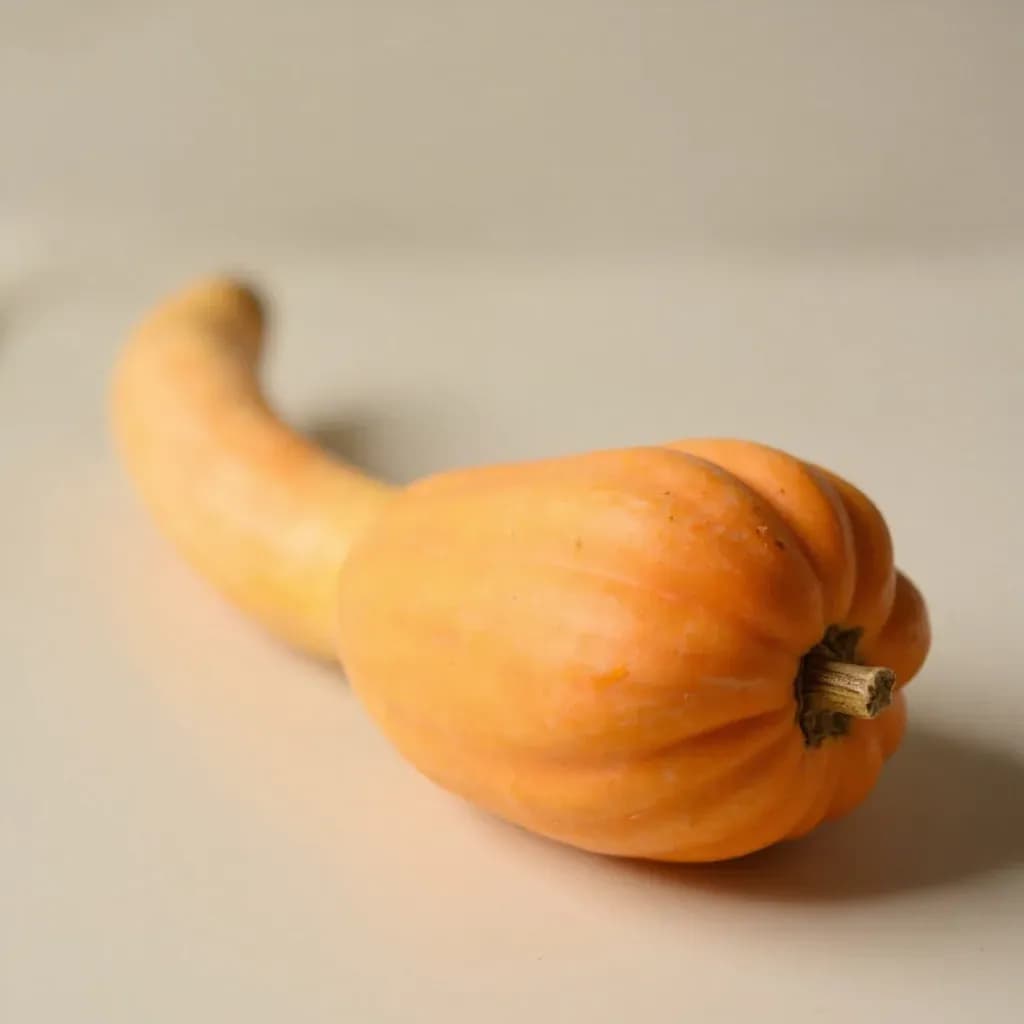
Long Pumpkin (Zucca)
Long Italian winter squash with sweet flesh for risotto, soups, and gnocchi.
Zucca is the Italian word for pumpkin and squash, often referring to long, curved winter squash varieties with dense, sweet orange flesh. It is roasted, pureed into soups, folded into risotto, and used to fill ravioli and tortelli di zucca. Its naturally sweet, nutty flavor deepens when roasted before use.
Italian Winter Squash (Zucca) refers to varieties of Cucurbita moschata or maxima species, cultivated in Italy since antiquity. Unlike the watery, bland pumpkins used for carving, zucca has dense, sweet flesh with a concentrated, mildly nutty flavor and deep orange to yellowish-orange color. The flesh is firm enough to hold its shape when roasted or braised, yet softens beautifully when cooked, making it versatile for both savory and sweet preparations. Regional varieties from Lombardy, Veneto, and Emilia-Romagna are prized in traditional Italian cuisine for dishes like risotto, gnocchi, and pasta fillings. When a recipe calls for 'zucca,' it means a firm, sweet winter squash with orange flesh—roughly equivalent to a butternut or other Cucurbita moschata variety, not summer zucchini or Halloween pumpkins.
Italian cuisine distinguishes strongly between zucca (winter squash) and zucchini (summer squash), and the term zucca alone almost always refers to winter varieties. The elongated or round orange-fleshed cultivars are most commonly called for in traditional recipes. The flavor and texture are denser and sweeter than carved Halloween pumpkins, which are watery and bland by comparison. Zucca yields approximately 70–80% edible flesh after peeling and seeding, and stores well for 2–3 months in cool, dry, dark conditions.
- Measured in
- g
- Storage
- Pantry
Types & varieties
Dark green, deeply warted and ridged skin; bright orange flesh; prized for risotto and gnocchi; Venetian origin (Chioggia, Veneto)
Elongated and ribbed; striped green and pale green; very sweet flesh; classic for soups and roasting
Round to slightly flattened; dark green; dense, dry flesh ideal for gnocchi and pasta fillings; Lombardy origin
Violin-shaped, tan-beige skin; particularly fine for gnocchi; common in Lombardy and Emilia-Romagna
General category name indicating suitability for pasta filling; typically medium-sized, orange-fleshed varieties
Common uses
Tips & pitfalls
- Roasting intensifies sweetness more than boiling; halve, oil, roast cut-side down at 190°C until tender, 30–45 minutes
- For gnocchi, use dense, dry-fleshed varieties (Marina di Chioggia, Mantovana) to avoid soggy results; roast rather than boil to reduce moisture
- Seed removal is easier if squash is cut in half and seeds scraped out with a spoon immediately after roasting while warm
- The skin of most Italian zucca varieties is too tough to eat; always peel before cooking
- For risotto, a soffritto base (onion, sometimes carrot and celery) sweated slowly in butter before adding the squash builds depth
- When making pasta filling, squeeze the cooked, pureed flesh in a clean cloth to remove excess moisture—this prevents soggy pasta
- Store whole, uncut squash in a cool, dark, dry place; once cut, wrap tightly and refrigerate, using within a week
- Freeze blanched, mashed, or pureed flesh in portioned containers for off-season use
- For a cleaner orange color in dishes, remove the fibrous strands and seeds thoroughly before cooking
Nutrition
Energy
109 kJ · per 100 g
Where the calories come from
Protein
1g
2% DV
Carbs
6.5g
2% DV
Fat
0.1g
0% DV
Fiber
0.5g
2% DV
Sugars
2.8g
of which
Sodium
1mg
0% DV
Source · USDA FoodData Central · Pumpkin, raw
View on FDC →In the shops
Matched grocery products
 €1.99
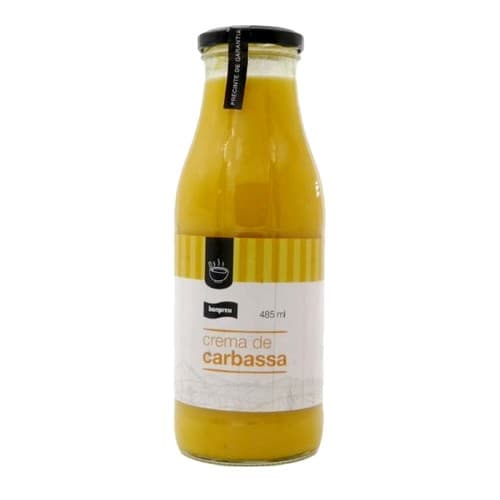
€1.99Pumpkin Cream
BONPREU · l · Bonpreu
 €2.70
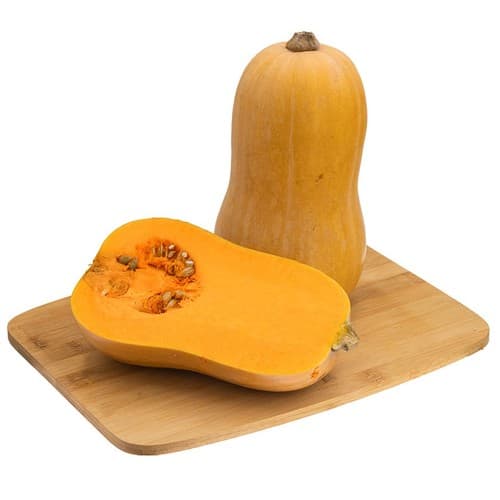
€2.70Km0 Pumpkin, 1 unit
ud · Bonpreu
 €1.99
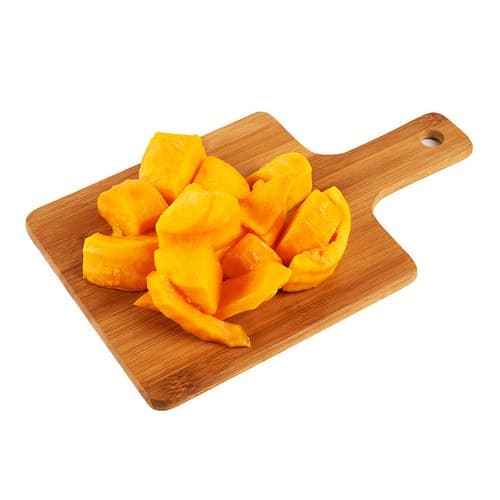
€1.99La Collita Pre-cut Pumpkin
LA COLLITA · kg · Bonpreu
 €2.49
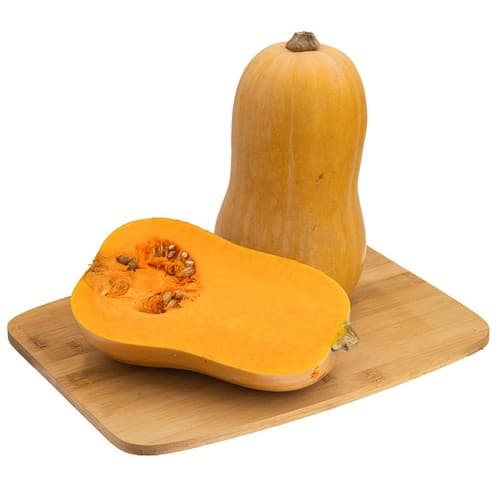
€2.49LA COLLITA Pumpkin Km0 1 unit
LA COLLITA · Bonpreu
 €2.19
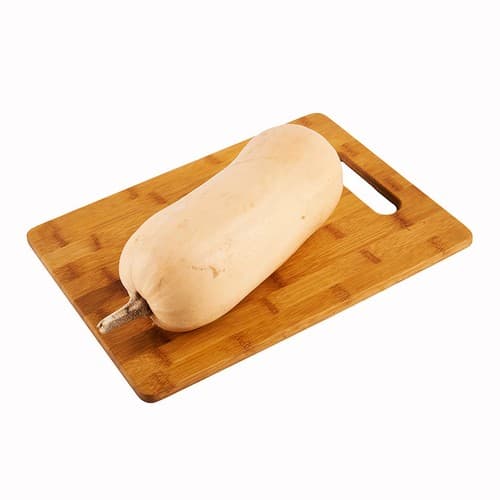
€2.19Ecological Pumpkin Local 0km 1 unit
Bonpreu
 €2.19
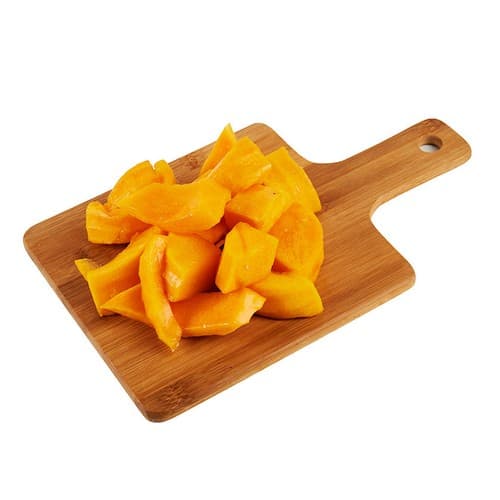
€2.19LA COLLITA Organic Cut Pumpkin Zero Km in 400g Bag
LA COLLITA · kg · Bonpreu
Good to know
- Botanical family
- Cucurbita (moschata or maxima species)
- Season
- October through winter, peak October–December
- Origin
- Cultivated in Italy since antiquity; many regional Italian varieties
- Flavor
- Sweet, mildly nutty, concentrated; sweeter than summer squash
- Flesh color
- Deep orange to yellowish-orange
- Typical size
- Varies by variety; elongated types can reach 30–50 cm
- Weight
- Commonly 1–4 kg per fruit
- Shelf life
- 2–3 months stored in cool, dry, dark place (8–12°C)
- Yield
- Approximately 70–80% edible flesh after peeling and seeding
- Key nutrients
- Vitamin A (beta-carotene), potassium, fiber, vitamin C
Substitutes
- Butternut squash — Most reliable substitute; similar sweetness and texture; slightly wetter, so reduce cooking liquid accordingly
- Red Kuri squash — Cucurbita maxima; sweet, dense, orange flesh; excellent for gnocchi and soups
- Delicata squash — Smaller, cylindrical; edible skin; sweeter but less dense; good for roasting; harder to find in Italy
- Sweet potato — Not a close substitute; different flavor and texture; acceptable in savory applications only
Pairs with
Also called
Zucca · Italian Pumpkin
Related
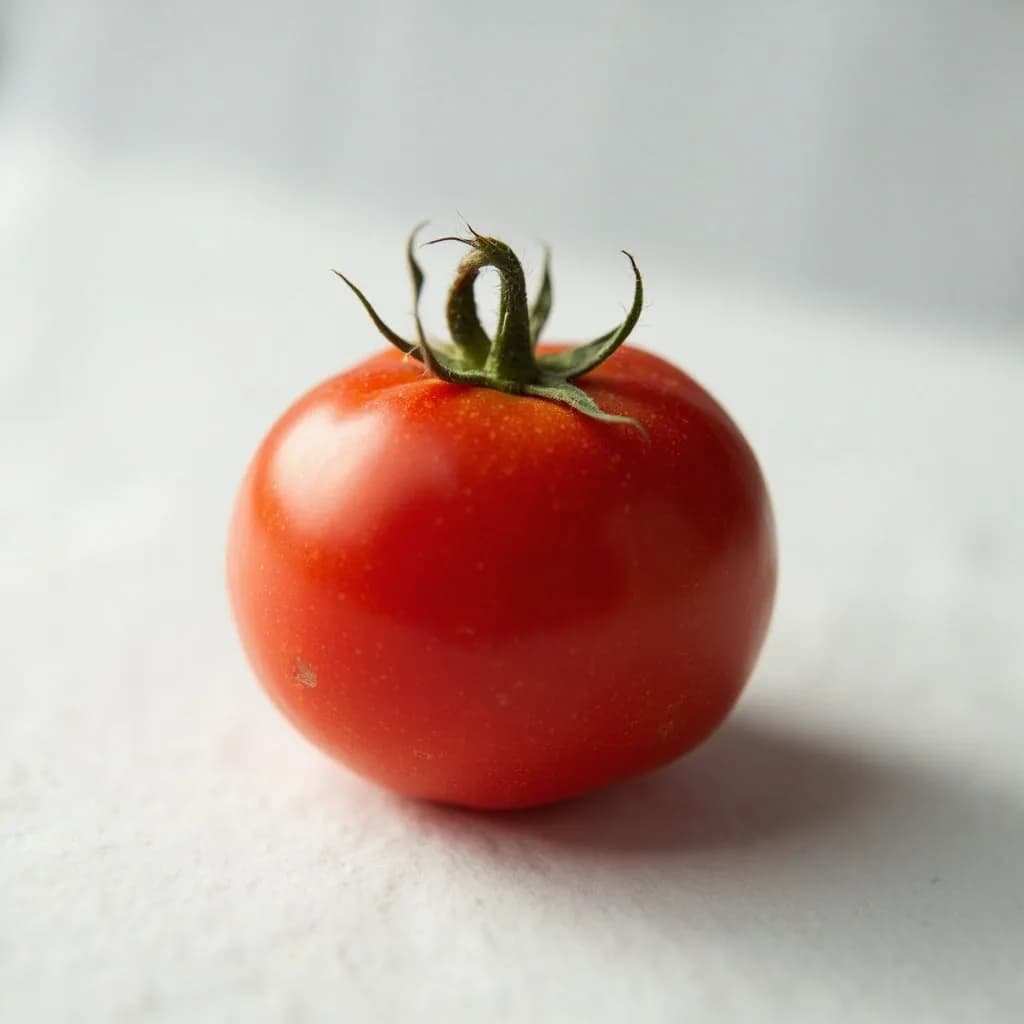
Tomato
Juicy, sun-sweet fruit for sauces, salads, and slow-cooked depth
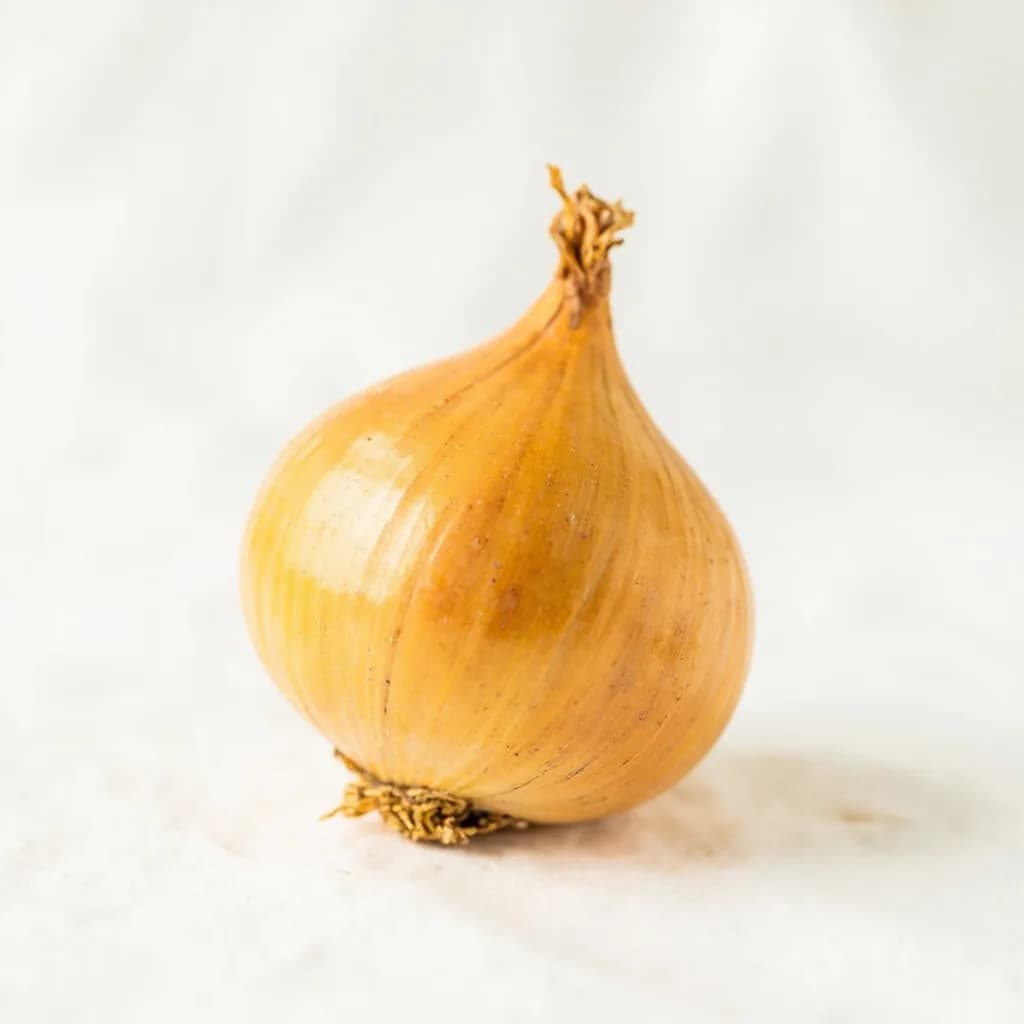
Yellow Onion
The aromatic backbone of soups, sofritos, and braises
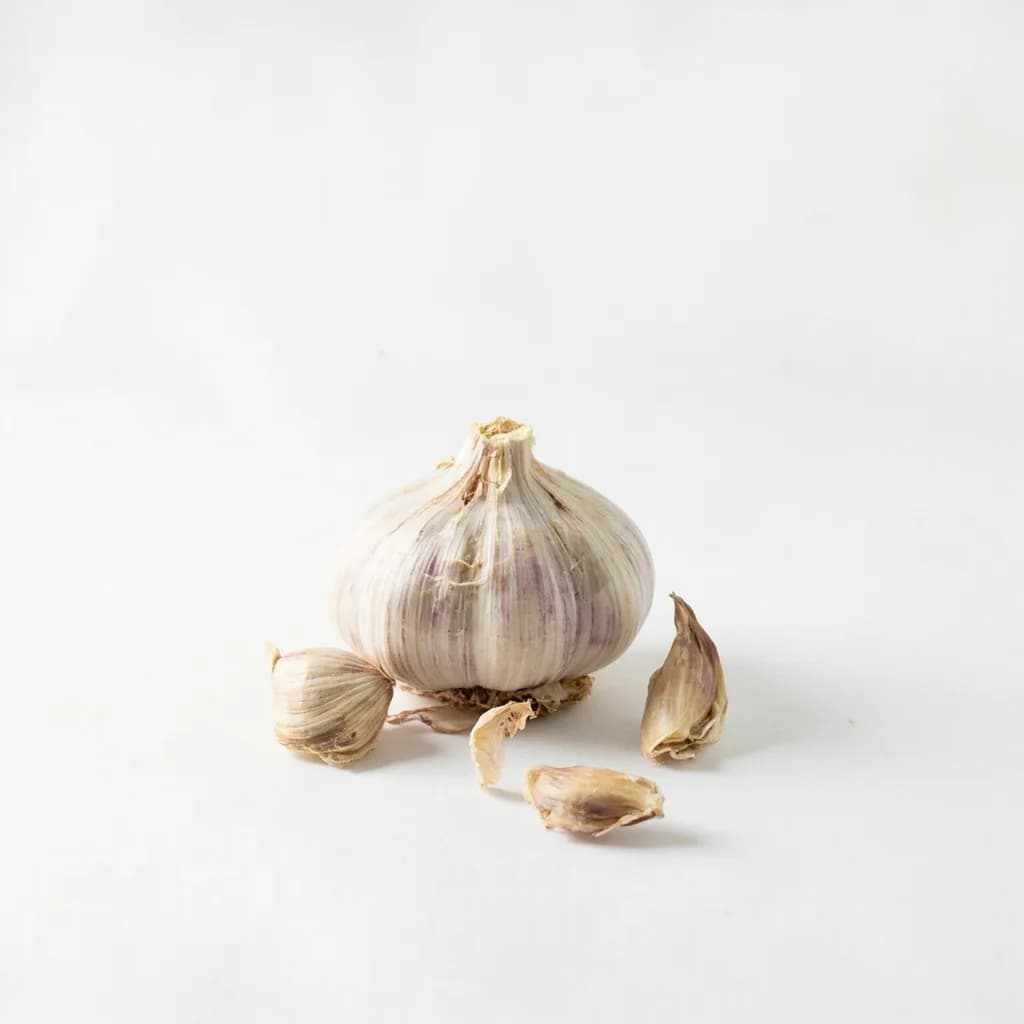
Garlic
Pungent cloves that perfume nearly every savory dish
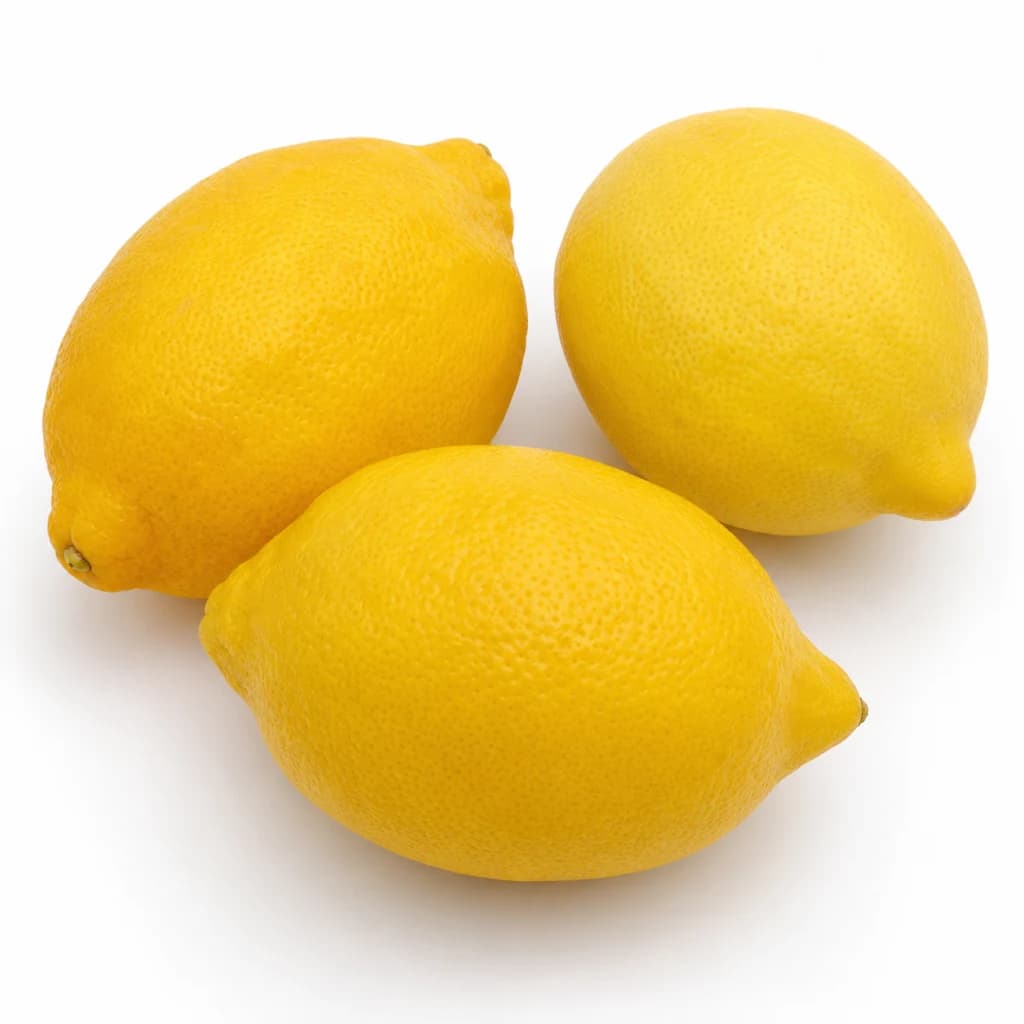
Lemon
Bright, acidic citrus that wakes up almost any dish
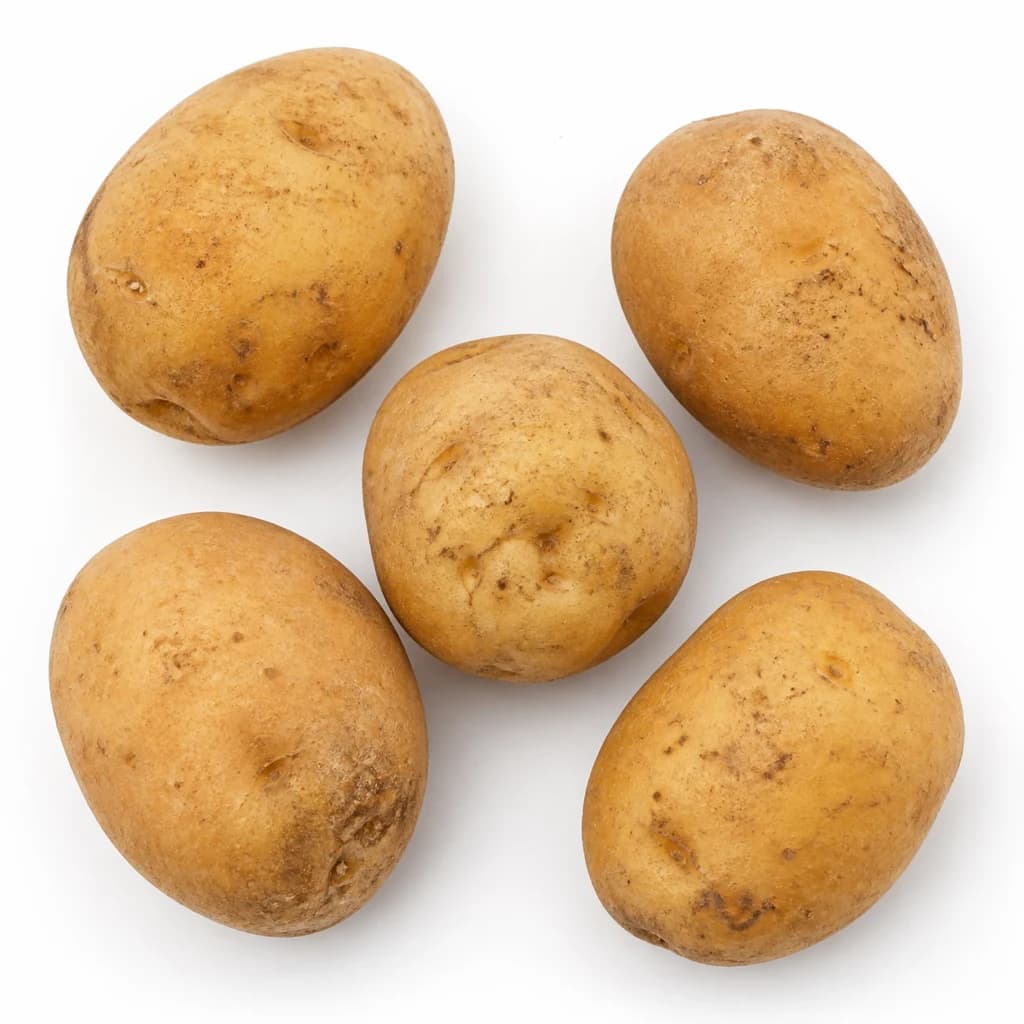
Potato
Humble, hearty staple — roast, mash, fry, or boil
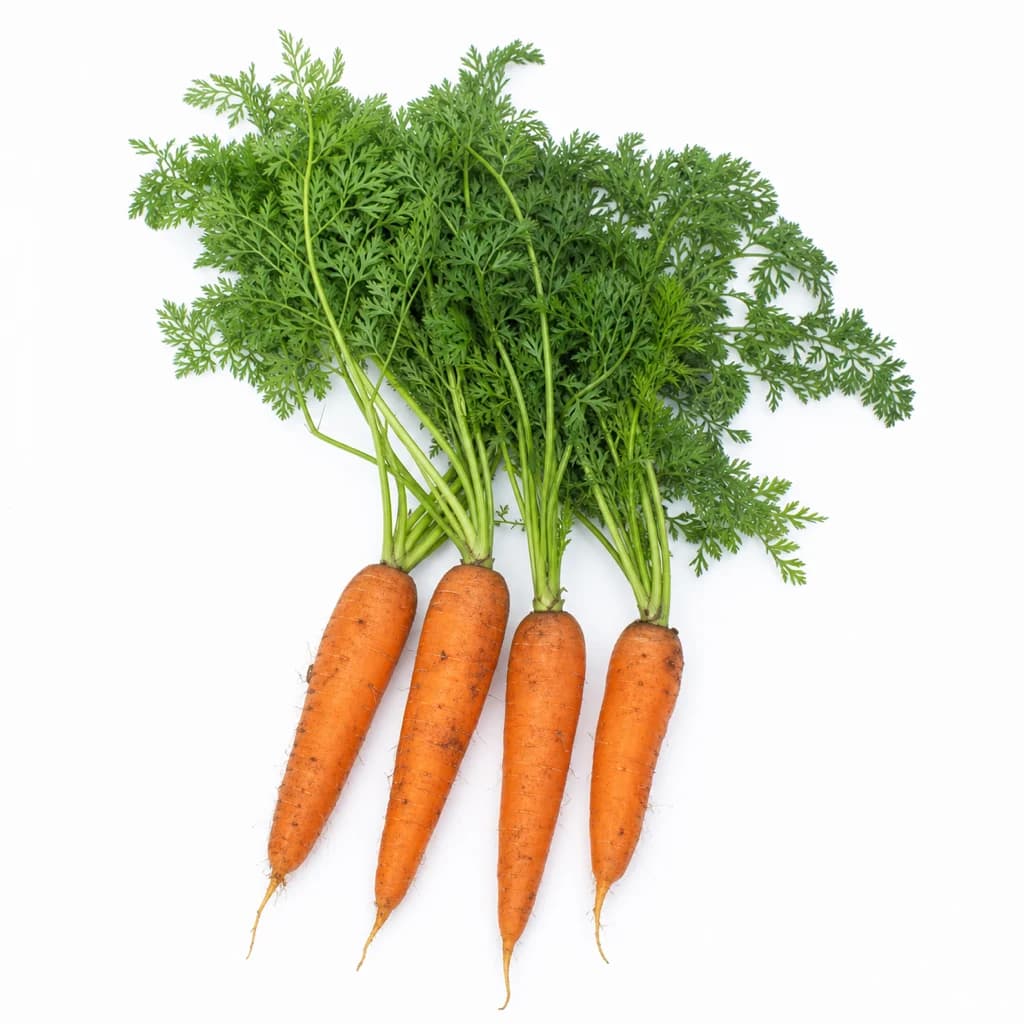
Carrot
Sweet, crunchy root — raw, roasted, or the base of a sofrito
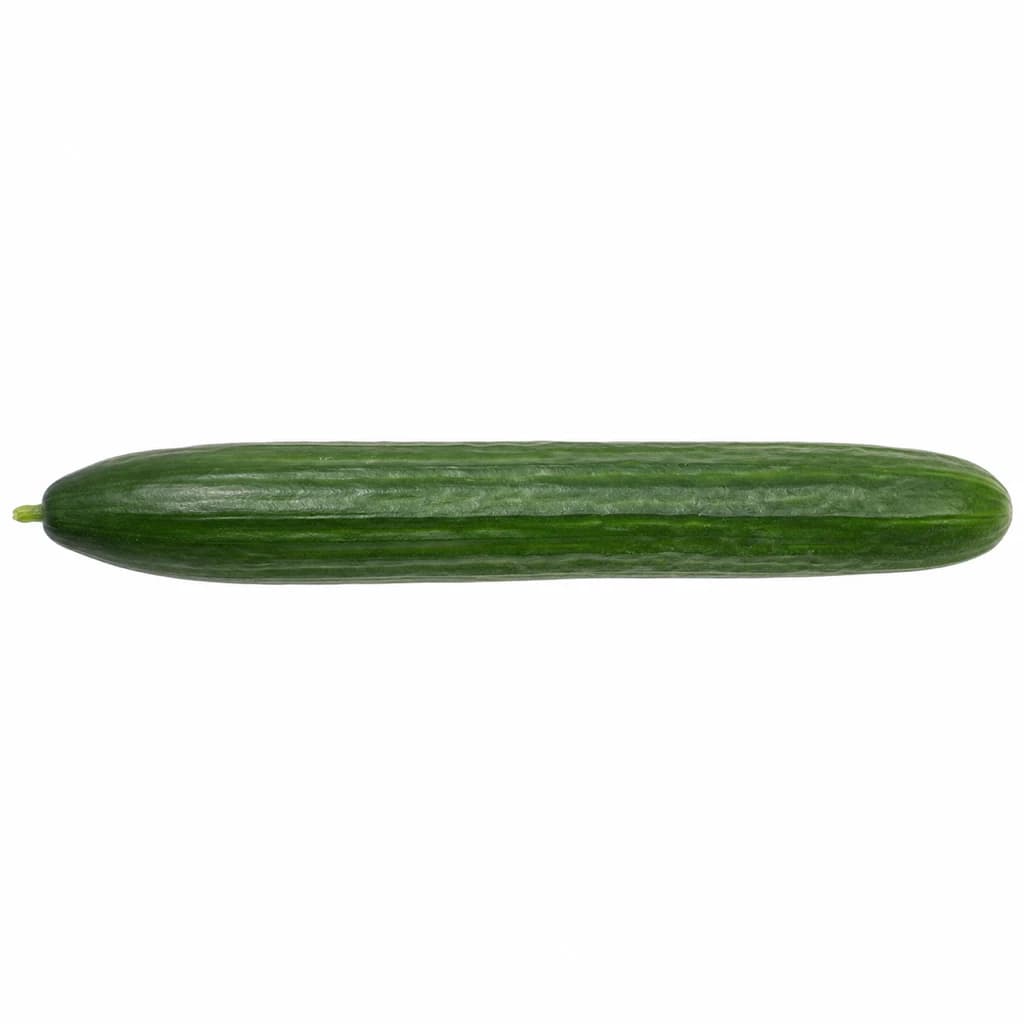
Cucumber
Cool, crisp, and watery — for salads, pickles, and tzatziki

Lettuce
Crisp leaves for salads, wraps, and a fresh crunch