 Lebanese
Medium · Warm
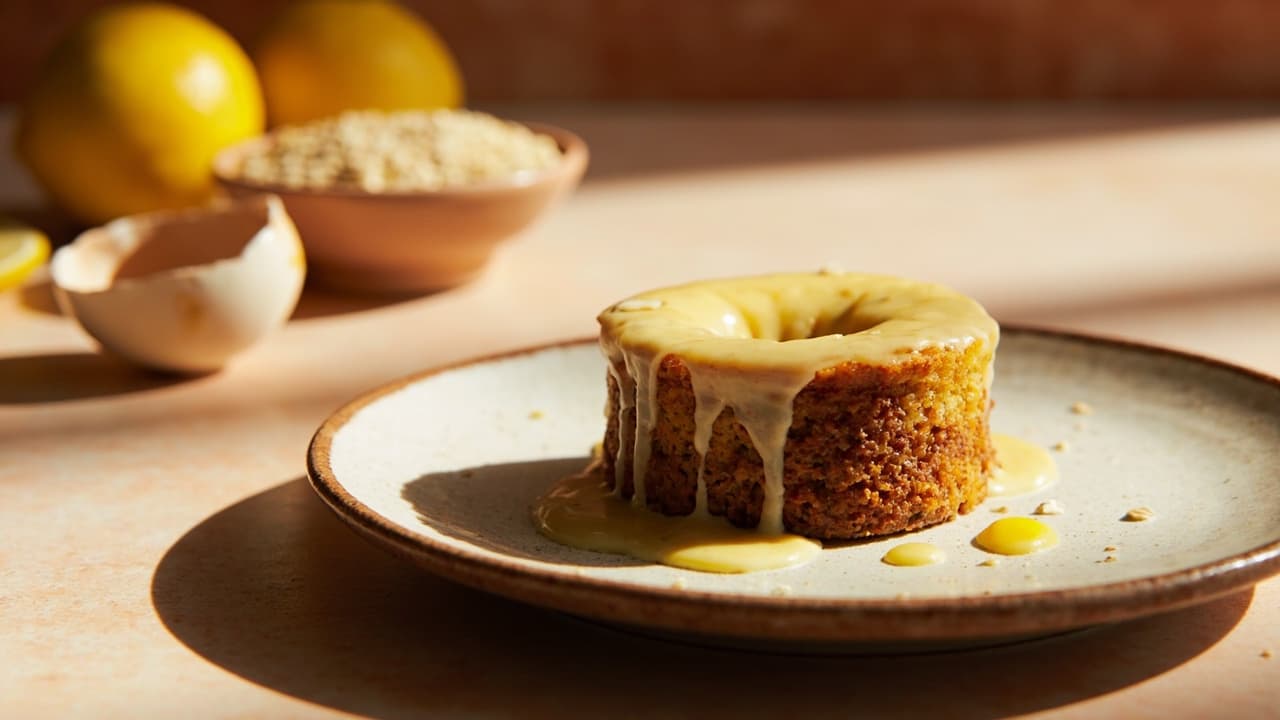
Lemon Tahini Olive Oil Cake
A tender, fragrant cake where nutty tahini meets bright lemon and fruity olive oil. Nadia's signature twist transforms a simple olive oil cake into something that tastes like the Levantine pantry — rich, tangy, and deeply satisfying.

Prep
15 min
Cook
35 min
Total
50 min
Method
1
Position a rack in the center of the oven and preheat to 180°C (350°F). Grease an 8-inch round cake pan with a thin film of olive oil, then line the bottom with parchment paper.
2
3
In a large bowl, crack egg and whisk vigorously for 30 seconds until well broken up. Add olive-oil, tahini, the zest of both lemon, the juice of both lemon (about 4 tablespoons), and vanilla-extract. Whisk until the tahini is fully incorporated and the mixture is smooth and slightly thickened, about 1 minute.
4
Pour the dry ingredients into the bowl of wet ingredients. Fold with a spatula until just combined — a few small streaks of flour are fine. Do not overmix or the cake will be tough. The batter should be pourable and slightly thick.
5
6
At 30 minutes, check by inserting a toothpick into the center. The cake is done when the toothpick comes out with only a few moist crumbs attached, and the top is deep golden with slightly darker edges. If needed, bake an additional 3–5 minutes.
7
8
While the cake cools, toast sesame-seed in a small dry skillet over medium heat, stirring constantly, for 2–3 minutes until fragrant and lightly golden. Immediately transfer to a plate to stop the browning.
9
Slice the cake into wedges and plate. Scatter the toasted sesame seeds over the top or serve them alongside for guests to add their own. Best enjoyed slightly warm or at room temperature.
C
Nutri-Score
Fair balance
A–E · lower is better · score 9
Calories
409
per serving
Calorie-dense · 409 kcal
Protein
7g
Carbs
49g
Fat
22g
Sat. fat
3g
Fiber
3g
Sugar
27g
Sodium
315mg
High Sodium CautionHigh Sugar CautionBalanced Indulgence
Nutri-Score is a general nutritional-balance guide, not medical or dietary advice.
C
Environmental impact
Moderate impact
A–E · lower is better · includes estimates
kg CO2e
0.3
per serving
CCarbonAEU all-round· carbon sets the grade
Water
0.7m³
Land
25Pt
Runoff
0.06g P
Eggs drives 32% of this recipe’s estimated footprint.
Carbon from Poore & Nemecek 2018; water, land & runoff from Agribalyse — modelled averages for comparing recipes, not a measurement of your groceries.
Flavor Profile
6
Umami
4
Sweet
2
Salty
5
Sour
1
Bitter
0
Spicy
Textures
MoistTender
Aromas
CitrusFloralHerbalNutty
Kitchen Equipment
Primary Tool
Standard OvenSafety & Storage
Cross Contamination
Use separate utensils and bowls when handling sesame seeds for garnish after using them in the batter to prevent cross-contact with other dishes.
Allergen Warning
This cake contains sesame, wheat/gluten, and eggs. Inform guests of all three allergens before serving, as sesame allergies can cause severe reactions.
Storage
Store at room temperature in an airtight container for up to 2 days, or refrigerate for up to 5 days. Bring to room temperature before serving for best texture.
Handling
Toast sesame seeds in a dry skillet over medium heat, stirring constantly. Remove from heat immediately when golden to prevent burning, which can create bitter flavors and smoke.
Allow cake to cool in pan for 15 minutes before unmolding. The cake is fragile when warm; cooling fully improves slicing.
High Risk Population
Ensure eggs are fully cooked to internal temperature of 160°F (71°C) to eliminate any risk of Salmonella, particularly important for young children, elderly, and immunocompromised individuals.
Equipment Safety
Use oven mitts when handling the hot cake pan. Position rack to center of oven before preheating to ensure safe placement and removal of the pan.
Pro Tips
Technique
Whisk the eggs first before adding the oil — this emulsification technique ensures a tender, evenly textured crumb rather than a dense, heavy cake.
Substitution
If tahini isn't available, substitute an equal amount of smooth almond or cashew butter for a different nuttiness that still honors the cake's rich character.
From the chef
In Beirut, we never serve just one thing — we build tables, layers of small dishes that speak to one another. This cake is my way of bringing that mezze philosophy to dessert: the nutty depth of tahini, the brightness of lemon, the fruitiness of good olive oil all in conversation. It tastes like the pantry shelf where my mother stored her precious jars of tahini, and every bite reminds me that in Lebanese cooking, even something as simple as cake tells a story of place and memory.
TagsDessertCakeTahiniLemonOlive OilCitrusVegetarianNuttyTenderGolden
AllergensWheatEggsSesame
Source: generated · June 12, 2026