 Georgian
Medium · Cold
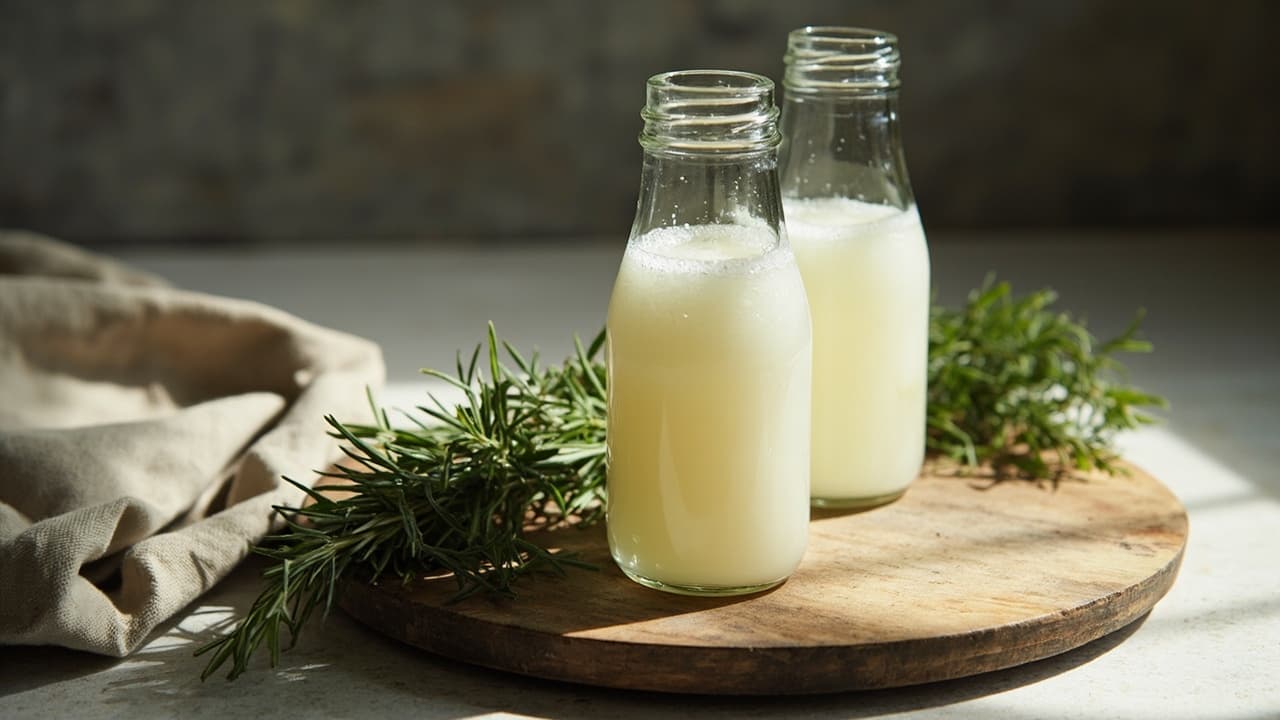
Svaneti Kefir Cultured with Alpine Herbs
A living-culture kefir drink infused with wild alpine herbs, echoing the mountain traditions of Svaneti. The kefir develops a complex tanginess while the rosemary and thyme lend herbal depth, finished with raw honey for a honey-sweet undertone.
Prep
20 min
Total
20 min
Method
1
Combine kefir and whole milk in a ceramic crock or large glass jar. Stir gently with a wooden paddle until fully blended. Cover with a clean natural cloth and let rest at room temperature (21-24°C) for 2 hours to awaken the culture.
2
Gather rosemary, thyme, and dill sprigs and tie them together with kitchen twine into a herb bundle. This bundle will be submerged in the cultured milk to infuse herbal essence without fragmenting into the drink.
3
[" CAUTION: Do not add raw garlic to dairy ferments due to Clostridium botulinum risk. If adding garlic as a variant, briefly blanch the crushed clove in boiling water for 30 seconds before adding during final fermentation hour."]
4
5
Transfer the finished kefir into clean glass bottles, leaving 2-3 cm of headspace for natural carbonation. Seal loosely with caps or cork. Refrigerate for at least 4 hours before serving to chill and allow flavors to meld. Serve cold as a living-culture beverage.
C
Nutri-Score
Fair balance
A–E · lower is better · score 3
Calories
198
per serving
Source of protein · 9gLow salt · 278mg
Protein
9g
Carbs
23g
Fat
9g
Sat. fat
7g
Fiber
0g
Sugar
21g
Sodium
278mg
Gluten FreeLacto VegetarianDigestive SupportGut HealthLactose ToleranceHigh CalciumHigh ProteinProbiotic Intake
Nutri-Score is a general nutritional-balance guide, not medical or dietary advice.
C
Environmental impact
Moderate impact
A–E · lower is better · includes estimates
kg CO2e
0.9
per serving
CCarbon
Whole Milk drives 86% of this recipe’s estimated footprint.
Carbon from Poore & Nemecek 2018; water, land & runoff from Agribalyse — modelled averages for comparing recipes, not a measurement of your groceries.
Flavor Profile
6
Umami
4
Sweet
4
Salty
7
Sour
2
Bitter
0
Spicy
Textures
CreamyEffervescentSmooth
Aromas
EarthyFermentedFloralHerbal
Kitchen Equipment
Primary Tool
Ceramic CrockCeramic CrockGlass BottlesGlass JarWooden PaddleKitchen TwineMeasuring CupsMeasuring SpoonsWooden SpoonCotton ClothRubber Bands
Techniques
Safety & Storage
Allergen Warning
This recipe contains milk and dairy from kefir and whole milk. Use pasteurized dairy ingredients if serving to immunocompromised individuals, pregnant women, elderly, or children under 5 years old.
Handling
Use clean, sterilized ceramic crock or glass jar for fermentation. Wooden paddle must be thoroughly cleaned and dried before each use to prevent contamination of the living culture.
Cooking Temperature
Maintain fermentation temperature strictly between 21-24°C (70-75°F). Temperatures outside this range can allow pathogenic bacteria to proliferate in the milk-based culture.
High Risk Population
Raw honey is included in this recipe - do not serve to infants under 12 months of age due to risk of infant botulism.
Cross Contamination
Do not use the same wooden paddle or cloth covers for different ferments. Designate separate equipment for dairy kefir to prevent unwanted cross-fermentation with other cultures.
Storage
After secondary fermentation in refrigerator, consume within 5-7 days. Living culture beverages continue developing in cold storage and quality declines beyond this window.
Shelf Life
Refrigerated kefir maintains optimal flavor and culture viability for up to 7 days. Allow flavors to meld for minimum 4 hours before serving as specified.
Pro Tips
Technique
Trust the cloth cover over your vessel—plastic seals trap unwanted bacteria while natural fabric lets the wild yeasts breathe and dance with the alpine herbs exactly as the mountain air intended.
Substitution
If fresh alpine herbs are elusive, dried sprigs work beautifully in smaller quantities; use half the amount and extend the culturing time by 2-3 hours to coax out the herbal essence.
From the chef
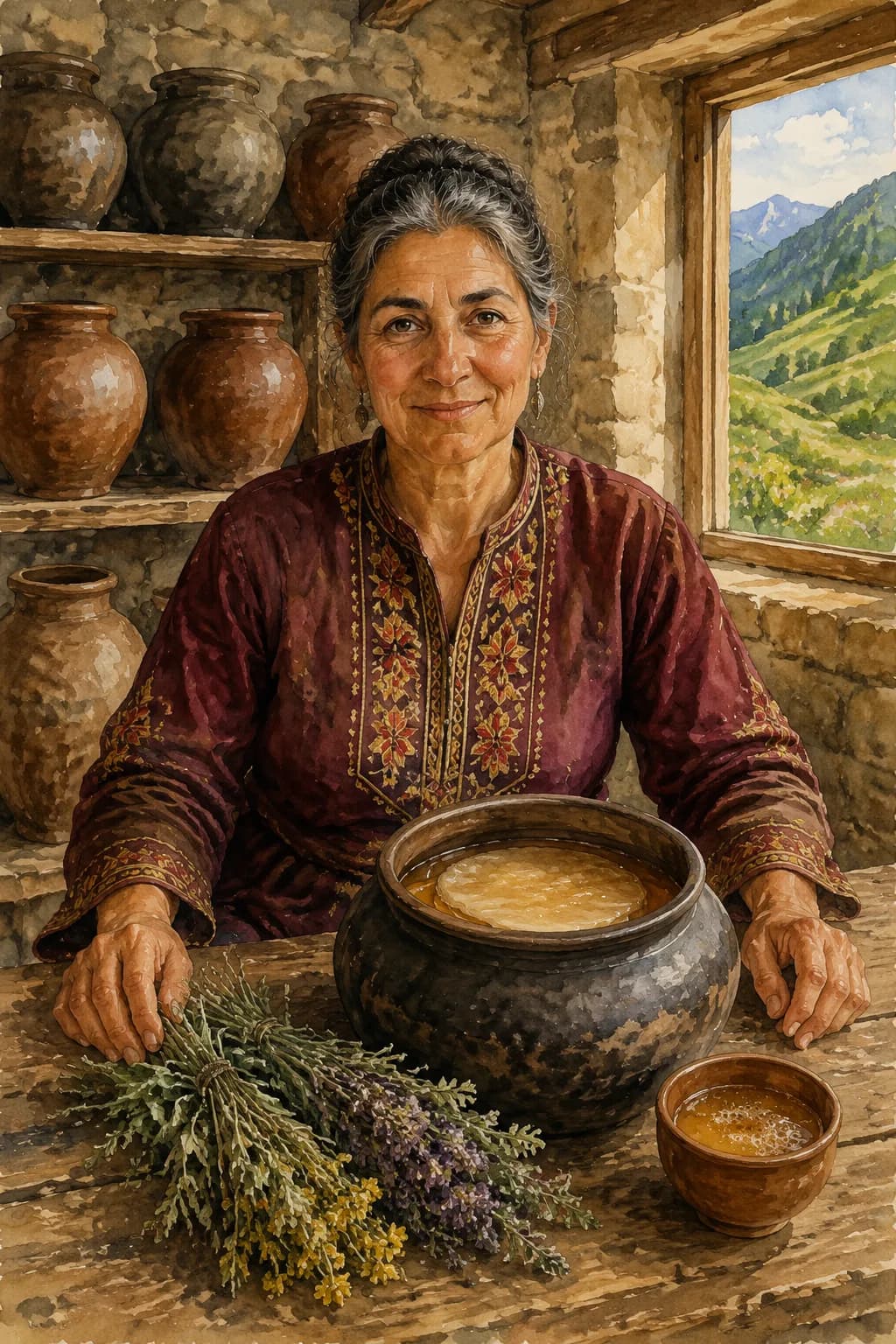
My great-grandmother would stir her kefir before dawn, reading the mountain mist to know when the culture was ready to dream. This alpine herb version carries that same patience—three sprigs of rosemary and thyme breathing their forest memories into living milk, while raw honey whispers of summer meadows even in winter's grip. Each batch is a conversation between the culture and the herbs, and I am merely the translator.
TagsFermentedProbioticLiving CultureHerbalAlpine HerbsTraditionalNatural CarbonationDairyHoney Sweetened
AllergensMilk
Source: generated · June 13, 2026