 Chinese
Medium · Hot
Savory Soybean Stir-Fry
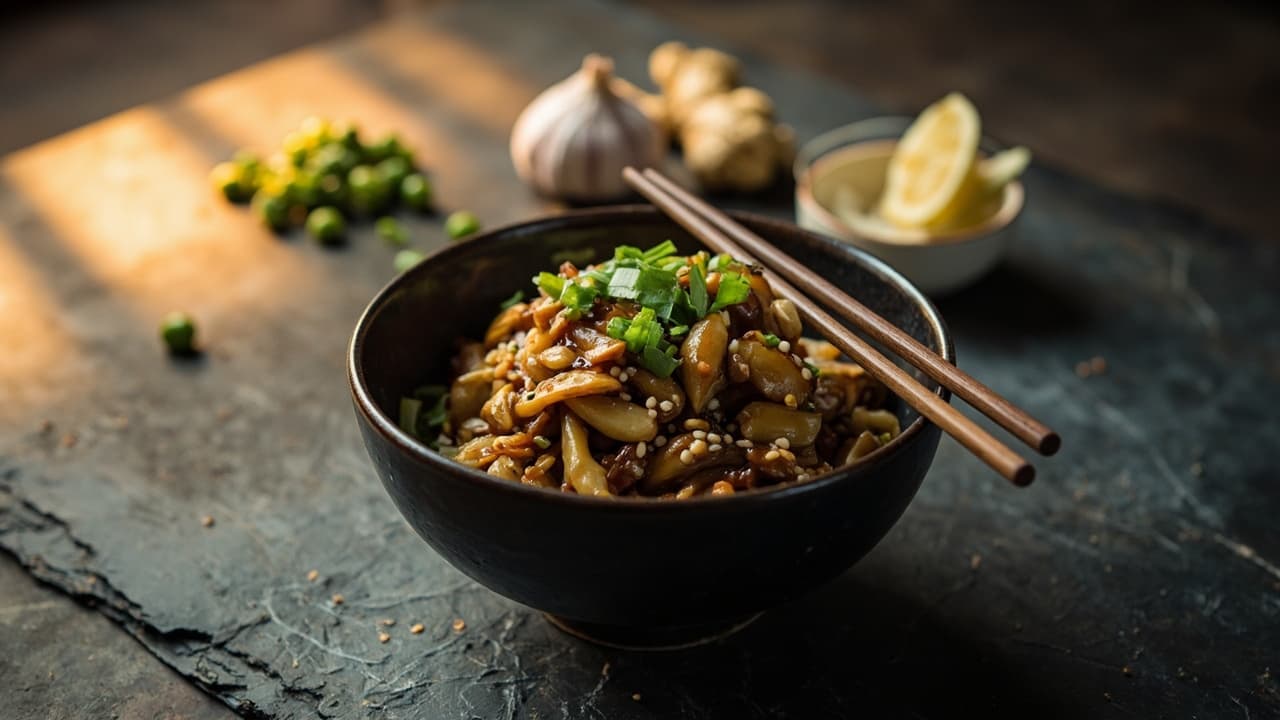
A quick, high-heat wok stir-fry featuring tender soybeans tossed with crisp vegetables in a savory soy-sesame sauce, finished with aromatic ginger-scallion. Wok hei unlocked with proper heat and confident tossing.

Prep
15 min
Cook
10 min
Total
25 min
Method
Prep
1
Drain and rinse soybeans. Set aside.
3
Cut bell pepper into thin strips. Julienne carrot. Slice mushrooms. Shred cabbage.
Wok Fire
4
Place wok over highest heat. Add sunflower oil—let it shimmer and smoke lightly, about 30 seconds. This is your wok hei moment.
5
6
Add bell pepper and carrot. Toss vigorously 2 minutes until slightly charred at edges but still crisp.
7
Add mushrooms and cabbage. Continue tossing 2 more minutes.
Sauce and Finish
8
9
Drizzle sesame oil around wok edge. Add salt and white pepper. Toss vigorously to coat evenly.
10
Remove from heat immediately. Scatter scallion greens on top. Serve hot over white rice.
Grade pending
Nutri-Score
Estimated nutrition
Grade pending · 100% ingredient coverage
Calories
583
per serving
Protein
35g
Carbs
38g
Fat
33g
Sat. fat
2g
Fiber
18g
Sugar
8g
Sodium
326mg
Gluten FreeDairy FreeHeart HealthyHigh ProteinHigh FiberPlant BasedLow Carb Friendly
Nutri-Score is a general nutritional-balance guide, not medical or dietary advice.
Grade pending
Environmental impact
Estimated footprint
Grade pending · 100% ingredient coverage
kg CO2e
0.3
per serving
Soybeans drives 49% of this recipe’s estimated footprint.
Carbon from Poore & Nemecek 2018; water, land & runoff from Agribalyse — modelled averages for comparing recipes, not a measurement of your groceries.
Flavor Profile
7
Umami
3
Sweet
6
Salty
1
Sour
1
Bitter
3
Spicy
Textures
CrispyTenderChewyCrunchy
Aromas
HerbalSmokyNuttyPungent
Kitchen Equipment
Techniques
Safety & Storage
Cooking Temperature
Wok must be preheated until oil shimmers and smokes lightly (~400°F/200°C) before adding ingredients to achieve proper wok hei and ensure safe cooking of soybeans.
Soybeans must reach safe internal temperature during the 2-minute stir-fry with sauce to eliminate potential bacteria from raw soybeans.
Equipment Safety
Use appropriate wok工具 (spider strainer, long-handled wok spatula) to prevent burns from splattering hot oil at extremely high temperatures.
Cross Contamination
Thoroughly wash cutting boards and utensils used for raw soybeans before preparing vegetables to prevent bacterial cross-transfer.
Ensure soybeans are fully drained and rinsed before cooking; improper rinsing can introduce contaminants to the wok.
Storage
Refrigerate leftover stir-fry in airtight containers within 2 hours of cooking; consume within 3-4 days for optimal safety.
Reheat leftover stir-fry to165°F (74°C) or higher throughout before consuming to ensure food safety.
Allergen Warning
Contains soy and sesame; verify all guests have no allergies before serving; these are among the 'Big 9' allergens requiring disclosure in food service settings.
High Risk Population
Immunocompromised individuals, pregnant individuals, young children, and elderly should ensure soybeans are cooked thoroughly and reheated properly due to soy's potential for bacterial contamination if undercooked.
Handling
Keep scallion whites and greens separated during prep to maintain texture contrast and prevent loss of aromatic compounds from over-mixing.
Pro Tips
Technique
That shimmer in the oil isn't optional—it's your wok hei敲门砖, the敲门砖. If your oil isn't lightly smoking, your vegetables will steam instead of sear, and we can't have that sad, pale stir-fry in my kitchen.
Substitution
Edamame works beautifully here if you can't find soybeans, but please—never from a can. Fresh or frozen only, and thaw them first so they don't water down your wok.
From the chef
Soybeans are humble until you put them in a screaming-hot wok — then they absorb every bit of char and aromatic depth you throw at them. Garlic, ginger, and scallion whites go in first to build the flavor base, then bell pepper, carrot, mushroom, and cabbage in waves so nothing steams and everything gets its moment against the wok surface. The soy sauce hits the soybeans directly in the center of the wok, then everything gets tossed together hard. Finish with sesame oil drizzled around the wok edge and white pepper for heat. Bold tossing, no apologies.
TagsWok HeiSavoryQuickVegetarian FriendlyHigh Heat
AllergensSoySesame
Source: generated · June 10, 2026