
Heat & Fire
Smoke
Cook low and slow in wood smoke for deep, savory perfume
Smoking bathes food in cool wood smoke over hours of low heat, building a smoke ring and rich, layered flavor. It's the heart of barbecue brisket, ribs, and smoked fish. Patience is the whole game: hold a steady low temperature and resist peeking, which bleeds heat and smoke.
Smoking cooks food slowly in the cool perfume of smoldering wood, building deep, layered savor over hours of low, indirect heat. It's the heart of American barbecue — brisket, ribs, pork shoulder — as well as smoked fish, poultry, and even vegetables and cheese. Beyond flavor, smoke and a long low cook break down tough connective tissue into gelatin, leaving big cuts meltingly tender. Patience is the entire game: hold a steady low temperature, manage clean smoke, and resist peeking, which bleeds out the heat and aroma you've worked to build.
- Difficulty
- Advanced
Types & varieties
How to do it
- 1
Season and prep
Apply a dry rub or brine ahead; let large cuts come toward room temperature before they go on.
- 2
Build a stable fire
Set up for low, indirect heat with a water pan for humidity, and bring the chamber to a steady 110–120°C / 225–250°F.
- 3
Add wood for clean smoke
Use chunks or chips of a suitable hardwood; aim for thin blue smoke, not thick white billows, which taste acrid.
- 4
Cook low and steady
Maintain temperature with small fuel and vent adjustments; keep the lid closed — "if you're lookin', you ain't cookin'."
- 5
Ride out the stall
Around 65–75°C / 150–165°F internal, evaporative cooling stalls the temperature for hours; wait it out or wrap to push through.
- 6
Probe and rest
Pull when it's probe-tender (brisket ~93°C / 200°F) and rest, wrapped, for an hour or more before slicing.
The smoke ring and the stall
The pink smoke ring just under the bark is a chemical reaction: nitric oxide (NO) from the smoke and from the meat's own chemistry binds to myoglobin, forming the stable pink nitrosyl-myoglobin pigment — the same reaction that keeps cured ham pink. It's a sign of good smoke contact but is flavor-neutral. The stall is the long temperature plateau caused by evaporative cooling as moisture wicks to the surface and evaporates — exactly like sweat cooling skin. Wrapping (the "crutch") traps that moisture and pushes the meat through the stall faster.
Common uses
Tips & pitfalls
- Match wood to food: mild fruitwoods (apple, cherry) for poultry and fish; hickory and oak for beef and pork.
- Chase thin blue smoke, not thick white — billowing smoke deposits bitter, sooty flavor.
- Keep a water pan in the chamber to stabilize temperature and humidity.
- Use a dual-probe thermometer for the meat and the chamber so you never open the lid to check.
Good to know
- Heat level
- Low and indirect, often 105–135°C / 225–275°F
- Best for
- Tough, fatty cuts; fish; poultry; some vegetables and cheese
- Equipment
- Smoker, kettle grill, or pellet cooker; wood chunks/chips; probe thermometer
- Fat needed
- None added; rely on the cut's own fat
- Time
- Several hours to overnight
- What you need
- A dedicated smoker (or a rigged two-zone charcoal grill), a multi-hour window, and a dual-probe thermometer — this is not a weeknight technique
Also called
hot-smoke · barbecue
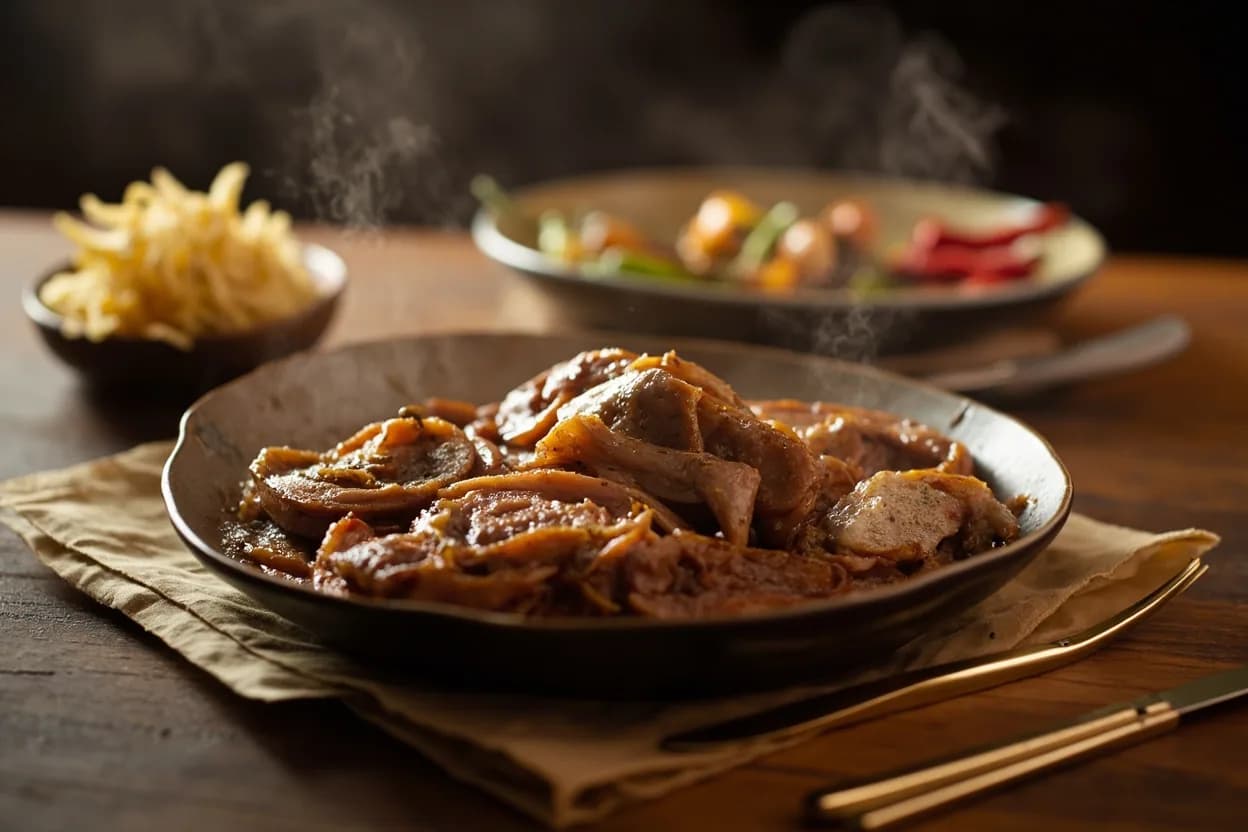
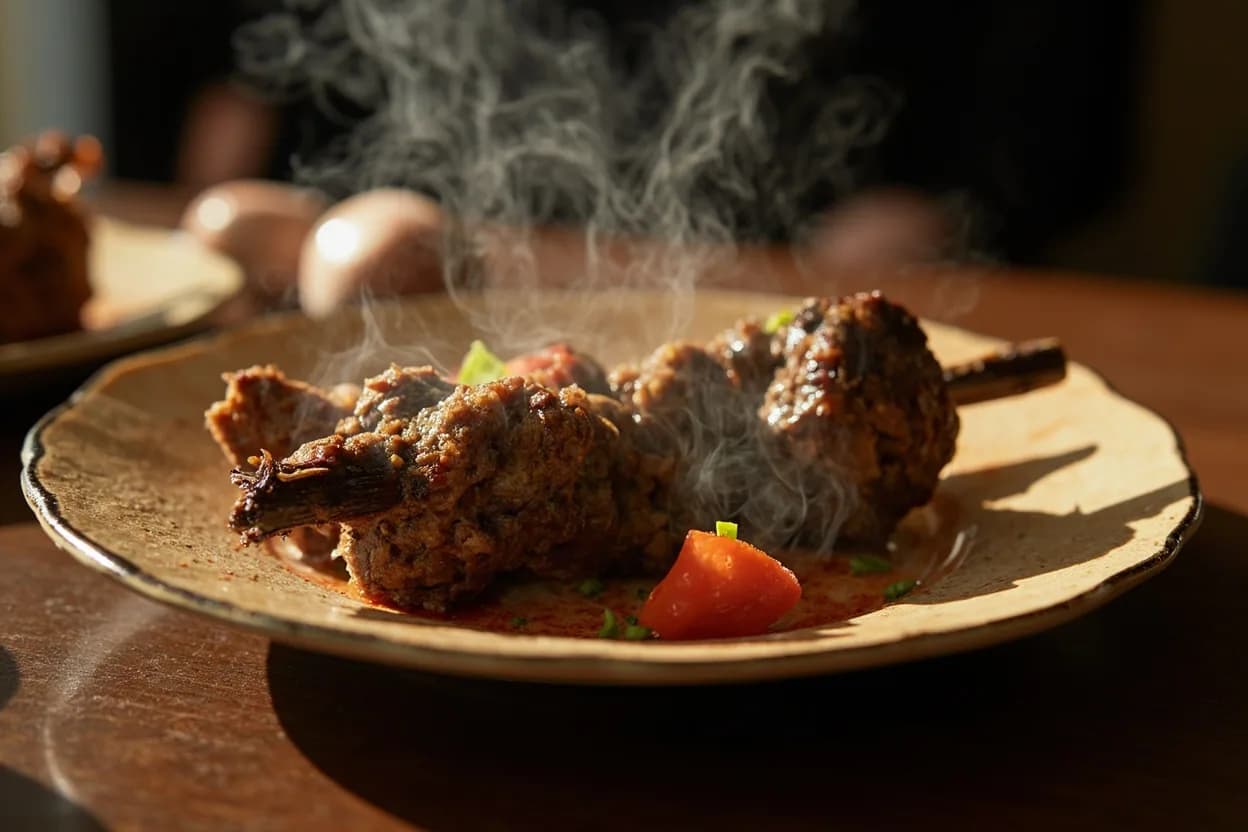
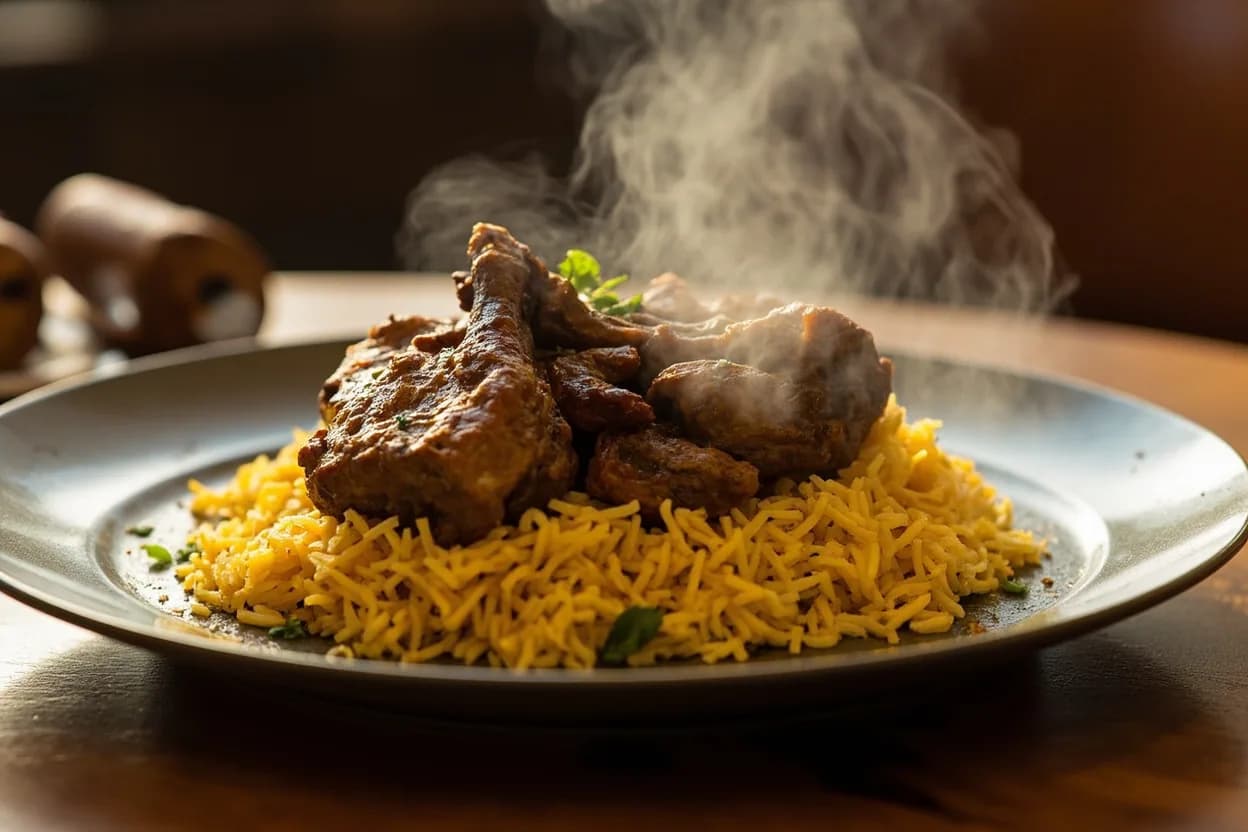
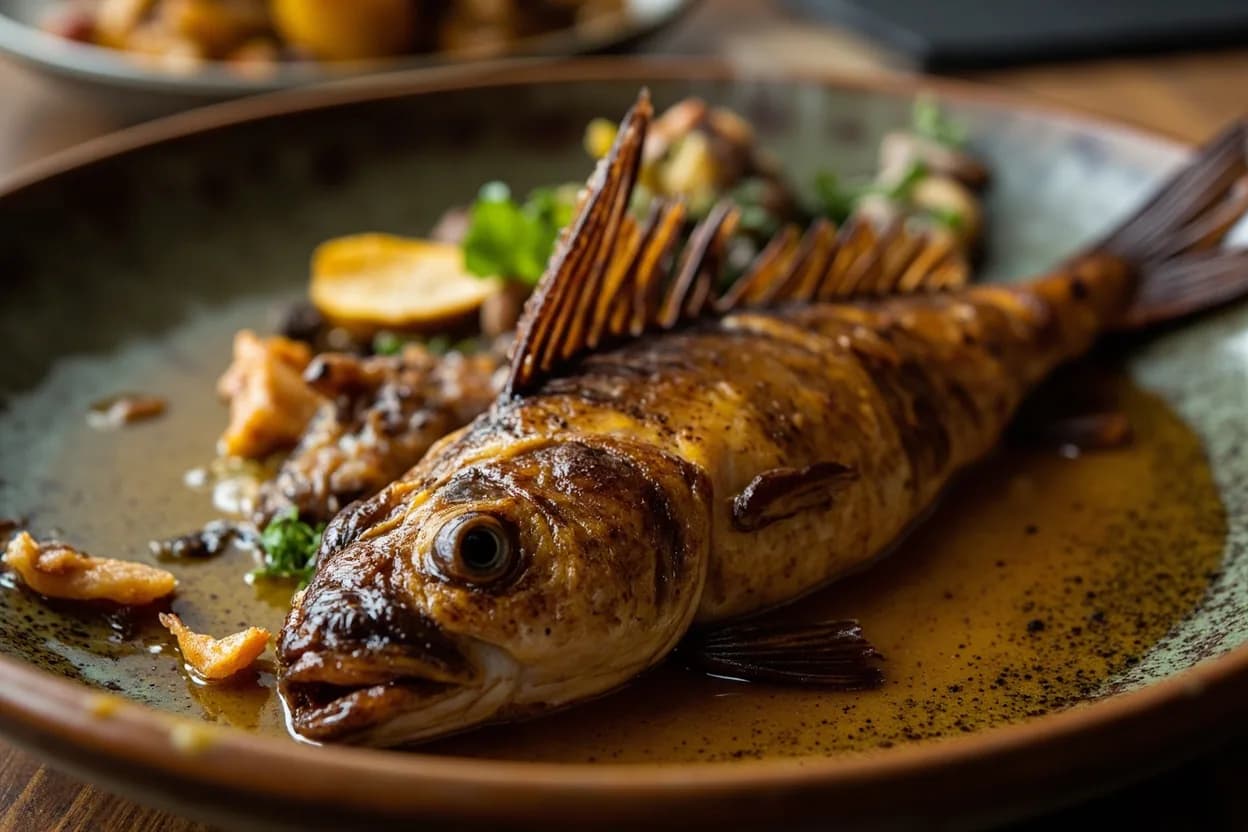
Dishes that rely on it
Related

Sear
Blast the surface hot for a deep-browned, savory crust

Sauté
Cook quickly in a little fat over lively heat, tossing as you go

Stir-Fry
Toss bite-sized pieces over roaring heat for fast, smoky cooking

Pan-Fry
Crisp food in a shallow layer of hot fat, turning once or twice

Deep-Fry
Submerge in hot oil for an all-over crackling crust

Roast
Cook uncovered in dry oven heat for browned edges and tender centers

Bake
Cook with steady, surrounding oven heat — the soul of bread and pastry

Broil
Hit food from directly above with fierce overhead heat