North Africa
Algerian
Also: Algerian cuisine, Cuisine algérienne, Jzayer cuisine
Algeria's cooking is a palimpsest of Amazigh roots, Arab synthesis, Andalusian refinement, Ottoman influence, and French colonial residue — expressed through chakhchoukha, shorba, rechta noodles, and merguez.
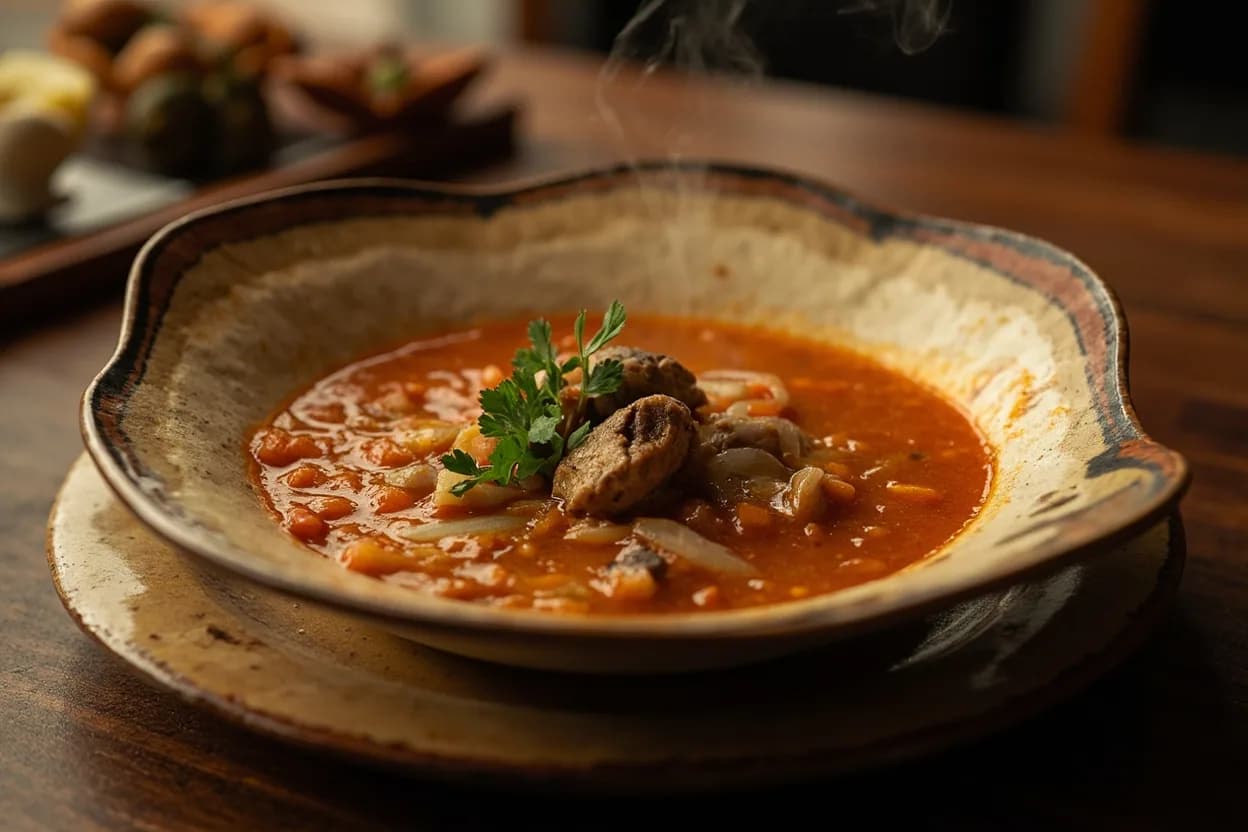
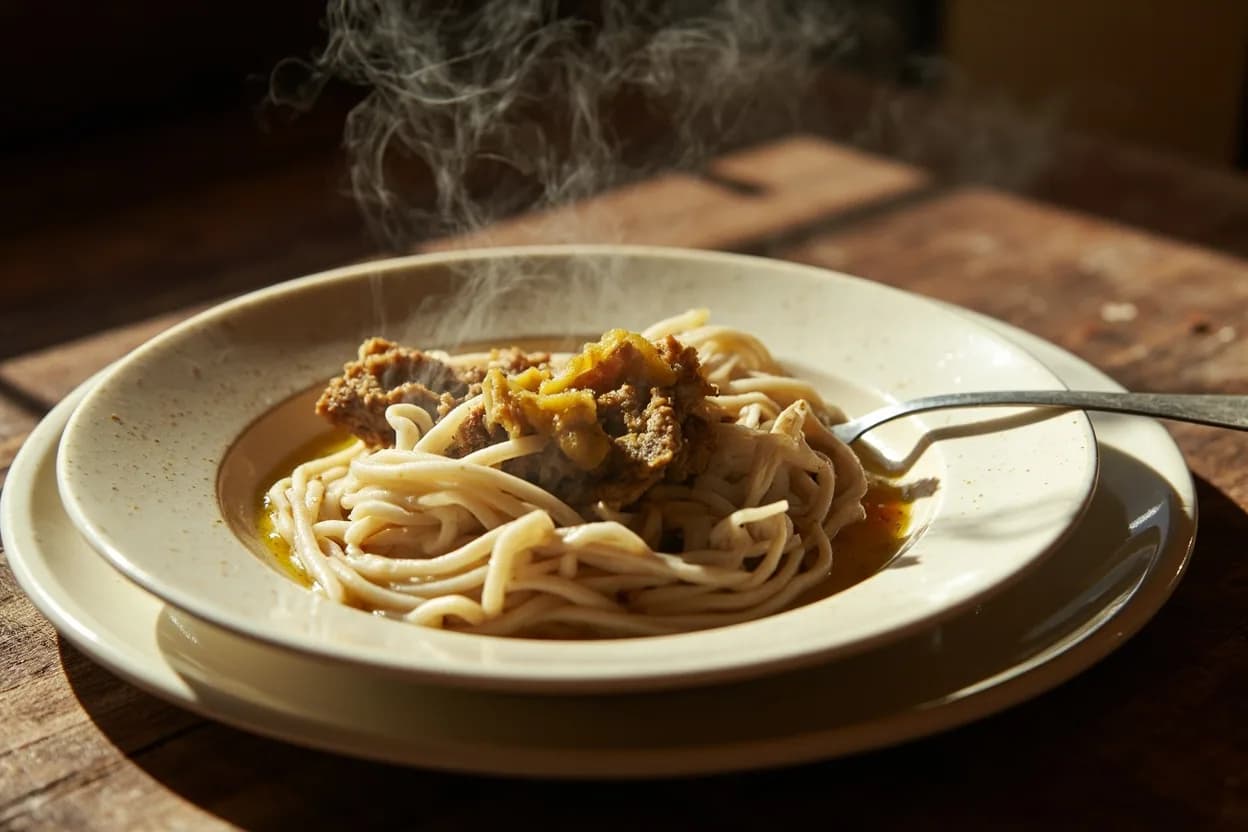
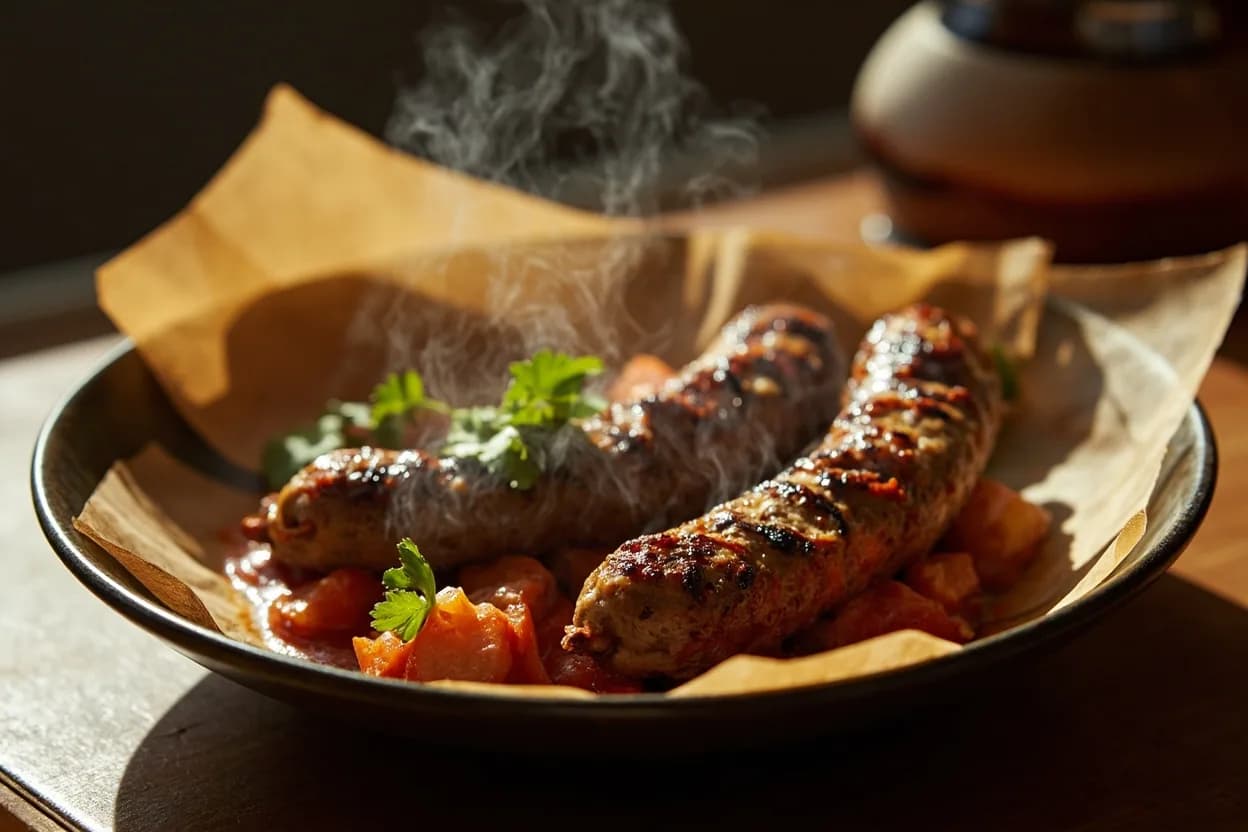
Algerian cuisine is among the most internally diverse in the Maghreb, reflecting the country's enormous geographic range — from the Mediterranean coast to the Sahara, from the Kabyle mountains to the Hauts Plateaux steppe — and its layered history of Amazigh, Arab, Andalusian, Ottoman, and French influences. It shares the Maghrebi grammar of couscous, tagines, olive oil, and lamb but distinguishes itself through dishes like chakhchoukha (torn flatbread soaked in merguez stew), shorba frik (broken wheat soup, Ramadan staple), rechta (hand-rolled noodles), and a relatively bold use of tomato and peppers inherited from the Ottoman and French periods.
The flavour base
Tomato and onion base enriched with ras el hanout or baharat; chermoula marinade; olive oil; dried and fresh herbs (flat-leaf parsley, coriander, mint); and harissa as the heat element, though used more moderately than in Tunisia.
Pantry staples
Key ingredients
Signature techniques
Signature dishes
Algerian on the table
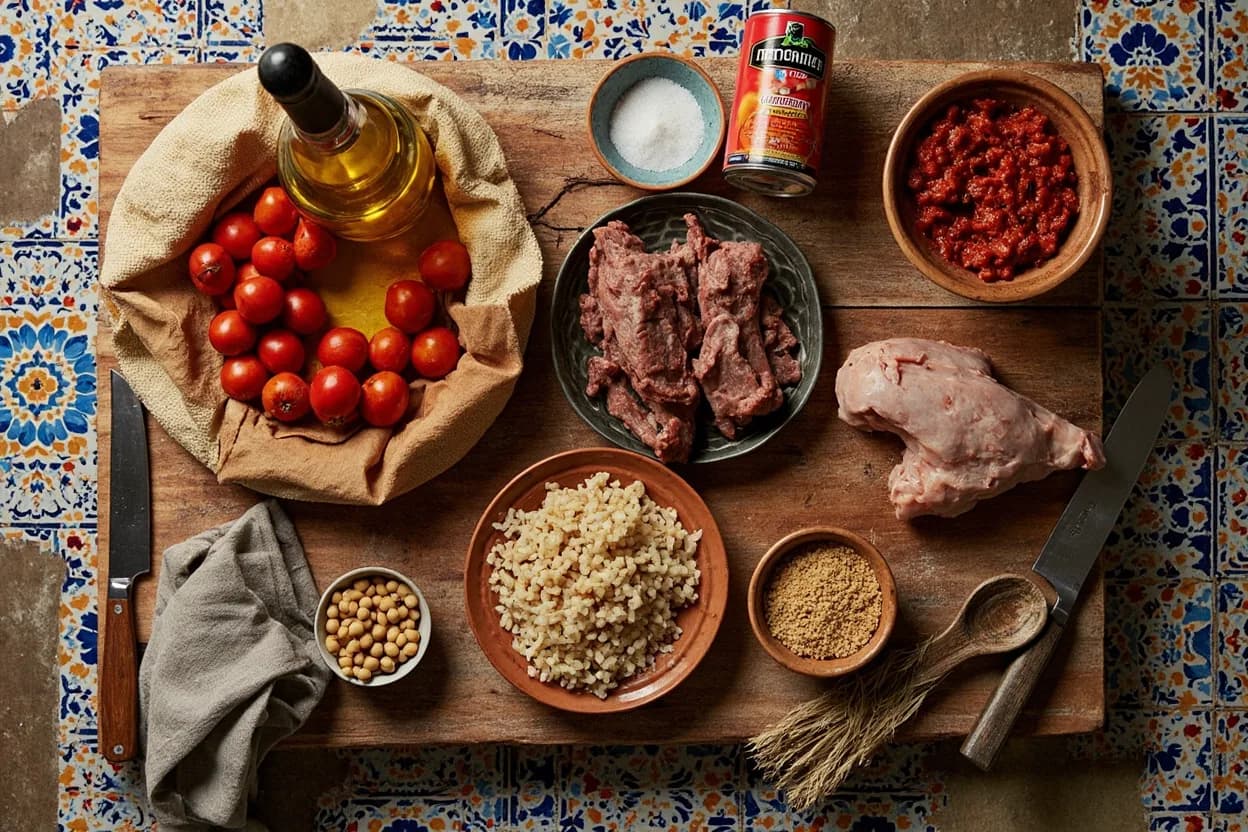
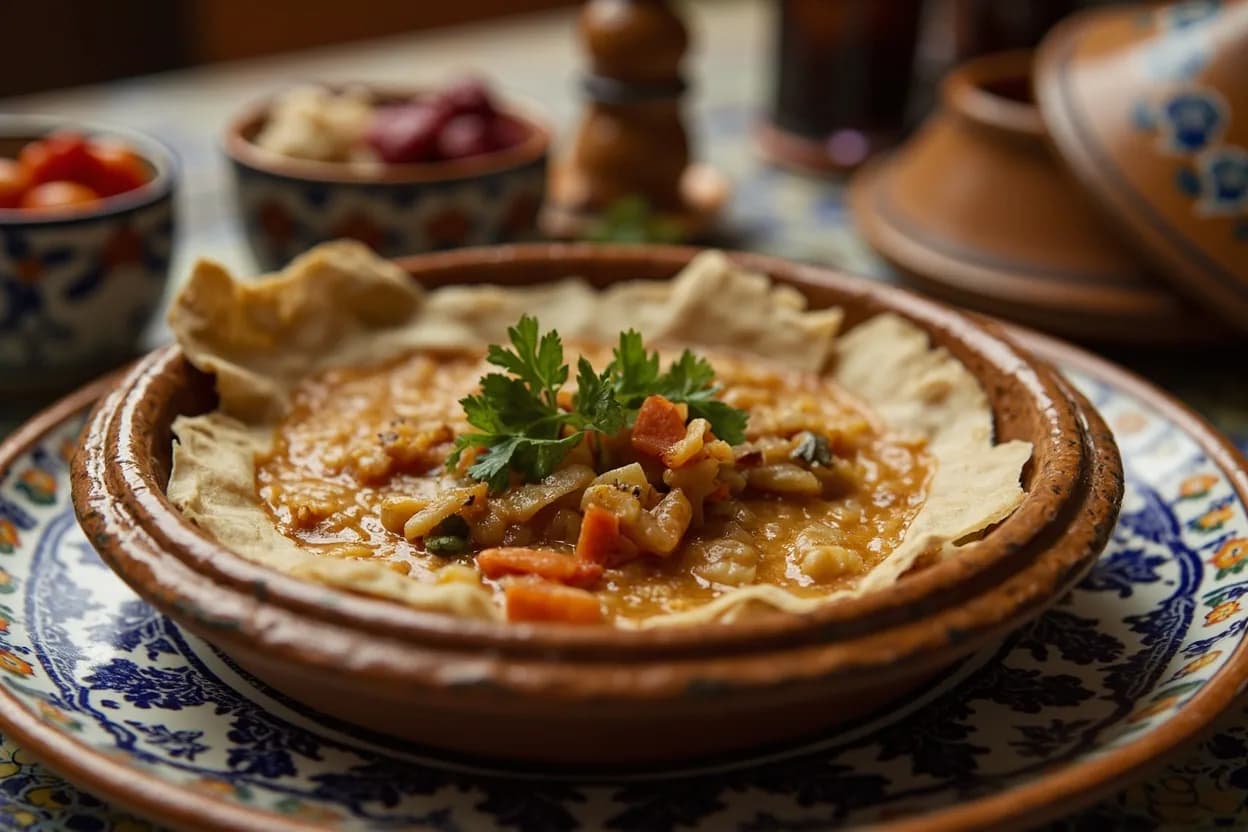
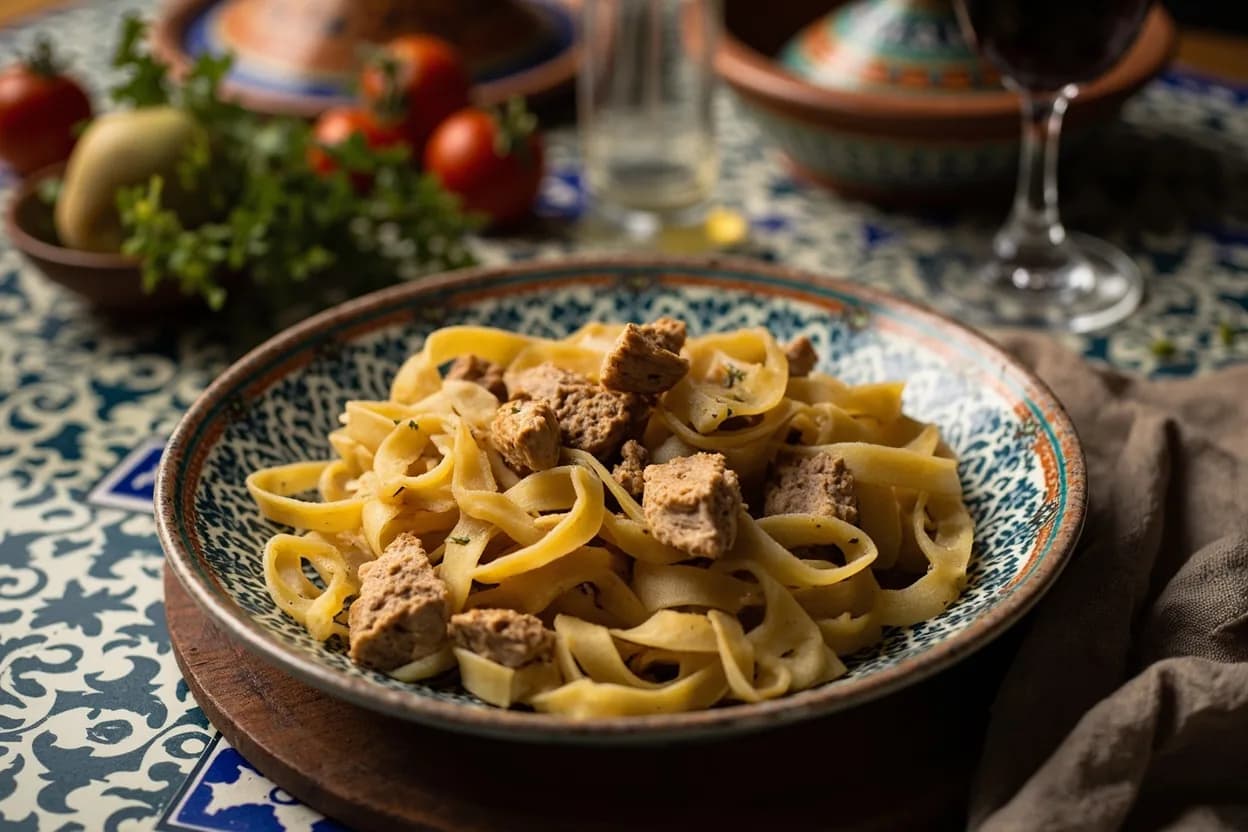
At the table
Meals begin with shorba (soup) or a salad course, proceed to a central meat-and-starch dish (couscous, chakhchoukha, rechta, or a stewed preparation), and close with seasonal fruit, pastries, and sweetened mint tea or coffee. Friday couscous is sacrosanct. During Ramadan, the iftar meal opens with shorba frik, dates, and milk — a near-universal national ritual.
History & context
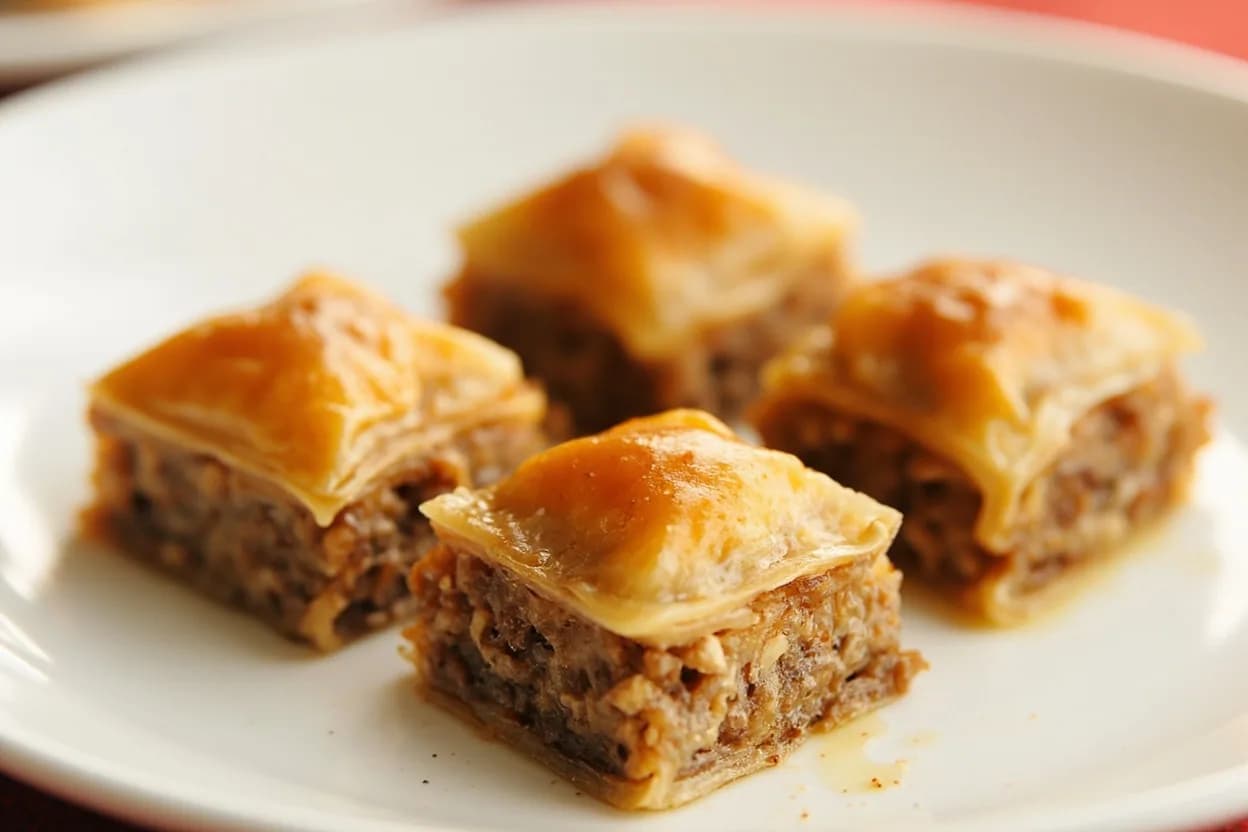
Algeria's culinary identity begins with the Amazigh (Berber) peoples who cultivated durum wheat and herded livestock across North Africa millennia before recorded history. The 7th–8th century Arab conquest introduced Islam and an Arab culinary vocabulary. The expulsion of Andalusian Muslims from Spain — beginning with the fall of Granada in 1492 and completed by the 1609 Moriscos expulsion — brought waves of sophisticated cooks to Algiers, Tlemcen, and Constantine, importing refined pastry and confectionery traditions visible today in baklawa and qatayef. Ottoman rule from 1516 to 1830 left a deep imprint in stuffed vegetable dishes (dolma), savory pastries, and the use of lamb with tomato-pepper bases. France's 132-year colonization (1830–1962) introduced baguettes, café culture, wine production (in the Mitidja valley), and vegetable varieties that became permanent fixtures. Post-independence, Algeria maintained Amazigh, Arab, Andalusian, and Ottoman strands without fully resolving their tensions — a culinary pluralism that is the cuisine's defining characteristic.
Regional variations
- Algiers (Alger)
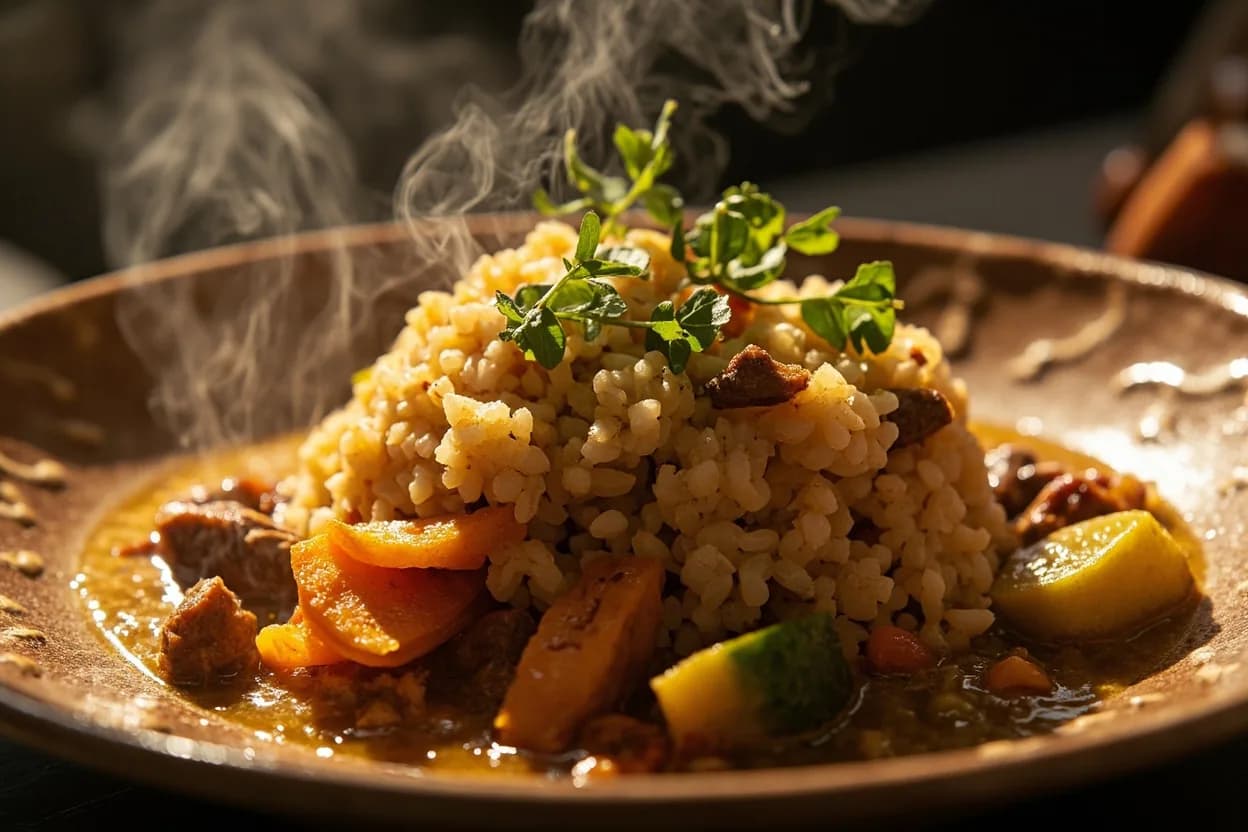
Urban, cosmopolitan; strongest Andalusian and Ottoman influence; refined pastry tradition; couscous tfaya (with caramelized onion and raisins).
- Tlemcen
Andalusian capital of Algeria; the most court-refined Algerian cooking; known for dolma, pastries, and a sweet-savory complexity rivaling Fez.
- Constantine (Qsantina)
Eastern city; Ottoman influence strongest; lamb-heavy; rechta is most associated with this region.
- Kabyle (Kabylie)
Berber heartland; distinct from Arab-Algerian cooking; assida, thikhssayin, coarser semolina preparations; smen-forward.
- Saharan south (Ouargla, Tamanrasset)
Date-driven economy; millet-based dishes; Tuareg tagella bread; dried meat preservation.
Related cuisines
Kabyle Berber cuisine is a living sub-tradition within Algeria; the country's staple architecture of semolina and lamb is Amazigh in origin.
Algeria shares the Maghrebi grammar of couscous, tagines, and harissa with Morocco and Tunisia, while maintaining its own distinct regional voices.
Neighboring tradition with shared Amazigh and Andalusian roots; Tlemcen and Fez have intertwined culinary histories.
- Ottoman Turkish
Three centuries of Ottoman administration left stuffed vegetable dishes, savory pastries, and spice combinations that distinguish Algerian cooking from its Moroccan neighbor.
Canonical recipes
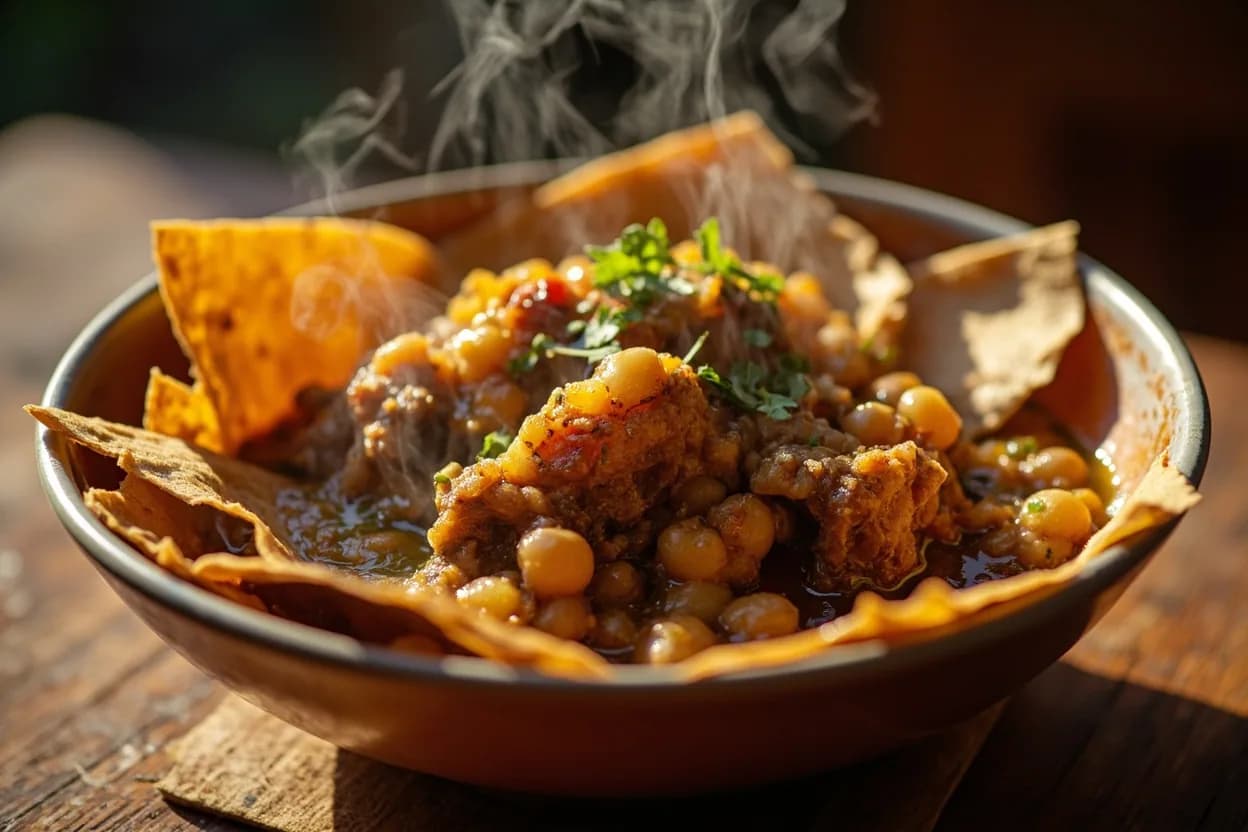
The dishes that define Algerian, documented in the Canon.
References
- 1.A Mediterranean Feast — Clifford A. Wright (1999)
- 2.The Food of Morocco — Paula Wolfert (2011)
- 3.Algeria: Nation & Society — John Ruedy (1992, historical context)
- 4.Saveurs du Maghreb — Fatéma Hal (2003)
Confidence: high
Notes
Chakhchoukha: the national comfort dish
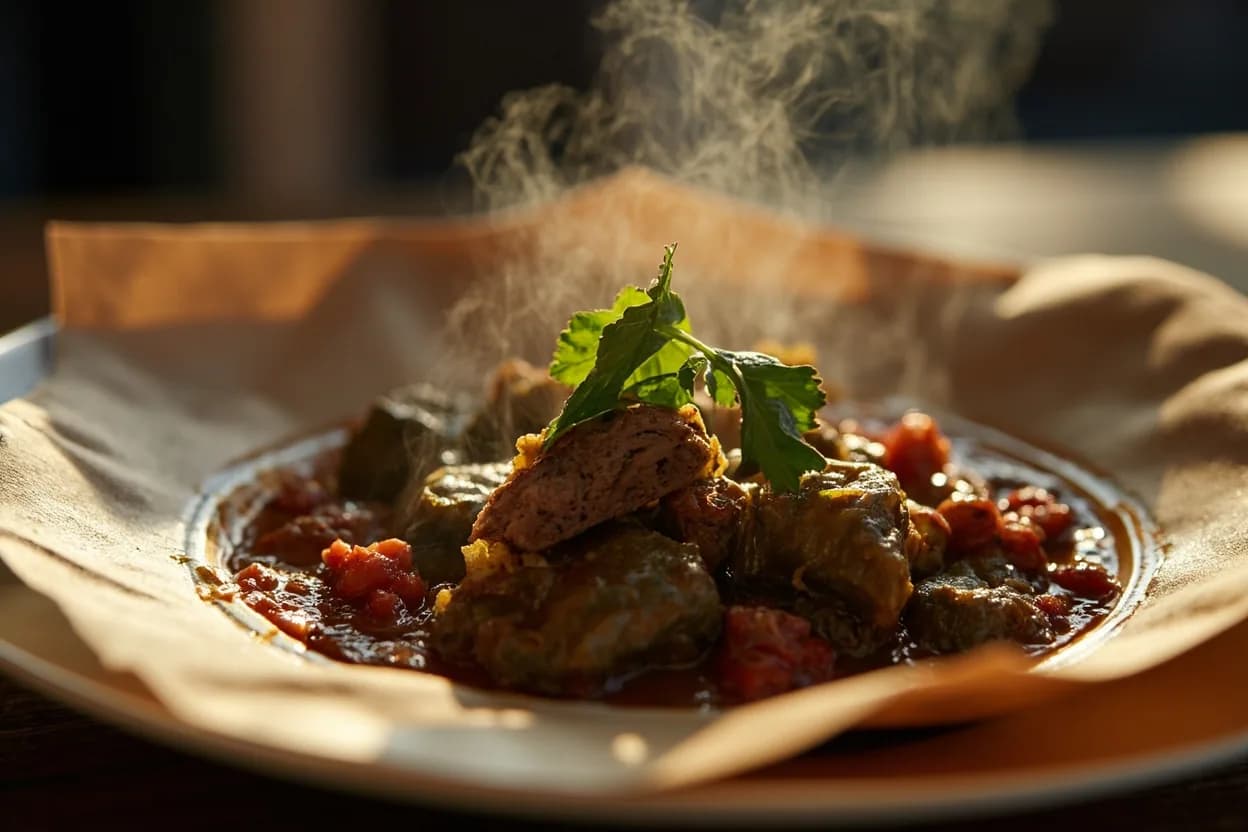
Chakhchoukha is made from rougag — a large, thin, unleavened flatbread baked and then dried — torn by hand into irregular pieces and soaked in a richly spiced stew of lamb, merguez, chickpeas, and tomato. It is both festive and domestic: served at weddings in large communal platters but also assembled quickly from leftover bread. The name is onomatopoeic, referencing the tearing sound of the bread.
Rechta and the noodle tradition
Rechta are thin, hand-rolled noodles served in a white chicken-and-turnip broth, scented with cinnamon and topped with caramelized onions. The noodle itself is distinctly Algerian — wider and flatter than pasta, closer to a dumpling wrapper in texture — and reflects a wheat-working tradition independent of Chinese or Italian influence, though the arrival of pasta under Ottoman and Italian influence (through the Mitidja) may have reinforced it.