Middle East
Gilaki (Caspian Coast)
Also: Gilan cuisine, Caspian Iranian, Northern Iranian
Iran's lush, rain-soaked northern coast produces a cuisine of unmatched green intensity — smoky eggplant, pomegranate-walnut stews, and garlic-drenched fish that feels nothing like the rest of Iran.
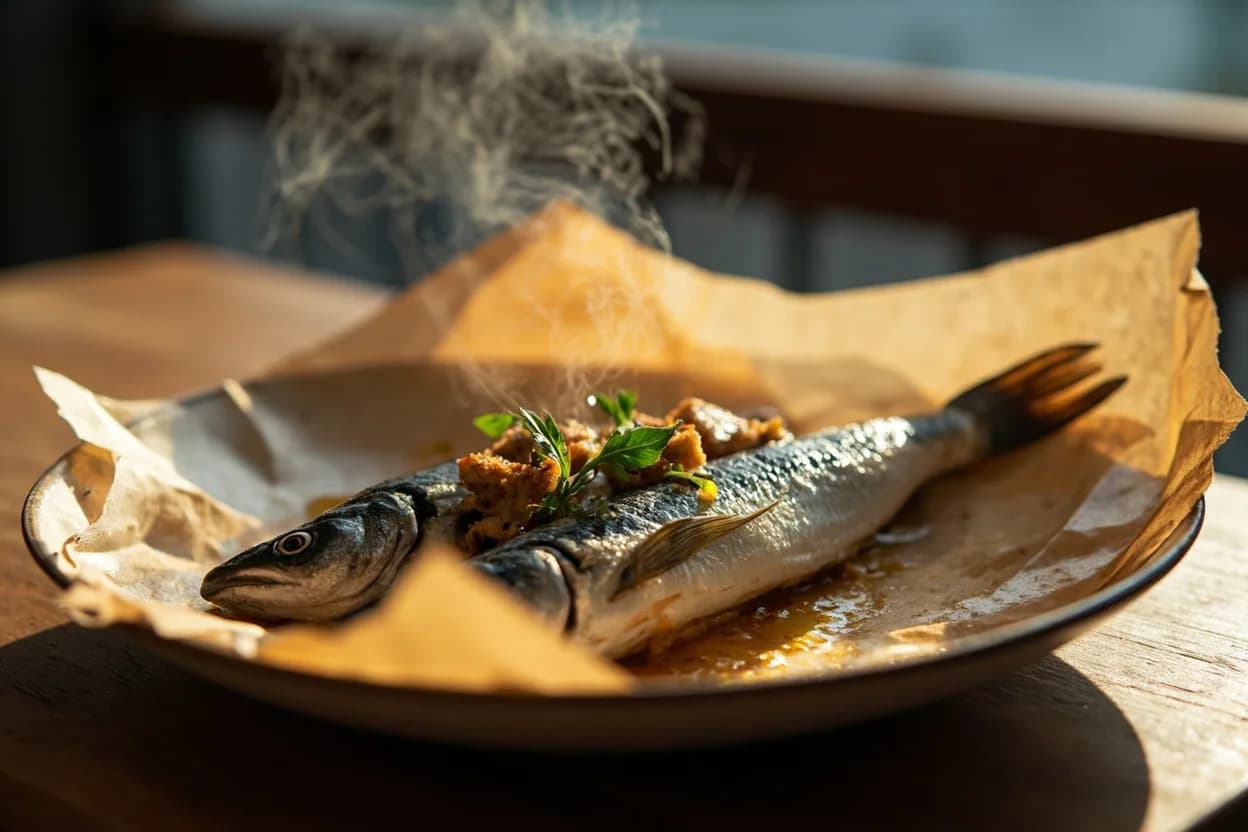
Gilaki cuisine is the cooking tradition of Gilan province, the narrow, densely forested strip along Iran's Caspian coast. Separated from the Iranian plateau by the Alborz mountain range, Gilan receives high rainfall (up to 1,900mm annually), making it one of Iran's most agriculturally lush regions. This produces a radically different cuisine from the saffron-and-dried-fruit cooking of the plateau: fresh herbs are used by the kilogram rather than the pinch, smoked fish and Caspian seafood are central, walnuts appear in nearly every major dish, and garlic is used with a pungency that startles visitors from other Iranian regions. The result is a cuisine that is simultaneously Iranian in its rice mastery and utterly distinctive in its flavor profile.
The flavour base
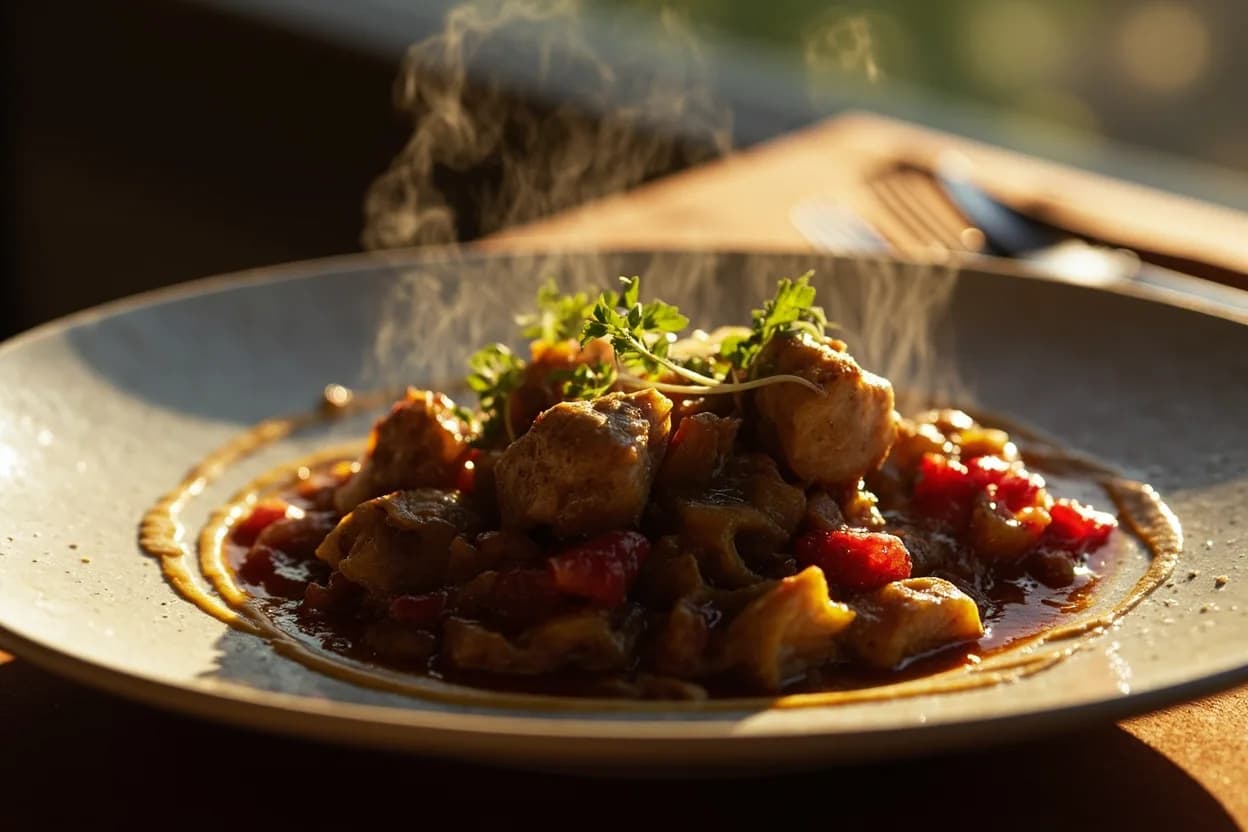
Crushed walnut and pomegranate molasses (the base of fesenjan); raw garlic pounded with salt and sometimes vinegar (sir-e-torshi); generous fresh herb pastes of coriander, fenugreek, and leek.
Pantry staples
Key ingredients
Signature techniques
Signature dishes
Gilaki (Caspian Coast) on the table


At the table
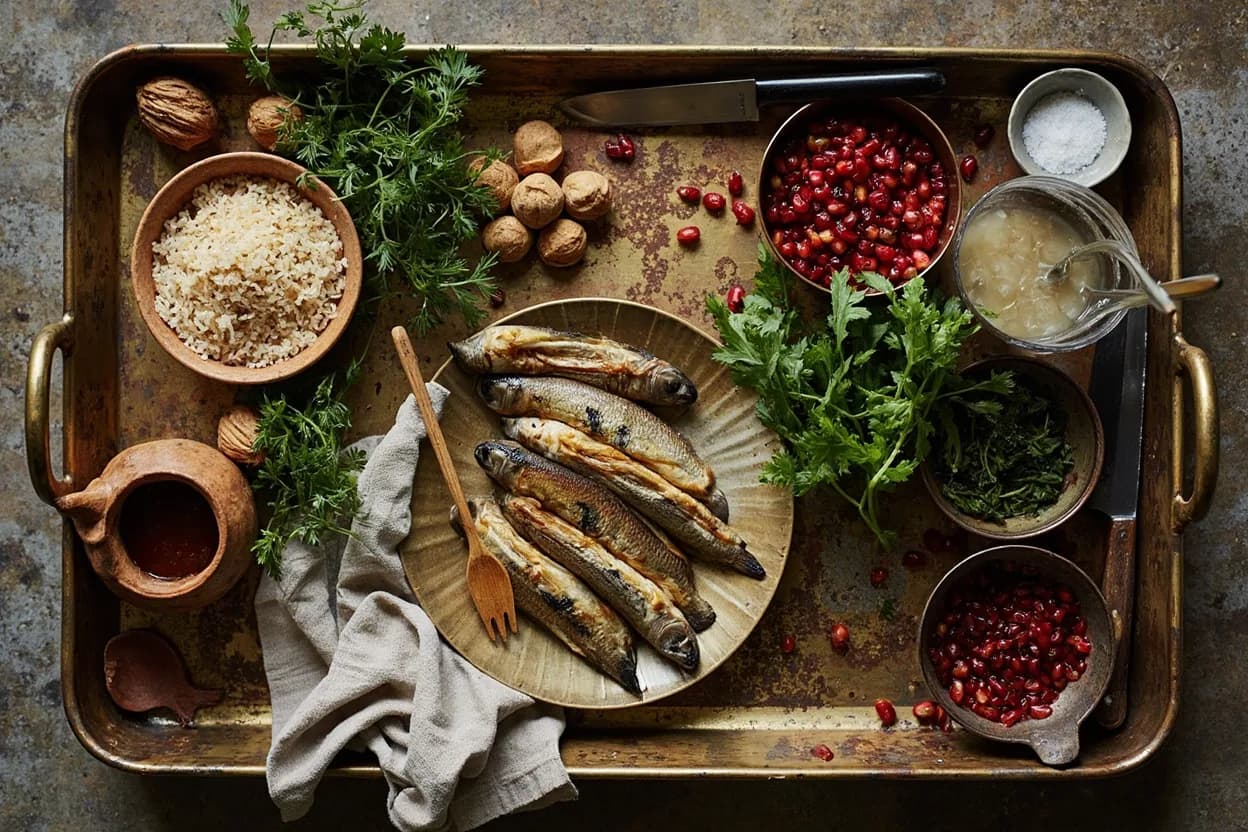
Rice is non-negotiable and cooked kateh-style (absorption, not drained) — denser and more cohesive than plateau Iranian rice, eaten with a spoon rather than fluffed with a fork. A main stew or fish dish anchors the meal, accompanied by raw herbs, pickled garlic (sir-e-torshi), and smoked fish. Meals are communal and herb-laden; a plate of fresh fenugreek, coriander, and wild garlic leaves is always present.
History & context
Gilan's physical isolation behind the Alborz mountains allowed it to develop independently from the Persian plateau empires that shaped most of Iran. The region maintained its own Gilaki language and distinct cultural identity through Achaemenid, Sassanid, and Islamic-era rule. Arab conquerors had limited reach into the dense Caspian forests; Zoroastrian and older animist traditions persisted longer here. The Silk Road bypassed Gilan, but Caspian trade routes — including with Russia — shaped it instead. Russian influence (from Tsarist trade and the brief 1920 Soviet Gilan Republic) introduced some techniques, and the tea industry established in the 19th century using Chinese seeds made Gilan Iran's primary tea-growing region. The region's fertility meant famine was historically rare, producing a cuisine of abundance rather than preservation.
Regional variations
- Rasht (central Gilan)
Culinary capital; sophisticated urban versions of all classic Gilaki dishes; UNESCO-recognized gastronomy city since 2015.
- Western Gilan (Talesh)
Stronger Azerbaijani and Taleshi influence; more meat emphasis, slightly less walnut and pomegranate.
- Eastern Gilan (Rudsar, Langarud)
Rice-cultivation heartland; kateh preparations considered at their finest; major smoked-fish production.
- Foothills (Manjil, Roudbar)
Famous for olive cultivation — Gilan's olives are Iran's primary domestic source; olive oil replaces some walnut use.
Related cuisines
- Mazanderani
The adjacent Caspian province to the east shares kateh rice, smoked fish, and herb intensity, with small but meaningful dialect and flavor differences.
Western Gilan borders Azerbaijani territory; shared pomegranate use and some lamb preparations, though the overall flavor logic diverges.
Radical contrast — Khorasani is dry, plateau-adapted, and grain-forward where Gilaki is lush, smoked, and fresh-herb saturated.
- Georgian
Parallel walnut-in-stew logic and Caucasian flora overlap, reflecting the Caspian basin's biogeographic unity.
Canonical recipes
The dishes that define Gilaki (Caspian Coast), documented in the Canon.
References
- 1.Taste of Persia — Naomi Duguid (2016)
- 2.Food of Life: Ancient Persian and Modern Iranian Cooking and Ceremonies — Najmieh Batmanglij (2011)
- 3.Rasht: City of Gastronomy — UNESCO Creative Cities Network (2015)
- 4.The Oxford Companion to Food — Alan Davidson, 3rd ed. (2014)
Confidence: high
Notes
Mirza ghasemi — technique, not recipe
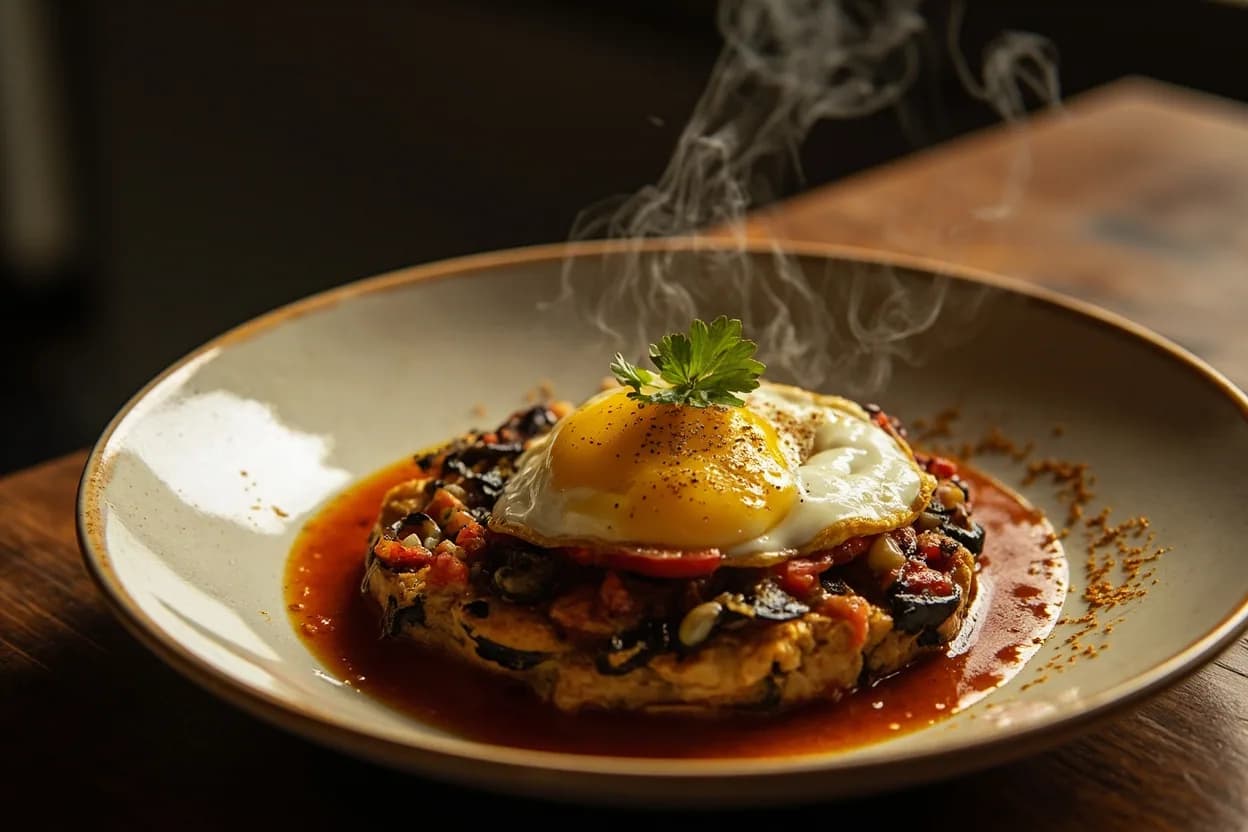
The dish's defining quality comes from thorough charring of the eggplant directly on a gas flame or live coals until the skin is fully blackened and the flesh is smoky and collapsed. The peel is discarded and the flesh hand-shredded, not blended, to preserve texture. Garlic is added raw at the end, not sautéed with it — a distinctly Gilaki commitment to raw garlic pungency.
Rasht as gastronomy capital
Rasht was designated a UNESCO Creative City of Gastronomy in 2015, the first in Iran. The designation recognized the city's dense concentration of distinctive regional dishes, the persistence of traditional cooking knowledge among women in the home, and active culinary tourism. Rasht's bazaar contains dedicated sections for smoked fish, sour oranges, and Caspian spices not found elsewhere in Iran.