
Natural form
The whole banana stem, a pale fibrous cylinder peeled to its tender inner core.
Shows the ingredient's raw, unprocessed state so readers can identify it at a market or in a kitchen.
Produce
Banana Stem
Tender inner core of the banana plant, eaten as a fibrous vegetable in South Asia.
Banana stem (thor) is the tender inner core of the banana plant's trunk, prized in South Indian and Bengali cooking as a fibrous vegetable. It is sliced, soaked, and cooked into stir-fries, curries, and juices, valued for its mild taste and digestive benefits. Preparation involves removing the stringy fibers before chopping.
Banana stem is the edible inner core of the Musa plant's pseudostem—the thick, layered stalk that supports the banana plant's fruit and leaves. Only the pale, translucent inner layers are edible; the dense outer sheaths contain tough, inedible fibers that must be systematically removed. The core ranges from white to cream and has a texture similar to celery when raw: crunchy, watery, and refreshing. When cooked, it becomes tender while retaining a subtle bite. Its flavor is mild and slightly vegetal with a faint bitterness that traditional preparations manage with coconut, yogurt, or salt. Banana stem oxidizes rapidly after cutting, turning brown within minutes, so it requires immediate preparation or water immersion. This vegetable is a staple across South Asia—particularly in Kerala, Tamil Nadu, and Bengal—where it appears in salads, stir-fries, curries, and fritters. Its high fiber content (both soluble and insoluble) makes it valued not only as food but also in traditional medicine for digestive health and cooling the body in hot climates. The stem is entirely distinct from the banana flower (banana blossom), which grows at the plant's tip and is cooked separately, though both are used in similar South Indian preparations. Outside tropical regions, banana stem is rarely found in markets, making it a genuinely exotic ingredient for most Western cooks—but one well worth seeking out for its versatility and textural interest.
- Measured in
- g
- Storage
- Fridge
Types & varieties
The standard variety used in South Indian cooking; thick-fleshed with minimal bitterness when properly prepared
Refers to the same vegetable but preparation style differs; often cooked with coconut and legumes
Bengali preparation; typically julienned and used in dal or as a cooling side dish
Common English term; may refer to any Musa species core, though M. acuminata is most commonly used
Preparing Banana Stem
Proper preparation is the difference between a pleasant crunch and an unpleasant stringy bite. Work quickly after cutting—the stem oxidizes within minutes, turning brown. The soaking step is important for most preparations; it draws out bitter latex compounds and firms the flesh slightly. For raw preparations like koshimbiri, a longer soak in buttermilk yields a softer, less astringent result. When slicing for salads, cut on a slight bias to expose more surface area for dressing absorption. The central fibrous string is never edible; even slightly fibrous pieces will ruin a dish. Smaller-diameter stems are younger, more tender, and have less bitterness than large, mature specimens.
- Cut into 5–8 cm rounds before peeling; halving or quartering makes fiber removal manageable
- Soak immediately in salted water or buttermilk for 15–20 minutes
- Peel away all but the translucent inner layers—discard the opaque outer rings
- Remove the central string completely from each piece before slicing
Cooking Considerations
Banana stem responds best to quick cooking methods that preserve its signature crunch. In stir-fries and thoran-style preparations, 5–7 minutes over high heat is sufficient—the pieces should retain some resistance when pressed. Overcooked stem becomes mushy and loses its textural appeal entirely. For slow-cooked curries and koottu, add the stem in the last 15–20 minutes of cooking rather than at the beginning. Raw preparations are increasingly popular in contemporary cooking: thin julienne or fine dice dressed immediately with lemon juice prevents oxidation and yields a refreshing, crunchy element.
- Stir-fry: 5–7 minutes over high heat for crunch
- Slow cook: add in last 15–20 minutes of cooking time
- Raw: toss immediately with lemon juice to prevent browning
- Stews: maintains structure better than long braising
Common uses
Tips & pitfalls
- Cut the stem into 5–8 cm rounds, then halve or quarter each round before removing the fibrous center string—this makes cleaning easier
- Soak cut pieces in salted water or buttermilk for 15–20 minutes to reduce discoloration and draw out excess bitterness
- Always peel away the outermost layer of each round; look for the pale, almost translucent inner layers that are tender
- The central string running through each round must be completely removed—it is inedibly fibrous
- A sharp, heavy knife is essential; the stem is dense and requires clean cuts rather than crushing
- Do not overcook: 5–7 minutes of cooking is sufficient for stir-fries; overcooked stem becomes mushy and loses its signature crunch
- When buying, choose firm, white specimens with no brown spots or excessive dryness at the cut ends
- If the stem is very mature (large diameter), it will be more fibrous—buy smaller, younger stems for tenderness
- Grated fresh coconut is the classic seasoning partner; avoid substituting desiccated coconut which lacks moisture
Nutrition
Nutrition
No USDA FoodData Central match for Banana Stem yet. We surface a per-100 g profile once a generic whole-food entry is matched and verified.
In the shops
Matched grocery products
 €0.26
€0.26Banana
170 g · Mercadona
 €0.22
€0.22Banana 1 unit
ud · Bonpreu
 €0.81
€0.81Plantain
280 g · Mercadona
 €0.41
€0.41Canary Islands Banana IGP
150 g · Mercadona
 €1.49
€1.49Banana Cluster 800 g
kg · Bonpreu
 €0.68
€0.68Canary Islands IGP Banana
LA COLLITA · ud · Bonpreu
Good to know
- Botanical origin
- Musa acuminata or Musa paradisiaca pseudostem
- Primary regions
- India (Tamil Nadu, Kerala, Karnataka), Sri Lanka, Bangladesh, Nepal, Southeast Asia
- Availability
- Year-round in tropical climates; fresh in markets during peak monsoon
- Edible portion
- Inner core only; outer layers are too fibrous
- Color
- White to cream interior; cuts oxidize quickly to brown
- Flavor
- Mild, slightly bitter, faintly vegetal; refreshing acidity when raw
- Texture
- Crunchy and watery when raw; tender when cooked
- Key nutrient
- Very high in dietary fiber (both soluble and insoluble); good source of potassium and vitamin B6
- Caloric content
- Very low; approximately 30–40 kcal per 100 g
- Storage
- Refrigerate wrapped in plastic; use within 2–3 days for best quality
- Prep yield
- Approximately 40–50% usable after trimming outer fibers
- Traditional medicine
- Used in Ayurveda; said to support urinary health and reduce body heat
- Cultural note
- In Kerala, vazha thandu is considered a cooling food during summer months
Substitutes
- Celery stalk — Similar crunch and mild flavor; best when raw or briefly cooked; use in equal measure
- Bamboo shoots — Comparable texture and neutral flavor; requires separate cooking time as bamboo shoots take longer; good for curries and stir-fries
- Water chestnut — Similar crunch when raw; works in salads and quick-cook preparations; not suitable for slow-cooked dishes
- Jícama — Comparable crisp texture and mild sweetness; use raw in salads or quick-pickled; does not perform well in slow-cooked preparations
Pairs with
Also called
Thor · Banana Stem · Banana Pith
Appears in these dishes
Related
Tomato
Juicy, sun-sweet fruit for sauces, salads, and slow-cooked depth
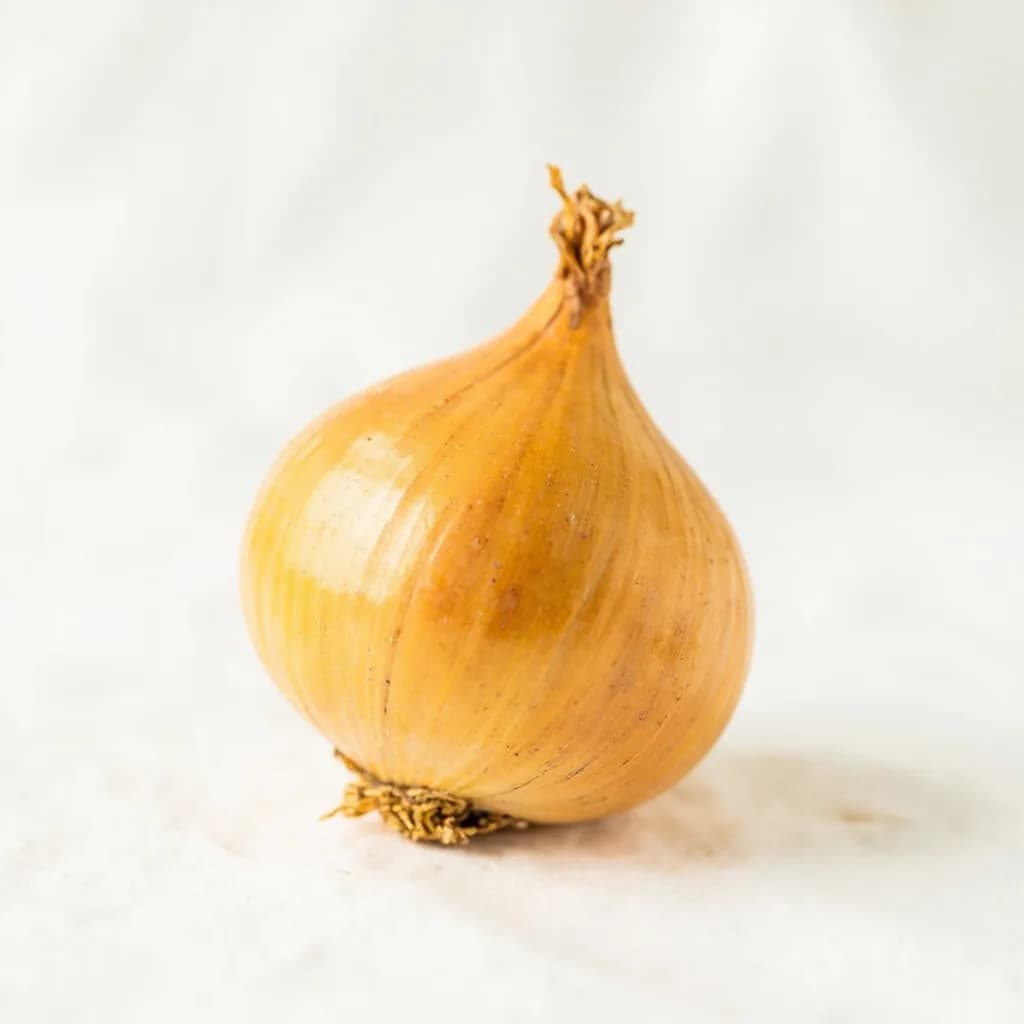
Yellow Onion
The aromatic backbone of soups, sofritos, and braises
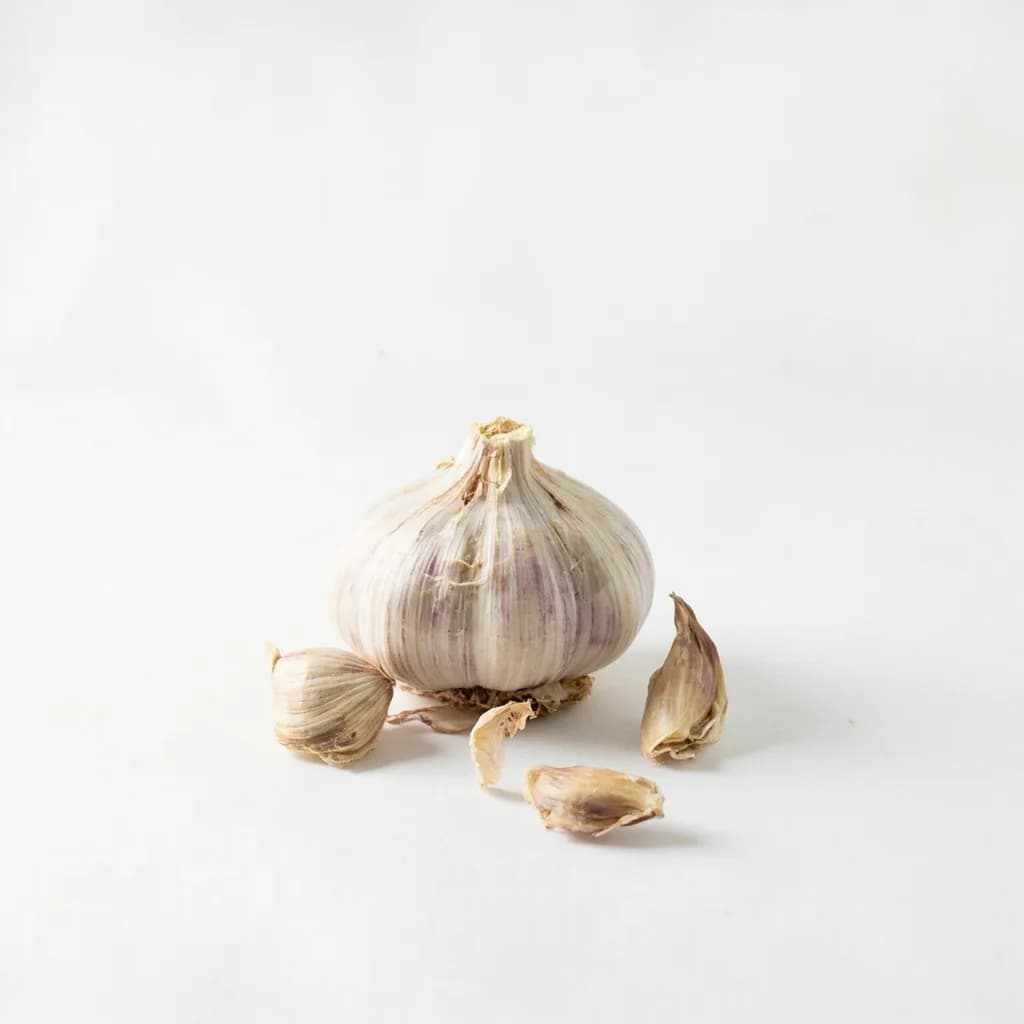
Garlic
Pungent cloves that perfume nearly every savory dish
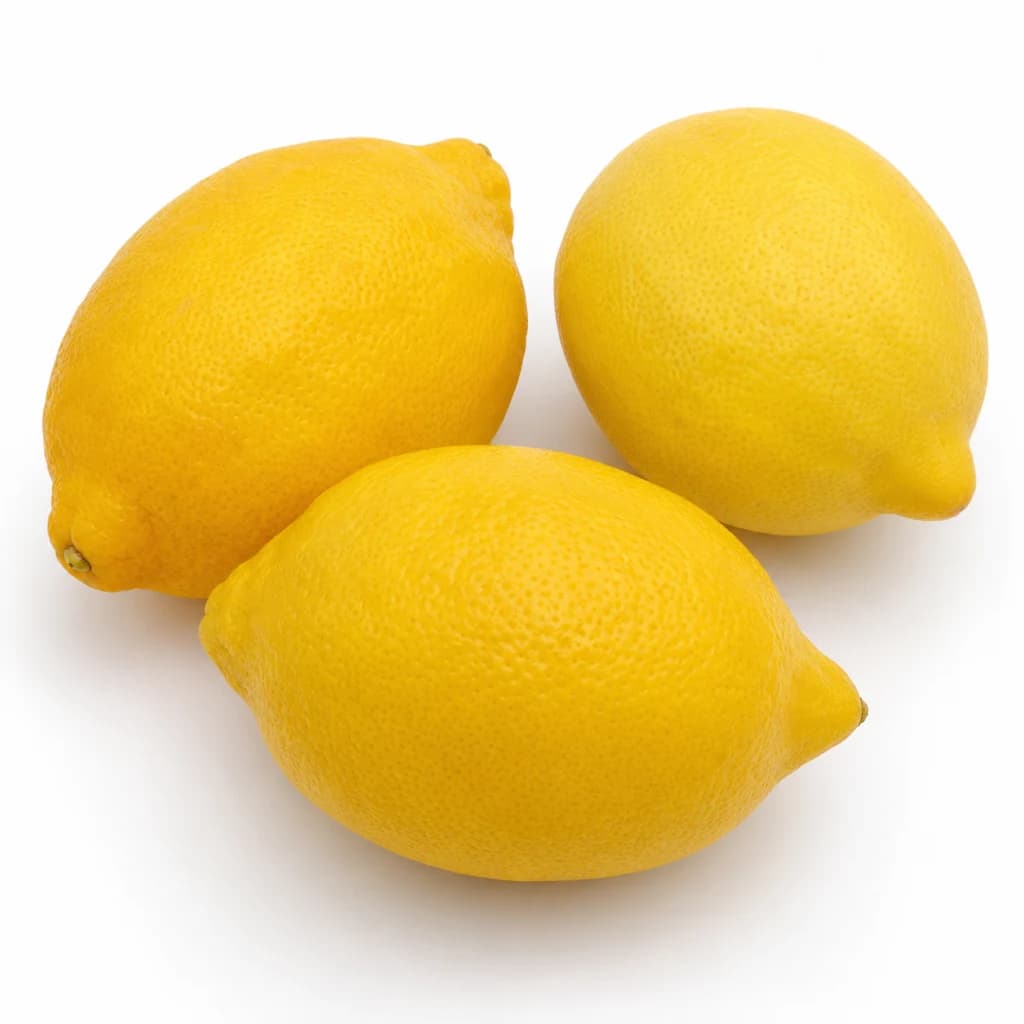
Lemon
Bright, acidic citrus that wakes up almost any dish
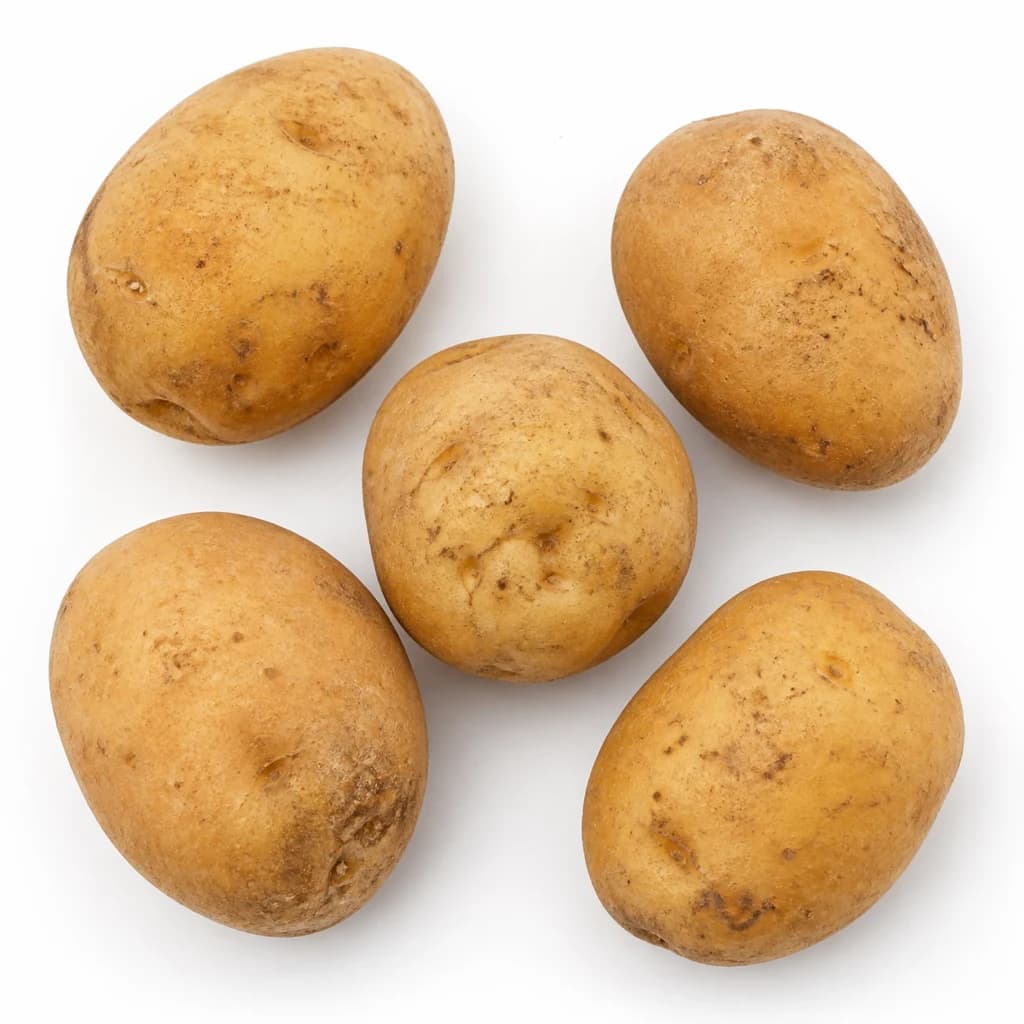
Potato
Humble, hearty staple — roast, mash, fry, or boil
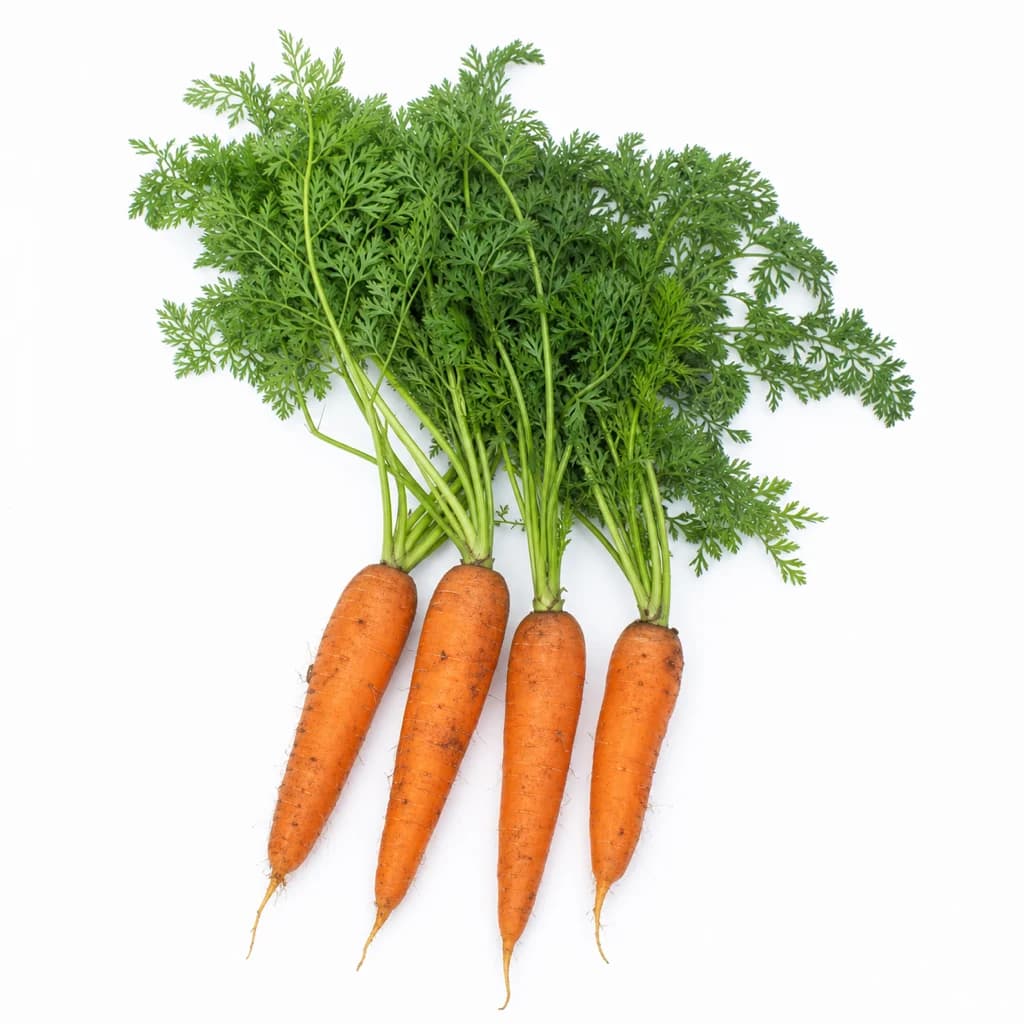
Carrot
Sweet, crunchy root — raw, roasted, or the base of a sofrito
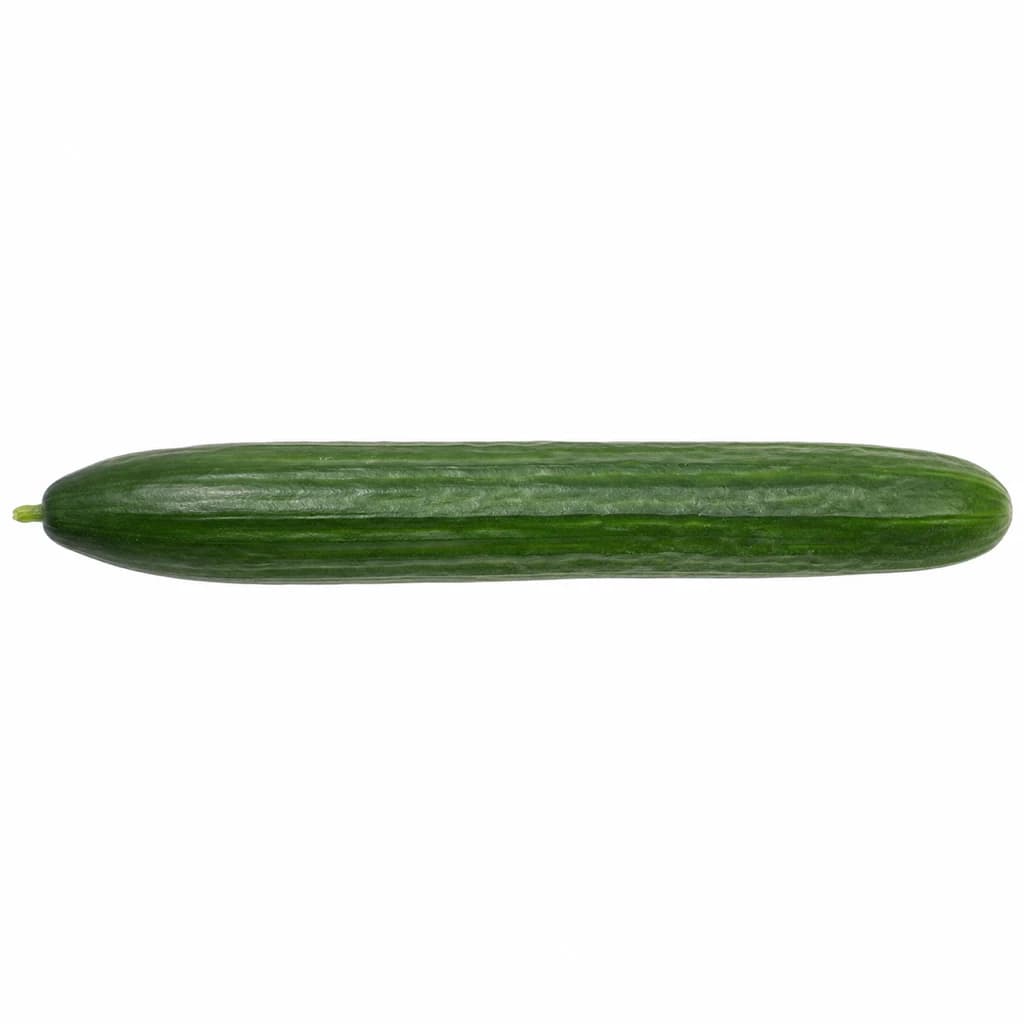
Cucumber
Cool, crisp, and watery — for salads, pickles, and tzatziki

Lettuce
Crisp leaves for salads, wraps, and a fresh crunch