Grains & Rice
Barley Grits (Borghol)
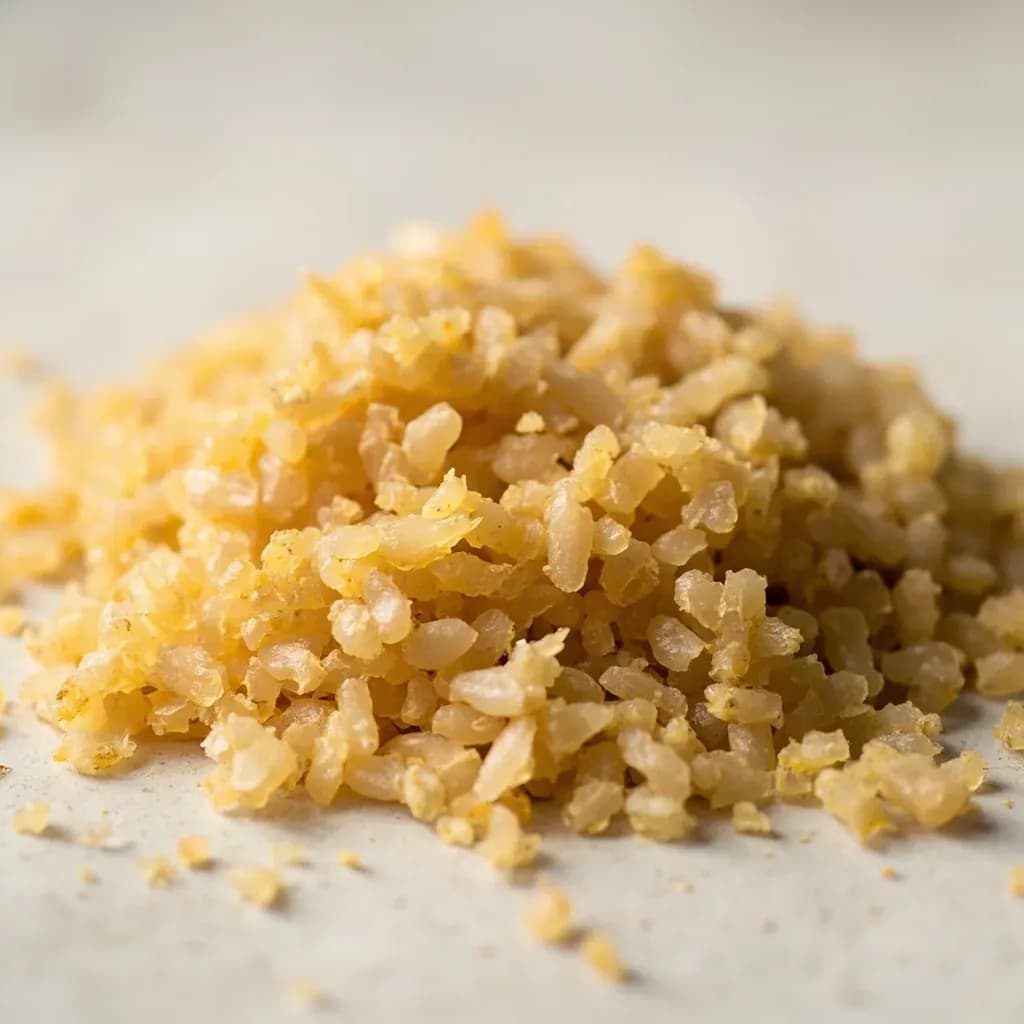
Cracked, parboiled barley simmered into pilafs, soups and porridges across the Levant.
Barley grits are coarsely cracked, often parboiled barley kernels, sometimes called borghol when used like bulgur. They cook into hearty pilafs, soups and porridges and add a chewy, nutty bite to grain dishes. Quicker to cook than whole barley, they are a common pantry staple in the Levant and Eastern Europe.
Barley borghol is cracked, parboiled barley that has been hulled, steamed, and broken into irregular pieces—essentially the barley equivalent of wheat bulgur. The parboiling step sets the starch and firms the kernel, so the grain holds its shape and texture even when simmered, unlike regular barley which can turn soft and mushy. This preparation originated in rural communities across the Levant, where barley was a staple grain in some regional food traditions.
The result is a gritty, coarse-textured ingredient with a pale tan to golden yellow color and a subtly sweeter, nuttier flavor than wheat bulgur. It cooks in a fraction of the time of whole barley—typically 15–25 minutes depending on grade—and remains pleasantly chewy when done. Because it is parboiled and dried, barley borghol has a longer shelf life than raw barley and resists the spoilage that plagues whole grains. Barley contains gluten, so it is not suitable for those with celiac disease; verify the source and processing environment if serving anyone with gluten-related disorders.
In traditional Levantine cooking, barley borghol appears in the same roles as its wheat counterpart: cold herb salads, pilafs, stuffings, and porridges. Its earthiness and coarse texture make it especially well-suited to bold dressings of olive oil and lemon, aromatic pilafs built on onion and allspice, and hearty soups where it contributes body without dissolving into paste.
- Measured in
- g
- Storage
- Pantry
Allergens
Types & varieties
Large cracked pieces; ideal for pilafs and tabbouleh-style salads where texture should remain distinct
Versatile middle grade; handles soups, stuffings, and dishes requiring moderate cooking time
Small granules; works for porridges, kibbeh-style fillings, and dishes where quicker hydration is needed
Common uses
Tips & pitfalls
- Rinse before use to remove any dust or hull fragments accumulated during processing
- Fine grades require no soaking; add directly to recipes. Coarse grades benefit from a 15–30 minute soak in warm water to shorten cooking time
- Toast grains in a dry pan over medium heat for 2–3 minutes before adding liquid—this deepens flavor and adds pleasant nuttiness to pilafs
- Do not overcook; pull from heat when still slightly firm in the center for the best chewy texture
- Store in airtight containers away from strong-smelling foods; barley borghol absorbs odors readily
- Common mistake: Using fine borghol in dishes calling for coarse texture, resulting in mushy or gluey results
- Common mistake: Not adjusting liquid ratios—fine borghol hydrates quickly and becomes pasty with too much water or too long a simmer
- If substituting for bulgur in a recipe, use the same grade and expect a slightly sweeter, earthier flavor profile
Nutrition
Energy
1473 kJ · per 100 g
Where the calories come from
Protein
9.9g
20% DV
Carbs
77.7g
28% DV
Fat
1.2g
1% DV
Fiber
15.6g
56% DV
Sugars
0.8g
of which
Sodium
9mg
0% DV
Source · USDA FoodData Central · approx. Barley, pearled, raw
View on FDC →In the shops
Matched grocery products
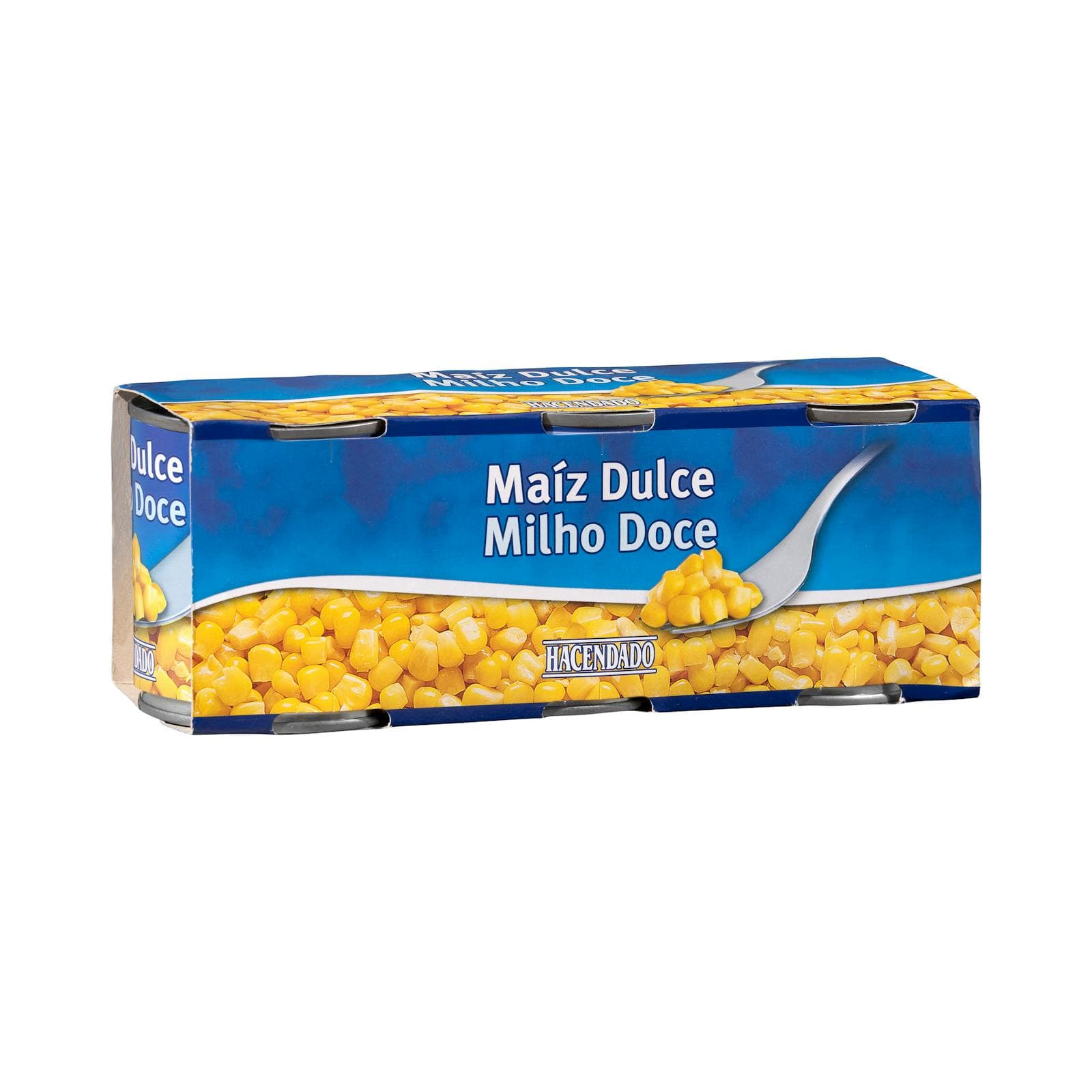 €1.55
€1.55Sweet Corn
Hacendado · 450 g · Mercadona
 €1.59
€1.59Sweet Corn Bonpreu
BONPREU · kg · Bonpreu
 €2.49
€2.49Sweet Corn Bonpreu
BONPREU · kg · Bonpreu
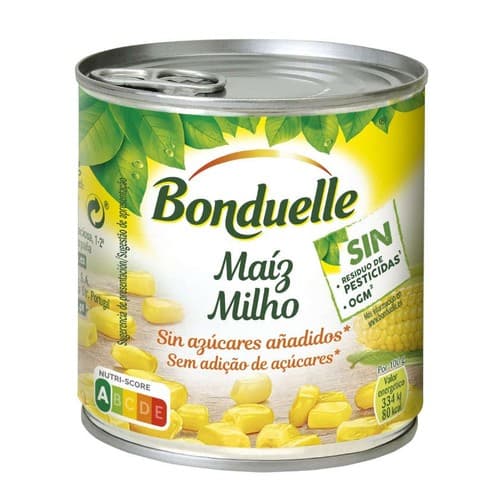 €1.99
€1.99Bonduelle Sweet Corn
BONDUELLE · kg · Bonpreu
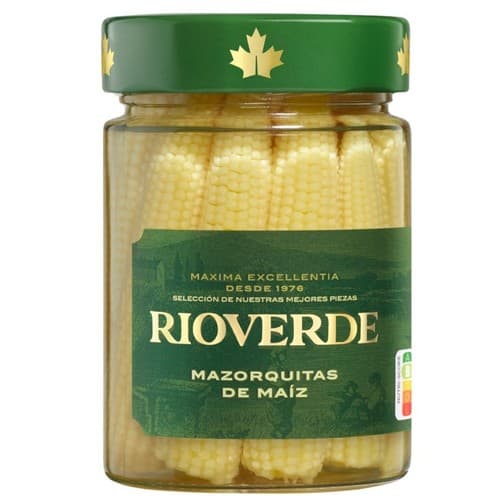 €2.99
€2.99Pickled Corn Kernels
RIOVERDE · kg · Bonpreu
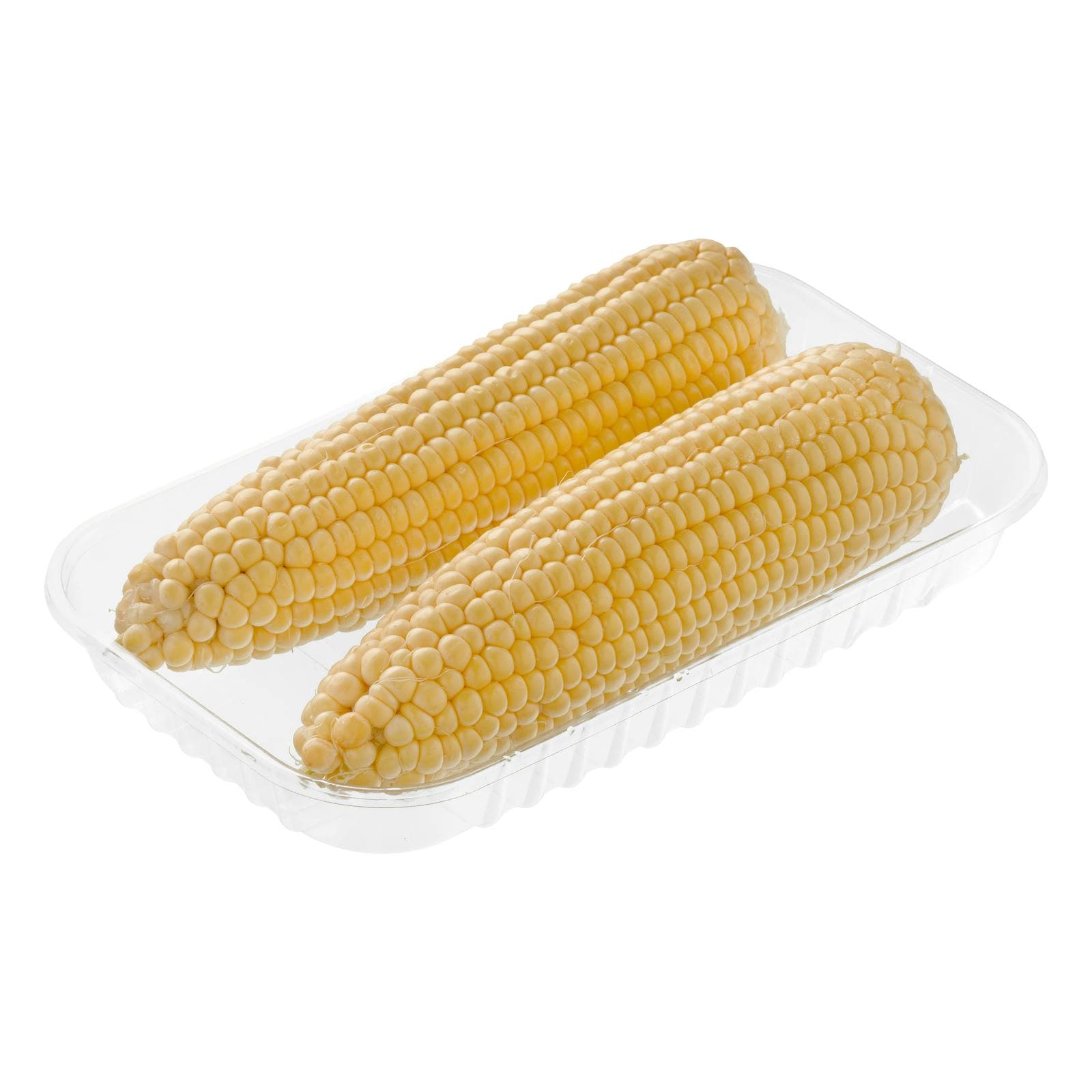 €3.15
€3.15Sweet Corn on the Cob
2 ud · Mercadona
Good to know
- Common name
- Barley Grits / Borghol
- Processing
- Hulled, steamed, then cracked barley
- Origin
- Levant (historically Syria, Lebanon, Palestine)
- Color
- Pale tan to golden yellow
- Texture
- Gritty, coarse; holds shape when cooked
- Typical prep
- Simmered 15–25 min; no prolonged cooking needed
- Shelf life
- 6–12 months in airtight container, cool dark place
- Gluten
- Contains gluten (barley); verify no cross-contamination if needed
Substitutes
- Bulgur wheat (traditional) — Made from durum wheat; nearly identical texture and uses; the most common and accessible substitute
- Pearled barley — Requires 30–40 minutes cooking; similar nutty flavor but softer, less distinct texture
- Hulled barley — Longer cooking time; chewier, more pronounced barley flavor; requires soaking
- Farro — Similar pleasantly chewy texture; needs 20–30 minutes cooking; different but compatible flavor
- Buckwheat groats (kasha) — Gluten-free alternative with earthier, more assertive flavor and darker color
- Steel-cut oats — Not traditional but works for porridges; milder flavor; different appearance
Pairs with
Also called
Borghol · Cracked Barley
Related

White Rice
Fluffy long-grain rice — the neutral base for almost any meal

White Bread
Soft sandwich loaf for toast, sandwiches, and crumbs
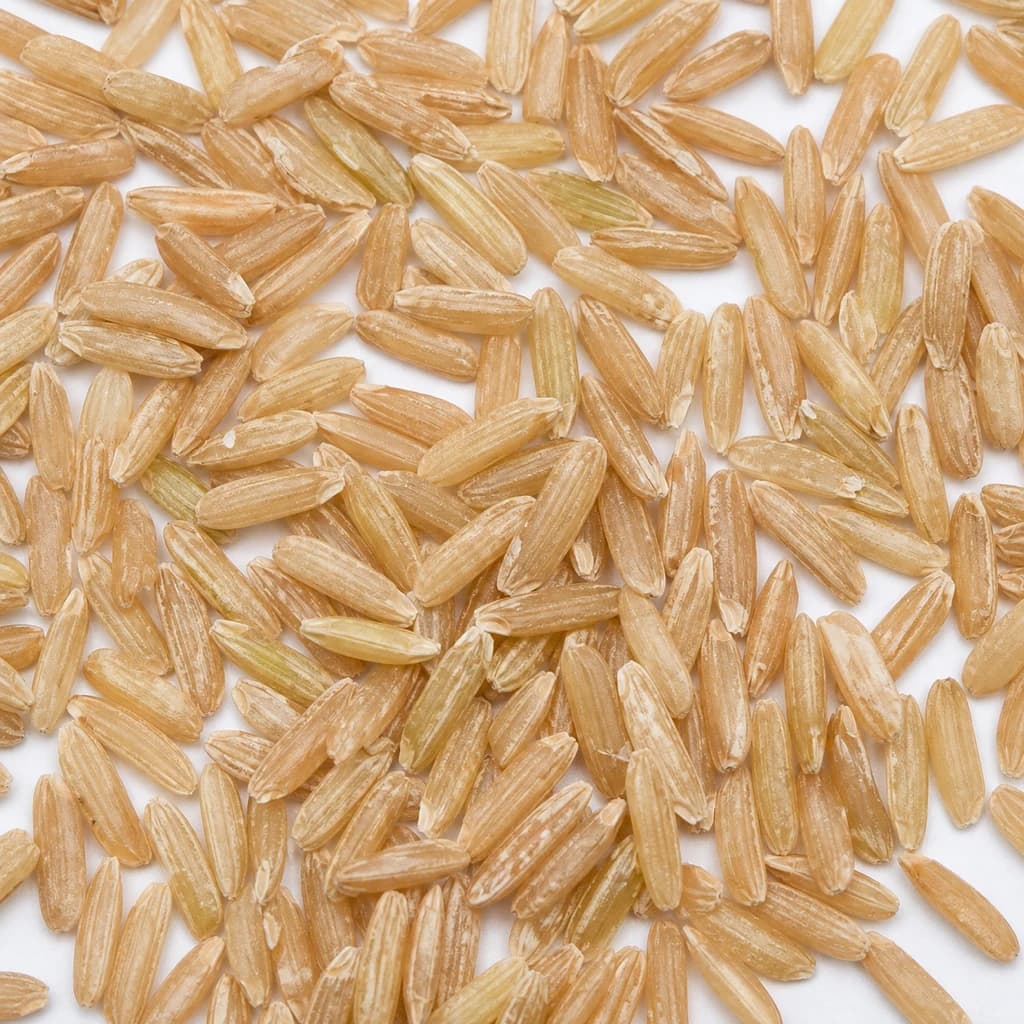
Brown Rice
Nutty, whole-grain rice with chew and extra fiber

Basmati Rice
Fragrant, long-grain rice that cooks up light and separate
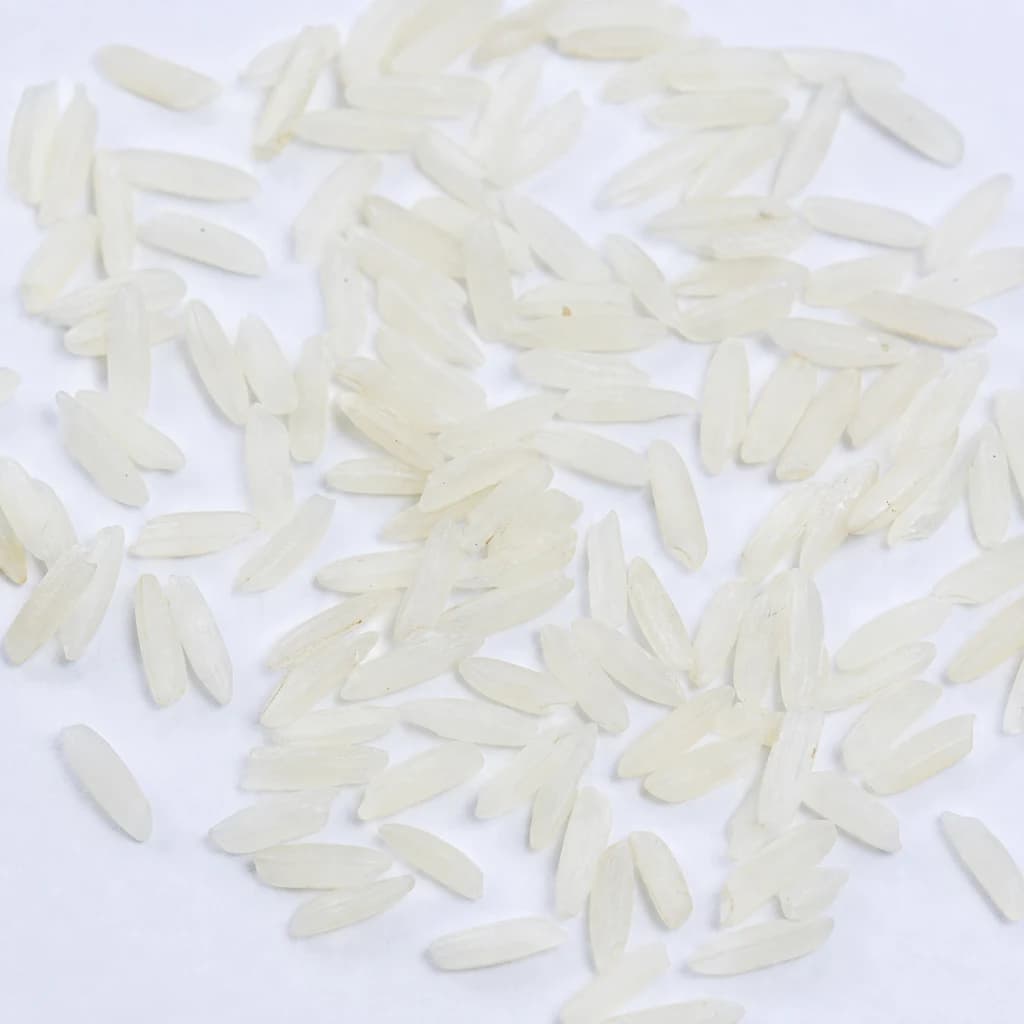
Jasmine Rice
Soft, floral-scented rice that's the pillar of Thai meals
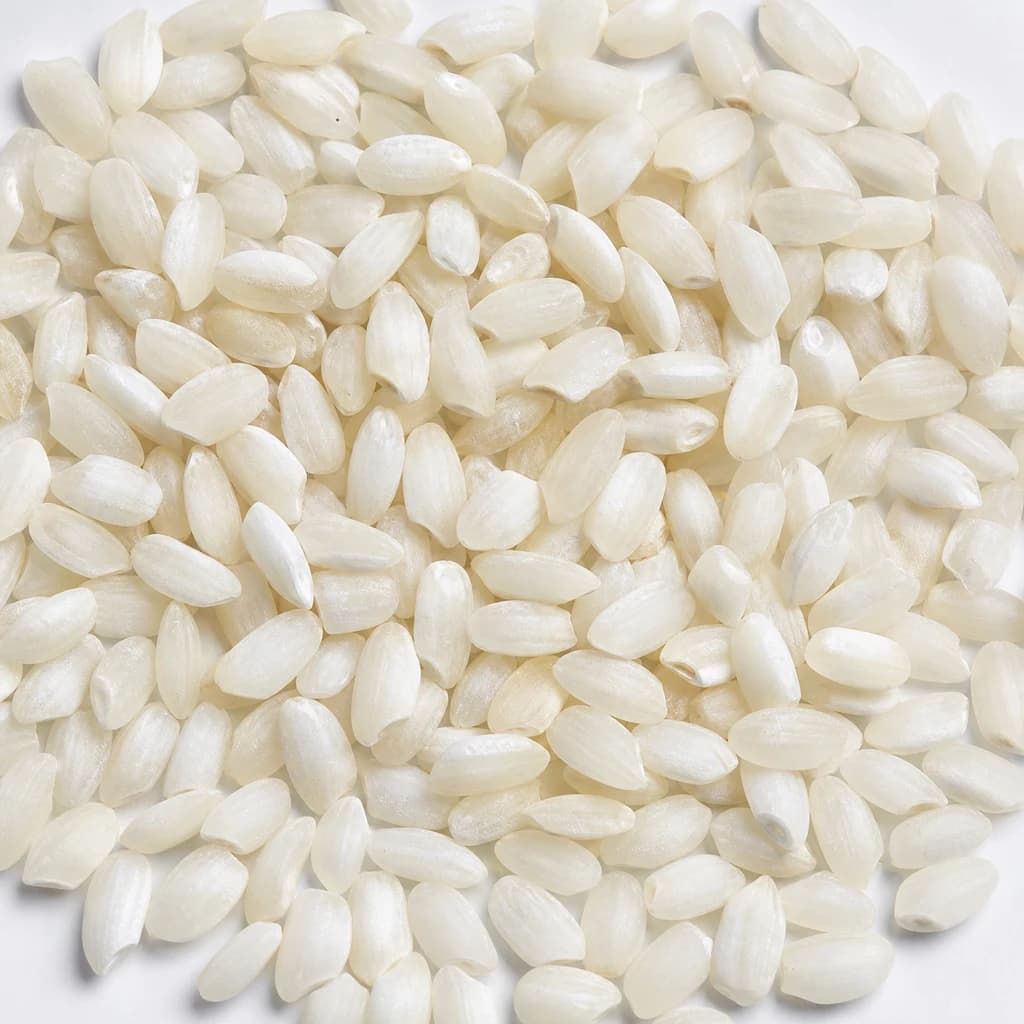
Arborio Rice
Plump, starchy rice that makes risotto creamy
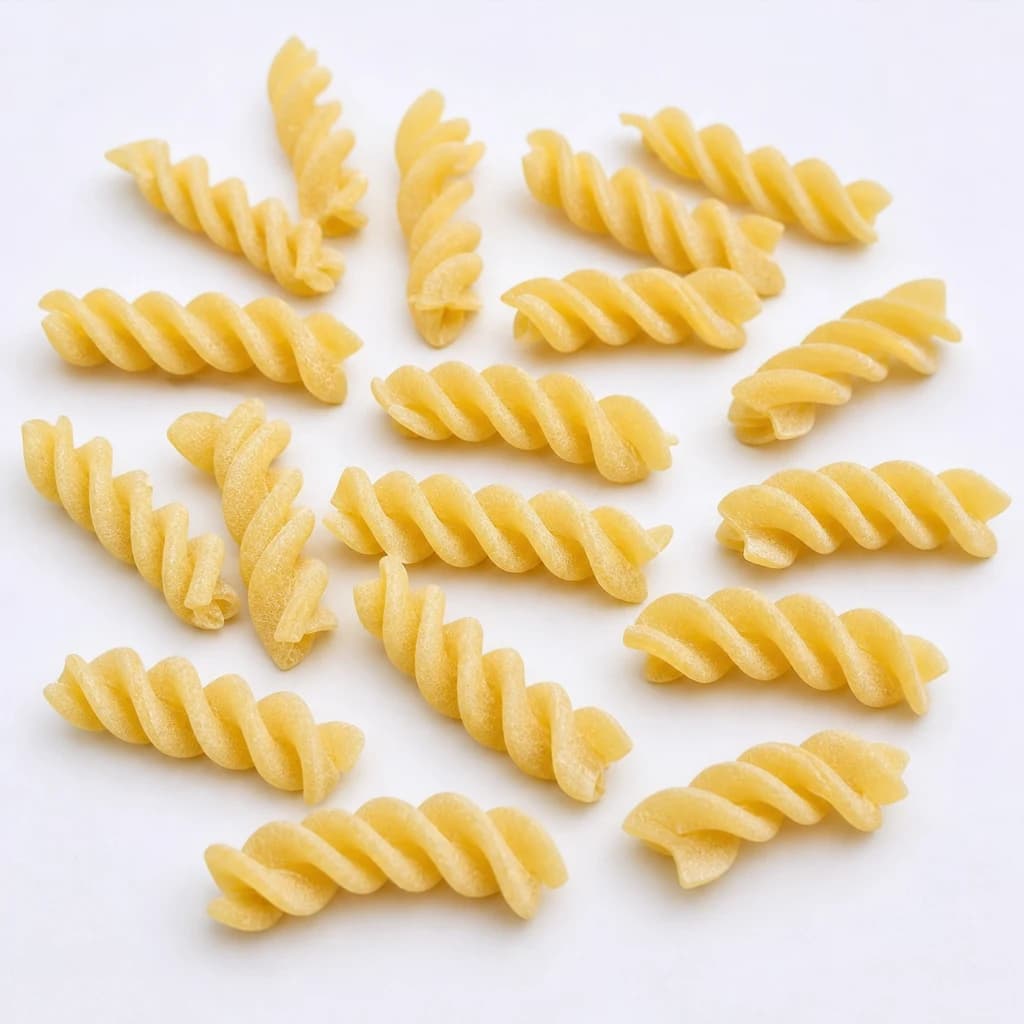
Fusilli
Spiraled pasta that twirls up sauce and dresses cold salads
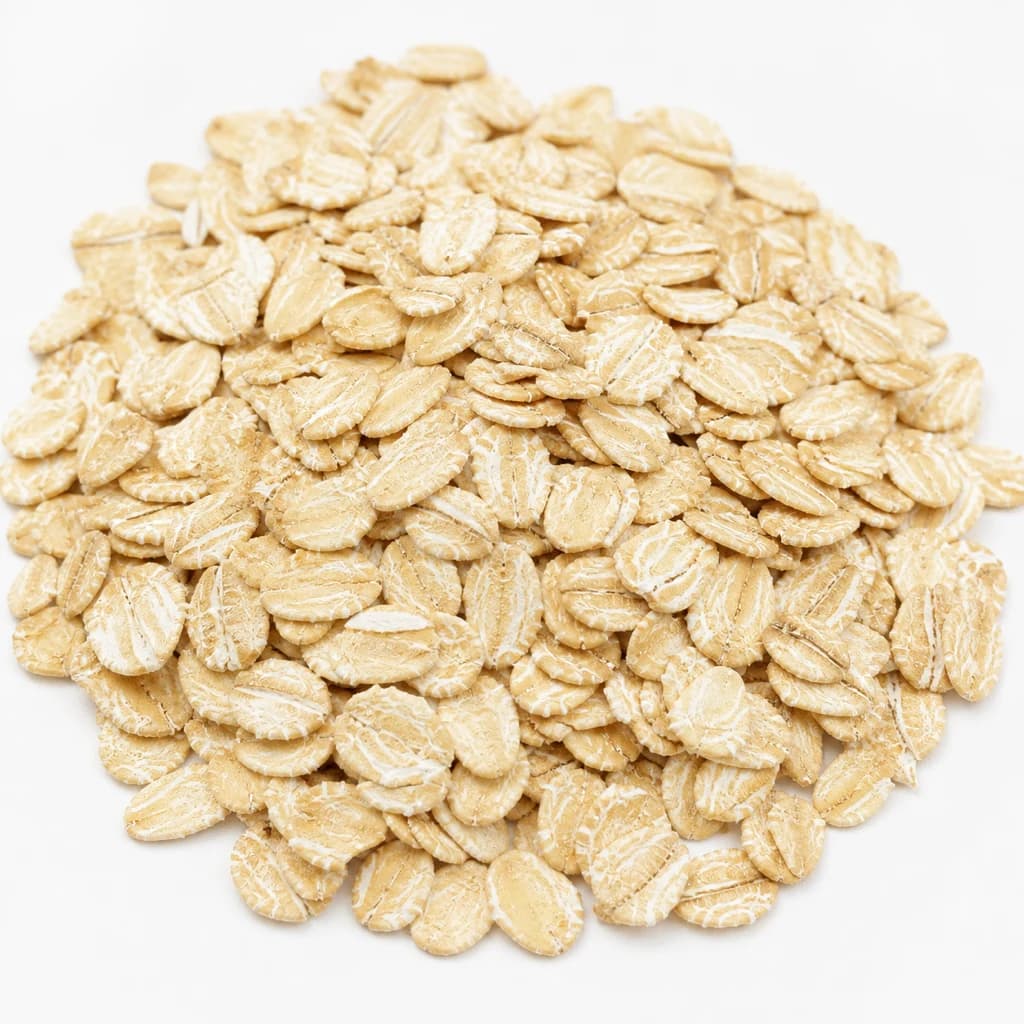
Rolled Oats
Hearty flakes for porridge, granola, and chewy cookies