Oils & Fats
Beef Suet
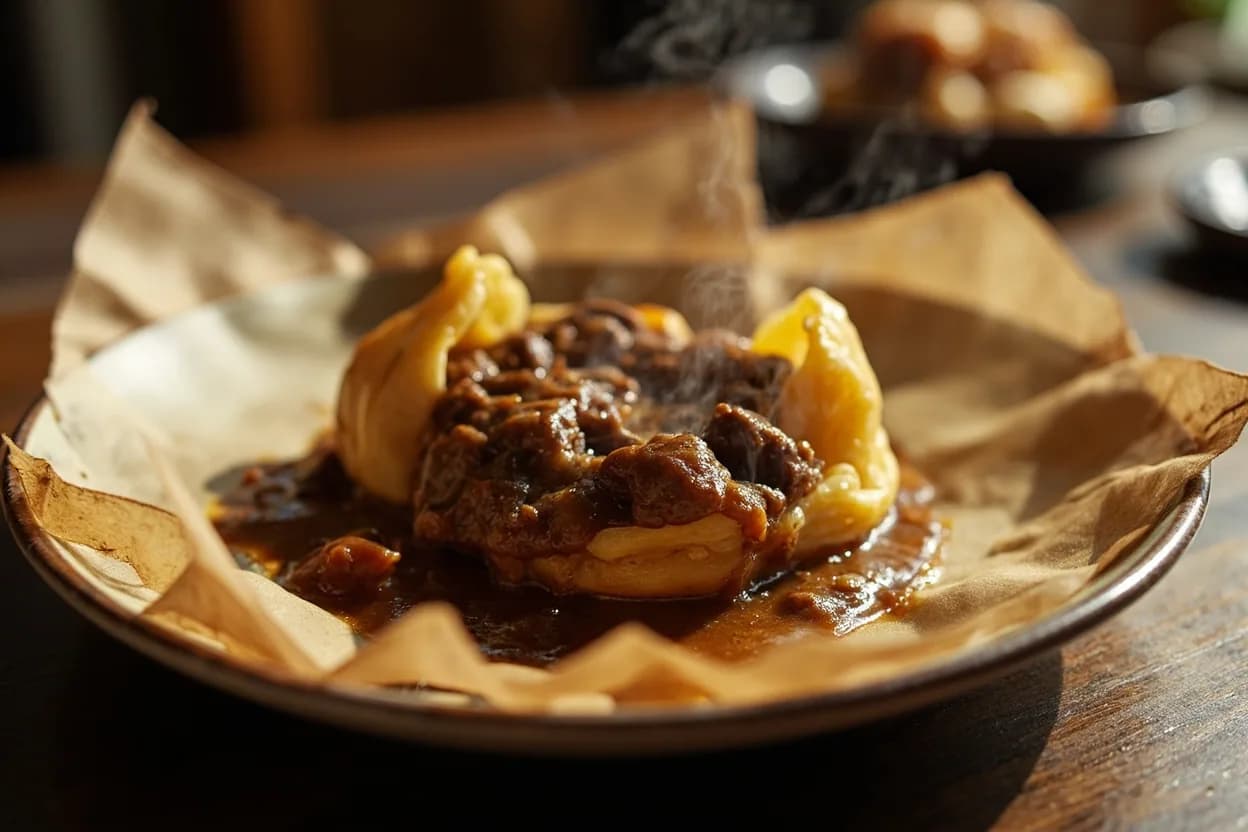
Hard fat from around the kidneys, used in puddings, pastry, mincemeat, and traditional dumplings.
Beef suet is the firm, crumbly fat found around the kidneys and loins of cattle. Grated or shredded, it is a key ingredient in British steamed puddings, suet pastry, mincemeat, and dumplings, where it melts to create a uniquely light, moist crumb. It has a high melting point and a clean, neutral richness, and is also rendered into tallow.
Beef suet is the hard, dense fat that surrounds and cushions the kidneys of beef cattle, specifically the perirenal and retroperitoneal fat deposits. Unlike softer fats from other parts of the animal, suet is remarkably pure and neutral in flavor due to its specific anatomical location—it has minimal connective tissue and blood content. Fresh suet feels firm and cool to the touch, cuts with a clean edge, and has a coarse texture with visible grain; any yielding or squishing indicates moisture or spoilage.
This fat has been one of the most utilitarian fats in European cooking for centuries. The high melting point of approximately 45–50°C (113–122°F) gives suet extraordinary structural stability during steaming and boiling—essential for the traditional British steamed puddings that defined working-class cooking from the industrial era onward. Where butter creates flaky layers and shortening produces a tender, crumbly texture, suet coats flour particles in a way that produces a uniquely cohesive dough that steams into a light, self-contained pudding structure without becoming waterlogged.
Sourcing suet requires knowing where to look: mainstream supermarkets rarely stock it, but a trusted butcher who breaks down whole carcasses will have fresh kidney suet. The quality indicator is firmness and dryness. Keep raw suet refrigerated until the moment you need it, because its firm, cold state is essential for successful pastry work. The British baking tradition depends on suet for authenticity in dishes where no substitute truly replicates its behavior—steak and kidney pudding, Christmas pudding, and proper suet dumplings all rely on these specific fat properties.
- Measured in
- g
- Storage
- Fridge
Types & varieties
Whole or coarsely cut; most versatile; requires trimming of membrane before use
Pre-shredded, dried suet in a box; developed in the 1890s; most commonly used brand in British baking; instant convenience
Melted and strained suet; removes impurities and extends shelf life; used for deep frying and as a cooking medium
Rendered fat collected from roasting joints; contains beef fat but may include drippings from other areas
Any rendered meat fat; suet drippings specifically come from suet; the British dripping on toast tradition often used suet-based dripping
Common uses
Tips & pitfalls
- Always keep raw suet refrigerated until needed; remove only when ready to use to maintain the firm, cold state necessary for pastry work
- For suet pastry, use cold water and handle the dough minimally; overworking develops gluten and makes pastry tough rather than light
- The traditional suet pastry method involves cutting the fat into flour until the mixture resembles coarse breadcrumbs before adding liquid; do not use a food processor for this step
- When substituting shredded dried suet (like Atora) for fresh, use a 1:1 ratio by weight; no additional preparation needed
- Suet must be completely free of membrane and blood spots before use; any connective tissue will make pastry chewy and unpleasant
- For the cleanest flavor in rendered tallow, slowly melt fresh suet on very low heat, strain through cheesecloth, and discard the remaining cracklings
- Do not confuse suet with the softer internal fats (omentum or leaf fat); suet is specifically the harder perirenal fat with minimal connective tissue
- If a recipe calls for suet and you use butter or margarine instead, expect a completely different result: butter pastry is flaky, suet pastry is crumbly and heavier
- Suet dumplings should be added to simmering liquid, not boiling; vigorous boiling causes them to disintegrate rather than steam into a light, pillowy texture
- For Christmas pudding, many traditional recipes specify aged suet for better flavor development; some cooks hang fresh suet for several weeks in a cool place before using
Nutrition
Energy
3573 kJ · per 100 g
Where the calories come from
Protein
1.5g
3% DV
Carbs
0g
0% DV
Fat
94g
121% DV
Fiber
0g
0% DV
Sugars
0g
of which
Sodium
7mg
0% DV
Source · USDA FoodData Central · Beef, variety meats and by-products, suet, raw
View on FDC →In the shops
Matched grocery products
No matched grocery products for Beef Suet yet.
Good to know
- Source
- Hard fat from around the kidneys and loins of beef cattle; specifically the perirenal and retroperitoneal fat deposits
- Physical Form
- Firm, white or cream-colored with coarse texture and distinct grain; must be dry, not wet or bloody
- Melting Point
- Approximately 45–50°C (113–122°F), higher than most cooking fats, giving exceptional structural stability in hot applications
- Saturated Fat Content
- Very high (over 50% of total fat), contributing to shelf stability and structural properties in cooking
- Fresh Storage
- Refrigerated up to 5 days; frozen up to 6 months in airtight wrapping
- Dried/Shredded Storage
- Pantry shelf life approximately 2 years in sealed packaging
- Rendered Storage
- Beef tallow keeps 3–6 months refrigerated in cool, dark conditions
- Traditional Availability
- Request from butcher; found in specialty butcher shops and online; rarely in mainstream supermarkets
Substitutes
- Lard (leaf lard preferred) — Most similar texture and performance; lard is softer but provides similar structural properties in pastry and dumplings; use 1:1 by weight
- Vegetable Shortening (e.g., Crisco) — Vegan alternative with comparable melting point; produces slightly different flavor but similar texture in pastry and dumplings; use 1:1 by weight
- Coconut Oil (refined) — Solid at room temperature with similar workability; best for dairy-free applications; may impart slight coconut flavor
- Butter (for some applications) — Not a true substitute for suet pastry; creates a flaky rather than crumbly texture; acceptable in dumpling recipes where structure is less critical
- Goose Fat or Duck Fat — Traditional for some savory stuffings and dumplings; richer flavor than suet; excellent for roasting potatoes
Pairs with
Also called
Suet
Appears in these dishes

Related
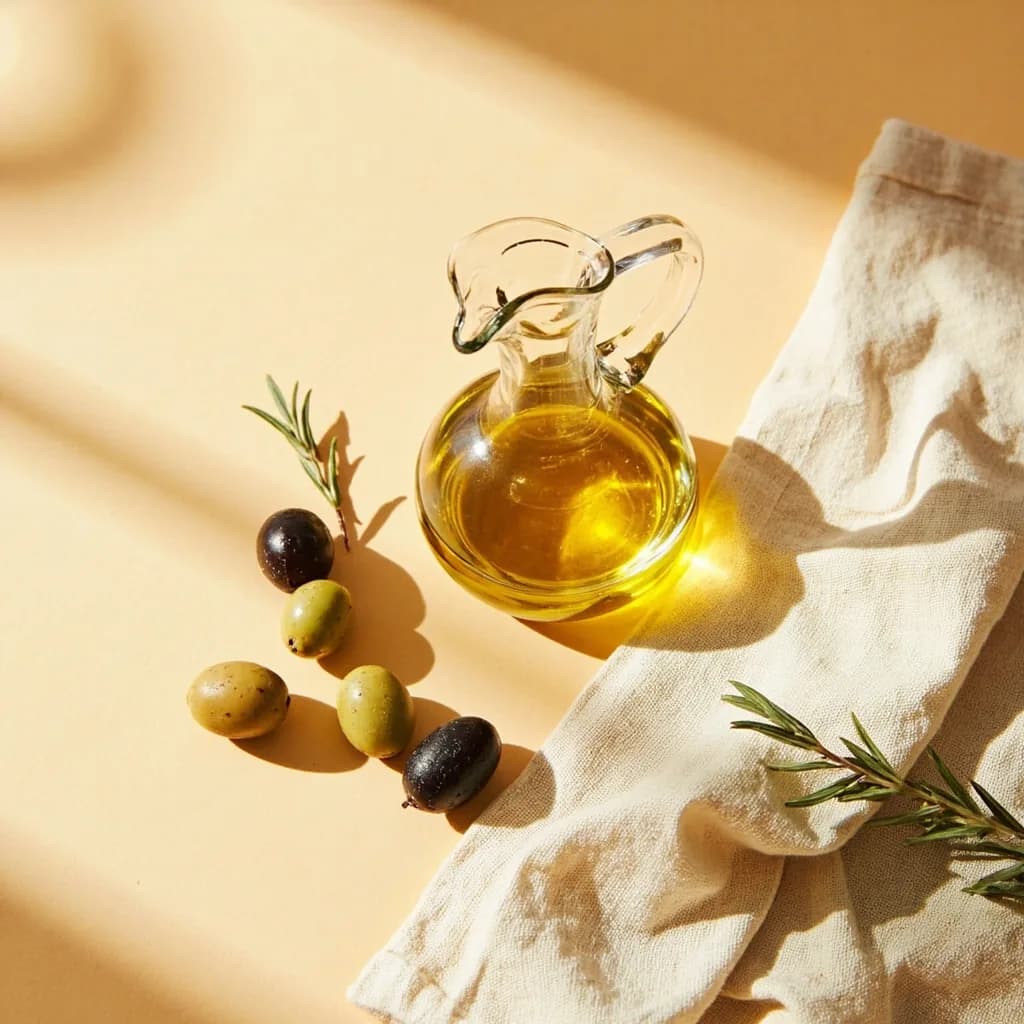
Olive Oil
Fruity, peppery everyday oil for sautéing, dressing, and finishing
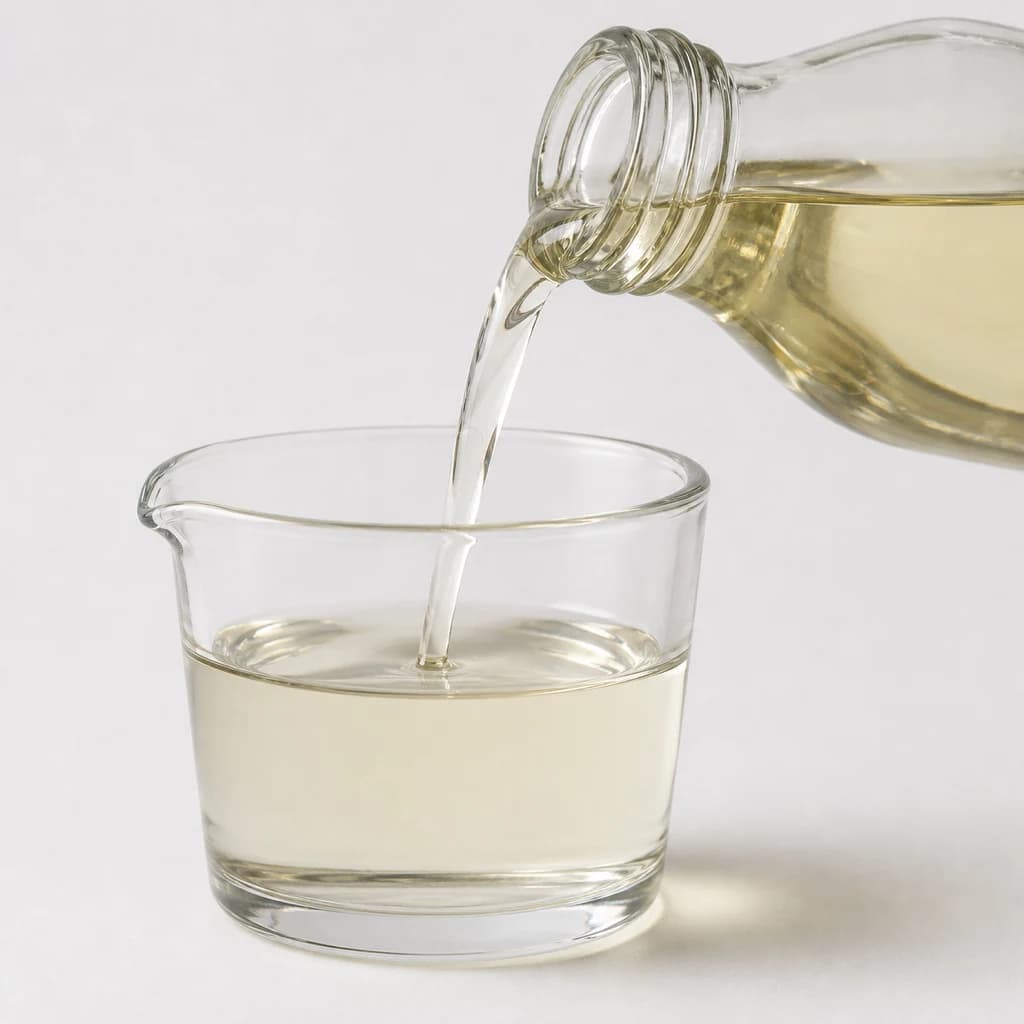
Vegetable Oil
Neutral, high-heat oil for frying and all-purpose cooking
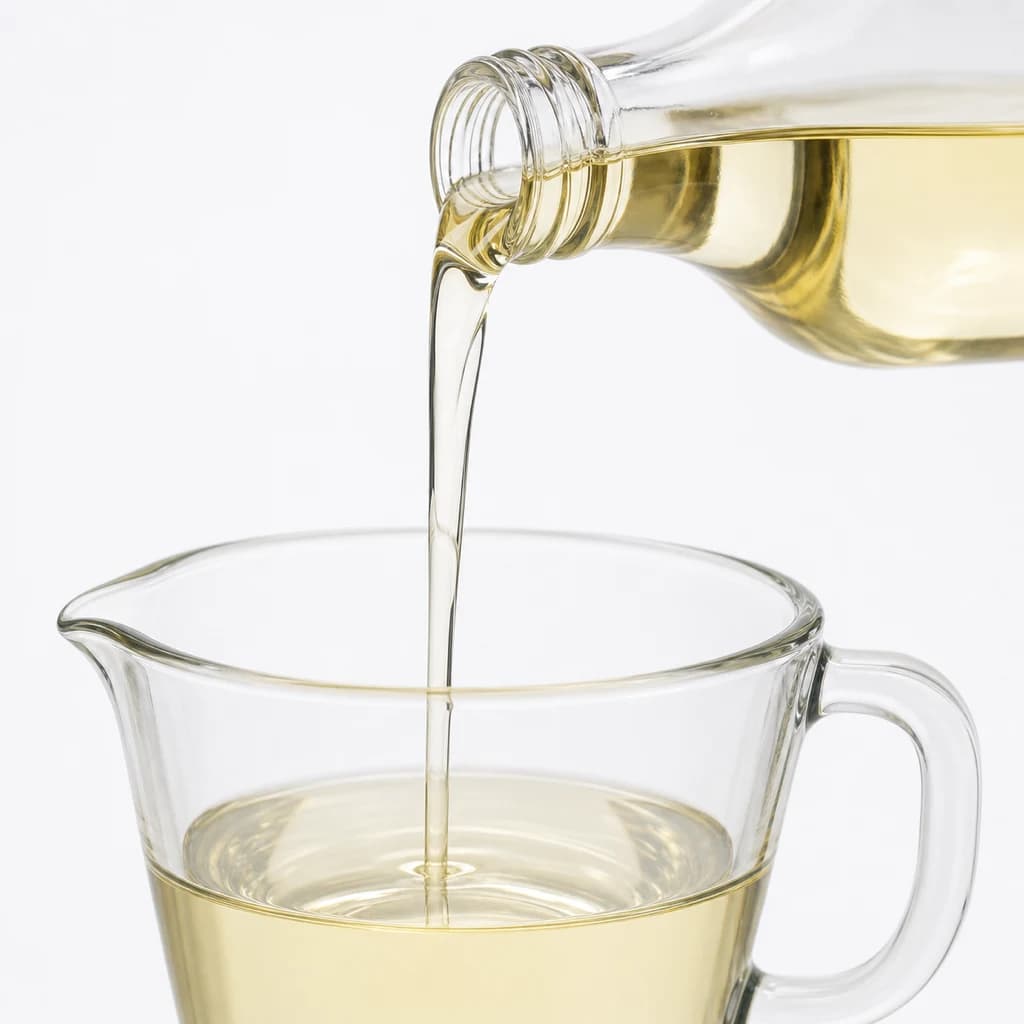
Canola Oil
Light, neutral oil for frying, baking, and dressings

Sunflower Oil
Clean, neutral oil for frying and everyday cooking
Sesame Oil
Toasty, aromatic oil — a finishing splash for Asian dishes
Coconut Oil
Fragrant, solid-at-room-temp fat for baking and frying
Peanut Oil
High-heat oil with a faint nutty note — ideal for frying

Lamb Tail Fat
Rich rendered fat from fat-tailed sheep — used as a cooking fat and flavor base in Central Asian and Middle Eastern dishes.