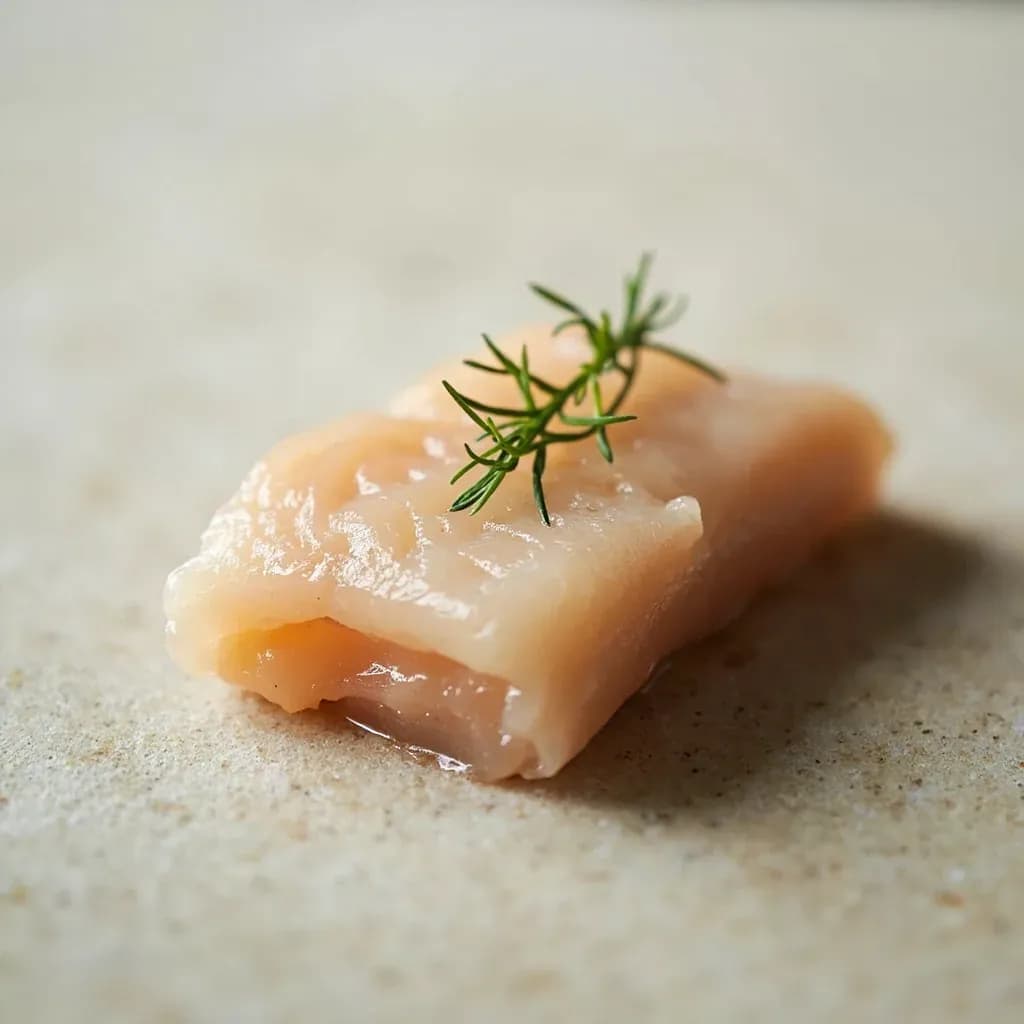
Proteins
Bonito Tuna
A small, oily relative of tuna — eaten fresh-grilled or dried into katsuobushi flakes.
Bonito is a small, fast-swimming fish in the tuna and mackerel family with rich, oily, deeply flavored flesh. Fresh, it is grilled, seared (Japanese katsuo no tataki), or canned; dried and fermented it becomes katsuobushi, the smoky flakes that form the backbone of dashi stock. Its strong flavor stands up to bold seasoning.
Bonito is a small, firm-fleshed fish from the Scombridae family that sits between mackerel and true tuna in flavor and fat content. Distinguished by its deeply colored, moderately oily flesh and pronounced savoriness, bonito is prized across Mediterranean, Japanese, and Pacific Rim cuisines—though it behaves quite differently than its cousin the skipjack tuna despite frequent market confusion. Atlantic and Pacific bonito (Sarda species) are the varieties most available outside Japan, and they excel when grilled, smoked, or cured. The fish has a higher enzyme activity than true tuna, which accelerates spoilage and contributes to its bold, sometimes assertively fishy character. This intensity is precisely what makes bonito valuable: it holds up to strong accompaniments, absorbs marinades well, and delivers a depth of flavor that milder fish cannot. Notably, the shaved flakes sold as "bonito" for dashi and Japanese dishes are actually skipjack tuna (katsuo)—a different species entirely—and true bonito will not produce authentic katsuobushi through the traditional fermentation process.
The strong, rich flavor of bonito demands confident treatment in the kitchen. Bonito spoils faster than most fish due to its enzyme profile, so sourcing from a trusted fishmonger and cooking the same day is essential when working with fresh fillets. Its firm texture makes it forgiving for slicing and grilling, but its relatively low fat compared to mackerel means it dries out quickly if overcooked—medium-rare is the target. For Mediterranean preparations, a brief citrus or vinegar marination firms the flesh and brightens the overall character. In Japanese cooking, the fish is often lightly seared (katsuo no tataki) or grilled and flaked over rice and salads. Understanding the difference between true bonito and skipjack prevents costly mistakes in the kitchen, especially when attempting Japanese preparations that require the specific properties of katsuo.
- Measured in
- g
- Storage
- Fridge
Allergens
Types & varieties
Found in Mediterranean, Black Sea, and eastern Atlantic. Smaller, typically 2–3 kg. The most common bonito in European markets.
Found along the Pacific coast of North and South America. Slightly larger, firm flesh. Popular in California and Mexican cuisine.
Found in southern Australia and New Zealand waters. Comparable in flavor and use to Atlantic bonito.
NOT a true bonito (different genus) but the species used for authentic katsuobushi. Often mislabeled as bonito in English. Smaller, highly migratory, key commercial species.
Bonito vs. Skipjack: The Crucial Distinction
The terms bonito and skipjack are frequently conflated in English-language markets, but they refer to distinct species from different genera. True bonito belongs to the genus Sarda and includes the Atlantic, Pacific, and Australian species. Skipjack tuna (Katsuwonus pelamis) is a different fish entirely, though it shares the same family. This distinction matters enormously in the kitchen. Japanese katsuobushi—the dried, fermented, smoked, and shaved flakes used to make dashi and flavor countless dishes—is made exclusively from skipjack. Atlantic or Pacific bonito cannot undergo the traditional katsuobushi process successfully; the flesh lacks the proper composition for fermentation and will not develop the characteristic deep umami flavor. When shopping for dashi ingredients, look specifically for skipjack (katsuo) flakes rather than accepting "bonito" as equivalent. Conversely, when Mediterranean or Pacific Rim recipes call for grilled or cured bonito, they mean Sarda species, and substituting skipjack will yield a different, milder result.
- True bonito (Sarda): Atlantic, Pacific, Australian species; excellent grilled, smoked, or cured; NOT suitable for authentic katsuobushi
- Skipjack tuna (Katsuwonus pelamis): separate genus; the ONLY fish that produces true katsuobushi; often mislabeled as bonito in English markets
- When a recipe specifies bonito for dashi or Japanese preparations, it almost certainly means skipjack—use the correct species to avoid disappointment
- When a recipe specifies bonito for Mediterranean or Pacific grilling, it means Sarda species—do not substitute skipjack
Common uses
Tips & pitfalls
- Bonito spoils faster than true tuna due to higher enzyme activity; buy from a trusted fishmonger and use the same day when fresh.
- The dark lateral line flesh is flavorful but can taste strongly fishy; trim it for milder preparations.
- For grilling, do not overcook—bonito dries out easily. Aim for medium-rare at most (125–130°F internal).
- When buying whole fish, look for clear, bulging eyes and bright red or pink gills.
- If using as a substitute for true tuna in sashimi, choose the freshest possible and slice thinly.
- For katsuobushi, only skipjack (not Atlantic/Pacific bonito) produces authentic results; bonito will not ferment properly.
- In Mediterranean cooking, marinate briefly in vinegar or citrus before grilling to help firm the flesh.
- The strong flavor pairs best with bold accompaniments: capers, olives, tomato, garlic, grilled peppers.
Nutrition
Energy
431 kJ · per 100 g
Where the calories come from
Protein
22g
44% DV
Carbs
0g
0% DV
Fat
1g
1% DV
Fiber
0g
0% DV
Sodium
37mg
2% DV
Source · USDA FoodData Central · approx. Fish, tuna, fresh, skipjack, raw
View on FDC →In the shops
Matched grocery products
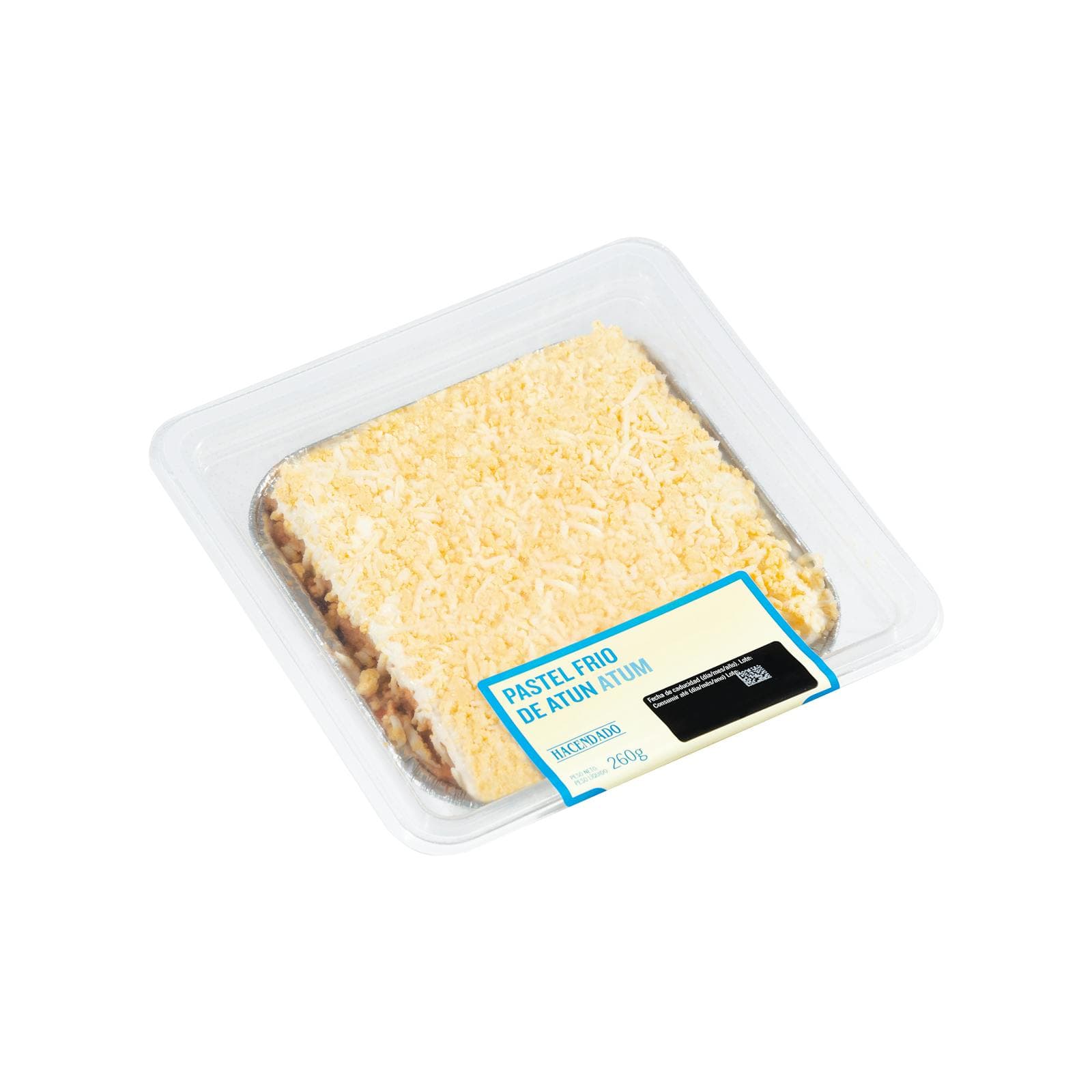 €2.90
€2.90Tuna Pie
Hacendado · 260 g · Mercadona
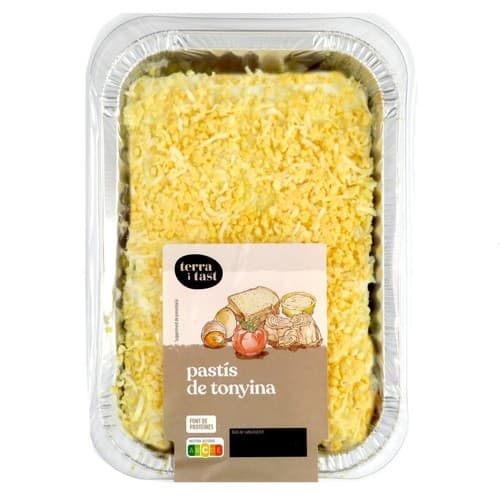 €4.99
€4.99Tuna Pie
TERRA I TAST · kg · Bonpreu
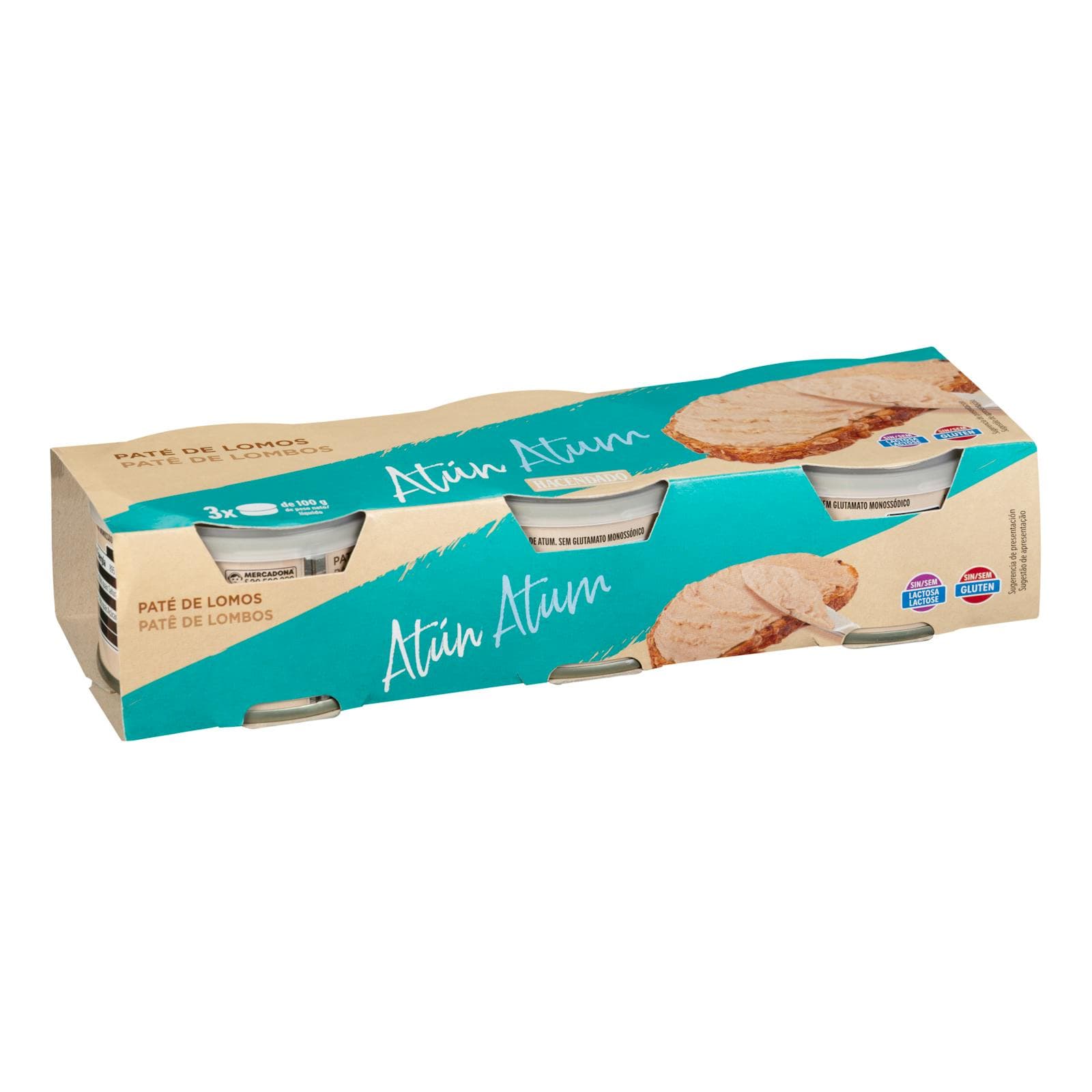 €2.30
€2.30Tuna Loin Paté
Hacendado · 300 g · Mercadona
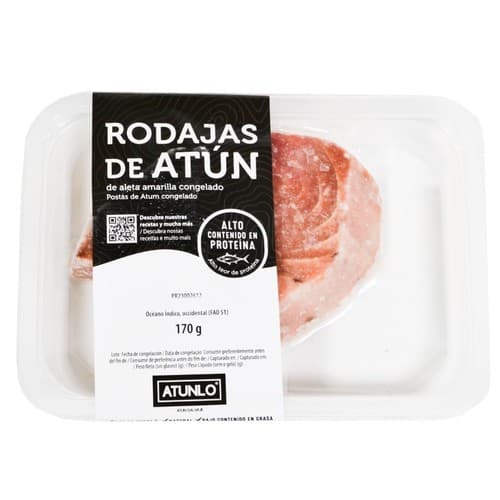 €3.25
€3.25Natural Tuna Rondanxa
ATUNLO · kg · Bonpreu
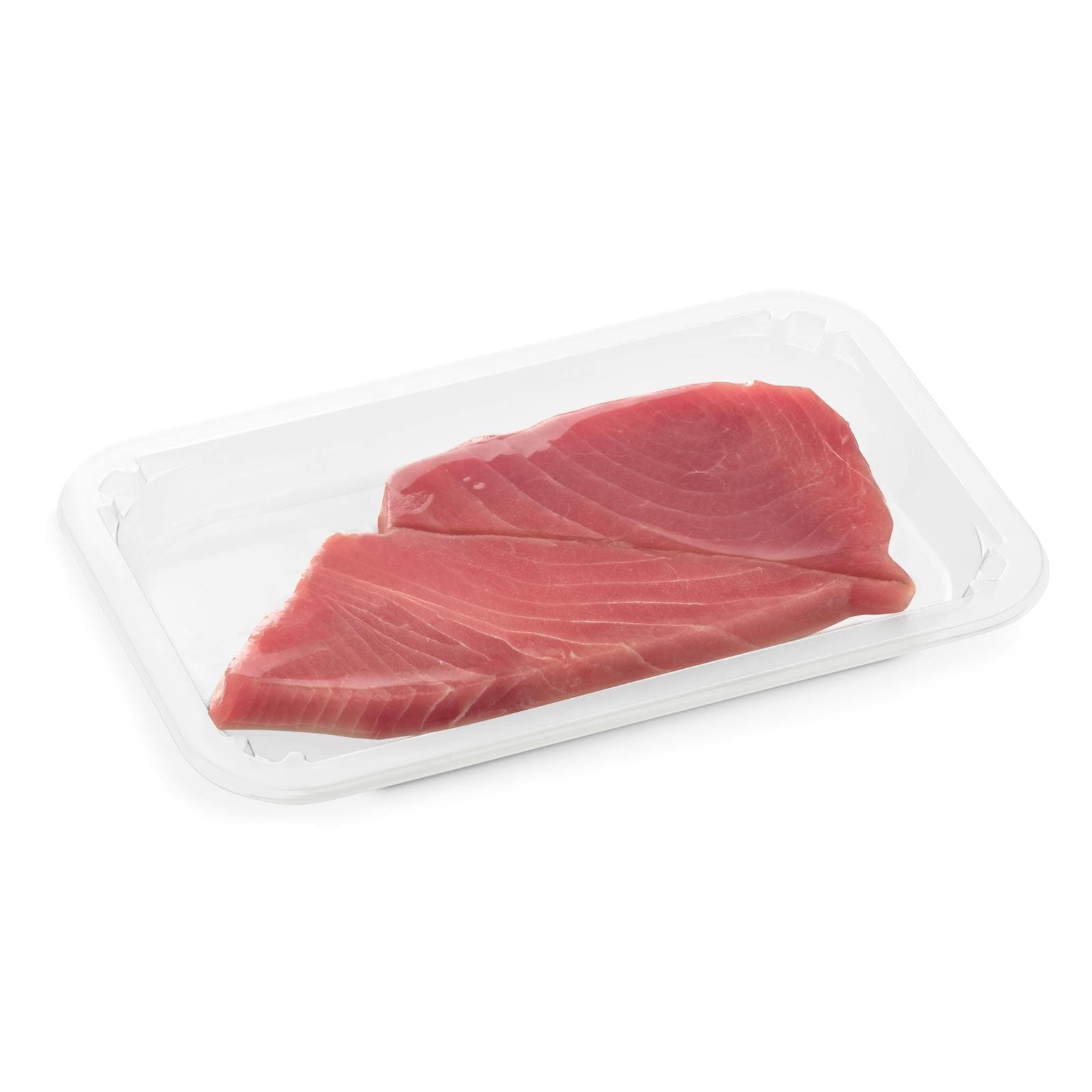 €5.37
€5.37Yellowfin Tuna Slices
235 g · Mercadona
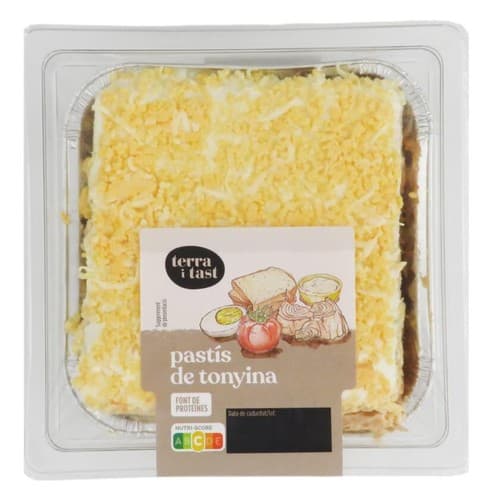 €2.99
€2.99Terra i Tast Tuna Cake
TERRA I TAST · kg · Bonpreu
Good to know
- Scientific name
- Sarda sarda (Atlantic); Sarda chiliensis (Pacific)
- Family
- Scombridae (mackerel family)
- Flavor
- Strong, fishy, moderately oily; richer and more pronounced than true tuna
- Texture
- Firm, dense flesh with high fat content when in season
- Season
- Best in summer and early fall when fat content peaks
- Storage (fresh)
- Use within 1–2 days; refrigerate at 32–34°F, wrapped tightly
- Storage (dried/katsuobushi)
- Indefinitely in airtight container; store shavings in freezer for longest freshness
- Yield
- Approximately 35–45% edible flesh after filleting and skinning
Substitutes
- Mackerel (Atlantic or Spanish) — Similar oil content and strong flavor; excellent grilled but slightly softer texture
- Bluefin or Yellowfin Tuna — Milder flavor and lighter color; not a close substitute but works in most cooked applications
- Wahoo (Ono) — Firm, moderately oily white flesh; close texture match, slightly milder flavor
- Mahi-mahi — Similar firmness; can substitute in grilled preparations but less flavorful
Pairs with
Also called
Bonito · Katsuo · Skipjack
Appears in these dishes
Related
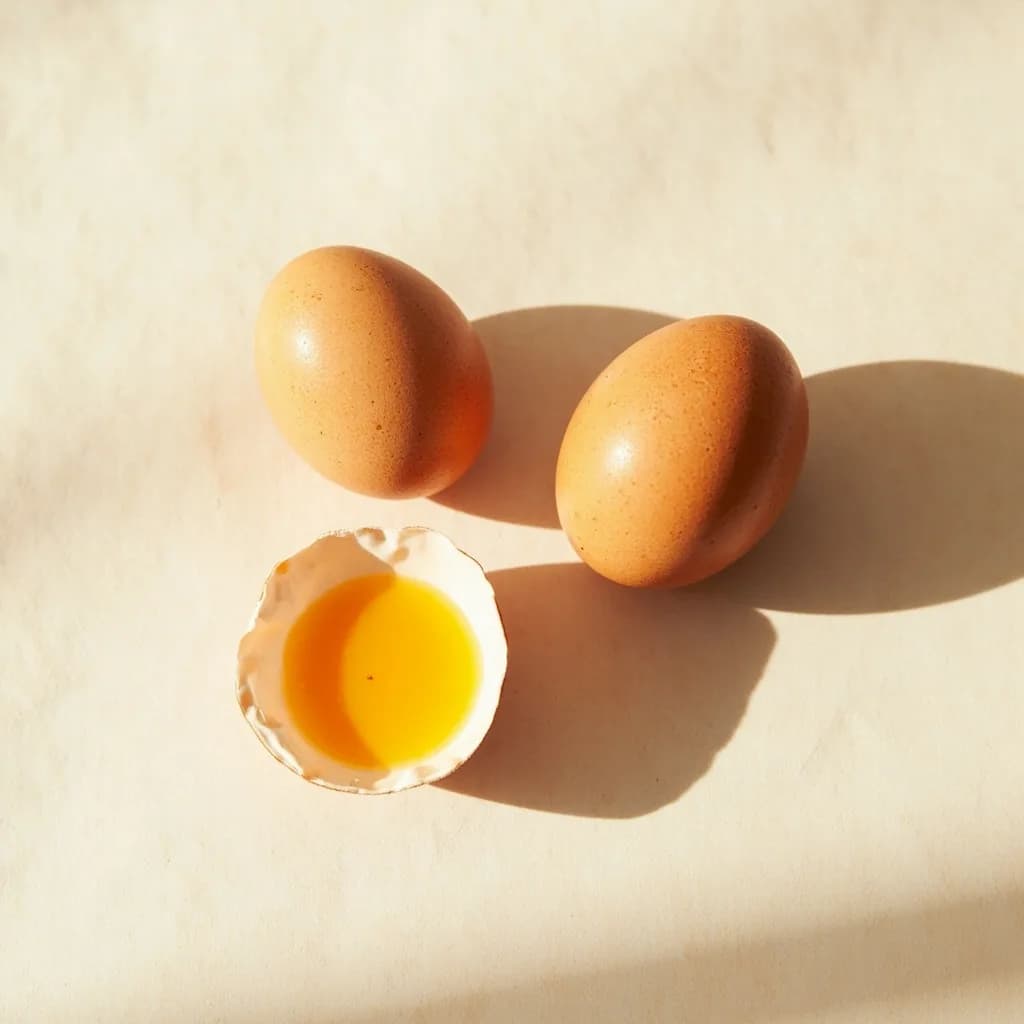
Egg
The kitchen's everything ingredient — bind, leaven, enrich, or fry
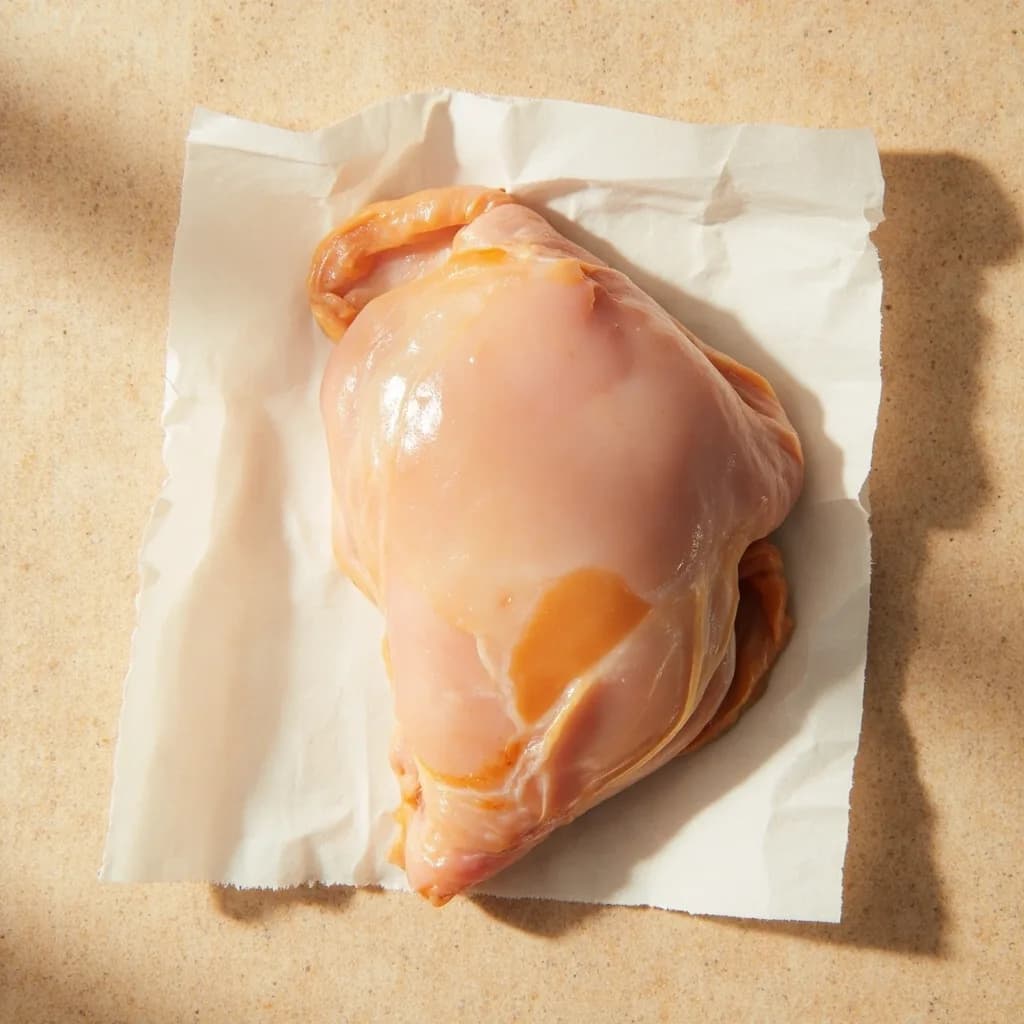
Chicken Breast
Lean, quick-cooking white meat for everyday dinners

Ground Beef
Versatile minced beef for burgers, ragù, tacos, and meatballs
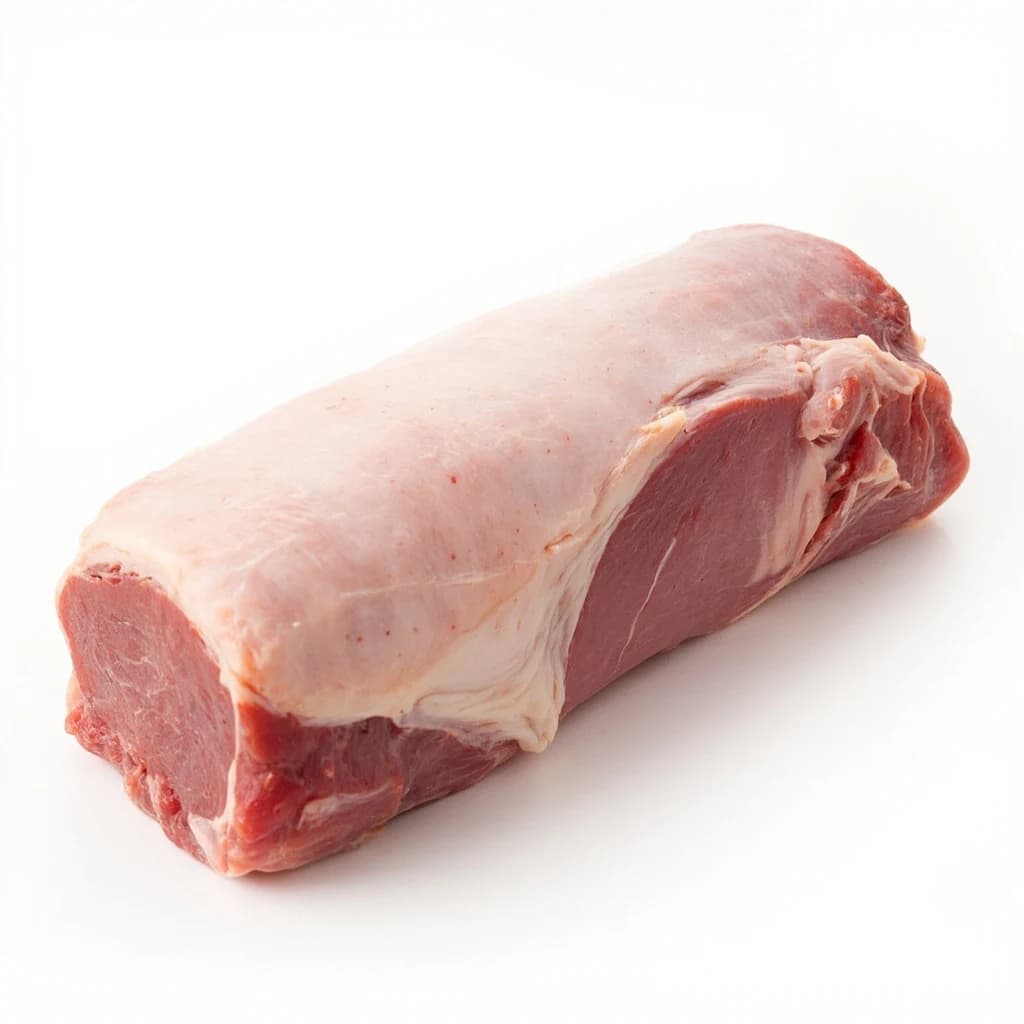
Pork Loin
Lean, tender roasting cut that stays juicy with care
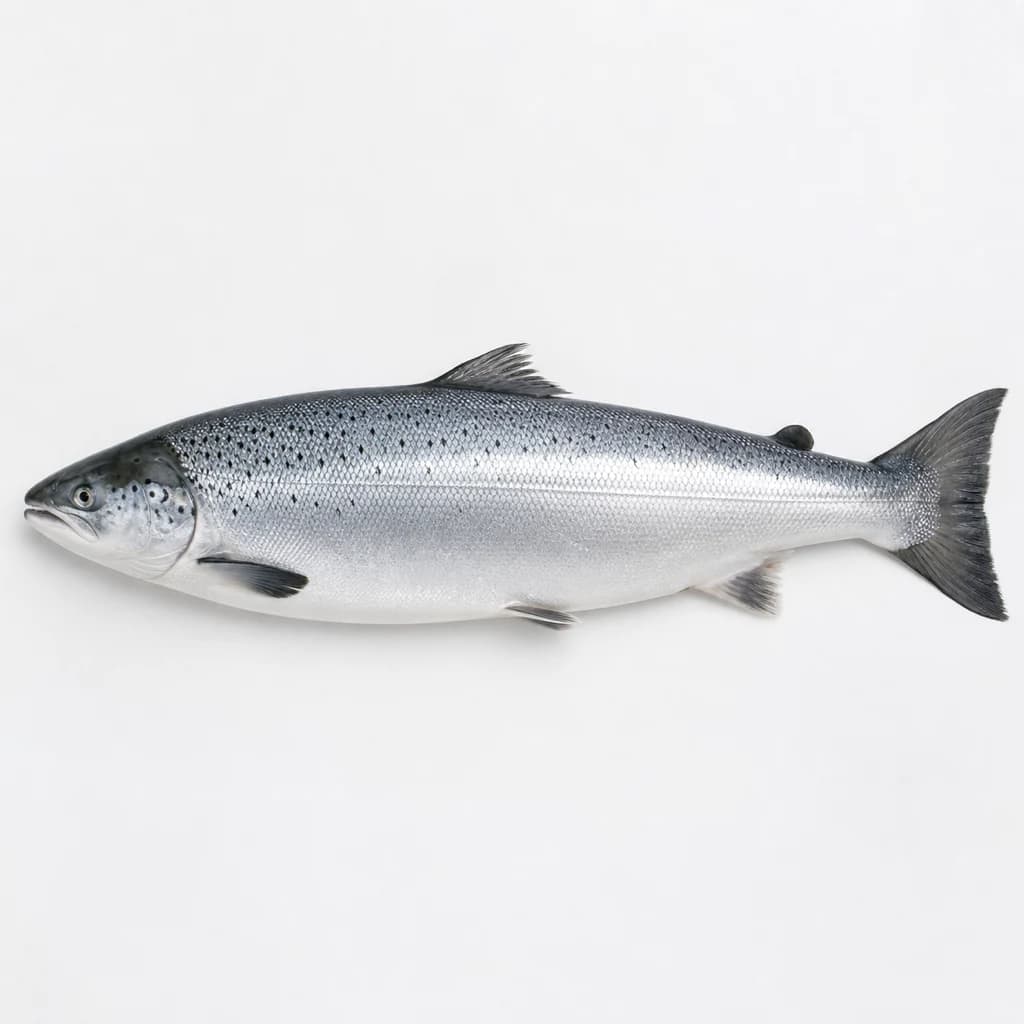
Salmon
Rich, rosy fish that roasts, grills, or cures beautifully

Egg White
Pure protein that whips to airy peaks for meringue and more
Egg Yolk
Rich, golden yolk for custards, mayonnaise, and pasta

Quail Egg
Tiny, speckled eggs for garnishing and elegant bites