Proteins
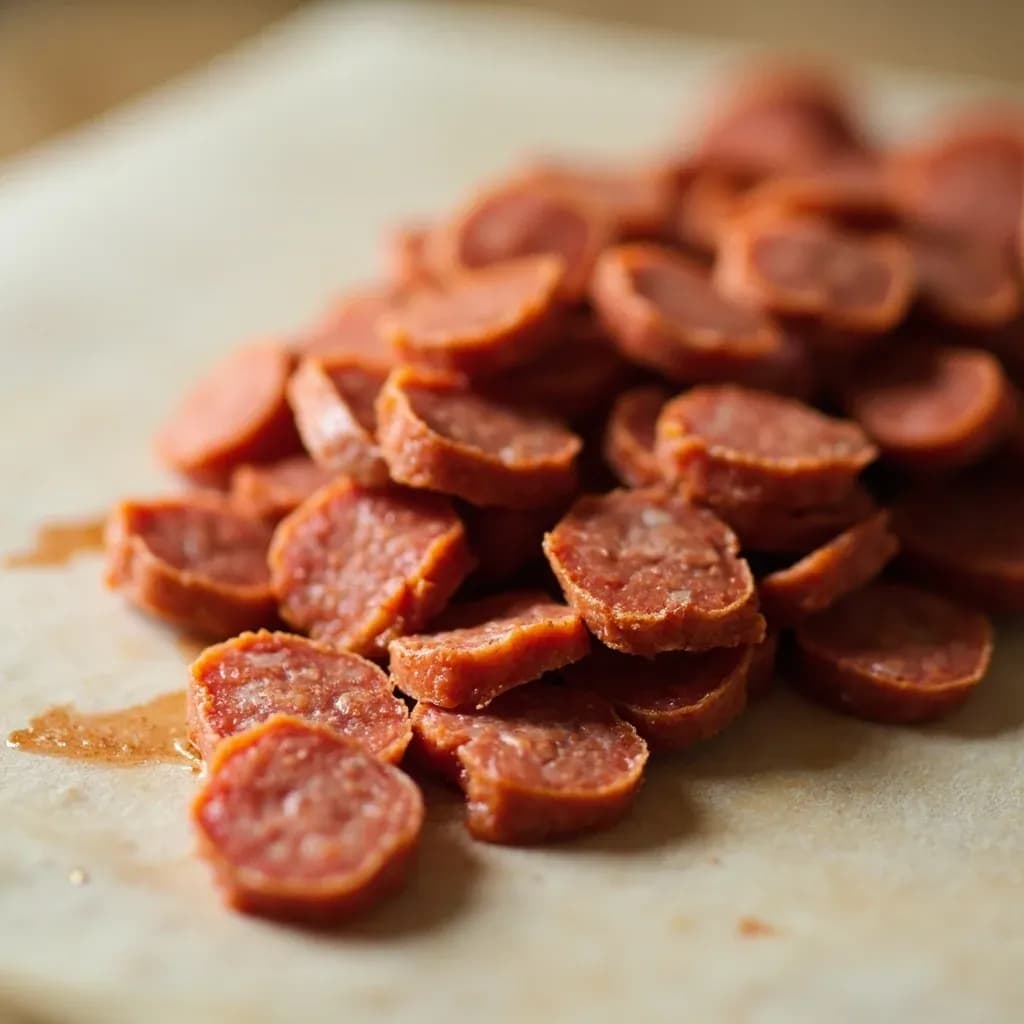
Calabresa Sausage
Smoky, paprika-spiced Brazilian pork sausage — sliced into stews, pizza, and feijoada.
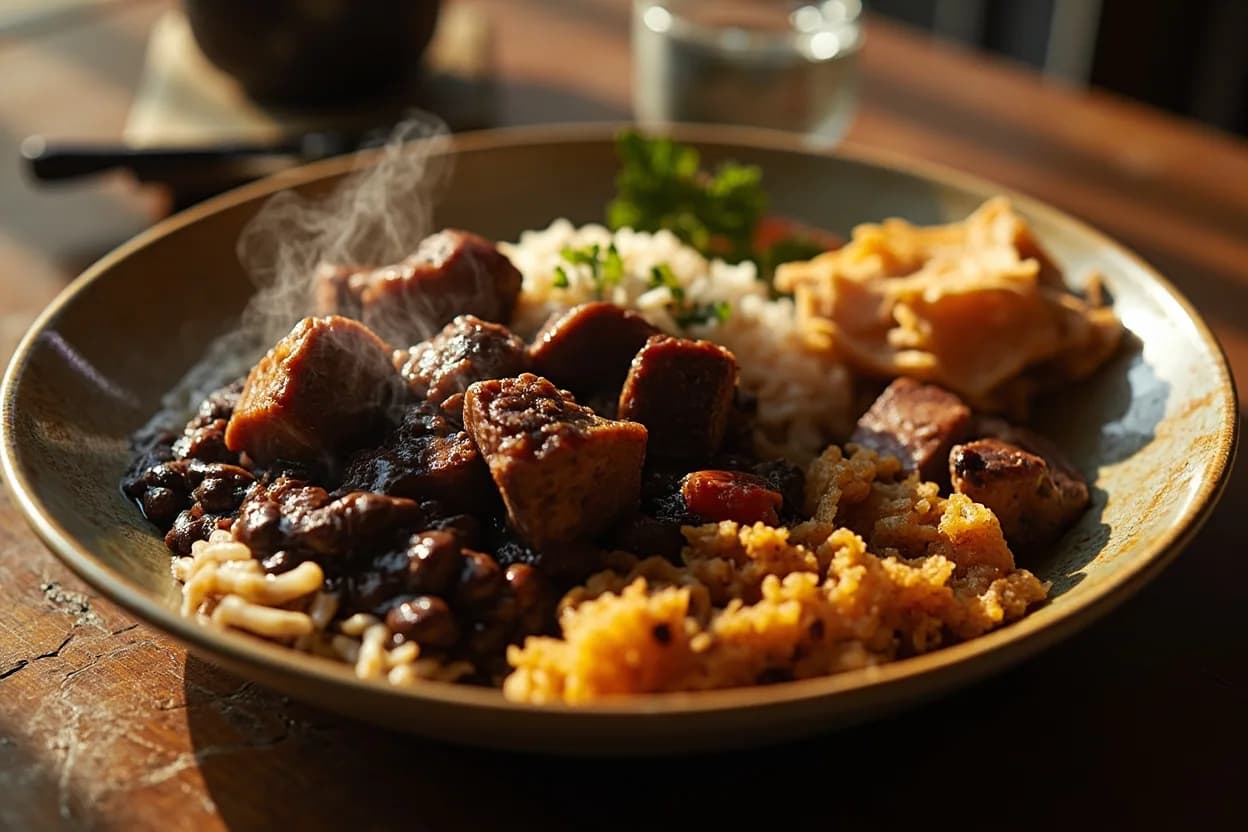
Calabresa is a cured, smoked pork sausage seasoned with paprika and red pepper, hugely popular in Brazil. Sliced into coins, it is fried for breakfast, baked onto pizza, and simmered into bean stews and feijoada for smoky depth. Despite the Calabrian name, the Brazilian style is its most common form.
Calabresa is a Brazilian pork sausage with deep roots in the country's culinary identity, emerging from the Italian immigrant communities in southern Brazil who adapted the Calabrian soppressata tradition to local ingredients and tastes. Unlike its Italian cousin, calabresa is made from pork shoulder or loin—typically 70–80% lean with 20–30% fat—seasoned with colorau, the vibrant Brazilian paprika that gives the sausage its characteristic deep orange-red hue, along with salt and generous garlic. The sausage is stuffed into medium casings, usually 2–3 cm in diameter, and sold in links of 400–500 g. It occupies a unique niche in Brazilian cooking: an everyday protein rather than a specialty item, found in açougues (butcher shops), markets, and supermarkets alike. Calabresa can be fresh or smoked; the smoked version, called calabresa defumada, is smoked over wood and develops a deeper, more complex smoky character that intensifies its versatility. The quality varies considerably—mass-produced supermarket versions tend toward milder, less smoky profiles, while artisanal or butcher-grade calabresa delivers significantly more depth and character. Whether sliced into feijoada, pan-fried with onions in the quintessential boteco snack calabresa acebolada, or tucked onto pizza, calabresa brings a reliable combination of smokiness, paprika warmth, and savory pork fat that anchors dishes without overwhelming them.
- Measured in
- g
- Storage
- Fridge
Types & varieties
Smoked over wood; deeper smoky flavor, darker color, more shelf-stable
Unsmoked fresh sausage; brighter color, milder flavor, requires full cooking
Contains hot peppers (pimenta calabresa or malagueta); adds noticeable heat
Heavily spiced with hot peppers; for those who want significant heat
Fresh vs. Smoked: Which to Use
The choice between fresh and smoked calabresa depends on the application and desired intensity. Fresh calabresa (fresca) has a brighter, more paprika-forward flavor and must be cooked through to 68°C before serving. Smoked calabresa (defumada) is already cooked during the smoking process, though it benefits enormously from a quick sauté to crisp the casing and deepen the color. For stews and braises, either works, but smoked calabresa adds an extra layer of complexity. For applications where the sausage is the star—grilled as a standalone protein or pan-fried with onions—smoked calabresa delivers more impact. When recipe-testing, start with smoked if you have a choice; the smokiness amplifies the paprika character and creates better textural contrast.
The Colorau Question
Colorau is the defining spice of calabresa, and its quality directly affects the sausage's flavor and appearance. True colorau is made from urucum (annatto) seeds, yielding a brilliant orange-red color and a mild, slightly peppery flavor. Some commercial producers use synthetic paprika or blended powders that deliver color but lack complexity. When selecting calabresa, look for the deepest, most vivid orange-red cross-section—paler sausages indicate lower colorau content or inferior spice quality. This matters most for dishes where appearance counts: pizza, gratins, or any preparation where the sausage is visible. If you encounter a pale calabresa, supplement with a pinch of smoked paprika to restore color depth.
Common uses
Tips & pitfalls
- Render the casing in a dry or lightly oiled pan first—the fat is flavorful and worth preserving; score the casing lightly to prevent bursting.
- Remove casing for crumbled applications like pizza or pasta sauces; leave it on for sliced applications where presentation matters.
- Do not overcook fresh calabresa or it becomes tough and dry; cook just until the interior reaches 68°C.
- Smoked calabresa is already cooked and can be eaten as-is, but benefits from a quick sauté to crisp the casing and develop color.
- Reserve the rendered fat for cooking onions, beans, or rice—it carries the paprika color and flavor and adds depth to any subsequent dish.
- For pizza, partially cook the calabresa slices first to prevent the casing from becoming rubbery under broiler heat.
- Thickness matters: slice 1 cm thick for stews, 0.5 cm for pizza, and 2 cm for standalone grilling or serving alongside churrasco.
- A common mistake is assuming all calabresa is spicy—it is not; check the label or ask your butcher unless you've specifically chosen a hot variety.
Nutrition
Energy
649 kJ · per 100 g
Where the calories come from
Protein
18.8g
38% DV
Carbs
0.5g
0% DV
Fat
8.1g
10% DV
Fiber
0g
0% DV
Sugars
0g
of which
Sodium
593mg
26% DV
Source · USDA FoodData Central · approx. Sausage, turkey, fresh, raw
View on FDC →In the shops
Matched grocery products
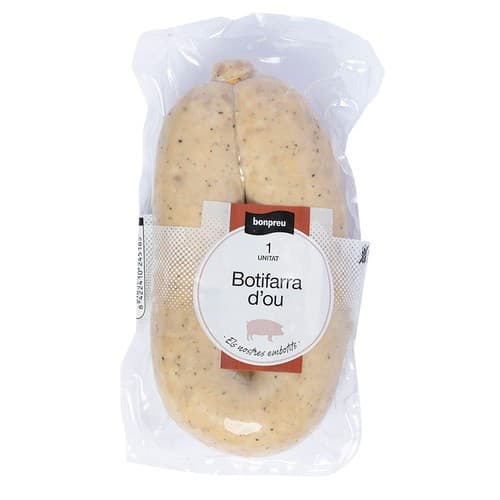 €3.79
€3.79Egg Sausage
BONPREU · kg · Bonpreu
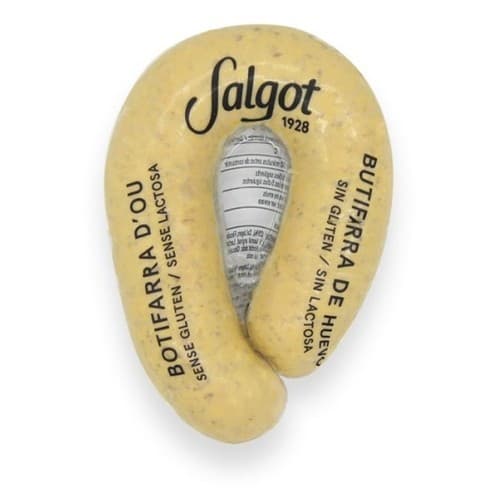 €4.99
€4.99Egg Sausage
SALGOT · kg · Bonpreu
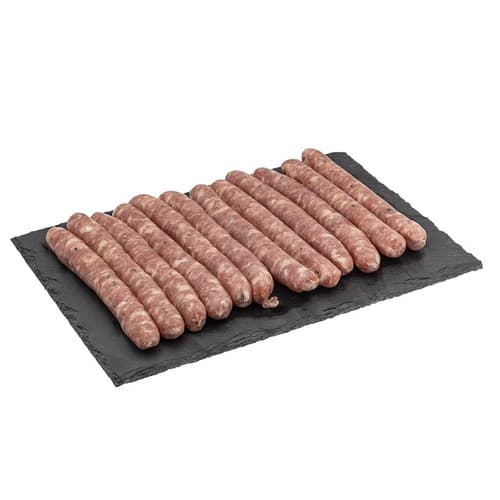 €5.99
€5.99Pork Sausage
BONPREU DE L'ERA · kg · Bonpreu
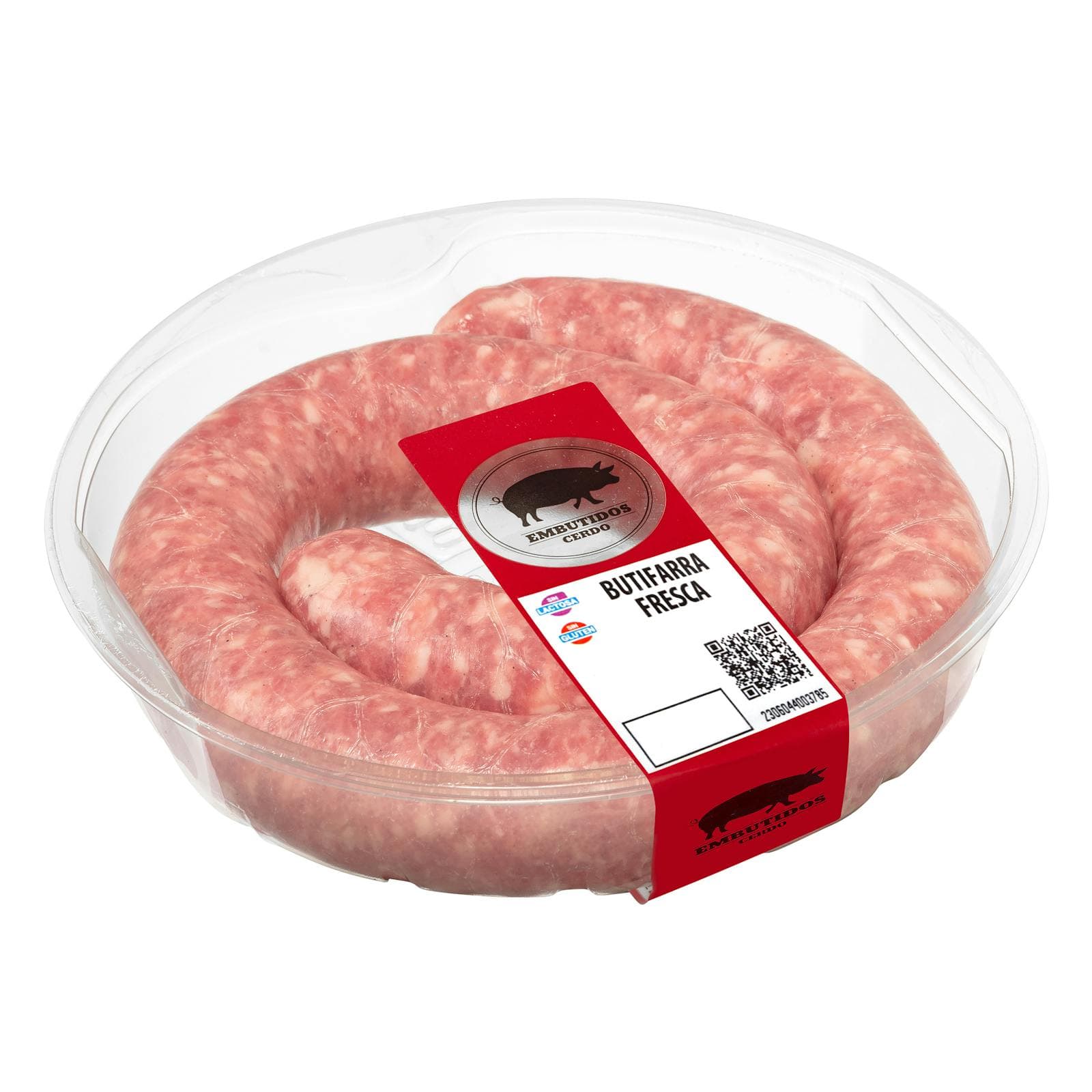 €3.62
€3.62Fresh Sausage
640 g · Mercadona
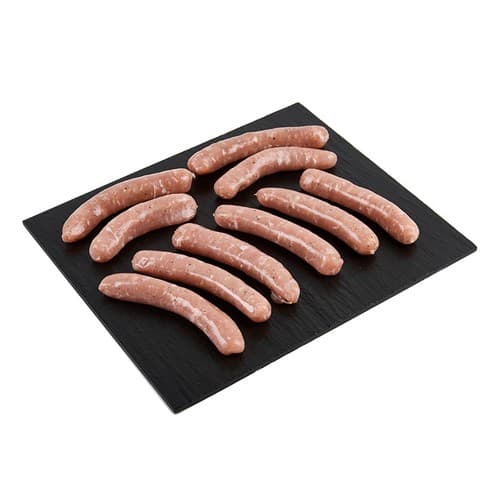 €6.75
€6.75Rabbit Sausage
BONPREU · kg · Bonpreu
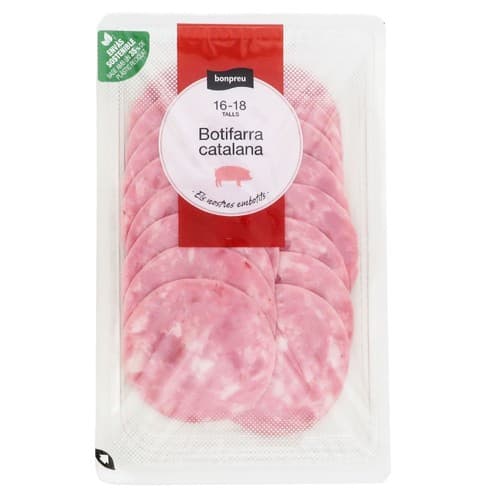 €1.89
€1.89Catalan Sausage
BONPREU · kg · Bonpreu
Good to know
- Origin
- Brazil; adapted by Italian immigrants from the Calabrian soppressata tradition
- Primary Meat
- Pork shoulder or loin, typically 70–80% lean with 20–30% fat
- Key Seasoning
- Colorau (Brazilian paprika), salt, garlic; smoked versions are cold-smoked or finished with paprika defumada
- Color
- Deep orange-red from paprika; smoked versions are darker
- Form
- Medium casings, typically 2–3 cm diameter, sold in links of 400–500 g
- Fresh Storage
- Refrigerate below 4°C; use within 5–7 days, or freeze up to 4 months
- Smoked Storage
- Refrigerate after opening; 2–3 weeks
Substitutes
- Linguiça — Brazilian Portuguese cousin; similar pork-paprika profile but typically more garlicky and less smoky; use 1:1
- Spanish Chorizo — Paprika-seasoned and often smoked; acceptable in cooked applications but much more garlicky and spiced; omit additional garlic when substituting
- Mexican Chorizo — Fresh, crumbled sausage with chili and garlic; acceptable for stews and scrambled eggs; omit salt and paprika in the dish
- Andouille — French-American smoked sausage; less paprika-forward, more smoky; use where smokiness is desired but color will be less red
Pairs with
Also called
Linguiça Calabresa · Brazilian Pepperoni
Appears in these dishes
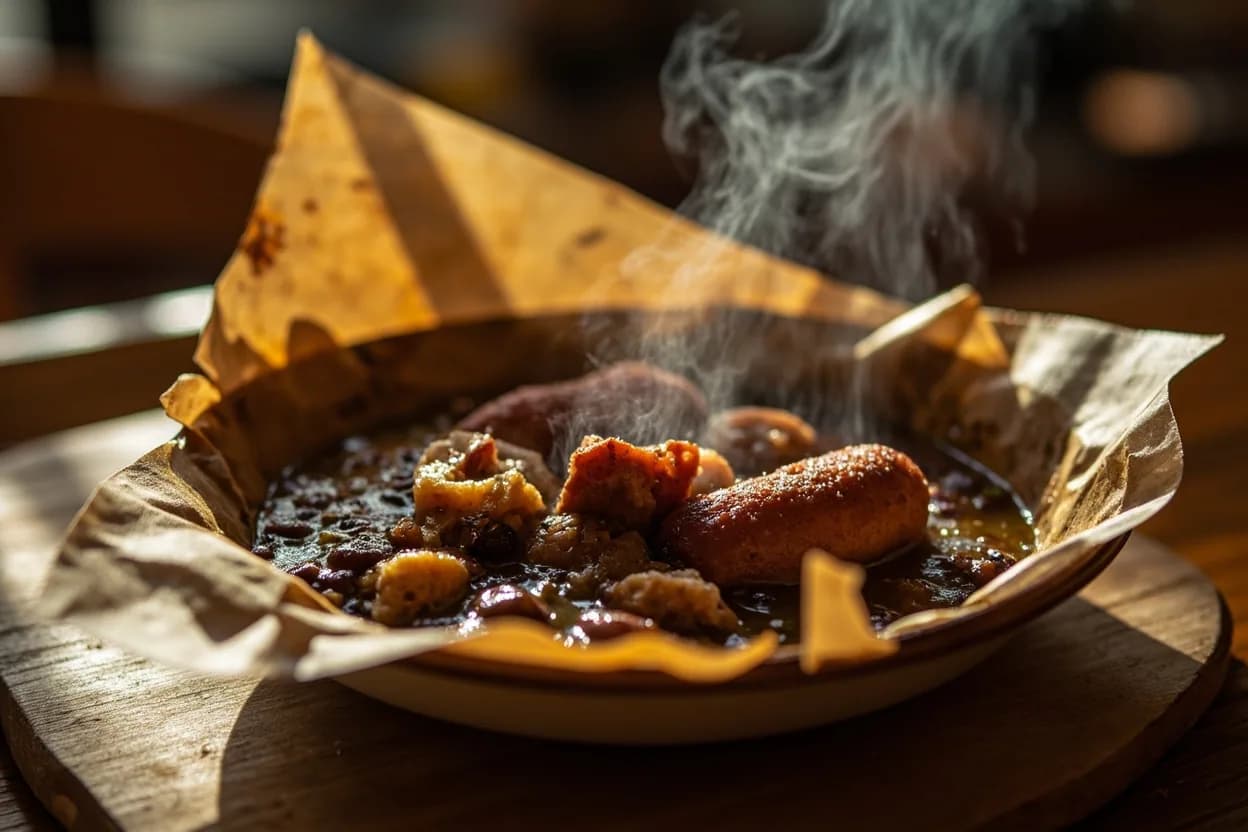
Related

Egg
The kitchen's everything ingredient — bind, leaven, enrich, or fry

Chicken Breast
Lean, quick-cooking white meat for everyday dinners

Ground Beef
Versatile minced beef for burgers, ragù, tacos, and meatballs

Pork Loin
Lean, tender roasting cut that stays juicy with care

Salmon
Rich, rosy fish that roasts, grills, or cures beautifully

Egg White
Pure protein that whips to airy peaks for meringue and more

Egg Yolk
Rich, golden yolk for custards, mayonnaise, and pasta

Quail Egg
Tiny, speckled eggs for garnishing and elegant bites