Legumes & Beans
Carioca Bean
Speckled brown Brazilian bean and the everyday base of feijão and rice.
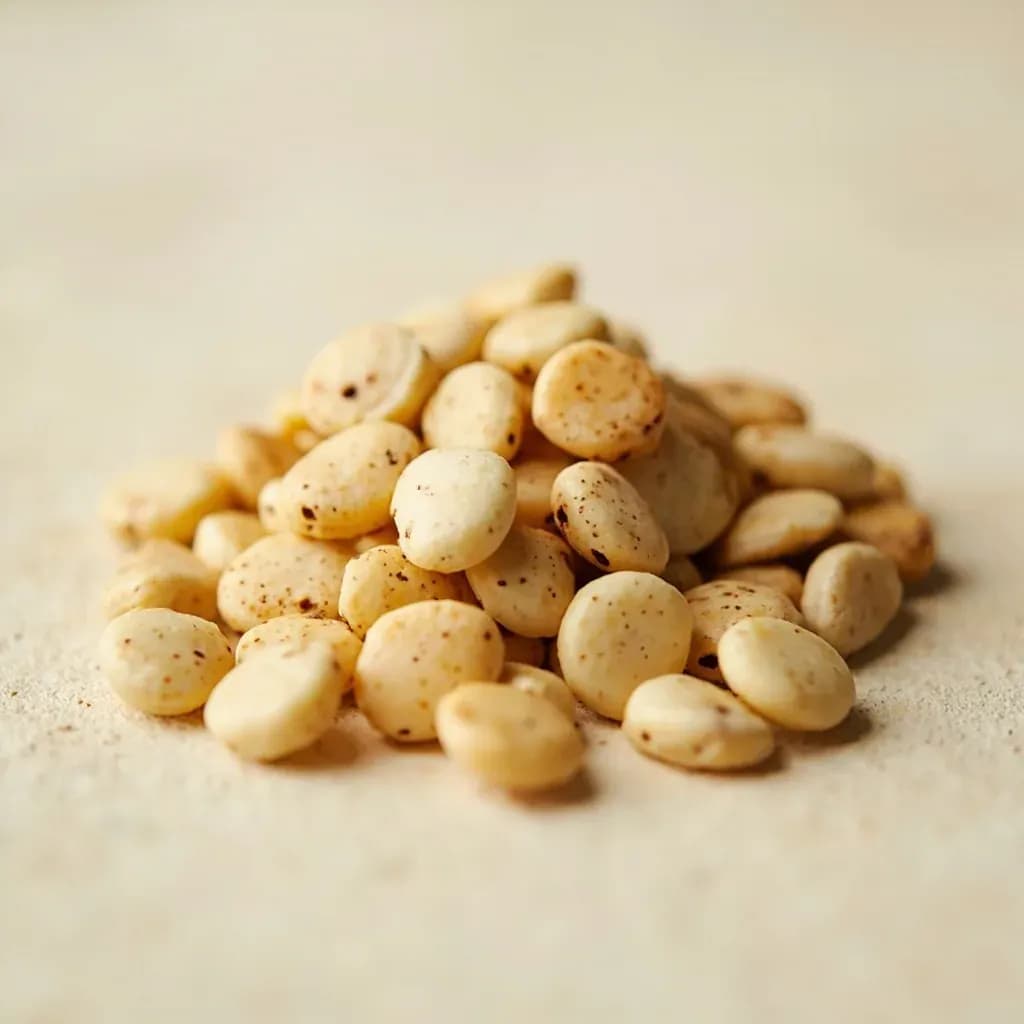
Carioca beans are small, beige beans with brown streaks and are the most widely eaten bean in Brazil. Simmered with garlic, onion, and bay into soupy feijão, they are served daily alongside rice. They have a mild, earthy flavor and a soft, creamy texture once cooked.
Carioca beans are a Brazilian market class of Phaseolus vulgaris distinguished by their cream-to-tan base overlaid with reddish-brown or dark brown speckles and streaks, giving them a distinctive mottled appearance. The beans range from oval to kidney-shaped, measuring roughly 1–2 cm long. When cooked, they offer a creamy interior with a thin but resilient skin that holds its shape well—a texture balance that makes them uniquely suited to the dishes that define Brazilian home cooking. Their flavor is mild and slightly nutty with subtle earthiness, less pungent than black beans and less starchy than kidney beans, which allows them to absorb seasonings without overwhelming a dish.
This is the bean that Brazilians mean when they say feijão. In domestic kitchens and restaurants across the country, simply asking for beans will bring Carioca beans to the table unless another variety is specified. The bean dominates everyday consumption in urban centers and forms the starch foundation of the daily feijão e arroz pairing eaten at nearly every meal. It is the primary bean of São Paulo's feijoada tradition—a point of regional pride that distinguishes Paulistano feijoada from Rio de Janeiro's black-bean version. The name derives from Rio de Janeiro, though the bean is consumed nationwide and was developed from common bean varieties introduced during the colonial era.
The Carioca type behaves exceptionally well in the pot. Its thin skin tenderizes without breaking down, and its creamy interior readily absorbs aromatics like onion, garlic, bay leaf, and pork fat. These properties make it ideal for long-simmered stews, brothy caldos, and dishes where bean integrity matters—yet it also mashes and refries successfully for spreads and fillings. The variety's resilience and mild flavor have made it the workhorse of Brazilian cuisine for generations.
- Measured in
- g
- Storage
- Pantry
Types & varieties
Standard variety; the everyday cooking bean found in Brazilian markets and home kitchens nationwide.
Early-maturing cultivar with slightly smaller beans; same culinary profile and behavior as the standard variety.
Regional cultivar with slightly darker speckling, more common in Minas Gerais; behaves identically in cooking.
Carioca: A Market Class, Not a Species
Carioca is not a botanical designation—it is a Brazilian commercial classification for a specific appearance and cooking quality within Phaseolus vulgaris. Any bean with the characteristic speckled tan-and-brown coloration and creamy-with-resilient-skin texture can be sold as Carioca, regardless of specific cultivar. Within this class, early-maturing and standard varieties exist, but their cooking properties are similar enough that most recipes do not distinguish between them. The practical significance is that Carioca beans are bred for the qualities that matter in the pot: quick cooking relative to other dry beans, good seasoning absorption, and structural integrity during long simmers.
Carioca vs. Feijão Preto
The distinction matters in Brazilian cooking. Carioca beans are the everyday bean for rice-and-beans, soups, and São Paulo-style feijoada. Feijão preto (Brazilian black beans) are a separate cultivar group used in Rio de Janeiro's feijoada, Bahian dishes, and Northeastern Brazilian cooking. The two are not interchangeable: black beans are earthier and more assertive, and their dark color visibly changes dishes. When a Brazilian recipe simply says 'feijão,' default to Carioca unless the context or regional reference indicates otherwise.
- Use Carioca for feijão e arroz, Minas Gerais-style dishes, and São Paulo feijoada
- Reserve black beans for Rio-style feijoada and Bahian cuisine
- If a recipe specifies 'feijão,' it almost always means Carioca in domestic Brazilian cooking
Common uses
Tips & pitfalls
- Add salt only after beans are fully tender—salt added early hardens the skins and dramatically extends cooking time.
- Add acidic ingredients like tomatoes, lemon, or vinegar only after beans are completely soft; acids slow tenderization and can leave beans firm no matter how long they cook.
- If beans are old and stubborn, add ¼ teaspoon of baking soda per pound to the soaking water to help soften them.
- Carioca beans absorb aromatics well—cook them with onion, garlic, bay leaf, and a piece of bacon or pork rind for depth that penetrates the creamy interior.
- For cleaner bean surfaces in salads, cook until just tender then rinse briefly with cold water to stop cooking and remove excess starch.
- The soaking liquid is starchy and flavorful—discard it only if beans cause digestive issues, otherwise use it as your cooking liquid.
- Test tenderness by crushing a bean against the roof of your mouth, not by biting—undercooked Carioca beans are chalky and hard.
Nutrition
Energy
130 kJ · per 100 g
Where the calories come from
Protein
1.8g
4% DV
Carbs
7.1g
3% DV
Fat
0.1g
0% DV
Fiber
3.4g
12% DV
Sugars
3.3g
of which
Sodium
6mg
0% DV
Source · USDA FoodData Central · approx. Beans, snap, yellow, raw
View on FDC →In the shops
Matched grocery products
No matched grocery products for Carioca Bean yet.
Good to know
- Scientific name
- Phaseolus vulgaris (Brazilian market class)
- Origin
- Brazil, developed from colonial-era common bean introductions; named for Rio de Janeiro
- Color and shape
- Oval to kidney-shaped, cream/tan base with reddish-brown or dark brown speckles and streaks
- Size
- Small to medium, roughly 1–2 cm long
- Texture when cooked
- Creamy interior; thin, tender skin that holds its shape well
- Flavor
- Mild, slightly nutty, subtle earthiness; less pungent than black beans, less starchy than kidney beans
- Typical prep (dried)
- Soak 4–12 hours or quick-soak 1 hour; simmer 45–90 minutes until tender
- Storage
- Cool, dark, dry place; use within 1–2 years for best results. Cooked beans freeze well for up to 3 months in their cooking liquid.
Substitutes
- Pinto bean — Closest substitute in texture and flavor; requires slightly longer cooking time to achieve the same creaminess.
- Navy bean — Similar size and creamy texture; milder flavor, works in most Brazilian preparations.
- Cannellini bean — Acceptable in soups and salads; skin is slightly thicker and texture is less creamy.
- Black bean — Use in feijoada and stews where earthiness is welcome; flavor is more assertive and color will change the dish visually.
Pairs with
Also called
Feijão Carioca · Carioquinha
Related
Black Beans
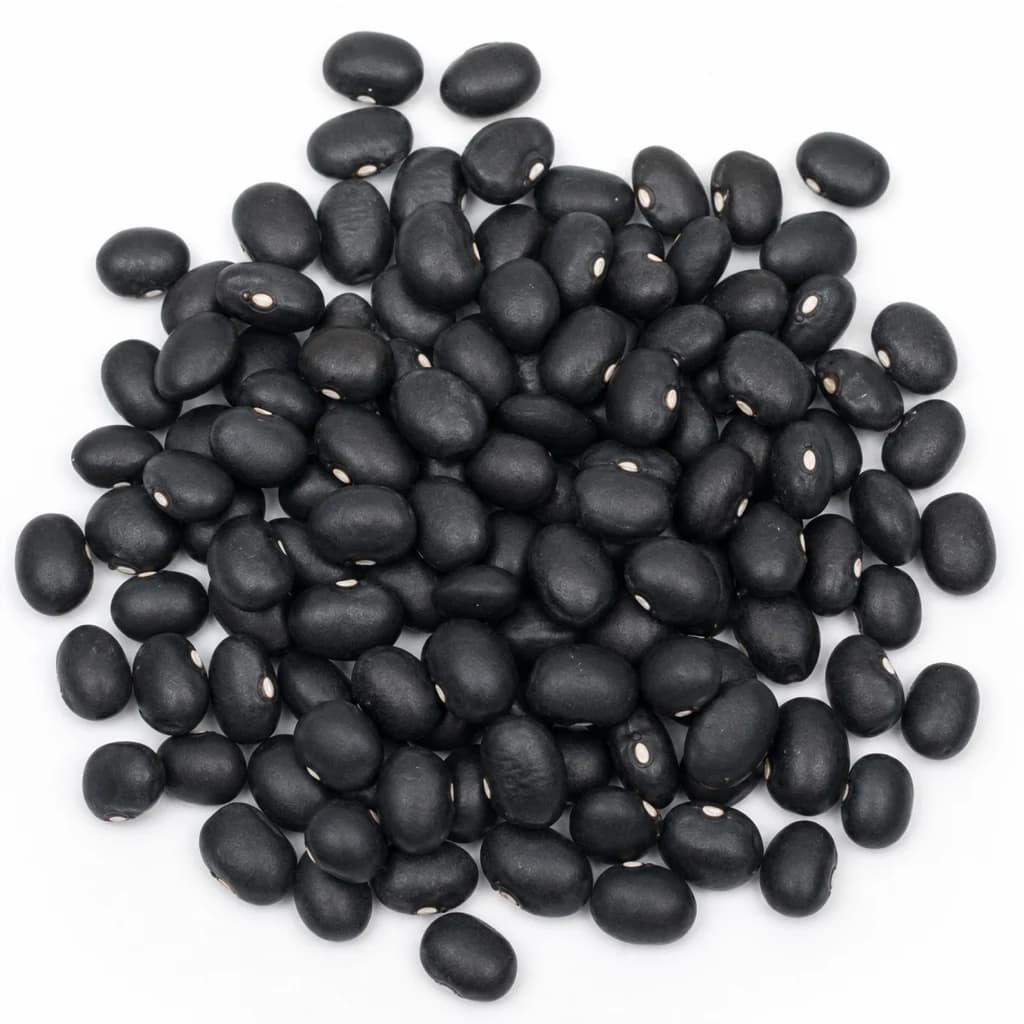
Earthy, creamy beans for bowls, soups, and tacos
Kidney Beans
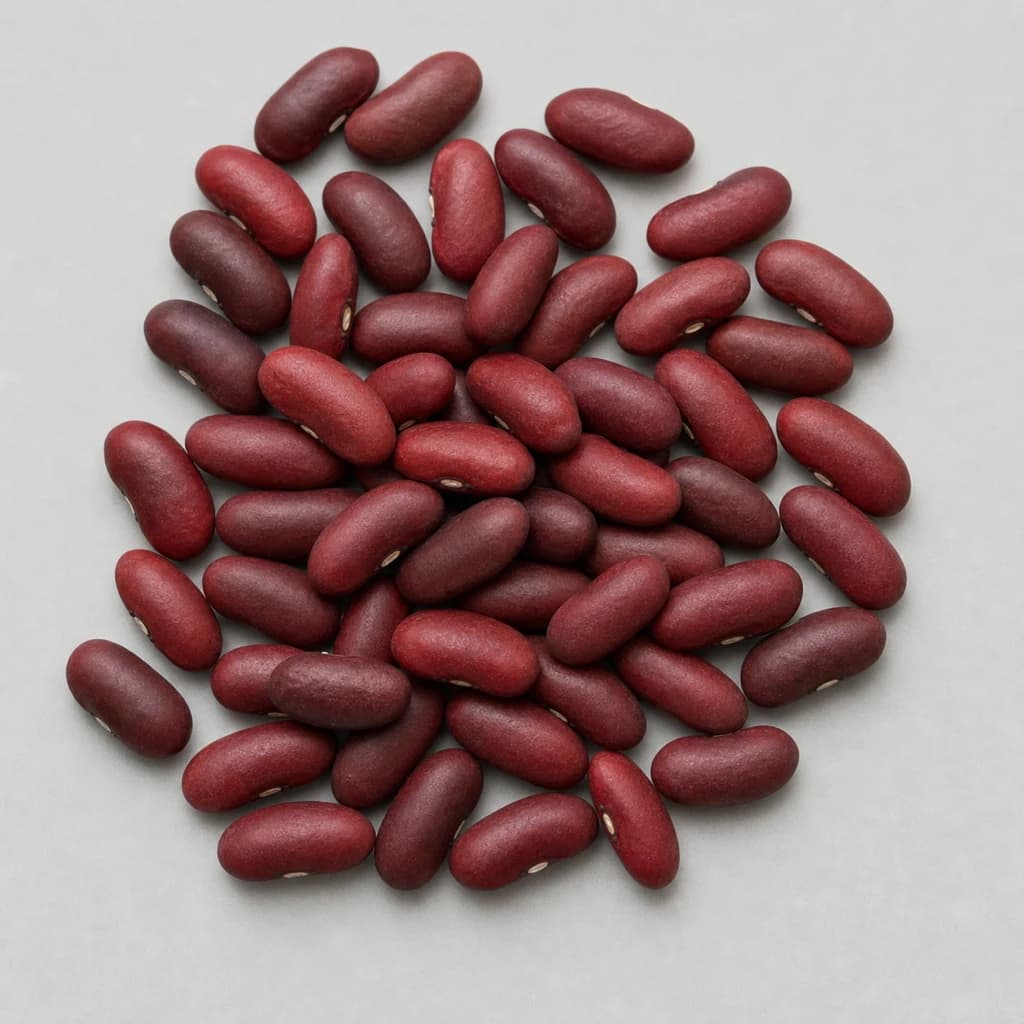
Hearty red beans that hold their shape in chili and stews
Chickpeas
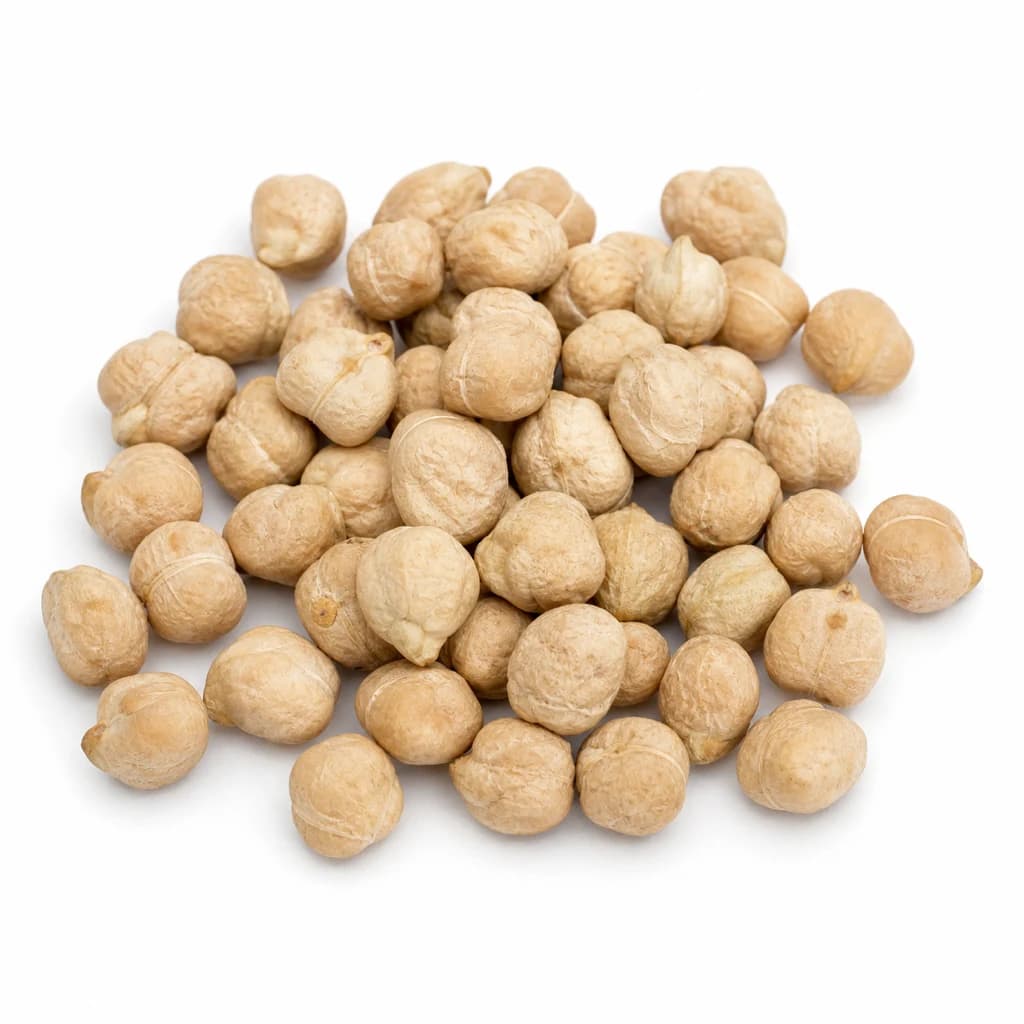
Nutty, versatile beans for hummus, curries, and roasting
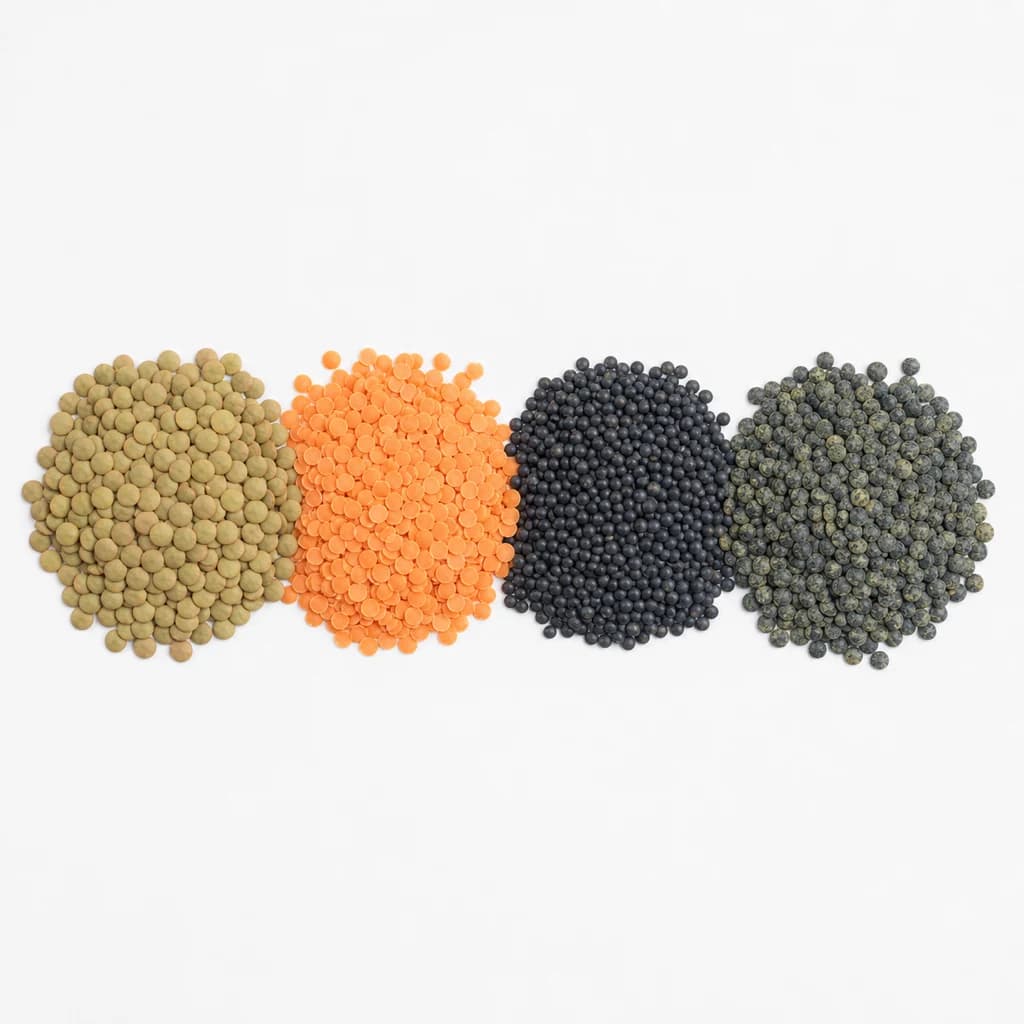
Lentils
Quick-cooking pulses for soups, dals, and hearty salads

White Beans
Creamy, mild beans for soups, stews, and silky purées
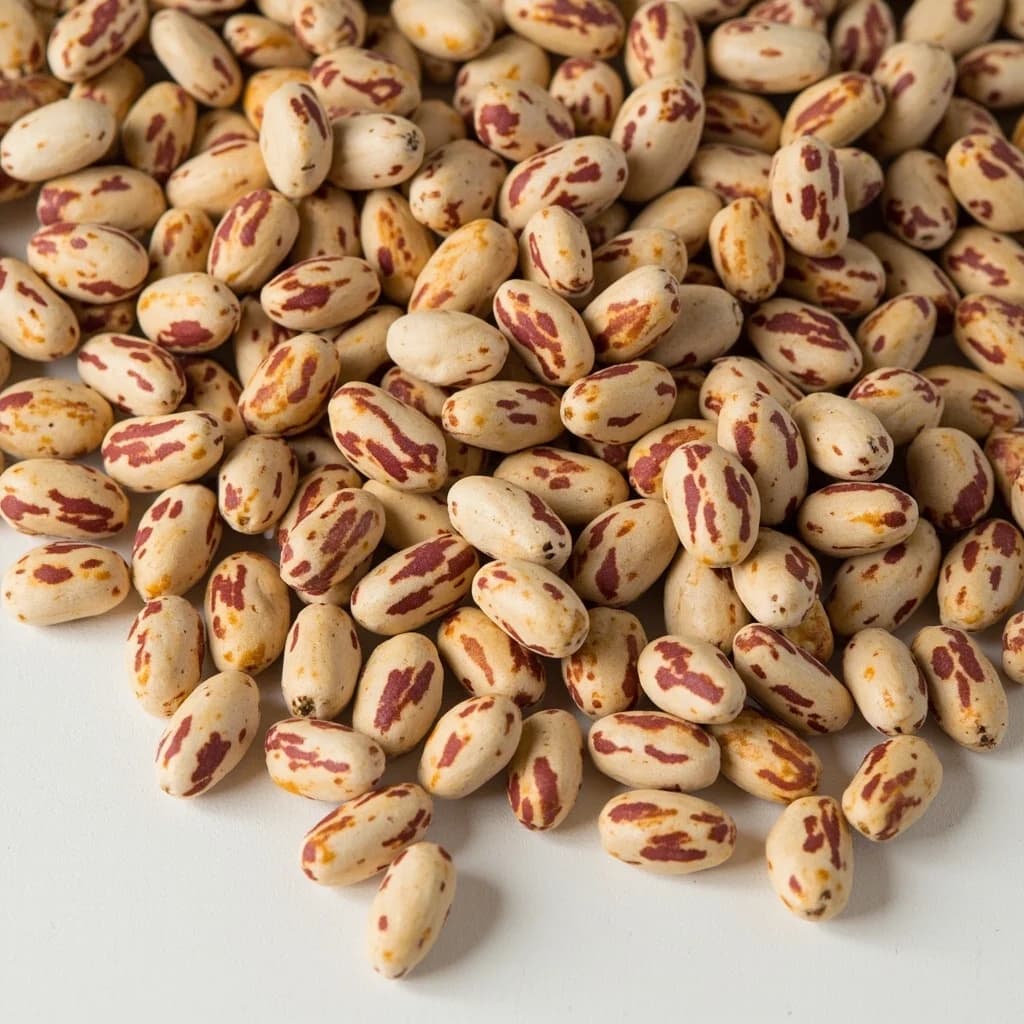
Pinto Beans
Creamy, speckled beans for refried beans and stews

Split Peas
Quick-cooking peas that melt into thick, comforting soups
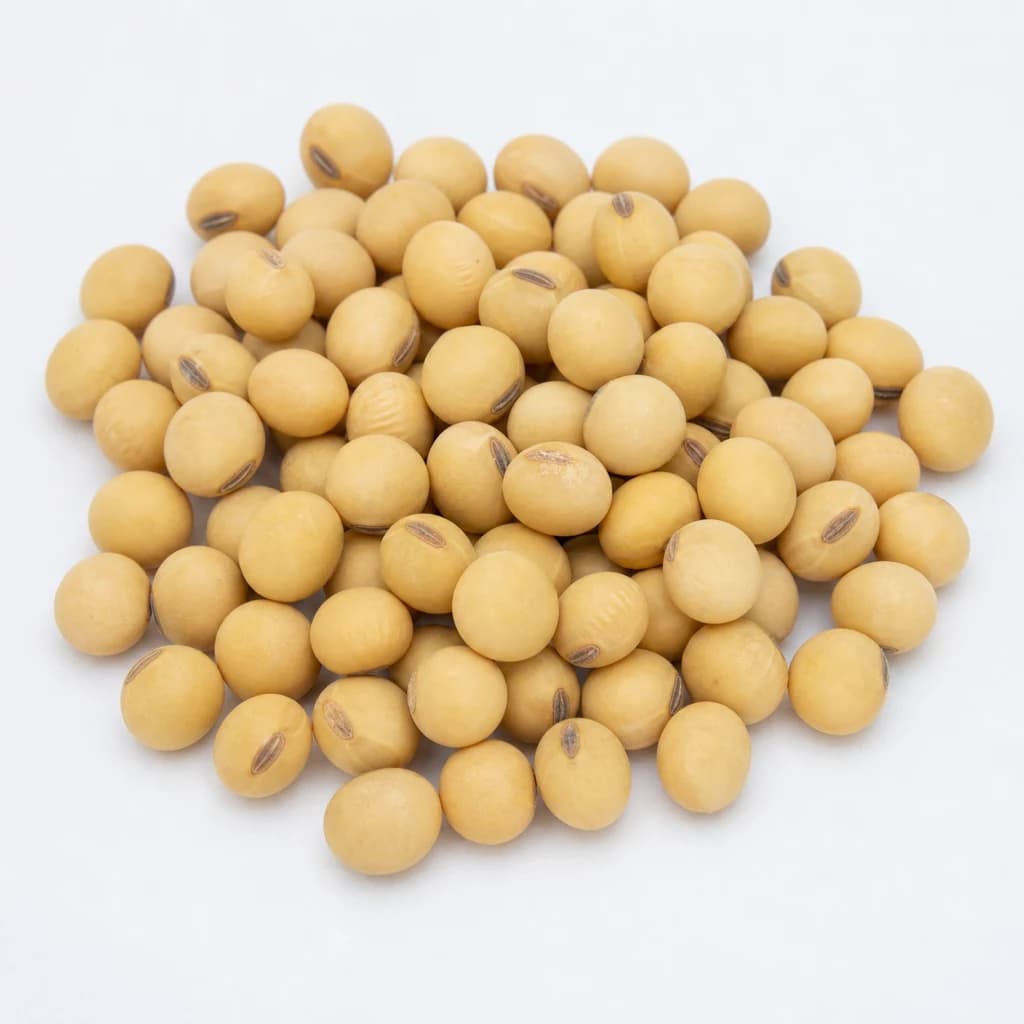
Soybeans
Protein-packed beans, the base for tofu and miso