Proteins
Chicken Supreme (Airline Breast)
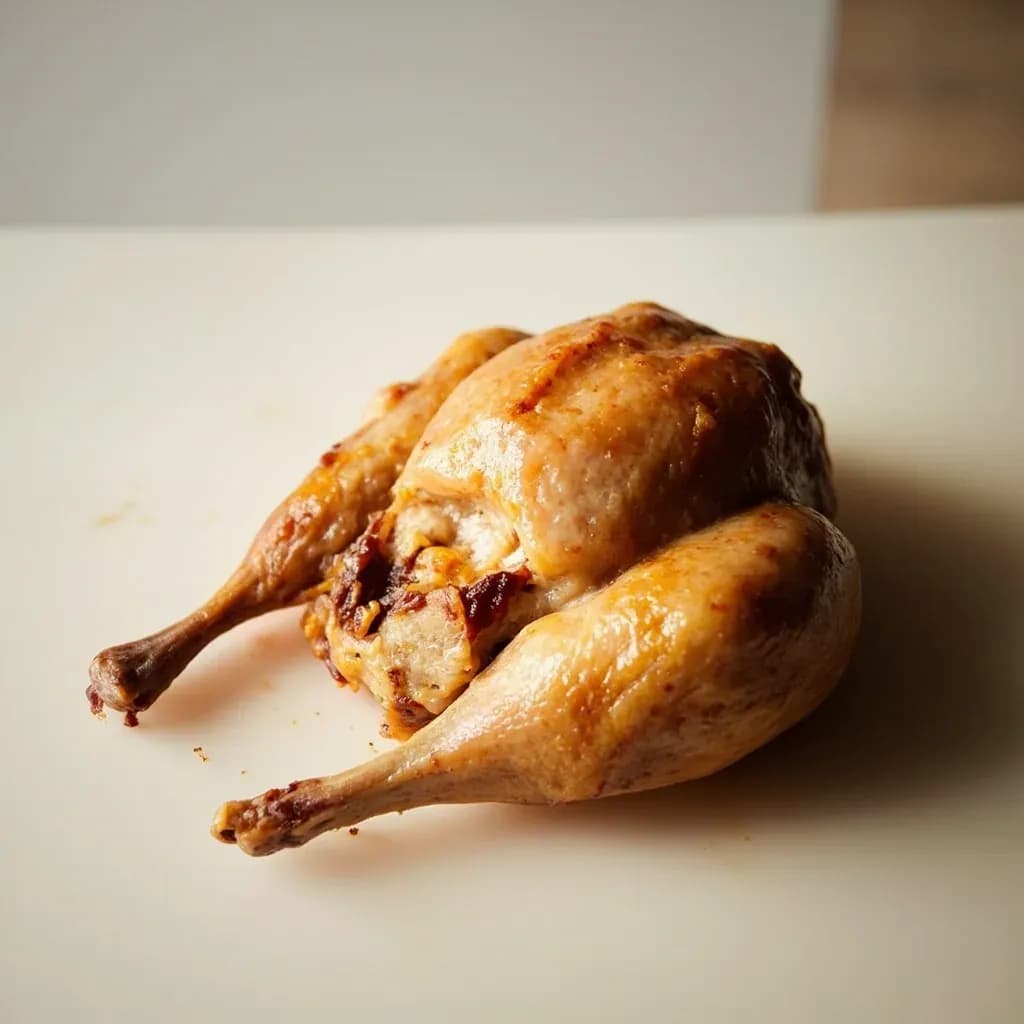
Skin-on breast with the first wing bone left attached — a restaurant pan-roasting cut.
A chicken supreme, or airline breast, is a boneless breast with the skin on and the first joint of the wing bone left attached for presentation. It is pan-seared skin-side down and finished in the oven to give crisp skin and juicy meat. The retained bone aids even cooking and gives an elegant plated look.
The airline breast is a bone-in, skin-on chicken breast with the first wing bone (drumette) cleaned of all meat and sinew and left attached. That frenched bone serves two purposes: it acts as a natural handle for easy turning during cooking and plating, and it functions as a heat sink, drawing energy toward the thick center of the breast for more even cooking. The supracoracoideus and latissimus dorsi muscles remain intact, giving you the breast's full, tender potential alongside the wing's connective tissue and collagen that baste the meat from within.
The cut emerged from fine dining kitchens in the 1980s as chefs sought elegant presentations that required minimal plating intervention. The wing bone's silhouette—particularly when frenched to expose clean bone—evokes an airplane, which gave the cut its common American name. In French classical butchery, the equivalent cut is called "suprême de volaille," though modern American usage has somewhat blurred the distinction. The airline breast's thick, uniform profile (when properly butchered) makes it ideal for high-heat searing and oven finishing, yielding that contrast of burnished, crackling skin against juicy, precisely cooked meat that separates restaurant-quality chicken from the everyday version.
When buying, look for breasts with taut, unblemished skin that shows no drying or discoloration. The skin should smell clean and neutral—any sulfurous or off note indicates age. The breast itself should lie relatively flat and even in thickness; if one end is noticeably thicker, you'll need to fold or pound it during preparation to ensure uniform cooking. Most home cooks purchase this cut pre-butchered, as the bone Frenching requires both a sharp boning knife and some practice to execute cleanly.
- Measured in
- piece
- Storage
- Fridge
Types & varieties
Skin-on, bone-in breast with frenched drumette bone, 8–12 oz; the common restaurant preparation
Scaled-up version cut from turkey breast; same bone-in, skin-on preparation; popular for holiday menus and catering
Cut from duck pectoral muscle; skin is typically scored rather than left whole; increasingly common in contemporary restaurants
Common uses
Tips & pitfalls
- Start in a cold pan, skin-side down: placing the meat in a cold, dry cast-iron or stainless skillet and heating gradually allows the skin fat to render fully before the protein cooks through, giving you maximum crispness without sticking
- Use an instant-read thermometer and pull early: remove the breast at 150°F (66°C) and rest for 5 minutes; carryover heat will bring it to the USDA-recommended 165°F (74°C) without the dryness that comes from cooking to temperature on the heat
- Season beneath the skin: gently loosen the skin with your fingers and season the meat directly—this creates better skin-to-meat contact and flavor penetration than seasoning only the exterior
- Let rest uncovered: a 5-minute rest allows juices to redistribute through the meat; tenting with foil traps steam and will soften that crisp skin you're working toward
- Secure with butcher's twine if the breast curls: loop twine around the bone and the breast itself to hold everything flat against the pan for even browning and cooking
- Common mistake: cooking on too high heat from the start — this browns the skin before the fat renders, leaving you with chewy, uneven results rather than the shatteringly crisp finish you want
- Common mistake: skipping the rest — cutting into a just-finished airline breast means you lose most of those juices onto the cutting board instead of into the meat
- Common mistake: buying the wrong thickness — an uneven breast cooks unevenly; fold the thin end under or pound gently to create a consistent profile before cooking
Nutrition
Energy
749 kJ · per 100 g
Where the calories come from
Protein
9.8g
20% DV
Carbs
20.5g
7% DV
Fat
6.4g
8% DV
Fiber
2.4g
9% DV
Sodium
564mg
25% DV
Source · USDA FoodData Central · approx. TACO BELL, BURRITO SUPREME with chicken
View on FDC →In the shops
Matched grocery products
No matched grocery products for Chicken Supreme (Airline Breast) yet.
Good to know
- Cut type
- Bone-in, skin-on breast with frenched drumette bone attached
- Typical weight
- 8–12 oz (225–340 g) per piece
- Edible yield
- Approximately 50–55% of raw weight (skin included)
- Seasonality
- Year-round; chickens harvested at 5–7 weeks for this size
- Refrigerated shelf life
- 1–2 days raw; 3–4 months frozen at 0°F (-18°C)
- Butchering difficulty
- Moderate; most home cooks purchase pre-butchered
- Heat conduction
- Wing bone acts as heat sink, promoting even cooking through the thick breast
Substitutes
- Bone-in, skin-on chicken breast with wing drumette attached separately — Not the same presentation, but the closest available alternative; cook the breast with the wing and remove the wing before serving if a handle is needed
- Regular bone-in, skin-on chicken breast — The wing bone is removed, but preparation method and result are nearly identical; slightly less elegant presentation but excellent eating
- Skin-on, boneless chicken breast — Cuts cooking time significantly and loses the bone's heat-conduction and flavor benefits; adjust temperature and timing accordingly; you'll need to rest differently to prevent dryness
Pairs with
Also called
Airline Breast · Suprême de Volaille
Related
Egg
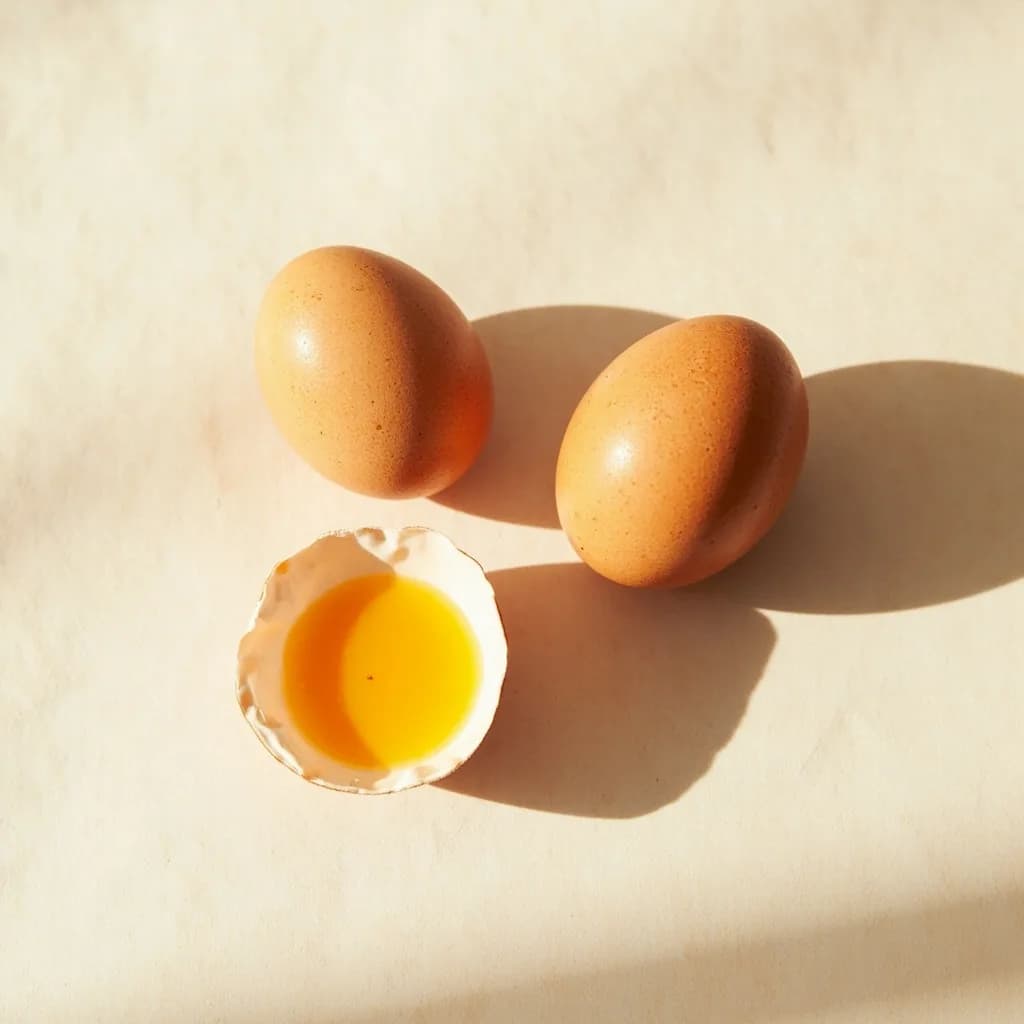
The kitchen's everything ingredient — bind, leaven, enrich, or fry
Chicken Breast
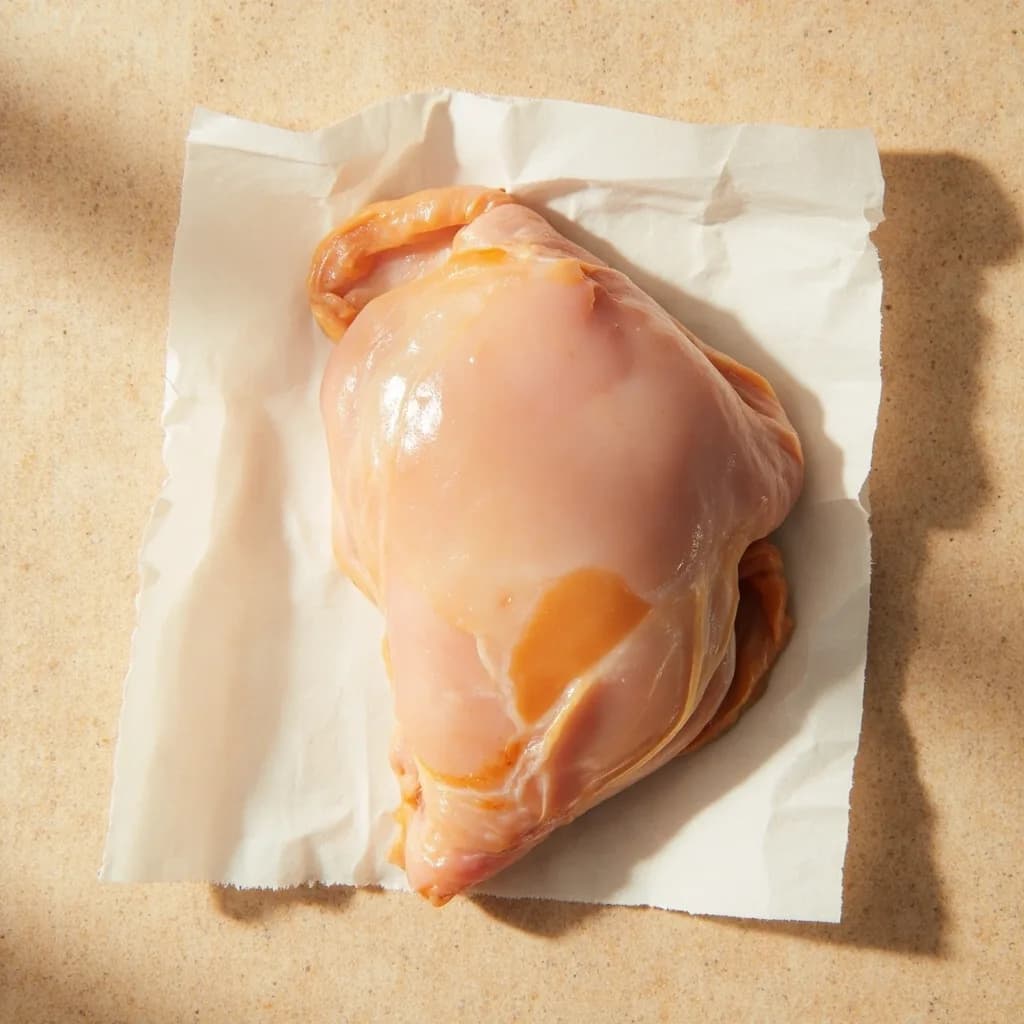
Lean, quick-cooking white meat for everyday dinners

Ground Beef
Versatile minced beef for burgers, ragù, tacos, and meatballs
Pork Loin
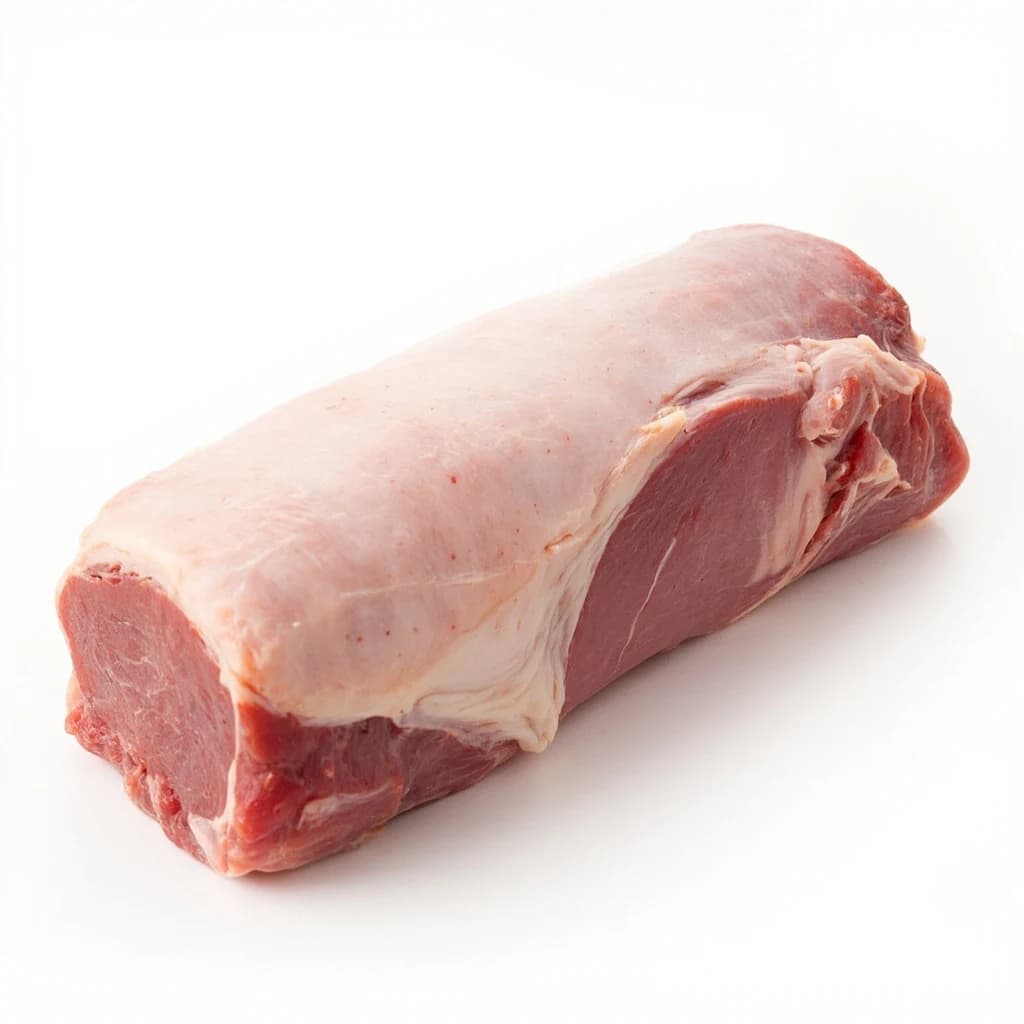
Lean, tender roasting cut that stays juicy with care
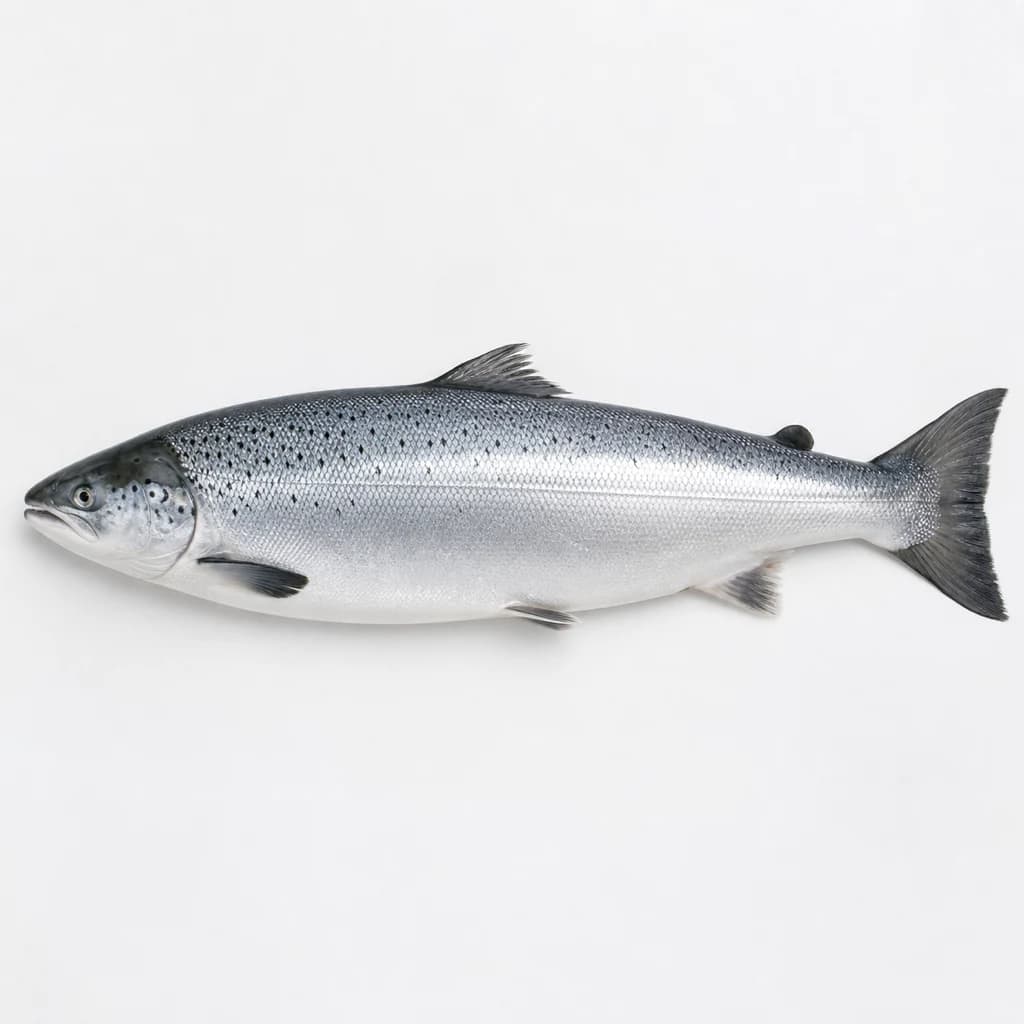
Salmon
Rich, rosy fish that roasts, grills, or cures beautifully

Egg White
Pure protein that whips to airy peaks for meringue and more
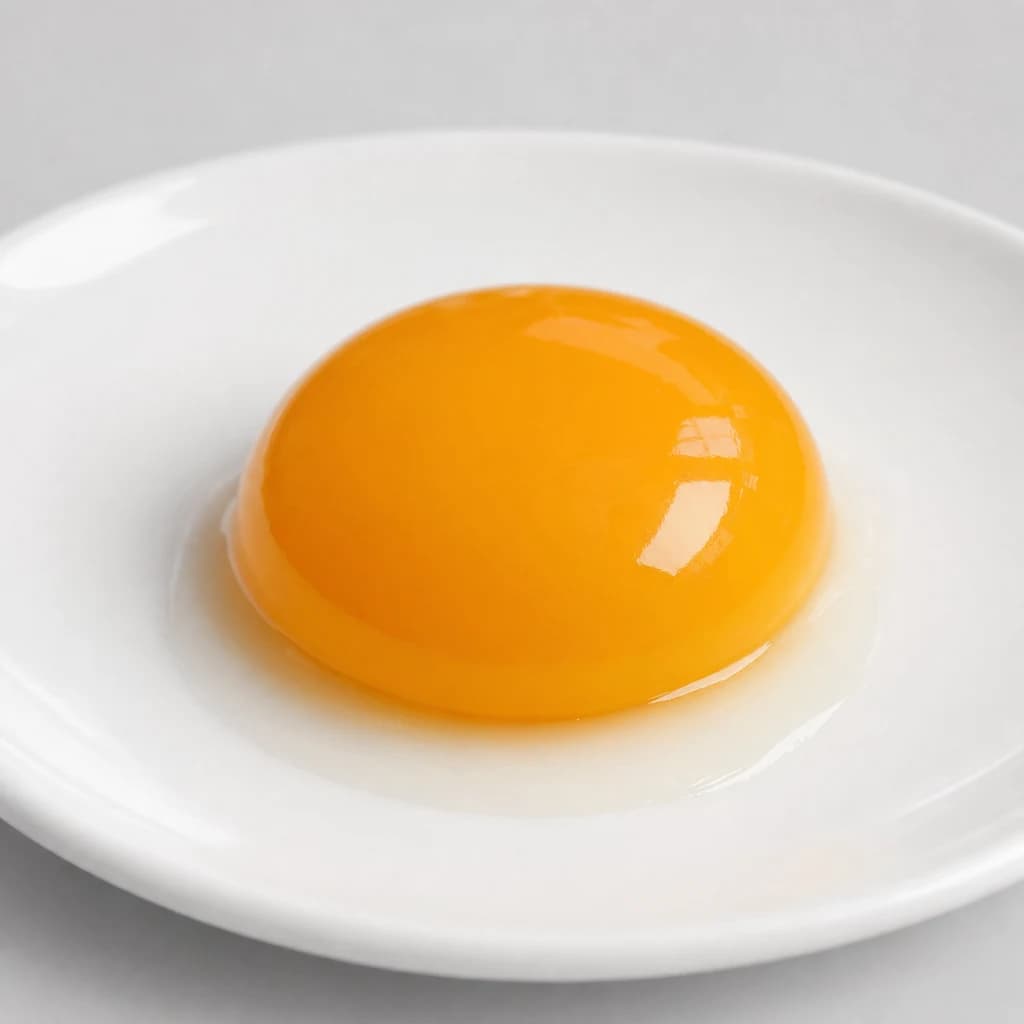
Egg Yolk
Rich, golden yolk for custards, mayonnaise, and pasta

Quail Egg
Tiny, speckled eggs for garnishing and elegant bites