Baking
Corn Flour
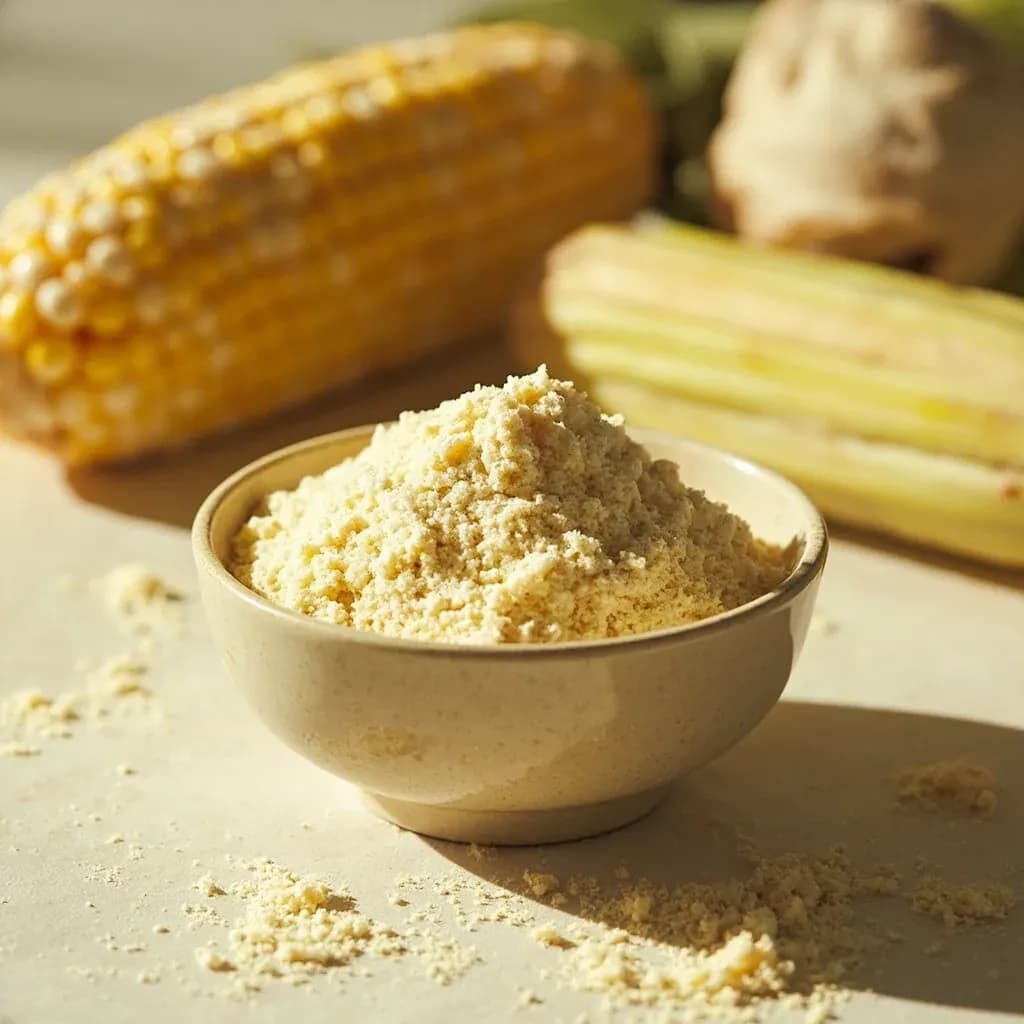
Finely milled whole corn flour used for tortillas, arepas, breads, and batters.
Corn flour is finely ground from dried corn kernels, yielding a soft yellow or white powder with a sweet, earthy flavor. It is a staple across Latin America (harina de maíz) for arepas, cornbread, and thickening, and differs from cornstarch, which is the pure starch. In some regions the term overlaps with cornstarch, so check texture and use.
Corn flour is finely milled from whole dried corn kernels, typically stone-ground to a powder fine enough to resemble talcum powder in texture. Unlike masa harina, which is nixtamalized with lime before grinding, or cornstarch, which is a purified starch extracted from the endosperm, corn flour retains the germ, bran, and endosperm of the kernel — making it a true whole-grain flour with a mildly sweet corn flavor and a nutritional edge over refined corn products. The germ content is what distinguishes it from its cousins and is also the reason it spoils faster; this single detail is the most commonly overlooked practical fact about the ingredient.
The flour ranges in color from white to yellow to deep blue-purple depending on the corn variety, and each carries subtly different flavor notes: yellow is mild and sweet, white is more neutral, and blue corn brings an earthier, nuttier character with notably higher anthocyanin content. In baking and cooking, corn flour behaves differently from wheat flour — it lacks gluten, so it produces denser, more crumbly textures when used alone. This is both its limitation and its opportunity: it excels in applications where a tender, slightly crumbly texture is desired, and it partners well with other flours and starches to build structure in gluten-free baking.
Corn flour is remarkably versatile. It can be ground from whole kernels using a grain mill, high-speed blender, or food processor with a dry blade, though pre-ground flour from a quality source ensures consistent fineness. Its applications span Southern cornbread, fried batters, breakfast cakes, and as a base in gluten-free flour blends. Corn tortillas and arepas, however, require masa harina — corn flour is not a substitute for that specific preparation. The key to working with it successfully is understanding what it cannot do — provide the elastic structure of wheat flour — and what it does uniquely well: deliver corn flavor, visual appeal especially from blue varieties, and a tender, crumbly texture that no other flour quite replicates.
- Measured in
- g
- Storage
- Pantry
Types & varieties
Most common; mild, sweet corn flavor; ideal for batters and quick breads
Finer texture, more neutral flavor; traditional in some Latin American breads and tortillas
Ground from blue or purple corn varieties; earthy, slightly nutty; higher protein and anthocyanin content; striking color in batters
Common uses
Tips & pitfalls
- Check the grind: truly fine corn flour behaves differently from coarse cornmeal — it should feel like talcum powder, not sand. Coarse versions are better suited for polenta, not batters.
- Smell before using. Rancid corn flour has a sharp, unpleasant odor — discard and replace.
- For crispiest fried batters, mix corn flour with cold water and use immediately; gluten-free batters lose lift if they rest too long.
- When substituting for wheat flour in baking, use a blend: corn flour alone produces dense, crumbly results. Pair with rice flour, tapioca starch, or a small amount of wheat flour for structure.
- Blue corn flour color deepens with heat — expect the final product to be significantly darker or more purple-hued than the raw batter.
- Toast dry corn flour briefly in a dry skillet before using to deepen the flavor, especially for savory applications.
Nutrition
Energy
1523 kJ · per 100 g
Where the calories come from
Protein
8.8g
18% DV
Carbs
73.9g
27% DV
Fat
5.1g
7% DV
Fiber
8.4g
30% DV
Sodium
5mg
0% DV
Source · USDA FoodData Central · Corn flour, whole-grain, blue (harina de maiz morado)
View on FDC →In the shops
Matched grocery products
 €1.55
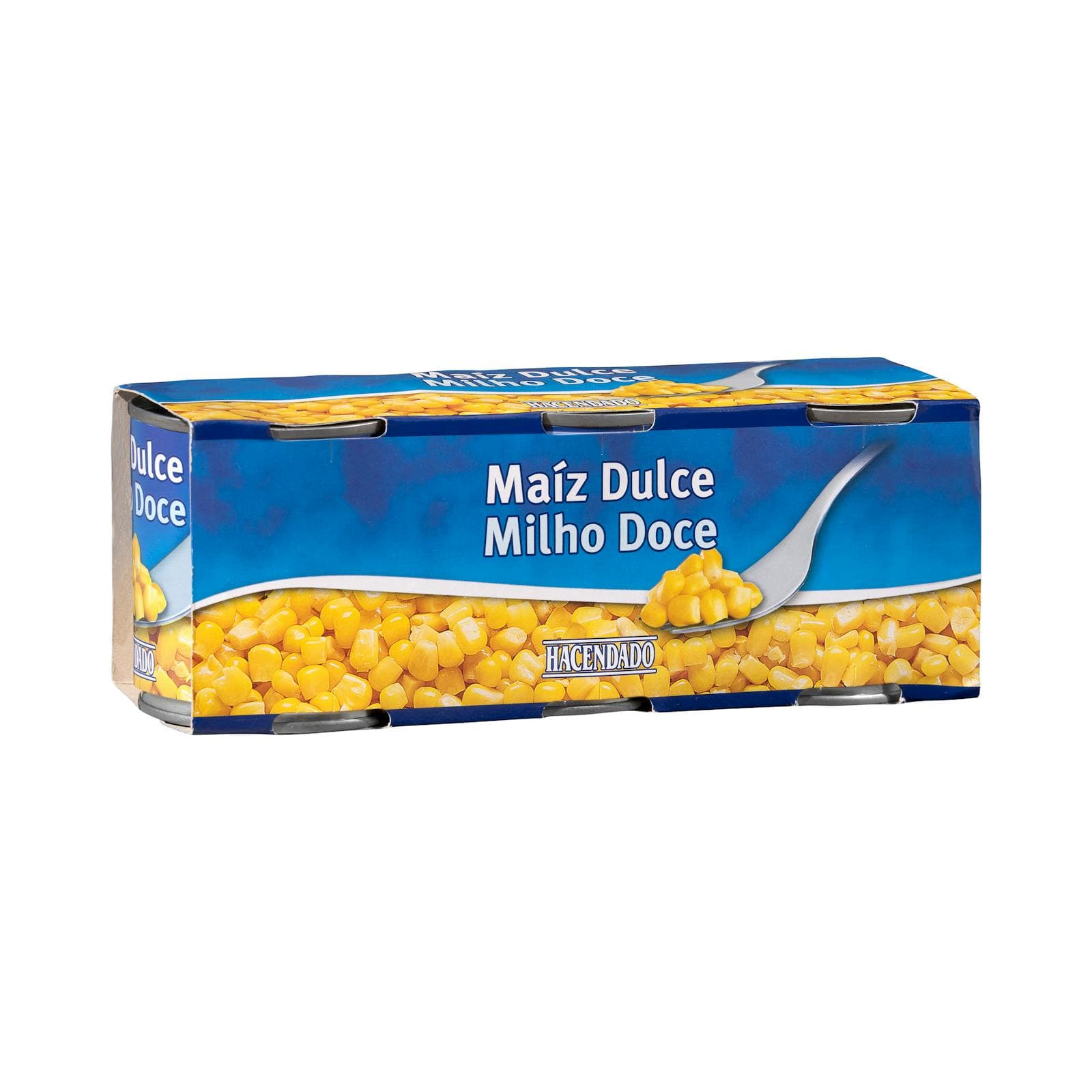
€1.55Sweet Corn
Hacendado · 450 g · Mercadona
 €1.59
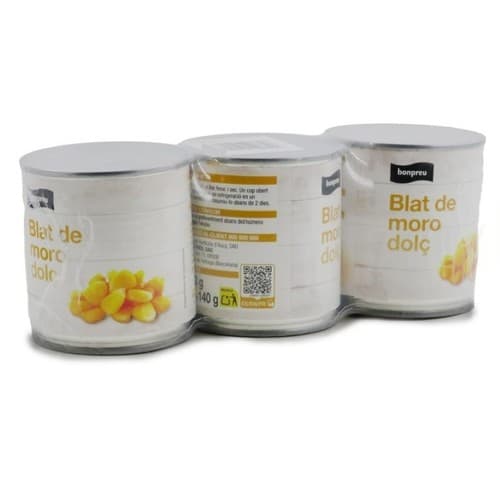
€1.59Sweet Corn Bonpreu
BONPREU · kg · Bonpreu
 €2.49
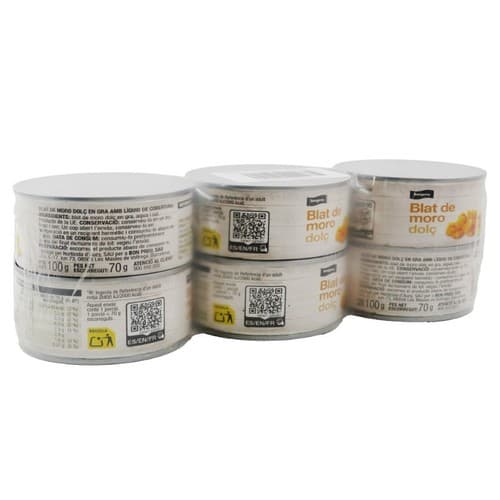
€2.49Sweet Corn Bonpreu
BONPREU · kg · Bonpreu
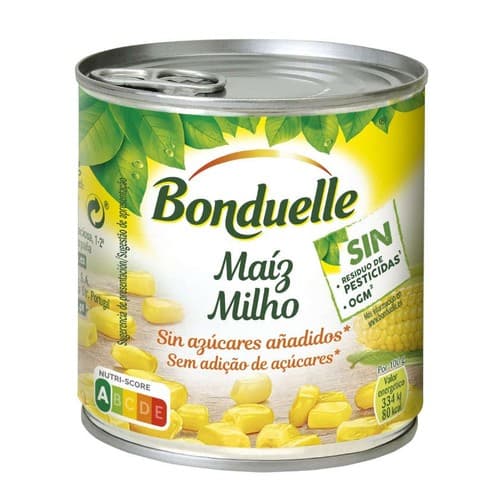 €1.99
€1.99Bonduelle Sweet Corn
BONDUELLE · kg · Bonpreu
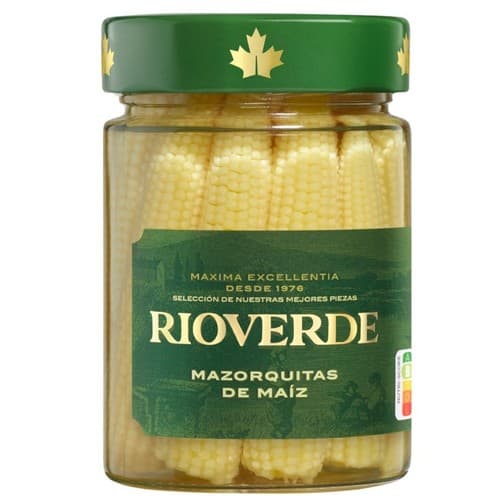 €2.99
€2.99Pickled Corn Kernels
RIOVERDE · kg · Bonpreu
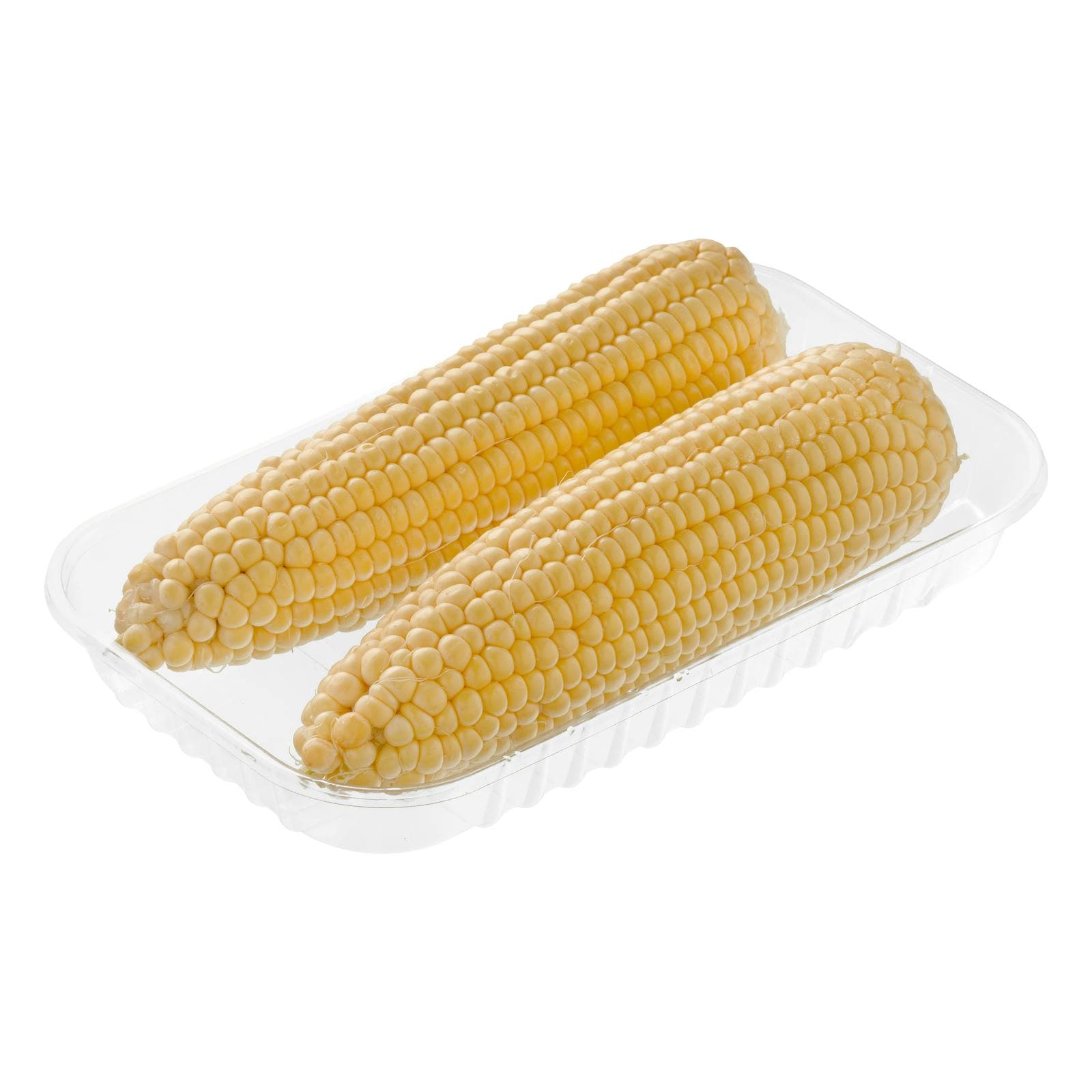 €3.15
€3.15Sweet Corn on the Cob
2 ud · Mercadona
Good to know
- Made from
- Dried whole corn kernels, stone-ground or milled to a fine powder
- Gluten-free
- Yes — safe for celiac and gluten-sensitive cooks
- Color
- White, yellow, or blue-purple depending on variety
- Flavor
- Mildly sweet corn taste; blue corn carries a slightly nuttier, earthier note
- Shelf life
- 2–3 months at room temperature; 6 months refrigerated; 1 year frozen
- Storage note
- The germ content means it can turn rancid — keep sealed in a cool, dark place or freeze
- Nutrition highlight
- Provides protein, fiber, and carotenoids (yellow); blue corn has notably higher anthocyanin content
- Common confusion
- Not the same as masa harina (nixtamalized), cornstarch (pure starch), or coarse cornmeal
Substitutes
- Masa harina — Nixtamalized corn flour with lime; not interchangeable — required for tortillas and tamales, produces a tangier, more elastic dough
- Fine cornmeal — Coarser texture; acceptable for breading but will produce a grittier final product in batters
- Rice flour — Gluten-free alternative with a neutral flavor; may require recipe adjustment for best results
- Semolina flour (durum wheat) — Can add crunch in breading applications; not gluten-free; introduces a stronger wheat flavor
Pairs with
Also called
Harina de Maíz
Appears in these dishes
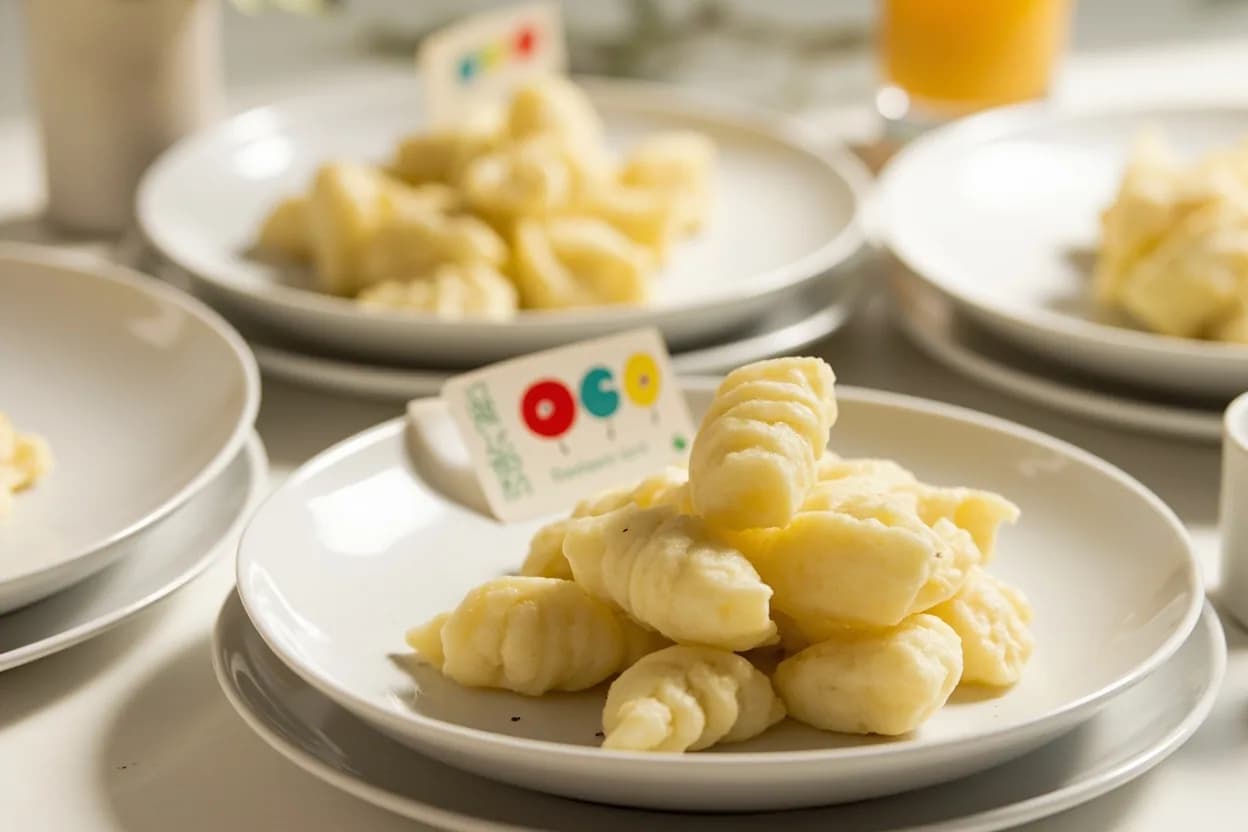
Related

All-Purpose Flour
The do-anything flour for bread, cakes, sauces, and dredging

Bread Flour
High-protein flour for chewy, well-risen breads
Whole Wheat Flour
Nutty, whole-grain flour for hearty breads and bakes
Cake Flour
Fine, low-protein flour for tender, delicate cakes
Almond Flour
Nutty, gluten-free flour for macarons and tender bakes

Baking Powder
All-in-one leavener for fluffy cakes, pancakes, and biscuits

Baking Soda
Pure leavener that needs acid to lift — and tenderize
Yeast
Living leaven that makes bread rise and dough come alive