Produce
Durian
Large spiky tropical fruit with custardy flesh, famous for its pungent aroma and rich sweet taste.
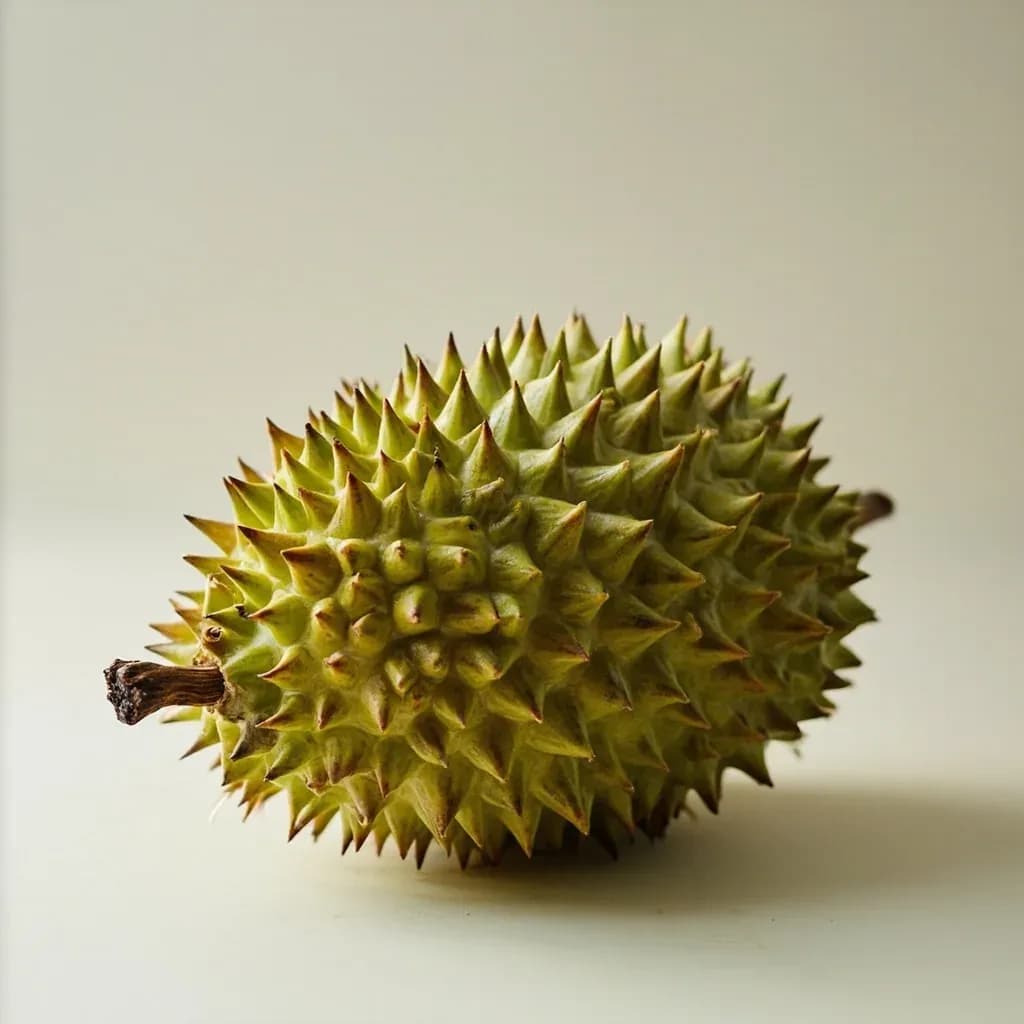
Durian is a large Southeast Asian fruit with a thorny husk enclosing pods of soft, custard-like yellow flesh that is intensely sweet and rich. Beloved across Malaysia, Indonesia, and Thailand, it is eaten fresh or used in ice cream, cakes, and sticky-rice desserts, though its powerful sulfurous aroma is so strong it is banned in many hotels and transit systems. Connoisseurs prize its creamy, almost savory complexity.
Durian is the fruit of Durio zibethinus, a large tropical tree native to Southeast Asia. The fruit itself is formidable—each pod weighs 1.5 to 5 kilograms on average, though specimens exceeding 13 kilograms have been recorded. Its exterior is covered in dense, sharp pyramidal spikes that require caution during handling, while the interior holds custardy flesh divided into compartments around large seeds. The edible yield is surprisingly modest at 25–40% by weight, making the labor of extraction worthwhile only for the flesh itself.
What earns durian its legendary status is the extraordinary sensory experience of the ripe flesh. The flavor defies simple description—rich sweetness balanced by bitter and creamy notes, with undertones of caramel, toasted almond, and tropical fruit that shift depending on variety and ripeness. Yet it is the aroma that dominates all conversation. Sulfur-containing compounds (mercaptans and disulfides) develop fully as the fruit ripens, creating a smell that carries 10 meters or more and has been compared to everything from rotten onions to sweet cheese to turpentine. These same compounds are found in garlic, onions, and skunk spray—explaining the polarizing effect. Some cultures revere this; others ban durian from public spaces entirely.
For the cook, durian presents both opportunity and challenge. The flesh behaves differently at various ripeness stages: perfectly ripe it is silky and intensely aromatic; underripe it offers firmer texture useful in savory preparations; overripe it becomes mushy and fermented. Understanding how to select, store, and handle this fruit unlocks applications beyond simple fresh eating—though nothing quite replicates eating it straight from the pod, seeds removed, while still cold from refrigeration.
- Measured in
- piece
- Storage
- Fridge
Types & varieties
Most prized; golden-yellow flesh, thick texture, intense bittersweet flavor with caramel notes; Malaysian
"Golden Pillow"; mild, sweet, creamy; dominant export variety to China and Japan; Thai
Dark yellow flesh, smooth texture, strong aroma; popular commercial variety; Malaysian
Premium; creamy flesh with subtle fermented notes; Malaysian
Orange-reddish flesh, smaller pods, sweet with slight bitter edge; common in Hong Kong
Light yellow flesh, mild aroma, creamy; good entry point for durian beginners
Yellow flesh, firm texture, aromatic; popular in Penang, Malaysia
Sweet, fragrant; bright yellow flesh; common in Singapore markets
Selecting and Judging Ripeness
Choosing a ripe durian requires attention to both sound and sight. A ripe durian will have begun cracking along its natural seams—a natural split indicates the fruit has reached full maturity and the flesh has begun to separate from the shell. Shake the fruit gently: a hollow rattling sound suggests the flesh has contracted away from the shell, confirming ripeness. Avoid fruits with completely closed shells (underripe) or those showing dark, sunken patches on the exterior (overripe or spoiled). The stem should appear fresh, not dried and shriveled. If purchasing pre-cut fruit, look for flesh that is pale yellow to golden, glossy, and pulls away cleanly from the seed—it should yield slightly when pressed but not be mushy.
- A natural crack along the seams is the most reliable ripeness indicator
- Shake gently—seeds rattling inside indicate flesh has contracted from the shell
- Dark sunken patches signal overripe or spoiled flesh
- Stem should be fresh and moist, not desiccated
Opening and Extracting the Flesh
Durian's spiny exterior demands proper technique and caution. Never attempt to cut through the spikes directly. Instead, locate the natural seams where the shell segments meet—these are the fruit's weak points. Using a heavy cleaver or sturdy knife, strike along a seam with controlled force to split the shell open. A rubber mallet works well for controlled strikes if a cleaver feels unwieldy. Once the fruit splits, the flesh compartments (called lobes) become accessible. Each lobe contains one to several seeds encased in flesh. Pull the flesh away from the seeds with your fingers. Kitchen gloves are strongly recommended—the spines are sharp enough to cause puncture wounds, and the latex in the rind can irritate skin.
- Strike along natural seams, never through spikes
- Use a heavy cleaver or mallet for clean splits
- Gloves protect against both spines and skin irritation
- Work over a large bowl—the flesh stains
Common uses
Tips & pitfalls
- Select durians with shells that have begun to crack along the seams—a natural split indicates ripeness
- If the fruit does not split on its own, it is not fully ripe; leave at room temperature for 1–2 days
- Use a heavy cleaver or sturdy knife to crack the shell along the natural seams—never attempt to cut through the spikes directly
- Wear kitchen gloves when handling the spiny exterior to avoid puncture wounds
- Refrigerate unused flesh immediately in airtight containers—the odor will permeate other foods if left uncovered
- For cooking applications where structure matters, use slightly underripe durian for firmer texture and less intense aroma
- Do not wash the whole fruit before storage—excess moisture promotes mold
- Taste from different pods within the same fruit—flavor and sweetness vary between sections
- Frozen durian flesh thaws quickly at room temperature or can be added frozen to smoothies
- Briefly rinsing flesh under cold water can reduce volatile aroma compounds if the smell is overpowering
Nutrition
Energy
615 kJ · per 100 g
Where the calories come from
Protein
1.5g
3% DV
Carbs
27.1g
10% DV
Fat
5.3g
7% DV
Fiber
3.8g
14% DV
Sodium
2mg
0% DV
Source · USDA FoodData Central · Durian, raw or frozen
View on FDC →In the shops
Matched grocery products
No matched grocery products for Durian yet.
Good to know
- Scientific Name
- Durio zibethinus
- Origin
- Southeast Asia (Indonesia, Malaysia, Thailand, Philippines, Brunei)
- Peak Season
- May to August, varying by region
- Average Weight
- 1.5–5 kg (3–11 lbs); specimens to 13 kg (28 lbs) recorded
- Flavor Profile
- Rich, sweet, creamy custard with caramel, almond, and tropical fruit notes; intensity varies by variety
- Yield
- 25–40% edible flesh by weight
- Shelf Life
- 2–5 days room temperature; up to 1 week refrigerated; 2 months frozen
- Key Nutrients
- Vitamin C, potassium, fiber, B vitamins, iron
Substitutes
- Jackfruit (ripe) — Closest texture match—creamy, sweet, tropical; lacks intensity and complexity but viable for desserts; different botanical family entirely
- Custard Apple (Cherimoya) — Similar creamy custard-like texture and sweet tropical flavor; softer flesh but reasonable approximation for fresh eating
- Cheesecake Filling — For dessert applications, a rich vanilla or caramel custard approximates the creamy sweetness but not the distinctive flavor
- Frozen Mango Puree — Provides sweet tropical flavor and creamy texture for smoothies and desserts; aroma is completely different
- Soursop (Graviola) — Creamy white flesh with sweet-tart tropical flavor; texture is similar but taste is distinctly different
Pairs with
Appears in these dishes
Related
Tomato
Juicy, sun-sweet fruit for sauces, salads, and slow-cooked depth
Yellow Onion
The aromatic backbone of soups, sofritos, and braises
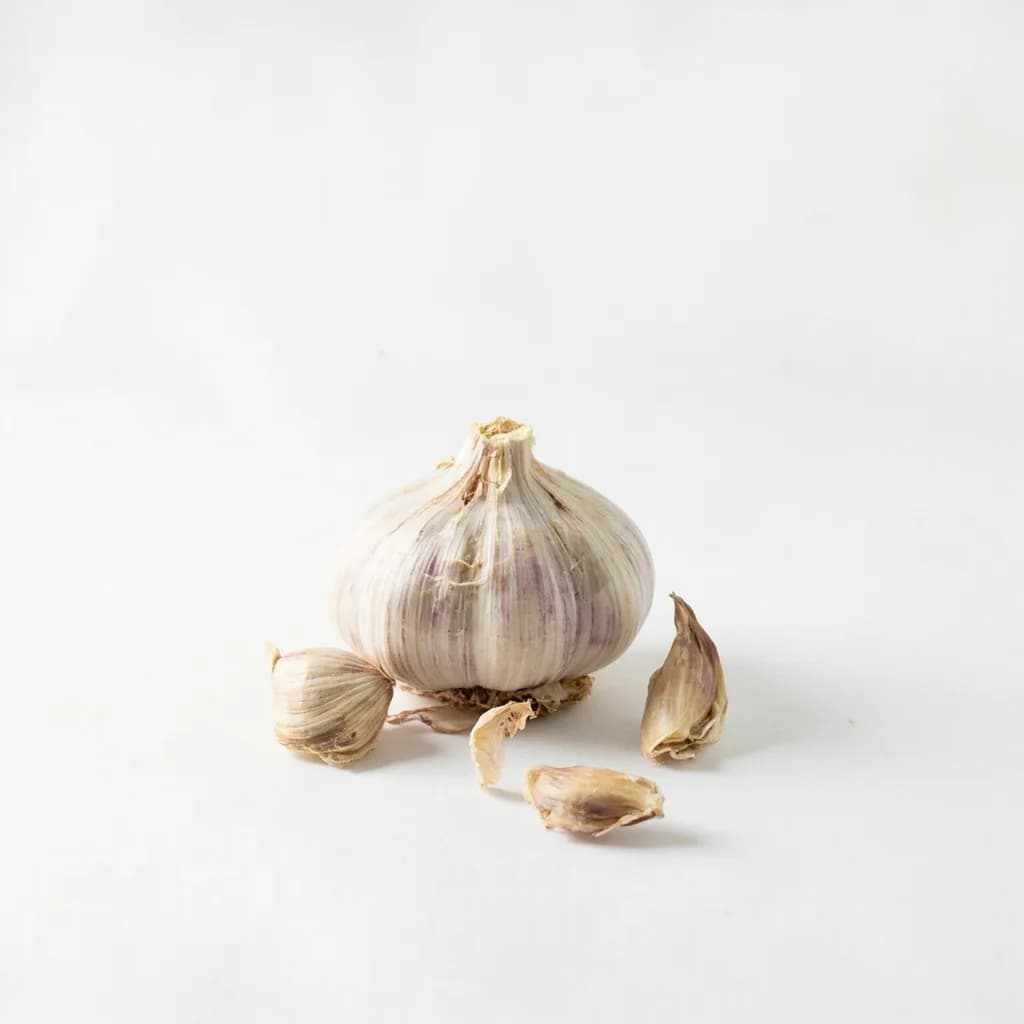
Garlic
Pungent cloves that perfume nearly every savory dish
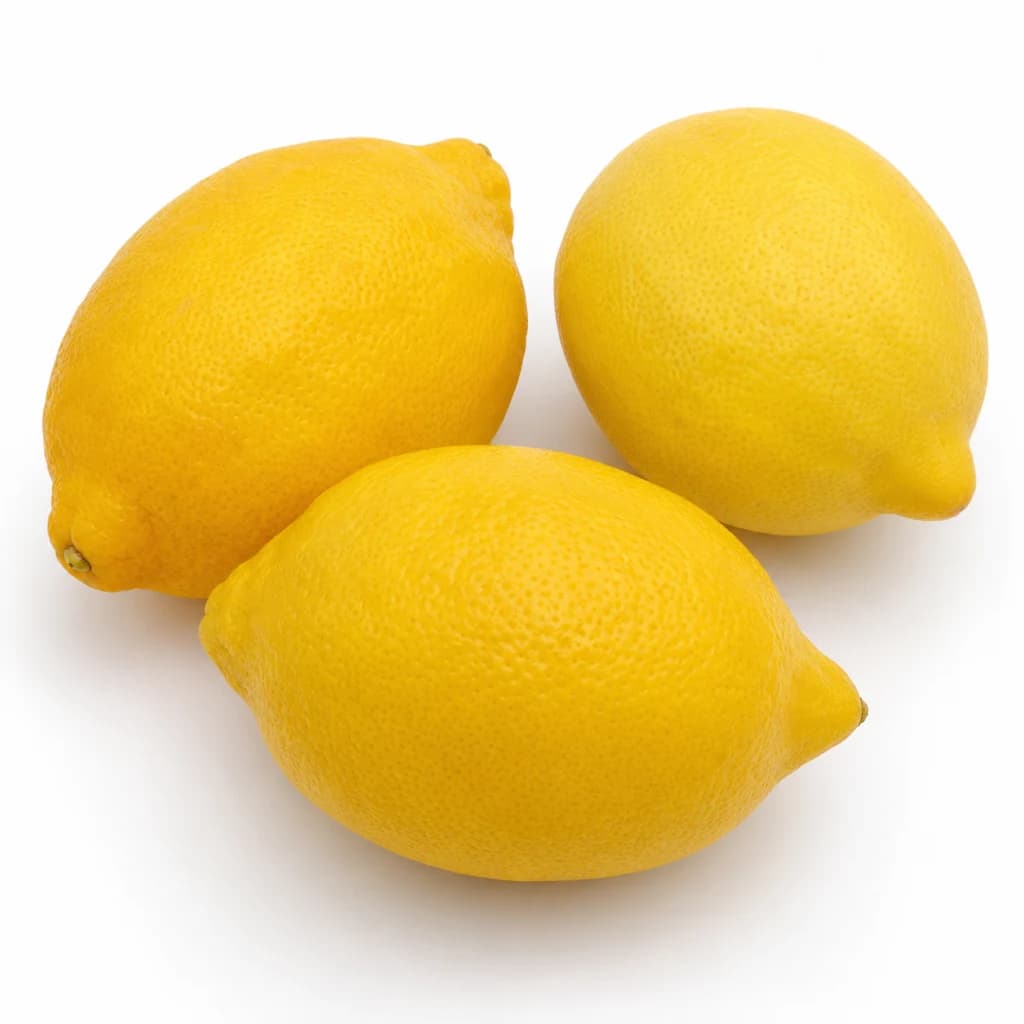
Lemon
Bright, acidic citrus that wakes up almost any dish
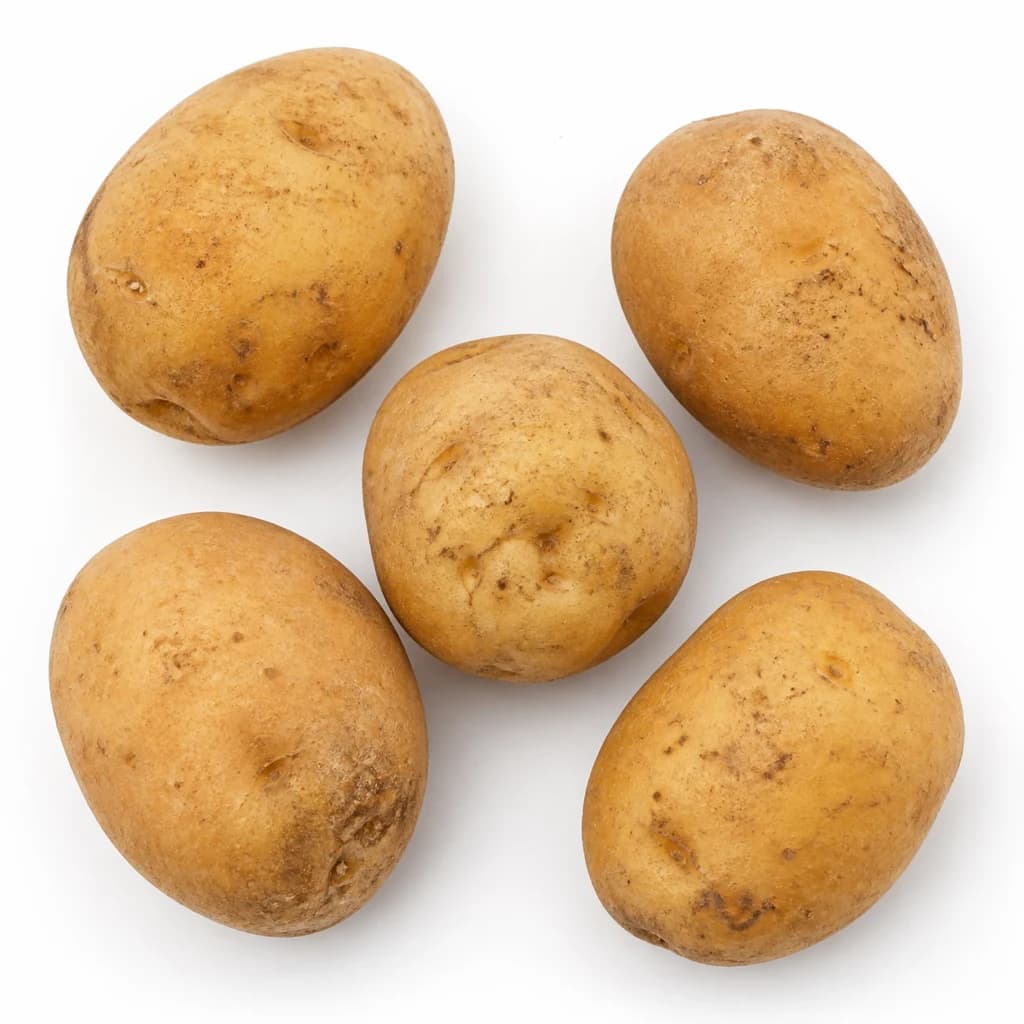
Potato
Humble, hearty staple — roast, mash, fry, or boil
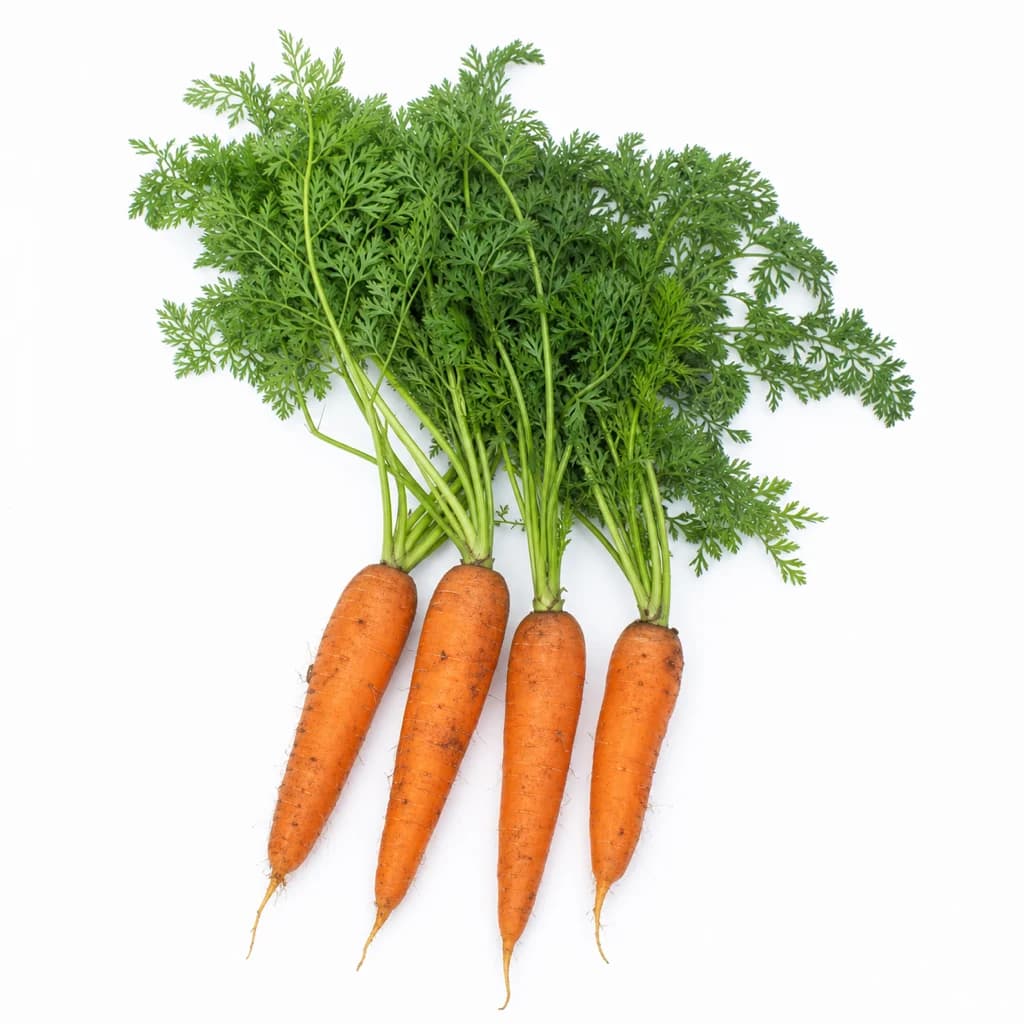
Carrot
Sweet, crunchy root — raw, roasted, or the base of a sofrito
Cucumber
Cool, crisp, and watery — for salads, pickles, and tzatziki

Lettuce
Crisp leaves for salads, wraps, and a fresh crunch