Proteins
Red Prawn
Sweet, ruby-red Mediterranean prawn often eaten raw as crudo or lightly seared.
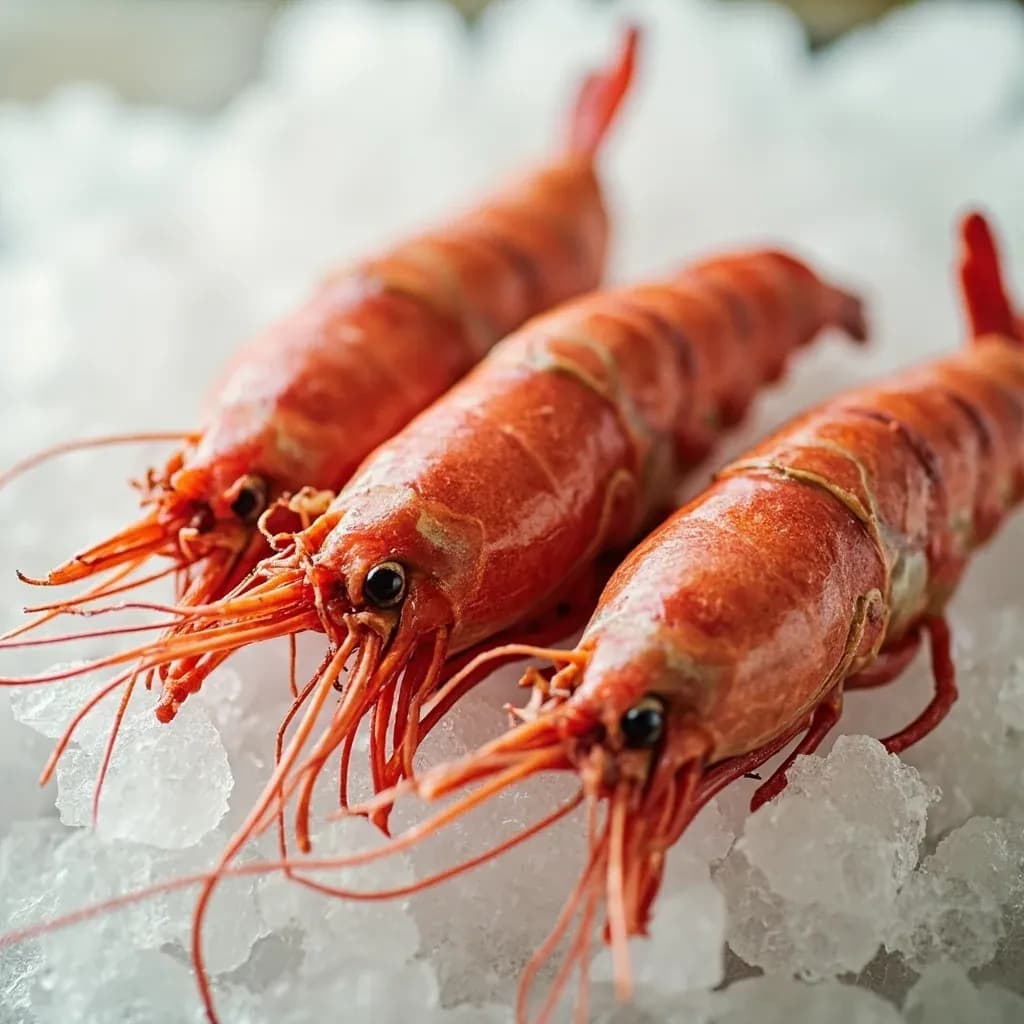
Red prawns, especially the famed gambero rosso from Mazara del Vallo in Sicily, are deep-sea crustaceans with intensely sweet, soft flesh and prized roe. They are best eaten raw as crudo, briefly seared, or laid over pasta and risotto to release their flavorful juices. Their bright red shell and delicate texture make them a luxury seafood.
Red Prawn is the commercial name for several deep-water Mediterranean prawns prized above all others in Italian and Spanish kitchens. The two principal species — Aristaeomorpha foliacea and Aristeus antennatus — are fished at depths of 200 to over 1,000 meters, primarily in the Strait of Sicily, Tyrrhenian Sea, and Sardinian waters. Their ruby-red shell and orange-pink meat are visible even raw, which distinguishes them from most prawns and serves as a key identifier at the fish counter. The flavor is intensely sweet and briny with pronounced umami — qualities that develop from the cold, deep, slow-moving waters they inhabit.
The flesh is firm yet delicate, holding its shape through cooking but becoming rubbery if overdone. Unlike common warm-water prawns, red prawn requires minimal heat: a 20–30 second sear per side is sufficient for scottato preparations, and the flesh should remain translucent at its core. This narrow optimal window is the most critical cooking consideration — a mistake that even professional kitchens commonly make.
The PGI designation for Gambero Rosso di Mazara del Vallo, awarded in 2001, protects a specific product: Aristaeomorpha fished in the Strait of Sicily and processed in designated Sicilian ports. This is the benchmark red prawn. Aristeus antennatus, often called violet red prawn, is more aromatic and more perishable; it is not covered by the PGI and should be used within 24 hours of purchase.
- Measured in
- g
- Storage
- Fridge
Allergens
Types & varieties
The benchmark red prawn; Aristaeomorpha from the Strait of Sicily; PGI protected since 2001, must be landed and processed in specific Sicilian ports
Sardinian deep-water red prawn; similar profile to Mazara variety; fished in the Sardinian Sea and Gulf of Asinara
The primary commercial species; larger of the two main species, deeper red color, more robust and better suited to freezing at sea
The secondary species; often called violet red prawn; smaller, more aromatic, significantly more perishable — use within 24 hours
Common trade term for high-quality Sicilian red prawn regardless of exact species; indicates origin but not PGI certification
Distinct species often grouped with Mediterranean reds; smaller, pinker; sold as mazzancolla in some markets — not a true red prawn
Species and What the PGI Does and Does Not Cover
The EU Protected Geographical Indication for Mazara del Vallo covers only Aristaeomorpha foliacea from the Strait of Sicily, processed in designated ports. Atlantic carabinero prawn, Sardinian catch, and other Mediterranean deep-water prawns are genuine alternatives but cannot be labeled as Mazara del Vallo PGI. Aristeus antennatus (violet red prawn) is a separate species with different shelf life and flavor characteristics — it is not included in the PGI specification even when caught in Sicilian waters.
- Aristaeomorpha is more robust, freezes better, and has a longer shelf life — the species most commonly blast-frozen at sea
- Aristeus is more aromatic and more delicate; if purchasing whole unsorted, assume shorter shelf life and plan immediate use
Sourcing and Quality Indicators
The best red prawns are blast-frozen at sea at −30°C or below. This prevents large ice crystals from forming, which would rupture cell walls and degrade both texture and flavor. Frozen-at-sea product is genuinely superior to product frozen ashore, even if the latter is labeled "fresh frozen." When purchasing fresh, look for alert specimens with firmly attached shells, bright color, and no ammonia scent. The intestinal vein may contain grit from deep-water feeding — a shallow incision along the back to remove it improves presentation for whole-flesh preparations.
- Ask your fishmonger or supplier about freezing method — "frozen at sea" is worth seeking out
- Avoid any specimen with dull, loose shells or a noticeable ammonia smell, even before cooking
Common uses
Tips & pitfalls
- Never overcook — a brief sear or light cooking is sufficient; the flesh should remain opaque but retain a translucent, slightly raw-looking core at its thickest point
- If buying frozen, ensure the product was blast-frozen at sea — frozen on board at −30°C or below prevents the formation of large ice crystals that damage cell walls and degrade texture and flavor
- To devein or not: the intestinal vein contains grit from deep-water feeding; remove it with a shallow incision along the back for presentations where the flesh is whole and visible
- For crudo, score or lightly scratch the shell before slicing — this allows the citrus and oil to penetrate the firm shell and season the flesh beneath
- The head and shells are intensely flavorful — never discard them; steep in wine and aromatics for a superior court bouillon or freeze for later stock use
- Thaw frozen prawns in a shock thaw: place the sealed bag in running cold water. This preserves texture better than slow refrigerator thawing, contrary to advice for many other fish
- Live red prawns are alert and active; avoid any with dull, loose shells or an ammonia-like smell, which indicates degradation even before cooking
- The violet red prawn (Aristeus) spoils faster than Aristaeomorpha — if purchasing whole unsorted, use within 24 hours and keep on ice
Nutrition
Energy
356 kJ · per 100 g
Where the calories come from
Protein
20.1g
40% DV
Carbs
0g
0% DV
Fat
0.5g
1% DV
Sodium
119mg
5% DV
Source · USDA FoodData Central · approx. Crustaceans, shrimp, raw
View on FDC →In the shops
Matched grocery products
No matched grocery products for Red Prawn yet.
Good to know
- Scientific names
- Aristaeomorpha foliacea and Aristeus antennatus (deep-water Mediterranean prawns)
- Origin
- Mediterranean Sea, especially the Strait of Sicily and Tyrrhenian Sea; fished at 200–1,000+ meter depths
- Protected designation
- Gambero Rosso di Mazara del Vallo holds PGI (Protected Geographical Indication) status; fished and processed in specific Sicilian ports since 2001
- Color
- Ruby-red shell, orange-pink meat visible even raw — a key identifier that distinguishes true red prawn from pink species
- Flavor
- Intensely sweet, briny, and clean with pronounced umami; oceanic depth from cold deep-water habitat
- Texture
- Firm yet delicate; flesh holds shape through cooking but turns rubbery if overcooked; translucent at core when properly done
- Typical size
- 10–20 cm in length; smaller than tiger or king prawns
- How sold
- Live (rare), raw frozen at sea (most common), occasionally cooked
- Shelf life
- Use within 24–48 hours if purchased live or fresh; frozen keeps 3–6 months at −18°C or below
- Yield
- Approximately 45–55% meat by weight after peeling
Substitutes
- Scampi (Nephrops norvegicus) — Closest European substitute; sweeter, more delicate; cook with slightly more care — scampi benefits from brief poaching rather than searing
- Carabinero prawn (Plesiopenaeus edwardsianus) — Deep-water prawn from the Atlantic; similar texture and intensity; can be used interchangeably in most preparations
- Tiger prawn (Penaeus monodon) — Acceptable but larger and milder; requires 30–40% more cooking time; flavor profile is less oceanic — season more aggressively
- Langoustine — Smaller and more delicate; substitute at 1:1 ratio but reduce cooking time by at least 50%; ideal for crudo and light searing
Pairs with
Also called
Gambero Rosso · Mazara Red Prawn · Red Shrimp · Gamba Roja
Related
Egg
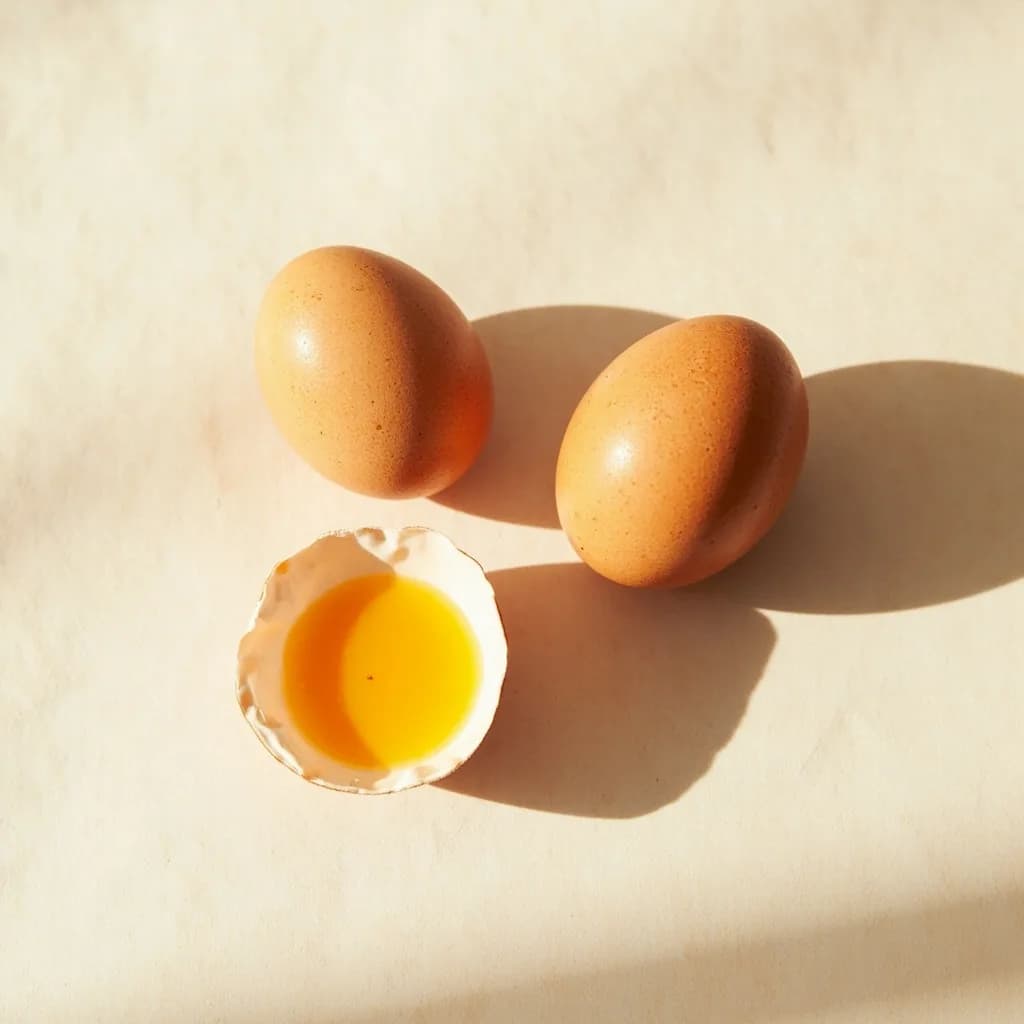
The kitchen's everything ingredient — bind, leaven, enrich, or fry
Chicken Breast
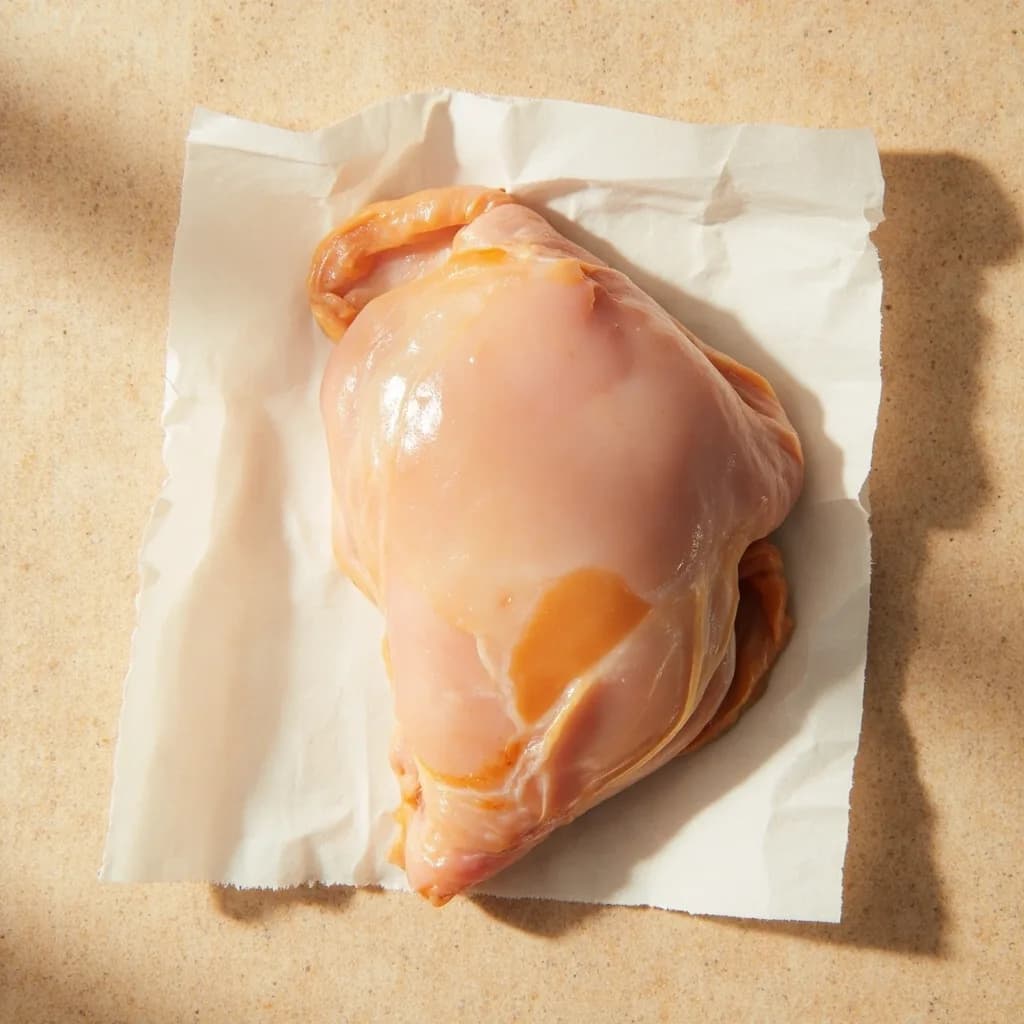
Lean, quick-cooking white meat for everyday dinners

Ground Beef
Versatile minced beef for burgers, ragù, tacos, and meatballs
Pork Loin
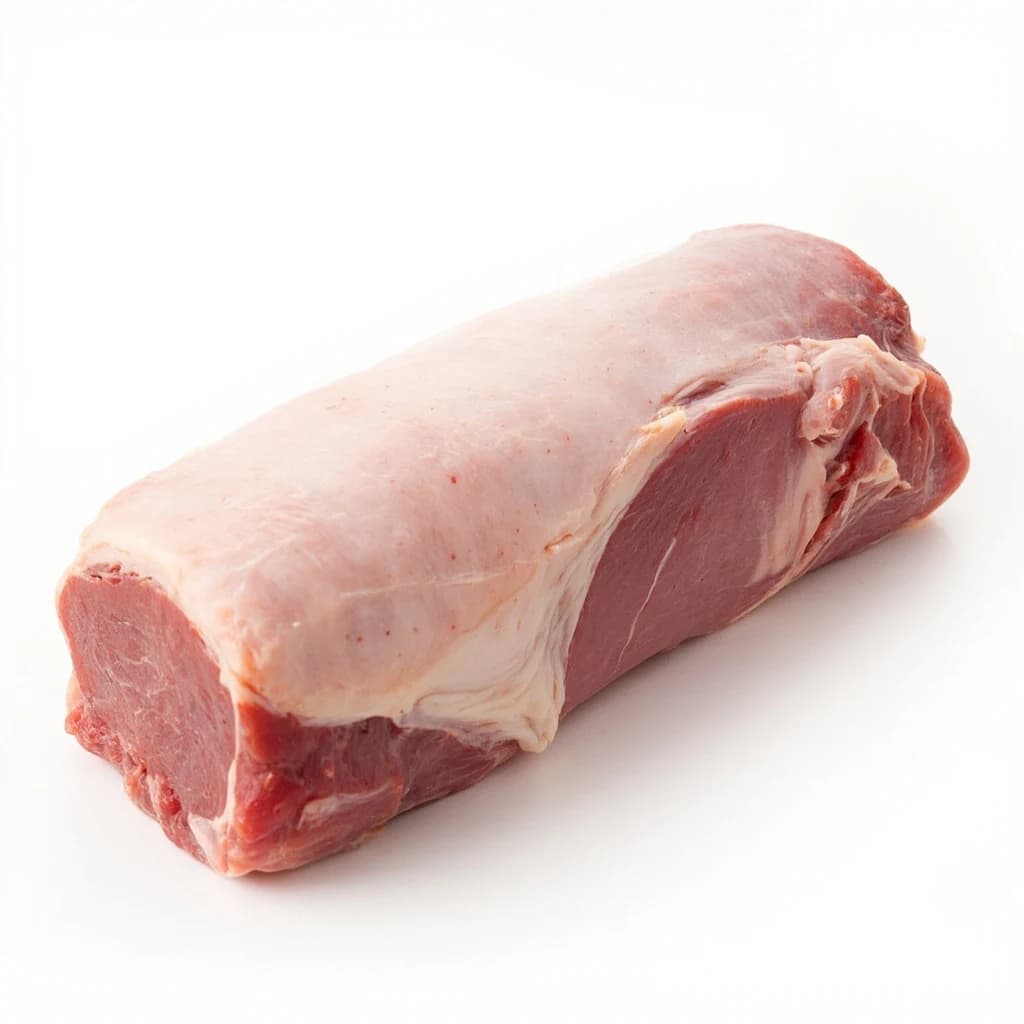
Lean, tender roasting cut that stays juicy with care
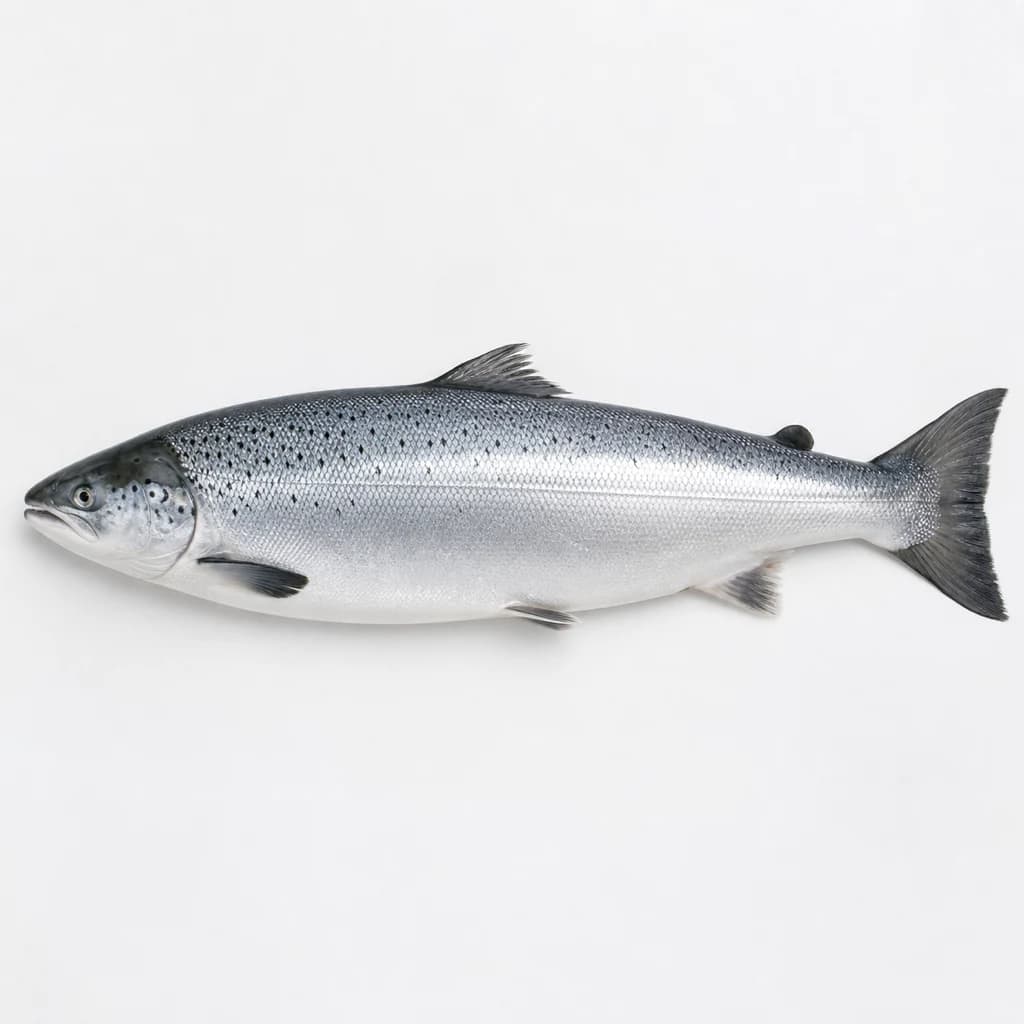
Salmon
Rich, rosy fish that roasts, grills, or cures beautifully

Egg White
Pure protein that whips to airy peaks for meringue and more
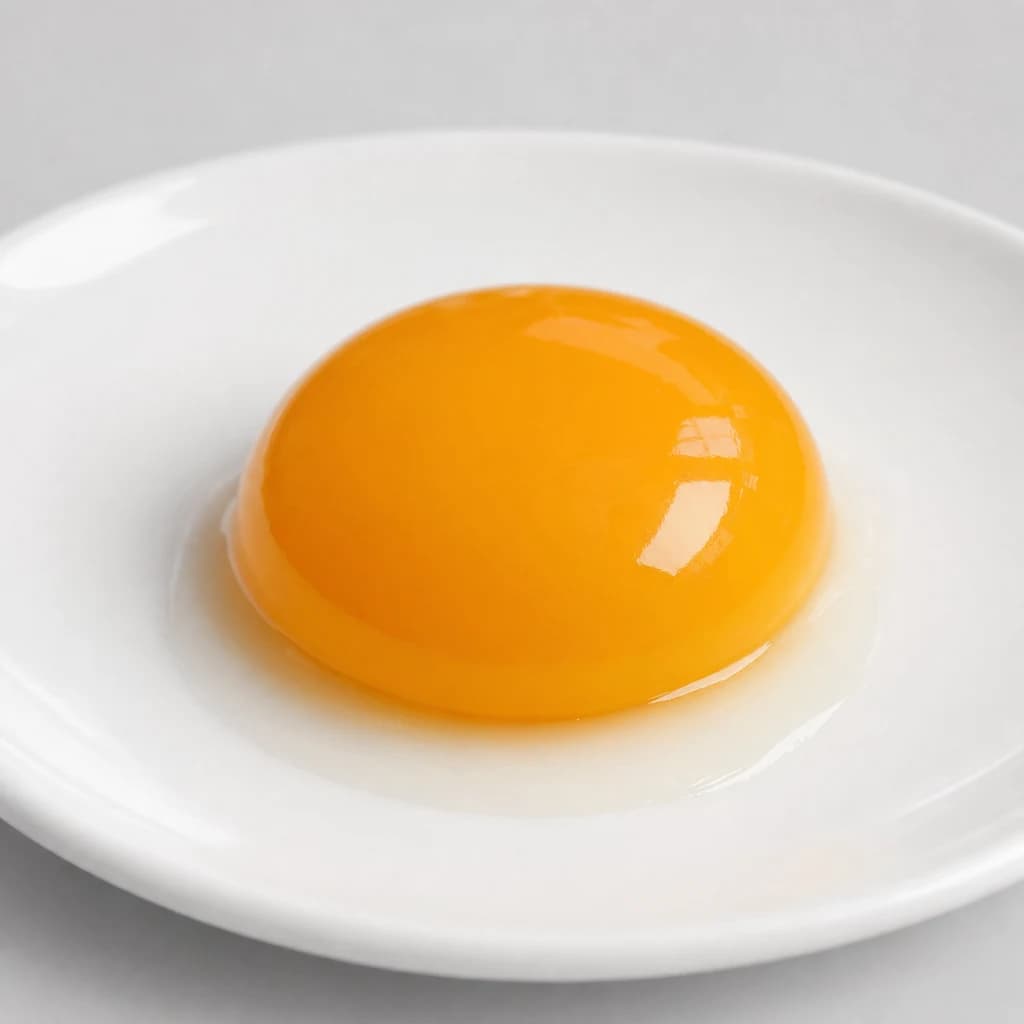
Egg Yolk
Rich, golden yolk for custards, mayonnaise, and pasta

Quail Egg
Tiny, speckled eggs for garnishing and elegant bites