Produce
Eddoes
Small, hairy starchy taro corms boiled or fried as a staple root vegetable in Caribbean cooking.
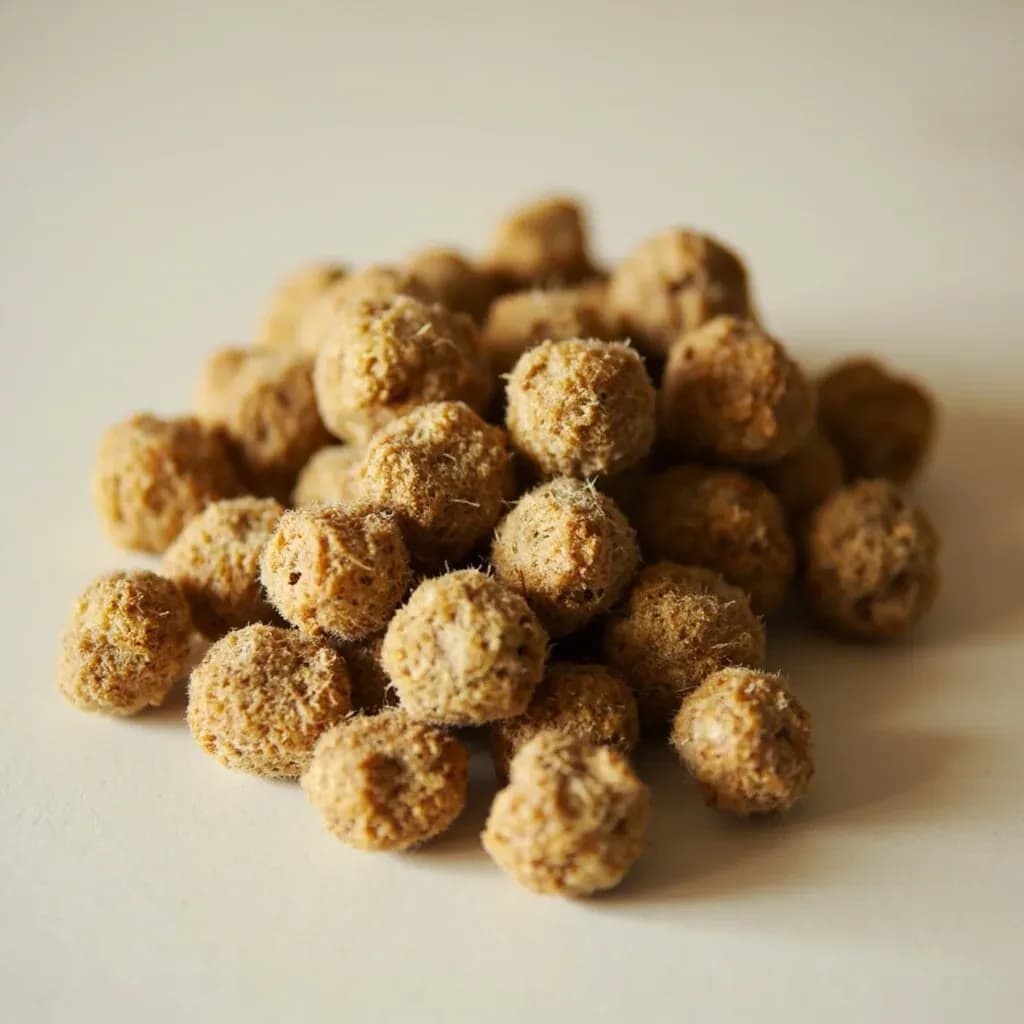
Eddoes are small, brown, hairy corms of the taro family with a dense, slightly nutty starchy flesh. A staple across the Caribbean, West Africa, and parts of Asia, they are peeled and boiled, mashed, or fried much like potatoes and added to soups and stews. They must be cooked thoroughly, as the raw corm contains irritating calcium oxalate.
Eddoes are a distinct small-variety taro corm prized throughout the Caribbean for their exceptional ability to absorb bold seasonings while holding their shape through long simmers. Unlike the larger dasheen, eddoes are characteristically small—typically 2 to 4 inches in diameter—round to oval, and covered in a dense, fibrous, hairy brown skin that adheres tightly to the white flesh beneath, which often carries purple flecks. Their flavor is mild and faintly nutty with a subtle sweetness, and their texture when cooked is dense, creamy, and substantially more starchy than a potato, with less water content. This combination makes them uniquely suited to Caribbean and West African cookery, where they anchor stews and stand up to aggressive seasonings like scotch bonnet pepper, thyme, and coconut milk. The calcium oxalate crystals present in the raw corm mean eddoes must always be cooked before eating—raw preparation causes irritation to skin and mucous membranes and produces an unpleasantly gritty texture. The effort of dealing with the hairy skin and the mandatory cooking are simply part of working with this ingredient, and experienced cooks develop specific techniques to manage both efficiently.
- Measured in
- g
- Storage
- Pantry
Types & varieties
Small, round, hairy brown corm with white flesh and purple flecks; the classic Caribbean variety
Larger taro relative with smoother skin; used interchangeably in some Caribbean dishes but has a notably different, lighter texture
West African term for eddoes and taro corms; often refers to the same or closely related varieties
Working with the hairy skin
The fibrous skin of raw eddoes is one of the ingredient's most practical challenges. It adheres tightly to the flesh and contains calcium oxalate that can irritate skin on contact. The most reliable approach is to boil eddoes unpeeled—score the skin in a cross pattern on one or both ends, place in generously salted boiling water, and cook until a thin skewer slides through with no resistance. Once cooked, the skin slips off easily with a fork or your fingers. If you must peel raw eddoes, use a very sharp sturdy peeler or a sharp knife, work quickly, and wear latex or nitrile gloves to protect your hands from the irritants. Some cooks also find that running cold water over hands while peeling helps reduce skin irritation.
- Score unpeeled eddoes crosswise before boiling to speed cooking and seasoning absorption
- Wear gloves when peeling raw corms; irritation from calcium oxalate can be significant
- After boiling, slip off the skin while still warm—it comes away cleanly from cooked flesh
- Work with a sharp knife or sturdy peeler; the skin is fibrous and resists thin peelers
Cooking eddoes: holding shape versus breaking down
Eddoes behave differently from potatoes in liquid—they have less internal moisture and a denser cell structure, so they absorb surrounding seasonings readily while resisting the tendency to dissolve into a pot of liquid. This makes them ideal for soups and stews where you want body without mush. The critical mistake is overcooking them in dishes where they should hold their shape, such as callaloo, curries, or fried preparations. Test doneness with a thin skewer: they should offer no resistance and feel tender through to the center, but the skewer should not pass through effortlessly as if they were overcooked vegetables. In porridges and thick soups, eddoes can be cooked more aggressively and broken down partially to create a creamy, starchy base.
Common uses
Tips & pitfalls
- Wear gloves when peeling or handling raw eddoes—the calcium oxalate in the hairy skin irritates skin on contact
- Score the skin in a cross pattern before boiling to help the flesh cook evenly and absorb seasonings faster
- Do not overcook eddoes in soups and stews; they should remain intact and hold their shape rather than dissolving into the broth
- Season the cooking liquid generously—eddoes absorb liquid and take on salt readily, more so than potatoes
- Test doneness with a thin skewer: tender but with slight resistance, not falling apart
- Never serve eddoes raw; the calcium oxalate crystals must be broken down by heat for both safety and proper texture
- Pair with bold seasonings—scotch bonnet, fresh thyme, garlic, coconut milk, and scallions are the essential Caribbean companions
Nutrition
Nutrition
No USDA FoodData Central match for Eddoes yet. We surface a per-100 g profile once a generic whole-food entry is matched and verified.
In the shops
Matched grocery products
No matched grocery products for Eddoes yet.
Good to know
- Scientific name
- Colocasia esculenta var. globulifera
- Origin
- Southeast Asia; central to Caribbean and West African cuisines
- Season
- Year-round in tropical regions; available dried and fresh in specialty markets
- Flavor
- Mild, nutty, slightly sweet; earthier and denser than potato
- Typical size
- 2–4 inches in diameter; small, round to oval corms
- Texture
- Dense, creamy when cooked; fibrous hairy skin when raw
- Storage
- Cool, dry, dark place for 1–2 weeks; do not refrigerate
- Yield
- 60–70% edible after peeling and trimming
- Caution
- Must be cooked; raw eddoes contain calcium oxalate crystals that irritate skin and mucous membranes
Substitutes
- Dasheen — The most direct substitute; a larger taro relative with smoother skin and slightly lighter texture, works in most applications
- Sweet potato — More readily available in most markets; sweeter flavor but comparable cooking behavior in soups, stews, and mashes
- Yukon Gold potato — Best for fried applications; milder flavor and softer texture but comparable structure and oil absorption
Pairs with
Also called
Taro Corm · Coco
Appears in these dishes

Related
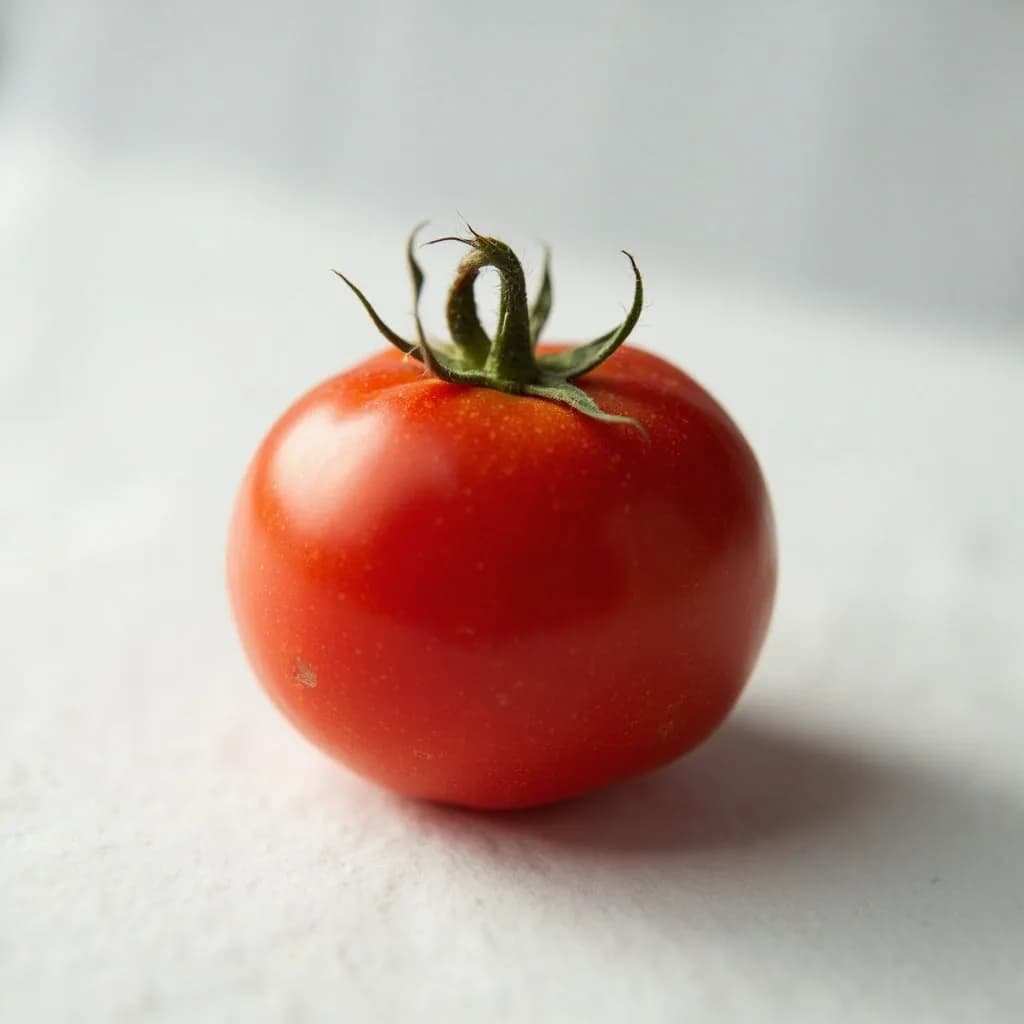
Tomato
Juicy, sun-sweet fruit for sauces, salads, and slow-cooked depth
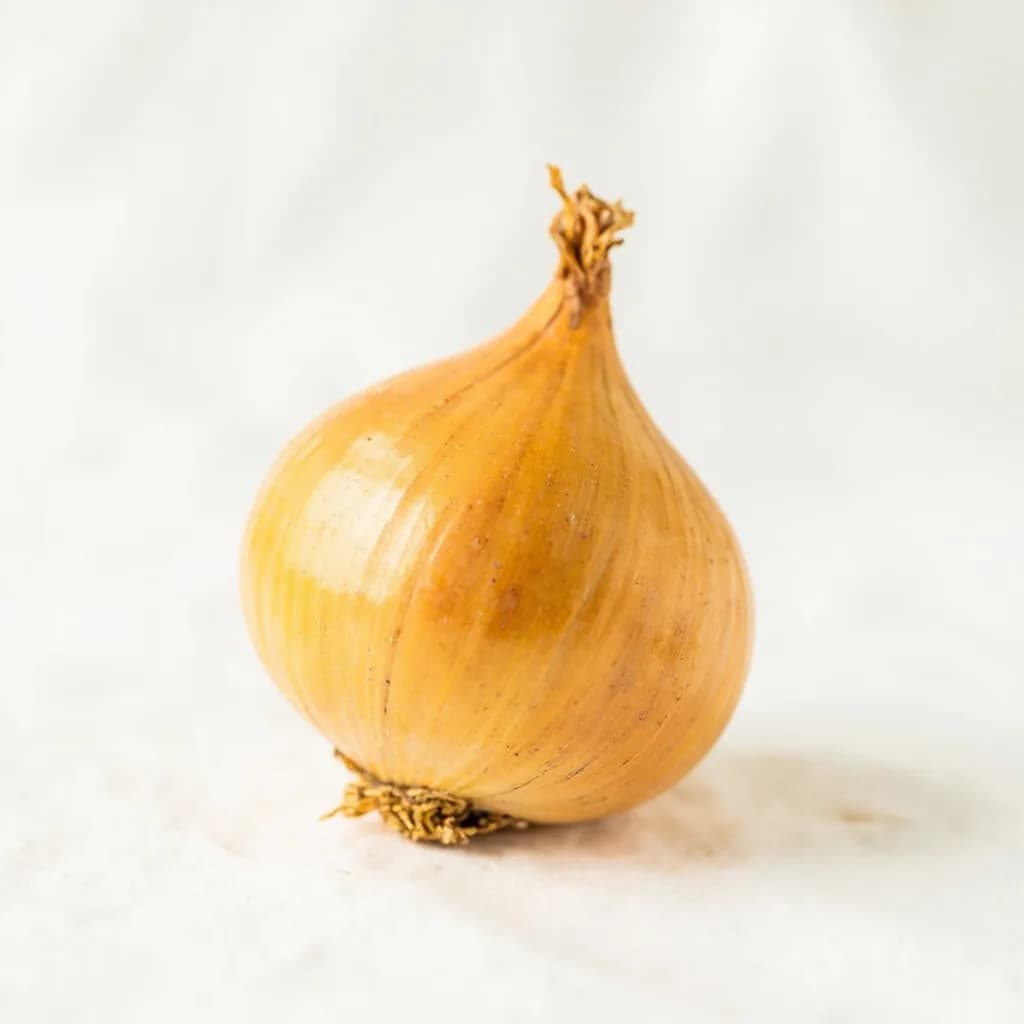
Yellow Onion
The aromatic backbone of soups, sofritos, and braises
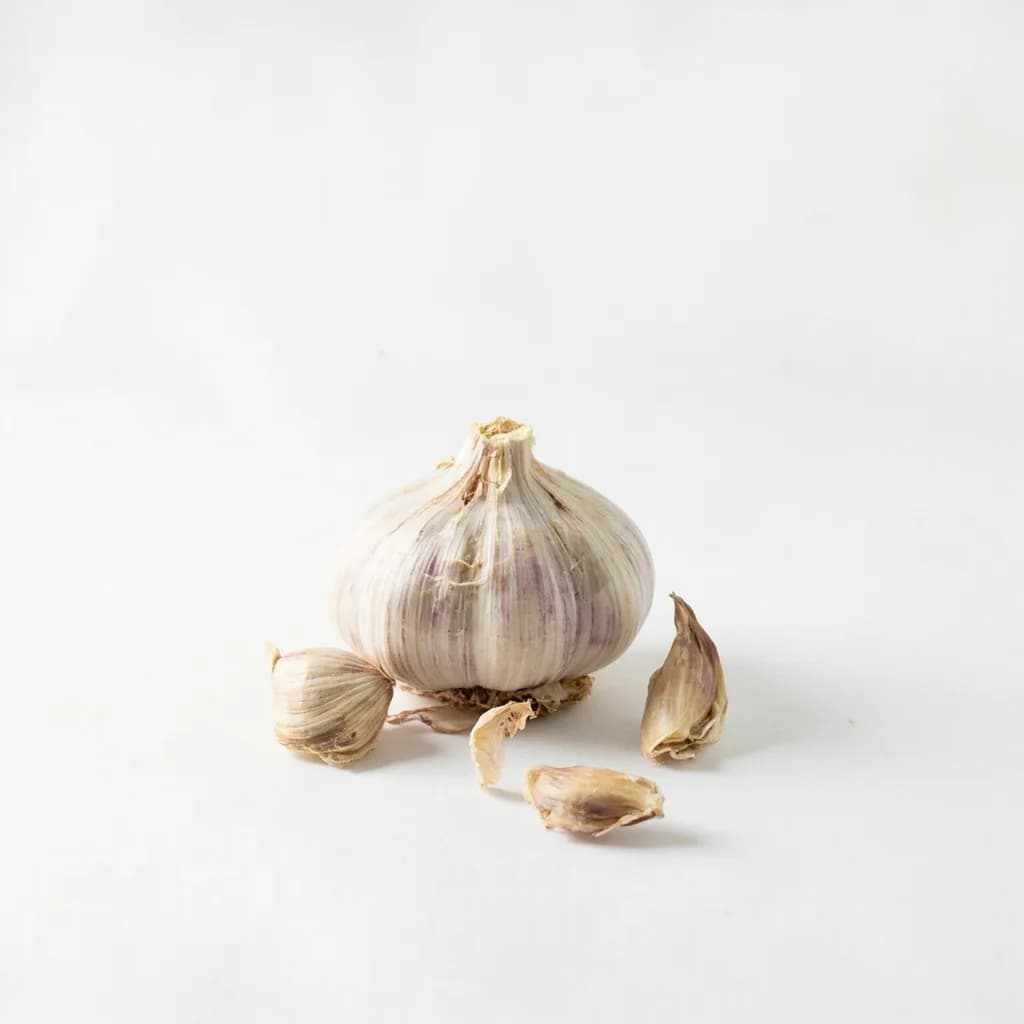
Garlic
Pungent cloves that perfume nearly every savory dish
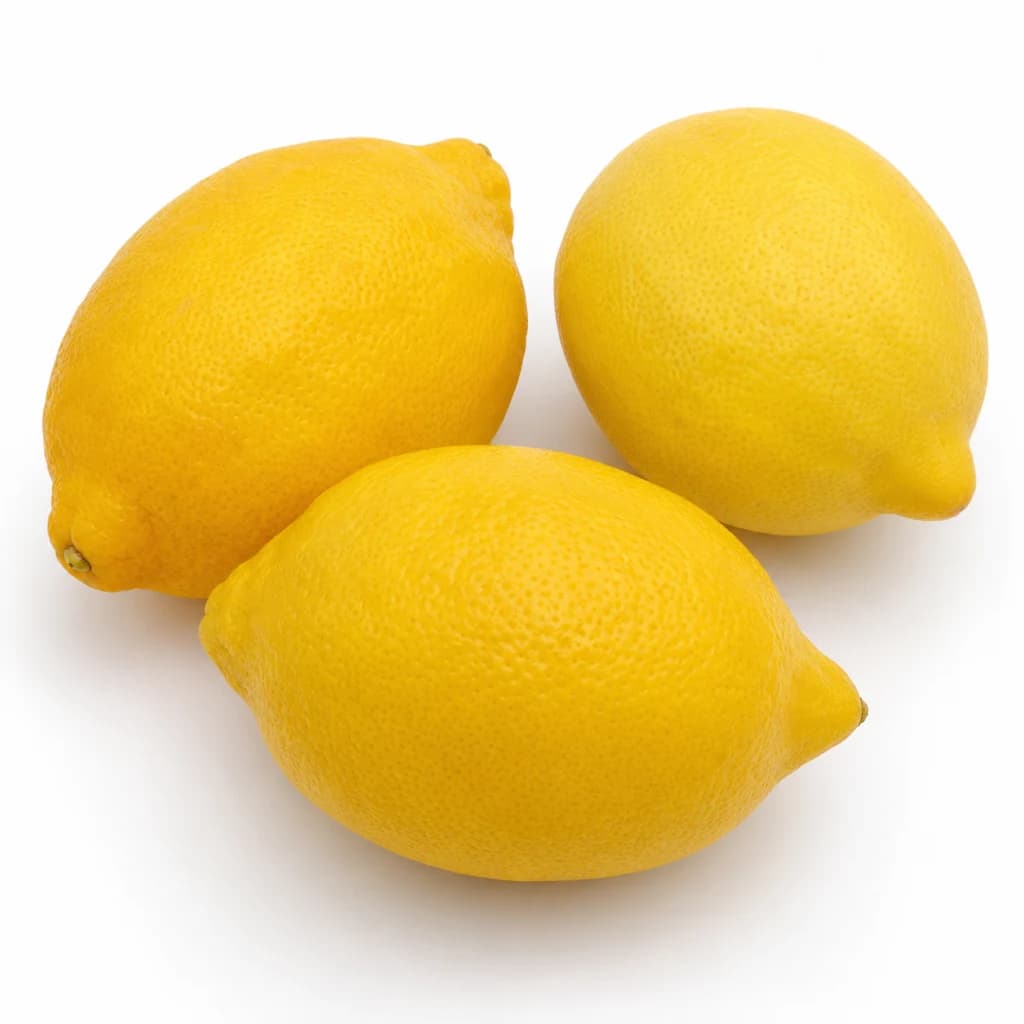
Lemon
Bright, acidic citrus that wakes up almost any dish
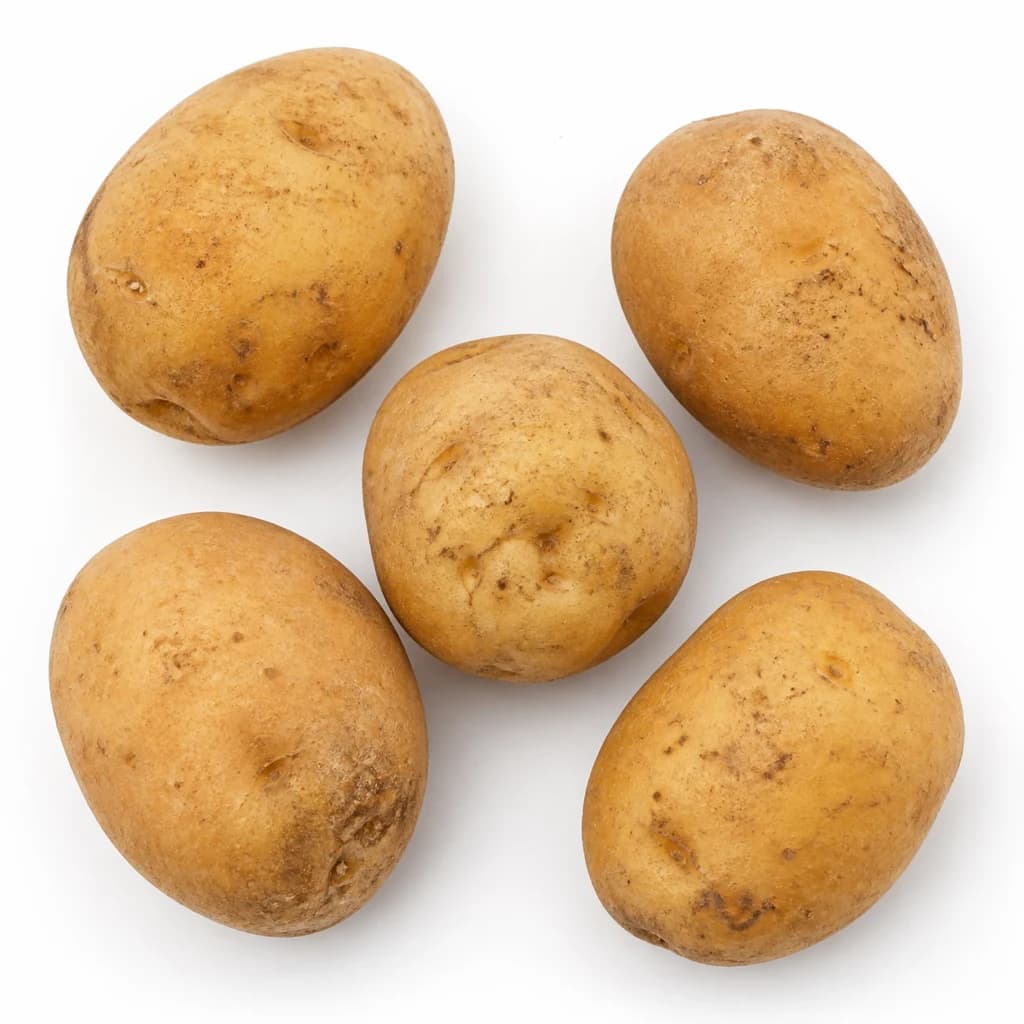
Potato
Humble, hearty staple — roast, mash, fry, or boil
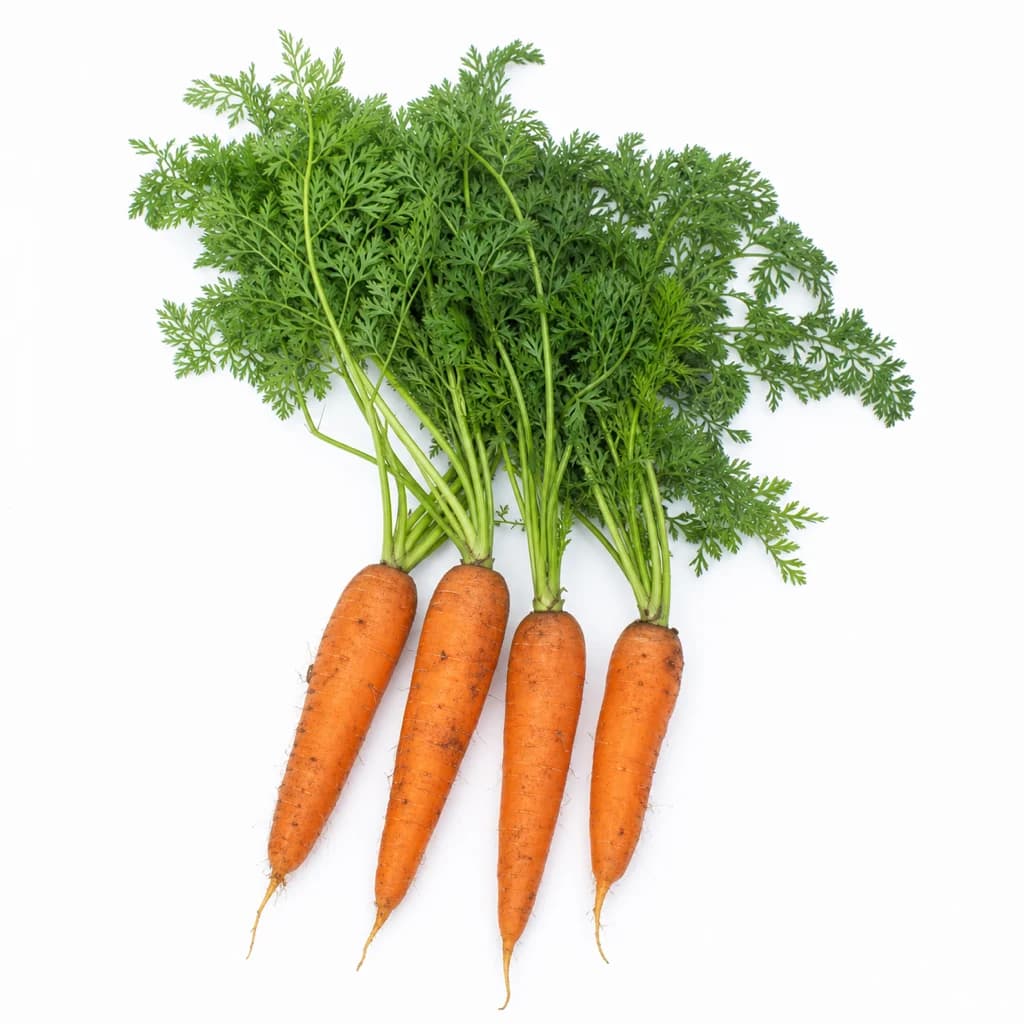
Carrot
Sweet, crunchy root — raw, roasted, or the base of a sofrito
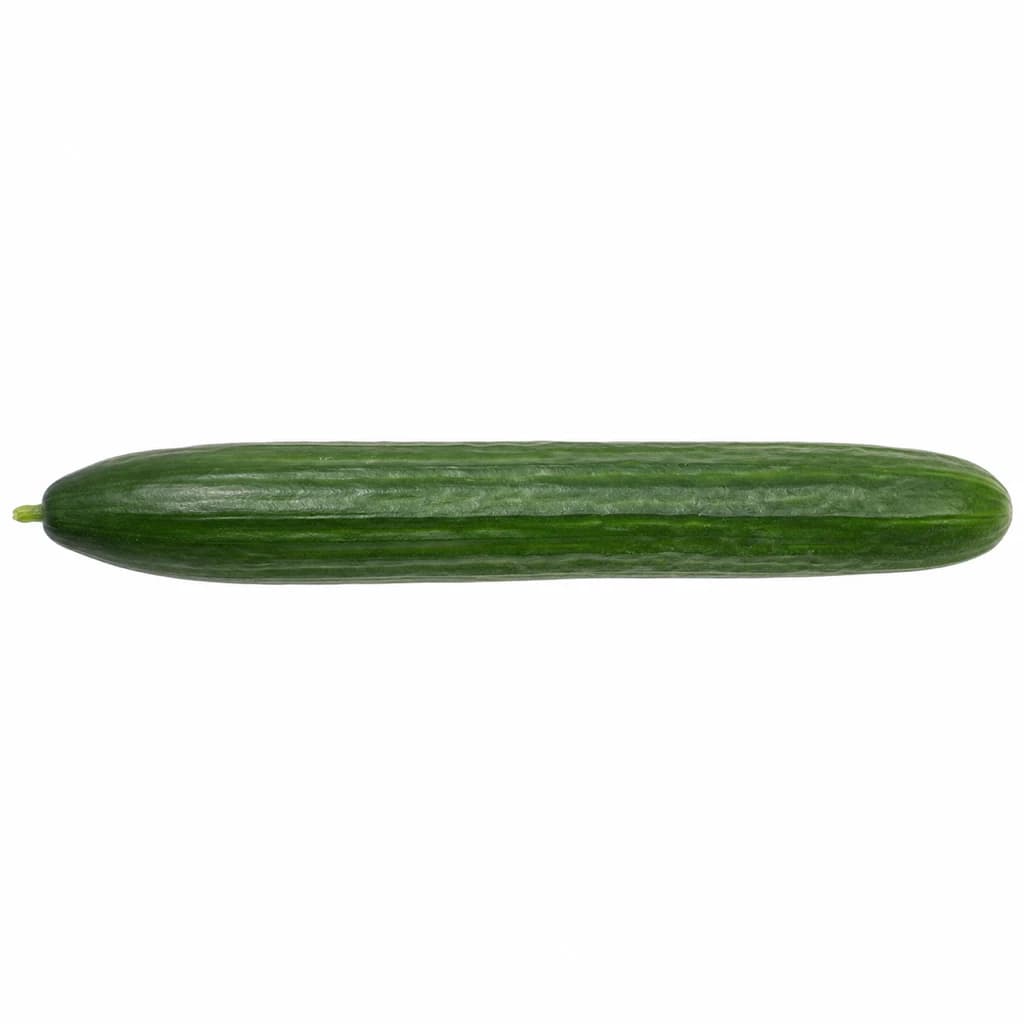
Cucumber
Cool, crisp, and watery — for salads, pickles, and tzatziki

Lettuce
Crisp leaves for salads, wraps, and a fresh crunch