Produce
Fiddlehead Fern
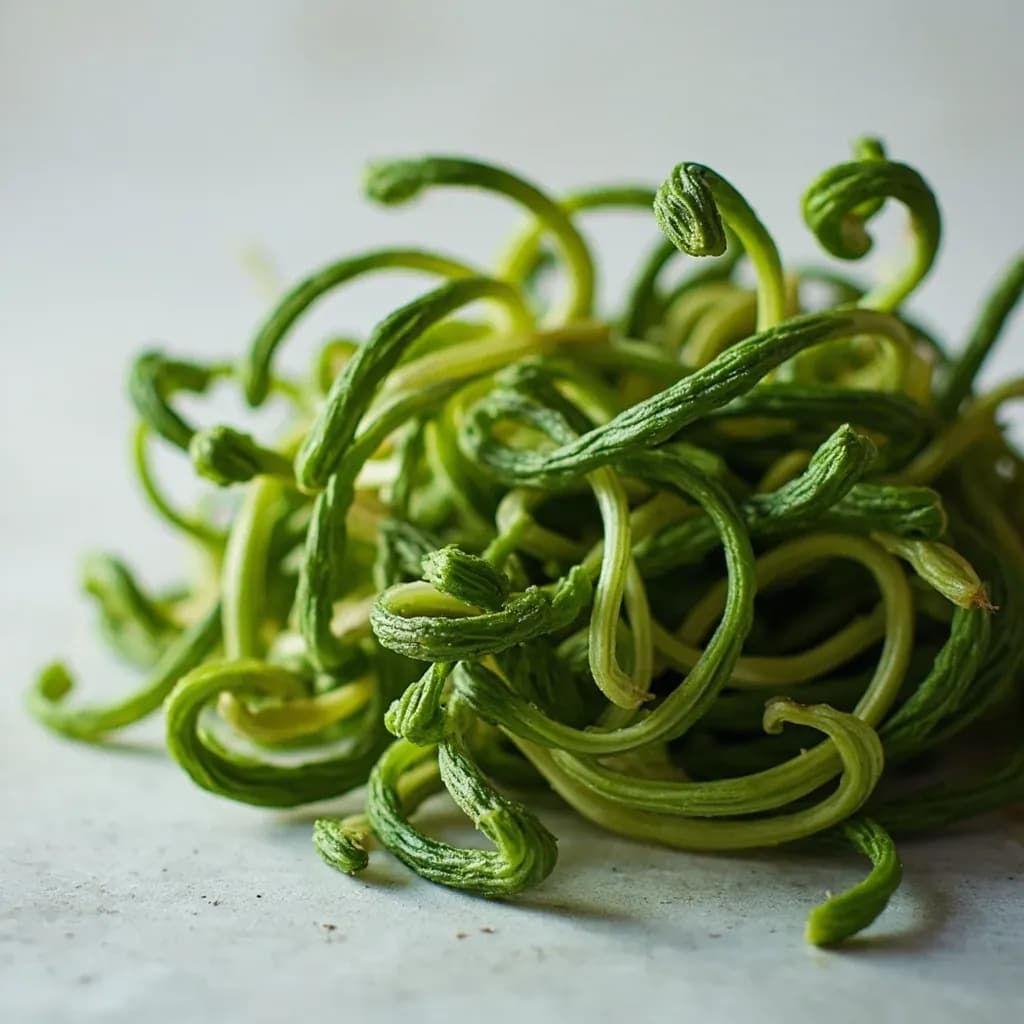
Tightly furled ostrich-fern croziers, a spring foraged green sautéed after thorough cooking.
The fiddlehead is the furled crozier of the ostrich fern, a prized springtime foraged vegetable, especially in Canada and the northeastern United States. Picked before the frond opens, it is trimmed, rinsed of its papery scales, and sautéed, steamed, or pickled. Its flavor recalls asparagus and green beans with a faint nuttiness, and it must always be cooked through before eating.
Fiddlehead ferns are the tightly coiled young croziers of the ostrich fern (Matteuccia struthiopteris), one of the few wild vegetables to inspire genuine culinary reverence. They emerge in northeastern North America for just two to three weeks each spring—typically late April through May—pushing up from forest floors in dense, urn-shaped clusters that gardeners and foragers watch for eagerly. The coil's tight spiral, resembling the curled top of a violin or fiddle, unfurls into the tall, vase-shaped fronds of the mature fern within days if left unharvested. This ephemeral quality, combined with their wild provenance and the labor of gathering them from damp woodland margins, has elevated fiddleheads from survival food to a seasonal delicacy celebrated in farm-to-table restaurants and traditional home kitchens alike.
Their flavor is mild and vegetal, with a faint grassy note and earthy undertone often compared to asparagus crossed with artichoke. The texture is the real test of proper cooking: tender-crisp with genuine snap, the stems yielding while retaining resistance—not mushy, not raw. This balance requires attention; undercooking is not a matter of preference but of safety. Raw fiddleheads contain still-unidentified toxins, likely enzymatic in nature, that have caused documented outbreaks of severe gastrointestinal illness at restaurants and catered events. The FDA has issued guidance: fiddleheads must be cooked thoroughly, either by boiling or sautéing, for a minimum of 15–20 minutes. Blanching first, then finishing with quick high-heat cooking, is the technique that delivers both safety and texture.
Beyond North America, fern shoots appear in Asian cuisines: warabi in Japan, gosari in Korea, typically prepared differently and from different species. But within the New England and Canadian Maritimes tradition, fiddleheads have become a touchstone of spring—foraged, ephemeral, and demanding respect for both the ingredient and the land that produced it.
- Measured in
- g
- Storage
- Fridge
Types & varieties
The primary edible fiddlehead in North America; smooth stems with a U-shaped groove on the inside; mildest flavor and safest when properly identified
Higher in ptaquiloside, a carcinogen; not recommended; triangular frond shape distinguishes it from ostrich fern; used as a traditional food ingredient in parts of Europe and Korea (gosari)
Edible but different texture; fuzzy when young; more common in the southeastern United States
Less commonly harvested; different growth habit; acceptable but not traditionally prized for culinary use
Identification and Safe Harvesting
Correct identification is non-negotiable when foraging fiddleheads. The ostrich fern produces fiddleheads with a smooth, light-green stem and a distinctive U-shaped groove running along the inner curve. A brown papery husk clings to the tightly coiled spiral and must be removed during cleaning. Bracken ferns, by contrast, have a rougher texture and triangular frond shape that distinguishes them even before uncoiling. Harvest only tightly coiled, firm fiddleheads; once a frond has begun unfurling, it is too mature and will be tough and bitter. Always harvest from pristine areas—away from roadsides, industrial sites, and areas where pesticides or herbicides may have been used.
- Smooth, light-green stem with U-shaped inner groove indicates ostrich fern
- Brown papery husk must be removed; rinse thoroughly under cold water
- Tightly coiled and firm only; discard any showing signs of unfurling
- Harvest from pristine areas; avoid roadsides and treated land
Cleaning and Prep
After harvest, clean fiddleheads immediately. Remove all the papery brown husk fragments by hand while rinsing under cold running water—this is tedious but essential, as residual husk bits are gritty and unpleasant. Trim any tough stem ends with a sharp knife; the tender upper portion and the tight coil itself are what you want. Expect to lose 30–40% of the raw weight in cleaning and trimming. Pat the cleaned fiddleheads dry thoroughly with clean towels before cooking; excess moisture causes steaming rather than sautéing and compromises texture.
- Remove all brown husk fragments by hand during rinsing
- Trim tough stem ends; use only tender upper portions and coils
- Expect 30–40% weight loss after cleaning
- Pat completely dry before cooking to avoid steaming
Common uses
Tips & pitfalls
- Harvest only tightly coiled, firm fiddleheads; fully unfurled fronds are too mature and will be tough
- Clean thoroughly under cold running water, removing every trace of papery brown husk fragments
- Trim any tough stem ends; the tender upper portion and coil cook more evenly
- Blanch in salted boiling water for 3–4 minutes before any quick-cook method to ensure safety
- Pat completely dry after blanching to prevent splattering when sautéing
- Do not overcook—fiddleheads should retain a slight snap; mushy texture means they are overdone
- Sauté in batches over high heat to maintain texture rather than steaming in their own moisture
- When in doubt about identification, leave it out—mistaking other fern species can be serious
- Frozen fiddleheads must still be cooked thoroughly; do not thaw and eat raw
- Harvest from pristine areas; fiddleheads near roadsides may carry vehicle exhaust contaminants
Nutrition
Energy
142 kJ · per 100 g
Where the calories come from
Protein
4.6g
9% DV
Carbs
5.5g
2% DV
Fat
0.4g
1% DV
Sodium
1mg
0% DV
Source · USDA FoodData Central · Fiddlehead ferns, raw
View on FDC →In the shops
Matched grocery products
No matched grocery products for Fiddlehead Fern yet.
Good to know
- Scientific name
- Matteuccia struthiopteris (ostrich fern)
- Season
- Spring; peak harvest April–May, lasting only 2–3 weeks
- Source
- Wild-foraged; not commercially cultivated in significant quantities
- Flavor
- Mild, vegetal, faintly grassy with an earthiness reminiscent of asparagus and artichoke
- Texture
- Tender-crisp when cooked; should retain slight resistance, not turn mushy
- Toxicity
- Raw fiddleheads contain unidentified toxins (likely enzymatic) that cause gastrointestinal illness; must be cooked thoroughly
- Minimum cook time
- 15–20 minutes boiling or sautéing; do not eat raw or undercooked
- Storage
- Refrigerate unwashed in a plastic bag up to 5 days; freeze blanched fiddleheads up to 6 months
- Yield
- Approximately 60–70% after cleaning and trimming
Substitutes
- Asparagus — Closest in texture and cooking behavior; similar visual appeal; different but complementary flavor
- Broccoli rabe (rapini) — Similar earthy bitterness; holds up to same cooking methods; slightly more assertive
- Green beans — Comparable texture and cook time; more neutral flavor; good practical substitute in most applications
- Baby bok choy — Works for stir-fry applications; different flavor but similar tender-crisp target texture
- Spinach or Swiss chard — For pureed soup applications; not a textural substitute but functional in cooked preparations
Also called
Nakey · Fiddleheads · Ostrich Fern Shoots · Tête de Violon · Ostrich Fern Crozier
Appears in these dishes
Related
Tomato
Juicy, sun-sweet fruit for sauces, salads, and slow-cooked depth
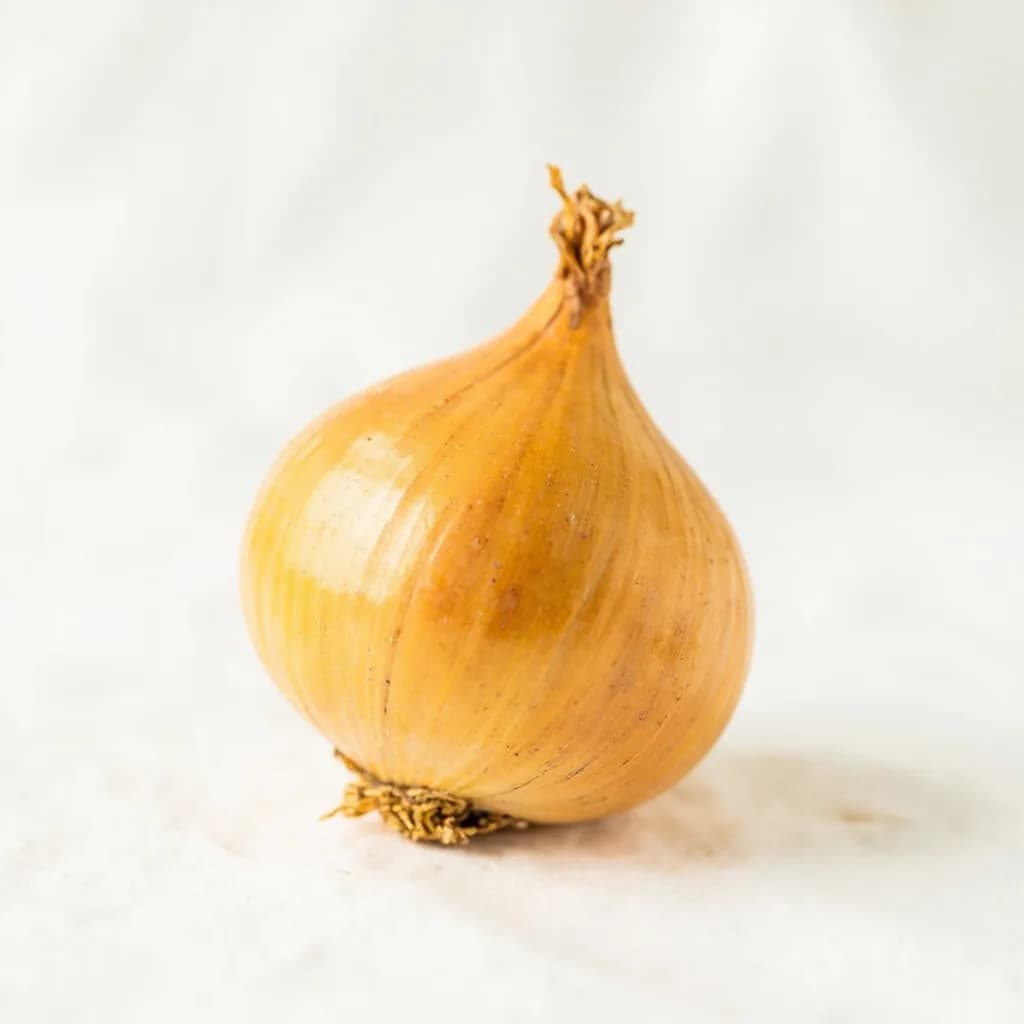
Yellow Onion
The aromatic backbone of soups, sofritos, and braises
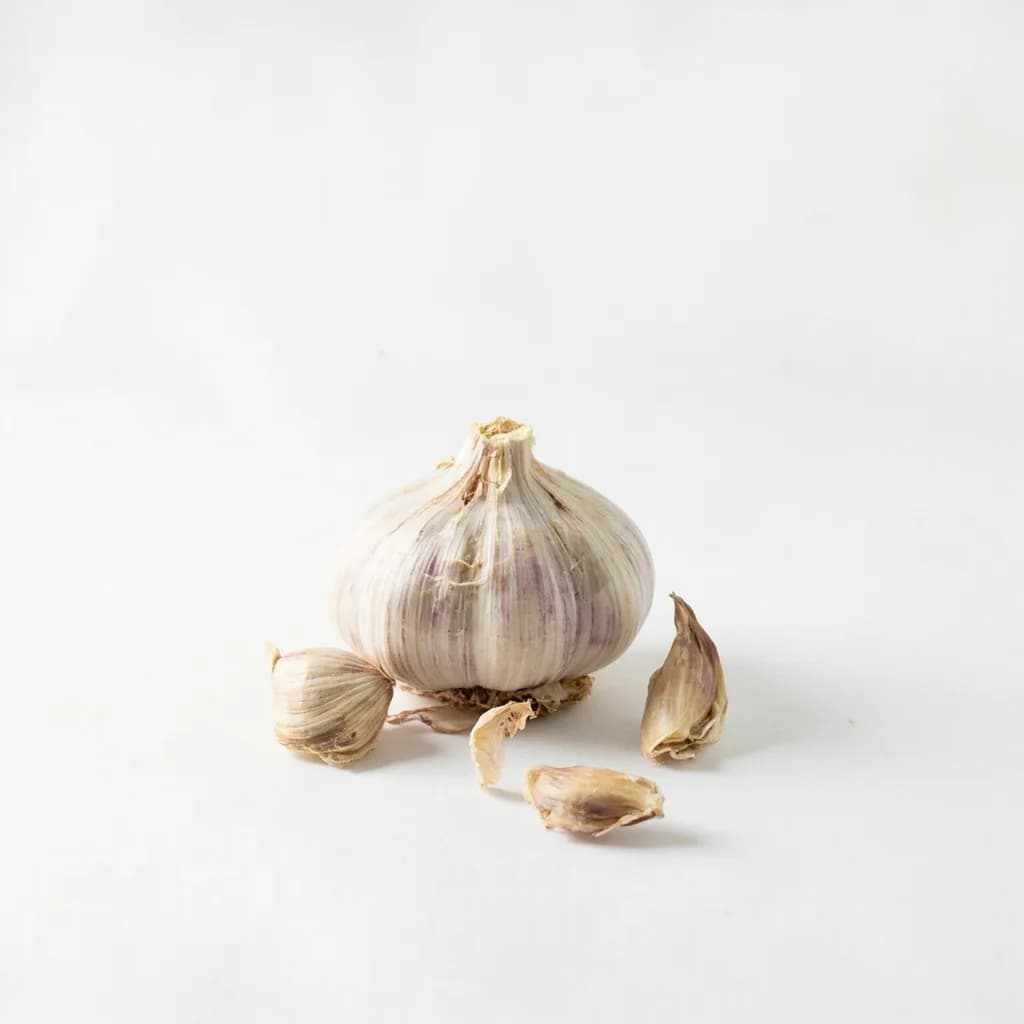
Garlic
Pungent cloves that perfume nearly every savory dish
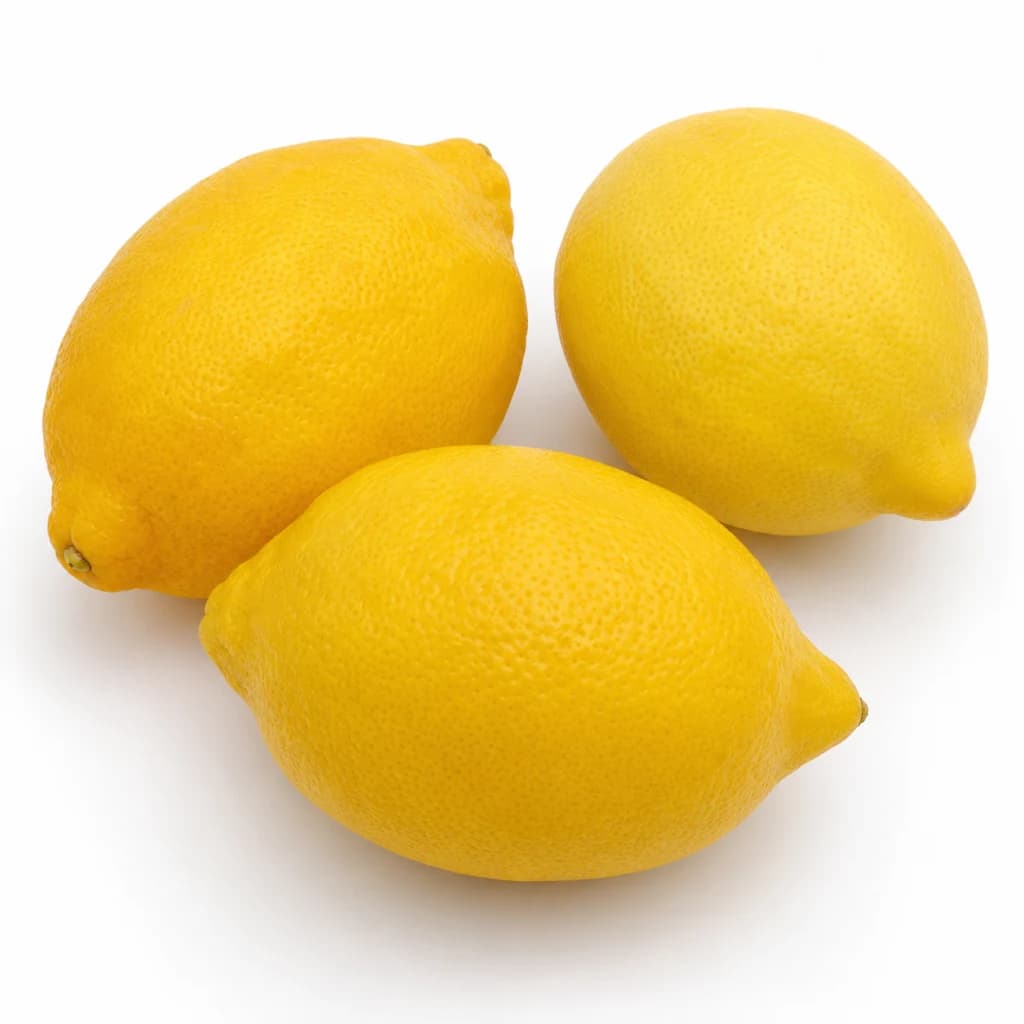
Lemon
Bright, acidic citrus that wakes up almost any dish
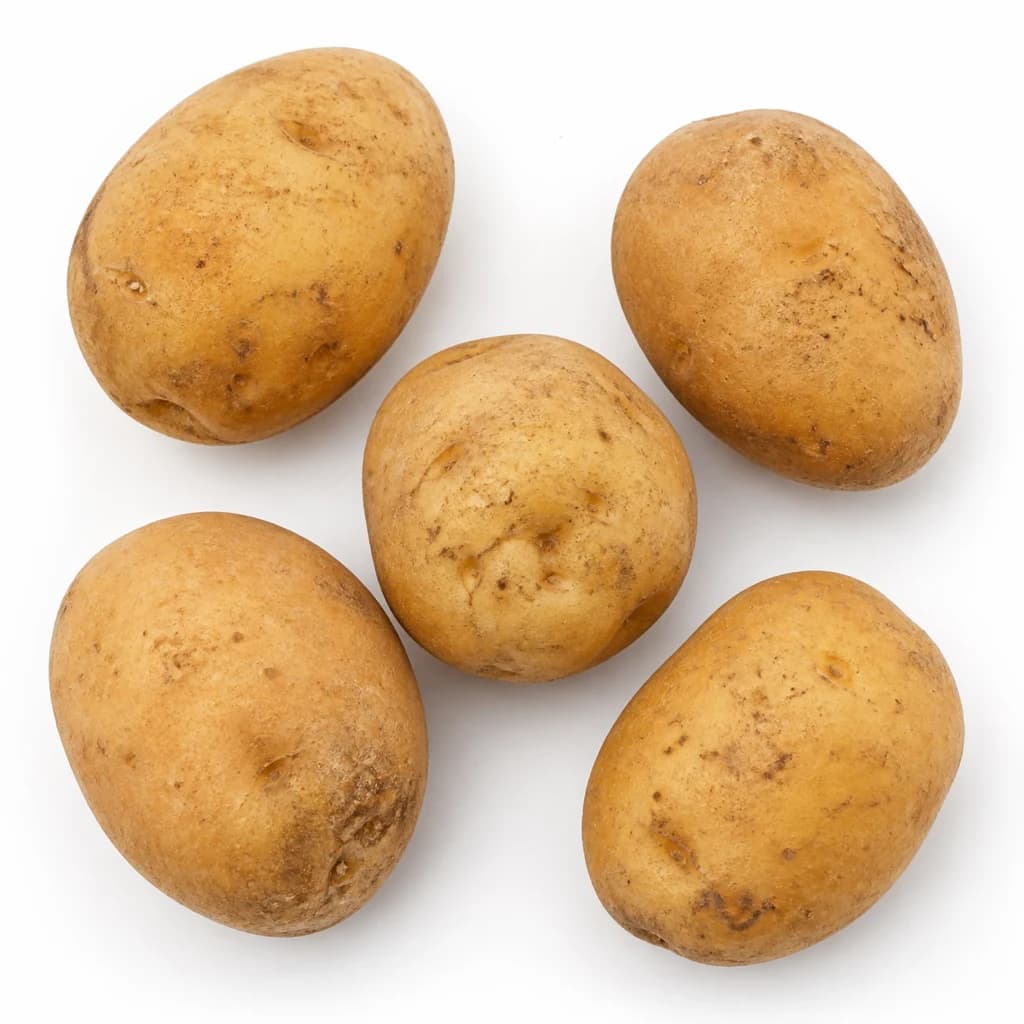
Potato
Humble, hearty staple — roast, mash, fry, or boil
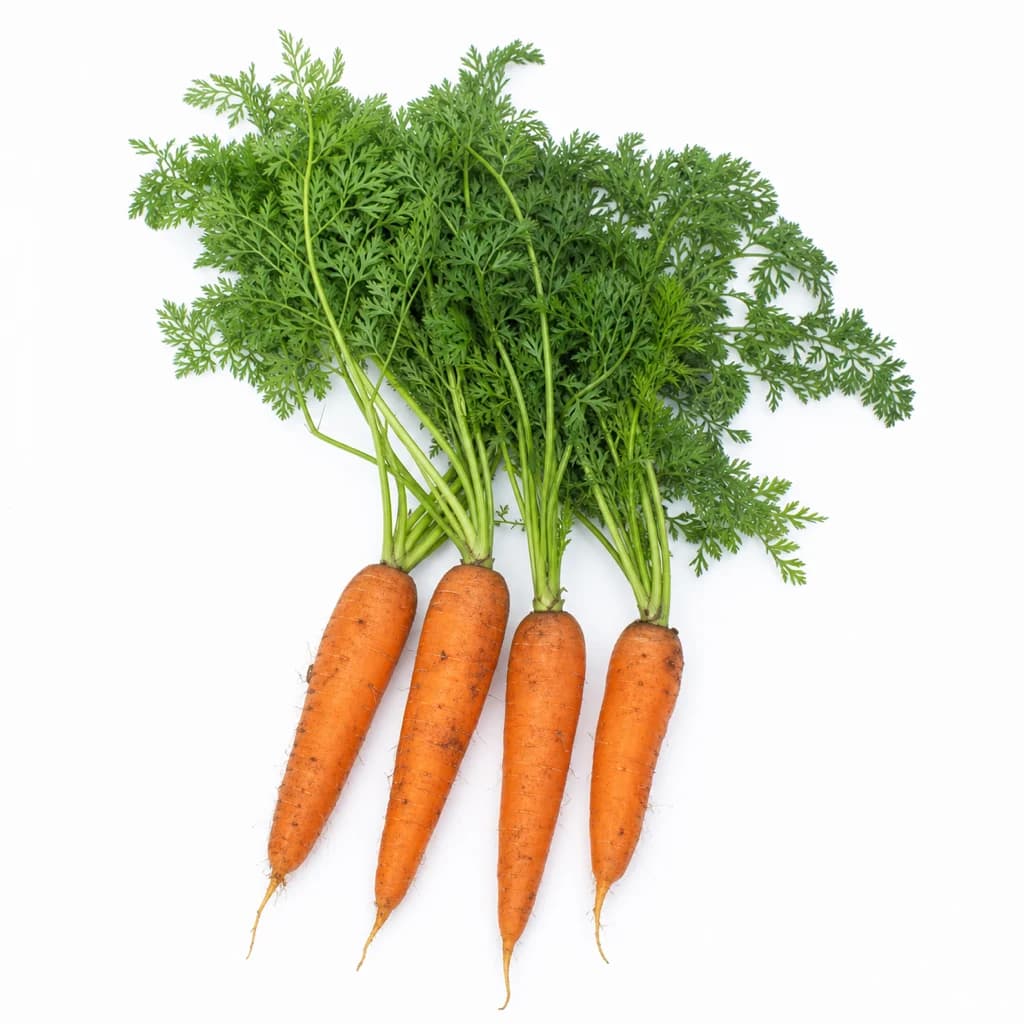
Carrot
Sweet, crunchy root — raw, roasted, or the base of a sofrito
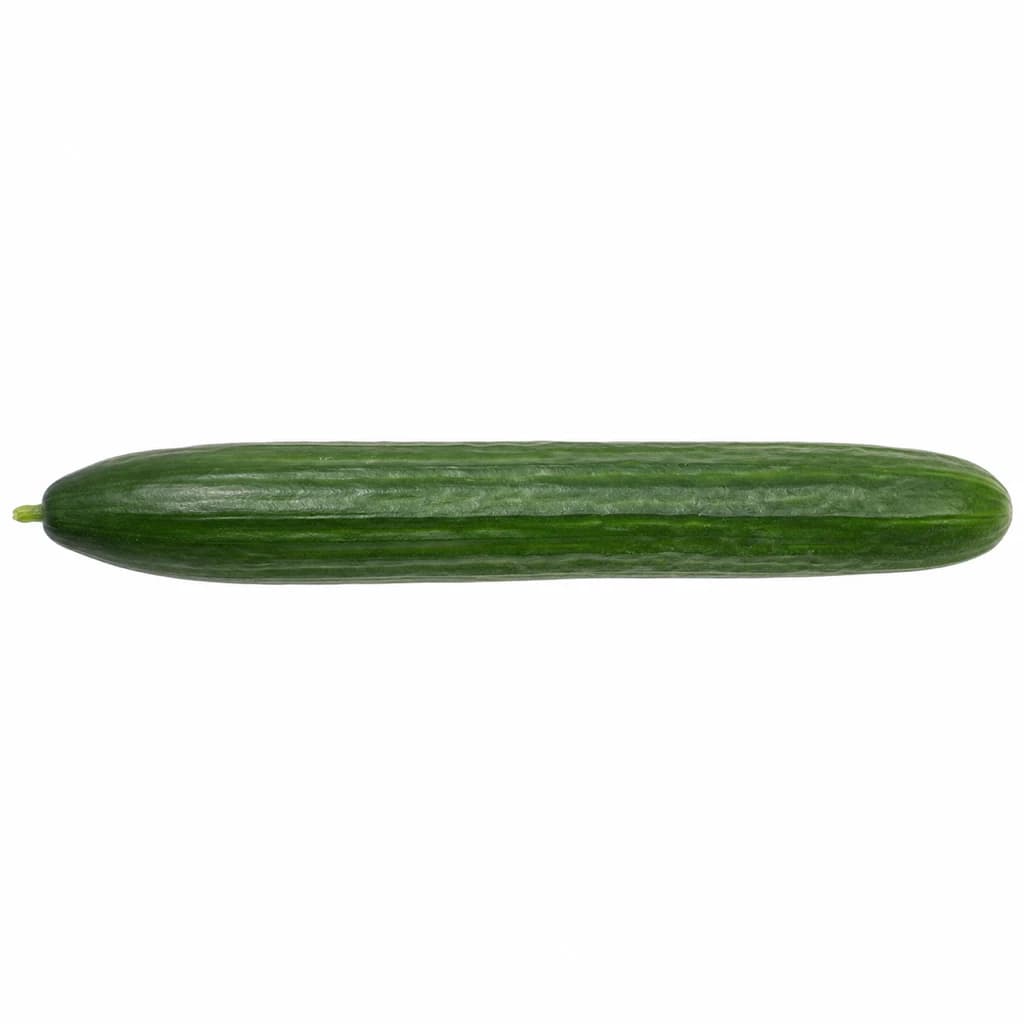
Cucumber
Cool, crisp, and watery — for salads, pickles, and tzatziki

Lettuce
Crisp leaves for salads, wraps, and a fresh crunch