Legumes & Beans
Grass Pea
Hardy drought-tolerant pea used in Ethiopian and South Asian stews and flatbreads.
Grass pea is a hardy, drought-tolerant legume with angular seeds, valued where other crops fail. It is ground into flour for Ethiopian dishes and Indian breads and stews, and used as a split pulse in regional dals. It should be eaten in moderation and well-prepared, as heavy long-term reliance on it can be harmful.
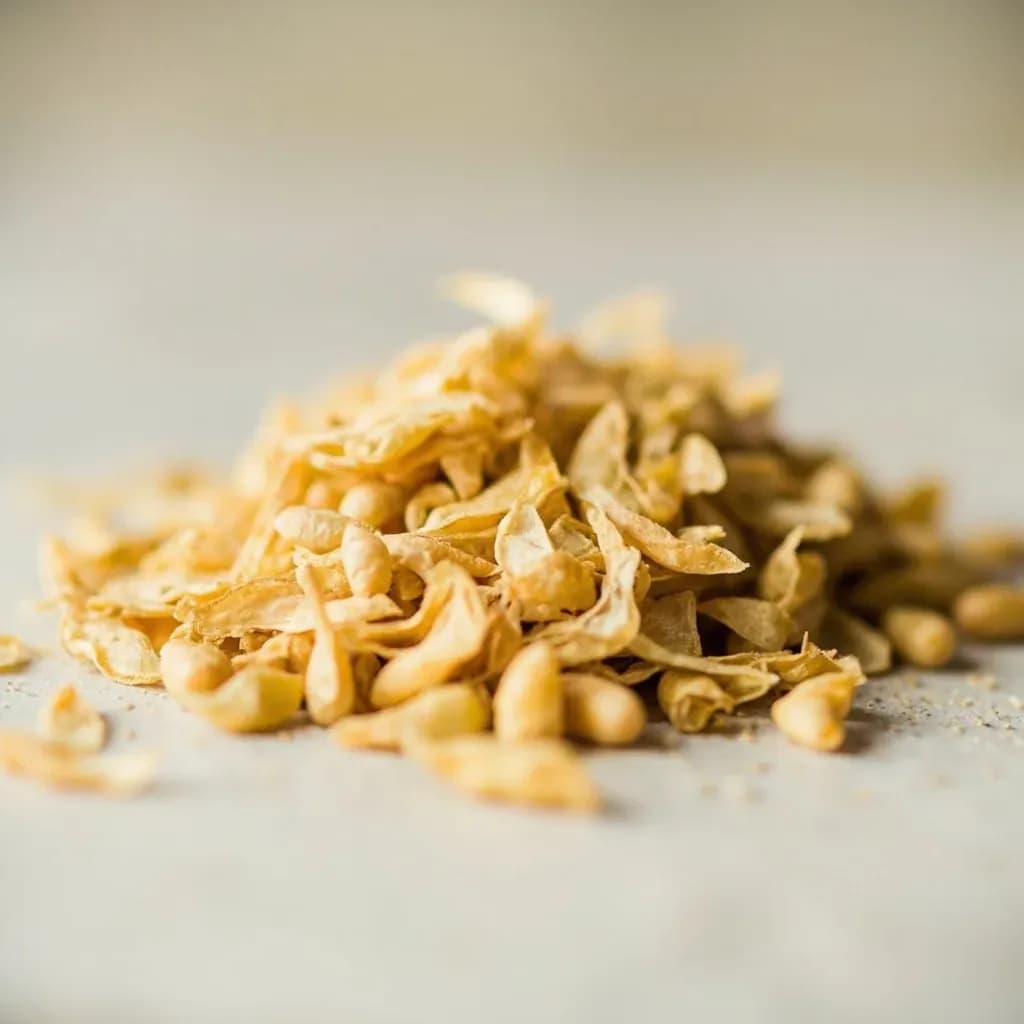
Grass pea (Lathyrus sativus) is one of the hardiest legumes in existence — a small, lens-shaped seed that germinates in drought, survives waterlogged soil, and yields a crop on terrain where almost nothing else will grow. Belonging to the Fabaceae family, it has been cultivated in the Mediterranean and Near East for at least 9,000 years and remains a dietary cornerstone in Ethiopia, South Asia, and parts of Spain. The dried seeds — cream, gray-green, or mottled depending on variety — are mild and slightly nutty with an earthy, starchy backbone, less sweet than garden peas. They are sold whole, split, or ground into flour and behave much like yellow split peas in the pot: they hold their shape reasonably well in stews but will break down into a creamy dal if cooked long enough.
Grass pea's agricultural resilience has made it a literal lifesaver in famine conditions, which is also the source of its most serious limitation. The seed contains a neurotoxin called ODAP (β-N-oxalyl-L-α,β-diaminopropionic acid). Chronic overconsumption — meaning consumption as a near-exclusive staple over weeks or months — is linked to neurolathyrism, an irreversible paralytic condition. Traditional food cultures that use grass pea have long known this and have built in safeguards: mixing it with other staples, limiting the proportion in flatbreads, discarding soaking water, and rotating it with other crops. For a cook using it occasionally as part of a varied diet, the risk is negligible. Modern breeding has produced low-ODAP varieties (such as 'Pratima' and 'Ratan') that expand its safety margin further.
In the kitchen, grass pea is valued for its adaptability. It simmers into thick, comforting stews, grinds into a protein-rich flour for flatbreads, and roasts into a satisfying snack. Its mild flavor means it takes on bold seasonings readily — Ethiopian berbere and niter kibbeh, Indian cumin-turmeric tempering, or Spanish smoked paprika. The legume is forgiving: it does not demand precise timing or special equipment, though a heavy-bottomed pot or pressure cooker makes short work of stews, and a spice grinder or stone mill produces the best flour.
- Measured in
- g
- Storage
- Pantry
Types & varieties
Produces cream-colored seeds; most common in commercial trade and export
Produces gray-green or speckled seeds; often slightly higher in protein with a more pronounced earthy flavor
Numerous named regional varieties: 'Guania' in Ethiopia, 'Simri' and 'LS-1' in India, 'Bela' in Nepal. Vary in seed size, color, and ODAP content
Understanding the ODAP concern
Grass pea contains the neurotoxin ODAP (β-N-oxalyl-L-α,β-diaminopropionic acid), which causes neurolathyrism — an irreversible spastic paralysis of the legs — when consumed as a near-exclusive staple over an extended period. This is not a food-safety issue in the conventional sense: it is a dietary pattern problem. Traditional cultures that have used grass pea for millennia developed preparation methods specifically to reduce toxin content. The key safeguards are discarding soaking water, cooking in fresh water, mixing with other grains and legumes, and limiting the proportion in any single dish. For occasional cooking in a varied diet, these risks are effectively managed. Modern low-ODAP cultivars (e.g., 'Pratima', 'Ratan') further reduce the concern for home cooks sourcing from reputable suppliers.
- Discard soaking water and cook in fresh water — this removes a significant portion of water-soluble ODAP
- Use as one component of a varied diet; do not rely on it as the sole protein source for weeks on end
- Traditional preparation methods in Ethiopia and India evolved precisely to mitigate this risk
Buying and storing
Grass pea is available dried at South Asian and Ethiopian grocery stores, specialty food markets, and online. Look for whole dried seeds or split peas (the split form cooks faster). The seeds should be hard, uniform in color, and free of moisture or insect damage. Ground flour is less widely available; it is easy to make at home by roasting dried peas and grinding them in a spice grinder or stone mill. Store dried peas in an airtight container in a cool, dark, dry place — they keep for 1–2 years without notable degradation. Cooked peas keep refrigerated for 3–4 days and freeze well for longer storage.
- Check for a supplier with good turnover — older stock may have faded color and reduced flavor
- Whole dried peas are more versatile than pre-ground flour; grind as needed for fresher flavor
- If purchasing flour, store in the freezer to extend shelf life and prevent rancidity
Common uses
Tips & pitfalls
- Soak dried peas 4–8 hours or overnight before cooking — this reduces cooking time substantially and helps leach water-soluble ODAP
- Cook in generously salted water; the peas absorb seasoning far better after soaking than if salt is added at the end
- For stews, add acid (tomato, lemon) only after peas have fully softened — early acid can prevent proper cooking and result in firm, uneven centers
- Roast dried peas before grinding into flour to deepen flavor and improve shelf life; toast in a dry pan over medium heat until lightly fragrant and golden
- Pair with a tempering (tadka in Indian cooking, qikur in Ethiopian cooking) of mustard seeds, cumin, dried red chili, and asafoetida — the standard aromatic foundation in these traditions
- To reduce ODAP further: discard soaking water and cook in fresh water; traditional cultures developed this step deliberately
- Do not use as a sole dietary staple for extended periods; rotate with other legumes and grains
- Common mistake: Adding salt to soaking water — it can toughen the peas and lengthen cooking time significantly
- Common mistake: Undercooking; peas must be completely tender throughout with no chalky core remaining
- Common mistake: Skipping the soak when making flour — soaked, dried, and roasted peas grind into a finer, less bitter flour
Nutrition
Energy
339 kJ · per 100 g
Where the calories come from
Protein
5.4g
11% DV
Carbs
14.5g
5% DV
Fat
0.4g
1% DV
Fiber
5.7g
20% DV
Sugars
5.7g
of which
Sodium
5mg
0% DV
Source · USDA FoodData Central · approx. Peas, green, raw
View on FDC →In the shops
Matched grocery products
No matched grocery products for Grass Pea yet.
Good to know
- Scientific name
- Lathyrus sativus
- Family
- Fabaceae (Leguminosae)
- Origin
- Mediterranean region and Near East; cultivated for at least 9,000 years
- Primary regions today
- Ethiopia, India, Bangladesh, Nepal, Pakistan, Spain, Italy
- Season
- Dried peas available year-round; harvested in dry season in tropical regions
- Flavor
- Mild, slightly nutty; earthy, starchy backbone, less sweet than garden peas
- Form
- Small lens-shaped seeds; cream, gray-green, or mottled; sold dried whole, split, or ground
- Neurotoxin
- Contains ODAP; safe in moderation as part of a varied diet; chronic exclusive consumption causes neurolathyrism
- Storage (dried)
- 1–2 years in an airtight container in a cool, dark, dry place
- Storage (cooked)
- 3–4 days refrigerated
- Equipment
- Heavy-bottomed pot or pressure cooker for stews; stone mill or spice grinder for flour
- Difficulty
- Low — simple soaking and simmering; no special technique required
Substitutes
- Yellow split peas — Closest texture and mild flavor; most direct substitute in stews and dhals. Use 1:1 ratio.
- Red lentils (masoor dal) — Cook faster and break down creamier; good for quick dals. Adjust liquid ratios as they absorb more.
- Chickpeas (dried, soaked) — More robust flavor and longer cooking time; works in stews but not in delicate flatbreads.
- White beans (navy, cannellini) — Milder flavor, creamier texture; suitable for stews but not traditional flatbread applications.
Pairs with
Also called
Guaya · Khesari · Chickling Pea
Related
Black Beans
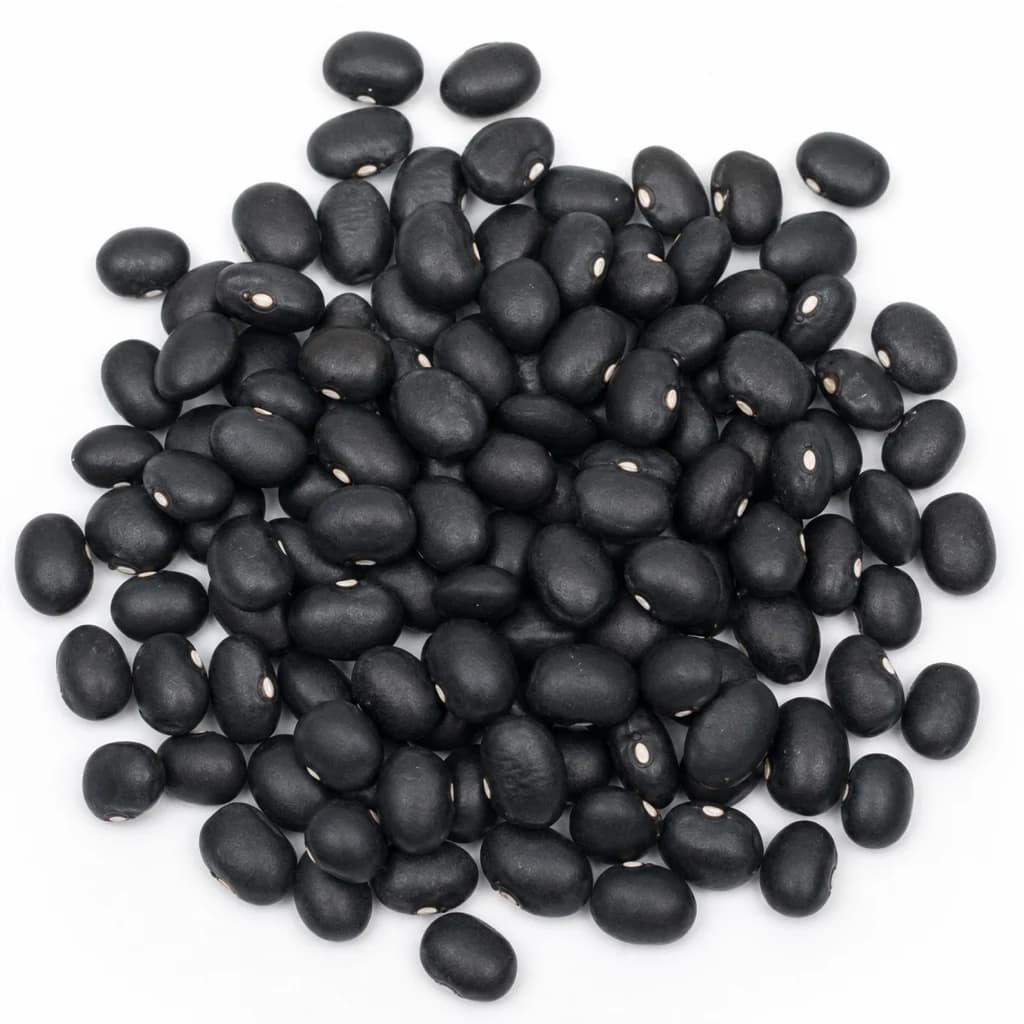
Earthy, creamy beans for bowls, soups, and tacos
Kidney Beans
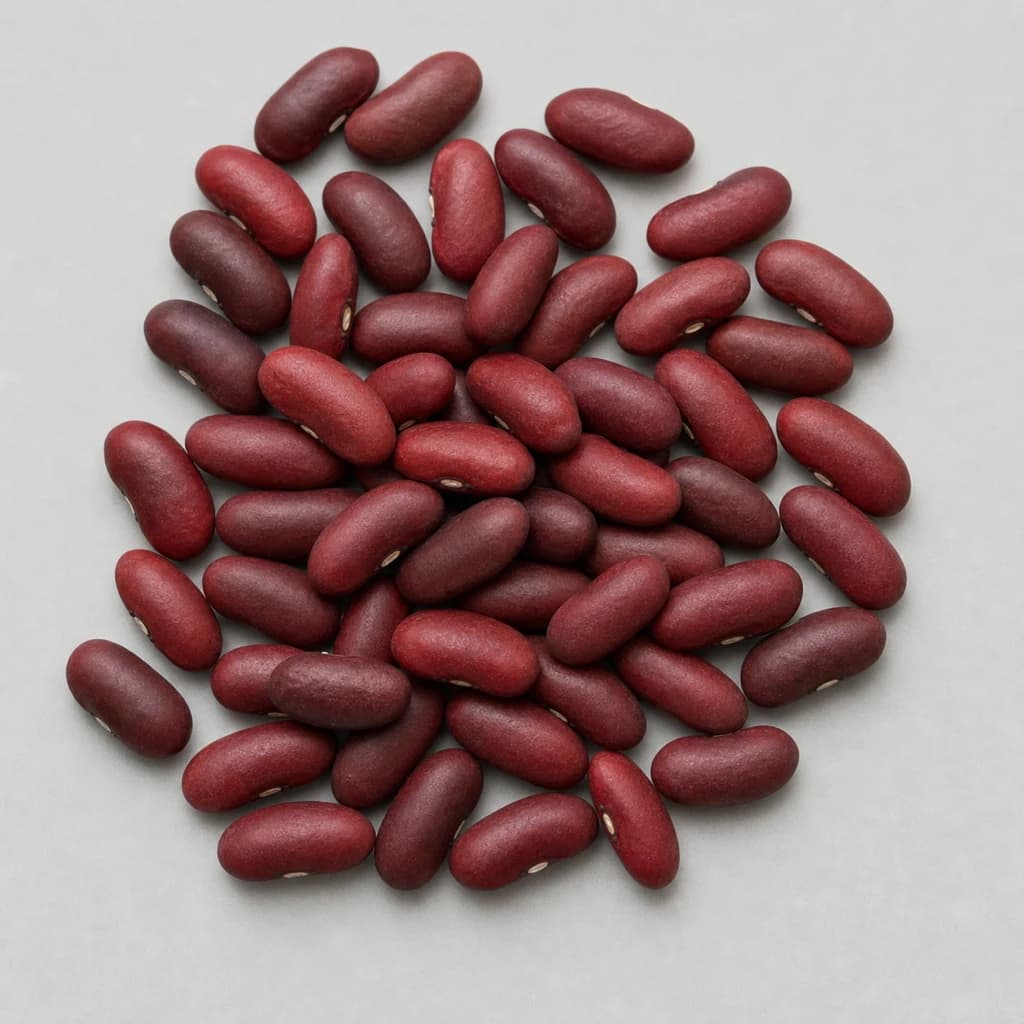
Hearty red beans that hold their shape in chili and stews
Chickpeas
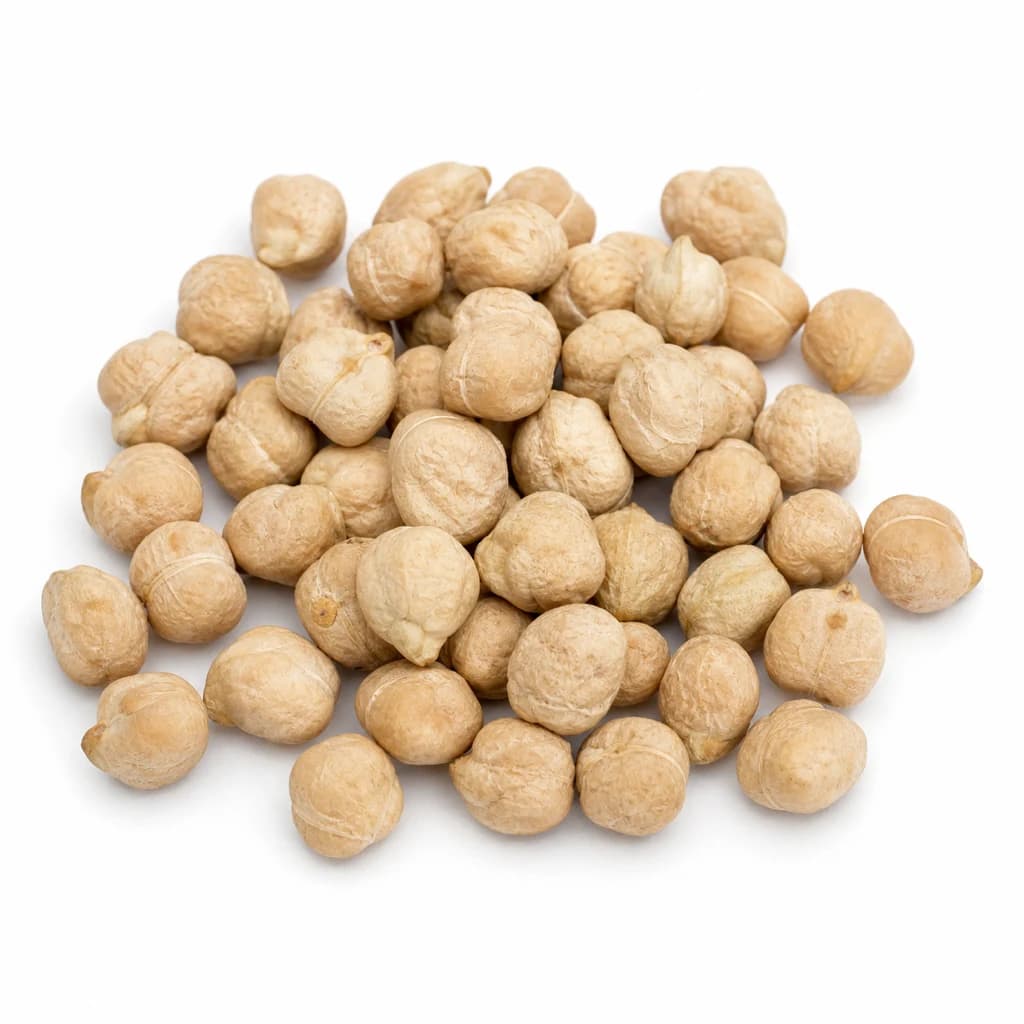
Nutty, versatile beans for hummus, curries, and roasting
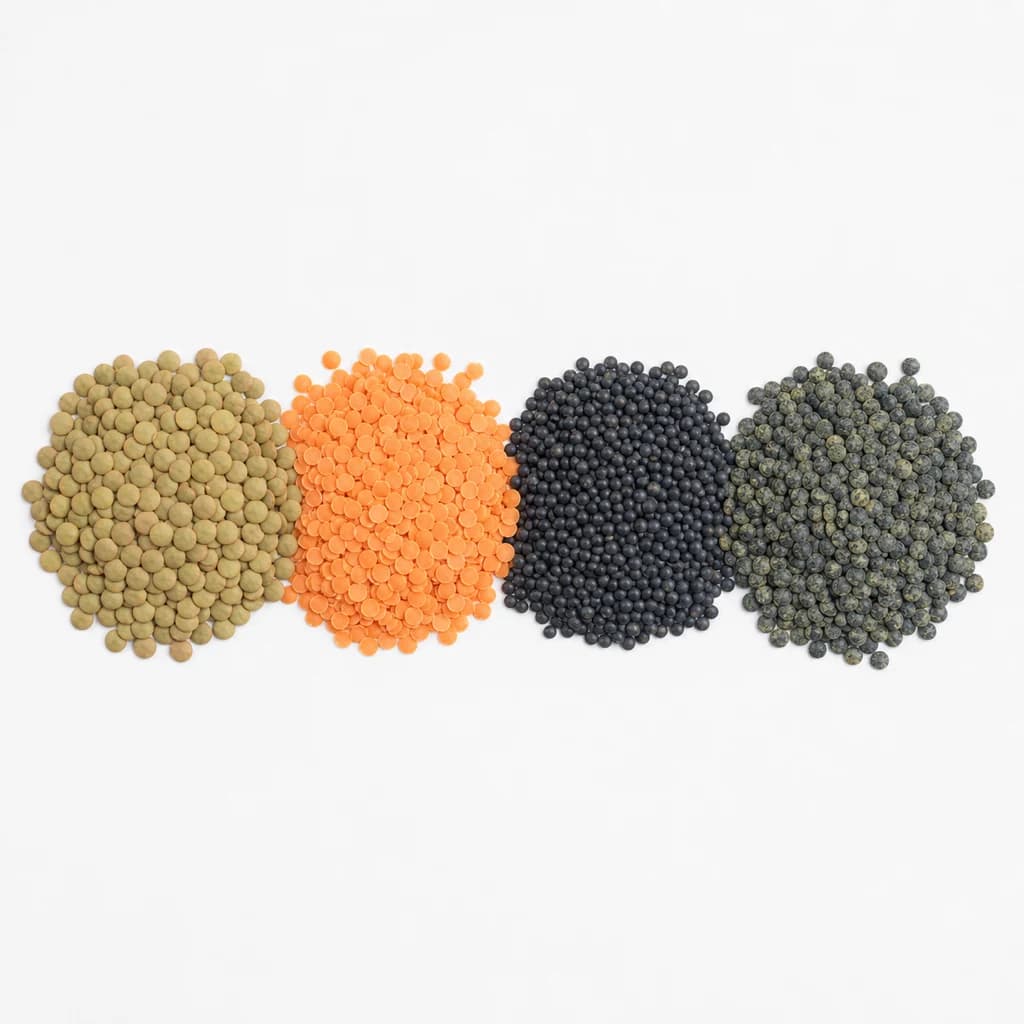
Lentils
Quick-cooking pulses for soups, dals, and hearty salads

White Beans
Creamy, mild beans for soups, stews, and silky purées
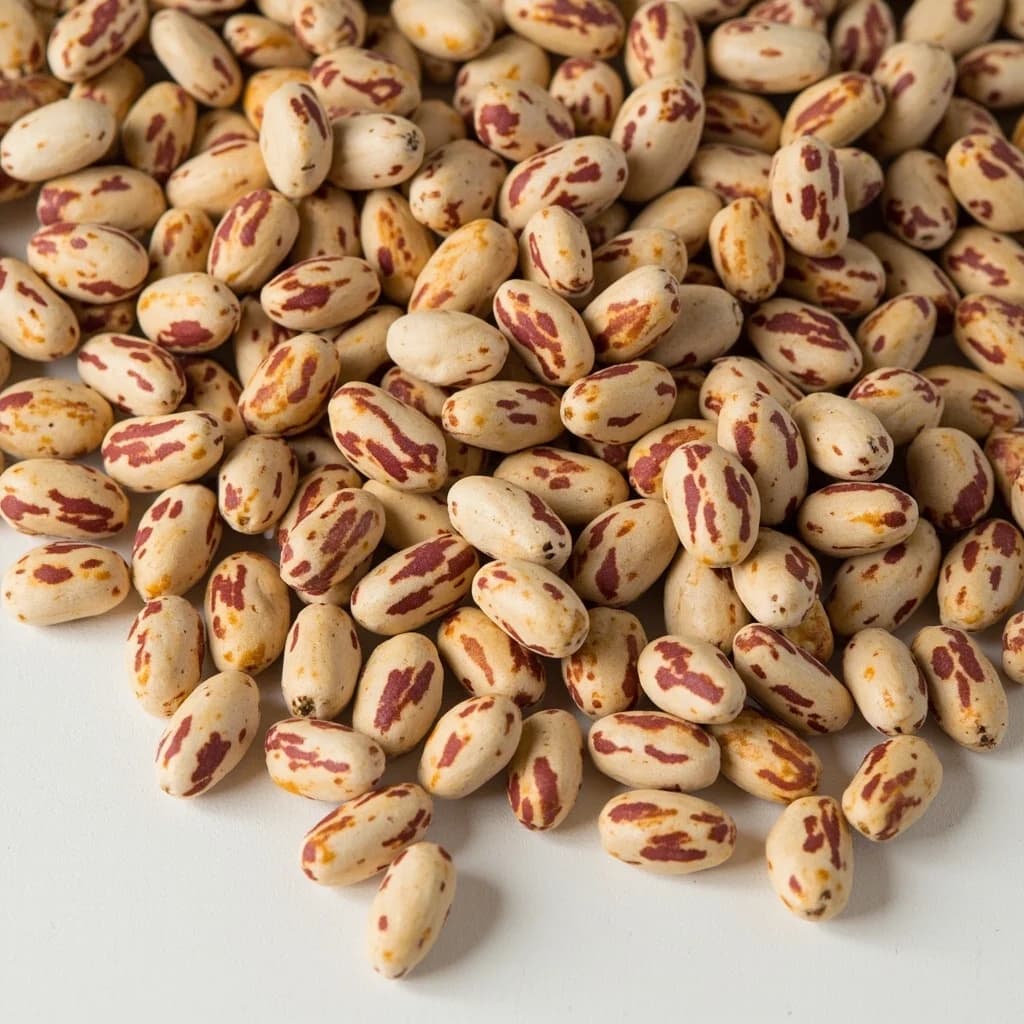
Pinto Beans
Creamy, speckled beans for refried beans and stews

Split Peas
Quick-cooking peas that melt into thick, comforting soups
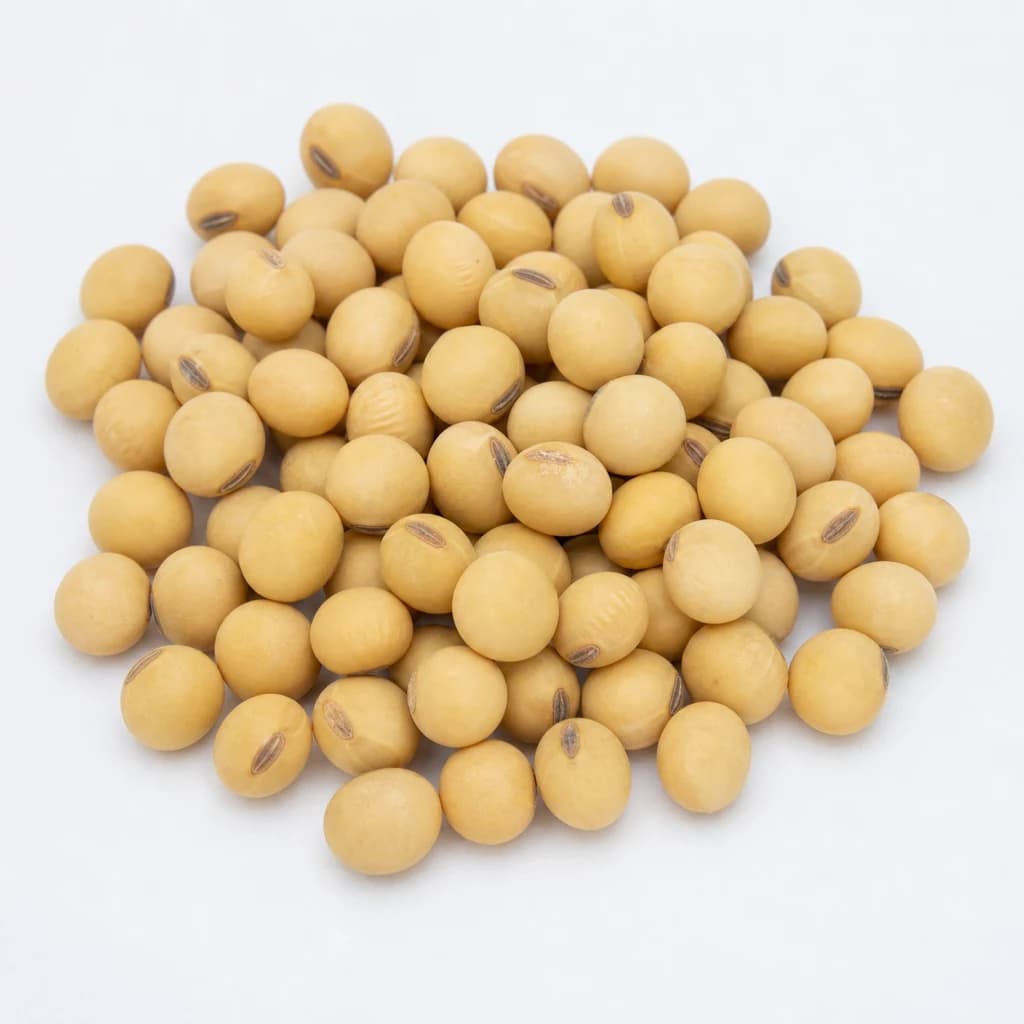
Soybeans
Protein-packed beans, the base for tofu and miso