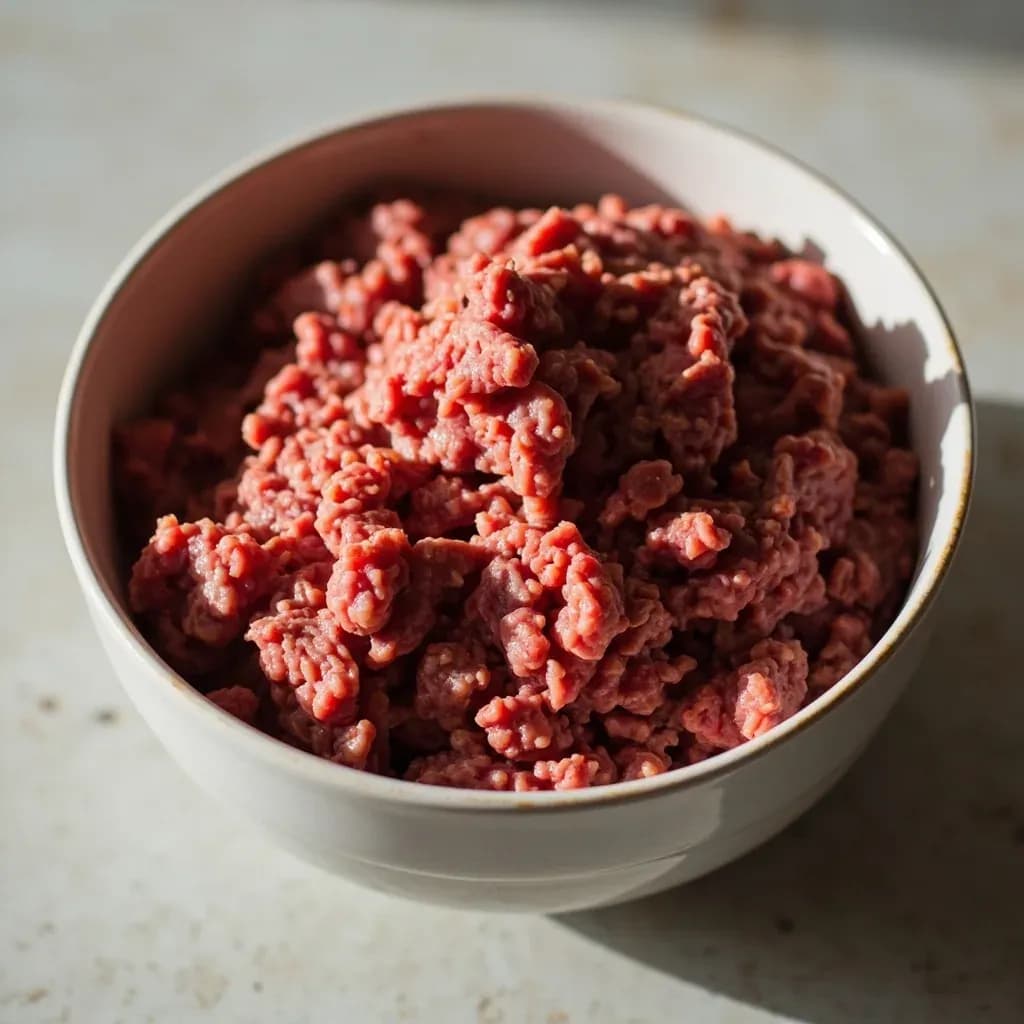
Proteins
Bulk Ground Beef
Everyday minced beef (often 80/20) for burgers, tacos, bolognese, meatloaf, and chili.
Bulk ground beef is minced beef sold in larger quantities, commonly at an 80/20 lean-to-fat ratio that balances flavor and juiciness. It is the all-purpose protein for burgers, tacos, meatballs, bolognese, chili, and meatloaf. The fat content browns and seasons the meat well, and leaner blends are available for lighter dishes.
Ground beef is beef muscle tissue ground together with a measured amount of fat, and that fat ratio—expressed as 80/20, 85/15, or 90/10—is the single most important specification when purchasing. The fat is not filler; it carries beef flavor and provides the primary source of moisture as it renders during cooking, basting the proteins from within and keeping finished dishes succulent rather than dry and mealy. The term "bulk" on packaging simply denotes larger package sizes (typically 2, 3, or 5 pounds) rather than a different product category—these are economical for households that cook ground beef frequently, but they demand prompt attention: either use within 1–2 days, or freeze immediately to preserve quality. For the most reliable results, grind your own from a quality chuck roast using a coarse grinding plate—the fresher grind has noticeably superior texture and flavor compared to pre-packaged options, and you control the fat content precisely.
- Measured in
- g
- Storage
- Fridge
Types & varieties
Standard bulk variety; 80% lean, 20% fat; best for burgers, meatloaf, and dishes where moisture and flavor matter most
Good balance for burgers and general cooking; noticeably less fat than 80/20 but still juicy
Suitable for chili, tacos, and sauces where fat renders out; can dry out in burger applications
Typically 80/20; cut from shoulder; well-marbled with good beefy flavor; ideal for burgers and meatballs
Typically 85/15 to 90/10; cut from hind leg; leaner with slightly firmer texture
Typically 90/10 or leaner; cut from loin; most expensive and leanest; best for quick-cook applications
From cattle raised on grass; typically leaner with a more pronounced, slightly gamey beef flavor; often 85/15 or leaner
Understanding Fat Content
The fat percentage is not a quality grade—it is a functional specification that determines how your dish will turn out. Higher fat (80/20) means more flavor, more moisture retention, and better browning, but also more shrinkage during cooking. Lower fat (90/10) means less shrinkage and less saturated fat, but the meat will dry out faster and brown less readily without added oil or careful technique. For most everyday cooking—burgers, meatloaf, Bolognese—80/20 is the workhorse choice. Save the leaner ratios for dishes where fat will render out into the sauce or liquid, like chili or taco meat, or where you will add moisture back in through other ingredients.
- 80/20: 20% fat by weight—ideal for high-heat searing and patties
- 85/15: 15% fat—versatile middle ground
- 90/10: 10% fat—best for saucy preparations; dries out easily when seared alone
Choosing Quality Bulk Ground Beef
When purchasing bulk ground beef, the sell-by date matters more than with whole cuts, because grinding accelerates both spoilage and flavor deterioration. Reject any package with pooling liquid at the bottom—this indicates the meat has been sitting and has begun to weep moisture. A slight amount of liquid in the package is normal; excessive liquid is not. The color should be a bright, even red throughout; brownish patches are normal on the surface due to oxygen exposure, but gray or brown throughout the package signals age. For the freshest possible product, ask your butcher to grind a chuck roast to order, or do it yourself at home with a coarse grinding plate attachment.
- Check the sell-by date and choose the furthest-out date available
- Avoid packages with excessive liquid pooling at the bottom
- Reject any package where the interior is gray or brown rather than red
- Ask the butcher to grind fresh from a chuck roast for superior quality
Cooking Fundamentals
Two mistakes undermine most home-cooked ground beef: cooking at too low a temperature and crowding the pan. Ground beef should be cooked over high heat—whether on the stovetop or under the broiler—to achieve proper browning and flavor development. A ripping-hot pan or grill causes the Maillard reaction, creating the savory brown crust that defines a great burger. Crowding the pan lowers the temperature dramatically and forces the meat to steam in its own moisture rather than brown. Cook in batches with space between portions, and resist the urge to stir or flip constantly. For the best burger crust, do not move the patty for the first 90 seconds. Use a probe thermometer rather than cutting into the meat to check doneness—remove from heat at 155°F and allow carryover heat to bring it to 160°F.
- High heat for browning; low heat produces a gray, steamed texture
- Never crowd the pan—cook in batches with space between portions
- Resist pressing patties with a spatula while cooking
- Use a probe thermometer: remove from heat at 155°F for 160°F carryover
Common uses
Tips & pitfalls
- Keep ground beef cold until use; fat renders better and binds more consistently from refrigerated temperature
- Form burger patties loosely and make a slight indent in the center to prevent doming during cooking
- Season with salt and pepper just before cooking or after searing; salting early draws moisture and causes steaming
- Do not press or flatten patties with a spatula while cooking; this squeezes out rendered fat and juices
- Use a meat thermometer rather than visual cues; remove from heat at 155°F for carryover to 160°F
- For the best burger crust, start in a ripping hot pan or on a preheated grill; do not move the meat for the first 90 seconds
- Brown in batches with space between portions if cooking more than 4 oz at once; crowding causes steaming rather than browning
- When making meatballs, refrigerate shaped balls for 15–30 minutes before cooking to help them hold shape
- Break meat apart with a potato masher or stiff spatula while browning for consistent small crumbles
Nutrition
Energy
828 kJ · per 100 g
Where the calories come from
Protein
19.4g
39% DV
Carbs
0g
0% DV
Fat
12.7g
16% DV
Fiber
0g
0% DV
Sugars
0g
of which
Sodium
68mg
3% DV
Source · USDA FoodData Central · approx. Beef, grass-fed, ground, raw
View on FDC →In the shops
Matched grocery products
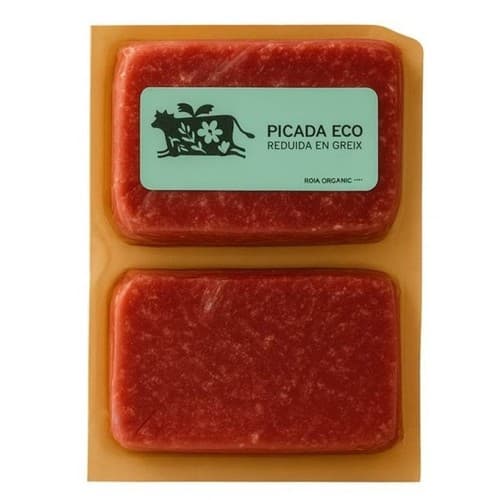 €9.99
€9.99Pirineus Organic Ground Beef
PIRINEUS · kg · Bonpreu
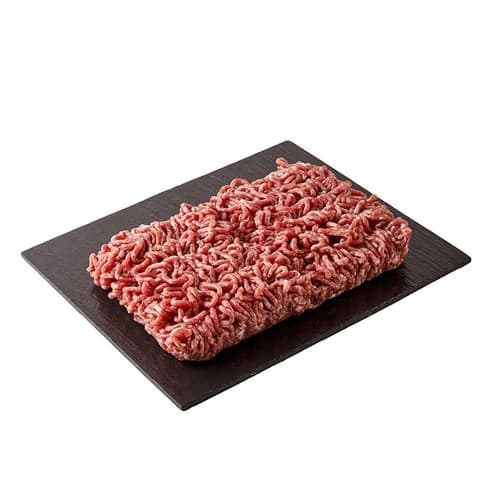 €10.48
BONPREU DE L'ERA Ground Beef
BONPREU DE L'ERA · kg · Bonpreu
Good to know
- Fat content options
- 80/20 (regular), 85/15 (lean), 90/10 (extra lean); percentage indicates lean meat to fat ratio
- Typical cuts used
- Chuck, round, and sirloin; chuck yields 80/20, round and sirloin yield leaner blends
- Safe internal temperature
- 160°F (71°C) for medium and well-done; ground beef does not require the 145°F rest time of whole cuts
- Refrigerator storage (raw)
- 1–2 days in original packaging, or transferred to airtight container
- Freezer storage (raw)
- 3–4 months in airtight packaging; wrap tightly to prevent freezer burn
- Refrigerator storage (cooked)
- 3–4 days in airtight container
- Calories (80/20, 3 oz cooked)
- Approximately 240 calories
- Protein (80/20, 3 oz cooked)
- Approximately 20–22 grams
Substitutes
- Ground Turkey — Use 93/7 lean-to-fat ratio as direct substitute; leaner texture, milder flavor; best combined with 10–15% dark meat for moisture
- Ground Pork — Better fat content for sausage applications; use in meatballs, sausage links, or breakfast patties
- Ground Lamb — Rich, distinct flavor suited to Mediterranean and Middle Eastern dishes; ideal for kofta and lamb burgers
- Ground Bison — Very lean (typically 90/10); extremely tender; requires lower heat to prevent drying; best for burgers and chili
- Plant-Based Ground — Impossible Burger, Beyond Meat, and store brands; similar cooking behavior but can brown faster; follow package instructions
Pairs with
Also called
80/20 · Minced Beef · Hamburger Meat
Appears in these dishes
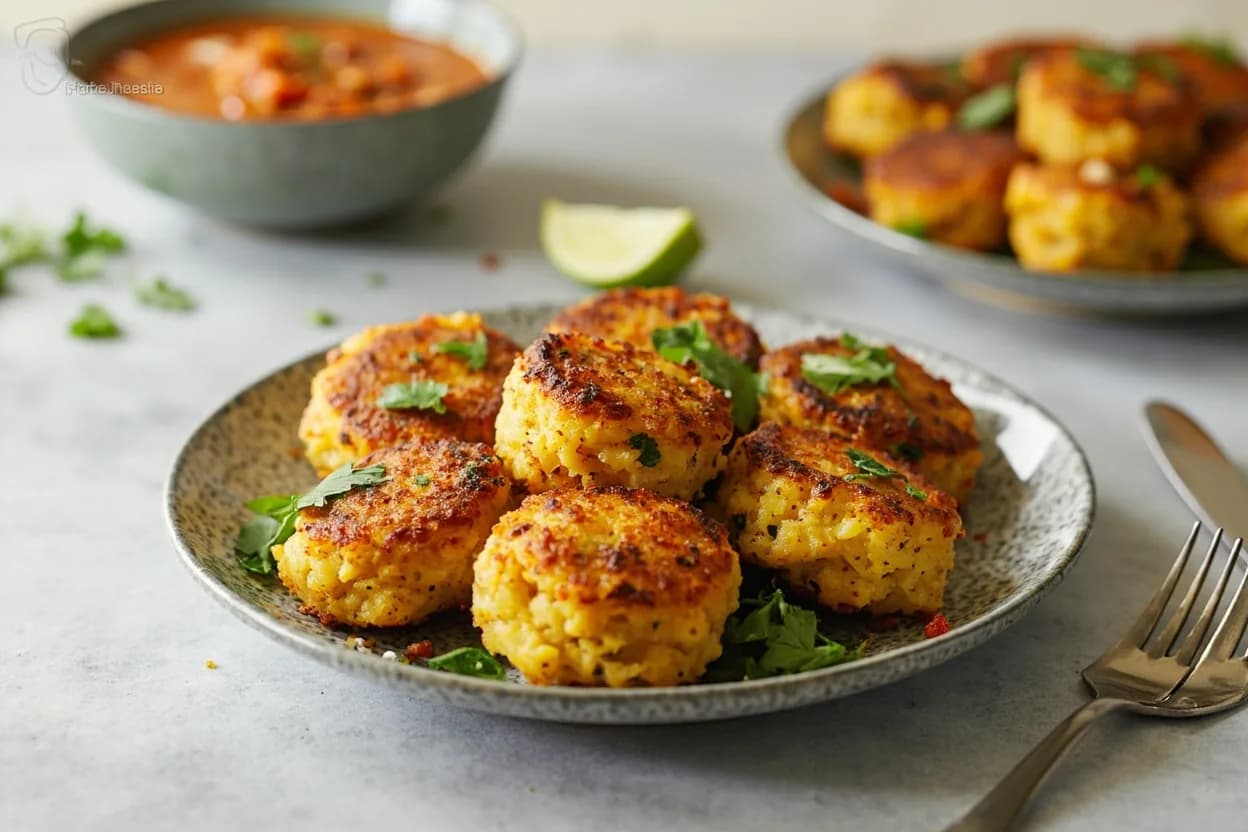
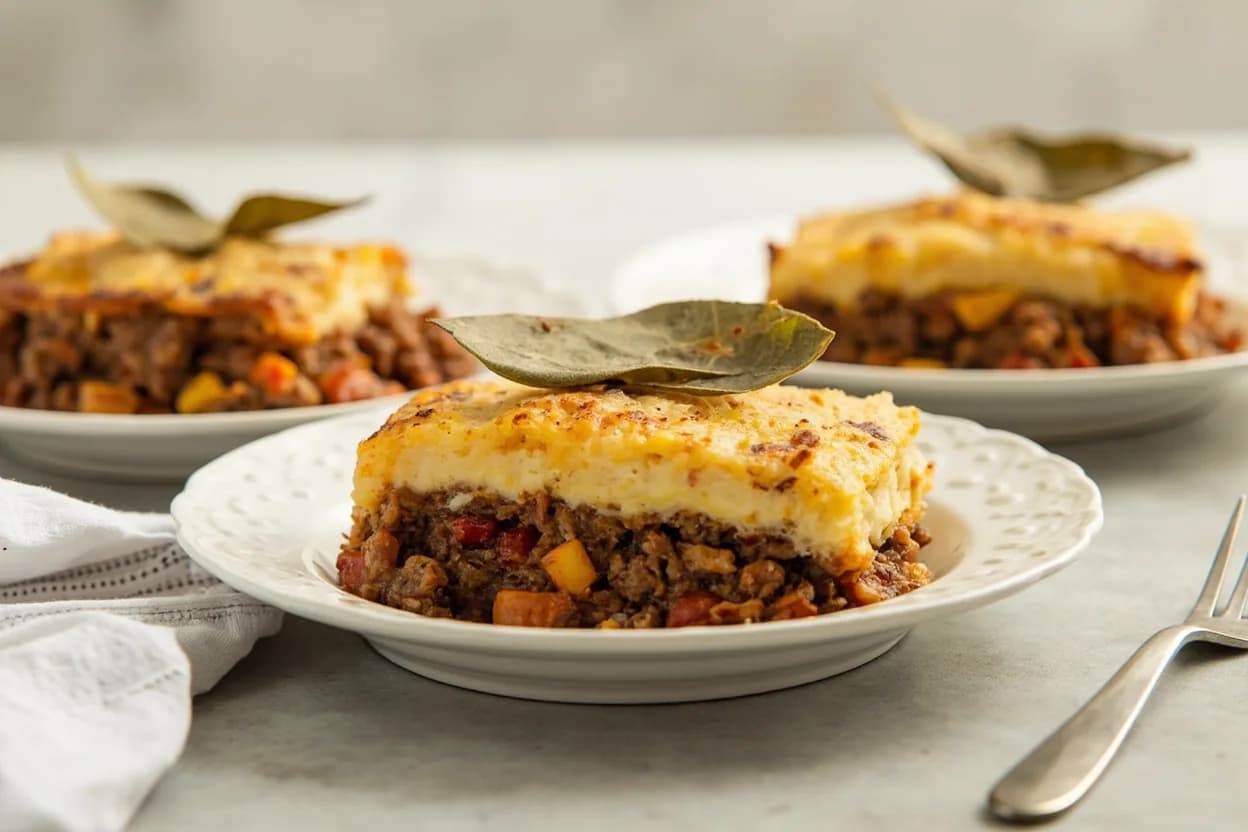
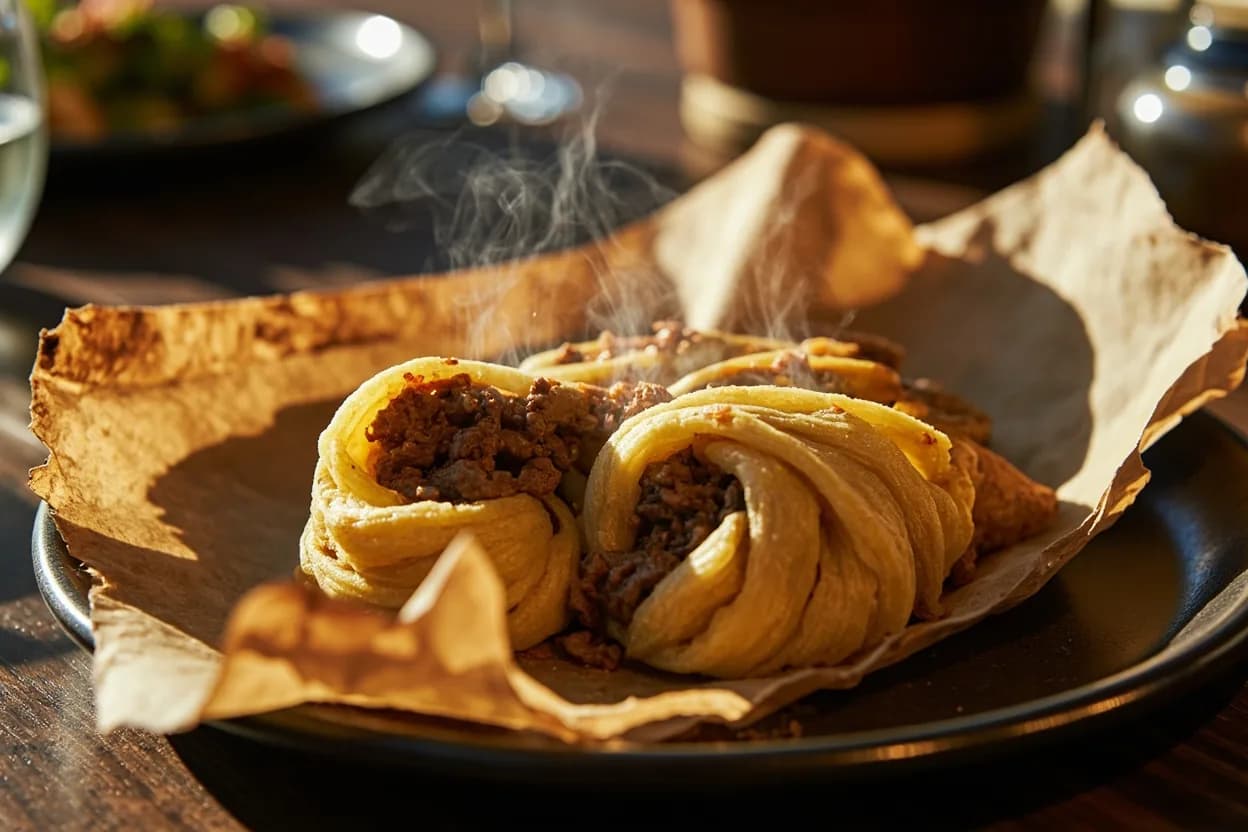
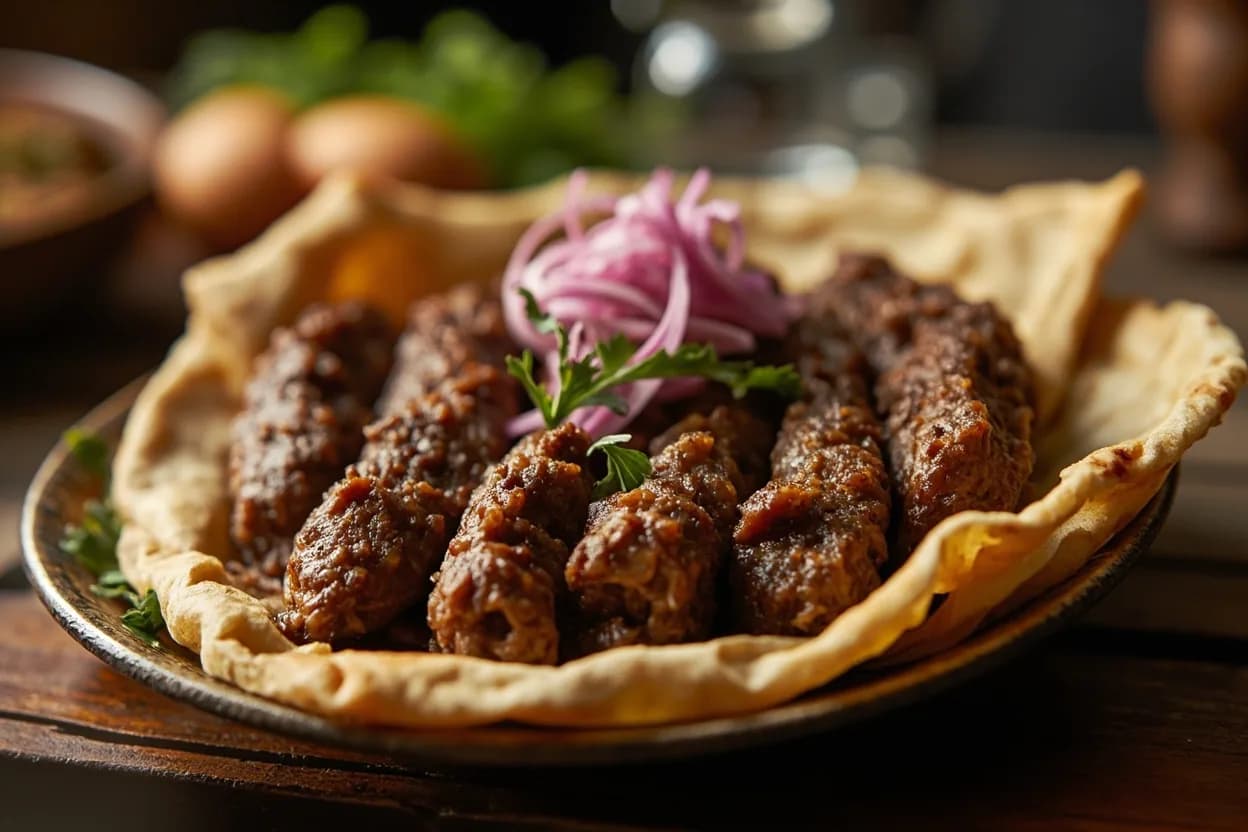

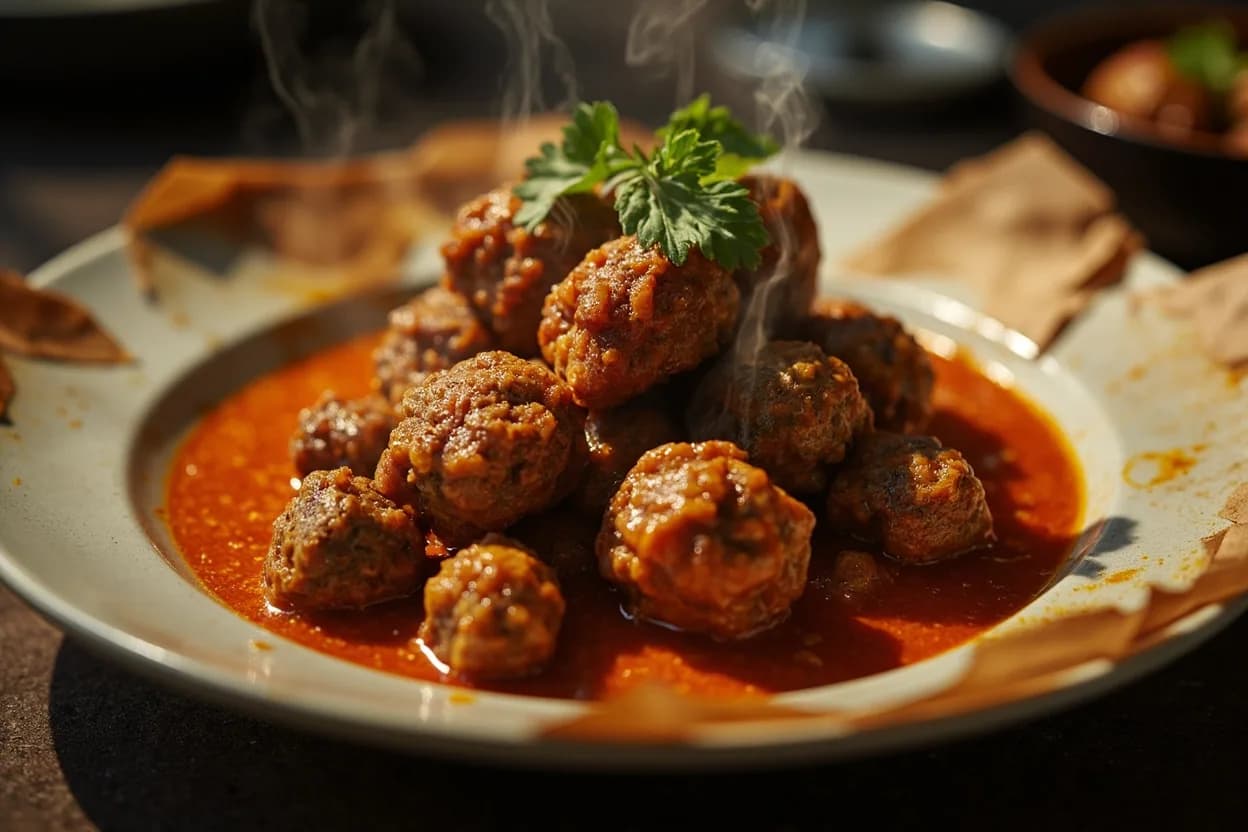
Related

Egg
The kitchen's everything ingredient — bind, leaven, enrich, or fry
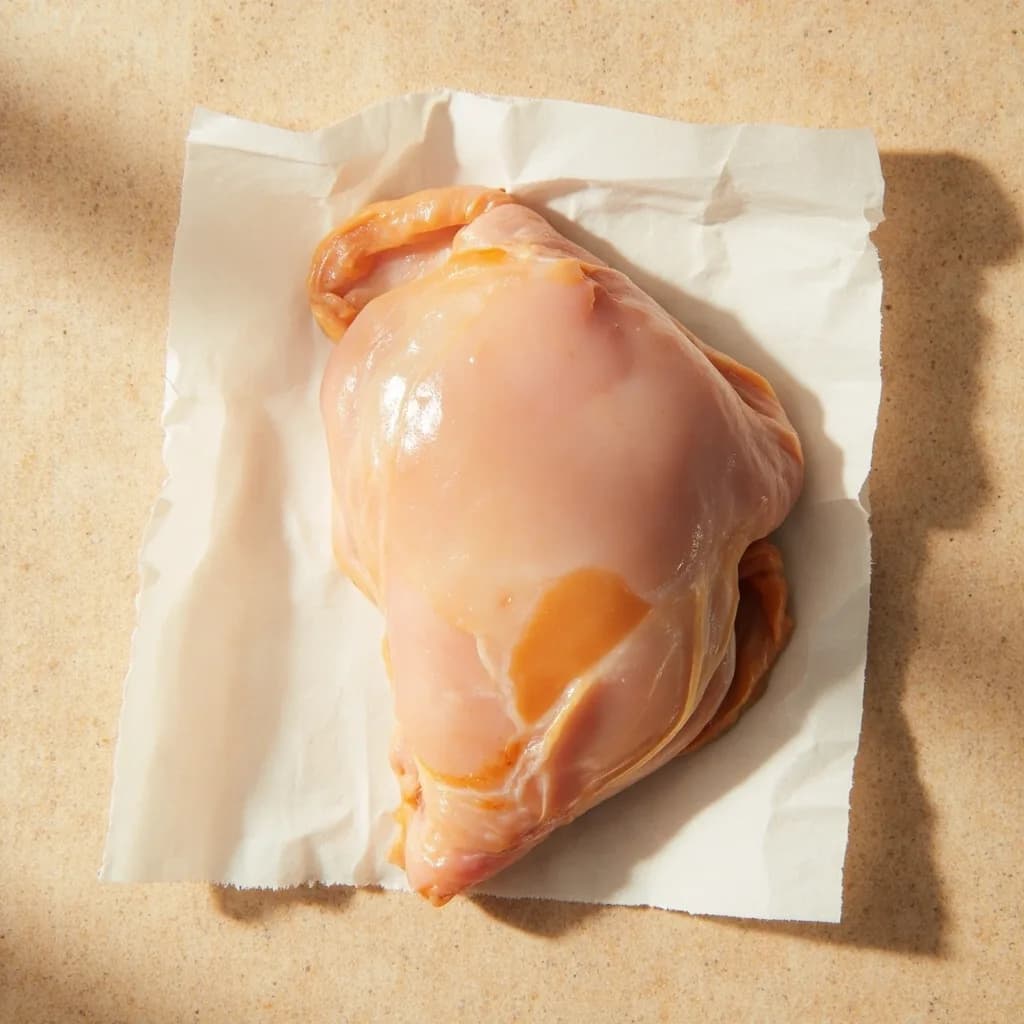
Chicken Breast
Lean, quick-cooking white meat for everyday dinners

Ground Beef
Versatile minced beef for burgers, ragù, tacos, and meatballs
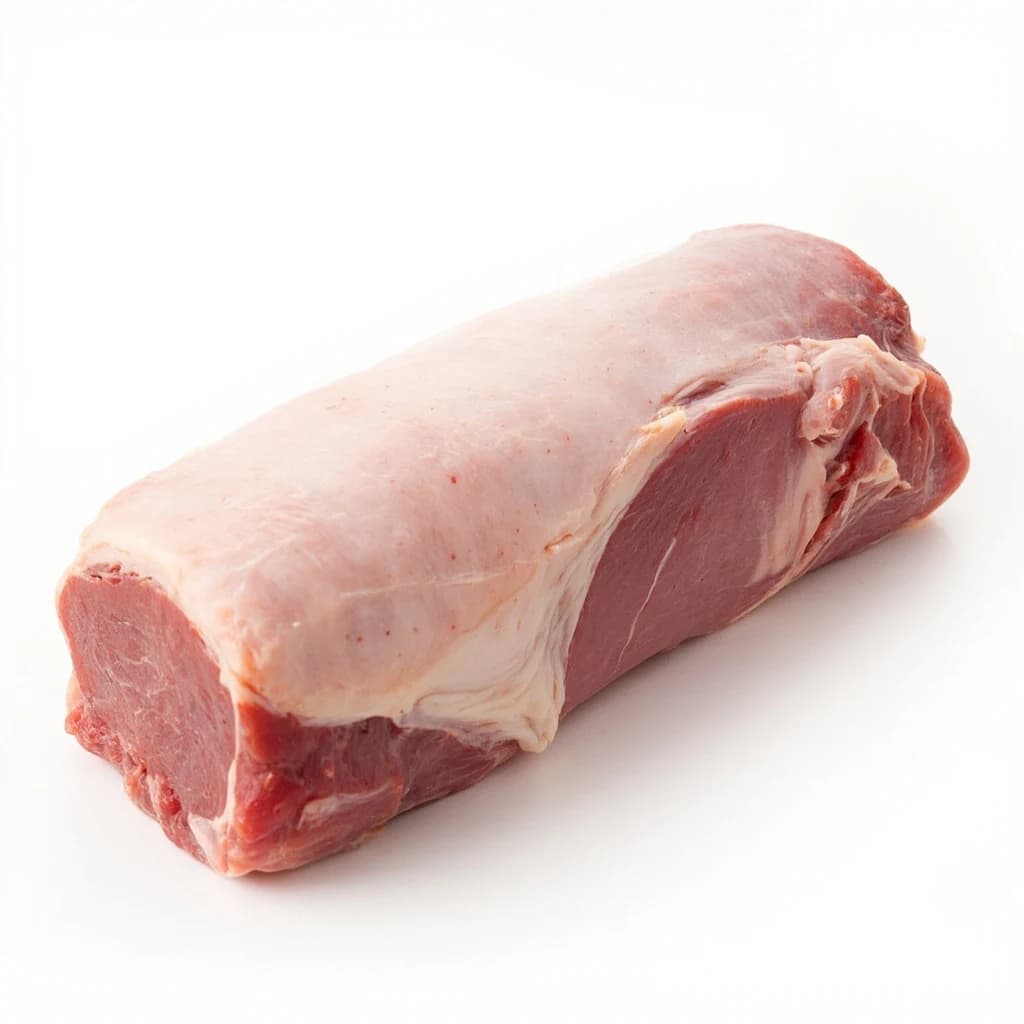
Pork Loin
Lean, tender roasting cut that stays juicy with care
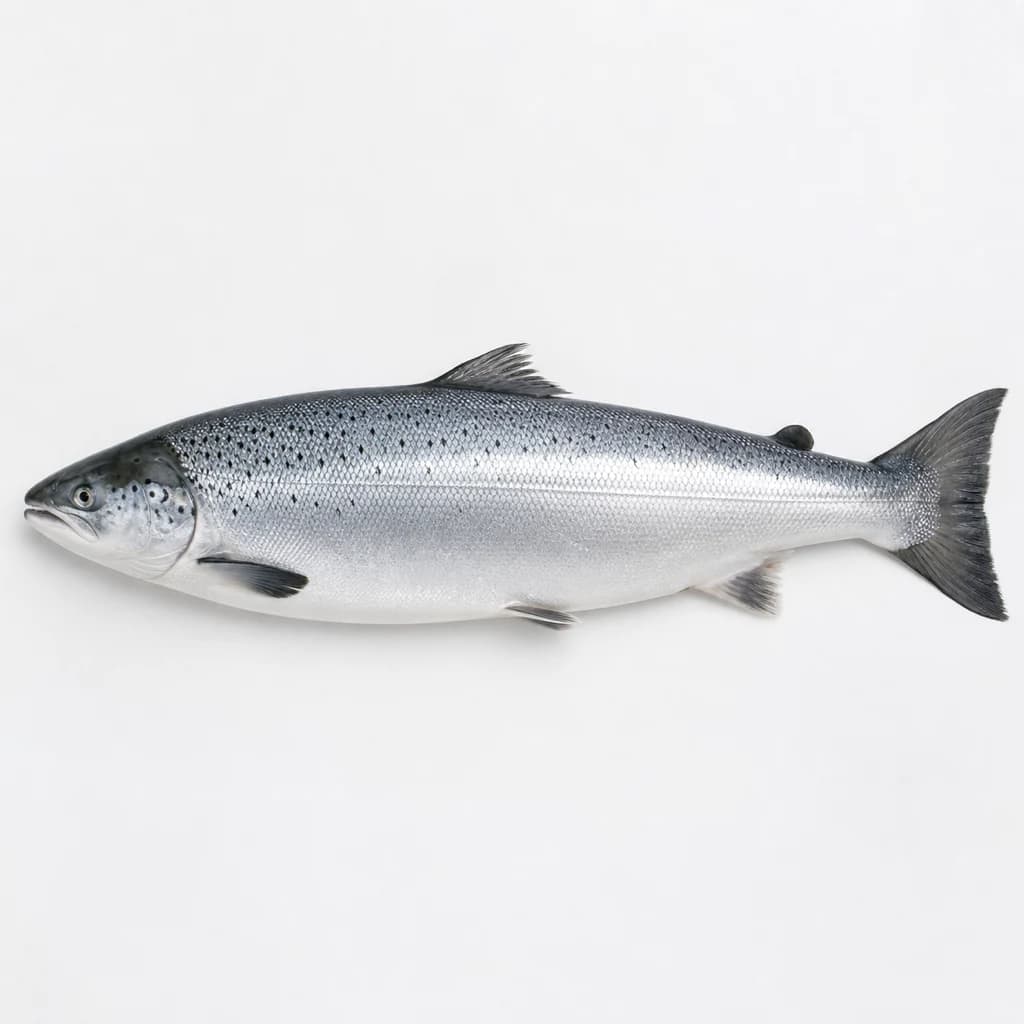
Salmon
Rich, rosy fish that roasts, grills, or cures beautifully

Egg White
Pure protein that whips to airy peaks for meringue and more
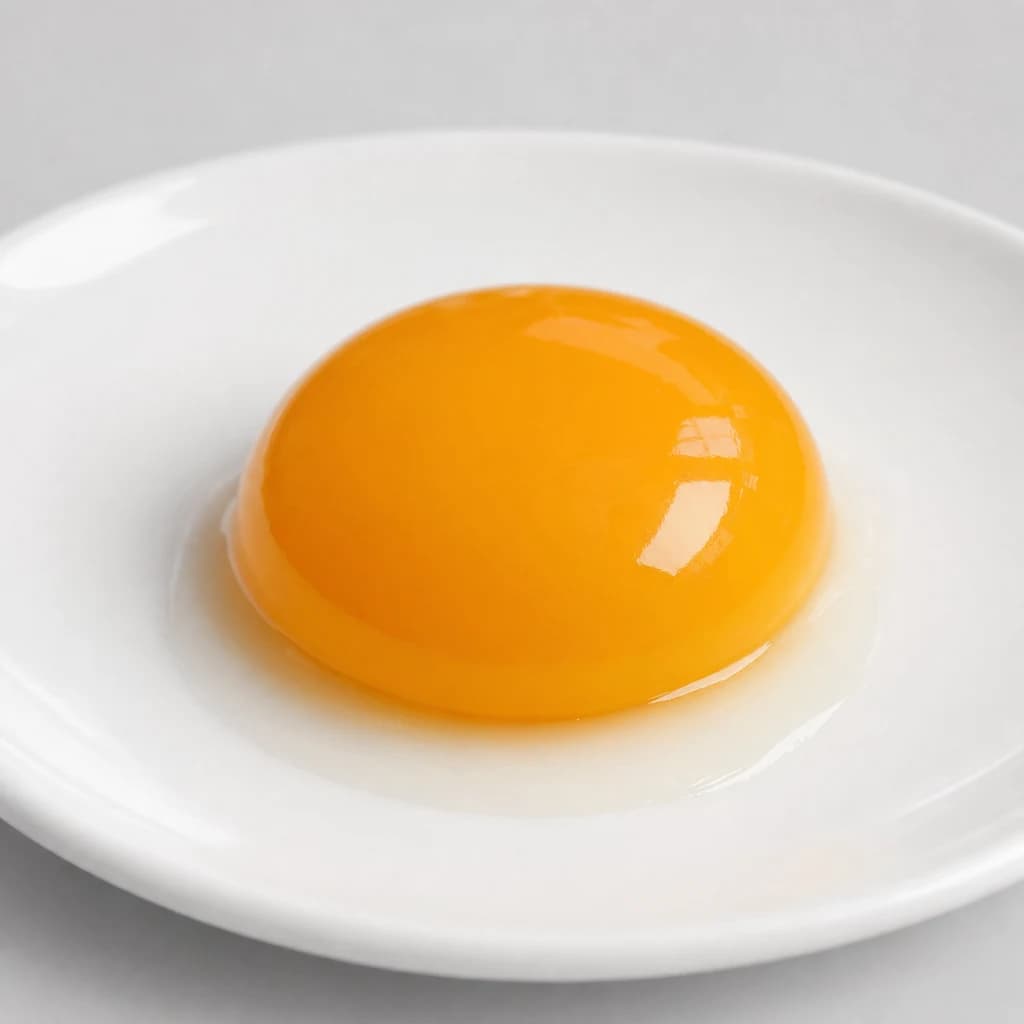
Egg Yolk
Rich, golden yolk for custards, mayonnaise, and pasta

Quail Egg
Tiny, speckled eggs for garnishing and elegant bites