
Natural form
Raw hot dog sausages showing their smooth, pink emulsified casing before cooking.
Showing the uncooked sausage links reveals the characteristic emulsified texture, uniform pink color, and casing that define the ingredient before any preparation.
Proteins
Hot Dog
Precooked emulsified sausage served in a bun with regional toppings.
A hot dog is a cooked, emulsified sausage, typically pork, beef, or a blend, served in a soft bun. It is a global street food with strong regional identities, from Iceland's lamb-blend pylsa with crispy onions to Latin American vienesa-style dogs piled with sauces. It is grilled, boiled, or steamed and topped with everything from mustard to mashed potato.
The hot dog occupies a singular place in American food culture—a fully cooked emulsified sausage that nonetheless requires reheating to serve, blurring the line between raw ingredient and ready-to-eat product. At its core, it is a finely ground blend of meat (beef, pork, or both), fat, salt, and seasonings, forced into a casing and submitted to heat. The emulsification creates that characteristic smooth, uniform texture, while the cooking process sets the proteins and gives the sausage its shelf stability. German immigrants brought the frankfurter tradition from Frankfurt and Vienna in the 19th century; the name hot dog, with its odd canine reference, likely derives from the German term for dachshund sausage, though cartoonists of the era joked that the mysterious meat inside could pass for dog food—a slur the product has never quite escaped.
Quality varies more dramatically than most consumers realize. An artisanal frankfurter lists beef or pork as its primary ingredient—nothing more. Mass-market varieties often lead with water, corn syrup, or mechanically separated meat, with actual meat taking a secondary position. The ingredient label is your guide: the fewer and more recognizable the ingredients, the better the dog. The casing choice—natural pork intestine, collagen, or cellulose—affects cooking behavior and eating experience more than any other factor. Natural casing provides that satisfying snap when you bite through; skinless dogs lack this entirely and offer a softer, more uniform bite. The sodium and fat content (400–700mg sodium, 15–30g fat per link) reflects both the curing process and the emulsified texture that requires fat to achieve its characteristic smoothness.
- Measured in
- piece
- Storage
- Fridge
Allergens
Types & varieties
All-beef; typically more pronounced beef flavor and higher quality than blended varieties
All-pork; richer, fattier; common in European markets
Lower fat and calories; can be lower quality if fillers predominate—check ingredient list
Smaller diameter, often sold in cans; more processed, milder flavor
Uses actual pork intestine; has a satisfying snap when bitten
No casing to bite through; smoother texture; most common in mass-market varieties
Approximately 12 inches; popular at ballparks and convenience stores
Contains a molten cheese core; the cheese should be a natural melting type such as Colby-Jack
Casing encased in bacon; adds smoky, salty layers
Prepared with specific regional sauces—Detroit Coney uses a beef-based meat sauce; New York Coney uses a thinner, spicier chili
Specifically prepared with specific toppings (neon green relish, mustard, pickle, tomato, sport peppers, celery salt, on a poppy seed bun); the dog itself is not a distinct variety
The Casing Question
The choice between natural casing and skinless is the most functionally important decision when selecting hot dogs. Natural casing—actual pork intestine—expands during cooking and then contracts slightly, creating that characteristic snap when you bite through. Skinless dogs have no casing at all; the emulsion is packed into a cellulose tube that is removed before packaging, leaving a smooth surface with no snap. Beyond these two categories, collagen casings (derived from animal protein) aim to provide a middle ground but behave more like skinless in practice. For grilling, natural casing dogs are worth seeking out—the textural difference is substantial.
- Natural pork casing snaps; skinless does not
- Collagen casing behaves like skinless in most cooking methods
- Cellulose casing is always removed before eating
- The snap indicates proper casing and gives hot dogs their characteristic texture
Regional American Styles
Regional hot dog culture in the United States is defined almost entirely by toppings and bun style rather than distinct sausage varieties. The Chicago dog—on a poppy seed bun with neon green relish, mustard, pickle, tomato, sport peppers, and celery salt—is the most elaborate. Detroit Coney Island dogs are topped with a specific meat sauce made from ground beef, while the New York Coney uses a thinner, spicier chili. The Texas Tommy adds a strip of bacon and cheese. New England hot dogs are notably plainer, often just a natural casing dog on a top-loading bun with mustard and sauerkraut. Understanding that these regional styles are about the assembly rather than the sausage itself is essential to cooking hot dogs properly—they need no embellishment to be excellent.
- Chicago: poppy seed bun, full condiment lineup, sport peppers
- Detroit: beef sauce, chopped onion, yellow mustard
- New York Coney: thinner chili, mustard, onions
- Texas Tommy: bacon wrapped, cheese, jalapeños
Common uses
Tips & pitfalls
- Grill over medium heat (not high) to render fat without scorching the casing
- Use a two-zone fire: sear over direct heat, then move to indirect to finish cooking through without burning
- For a proper snap on natural-casing dogs, grill until the casing just begins to split—do not move them until they release from the grate
- Rotating 90 degrees halfway through grilling creates attractive char marks without overcooking
- Boiling dilutes flavor significantly—reserve boiling for recovery from over-charring or when feeding crowds where speed matters
- Steam in a bun with a small amount of water in a covered skillet for a softer bun that does not compete with the filling
- Leftover grilled dogs slice and dice cleanly for salads and scrambles the next day
Nutrition
Energy
975 kJ · per 100 g
Where the calories come from
Protein
19.6g
39% DV
Carbs
7.7g
3% DV
Fat
13.7g
18% DV
Fiber
3.9g
14% DV
Sugars
0g
of which
Sodium
471mg
20% DV
Source · USDA FoodData Central · Frankfurter, meatless
View on FDC →In the shops
Matched grocery products
No matched grocery products for Hot Dog yet.
Good to know
- Type
- Precooked emulsified sausage (fully cooked, requires only reheating)
- Primary Meats
- Beef, pork, or beef-pork blend; poultry-based varieties also common
- Typical Length
- 6–8 inches (standard); foot-long is a common variant
- Casing
- Natural pork intestine, collagen, or cellulose (cellulose casing is removed before eating)
- Sodium Content
- High; 400–700 mg per link in typical commercial varieties
- Fat Content
- 15–30 g per link, depending on meat type and brand
- Origin
- Frankfurter (Germany) and Wiener (Vienna, Austria) 19th-century sausages; popularized in the United States by German immigrants
- Serving Temperature
- Traditionally served hot (140°F/60°C minimum internal temperature)
- Shelf Life
- Refrigerated: 1–2 weeks unopened; frozen: 1–2 months
Substitutes
- Bratwurst — Similar sausage profile but typically raw and requiring full cooking; more savory, less highly processed
- Italian Sausage — Fresh pork sausage with fennel and pepper; must be cooked through; bolder seasoning
- Polish Kielbasa — Smoked, fully cooked; similar convenience; stronger garlic flavor
- Breakfast Sausage Link — Smaller, often raw; would need full cooking; different texture and seasoning
- Vegan/Plant-Based Frank — Made from pea protein or wheat gluten; requires different handling (less fat, prone to splitting)
Pairs with
Also called
Pylsa · Vienesa · Hotdog · Frankfurter
Appears in these dishes
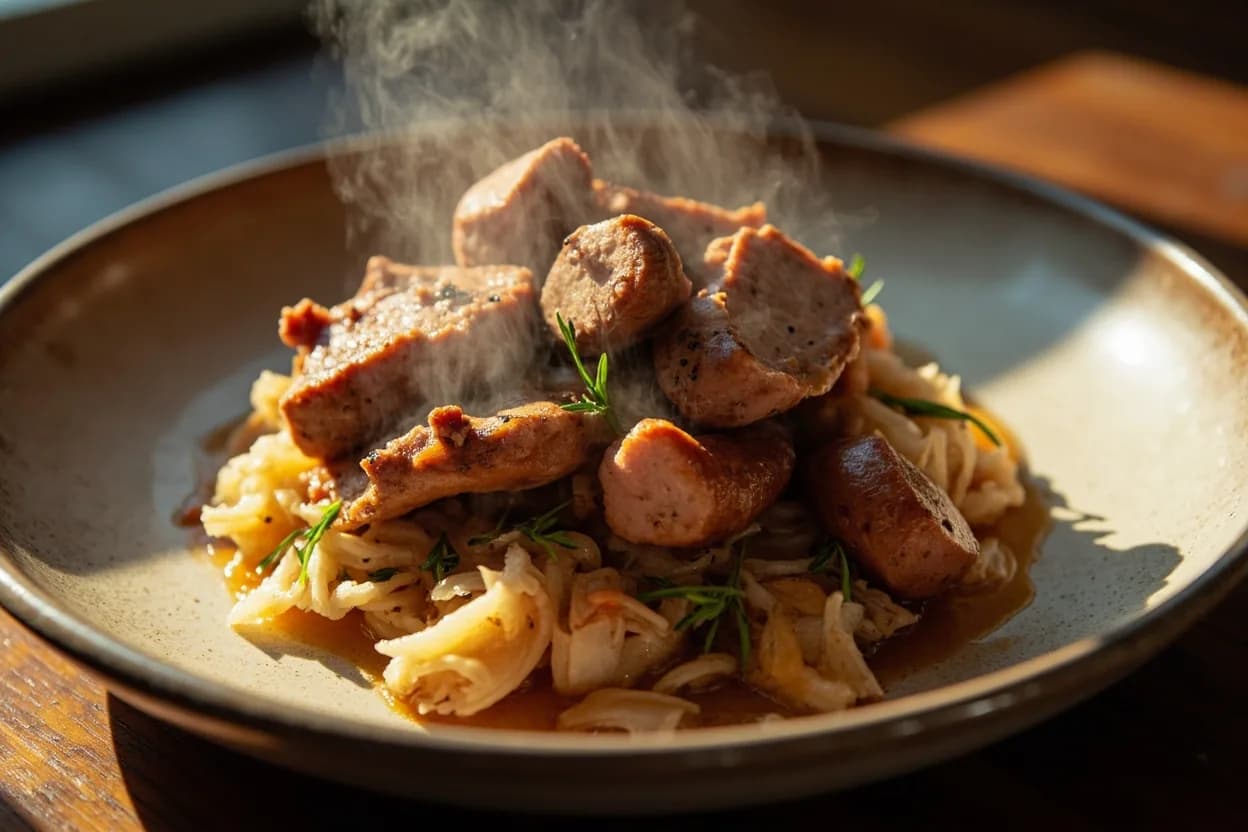
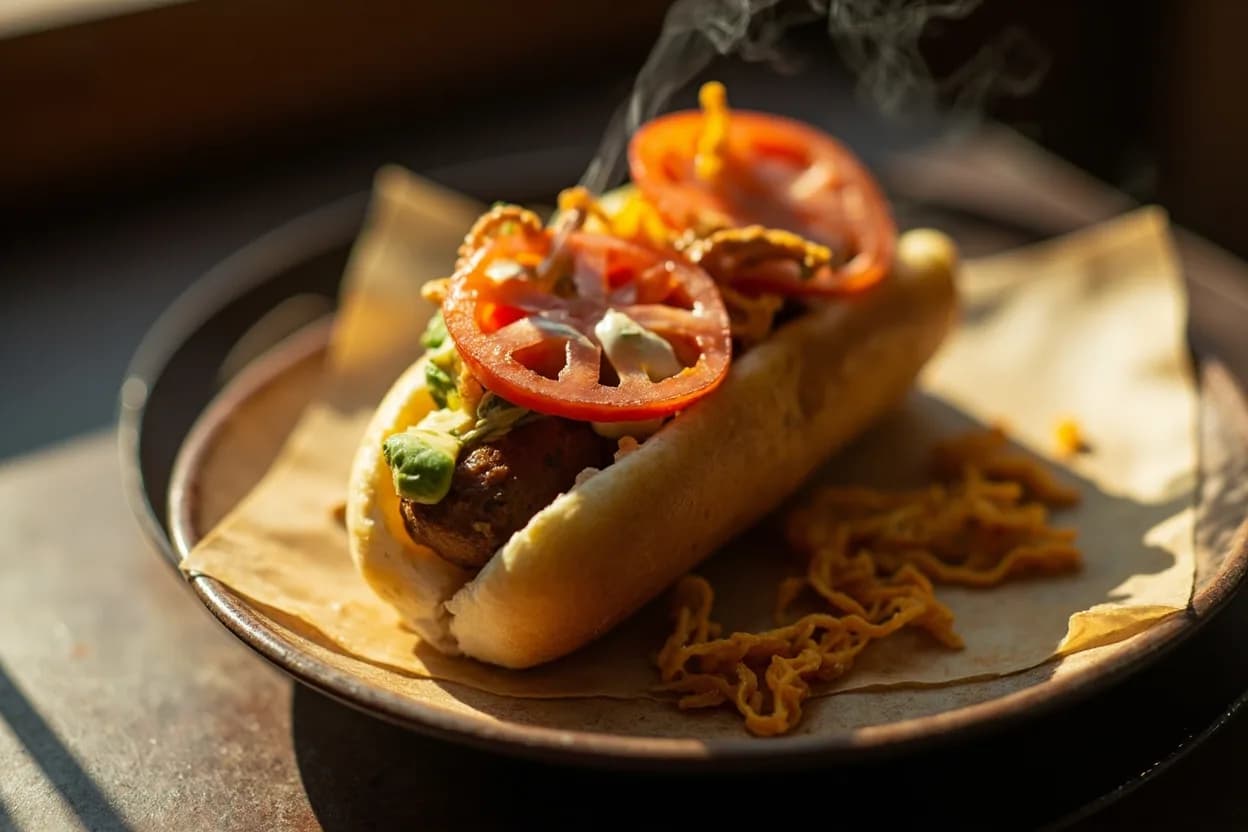

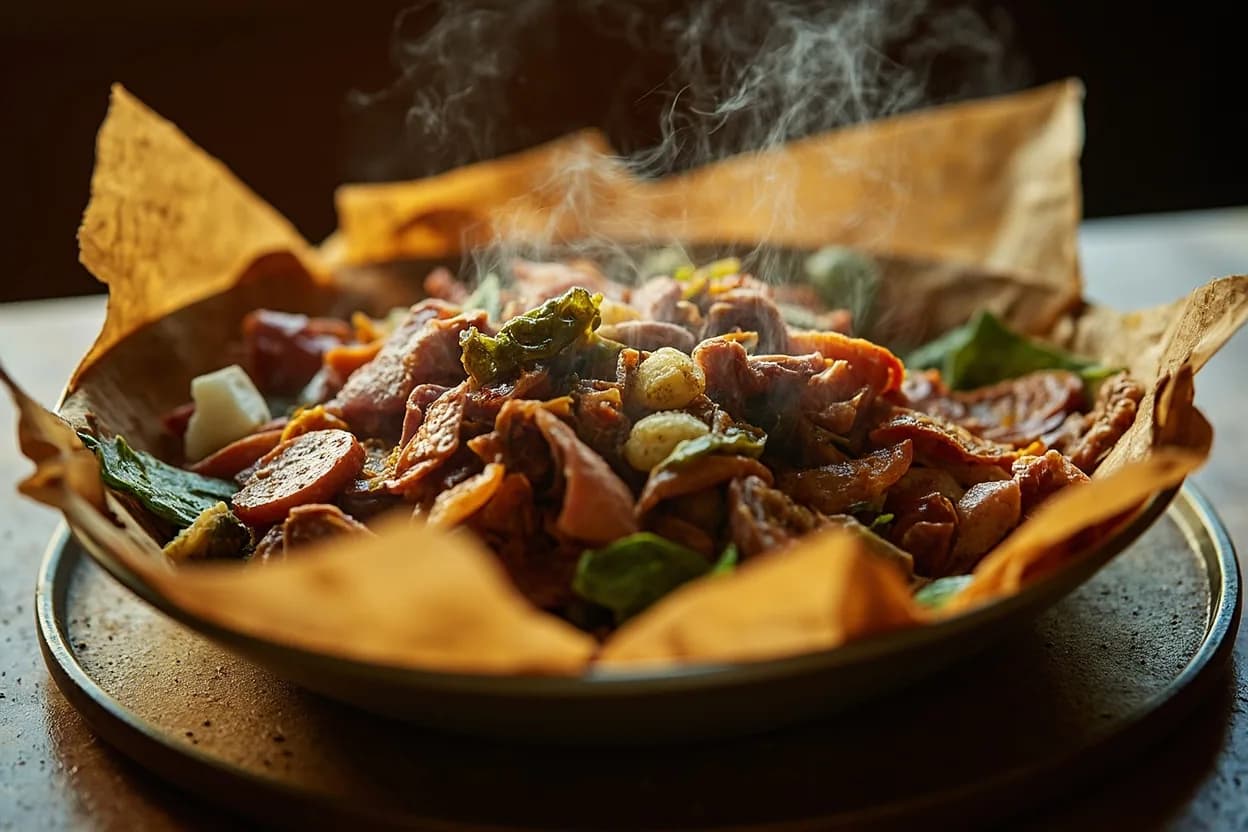
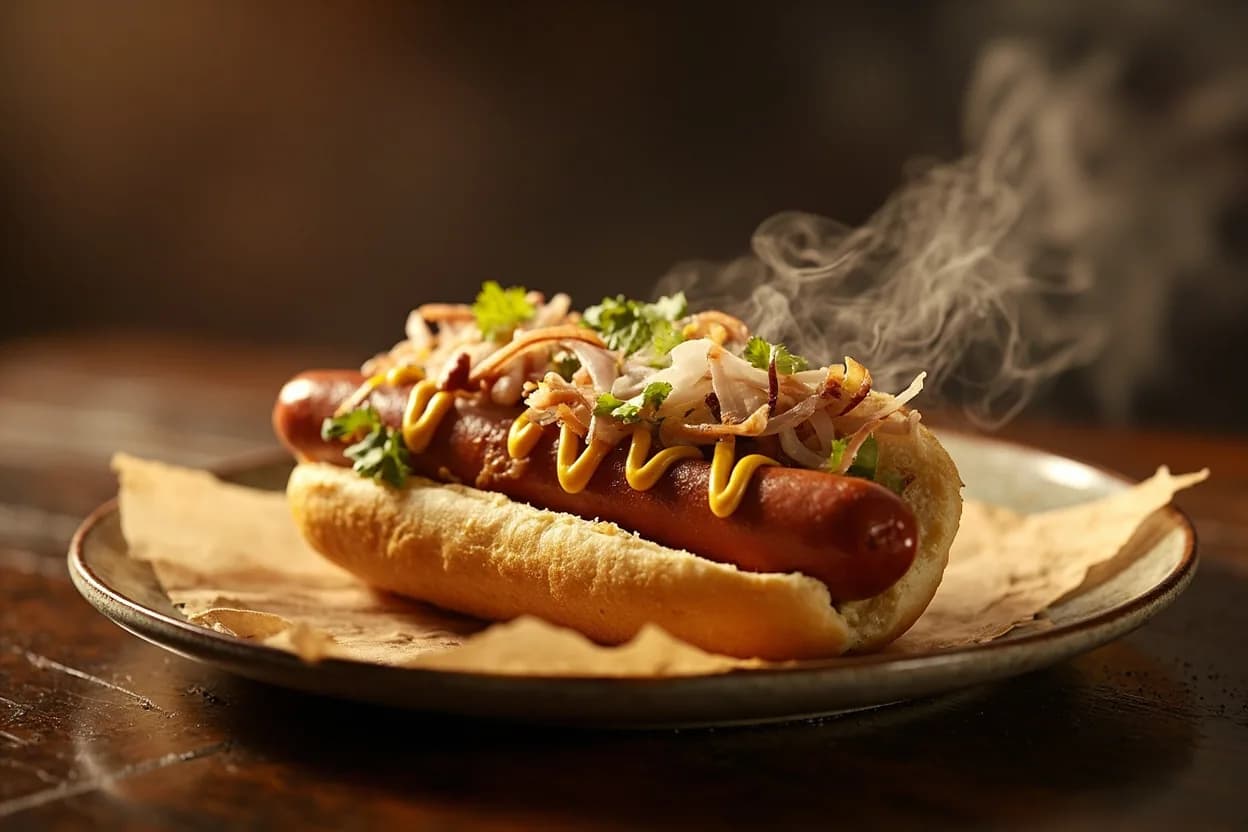
Related

Egg
The kitchen's everything ingredient — bind, leaven, enrich, or fry

Chicken Breast
Lean, quick-cooking white meat for everyday dinners

Ground Beef
Versatile minced beef for burgers, ragù, tacos, and meatballs

Pork Loin
Lean, tender roasting cut that stays juicy with care

Salmon
Rich, rosy fish that roasts, grills, or cures beautifully

Egg White
Pure protein that whips to airy peaks for meringue and more

Egg Yolk
Rich, golden yolk for custards, mayonnaise, and pasta

Quail Egg
Tiny, speckled eggs for garnishing and elegant bites