Proteins
Jacks (Fry Fish)
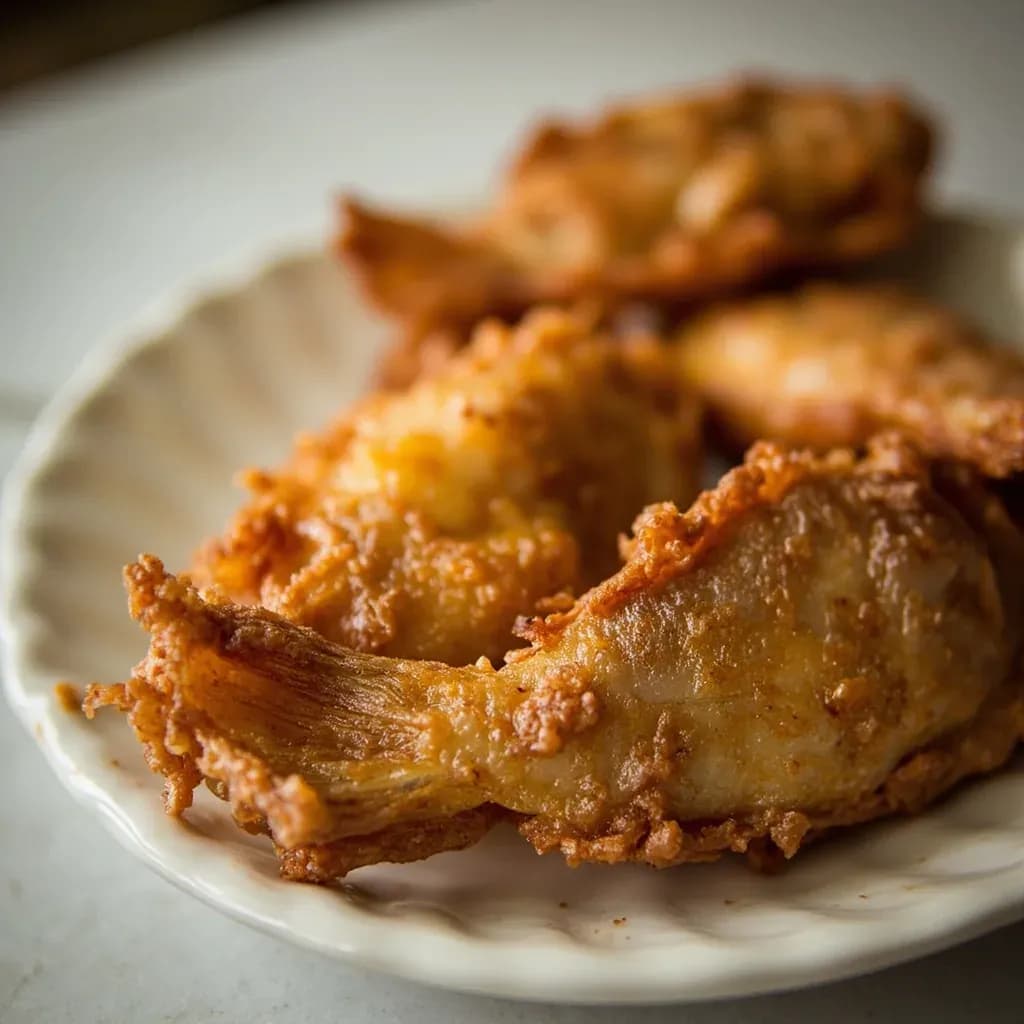
Small whole jacks scaled, seasoned and shallow-fried crisp as a Caribbean fry-fish staple.
Jacks used as fry fish are small whole jack-family fish cleaned, scored and seasoned for quick frying. A Caribbean street and home staple, they are dredged and shallow-fried until crisp, eaten whole with bread or bakes. The skin crisps while the flesh stays moist and savory.
Jacks are small, whole fish from the Carangidae family—primarily yellow jack, blue runner, crevalle jack, or bar jack—scaled, seasoned, and shallow-fried until crisp. They are a cornerstone of Caribbean street food, sold from beachside stalls in Trinidad and Jamaica to fish shacks in the Florida Keys. The term "fry fish" is an umbrella category across the Caribbean, encompassing any small, affordable whole fish suited to shallow frying; jacks, sardines, and bloaters are often sold interchangeably under this label. Their firm, fine-grained flesh holds together beautifully when fried whole, and the mild, slightly sweet flavor with moderate oiliness makes them forgiving of bold seasoning and sauces. The entire fish is edible—head, tail, bones and all—with the spine and pin bones to navigate, and they separate cleanly once cooked. For a fish that costs a fraction of premium options, jacks deliver exceptional texture and flavor, making them a practical choice for both weeknight dinners and festive occasions. Their small size (6–14 inches) means single-serving portions with minimal waste and a yield of roughly 40–50% edible weight. True jacks from clear, warm tropical waters have the cleanest flavor; avoid any with a strong, overpowering fishy smell, which signals age or poor water quality. At their best, they offer a contrast of a crisp exterior and moist, yielding flesh within—a texture that is difficult to achieve with fillets or larger fish.
- Measured in
- g
- Storage
- Fridge
Allergens
Types & varieties
Preferred in the Bahamas and Florida Keys; bright yellow-green tint; excellent flavor
Most common commercially; firm flesh; excellent for frying throughout the Caribbean
Distinctive dark stripe; common in the Lesser Antilles; good oil content
Larger species; may be too strong-flavored when small; best from clear water
Regional Gulf Coast term; usually young king or Spanish mackerel, not true jacks
Why Small Whole Fish?
Shallow-frying small whole fish is one of the most ancient and practical cooking methods in tropical coastal cuisines. The head and bones act as a natural scaffold, preventing the delicate flesh from drying out while the high surface area of the entire fish crisps evenly in shallow oil. Whole fish also produce less waste and cook faster than large fillets, making them economical and efficient. For Caribbean cooks, fry fish represents both affordability and tradition—it is the food of festivals, beach days, and quick weeknight meals alike. The bones are not an obstacle but an asset: they add body to the flesh and separate cleanly from the meat once cooked, especially if you rest the fish briefly before serving.
- Whole fish cook faster due to high surface area
- Bones prevent flesh from drying during frying
- Minimal waste compared to filleted fish
- Traditional eating includes bones for added texture
Selecting Fry Fish
When purchasing jacks for frying, freshness is paramount regardless of species. The eyes should be clear and bulging, not sunken; the gills bright red or pink (not brown or slimy); and the flesh should spring back when pressed. Smell is the most reliable indicator: fresh jacks smell briny and oceanic, like the sea. Any ammonia-like or overpowering fishy odor means the fish is past its prime. If buying from a fishmonger, ask them to scale and gut the fish but leave the head and tail intact—this preserves the structure that makes whole-frying work and honors the traditional presentation. For the cleanest flavor, seek jacks from clear, warm waters rather than murky or estuarine environments, which can impart a muddy taste.
- Clear, bulging eyes indicate freshness
- Bright red or pink gills; avoid brown or slimy
- Fresh scent is briny and oceanic—avoid ammonia odors
- Request head and tail left on for authentic cooking and presentation
Common uses
Tips & pitfalls
- Ask your fishmonger to scale and gut, leaving head and tail intact for authenticity and even cooking
- Pat the fish completely dry before seasoning—moisture is the enemy of crispiness
- Season both sides generously with salt at least 15 minutes before frying to draw surface moisture and improve browning
- Bring the fish to room temperature before hitting the oil to ensure even cooking throughout
- Use a heavy skillet (cast iron preferred) with ½–¾ inch of oil for true shallow frying
- Do not overcrowd the pan—fry in batches to maintain oil temperature around 350°F
- Test the oil with a flick of flour; it should sizzle immediately without burning
- Flip only once, when the first side is deeply golden brown, about 3–4 minutes per side
- Rest fried fish on a wire rack, not paper towels, to prevent the skin from steaming and softening
- Eat the whole fish (bones and all) for the traditional experience, or use a fork to flick out the pin bones before serving
Nutrition
Energy
661 kJ · per 100 g
Where the calories come from
Protein
20.1g
40% DV
Carbs
0g
0% DV
Fat
7.9g
10% DV
Fiber
0g
0% DV
Sugars
0g
of which
Sodium
86mg
4% DV
Source · USDA FoodData Central · Fish, mackerel, Pacific and jack, mixed species, raw
View on FDC →In the shops
Matched grocery products
No matched grocery products for Jacks (Fry Fish) yet.
Good to know
- Species
- Carangidae family — typically yellow jack, blue runner, crevalle jack, or bar jack
- Size
- 6–14 inches (15–35 cm) whole; ideal for single serving
- Flavor
- Mild, slightly sweet white flesh with moderate oiliness
- Texture
- Firm, fine-grained; holds together well when fried whole
- Origin
- Caribbean and tropical Atlantic; street food staple from Trinidad to Jamaica to the Florida Keys
- Yield
- Approximately 40–50% edible weight from whole fish
- Storage
- Use within 1–2 days refrigerated; freeze up to 3 months at 0°F
- Equipment
- Heavy skillet or cast iron for shallow frying; fish spatula
- Time
- 3–4 minutes per side in shallow oil
- Difficulty
- Beginner-friendly — forgiving for shallow frying
Substitutes
- Bluefish (small) — Higher oil content; rich flavor; needs stronger seasoning to balance
- Mullet (small whole) — Similar size and texture; slightly earthier flavor profile
- Snapper (school-size) — Mild, sweet flavor; excellent substitute but typically more expensive
- Smelt or silversides — Smaller; fry in 1–2 minutes per side; more delicate texture
- Sardines (whole) — Oilier; stronger flavor; authentic to some Caribbean regions
Pairs with
Also called
Fry Fish · Fried Jacks
Related
Egg
The kitchen's everything ingredient — bind, leaven, enrich, or fry
Chicken Breast
Lean, quick-cooking white meat for everyday dinners

Ground Beef
Versatile minced beef for burgers, ragù, tacos, and meatballs
Pork Loin
Lean, tender roasting cut that stays juicy with care
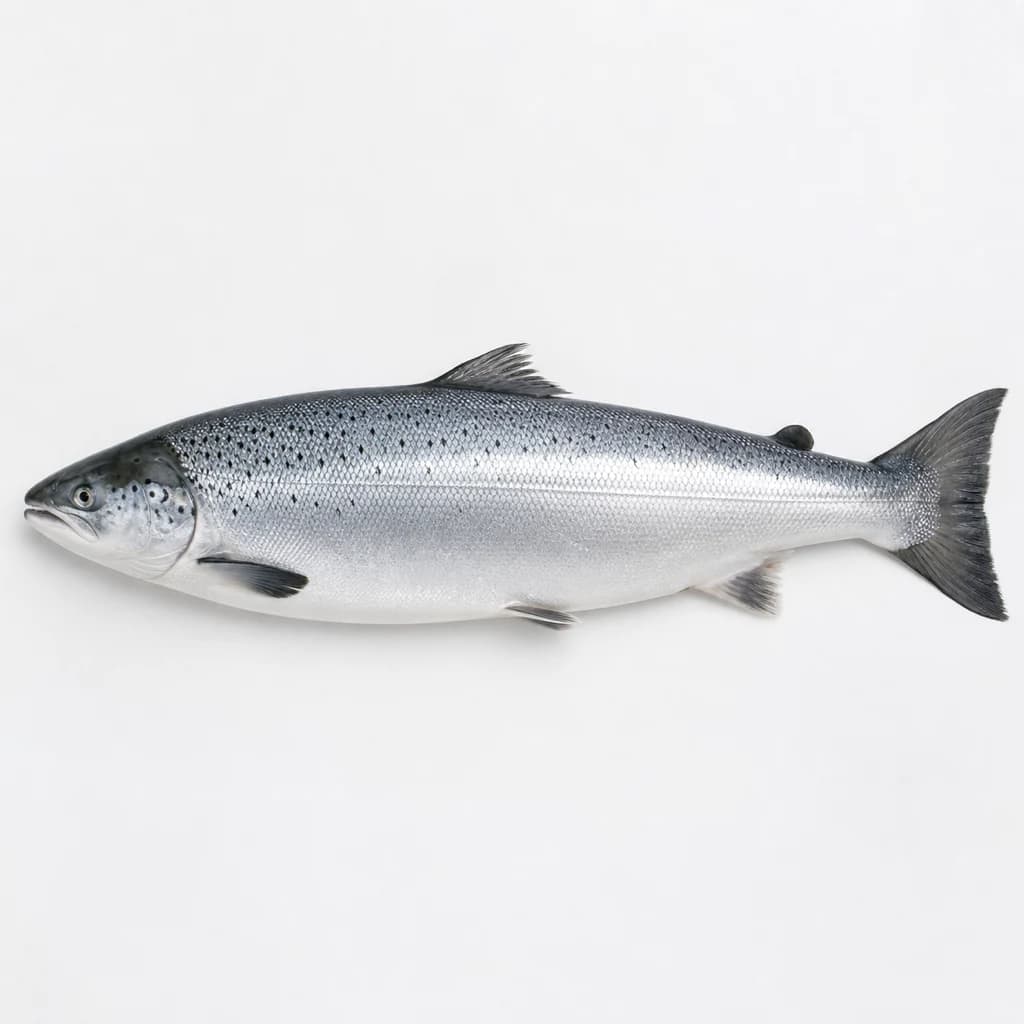
Salmon
Rich, rosy fish that roasts, grills, or cures beautifully

Egg White
Pure protein that whips to airy peaks for meringue and more
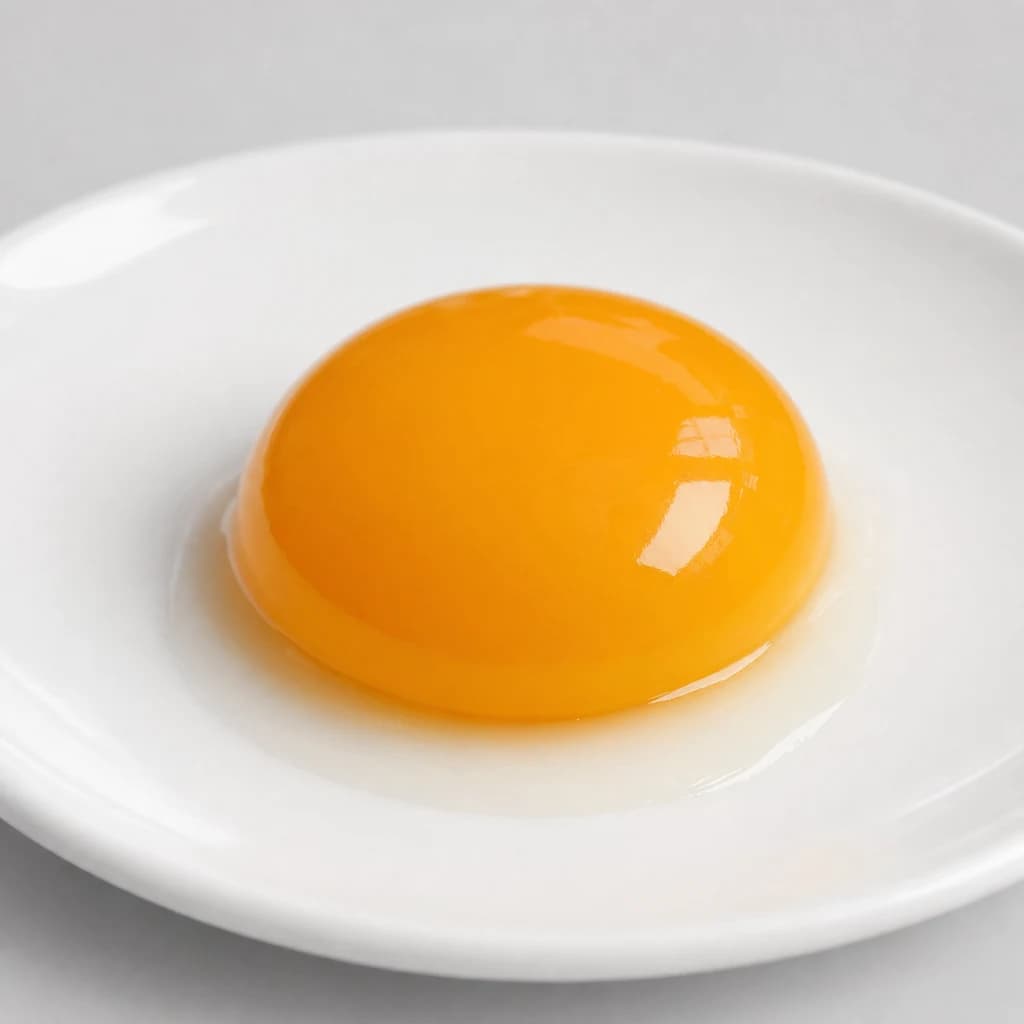
Egg Yolk
Rich, golden yolk for custards, mayonnaise, and pasta

Quail Egg
Tiny, speckled eggs for garnishing and elegant bites