Proteins
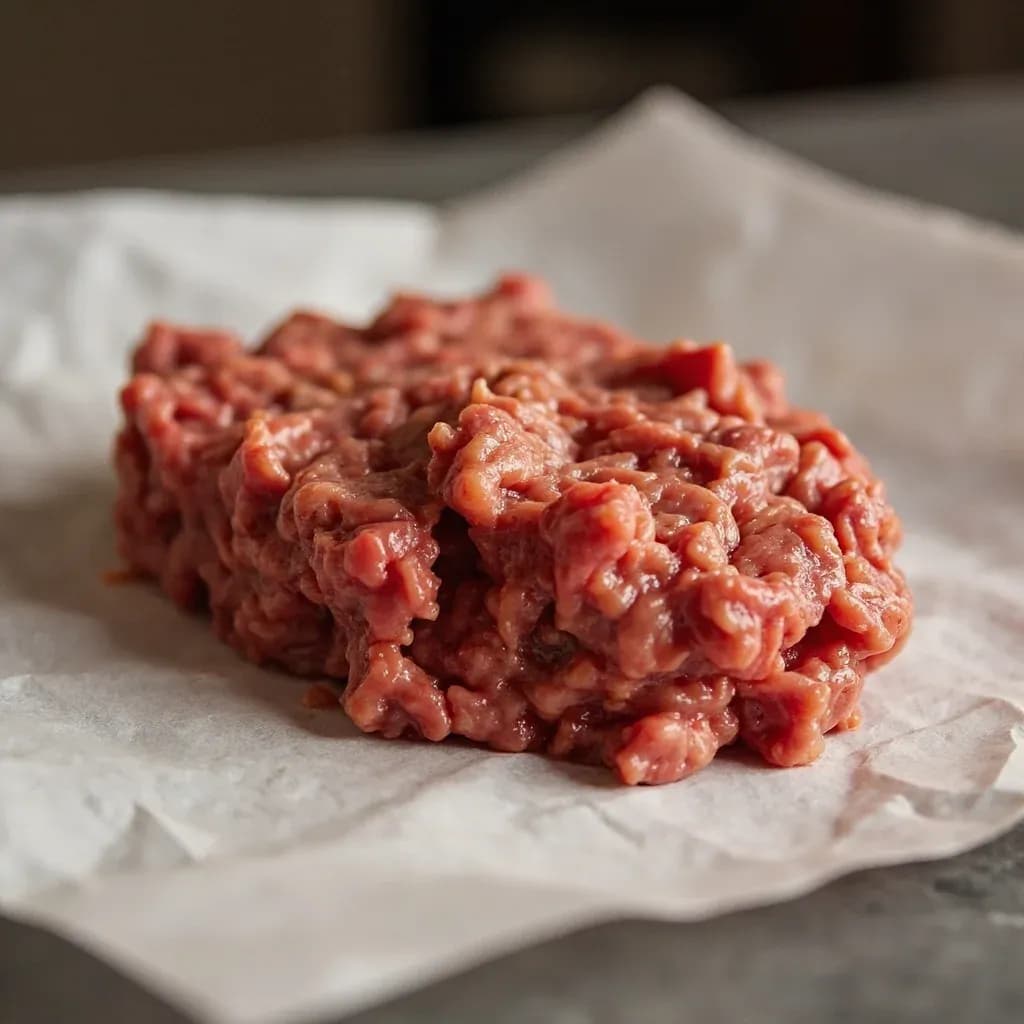
Lean Ground Beef (93/7)
Low-fat minced beef (about 93% lean) for healthier burgers, tacos, chili and sauces.
Lean ground beef, often labeled 93/7, is minced beef with about 7 percent fat, giving a lighter result than standard ground chuck. It is used for burgers, meatballs, tacos, chili and pasta sauces when less grease is wanted. Because it is leaner, it can dry out, so it is cooked gently or bound with moisture.
Lean Ground Beef at a 93/7 ratio contains approximately 93% lean meat and 7% fat by weight, meeting the USDA definition of "lean" which requires less than 10g total fat, 4.5g saturated fat, and under 95mg cholesterol per serving. This blend occupies a practical middle ground: lean enough to qualify as a healthy everyday protein, yet containing enough fat to retain genuine beef flavor and structural cohesion that ultra-lean 96/4 lacks. The primary cuts used—top round, bottom round, and eye of round—come from the hindquarters, naturally lean muscles that have done extensive work. Without active intervention, 93/7 will cook up drier and tougher than 80/20 because fat provides both lubrication during cooking and moisture retention in the finished dish. The cook's central task is moisture management: controlling heat, adding binding agents where needed, and seasoning aggressively to compensate for reduced fat-carried flavor. When handled correctly, 93/7 produces dishes that are satisfyingly beefy while significantly reducing dietary fat compared to conventional ground beef. Always verify the sell-by date and avoid gray or brownish meat with an off smell—lean ground beef spoils faster than fattier cuts due to reduced fat oxidation.
- Measured in
- g
- Storage
- Fridge
Types & varieties
Standard low-fat formulation available at most U.S. grocery stores
Slightly higher fat content; still qualifies as lean; better for structural integrity in some applications
Ultra-lean; often requires special ordering; very prone to drying out
From cattle raised on grass; slightly stronger beef flavor; typically darker in color
From grain-finished cattle; milder flavor; consistent texture
The Moisture Challenge
The fat content in ground beef isn't just about nutrition—it performs critical culinary functions. Fat conducts heat evenly, lubricates protein fibers during cooking, and keeps the finished dish from drying out. With only 7% fat, 93/7 requires active compensation to achieve the same eating experience as 80/20.
- Add 1–2 tablespoons of liquid (broth, sauce, or water) when browning to prevent drying and aid fond development
- For burgers, incorporate a binder: one beaten egg or 2 tablespoons of soaked breadcrumbs per pound
- Form burger patties loosely and press a slight indent in the center to prevent puffing and ensure even cooking
- Use a thermometer—pull lean beef at 150°F and let it rest to 160°F; it goes from done to dry very quickly
- For meatballs and meatloaf, include an ice cube or cold water in the mixture, and bake or poach rather than fry
Common uses
Tips & pitfalls
- Cook over medium heat—less fat means less natural lubrication and higher burning risk
- Break into small pieces as it browns for even cooking and better fond development
- Salt only after browning—salting early draws out moisture and causes steaming
- Add a splash of broth or sauce (1–2 tbsp) when browning to prevent drying and aid caramelization
- Drain thoroughly after browning before adding to soups, sauces, or other liquid-based dishes
- For burgers: add a beaten egg or soaked breadcrumbs per pound to retain moisture; form patties loosely and press a slight indent in the center
- Season aggressively—lean meat has less fat to carry and distribute flavor
- Use a thermometer—lean beef goes from done to dry very quickly; pull at 150°F and rest to 160°F
- For crumbling dishes (tacos, chili): cook in a single layer without stirring until deeply browned on one side, then break
- Add umami boosters: Worcestershire sauce, soy sauce, fish sauce, or tomato paste while browning
- For meatballs: include an ice cube or cold water in the mixture, and bake/poach rather than fry to minimize moisture loss
Nutrition
Energy
828 kJ · per 100 g
Where the calories come from
Protein
19.4g
39% DV
Carbs
0g
0% DV
Fat
12.7g
16% DV
Fiber
0g
0% DV
Sugars
0g
of which
Sodium
68mg
3% DV
Source · USDA FoodData Central · approx. Beef, grass-fed, ground, raw
View on FDC →In the shops
Matched grocery products
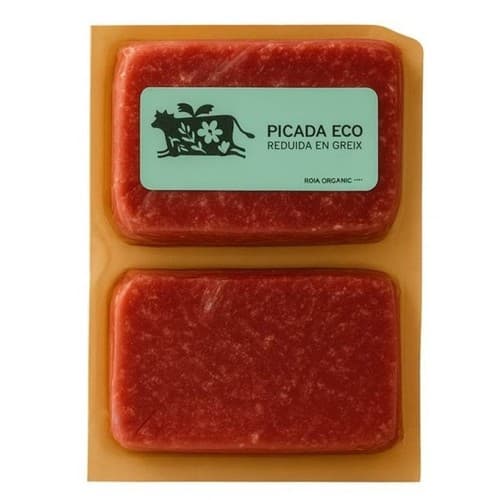 €9.99
€9.99Pirineus Organic Ground Beef
PIRINEUS · kg · Bonpreu
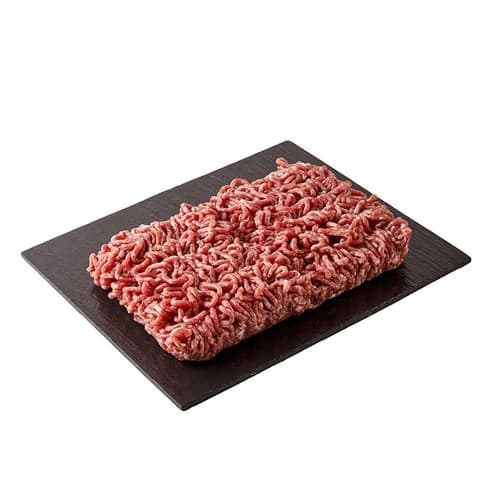 €10.48
BONPREU DE L'ERA Ground Beef
BONPREU DE L'ERA · kg · Bonpreu
Good to know
- Lean-to-Fat Ratio
- 93% lean, 7% fat by weight
- Typical Cuts
- Top round, bottom round, eye of round
- Calories
- 173–175 per 3-oz cooked serving
- Protein
- 20–21g per 3-oz cooked serving
- Fat
- 7–8g per 3-oz cooked serving (vs. 15g+ for 80/20)
- Saturated Fat
- Approximately 3g per 3-oz serving
- Cooking Loss
- 20–25% shrinkage when cooked from raw
- Color (Fresh)
- Bright cherry-red; brown exterior with pink interior is normal
- Refrigerator Storage
- 1–2 days in original packaging; 2–3 days if rewrapped loosely
- Freezer Storage
- 3–4 months in airtight packaging
- Safe Internal Temp
- 160°F (71°C) for fully cooked
Substitutes
- Ground Turkey Breast (99% lean) — Even lower fat; milder flavor; requires same careful cooking technique
- Ground Chicken Breast — Similar lean profile; slightly more delicate texture; good for Asian dishes
- Ground Bison — Comparable fat level (~7%); richer, slightly sweeter beef flavor; widely available in 90/10 or leaner blends
- Ground Pork (85/15) — Higher fat but adds moisture; best for meatballs, sausage, and Italian dishes
- Plant-Based Ground (Impossible, Beyond) — Similar fat content by design; behaves differently (more delicate); not a direct culinary substitute
Pairs with
Also called
ground beef 93/7 · 93/7 ground beef · Lean Minced Beef
Related
Egg
The kitchen's everything ingredient — bind, leaven, enrich, or fry
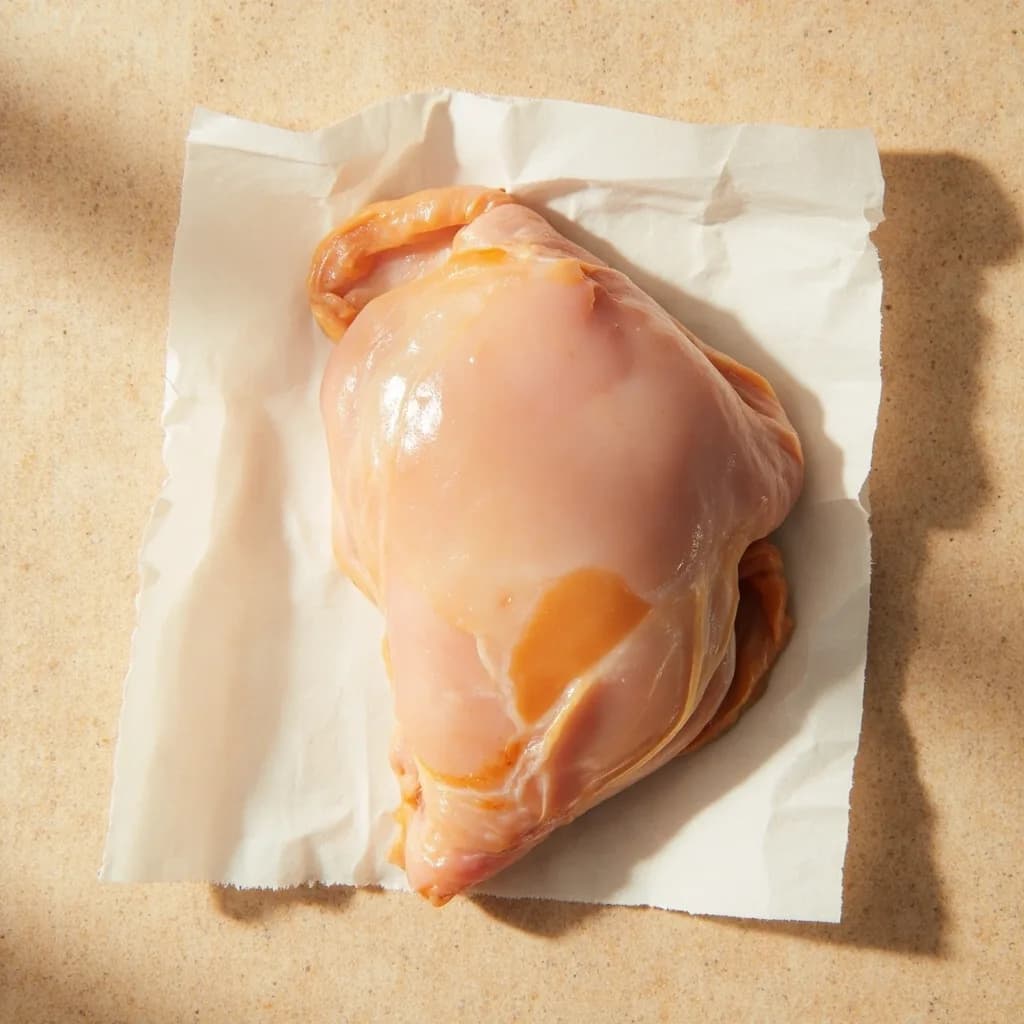
Chicken Breast
Lean, quick-cooking white meat for everyday dinners

Ground Beef
Versatile minced beef for burgers, ragù, tacos, and meatballs
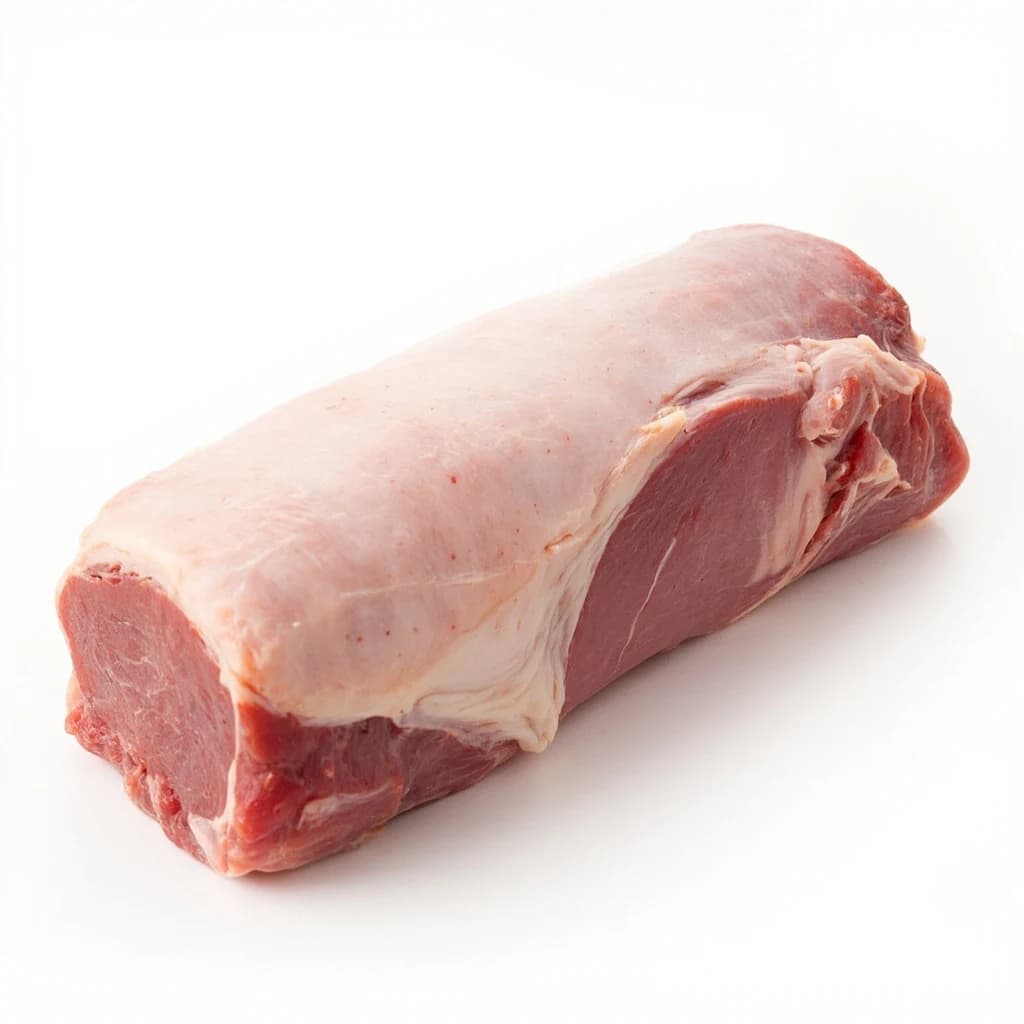
Pork Loin
Lean, tender roasting cut that stays juicy with care
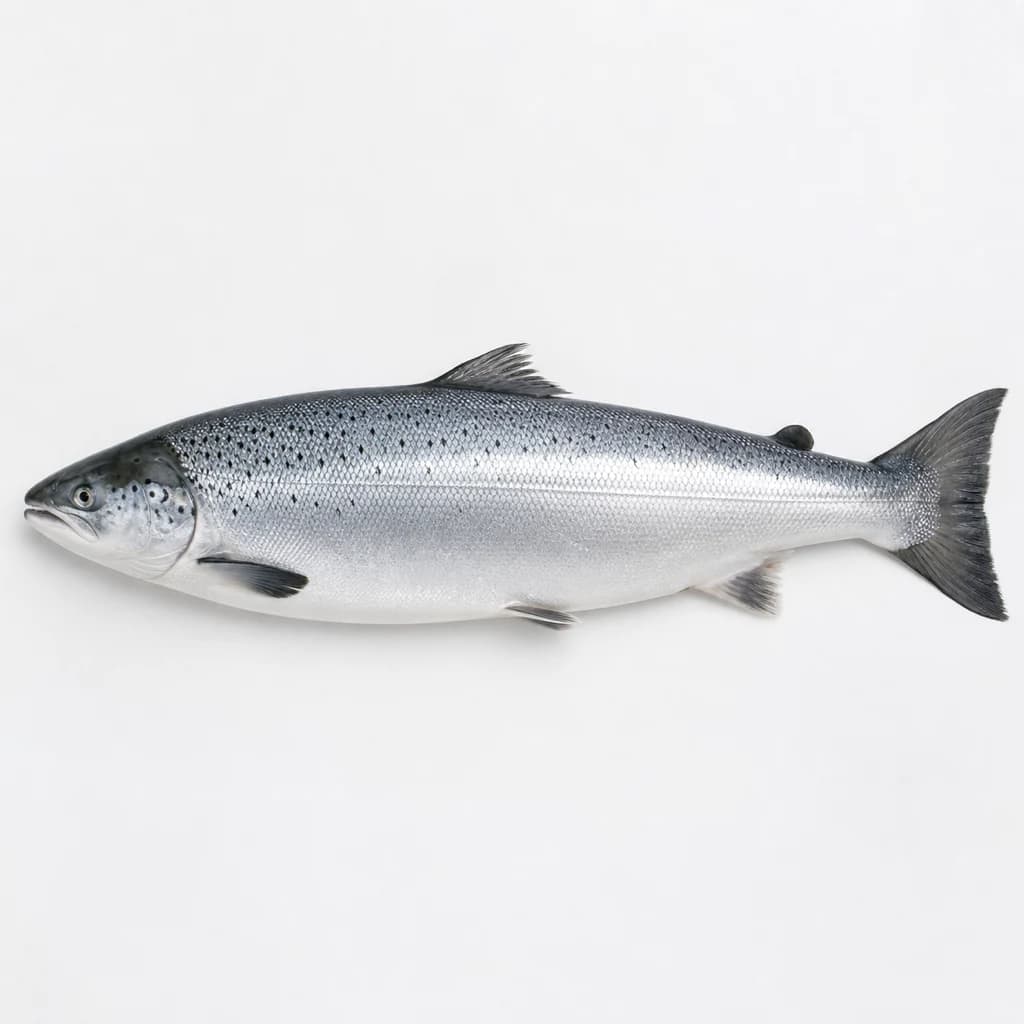
Salmon
Rich, rosy fish that roasts, grills, or cures beautifully

Egg White
Pure protein that whips to airy peaks for meringue and more
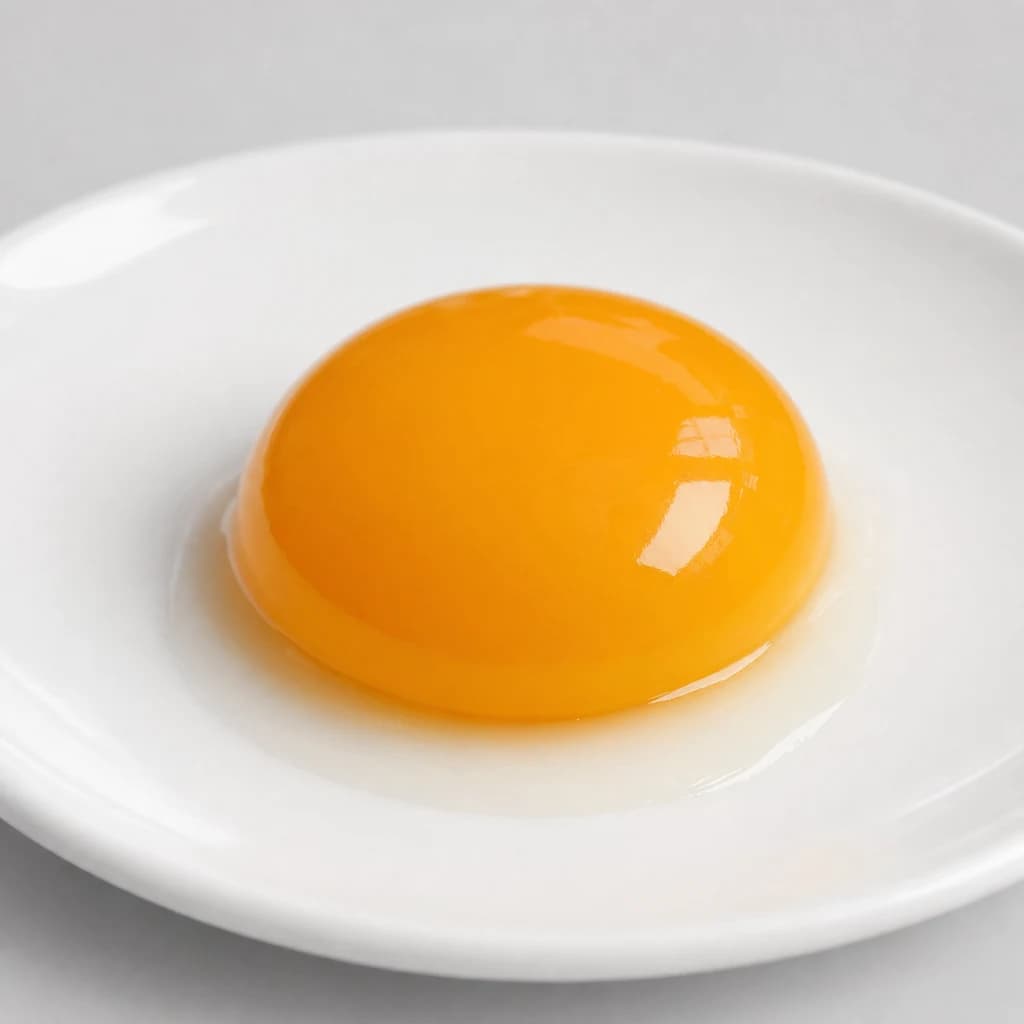
Egg Yolk
Rich, golden yolk for custards, mayonnaise, and pasta

Quail Egg
Tiny, speckled eggs for garnishing and elegant bites