Legumes & Beans
Lentil
Quick-cooking lens-shaped pulse used in dals, soups, and salads.
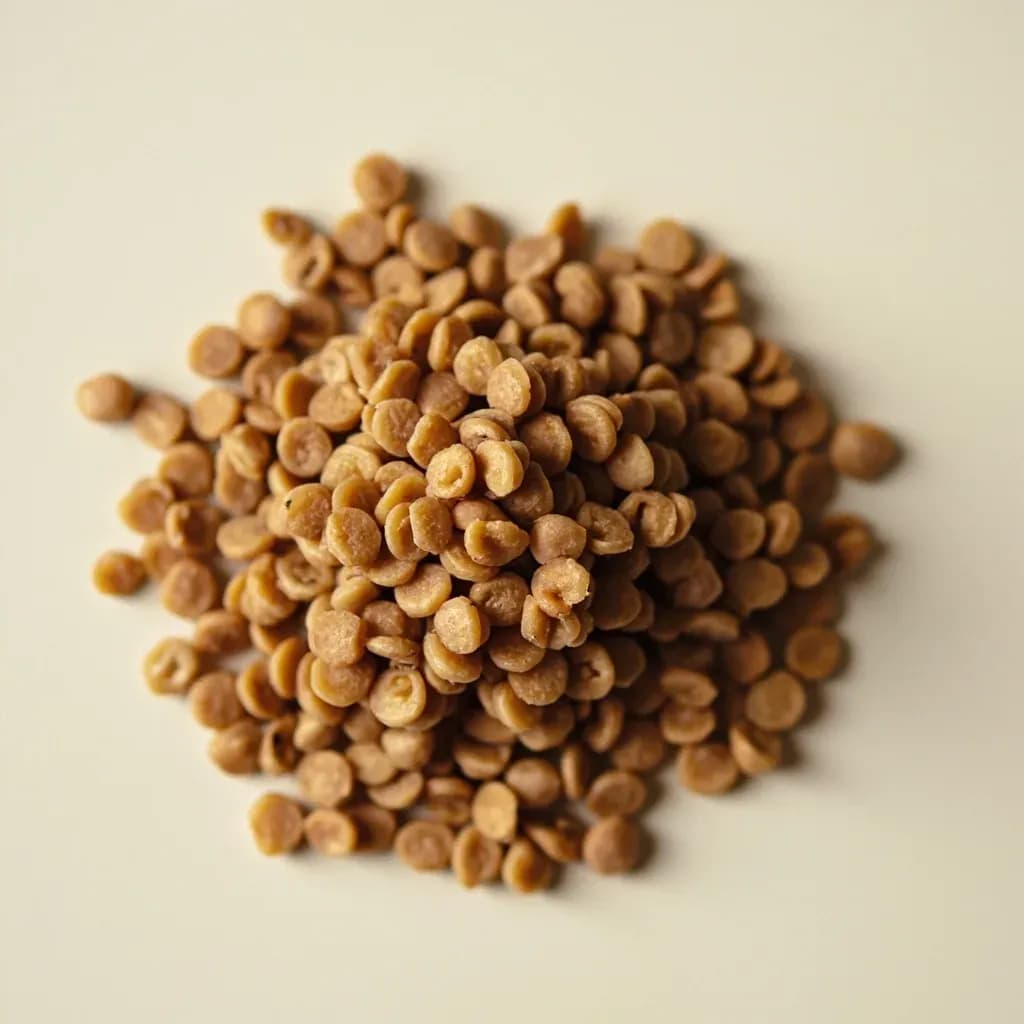
Lentils are small lens-shaped legumes that cook quickly without pre-soaking, prized for their earthy flavor and high protein and fiber. Brown and green varieties hold their shape for salads and stews, while split red and yellow types break down into dals and soups. They are a foundational protein across Indian, Middle Eastern, and European cooking.
Lentils are the small, lens-shaped seeds of Lens culinaris, a legume domesticated in the Near East around 8000 BCE—making them among the oldest cultivated foods in human history. Unlike dried beans, lentils require no soaking for most varieties, cook in a fraction of the time (15–45 minutes depending on type), and are remarkably forgiving in the kitchen. Their thin, round shape cooks from the outside in, and their seed coat—more tender than that of beans—means they absorb liquid and flavor readily without the skin toughening or splitting the way beans can. This behavior makes lentils uniquely versatile: they hold their shape well enough for salads and side dishes, yet they also break down into creamy purées, silky soups, and smooth dals with minimal encouragement. Their flavor is earthy and mildly nutty, unobtrusive enough to serve as a canvas for bold spices, yet substantial enough to anchor a meal. Nutritionally, they are a powerhouse—approximately 17–18g of protein per cooked cup, rich in iron, folate, and fiber, and naturally gluten-free. A cup of dried lentils yields roughly 2½–3 cups cooked, making them one of the most economical sources of plant protein available.
- Measured in
- g
- Storage
- Pantry
Types & varieties
Most common variety. Holds shape well when cooked with an earthy, robust flavor. Best for soups, side dishes, and salads. Cooking time: 30–45 minutes.
Small, slate-green with flecks and a flinty, slightly peppery texture. Holds its shape excellently. AOC-protected and grown in Auvergne, France. Cooking time: 25–35 minutes.
Split and hulled. Cooks fastest at 15–20 minutes and breaks down into a smooth, creamy purée. Ideal for Indian dals, soups, and baby food. Mild and slightly sweet.
Tiny, jet-black with a caviar-like appearance when cooked. Firm exterior with an almost creamy center. Nutty and the most flavorful of common varieties. Holds shape beautifully. Cooking time: 25–30 minutes.
Whole red lentils with a pinkish-orange hue. Similar to red lentils but retains slightly more structure. Common in Middle Eastern and Egyptian cooking.
Small, dark brown to black. Popular in Bengali cuisine. Quick-cooking with a distinct earthy flavor.
Speckled brown and cream, medium-sized. Good all-purpose variety that holds shape reasonably well.
Light cream colored, larger than brown lentils. Milder flavor; cooks to a creamy texture. Good for purées and dips.
Large, pale greenish-brown with a firm texture. Good for salads and side dishes.
Small slate-green lentil that stays firm and distinct after cooking; no pre-soak needed, holds up in warm salads, braises, and as a bed for fish or sausage.
Tiny jet-black lentils that glisten like caviar and hold their shape after cooking; firm and earthy, ideal for salads and plated sides where mush would ruin the look.
Mild, quick-cooking split lentils that break down into a soft golden puree. The backbone of Indian dal and creamy soups, needing no soaking and ready in about 20 minutes.
Common uses
Tips & pitfalls
- Rinse lentils thoroughly in cold water and pick through to remove small stones or debris—this is a non-negotiable step every time.
- Do not add salt or acidic ingredients (tomatoes, lemon juice, wine) until the final 10–15 minutes of cooking; salt can toughen the skins and acid slows softening noticeably.
- Use 2–2½ cups liquid per cup of dried lentils for most preparations, adding more if making a soup.
- Add aromatics (onion, garlic, bay leaf) at the start of cooking; add fresh herbs (cilantro, parsley, mint) only in the last 5 minutes to preserve their color and flavor.
- For salads, shock cooked lentils in cold water immediately to halt cooking and preserve their color and firm texture—drain well before dressing.
- Red and yellow lentils do not hold their shape and are best for purées; green, brown, Puy, and beluga hold shape and are the correct choice for salads and side dishes.
- Cooking time varies by the age and dryness of the lentils—older lentils take noticeably longer. Begin testing for doneness 5 minutes before the expected time.
- Leftover cooked lentils freeze well in portioned bags for up to 3 months; freeze flat in zip bags for fastest thawing.
- The starchy cooking liquid from lentils is flavorful and worth reserving to use as a light stock for soups—it adds body and reduces waste.
Nutrition
Energy
1473 kJ · per 100 g
Where the calories come from
Protein
24.6g
49% DV
Carbs
63.4g
23% DV
Fat
1.1g
1% DV
Fiber
10.7g
38% DV
Sugars
2g
of which
Sodium
6mg
0% DV
Source · USDA FoodData Central · Lentils, raw
View on FDC →In the shops
Matched grocery products
No matched grocery products for Lentil yet.
Good to know
- Botanical name
- Lens culinaris (Fabaceae family)
- First cultivation
- Near East, circa 8000 BCE
- Major producers
- Canada, India, Turkey, United States, Australia
- Cooking time
- 15–45 min (red/yellow: 15–20 min; brown/green: 25–45 min)
- Soaking required
- No for most varieties; optional 2–4 hr soak to reduce cooking time
- Yield
- 1 cup dried ≈ 2½–3 cups cooked
- Protein
- 17–18 g per cooked cup
- Shelf life
- 12 months dried in airtight container; up to 3 months frozen in portions
Substitutes
- Split Peas — Nearly identical cooking time and behavior; slightly sweeter and more starchy. Use 1:1 in soups and purées. Not ideal for salads or dishes where structure matters.
- Mung Beans — Smaller and rounder. Can be used whole or split. Popular in Asian and Indian cuisines. Similar texture when cooked, though slightly firmer.
- Adzuki Beans — Smaller and firmer; require 2–4 hours of soaking and 45–60 minutes of cooking. Not an ideal textural substitute in most preparations.
- Chickpeas — Much longer cooking time and a firmer texture. Appropriate for salads and side dishes but not interchangeable in dals or purées.
- Cannellini or White Beans — Larger and longer cooking. Can substitute in soups and salads but will alter the final texture and cooking time significantly.
Pairs with
Also called
Thjerrëza · Lentils · Dried Lentil
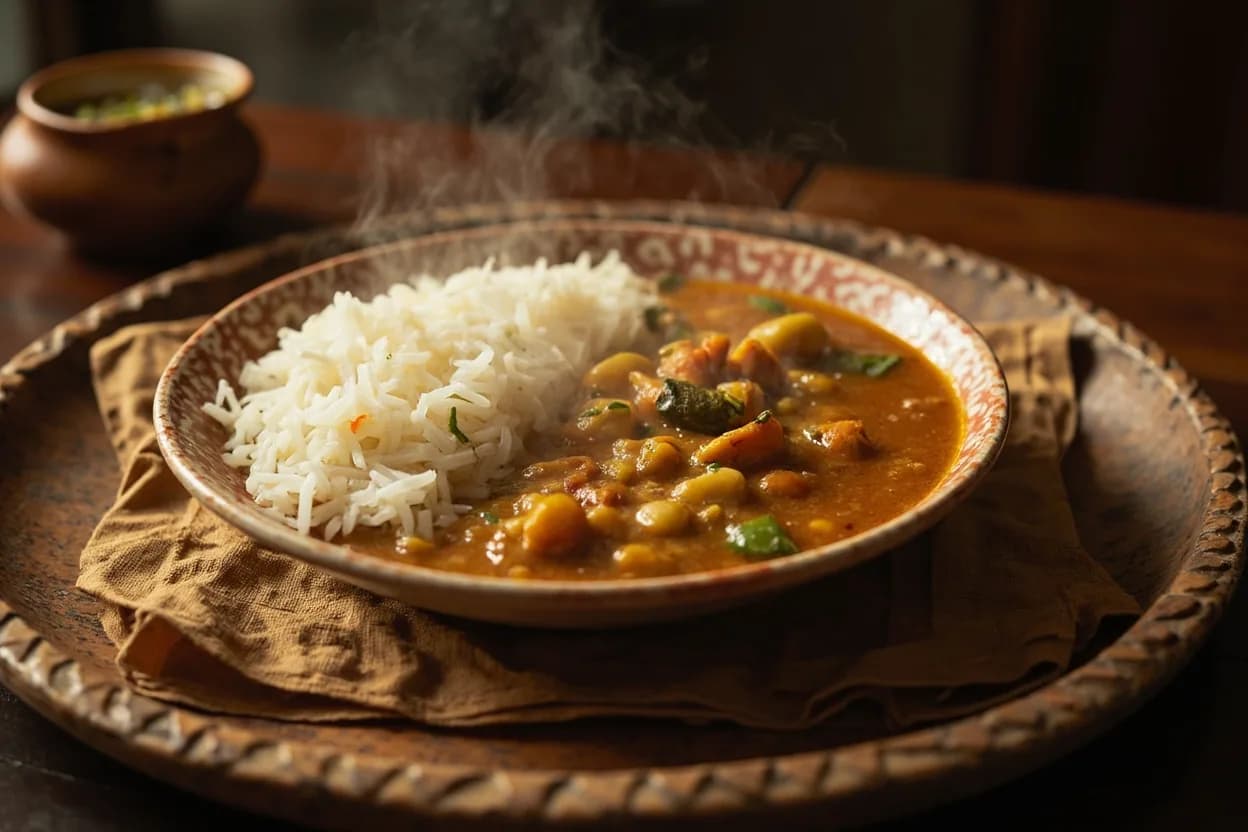
Appears in these dishes
Related
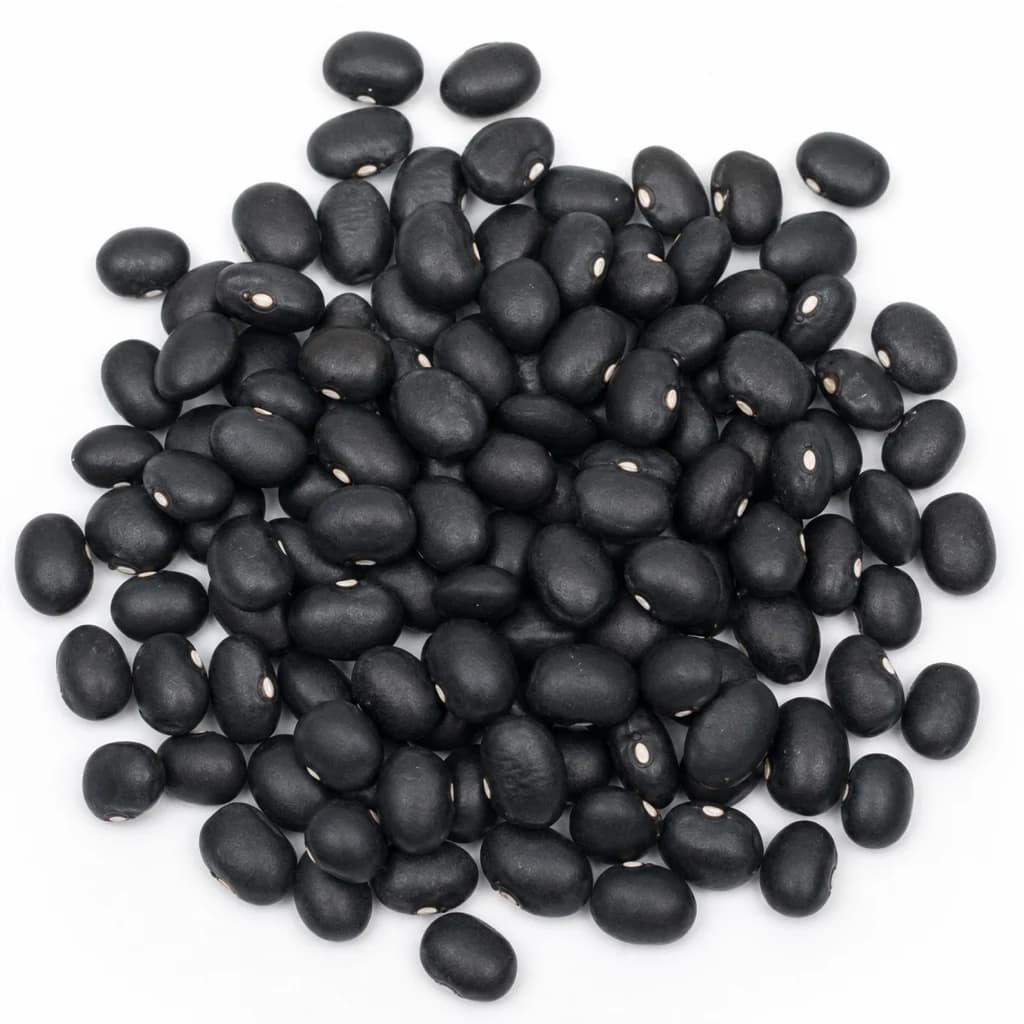
Black Beans
Earthy, creamy beans for bowls, soups, and tacos
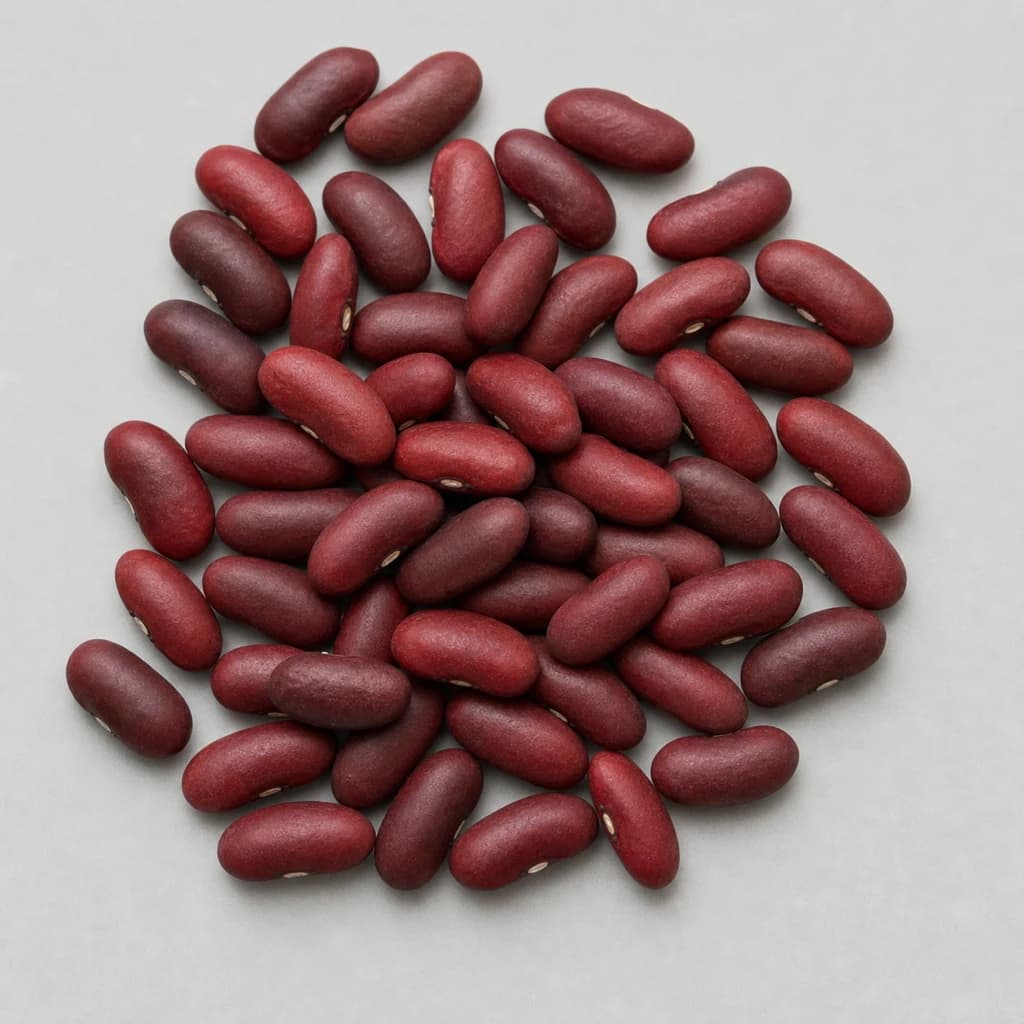
Kidney Beans
Hearty red beans that hold their shape in chili and stews
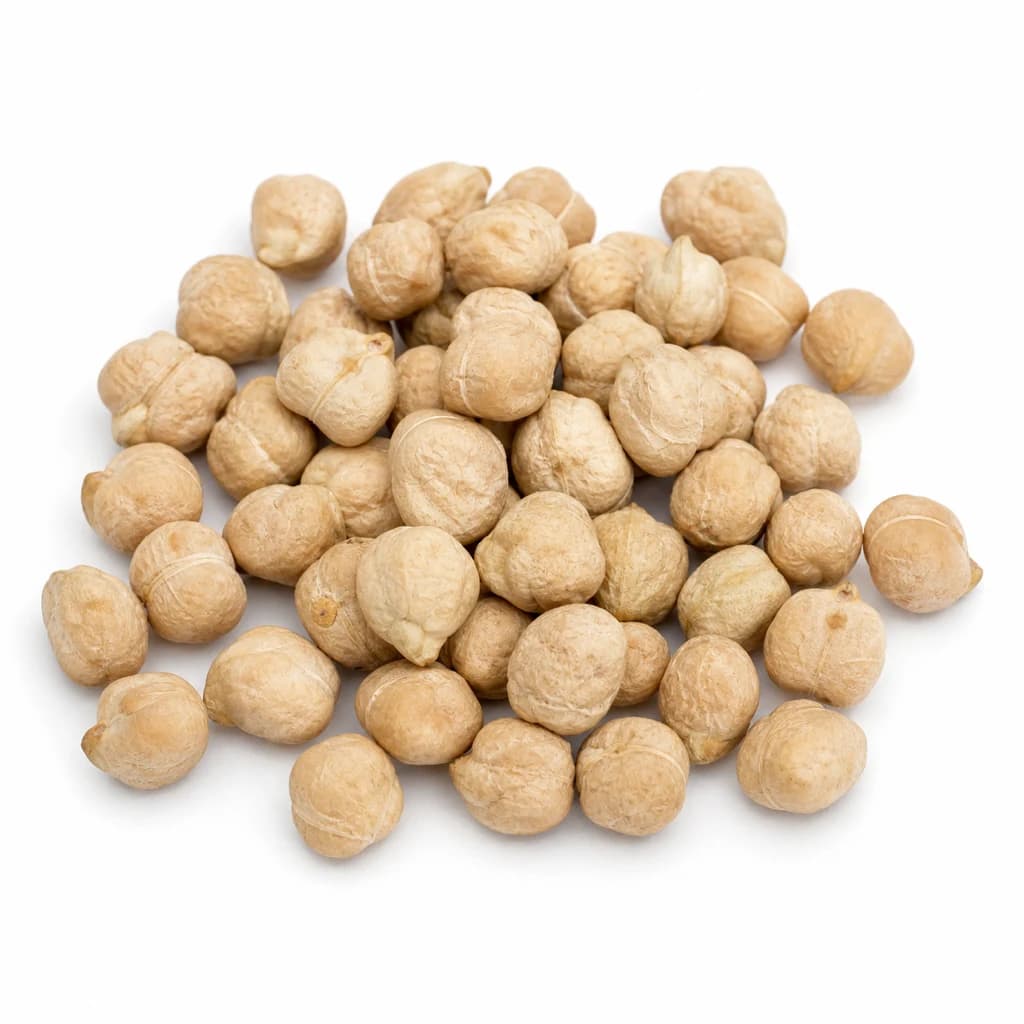
Chickpeas
Nutty, versatile beans for hummus, curries, and roasting
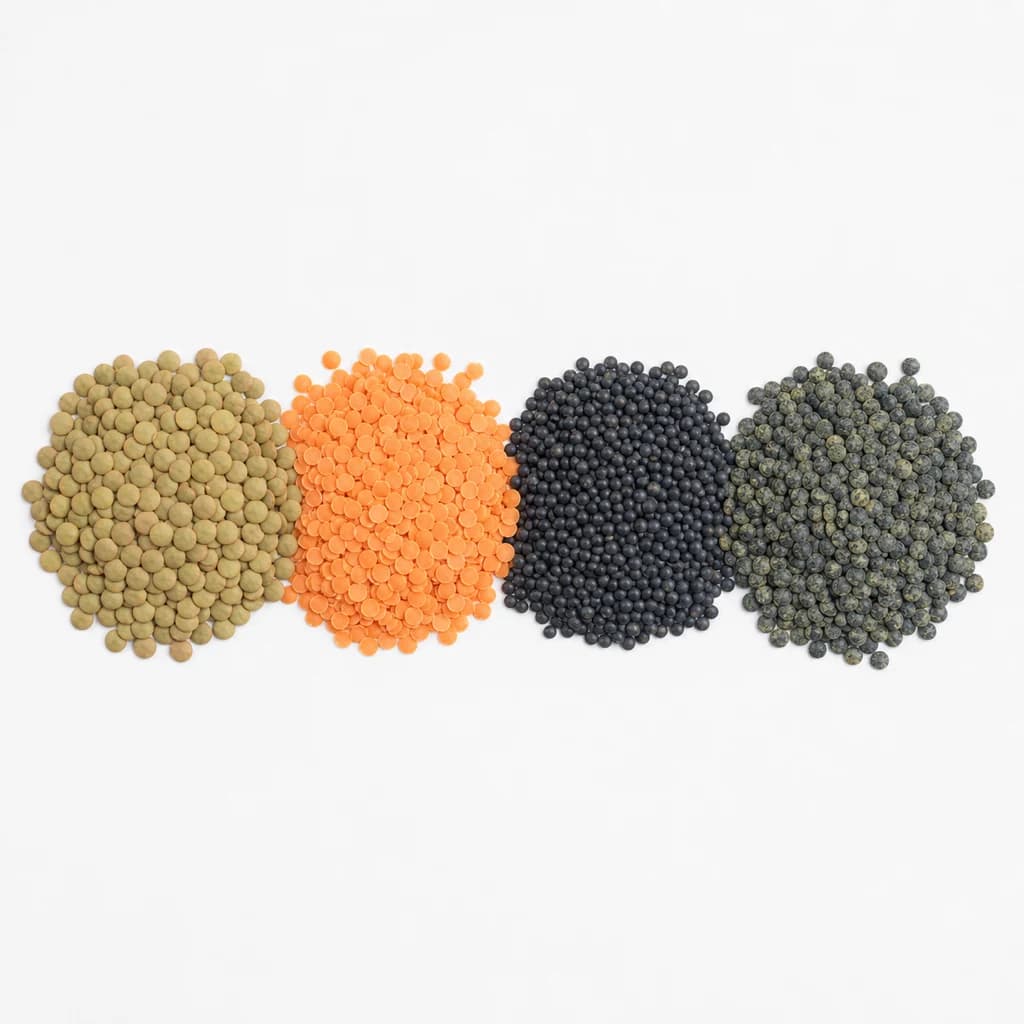
Lentils
Quick-cooking pulses for soups, dals, and hearty salads

White Beans
Creamy, mild beans for soups, stews, and silky purées
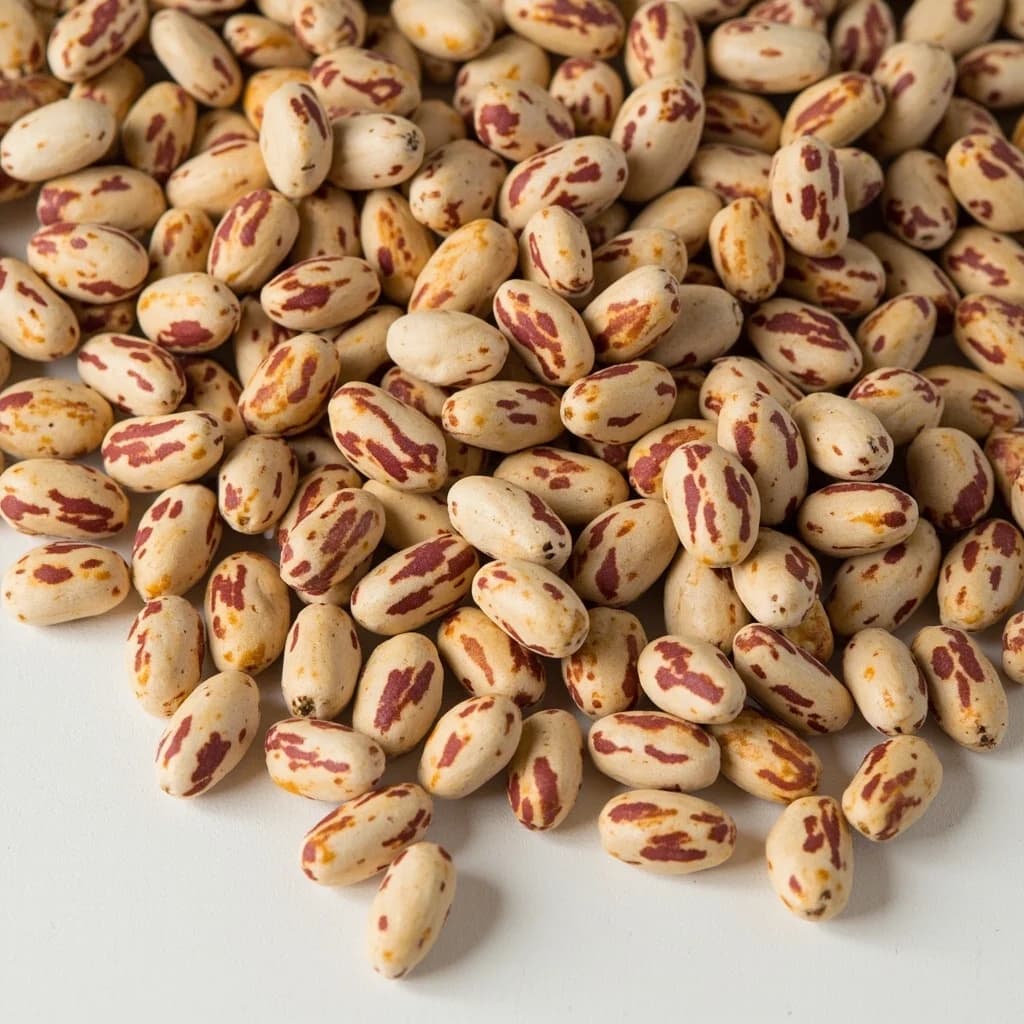
Pinto Beans
Creamy, speckled beans for refried beans and stews

Split Peas
Quick-cooking peas that melt into thick, comforting soups
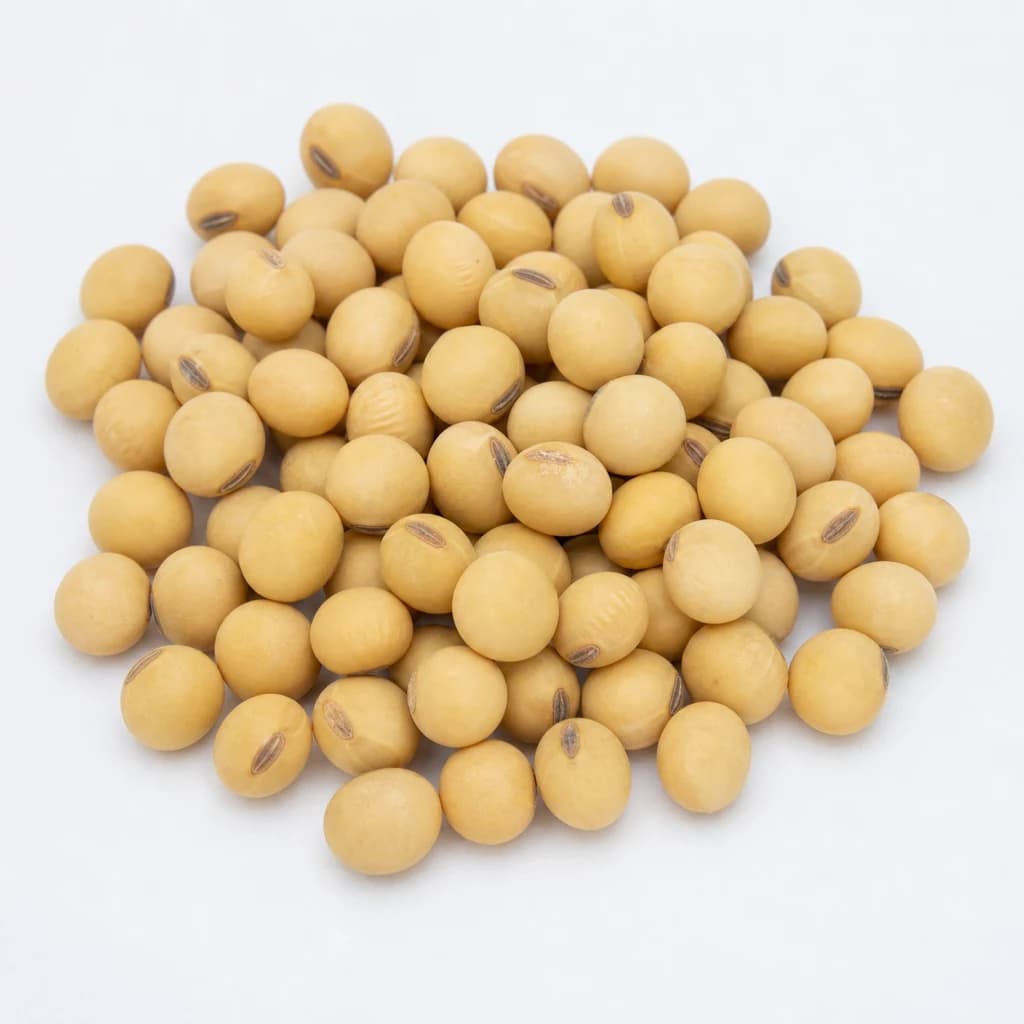
Soybeans
Protein-packed beans, the base for tofu and miso