Proteins
Longaniza Sausage
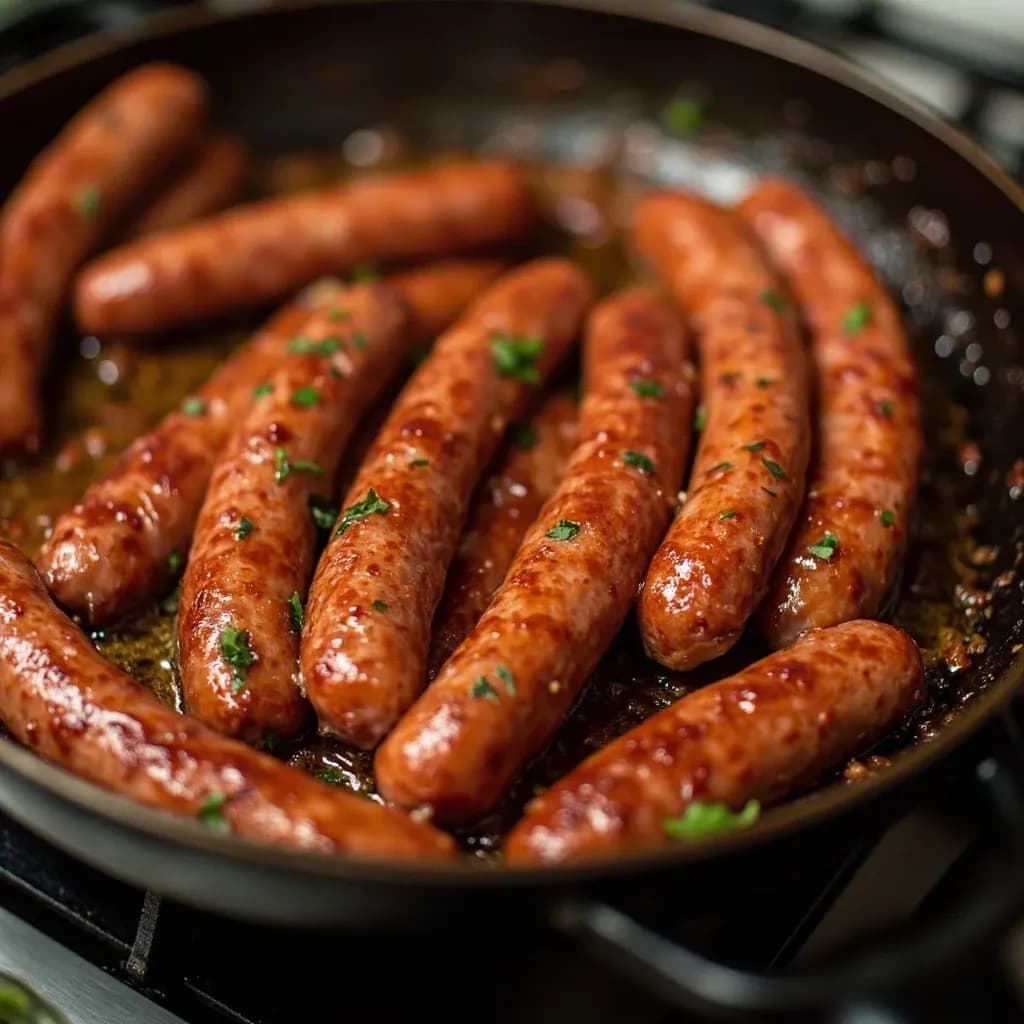
Spiced pork sausage seasoned with garlic and paprika, fried or grilled across Spain and Latin America.
Longaniza is a long, thin pork sausage seasoned with garlic, paprika, and regional spices, found throughout Spain, the Philippines, and Latin America in both fresh and cured forms. Filipino-style longaniza is often sweet and garlicky and pan-fried for breakfast, while Mexican versions are spicier and crumbled into dishes. Its bold, savory-spiced flavor makes it a beloved everyday sausage.
Longaniza is a coarsely ground pork sausage seasoned with garlic and paprika (pimentón), stuffed into natural pork or sheep intestine casings and linked into long, thin ropes—significantly slimmer and longer than chorizo links. The name derives from the Latin longus (long) via Old Spanish, a direct reference to its distinctive elongated shape. The sausage occupies a central place in the cuisines of Spain (particularly La Rioja, Navarra, and Extremadura), Latin America from Chile to Argentina, and the Philippines, where regional styles have evolved into distinct culinary traditions. The high fat content—typically 25–35% from pork shoulder or loin—is intentional and essential: it keeps the sausage moist during cooking and provides a flavorful rendering base for eggs, rice, and potatoes that accompany it across every tradition. Unlike some cured sausages, fresh longaniza must be cooked through to 160°F (71°C) to ensure food safety, while semi-cured varieties can be grilled or pan-fried directly. The paprika content varies dramatically by region, ranging from the mildly seasoned longaniza of La Rioja to the heavily pigmented Extremaduran style, so always taste before adjusting seasoning in a dish.
- Measured in
- g
- Storage
- Fridge
Types & varieties
Mildly spiced, lightly cured, traditionally fried with eggs
Often stuffed into spiral links, popular in pinchos and mixed grills
Heavily paprika'd, often used in stews like migas
Fresh, mild, garlic-forward; a breakfast staple (longaniza con huevos)
Similar to Chilean style; often pan-fried and served with bread
Filipino style; heavily garlicked and vinegar-forward, traditionally coiled
Filipino sweet variant with sugar added to the meat mixture
Fresh vs. Semi-Cured: Which to Buy
Fresh longaniza (found in the refrigerated case) must be cooked through before eating—treat it like raw ground pork. Semi-cured longaniza has been lightly dried and can be sliced and eaten as-is, though most cooks still grill or pan-fry it for texture and flavor. In the U.S., Latin grocers and butcher shops typically carry fresh longaniza; semi-cured is more common at Spanish specialty stores. When buying fresh, check the sell-by date and sniff: it should smell clean and garlicky, not sour or ammonia-like, which indicates age or improper storage.
- Fresh: cook to 160°F (71°C) internal temperature
- Semi-cured: can be eaten raw or lightly cooked
- Buy from high-turnover sources for best freshness
- Avoid packages with liquid pooling or a sour smell
Longaniza vs. Chorizo
The two sausages share DNA but differ in shape, texture, and seasoning intensity. Longaniza links are longer and thinner (like thin rope), while chorizo comes in shorter, thicker links. Longaniza is often milder, with less curing and less paprika punch, though Extremaduran longaniza can rival chorizo's smokiness. In recipes calling for chorizo in rice dishes or eggs, longaniza makes a fine substitute with minor adjustments—expect slightly less color and a leaner bite.
- Longaniza: longer, thinner, often milder
- Chorizo: shorter, thicker, more intensely seasoned
- Interchangeable in most cooked applications
- Longaniza typically lacks chorizo's typical vinegar content
Common uses
Tips & pitfalls
- Always prick fresh longaniza with a fork before frying—fat renders slowly and the casing will burst if pressure builds up
- Render the fat slowly over medium heat, then crisp the casing in the fat for texture and mouthfeel
- Semi-cured longaniza can be grilled directly; fresh longaniza must reach 160°F (71°C) internally
- Do not overcook fresh longaniza or it will turn dry and crumbly—the fat should stay inside the casing
- For a char, finish sliced longaniza under the broiler for 1–2 minutes after pan-frying
- When adding to stews, add in the last 15 minutes to prevent the meat from toughening
- Remove filling from casing easily by snipping the end and pushing the meat out, or slice diagonally and peel away
- Taste before adding salt—some commercial longaniza is already quite salty from the seasoning blend
- For a smoky version, use longaniza seasoned with smoked pimentón (pimentón de La Vera) or supplement with a pinch yourself
- Freeze fresh longaniza if you will not use it within 5–7 days; it keeps up to 2 months and thaws well
Nutrition
Energy
649 kJ · per 100 g
Where the calories come from
Protein
18.8g
38% DV
Carbs
0.5g
0% DV
Fat
8.1g
10% DV
Fiber
0g
0% DV
Sugars
0g
of which
Sodium
593mg
26% DV
Source · USDA FoodData Central · approx. Sausage, turkey, fresh, raw
View on FDC →In the shops
Matched grocery products
No matched grocery products for Longaniza Sausage yet.
Good to know
- Type
- Fresh or semi-cured pork sausage in natural casing
- Primary Meat
- Pork shoulder or pork loin, coarsely ground
- Key Seasonings
- Garlic, paprika (pimentón), salt; some varieties add oregano, cumin, or black pepper
- Origin
- Spain (La Rioja, Navarra, Extremadura); spread to Latin America and Philippines via Spanish colonization
- Typical Shape
- Long, thin links—significantly longer and slimmer than chorizo links
- Fat Content
- Typically 25–35% fat; higher fat content is intentional for moisture and flavor
- Fresh Storage
- Refrigerated, use within 5–7 days; freeze for up to 2 months
- Semi-Cured Storage
- Refrigerated 2–4 weeks; some dried varieties keep at room temperature
Substitutes
- Chorizo Bilbao — Spanish-style semi-cured chorizo is the closest substitute; has similar paprika and garlic profile but shorter, thicker links
- Chouriço — Portuguese equivalent with wine and paprika; excellent in fried egg dishes and rice
- Andouille — Garlic-forward and smoked; adds depth but lacks paprika color; use in jambalaya-style rice dishes
- Mexican Chorizo — Fresh, loose sausage; remove from casing and cook like ground meat; different texture but similar flavor profile
- Homemade Pork Sausage — Season coarse-ground pork with 2 cloves garlic, 1 tsp paprika, ½ tsp salt, and a pinch of oregano per ½ lb (225g)
Pairs with
Also called
Longaniza · Longganisa
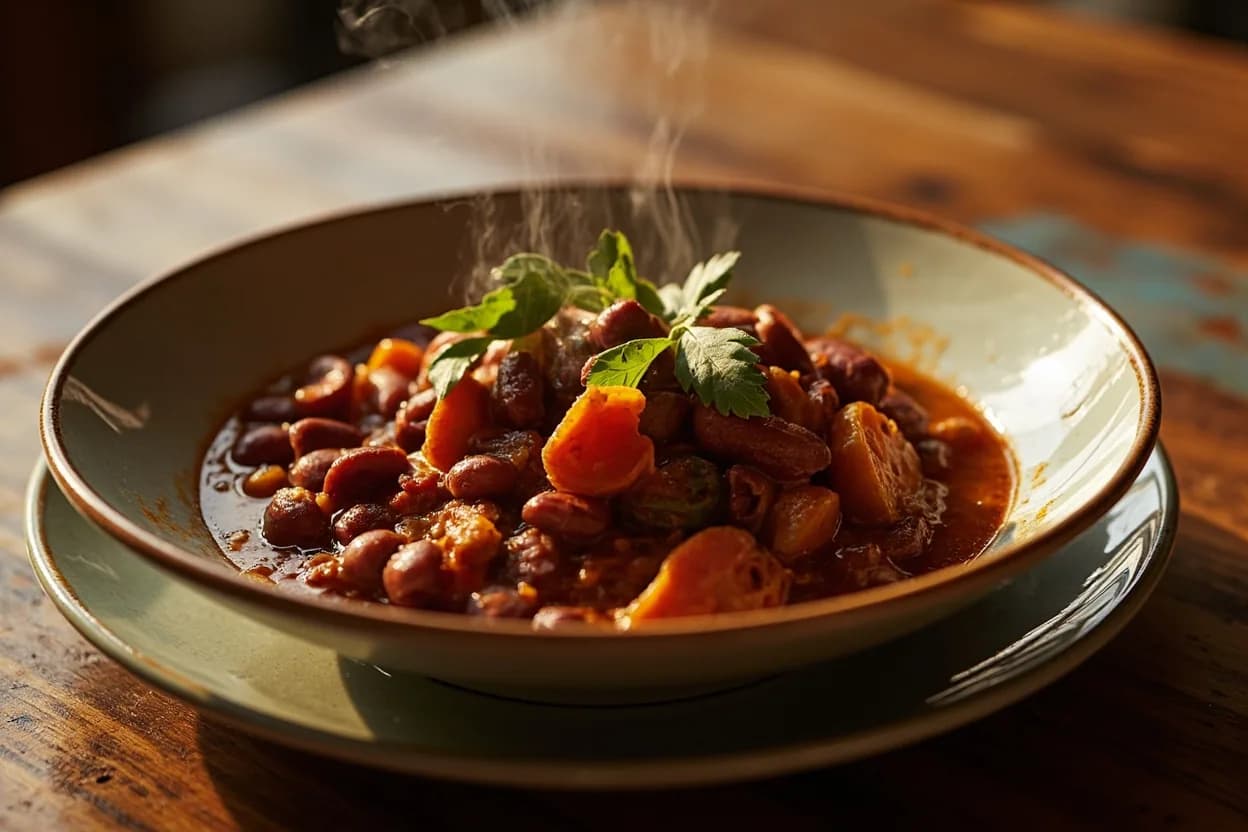
Appears in these dishes
Related
Egg
The kitchen's everything ingredient — bind, leaven, enrich, or fry
Chicken Breast
Lean, quick-cooking white meat for everyday dinners

Ground Beef
Versatile minced beef for burgers, ragù, tacos, and meatballs
Pork Loin
Lean, tender roasting cut that stays juicy with care
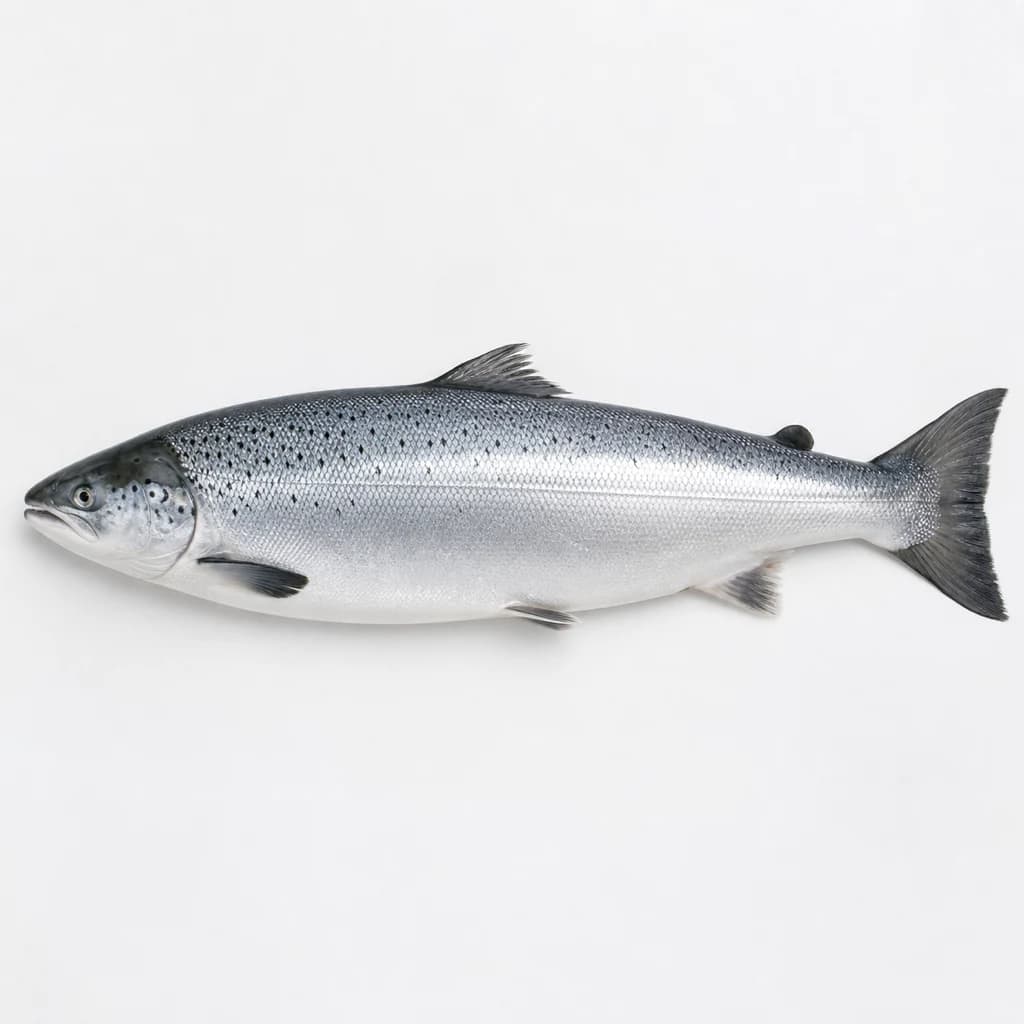
Salmon
Rich, rosy fish that roasts, grills, or cures beautifully

Egg White
Pure protein that whips to airy peaks for meringue and more
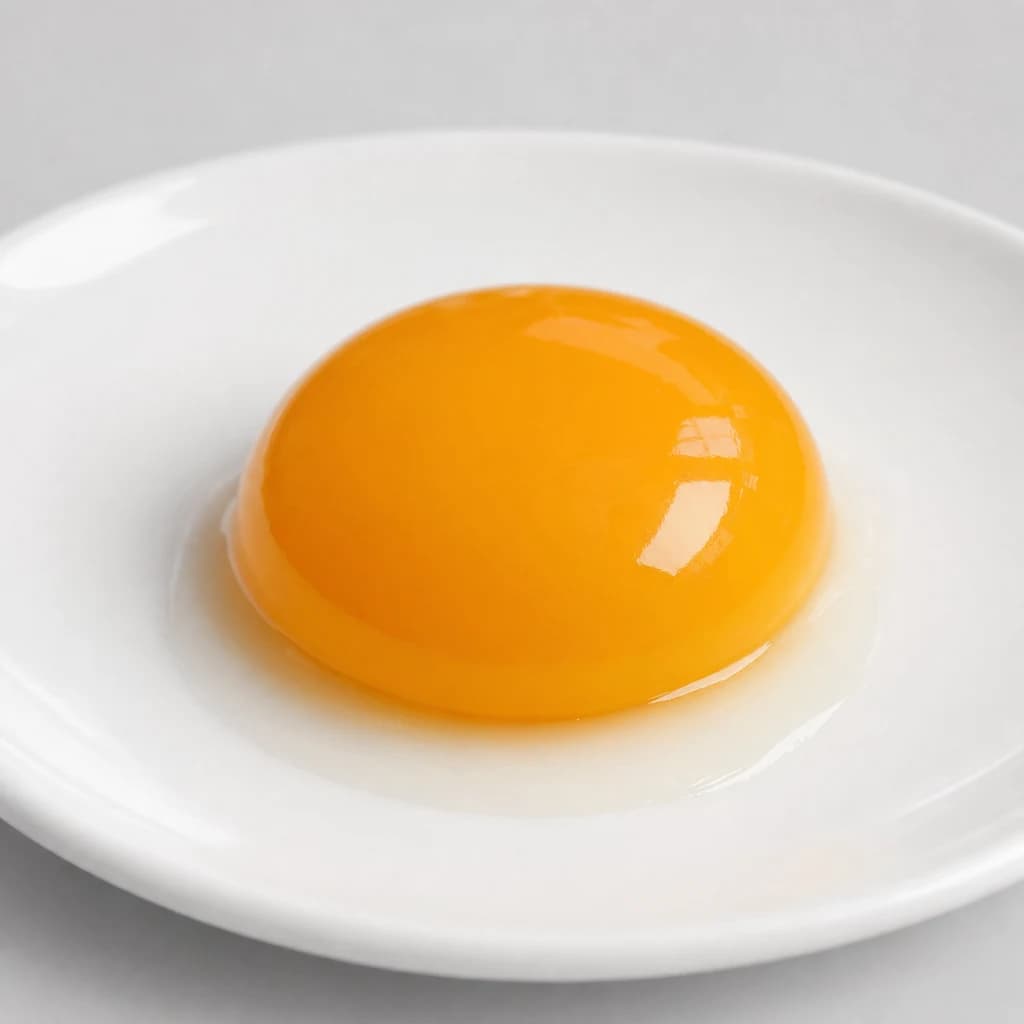
Egg Yolk
Rich, golden yolk for custards, mayonnaise, and pasta

Quail Egg
Tiny, speckled eggs for garnishing and elegant bites