
Natural form
Young luffa gourds with their characteristic ridges, harvested before the flesh toughens.
Shows the whole, uncut gourd so readers can recognize it at a market or in produce aisles.
Produce
Sponge Gourd (Luffa)
Mild, spongy Asian gourd eaten young in stir-fries and soups.
Sponge gourd, or luffa, is a ridged or smooth green gourd harvested young, when its flesh is tender, mild, and slightly sweet. It is peeled and stir-fried, added to soups, or cooked with egg in Chinese and South Asian kitchens. Left to mature, the same gourd dries into the fibrous bath sponge.
Sponge gourd, known as luffa or loofah, is a member of the Cucurbitaceae family that serves a dual life — as a culinary ingredient when harvested young and tender, and as the familiar bath sponge when allowed to mature and dry. The vegetable has a mild, slightly sweet flavor reminiscent of summer squash or zucchini, with a distinctive spongy quality that becomes more pronounced as the fruit matures. When cooked correctly, young luffa offers a pleasant yielding texture that absorbs sauces and aromatics beautifully, making it a versatile vehicle for bold flavors in stir-fries, soups, and curries across Asian cuisines. The ridged variety (angled luffa) holds its shape slightly better in wet preparations like curries, while the smooth variety is more common in Chinese and Southeast Asian cooking. Beyond the fruit, the young leaves, shoots, and flower buds are also edible, used as greens in many traditional preparations.
The spongy texture that gives luffa its name is not merely a curiosity — it has practical culinary significance. The porous flesh acts like a vegetable sponge, soaking up marinades, broths, and seasoning sauces while providing a pleasant yielding bite that differs from firmer squashes. This characteristic makes it especially valuable in dishes where it absorbs the flavors of the cooking liquid, as in Philippine sinigang or Thai coconut curries. However, this same trait means overcooking causes the gourd to become mushy and waterlogged, diluting the dish rather than enriching it. Harvest size matters critically: fruit at 15–25 cm (6–10 inches) delivers the best texture; beyond 30 cm (12 inches), fiber development becomes noticeable even after peeling, and the seed cavity grows large and tough.
In the kitchen, luffa requires minimal equipment and preparation. A sharp chef's knife and cutting board suffice; a peeler is needed only for larger specimens with tough skin. The young gourd is nearly all usable — flesh, skin (if tender), and soft young seeds. Peeling is optional for small, thin-skinned specimens and will be judged by feel. Cutting technique affects both appearance and cooking: diagonal or bias-cut slices cook more evenly and present better in stir-fries than straight cuts. The gourd cooks quickly — 3 to 8 minutes depending on method — and should be added toward the end of recipes with long cooking times to preserve its texture.
- Measured in
- piece
- Storage
- Fridge
Types & varieties
Cylindrical shape with smooth or slightly bumpy skin when young; the most common variety for culinary use worldwide
Pronounced vertical ridges along the length; also called Chinese okra though unrelated to okra; slightly firmer flesh holds shape better in wet preparations like curries
Popular cultivar bred for kitchen use; tender flesh with minimal fiber when harvested at correct size
Specially developed for cooking with improved tenderness, smaller seed cavity, and more consistent quality
The Dual Nature of Luffa
The same plant serves two entirely different purposes depending on when it is harvested. When picked young — at 15 to 25 cm (6 to 10 inches) — the gourd is a vegetable with tender flesh and a mild, slightly sweet flavor. When allowed to mature fully on the vine, the flesh breaks down and leaves behind the familiar fibrous vascular skeleton that becomes the bath sponge once dried, cleaned, and processed. This duality has made luffa a remarkable multitasker in kitchens and households across Asia for centuries. The mature sponge is also occasionally used as a gentle abrasive tool for cleaning cookware before being composted.
- Young fruit (vegetable): harvest at 15–25 cm for best texture
- Mature fruit (sponge): harvest at full size, 45–60 cm, when skin is brown and dry
- Both come from the same species — the difference is entirely timing
Selecting and Judging Freshness
Fresh luffa should be firm throughout with bright, evenly colored green skin. Press gently: the flesh should yield slightly under pressure but spring back. Avoid specimens with soft spots, blemishes, or yellowing skin, which indicate aging. Size is the single most important quality indicator — the larger the gourd, the more developed the fiber and seed cavity. Even when peeled, overmature luffa reveals a large, hollow center filled with seeds and tough fiber strands that are unpleasant to eat. If cutting and finding fibrous strands, trim them out and continue cooking only the tender outer flesh.
- Choose firm, bright green specimens under 30 cm (12 inches)
- Skin should be smooth or only slightly ridged (depending on variety)
- Press test: slight give, then spring back; avoid mushy areas
- If in doubt, cut open before cooking — check seed cavity size and flesh color
Common uses
Tips & pitfalls
- Harvest at 15–25 cm (6–10 inches) for the most tender texture; anything over 30 cm (12 inches) becomes noticeably fibrous even after peeling.
- Look for firm, bright green specimens with no soft spots; skin should yield slightly to pressure but rebound.
- Peel only if the skin is tough or the gourd is on the larger side; young luffa can be cooked with skin on and the skin softens during cooking.
- Diagonal or bias-cut slices cook more evenly and look better in stir-fries than straight cuts.
- Do not overcook; 3–5 minutes in a wok over high heat preserves the slight crunch and spongy character.
- For soups, add in the last 2–3 minutes of cooking to prevent the gourd from dissolving into the broth.
- Press gently after slicing when using in curry to remove excess water and prevent dilution of the sauce.
- The young seeds are edible when soft and white; discard mature seeds, which are hard, or save them for planting or dry-roasting like pumpkin seeds.
- Common mistake: confusing with chayote or other squashes — luffa has a more pronounced spongy texture when cooked that absorbs sauce differently.
- Store away from ethylene-producing fruits like apples and bananas to prevent accelerated softening.
Nutrition
Energy
84 kJ · per 100 g
Where the calories come from
Protein
1.2g
2% DV
Carbs
4.4g
2% DV
Fat
0.2g
0% DV
Fiber
1.1g
4% DV
Sugars
2g
of which
Sodium
3mg
0% DV
Source · USDA FoodData Central · approx. Gourd, dishcloth (towelgourd), raw
View on FDC →In the shops
Matched grocery products
No matched grocery products for Sponge Gourd (Luffa) yet.
Good to know
- Also called
- Luffa, loofah, loofa, Chinese okra, angled gourd, silk gourd, dishcloth gourd
- Scientific name
- Luffa aegyptiaca (smooth) and Luffa acutangula (ridged)
- Family
- Cucurbitaceae (cucumber family)
- Flavor
- Mild, slightly sweet; similar to summer squash; absorbs strong aromatics when cooked
- Texture
- Tender and slightly spongy when young; becomes fibrous and tough if overmature
- Peak season
- Summer through early fall; year-round in tropical climates
- Storage
- Refrigerate unwashed in a plastic bag; use within 1–2 weeks
- Nutrition
- Low calorie; high water content (~90%); provides vitamin C, some B vitamins, iron, magnesium, potassium
Substitutes
- Summer squash or zucchini — Similar mild flavor and quick cooking time; texture is slightly firmer and not spongy, so it absorbs sauces less readily
- Chayote — Comparable mild flavor and cooking behavior; slightly crunchier texture but works in similar preparations
- Bottle gourd (lauki/doodhi) — Similar mildness and excellent absorption of flavors; different shape but interchangeable in Indian preparations
- Pattypan squash — Acceptable in stir-fries; cooks in similar time with comparable mild flavor profile
- Young okra — Similar viscosity in gumbo-style dishes and some soups; different flavor and more pronounced slime
Pairs with
Also called
Nabera · Hechima · Luffa · Luffa Gourd · Ridge Gourd · 絲瓜
Related
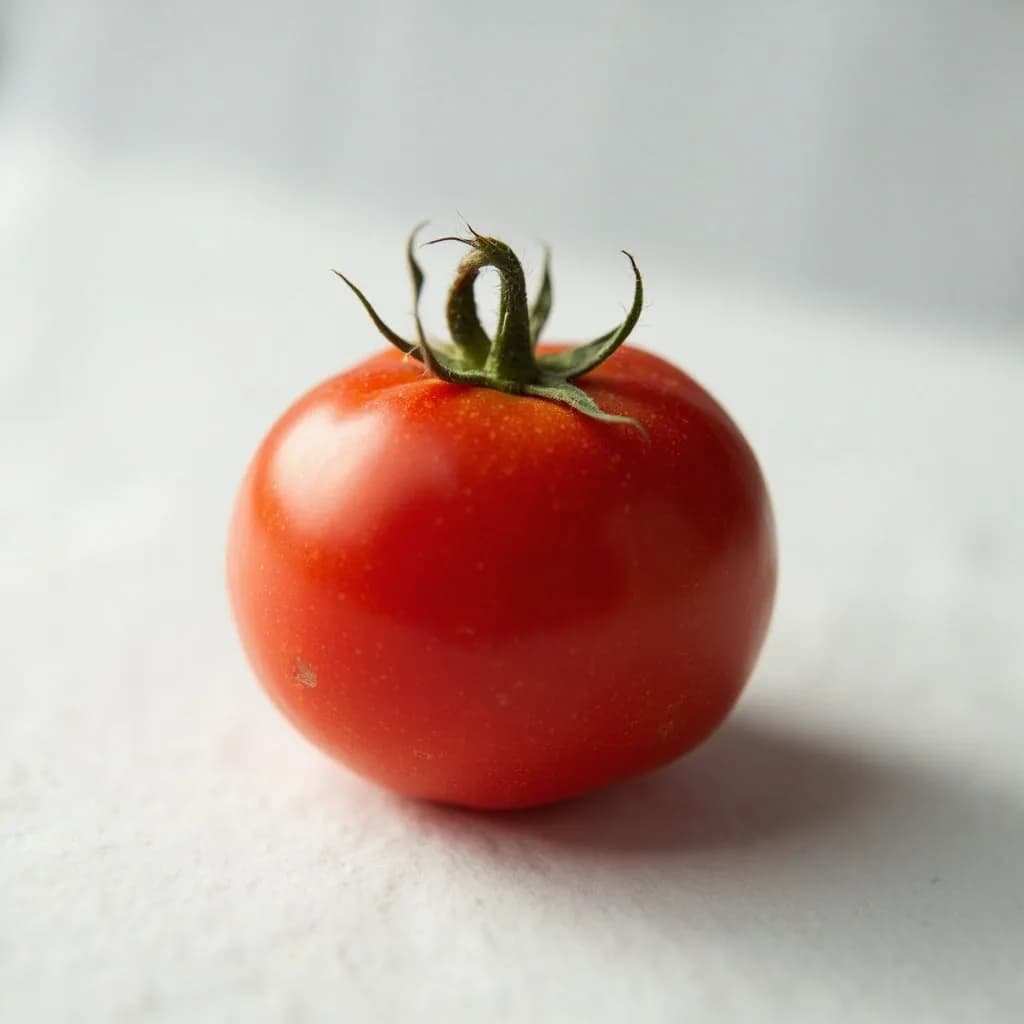
Tomato
Juicy, sun-sweet fruit for sauces, salads, and slow-cooked depth
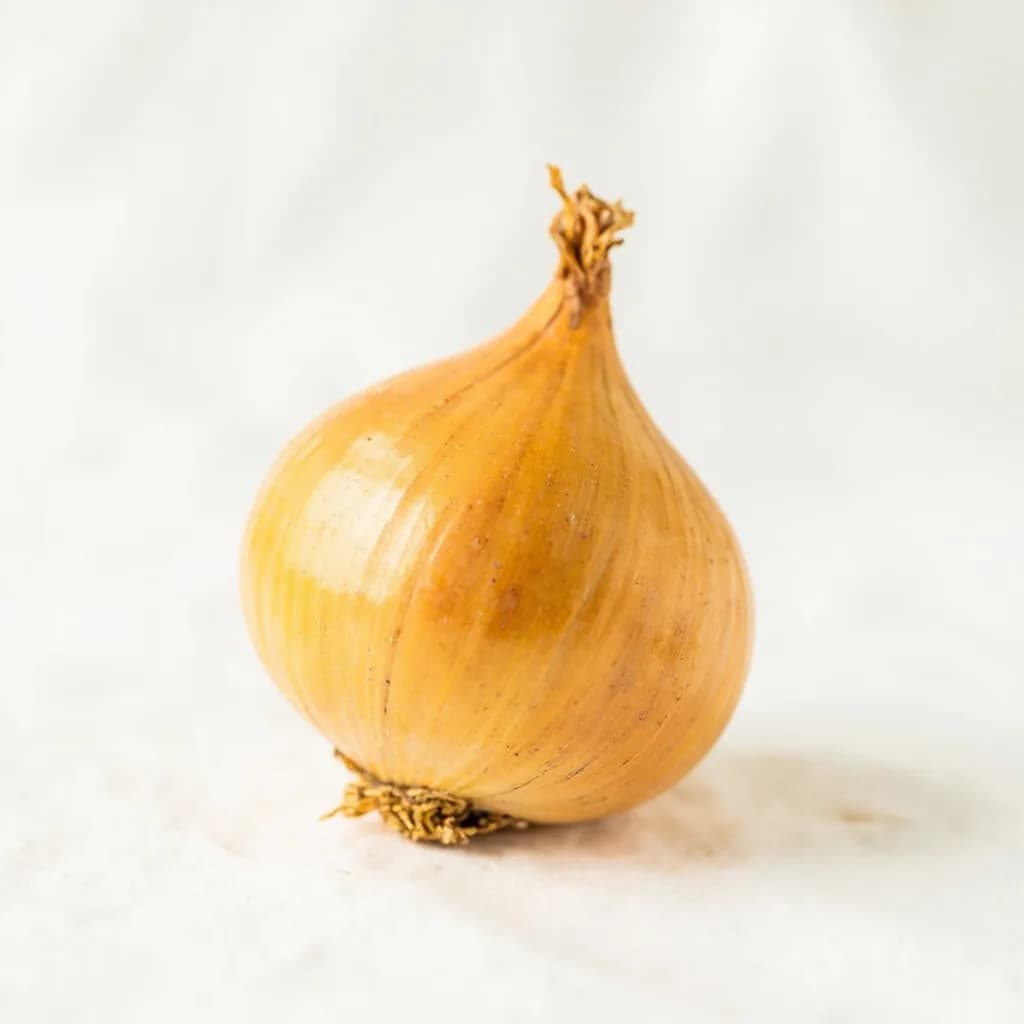
Yellow Onion
The aromatic backbone of soups, sofritos, and braises
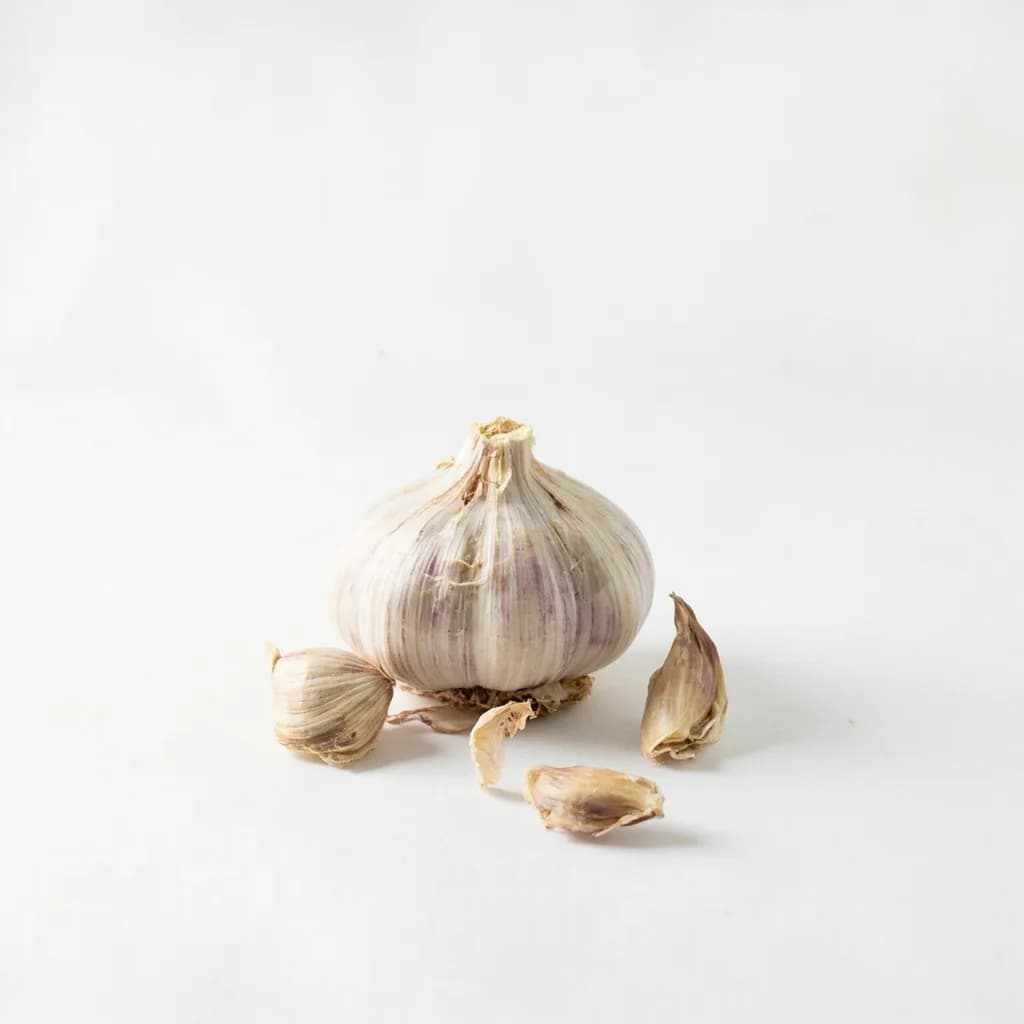
Garlic
Pungent cloves that perfume nearly every savory dish
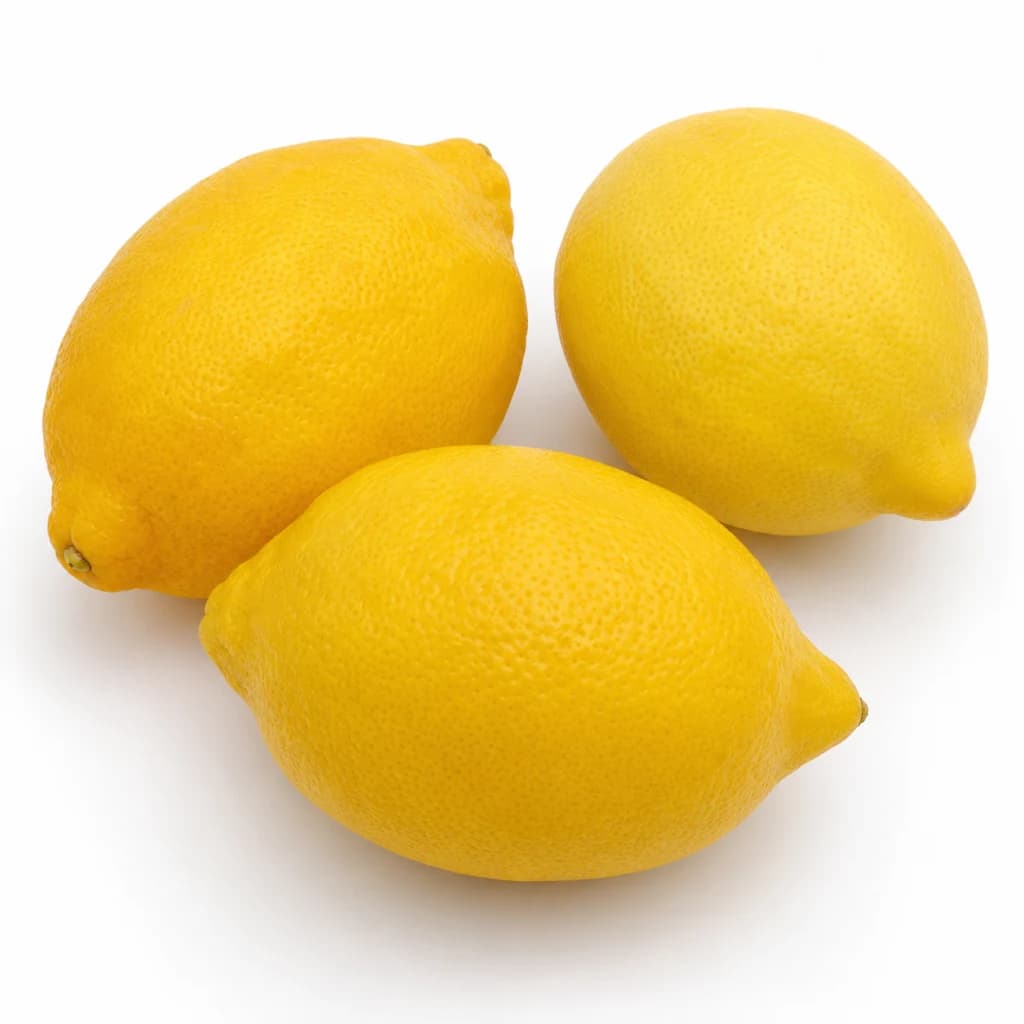
Lemon
Bright, acidic citrus that wakes up almost any dish
Potato
Humble, hearty staple — roast, mash, fry, or boil
Carrot
Sweet, crunchy root — raw, roasted, or the base of a sofrito
Cucumber
Cool, crisp, and watery — for salads, pickles, and tzatziki

Lettuce
Crisp leaves for salads, wraps, and a fresh crunch