Proteins
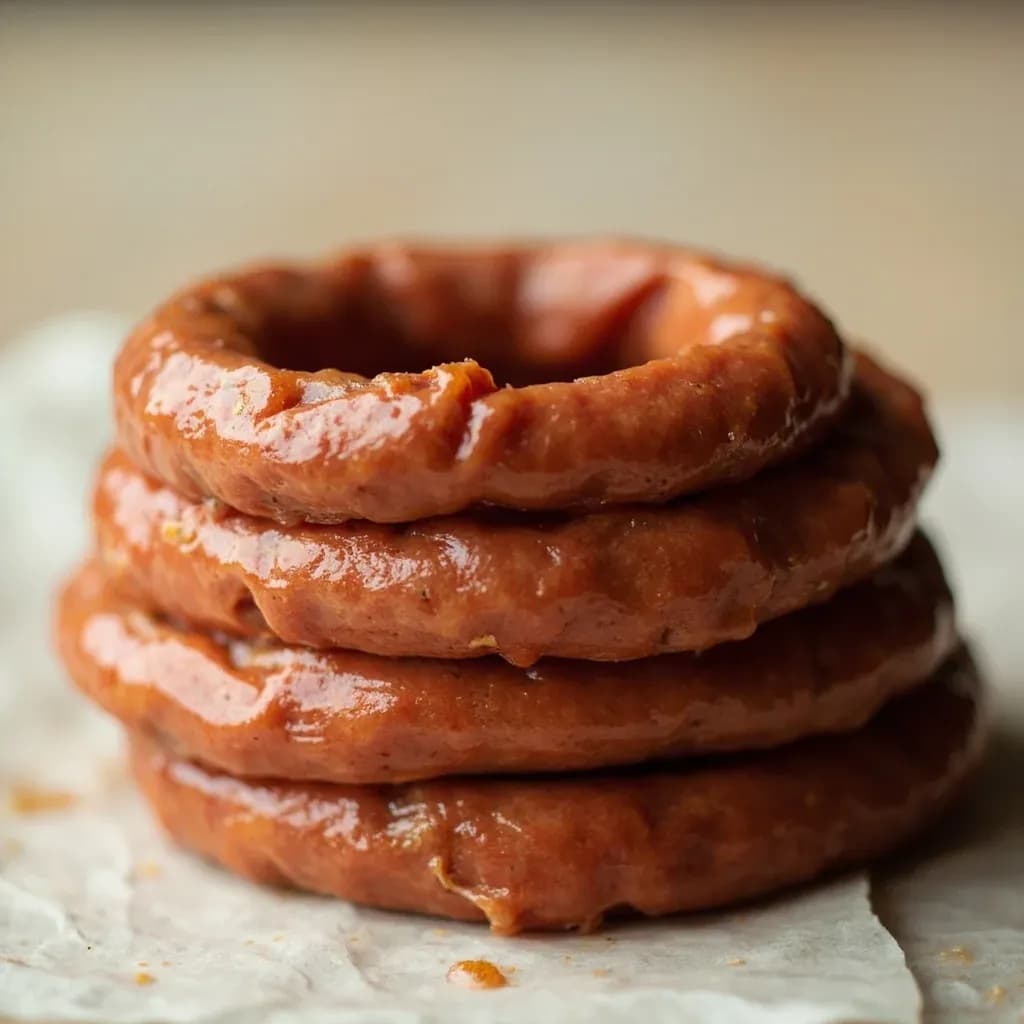
Loukaniko Sausage
Greek and Cypriot pork sausage flavored with orange peel and fennel or coriander.
Loukaniko is a Greek and Cypriot pork sausage distinctively flavored with orange zest, fennel, and sometimes coriander, often smoked over aromatic wood. It is grilled, fried, or sliced into meze platters and egg dishes. The bright citrus aroma sets it apart from other Mediterranean sausages.
Loukaniko is the family of coarse, fat-rich pork sausages that anchors the cured-meat traditions of Greece and Cyprus, and one of the oldest continuously produced sausages in the Mediterranean. Its name traces back through Byzantine 'lukánikon' to the Roman lucanica, a sausage of the Lucanian hills of southern Italy that spread along trade routes into Iberia and the eastern Mediterranean. What separates loukaniko from every neighboring pork sausage — Italian, Spanish, Balkan — is the loud, deliberate marriage of dried orange peel and fennel seed (or coriander, in Cypriot and Cretan versions) running through the meat. These are not background aromatics; they are the signature, and a loukaniko missing them is a different sausage entirely.
The typical link is built from coarsely ground pork shoulder or belly, giving a fat content in the 30–40% range, stuffed into natural hog or sheep casings and seasoned with garlic, sweet or hot paprika, salt, and often a generous splash of dry red wine. The crumb stays juicy and open, the color a rusty red to deep brown from the paprika and any curing. Loukaniko is sold fresh (to be cooked through the day), semi-dry (briefly aired, then refrigerated), or fully dry-cured and sometimes cold-smoked, in which case it slices like a salami and the citrus-fennel character concentrates into something almost perfumed. It is, in short, a sausage designed to be eaten with acid, fat-cutters, and anise — and it shines in any preparation that respects that balance.
- Measured in
- g
- Storage
- Fridge
Types & varieties
Heavy on coriander seed, sometimes with carob or pitta-spice and a sharper vinegar tang than mainland Greek versions
Sweeter and warmer, spiced with cinnamon, allspice, clove, and abundant garlic — a Venetian-era influence
Frequently mixed with horta (wild fennel fronds, dandelion, chicory) and aged myzithra cheese
Sharpened with leeks or spring onions and a splash of ouzo or tsipouro for an aromatic edge
Orange peel and fennel dominant; some versions studded with crumbled aged myzithra or feta for a tangy, cheese-stuffed effect
'Wine sausage' — bound with red wine in place of some of the fat, intensifying citrus and tannin
'Sweet sausage' flavored with honey or grape must alongside the spice blend; common at breakfast and Easter
Air-dried 2–6 weeks; sliceable like a salami, with concentrated citrus-fennel flavor and a firm, sliceable texture
The defining flavor architecture
Most regional pork sausages in the Mediterranean lean on a single dominant aromatic — paprika in Spain, anise and chili in North Africa, garlic and black pepper in much of Italy. Loukaniko's distinguishing move is the pairing of citrus and anise-family seed, and the ratio between the two is what defines each region. The Peloponnese and many mainland Greek versions push orange peel harder, with fennel seed as the supporting note. Cyprus inverts the equation, foregrounding coriander (a member of the same aromatic family as fennel) and adding a vinegar or wine tang that mainland versions lack. Corfu, shaped by centuries of Venetian rule, reaches for cinnamon, clove, and allspice instead, building a warmer, almost sweet-spice profile. Crete folds in wild greens and aged cheese, so the sausage becomes almost a complete dish in its casing. Treat these as genuinely different sausages, not minor variations — the spice blend changes the entire cooking and pairing strategy.
Choosing, storing, and serving
Hand-stuffed links from a Greek or Cypriot butcher will outclass most supermarket versions; the latter tend to be over-fine in grind, under-spiced, and padded with bread or soy protein. Look for a casing that is stuffed firmly but not drum-tight (a tight casing bursts in the pan) and a coarse, juicy interior when you cut one open. Fresh loukaniko should smell of citrus, fennel, and wine, with no sour or ammonia edge.
- Store fresh loukaniko in the coldest part of the fridge and use within 3–5 days; freeze well-wrapped for up to 3 months and thaw overnight in the fridge.
- Keep dry-cured loukaniko hanging in a cool (10–15°C), humid cellar, or wrapped in parchment and refrigerated for several months.
- Bring dry-cured links to room temperature before slicing — a cold slice mutes the citrus-fennel perfume.
- Always taste the sausage before salting any accompanying dish; cured versions carry more salt than fresh.
- A final squeeze of fresh lemon is not optional — it is the acid that makes the orange peel read as orange and the fat taste clean.
Common uses
Tips & pitfalls
- Prick the casing lightly with a fork or skewer before cooking so the fat renders gently; an unpricked casing often bursts and loses its juices to the flames.
- Cook over medium heat, not high — the 30–40% fat content will flare, smoke, and scorch on an aggressive fire and leave the outside bitter.
- Always finish with a generous squeeze of fresh lemon; the acid is what makes the orange peel and fennel sing and cuts the richness of the pork.
- Rest grilled links for 2–3 minutes before slicing so the juices redistribute and the casing firms up for cleaner cuts.
- Avoid boiling fresh loukaniko as a primary cooking method — it leaches the citrus and fat into the water and leaves a washed-out, gray sausage.
- Buy from a Greek or Cypriot butcher who stuffs to order; pre-packaged versions routinely skimp on the orange peel and fennel that define the sausage.
- For dry-cured loukaniko, slice thin at room temperature and serve with a dry white such as Assyrtiko or a pour of tsipouro — the concentration of flavor demands a simple stage.
- When braising, sear first to build a crust, then finish in wine or tomato — boiling it raw in liquid will gray the meat and dull the aromatics.
Nutrition
Energy
649 kJ · per 100 g
Where the calories come from
Protein
18.8g
38% DV
Carbs
0.5g
0% DV
Fat
8.1g
10% DV
Fiber
0g
0% DV
Sugars
0g
of which
Sodium
593mg
26% DV
Source · USDA FoodData Central · approx. Sausage, turkey, fresh, raw
View on FDC →In the shops
Matched grocery products
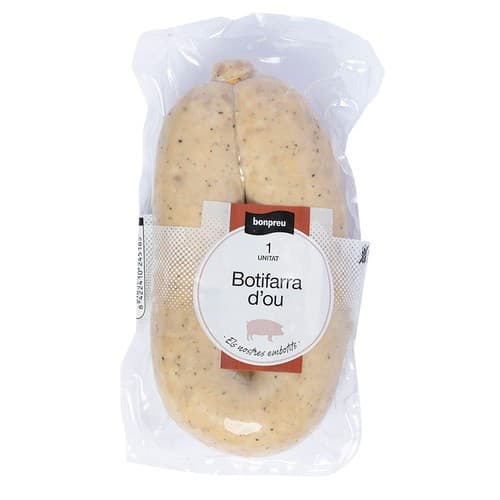 €3.79
€3.79Egg Sausage
BONPREU · kg · Bonpreu
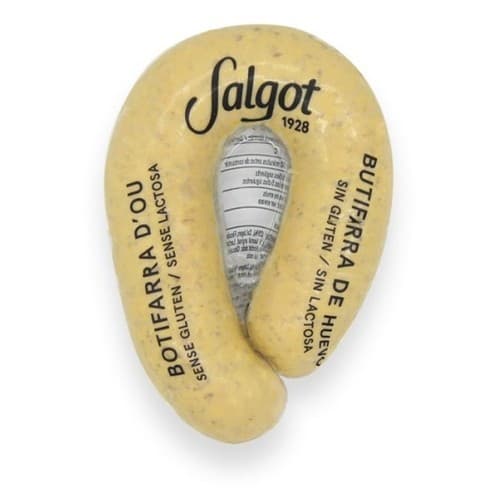 €4.99
€4.99Egg Sausage
SALGOT · kg · Bonpreu
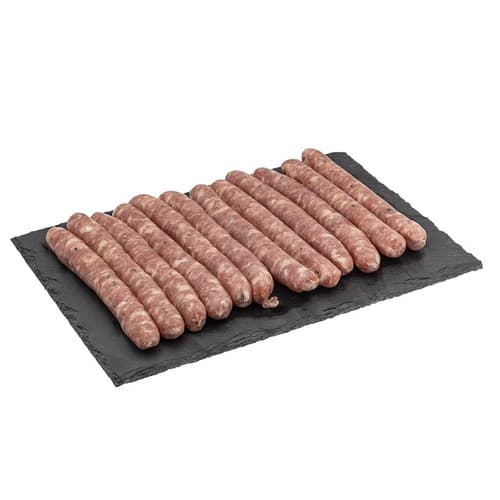 €5.99
€5.99Pork Sausage
BONPREU DE L'ERA · kg · Bonpreu
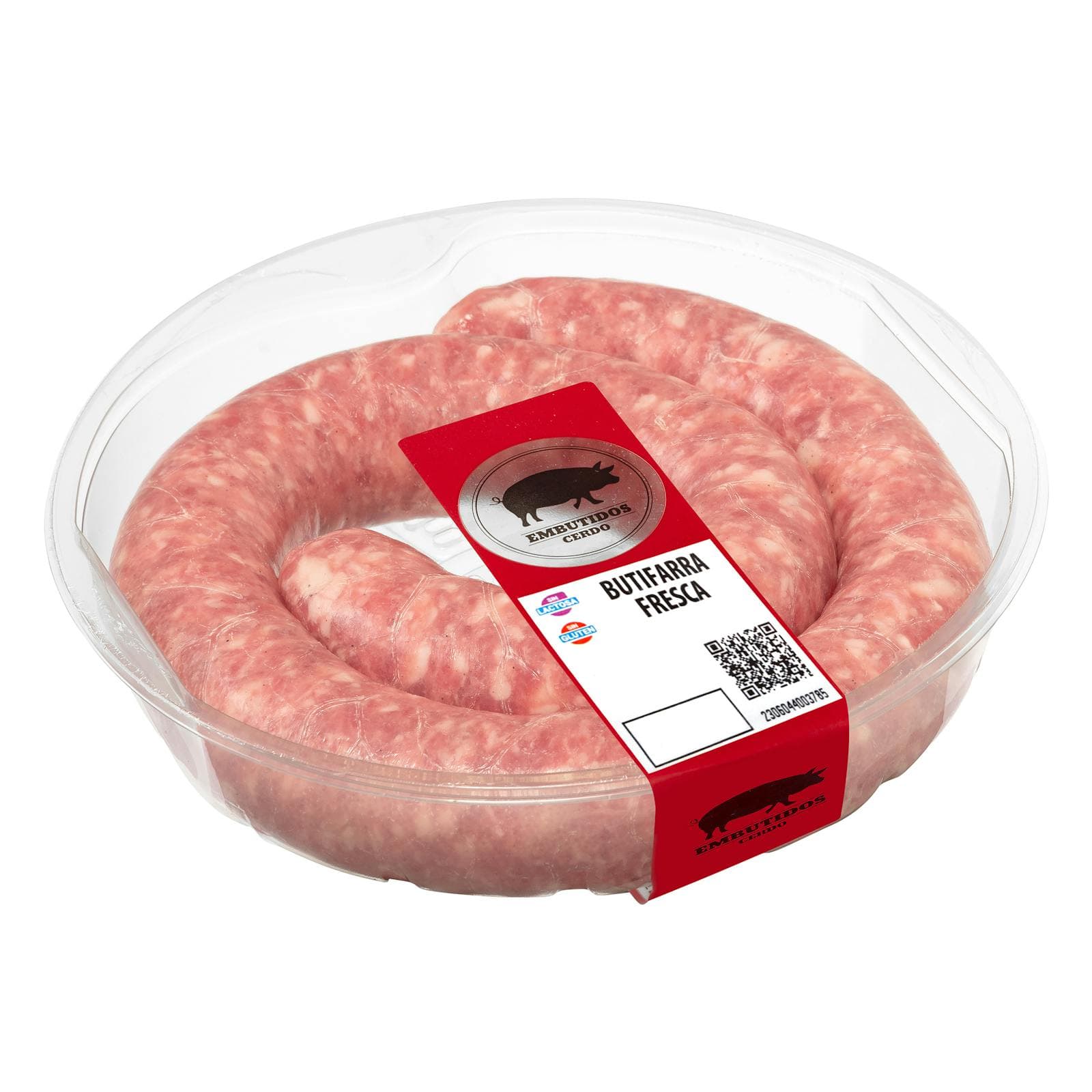 €3.62
€3.62Fresh Sausage
640 g · Mercadona
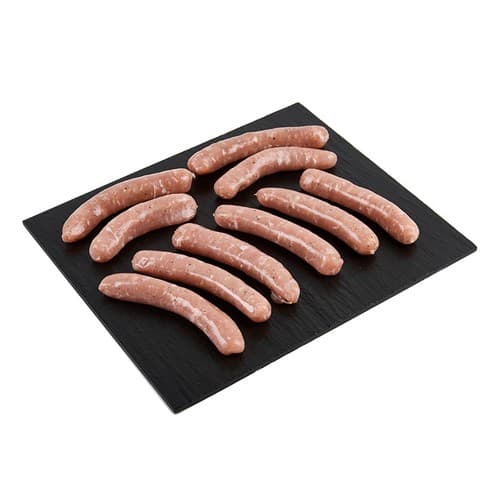 €6.75
€6.75Rabbit Sausage
BONPREU · kg · Bonpreu
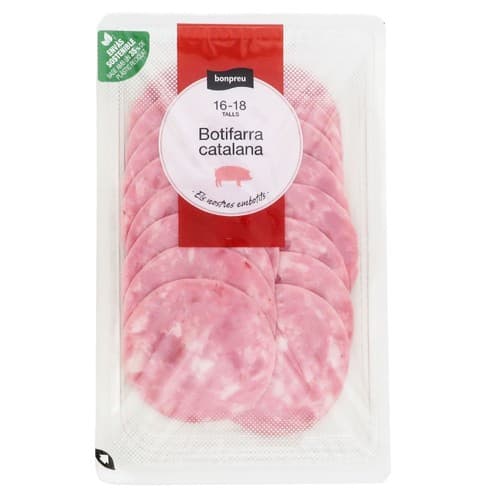 €1.89
€1.89Catalan Sausage
BONPREU · kg · Bonpreu
Good to know
- Origin
- Greece and Cyprus, descended from Byzantine 'lukánikon' and ultimately the Roman 'lucanica' of southern Italy
- Primary meat
- Coarsely ground pork shoulder or belly; some regional versions mix in lamb or goat
- Signature flavorings
- Dried Greek or bitter orange peel, fennel or coriander seed, garlic, paprika, and often dry red wine
- Casing
- Natural hog or sheep intestine, hand-stuffed; thicker casings for dry-cured versions
- Form
- Fresh, semi-dry, or fully dry-cured and occasionally cold-smoked
- Fat content
- Typically 30–40% from pork shoulder and belly — essential for moisture and flavor
- Color/texture
- Rusty red to deep brown; coarse, juicy crumb with visible fat
- Shelf life
- Fresh: 3–5 days refrigerated, 2–3 months frozen; dry-cured: weeks to several months hung in cool conditions
- Common weight per link
- Roughly 100–250 g per fresh coil or straight link
- Allergens
- Naturally gluten-free when no flour binder is used; contains pork; some Peloponnese versions include dairy (myzithra)
Substitutes
- Italian fennel sausage (fresca) — Closest match in texture and fennel character; add 1 tsp dried orange peel per 500 g to push it toward loukaniko
- Spanish fresh chorizo — Useful in stews for similar paprika color and fat content, but lacks the bright citrus — finish the dish with fresh orange zest
- Merguez — Good stand-in on the grill or in pita for spice level, though the flavor is harissa-driven rather than fennel-and-citrus
- British Cumberland or Lincolnshire sausage — Coarse and peppery; bridge the gap with added fennel seed and a little grated orange zest
- Homemade emergency sausage — 500 g ground pork shoulder, 2 tsp fennel seed, 1 tsp coriander, 1 tbsp grated orange zest, 1 tsp smoked paprika, garlic, salt — hand-stuff into hog casings
Pairs with
Also called
Cyprus Sausage · Loukaniko
Related
Egg
The kitchen's everything ingredient — bind, leaven, enrich, or fry
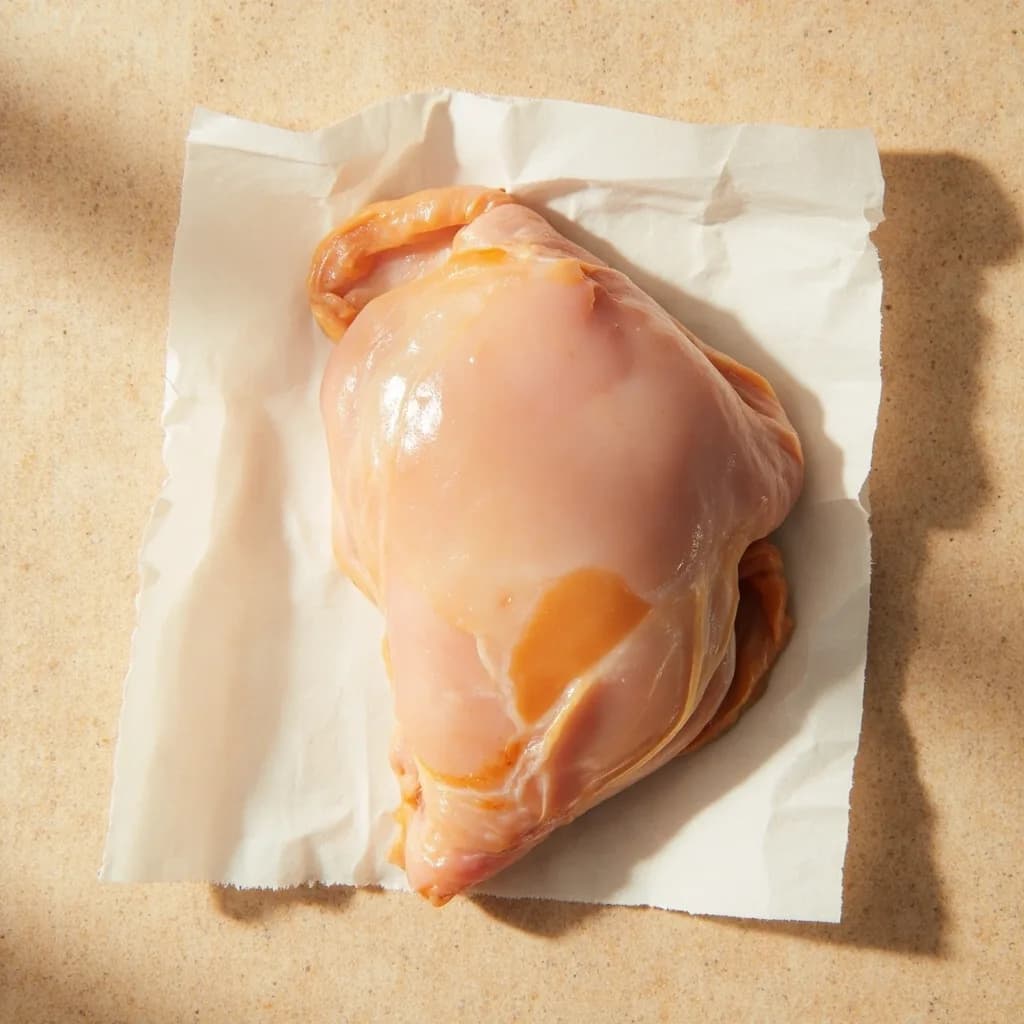
Chicken Breast
Lean, quick-cooking white meat for everyday dinners

Ground Beef
Versatile minced beef for burgers, ragù, tacos, and meatballs
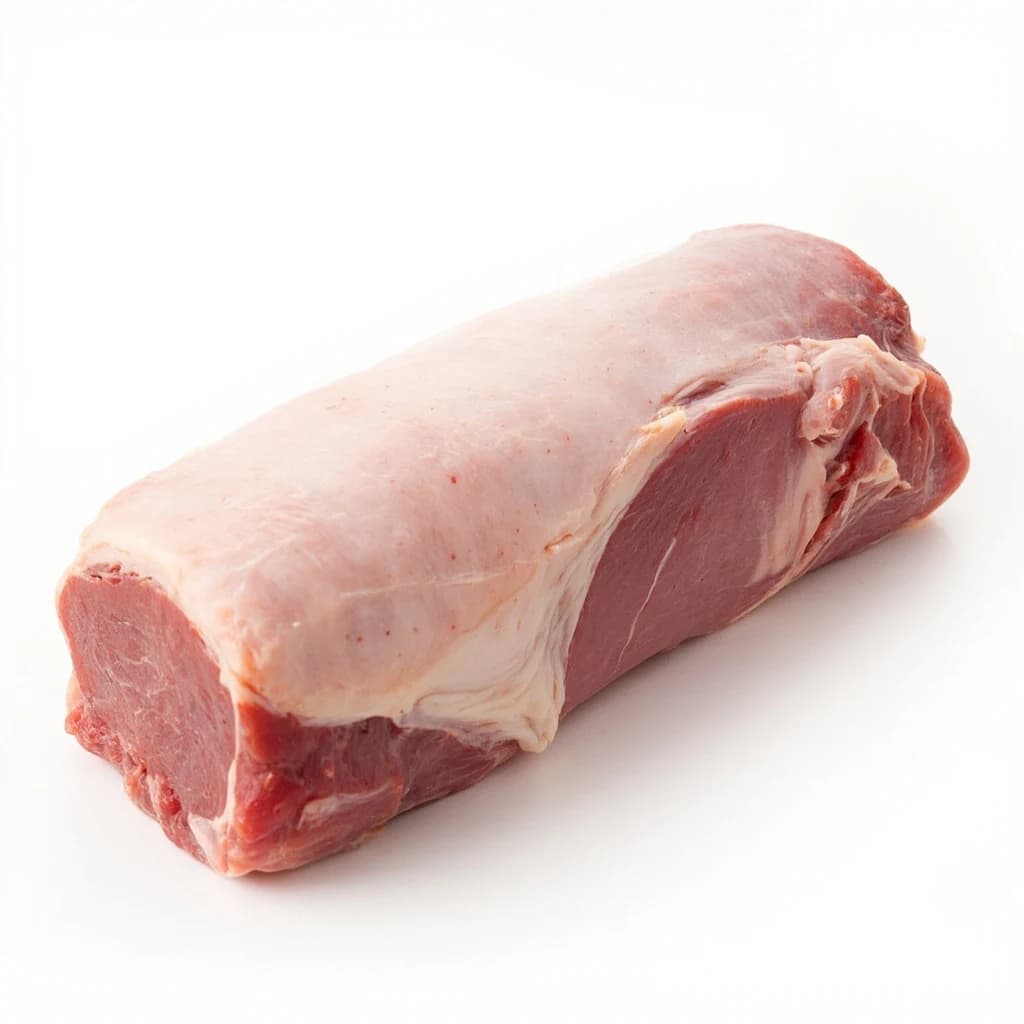
Pork Loin
Lean, tender roasting cut that stays juicy with care
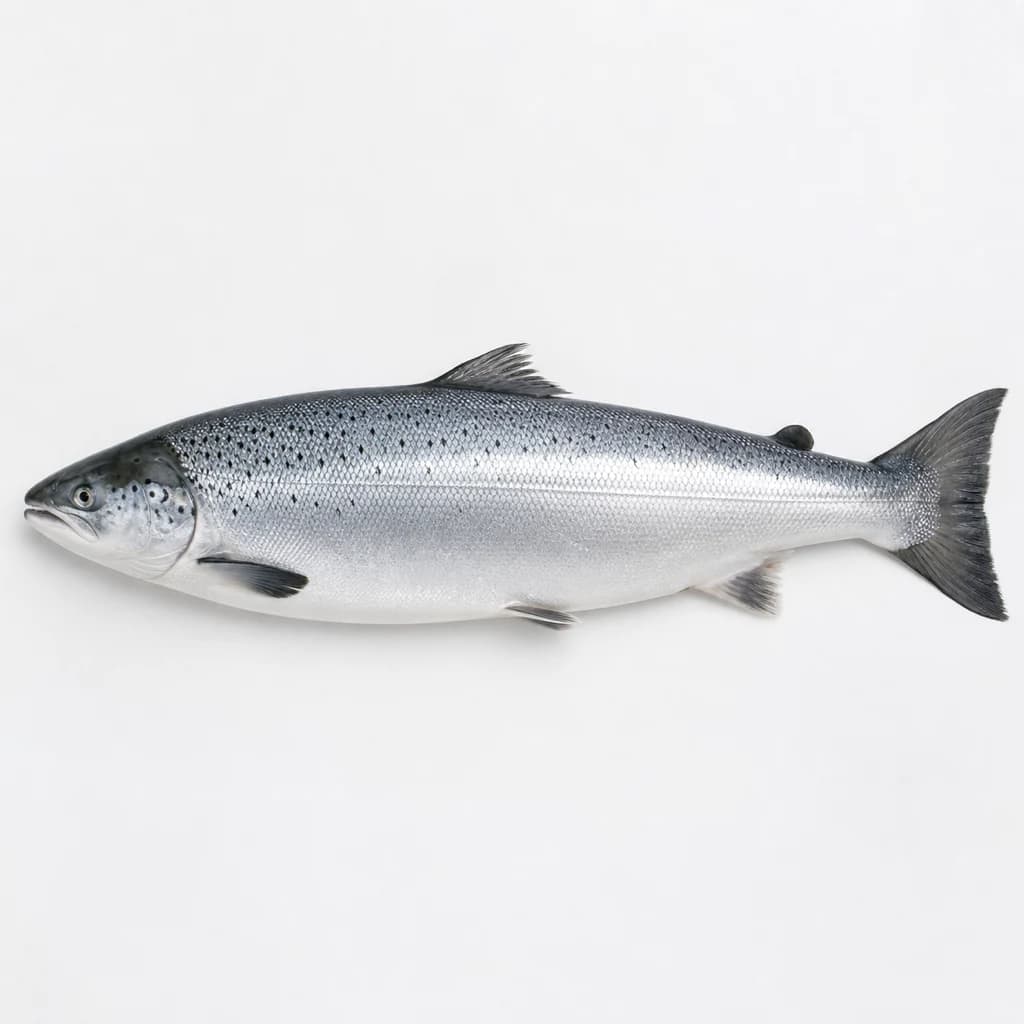
Salmon
Rich, rosy fish that roasts, grills, or cures beautifully

Egg White
Pure protein that whips to airy peaks for meringue and more

Egg Yolk
Rich, golden yolk for custards, mayonnaise, and pasta

Quail Egg
Tiny, speckled eggs for garnishing and elegant bites