Natural form
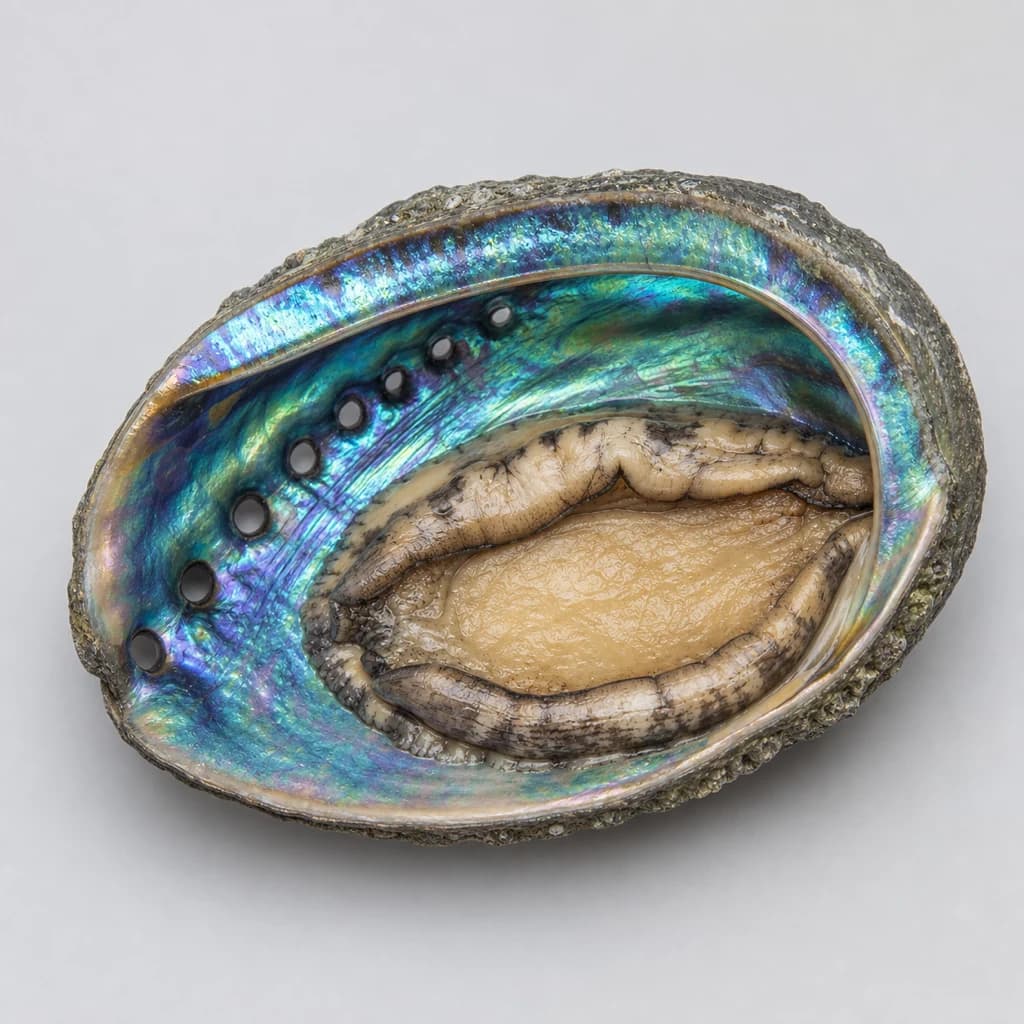
Whole paua in shell showing the dramatically iridescent blue-green interior surface.
Shows the specimen's defining characteristic — the vivid shell iridescence — so readers can identify paua at a market.
Proteins
Paua (Abalone)
New Zealand abalone, a prized sea snail with firm flesh and iridescent shell.
Paua is the New Zealand name for abalone, a large sea snail with a dramatically iridescent blue-green shell. The firm, dense foot meat is tenderized by pounding or mincing, then briefly cooked into fritters, patties or sashimi. Overcooking makes it rubbery, so it is treated quickly with a clean, briny flavor.
Pāua is New Zealand's premier abalone species, a large sea snail of the genus Haliotis harvested along the country's rocky coastlines. Three species are endemic to NZ waters: blackfoot (Haliotis iris), yellowfoot (H. australis), and virgin pāua (H. virginea)—blackfoot dominates commercial catches and is the largest. The edible foot muscle is prized for its firm, dense texture and sweet, briny flavor with clean ocean minerality; when raw it is slightly rubbery, but brief high-heat cooking transforms it into something tender and buttery. Commercial frozen, canned, dried, and live pāua is exported primarily to Asian markets, while strict size regulations and individual transferable quotas protect wild stocks that take 5–7 years to reach harvestable size.
- Measured in
- g
- Storage
- Fridge
Allergens
Types & varieties
Primary commercial species; largest with distinctive dark foot and vivid iridescent shell interior; firmest flesh.
Smaller, found in deeper water; slightly sweeter, more delicate texture; shell interior shows yellow-green tones.
Smallest species, rarely commercial; found in shallow rocky pools; shell shows white to pink nacre.
Preparation
Cleaning live pāua requires a sturdy knife or cleaver. Pry the muscular foot from the shell, then trim away the dark skirt and visceral mass (the innards). Rinse the foot thoroughly under cold running water. Check carefully for any shell fragments embedded in the flesh—these are sharp and must be removed to prevent injury. The meat may be used whole, sliced into steaks, or minced depending on the recipe. Commercial frozen or canned pāua is often pre-cooked or blanched; adjust subsequent cooking times downward to avoid overcooking.
- Use a heavy knife or cleaver to open the shell—work carefully around the foot muscle attachment
- Rinse immediately after cleaning to remove grit and any residual shell fragments
- Pat dry before tenderizing or cooking to ensure proper browning
Tenderizing
Pāua's dense muscle fibers benefit from light mechanical tenderizing before cooking. Place the cleaned meat between two sheets of plastic wrap and pound gently with a meat mallet, or roll with a light hand using a rolling pin. The goal is to break the muscle fibers without shredding the flesh—think of it as compressing rather than tearing. A few light passes are sufficient; excessive pounding will produce mushy results. Some cooks also salt-tenderize by sprinkling flesh lightly and resting for 10–15 minutes, but the pounding method is more predictable.
- Pound or roll only until the meat flattens slightly (~5 mm to 1 cm thicker than raw)
- Work quickly and keep meat cold if not cooking immediately
- For fritters, skip tenderizing—the mincing process itself breaks fibers adequately
Common uses
Tips & pitfalls
- Never overcook pāua—brief, high-heat cooking preserves tenderness; 1–2 minutes per side when pan-searing is sufficient
- Tenderize raw meat before cooking by pounding gently with a meat mallet or rolling lightly between plastic wrap—breaks fibers without shredding
- For fritters, keep the mixture cold and cook in small batches in a hot pan to prevent egg from scrambling before flour cooks
- Live pāua should cling tightly to the shell when tapped; reject any with a gaping shell that doesn't close when disturbed
- Frozen pāua should thaw slowly in the refrigerator overnight—never at room temperature or in warm water
- Commercial canned or frozen pāua is often pre-cooked or blanched; reduce subsequent cooking times to avoid overcooking
- Remove all shell fragments during preparation—the vivid mother-of-pearl interior is inedible and fragments are sharp
- If gathering wild pāua, verify current NZ Ministry for Primary Industries regulations: minimum size is typically 125 mm shell length, and populations take 5–7 years to recover from overharvesting
Nutrition
Energy
439 kJ · per 100 g
Where the calories come from
Protein
17.1g
34% DV
Carbs
6g
2% DV
Fat
0.8g
1% DV
Fiber
0g
0% DV
Sugars
0g
of which
Sodium
301mg
13% DV
Source · USDA FoodData Central · approx. Mollusks, abalone, mixed species, raw
View on FDC →In the shops
Matched grocery products
No matched grocery products for Paua (Abalone) yet.
Good to know
- Scientific Name
- Haliotis iris (blackfoot); H. australis (yellowfoot); H. virginea (virgin pāua)
- Origin
- Endemic to New Zealand coasts, particularly South Island, Stewart Island, and subantarctic islands
- Harvest
- Hand-harvested by divers under strict individual transferable quotas (ITQs)
- Market Size
- Typically 8–15 cm shell length; blackfoot is the largest NZ species
- Flavor & Texture
- Sweet, briny, mildly seaweedy; firm and dense raw; tender and buttery when properly cooked
- Yield
- Meat is ~30–35% of whole weight; ~60% remains after cooking shrinkage
- Shelf Life
- Live: 2–3 days refrigerated; Frozen raw: 3–4 months; Cooked: 1 week refrigerated
- Key Nutrient
- High in protein, vitamin B12, iron, selenium; notably rich in taurine
Substitutes
- Australian greenlip or blacklip abalone — Closest substitute; similar texture and sweet-briny flavor; can be 2–3 times the price but nearly interchangeable in recipes
- South African or Japanese abalone — Good textural match; Japanese (awabi) tends to be larger with a more buttery richness
- Sea snail (whelk or periwinkle) — Distant substitute—much smaller, milder flavor; requires long cooking to tenderize; use 2–3 times the quantity
- Conch — Similar firm chew but with a slightly earthier, less sweet profile; best in chowders and fritters where it can absorb flavors
Pairs with
Also called
Abalone
Related
Egg
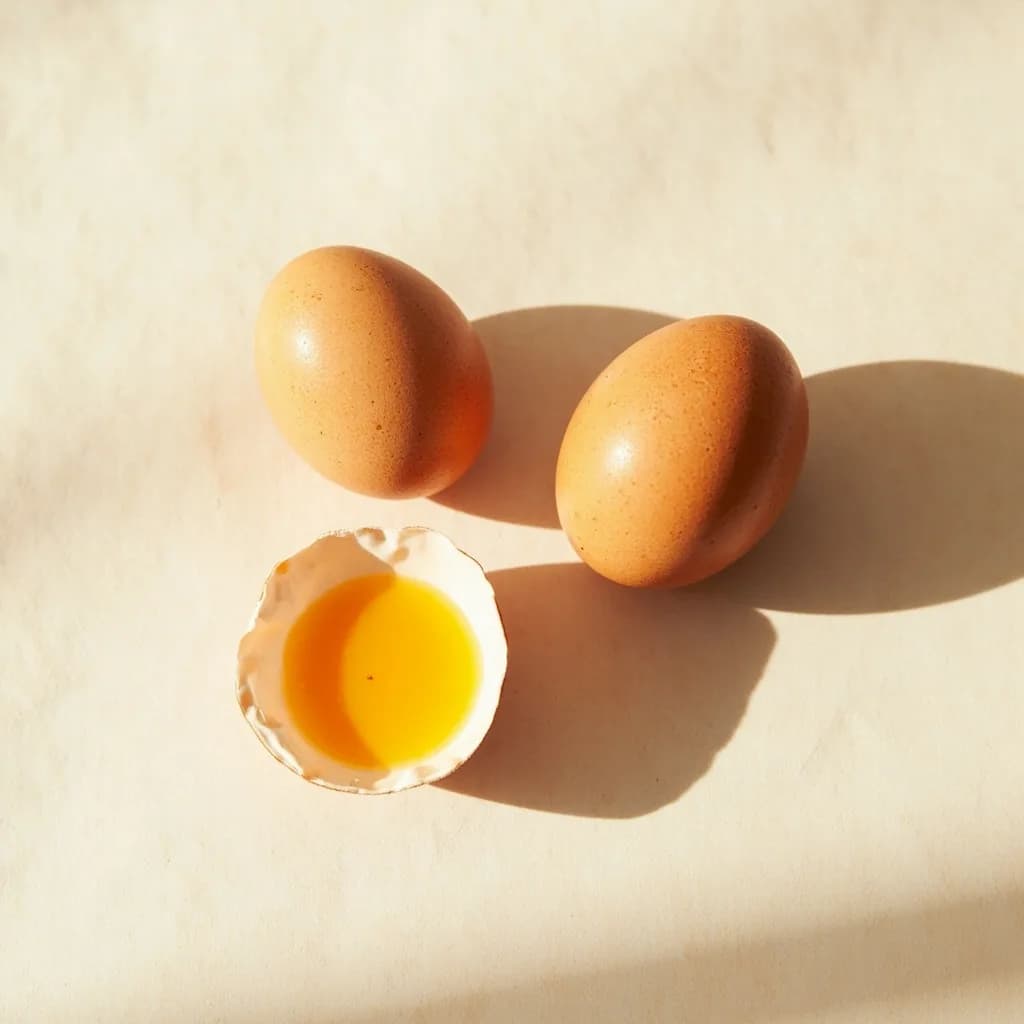
The kitchen's everything ingredient — bind, leaven, enrich, or fry
Chicken Breast
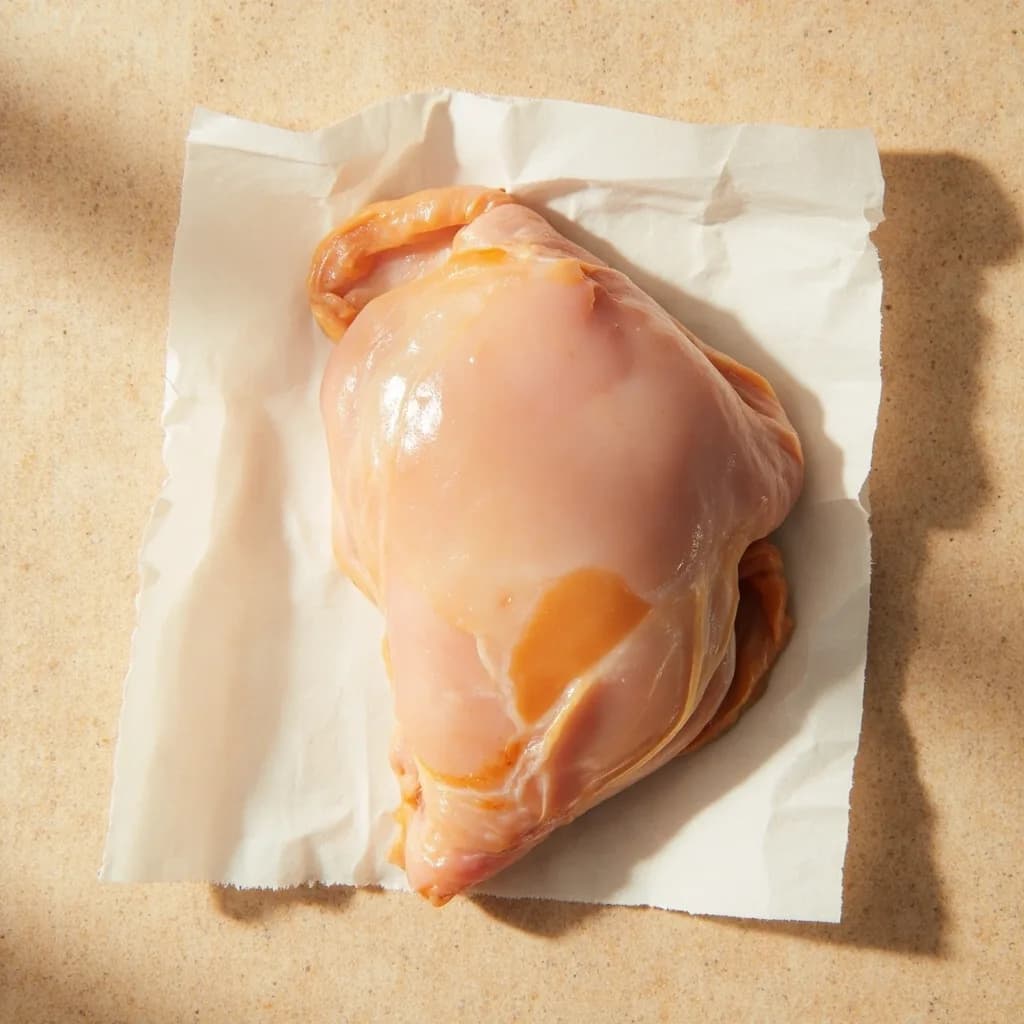
Lean, quick-cooking white meat for everyday dinners

Ground Beef
Versatile minced beef for burgers, ragù, tacos, and meatballs
Pork Loin
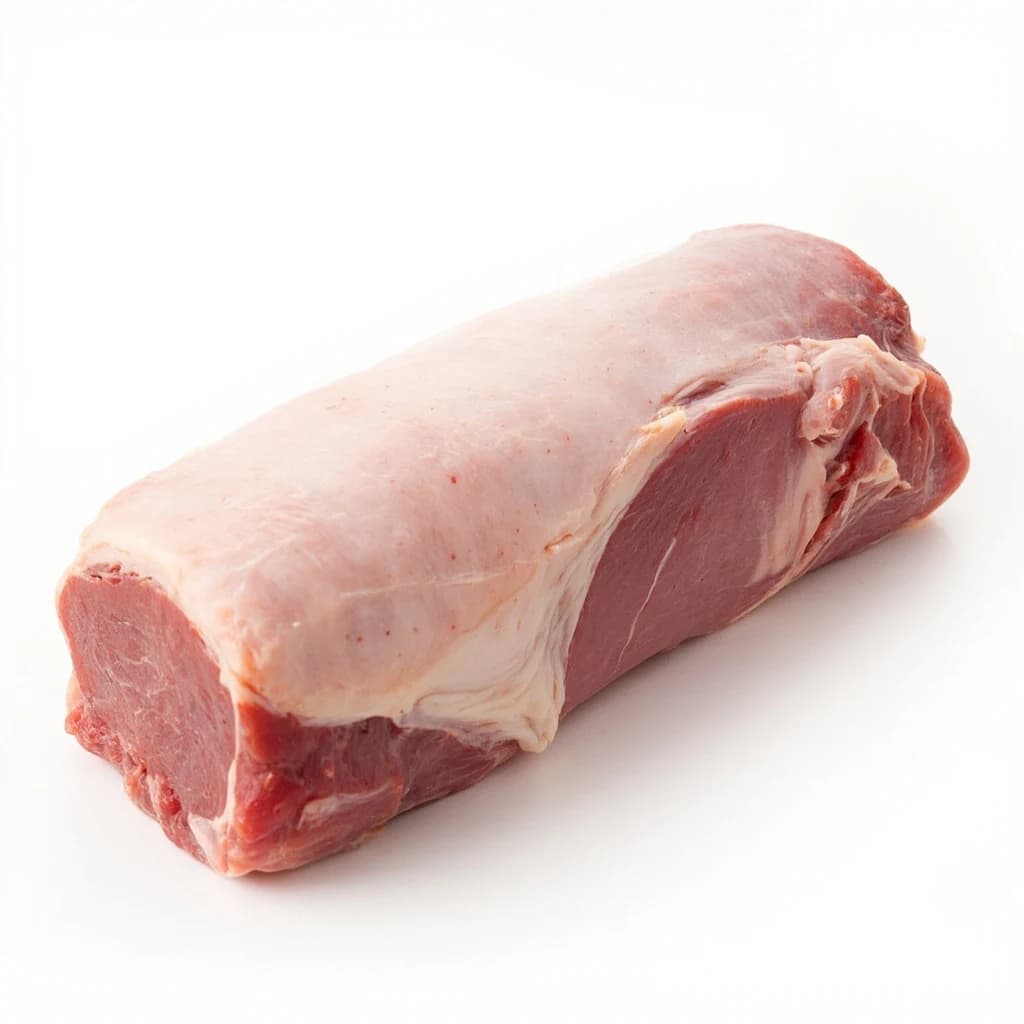
Lean, tender roasting cut that stays juicy with care
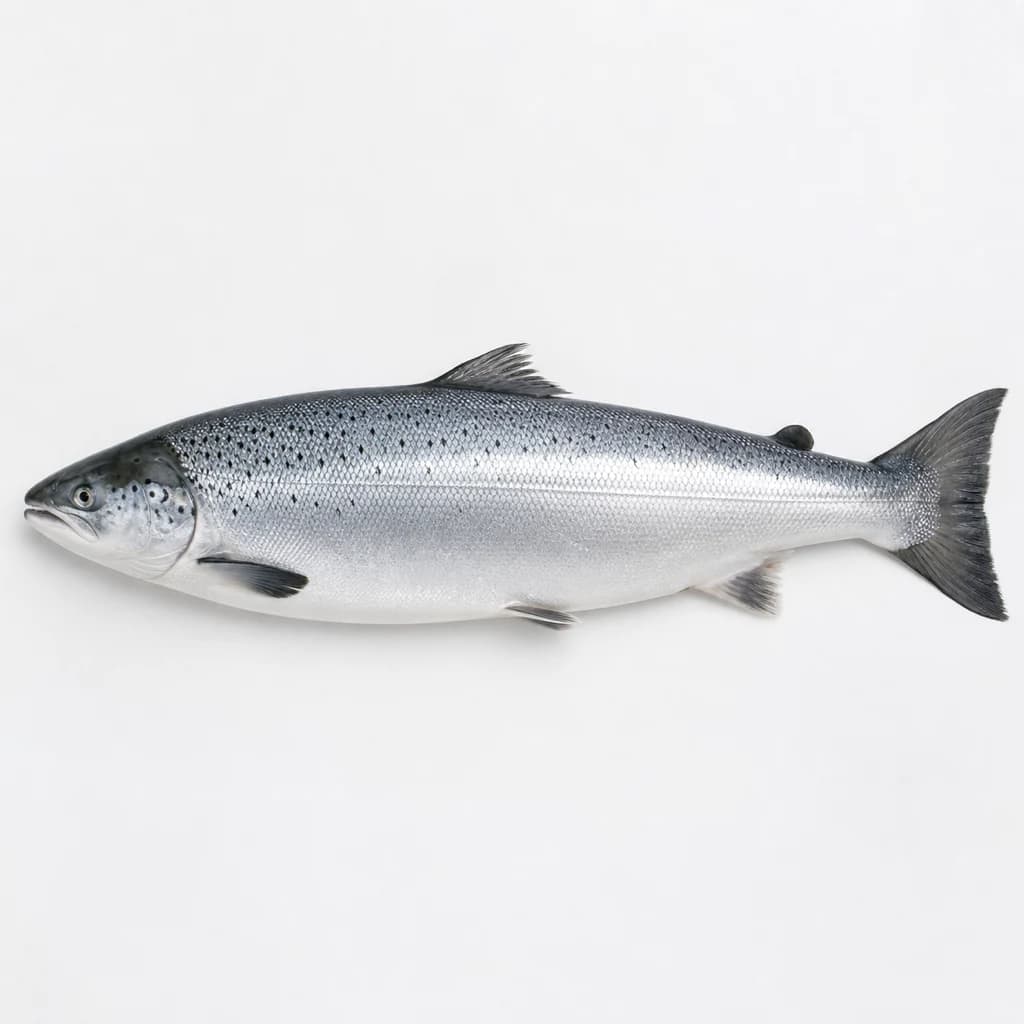
Salmon
Rich, rosy fish that roasts, grills, or cures beautifully

Egg White
Pure protein that whips to airy peaks for meringue and more
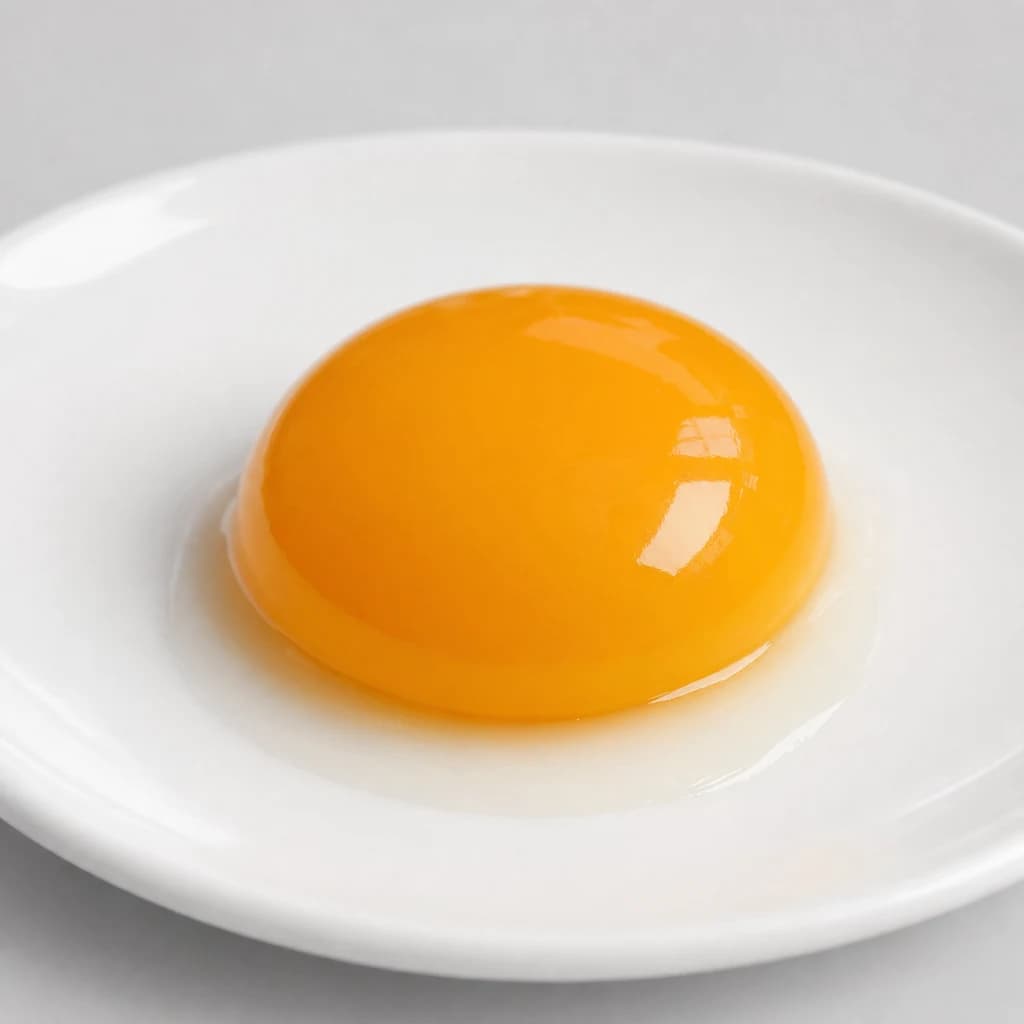
Egg Yolk
Rich, golden yolk for custards, mayonnaise, and pasta

Quail Egg
Tiny, speckled eggs for garnishing and elegant bites