Natural form
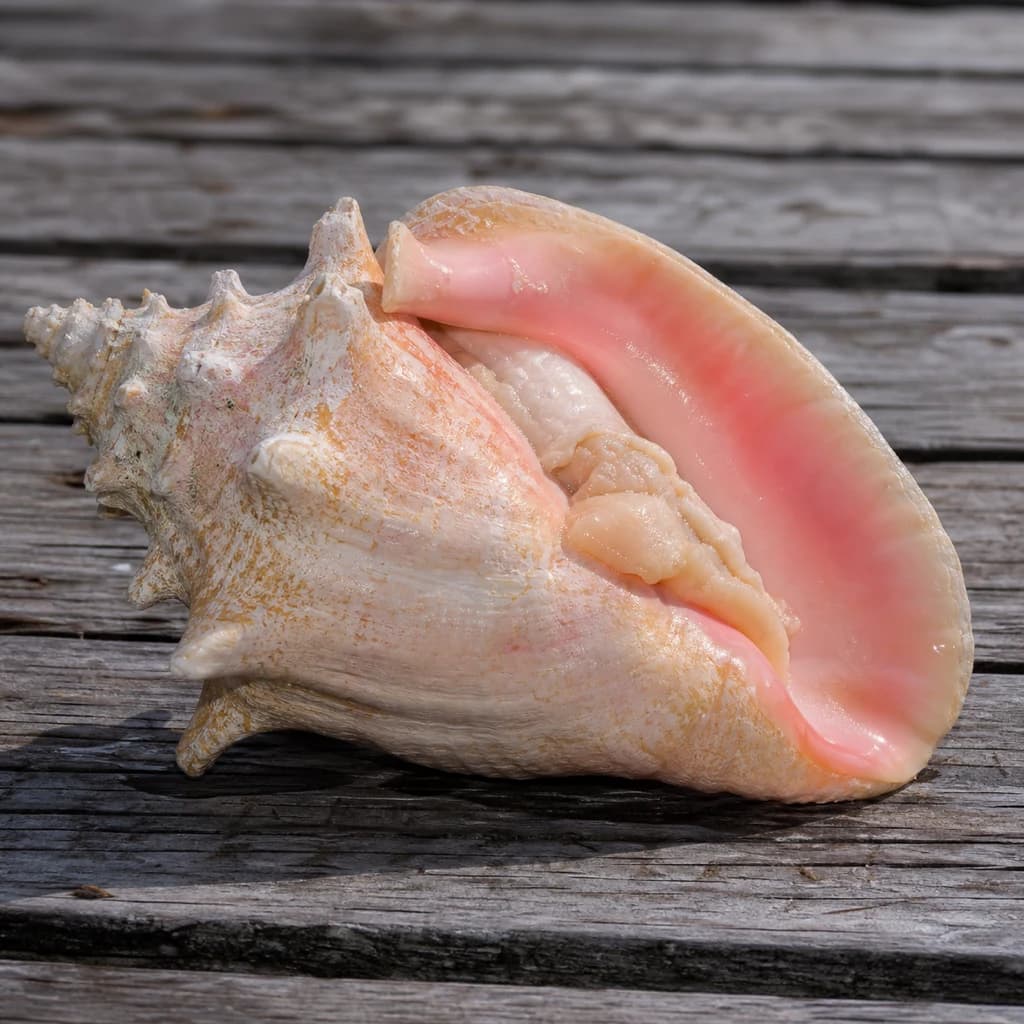
A whole queen conch shell with raw meat partially pulled from the opening.
Shows the reader exactly what whole conch looks like before any preparation — the spiral shell and pale pink-cream meat together make the ingredient unmistakable.
Proteins
Conch
Firm, sweet sea snail tenderized for fritters, salads, and chowders.
Conch is a large marine sea snail with firm, sweet, slightly chewy meat. A Caribbean staple, it is pounded to tenderize then fried into fritters, marinated raw in citrus salads, or simmered in chowders and stews. Its mild ocean flavor takes well to lime, hot pepper, and bright herbs.
Conch is the edible muscle of several large sea snail species, most importantly the queen conch (Strombus gigas), prized throughout the Caribbean for its sweet, clean ocean flavor and satisfyingly firm texture. The conch itself is the spiral-shelled marine gastropod; the edible portion is the muscular foot and mantle, not the viscera or the flared lip of the shell. What makes conch distinctive is its behavior in the kitchen: raw, it is dense and slightly rubbery, almost cartilaginous, but when properly tenderized and cooked briefly, it becomes yielding and silky, with a sweetness that stands up to bold Caribbean seasonings. This transformation is the entire craft of cooking conch—skip it, and you get something jaw-breakingly tough; get it right, and the meat rewards you with a texture and flavor unlike almost anything else from the sea. Historically, conch sustained indigenous peoples of the Bahamas and West Indies for centuries, eaten raw, boiled, or sun-dried, and the shells were used as tools, trumpets, and trade goods. Today it anchors the cuisine of the Bahamas, the Florida Keys, and throughout the islands—conch fritters, conch salad, and conch chowder are not merely dishes but cultural statements. The catch is sustainability: queen conch populations have declined sharply from overfishing, and international trade is regulated under CITES Appendix II. Sourcing matters—a cook should know where their conch comes from and avoid undersized or illegally harvested specimens. The good news is that careful tenderizing and brief cooking transform this ingredient into something genuinely special, and once you understand the technique, conch is not difficult to work with.
- Measured in
- g
- Storage
- Fridge
Allergens
Types & varieties
The dominant culinary species. Large pink-orange shell; meat is sweet and firm. Valued throughout the Caribbean and South Florida. This is what virtually all restaurant conch refers to.
Smaller and darker than queen conch with a firmer texture. Common in Trinidad and the southern Caribbean; requires slightly longer tenderization.
A regional name for juvenile or smaller queen conch with lighter pink meat. Considered particularly tender; often more expensive due to smaller yield per shell.
Smaller species with a reddish-brown shell. Used locally in Latin American cuisines; slightly tougher than queen conch and benefits from longer marinating.
Cleaning Fresh Conch
Getting the meat out of the shell and prepped for cooking is the first real step. Hold the conch with the flared lip facing away from you, or use a heavy glove—the lip is sharp. Insert a metal skewer or pick through the spire of the shell into the animal's body to sever the muscle attachment, then work the conch out in a twisting motion. Once extracted, the dark visceral mass (the dark section near the shell attachment) must be removed entirely—it is bitter and not eaten. The tough outer membrane and the flared lip edge are also discarded. What remains is the white or pink muscular foot and the lighter mantle—these are your edible portions. Rinse the meat under cold water and inspect for any remaining dark tissue or grit before proceeding to tenderization.
- Use a heavy glove when handling the shell—the lip can cut deeply
- The visceral mass, outer membrane, and lip are all inedible and removed during cleaning
- Any remaining dark tissue or grit should be picked off after extraction
- Rinse the meat thoroughly in cold water before tenderizing
The Tenderization Question
Tenderization is non-negotiable. Raw conch is too tough to eat and too dense to absorb seasoning without it. There are three reliable methods, and which you choose depends on time and equipment. The first is pounding: place the cleaned meat between two sheets of plastic wrap or in a heavy zip-lock bag and pound with a meat mallet or the base of a heavy pan until the meat is about 1/4-inch thick throughout. An even thickness is the goal—it ensures even cooking. The second method uses the freezer: freeze the cleaned conch overnight (or for at least 8 hours), then thaw it slowly in the refrigerator. Ice crystals form inside the muscle fibers and rupture them, naturally tenderizing the meat. This is the method professional kitchens often prefer because it requires no equipment beyond a freezer and produces exceptionally tender results. The third method is acid marinating: cover sliced or pounded conch in lime or lemon juice and refrigerate for at least 4 hours, or overnight. The acid denatures the proteins and begins breaking down the connective tissue. This method is the natural choice for ceviche-style preparations. Regardless of method, the conch should feel yielding and offer little resistance when pressed before you cook it.
- Pound to 1/4-inch even thickness for consistent cooking results
- Quick-freeze tenderization requires 8+ hours in the freezer, then slow refrigerator thaw
- Acid marinating works well for raw preparations and contributes flavor from the start
- Never skip tenderization—cooking alone will not soften conch meat
Sustainability and Sourcing
This matters both ethically and practically. Queen conch has been overfished across most of its range, and populations in the Caribbean have declined dramatically. It is listed under CITES Appendix II, meaning international trade requires permits and documentation. In US waters, Florida maintains size limits and seasonal closures. The Bahamas, which historically had the world's most abundant conch populations, has also tightened regulations. When purchasing, ask your supplier about the source. Look for conch from well-managed fisheries or aquaculture operations. Avoid shells with undersized lips (the flared edge should be fully developed and thick—this indicates the conch was harvested at maturity). Frozen conch from reputable suppliers is often preferable to fresh, as the freezing process is part of the tenderization chain and the product has been processed under controlled conditions. If you are diving for conch yourself, know and obey local regulations—they exist because the species needs them.
- Ask suppliers about the source and harvest location before purchasing
- Look for fully developed, thick-lipped shells indicating mature specimens
- Frozen conch from reputable suppliers is often preferable to questionable fresh product
- CITES Appendix II regulates international trade—documentation may accompany imported product
Common uses
Tips & pitfalls
- Tenderize raw conch thoroughly: pound to 1/4-inch thickness, quick-freeze overnight, or marinate in citrus for several hours—this step is non-negotiable for good texture
- Use the quick-freeze method: freeze conch overnight, then thaw slowly in the refrigerator; ice crystals rupture muscle fibers and produce exceptionally tender results
- Cook conch briefly and at low heat: 3–5 minutes in simmering liquid is sufficient once tenderized; overcooking makes it rubbery and this is irreversible
- Smell is the best freshness test: fresh conch smells of clean ocean; any ammonia, sour, or fishy odor indicates spoilage—do not use it
- The lip (flared edge of the shell) and the dark visceral mass must be removed during cleaning—only the white or pink muscular foot and mantle are eaten
- When purchasing frozen: choose vacuum-sealed packages with no ice crystals or freezer burn; thaw slowly in the refrigerator, never at room temperature
- For fritters: grind or finely dice the cooked, tenderized conch so the sweet flavor distributes evenly through the batter
- A common mistake is skipping tenderization and expecting cooking alone to soften the meat—it will remain chewy and unpleasant
- Sustainability check: ask your supplier about the harvest source; avoid undersized conch and purchase from fisheries with proper management
- Season conch aggressively after cooking: its mild flavor benefits from bold seasoning in the final dish
Nutrition
Energy
573 kJ · per 100 g
Where the calories come from
Protein
23.8g
48% DV
Carbs
7.8g
3% DV
Fat
0.4g
1% DV
Fiber
0g
0% DV
Sugars
0g
of which
Sodium
206mg
9% DV
Source · USDA FoodData Central · approx. Mollusks, whelk, unspecified, raw
View on FDC →In the shops
Matched grocery products
No matched grocery products for Conch yet.
Good to know
- Scientific name
- Strombus gigas (queen conch); Strombus costatus (hawkwing conch)
- Flavor profile
- Sweet, mild, and briny with a clean ocean taste; slight mineral sweetness; not fishy when fresh
- Texture
- Dense and slightly rubbery raw; properly cooked becomes tender, yielding, and almost buttery
- Primary origin
- Caribbean Sea and Atlantic, from the Florida Keys through the Bahamas, West Indies, and down to Brazil
- Harvest season
- Year-round with peaks in spring and summer; regulated seasons in US waters (Florida typically closes May–July)
- Availability
- Fresh (in-shell and cleaned), frozen (whole, diced, sliced), dried, and canned; frozen is most common outside the Caribbean
- Shelf life
- 1–2 days refrigerated when fresh; up to 6 months frozen; dried keeps indefinitely
- Yield
- Approximately 20–30% edible meat from a whole shell; plan accordingly when purchasing
- Equipment needed
- Heavy mallet or meat tenderizer for pounding; sharp knife for cleaning; large pot for blanching
- Difficulty
- Moderate; the work is in tenderization and restraint in cooking, not in technique itself
- Legal status
- Queen conch is CITES Appendix II listed; size limits and seasonal closures apply in Florida, the Bahamas, and most Caribbean nations
Substitutes
- Abalone — Similar firm-yet-tender texture and sweet ocean flavor; requires similar tenderizing technique; Pacific substitute but significantly more expensive
- Sea scallops — Rounded shape and sweet flavor mimic conch in chowders and sautéed preparations; cook quickly to avoid toughening
- Whelk (sea snail) — True sea snail with comparable flavor and slightly firmer texture; sold in-shell in coastal areas; substitute 1:1 in most recipes
- Calamari — Similar chewy-but-tender bite when cooked correctly; more readily available and less expensive; best for fried applications
- Clams (littleneck or surf) — Work well in chowders and soups; smaller and milder in flavor; chop before adding
Pairs with
Also called
Whelk · Lambi
Appears in these dishes
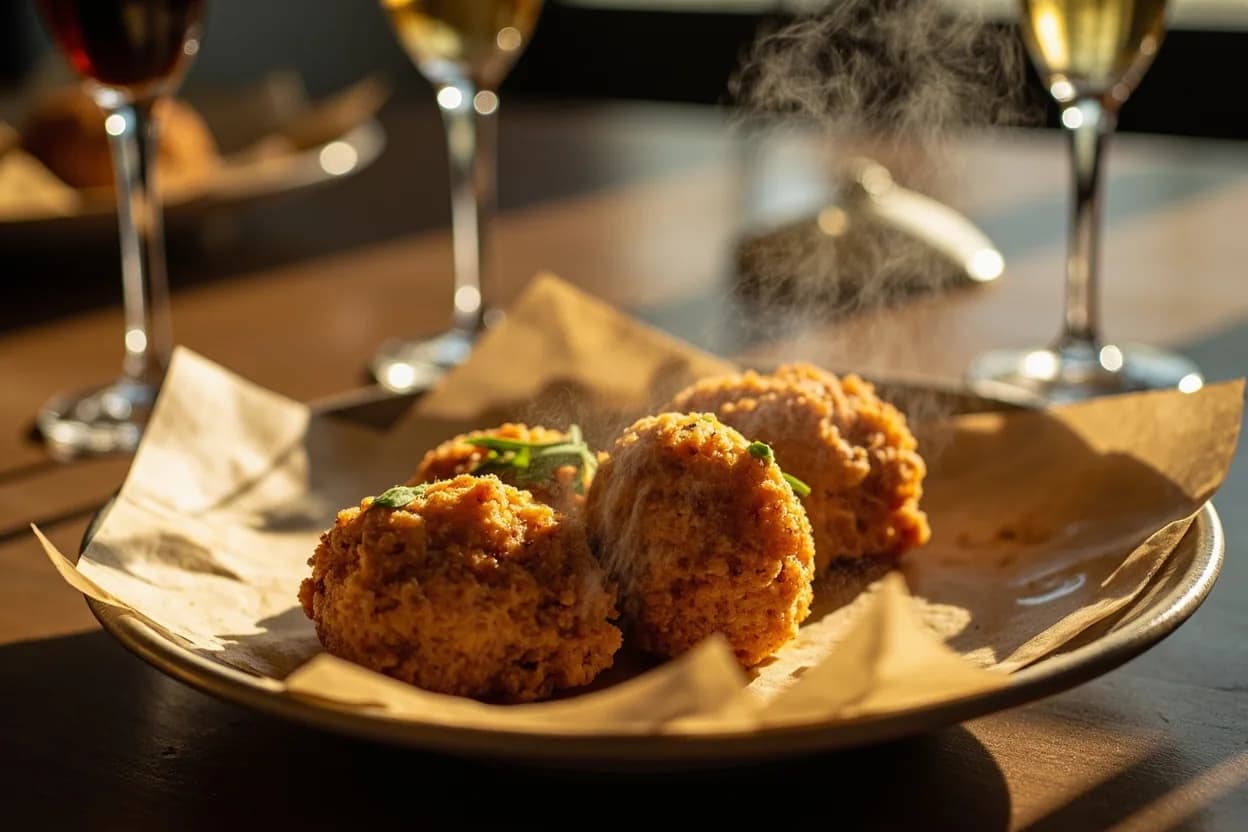
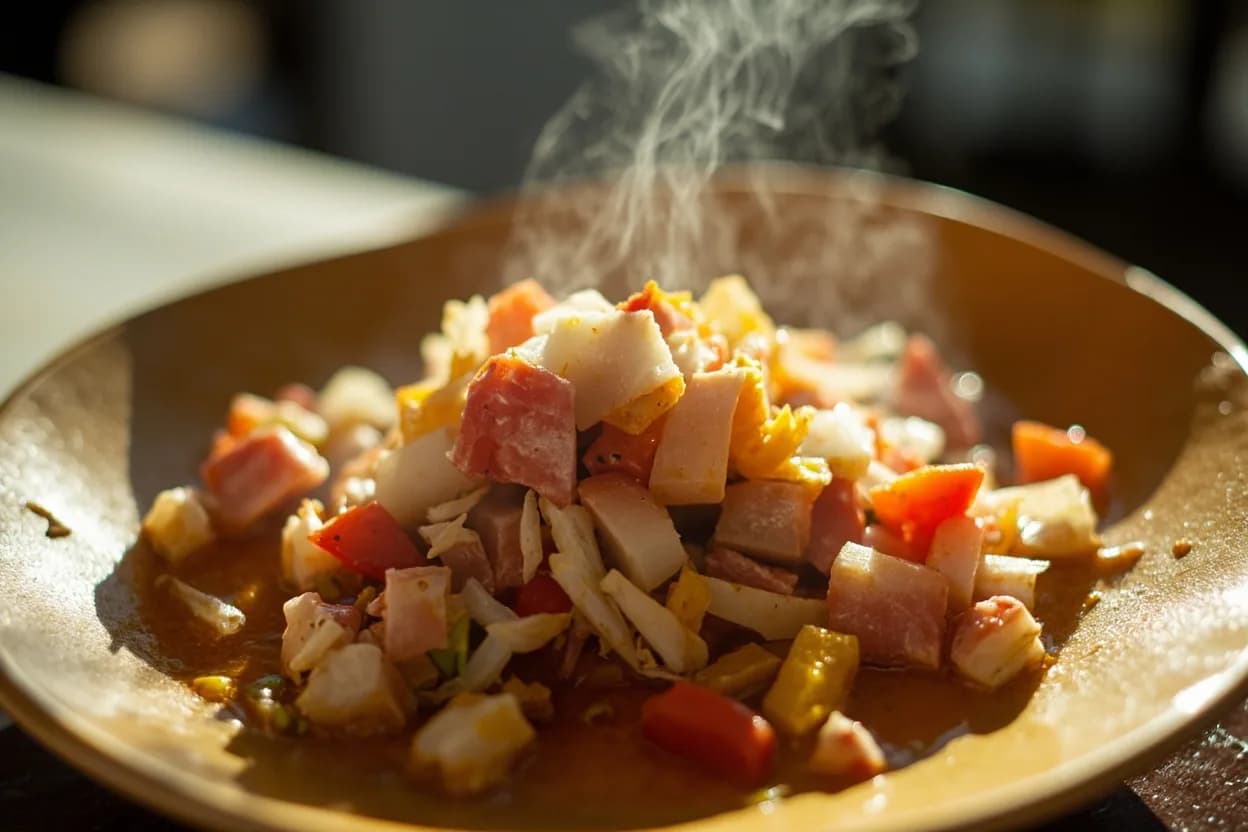
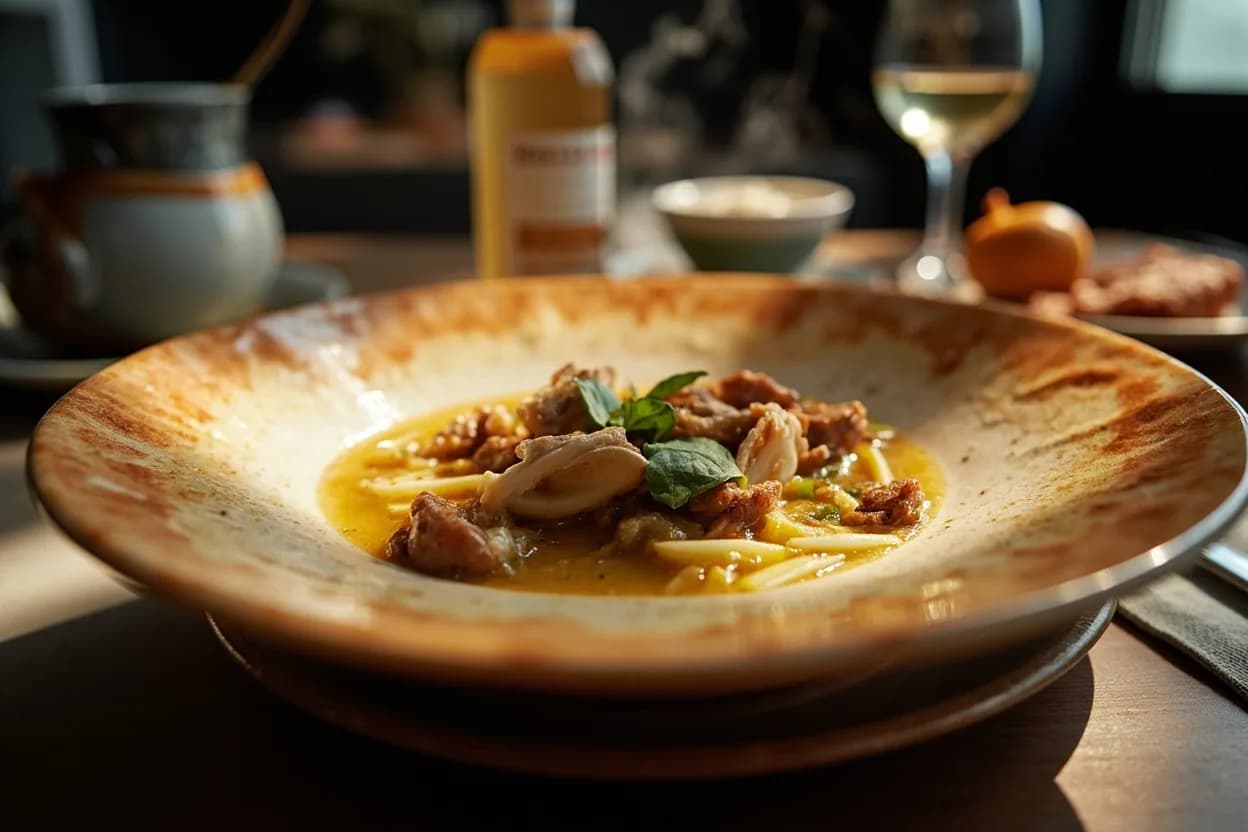
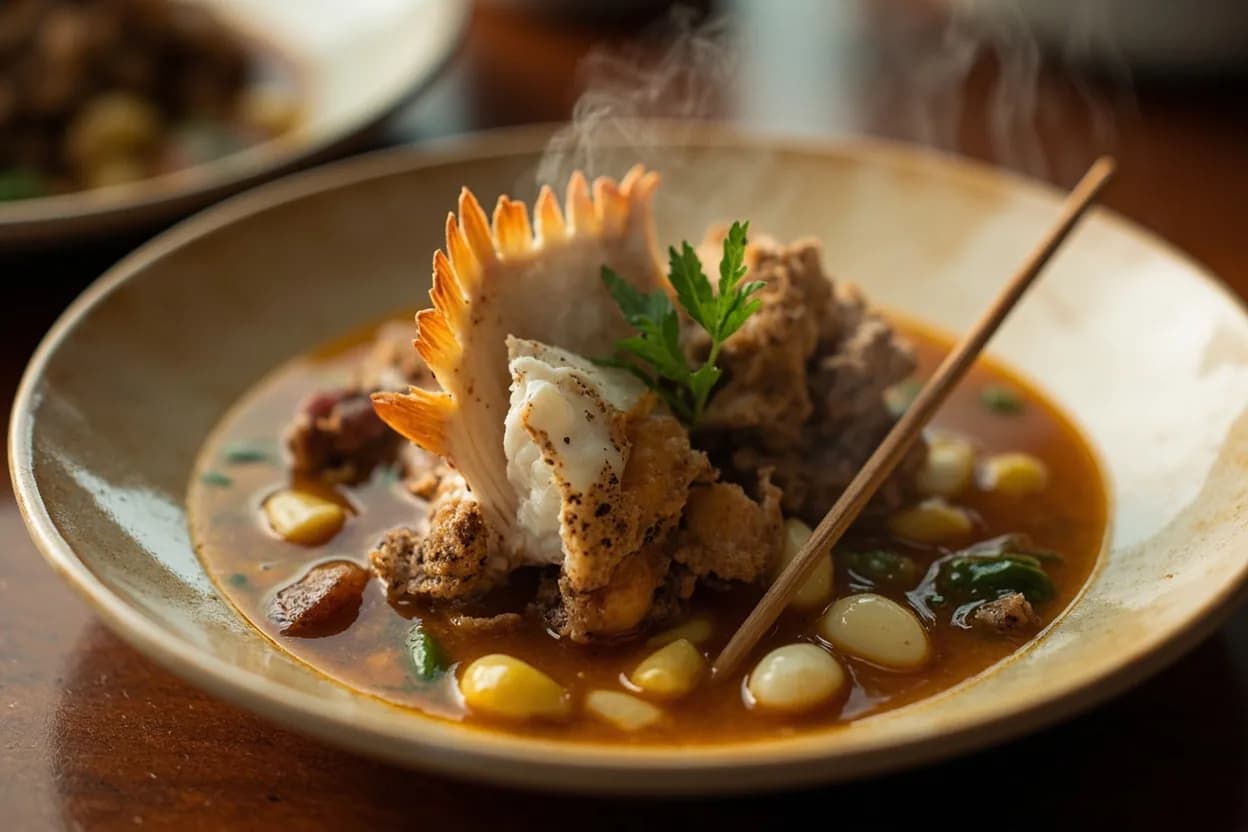
Related
Egg
The kitchen's everything ingredient — bind, leaven, enrich, or fry
Chicken Breast
Lean, quick-cooking white meat for everyday dinners

Ground Beef
Versatile minced beef for burgers, ragù, tacos, and meatballs
Pork Loin
Lean, tender roasting cut that stays juicy with care
Salmon
Rich, rosy fish that roasts, grills, or cures beautifully

Egg White
Pure protein that whips to airy peaks for meringue and more
Egg Yolk
Rich, golden yolk for custards, mayonnaise, and pasta

Quail Egg
Tiny, speckled eggs for garnishing and elegant bites