Proteins
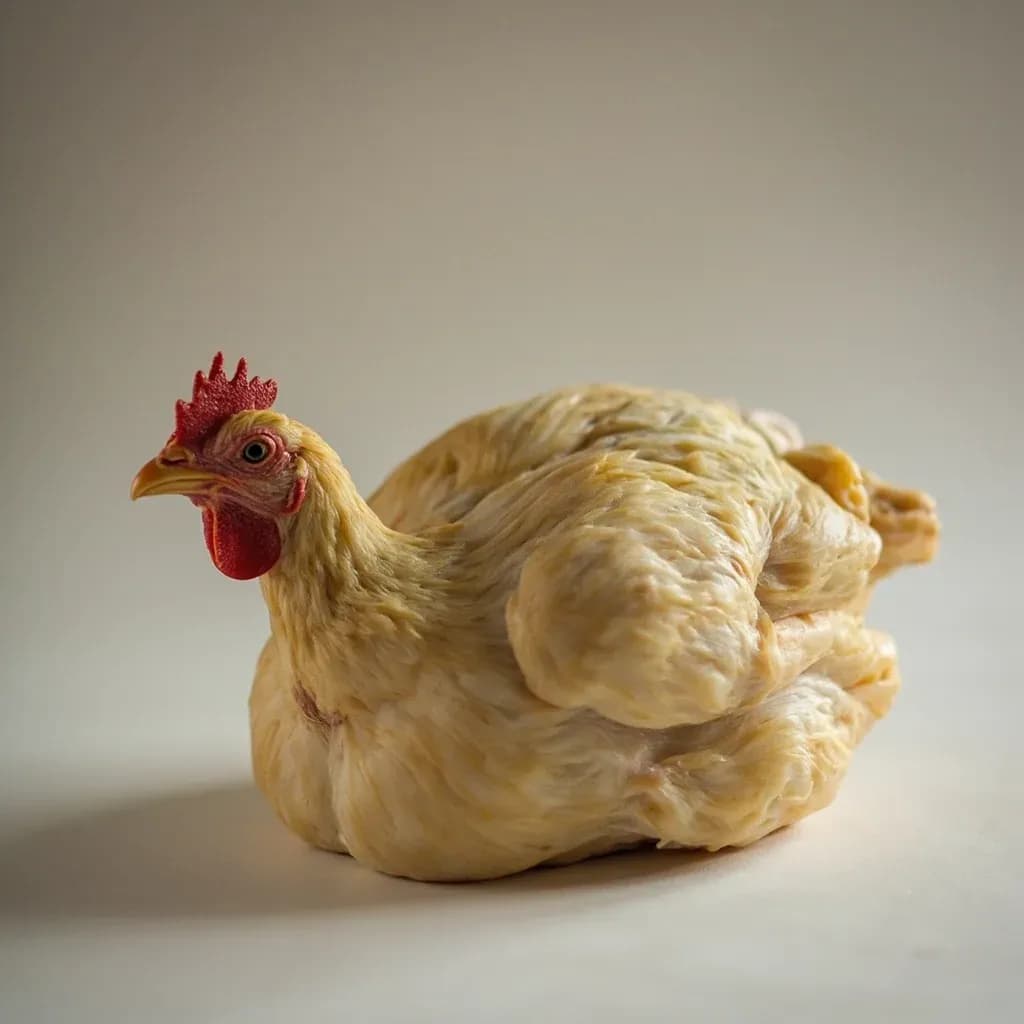
Free-Range Chicken (Road Runner / Huku)
Lean, firm-fleshed free-range village chicken for slow-cooked stews.
Road runner, or huku, is the African free-range village chicken, leaner and tougher than commercial broilers because it forages and runs freely. Its firm, flavorful meat is best in slow stews and braises that tenderize it over time. It is prized across Southern Africa for its deeper chicken flavor.
Free-Range Chicken (Road Runner / Huku) is a lean, muscular bird that demands a fundamentally different approach than commercial broiler. This ingredient represents indigenous African poultry—descended from Red Junglefowl—that forages freely on insects, worms, seeds, and kitchen scraps. The bird's active lifestyle produces well-exercised muscles with darker, firmer flesh and significantly more connective tissue than conventionally raised poultry. Its age at slaughter (6 months to 2+ years) and free-range existence create an intense, gamey chicken flavor that commercial birds simply cannot match. The tradeoff is cooking time: where a broiler might finish in 30 minutes, Huku requires patience—minimum 1.5 hours of gentle, moist heat to dissolve collagen and tenderize the lean meat. In traditional East African households, this bird appears at celebrations and important meals precisely because its preparation cannot be rushed. The reward is a deeply savory, satisfying chicken flavor that elevates any dish it enters.
- Measured in
- piece
- Storage
- Fridge
Types & varieties
Traditional Swahili term for authentic free-range village chicken in Kenya/Tanzania; these birds run freely and are fed on scraps
Common market name for mature free-range chickens; refers to their active, foraging lifestyle
Term used in some markets for semi-free-range birds, younger than true traditional village chickens
Why This Bird Demands Respect
The Huku is not an inferior broiler waiting to be disguised—it is a distinct ingredient requiring its own approach. Commercial broilers reach slaughter weight in 5–6 weeks and are bred for rapid moisture retention and soft texture. The Road Runner, by contrast, has spent months walking, foraging, and exercising every muscle. This produces meat with more myoglobin (hence the darker color), dense muscle fibers, and abundant connective tissue (collagen) surrounding the muscle bundles. When you understand this, you stop trying to rush it and start working with these properties instead of against them. The collagen, when properly cooked, transforms into silky gelatin that enriches sauces and broths—the true mark of a well-prepared Huku.
- Expect a dressed yield of 55–60%—the bird is smaller, but the flavor concentration is higher
- The meat clings to bone more tenaciously than commercial poultry; this is normal, not a sign of undercooking
- Older birds (1+ year) will always require more cooking time than younger specimens
Sourcing and Selecting
Seek out African and Caribbean grocers, where Huku and kienyeji chicken are commonly stocked fresh. Specialty butchers may carry frozen stewing hens—an acceptable alternative with similar cooking requirements. When buying fresh, look for firm flesh with a slight sheen and a clean, poultry smell. Avoid any bird with a slimy surface or strong, off odor. Because of the lower fat content and active muscle, these birds have a shorter refrigerator shelf life (1–2 days fresh) than commercial poultry. Freeze what you cannot use immediately—properly wrapped, frozen Huku keeps for up to 9 months without significant quality loss.
- Ask your butcher to cut the bird into serving pieces if the whole bird is too large—this makes braising easier
- If buying frozen, thaw slowly in the refrigerator over 24 hours for best texture
- The hunt for quality Huku is worth the effort; commercial broiler simply cannot replicate its depth of flavor
Common uses
Tips & pitfalls
- Always allow 1.5–3 hours of gentle cooking—this bird is not a weeknight quick-cook item
- Cut into serving pieces and braise in liquid rather than roasting whole unless you parboil or pressure-cook first
- Add a splash of acid (tomato, lemon, vinegar) early in cooking to help break down fibers
- Pressure cooking reduces cook time to 45–60 minutes and produces tender, shreddable meat without sacrificing flavor
- Never rush the browning step—develop fond on the bird pieces before adding liquid for a deeper stew base
- Season generously; the leaner meat can taste flat without proper seasoning
- For soup, simmer the whole carcass with aromatics for 2+ hours to extract maximum flavor
- Do not overcook to the point of drying out—the meat should be tender but still have structure, not turn to mush
- A common mistake is treating Huku like broiler and expecting it to be done in 30 minutes—it will be chewy and tough
- If making stock, simmer the bones for at least 4 hours; the collagen takes time to fully dissolve into the broth
Nutrition
Energy
598 kJ · per 100 g
Where the calories come from
Protein
17.4g
35% DV
Carbs
0g
0% DV
Fat
8.1g
10% DV
Fiber
0g
0% DV
Sugars
0g
of which
Sodium
60mg
3% DV
Source · USDA FoodData Central · approx. Chicken, ground, raw
View on FDC →In the shops
Matched grocery products
No matched grocery products for Free-Range Chicken (Road Runner / Huku) yet.
Good to know
- Common Names
- Huku (Swahili), Road Runner chicken, village chicken, free-range chicken, kienyeji chicken
- Type
- Free-range village poultry (mature hens and cockerels)
- Age at Slaughter
- 6 months to 2+ years (much older than commercial broilers)
- Dressed Weight
- 1.0–2.0 kg (smaller than commercial 2–3 kg broilers)
- Flavor Profile
- Intense, gamey, deeper chicken flavor; darker leg and thigh meat
- Texture
- Firm, lean, muscular; connective tissue requires prolonged cooking
- Fat Content
- Very low; minimal subcutaneous and intramuscular fat
- Cooking Time
- Minimum 1.5 hours (stew/braise); up to 3 hours for older birds
Substitutes
- Guinea Fowl — Closest texture and leanness; similar gamey flavor; requires equally long cooking
- Cornish Hen — Hardier than poussin; holds up better to extended braising and pressure cooking
- Duck Leg — Comparable leanness and collagen content; excellent for long braises
- Commercial Hen (stewing hen) — Older laying hen from standard production; available frozen in some markets; similar cooking requirements
Pairs with
Also called
Huku · Village Chicken · Free-Range Chicken
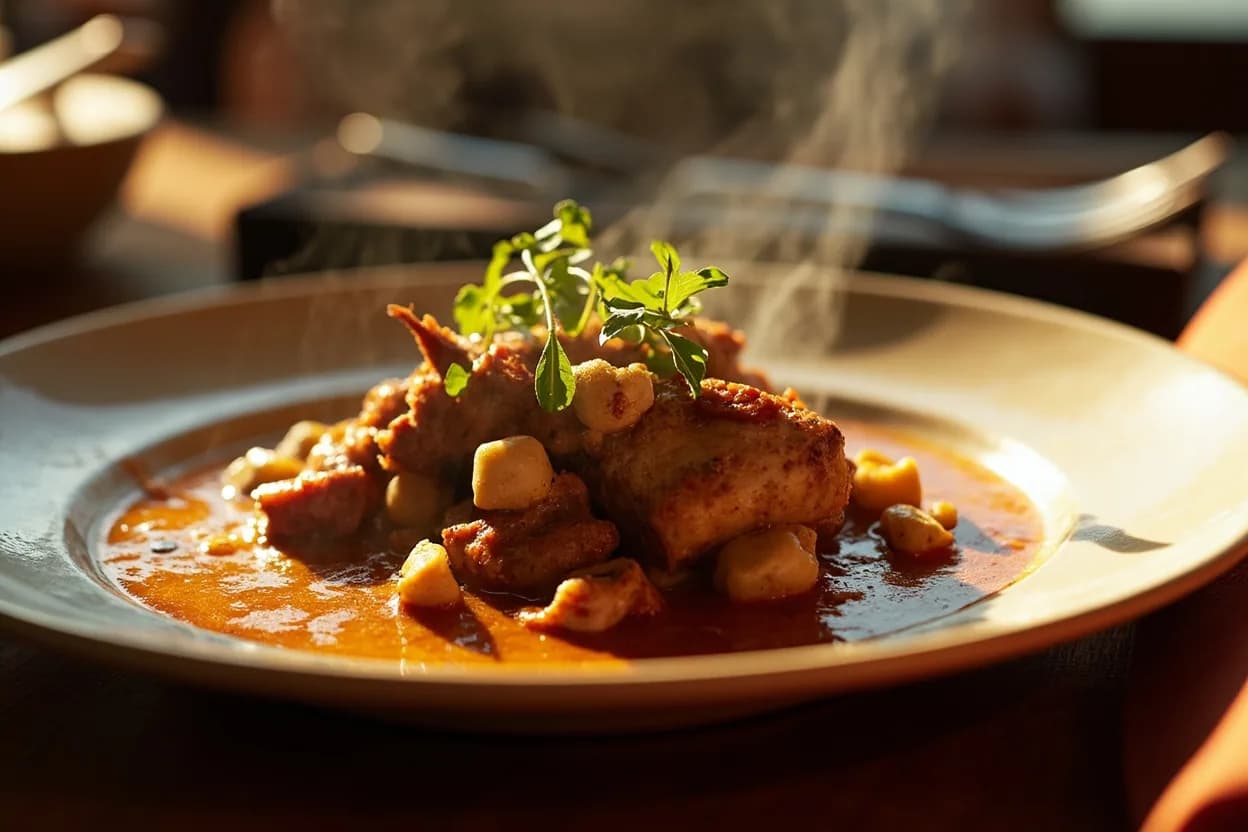
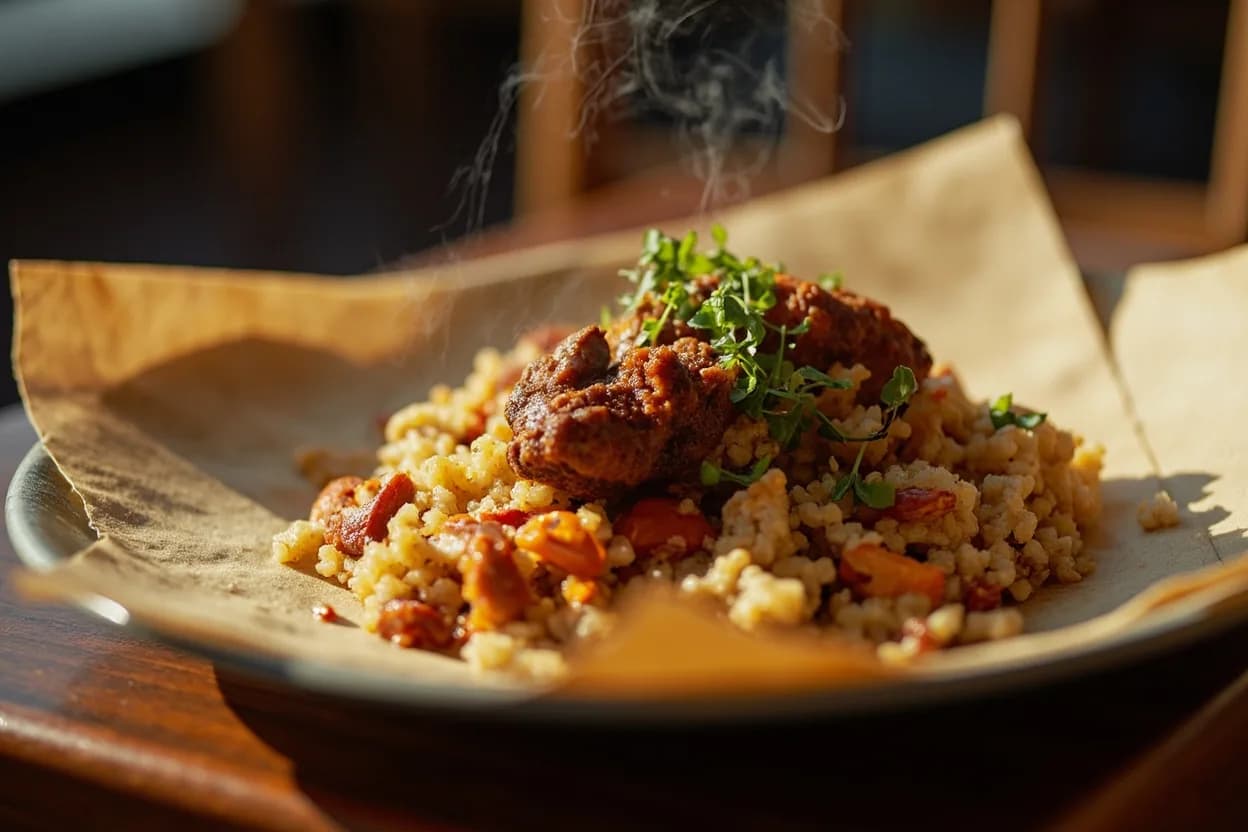
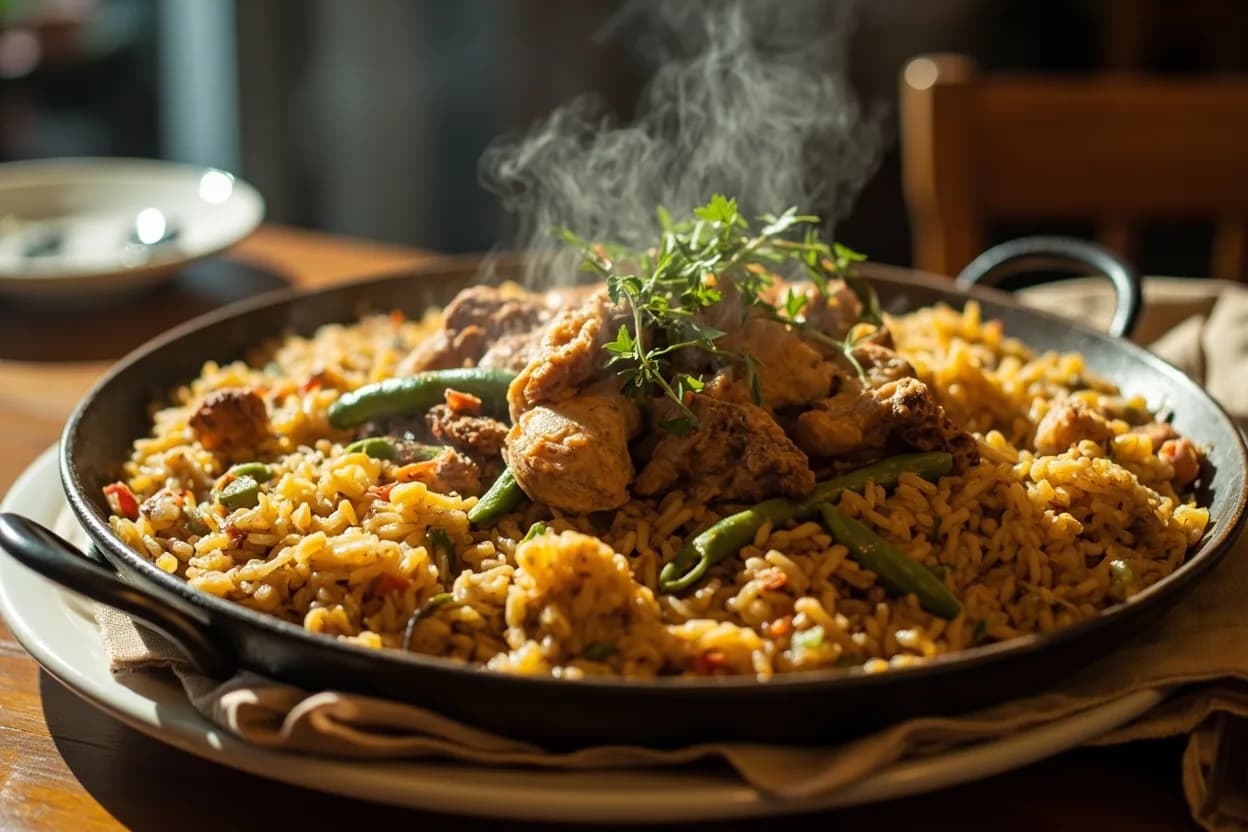
Appears in these dishes
Related
Egg
The kitchen's everything ingredient — bind, leaven, enrich, or fry
Chicken Breast
Lean, quick-cooking white meat for everyday dinners

Ground Beef
Versatile minced beef for burgers, ragù, tacos, and meatballs
Pork Loin
Lean, tender roasting cut that stays juicy with care
Salmon
Rich, rosy fish that roasts, grills, or cures beautifully

Egg White
Pure protein that whips to airy peaks for meringue and more
Egg Yolk
Rich, golden yolk for custards, mayonnaise, and pasta

Quail Egg
Tiny, speckled eggs for garnishing and elegant bites