
Stored
Whole dried saba-bushi blocks: hard, dark, smoke-cured mackerel loins ready for shaving.
Shows the whole cured product as it is stored and sold, making the hard, smoke-darkened block form immediately recognizable.
Proteins
Saba-bushi (Dried Mackerel)
Dried, smoked mackerel shaved for Japanese dashi; deeply savory and umami-rich.
Saba-bushi is dried and smoked mackerel, processed like katsuobushi (bonito) and shaved into flakes to make Japanese dashi stock. It contributes a robust, savory umami with a slightly richer, fishier profile than bonito. The flakes are steeped in hot water to extract the broth.
Saba-bushi is dried, cold-smoked mackerel (Scomber japonicus) that has been gutted, flattened, deboned, lightly salted, smoke-dried over pine, and finished in the sun. Where katsuobushi represents the refined, almost austere character of Kyoto-style dashi, saba-bushi embodies the bolder, earthier traditions of Kyushu and Shikoku prefectures—regions historically closer to mackerel fisheries than the skipjack tuna fisheries of the Pacific. The fish's higher fat content (10–15% versus the leaner tuna) creates a richer, more assertive backbone in dashi, with a pronounced smokiness that penetrates stocks and soups in ways katsuobushi cannot match. Its reddish-brown fillets arrive semi-rigid and require shaving or grinding before use; unlike the rock-hard planks of katsuobushi, saba-bushi yields more easily to a box grater or dedicated fish plane. The combination of smoke, oil, and sun-drying concentrates both glutamate and inosine to yield very high umami—comparable to skipjack-based products but with an unmistakable maritime intensity that defines regional cuisine from Fukuoka to Matsuyama.
- Measured in
- g
- Storage
- Pantry
Allergens
Types & varieties
Smoke-dried over pine or cypress; the most common commercial form found in markets
Some producers use oak or cherry wood, lending subtle regional variation in smoke character; particularly found in specialty shops from Ehime and Kumamoto prefectures
Regional Significance
Saba-bushi is not merely a substitute for katsuobushi—it is the foundational dashi ingredient of a distinct culinary tradition. In Fukuoka, Kumamoto, and Ehime prefectures, mackerel was historically more accessible than skipjack, and local preservation techniques evolved around this fatty, fast-spoiling fish. The cold-smoking and sun-drying process extended the fishing season through winter and created a portable protein source for inland communities. Today, regional Kyushu fish-based ramen, Kumamoto-style miso soup, and hearty western Japanese preparations all rely on saba-bushi dashi as a mark of regional identity. When cooking these regional recipes, substituting katsuobushi produces a recognizable but fundamentally altered dish—the smokiness and oiliness are not incidental flavor notes but core structural elements of the local palate.
- Kyushu-style dashi often skips kombu entirely, relying on saba-bushi's intensity alone
- Regional ramen houses in Fukuoka guard their saba-bushi ratios as trade secrets
- The fish's oiliness was historically valued in regions with less access to other fats and proteins
Common uses
Tips & pitfalls
- Shave or grate immediately before use—exposed surface area accelerates both flavor degradation and rancidity in the mackerel fat
- When substituting saba-bushi for katsuobushi, use 20–30% less by weight; the oilier, stronger flavor easily overwhelms delicate preparations
- Store in an airtight container with a desiccant packet in humid climates; mackerel fat oxidizes faster than tuna fat
- Use hot water extraction (just off boiling) for clean results—cold steeping extracts bitter compounds from the oils that the smoking process concentrates
- Avoid pre-ground commercial saba-bushi—aroma dissipates rapidly once ground; purchase whole or chunk form and shave as needed
- In regional Kyushu preparations, saba-bushi dashi is intentionally bold and often made without kombu; do not automatically add kombu as you would with katsuobushi dashi
- The higher fat content means saba-bushi yields a cloudier stock than katsuobushi—this is normal and correct for regional preparations
- If a bitter edge develops in your dashi, reduce steeping time or switch to hot water extraction rather than reducing the quantity of fish
Nutrition
Nutrition
No USDA FoodData Central match for Saba-bushi (Dried Mackerel) yet. We surface a per-100 g profile once a generic whole-food entry is matched and verified.
In the shops
Matched grocery products
No matched grocery products for Saba-bushi (Dried Mackerel) yet.
Good to know
- Type
- Dried, smoked mackerel (Scomber japonicus)
- Processing
- Gutted, flattened, deboned, lightly salted, cold-smoked over pine, then sun-dried
- Primary Origin
- Kyushu and Shikoku regions, Japan (historically tied to Inland Sea fishing communities)
- Flavor
- Pronounced smokiness, pronounced fishiness, rich oiliness; more assertive than katsuobushi
- Umami Content
- Very high (glutamate, inosine) — comparable to katsuobushi
- Form
- Semi-rigid fillets or blocks, dark reddish-brown; requires shaving or grinding before use
- Yield
- Approximately 3–4 tablespoons of shavings per fillet
- Shelf Life
- 6–12 months sealed in cool, dry, dark conditions; refrigeration or freezing extends to 18+ months
- Typical Use Quantity
- 5–10g per liter of dashi for full-flavored result
- Fat Content
- Higher than katsuobushi due to mackerel's oily nature (10–15% fat)
- Equipment Needed
- Box grater, suribachi, or dedicated fish plane for shaving
Substitutes
- Katsuobushi — Most common substitute; use 1:1 by weight but expect a cleaner, less smoky flavor—reduce quantity slightly to avoid overwhelming delicate dishes
- Niboshi — Dried infant sardines or anchovies; provides strong fishiness and slight bitterness; acceptable for gut-health styled dishes but does not replicate authentic regional flavor
- Hondashi (granulated dashi powder) — Contains katsuobushi extract; convenient for quick stocks but lacks the aromatic intensity and depth of whole shaved fish
- Awase dashi granules — Blend of katsuobushi and kombu extracts; closer to authentic than pure hondashi but still lacks the smoky, oily character of saba-bushi
Pairs with
Also called
Dried Mackerel · Mackerel Flakes
Related
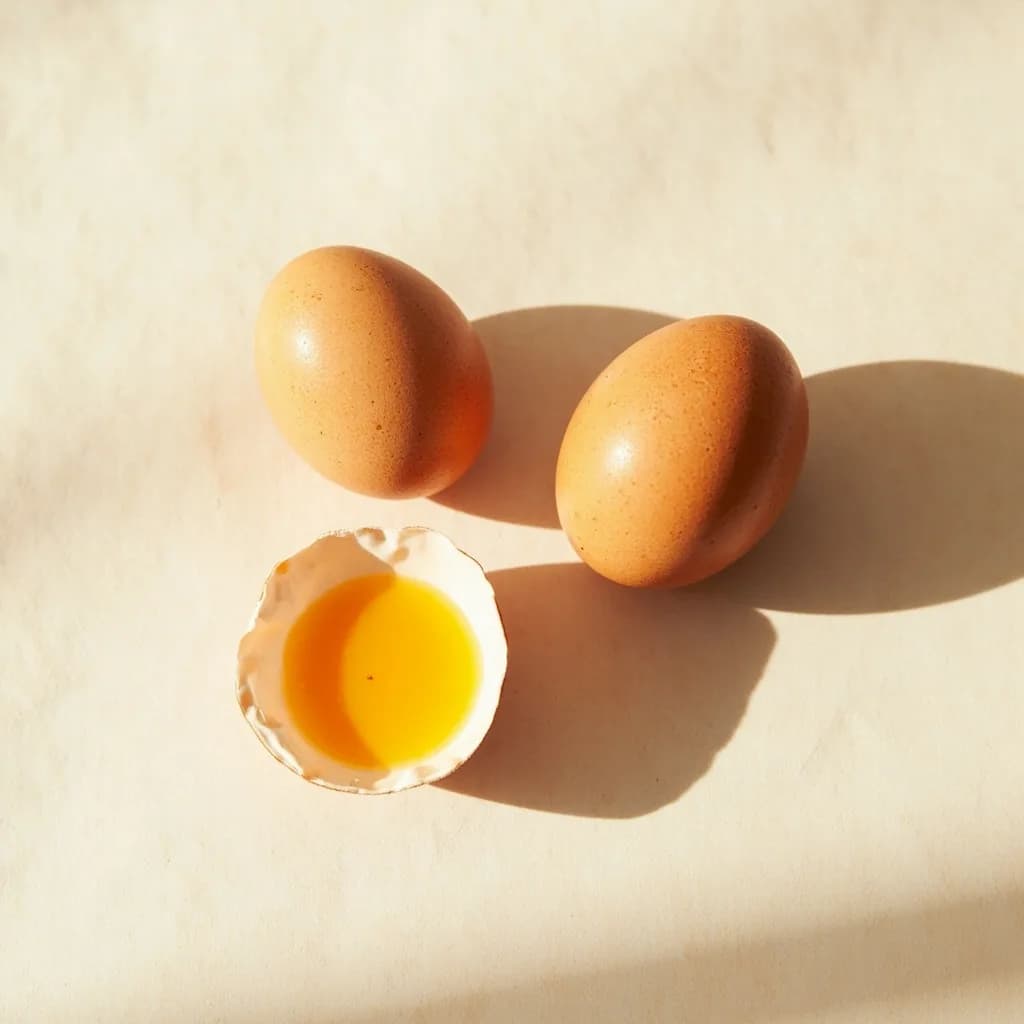
Egg
The kitchen's everything ingredient — bind, leaven, enrich, or fry
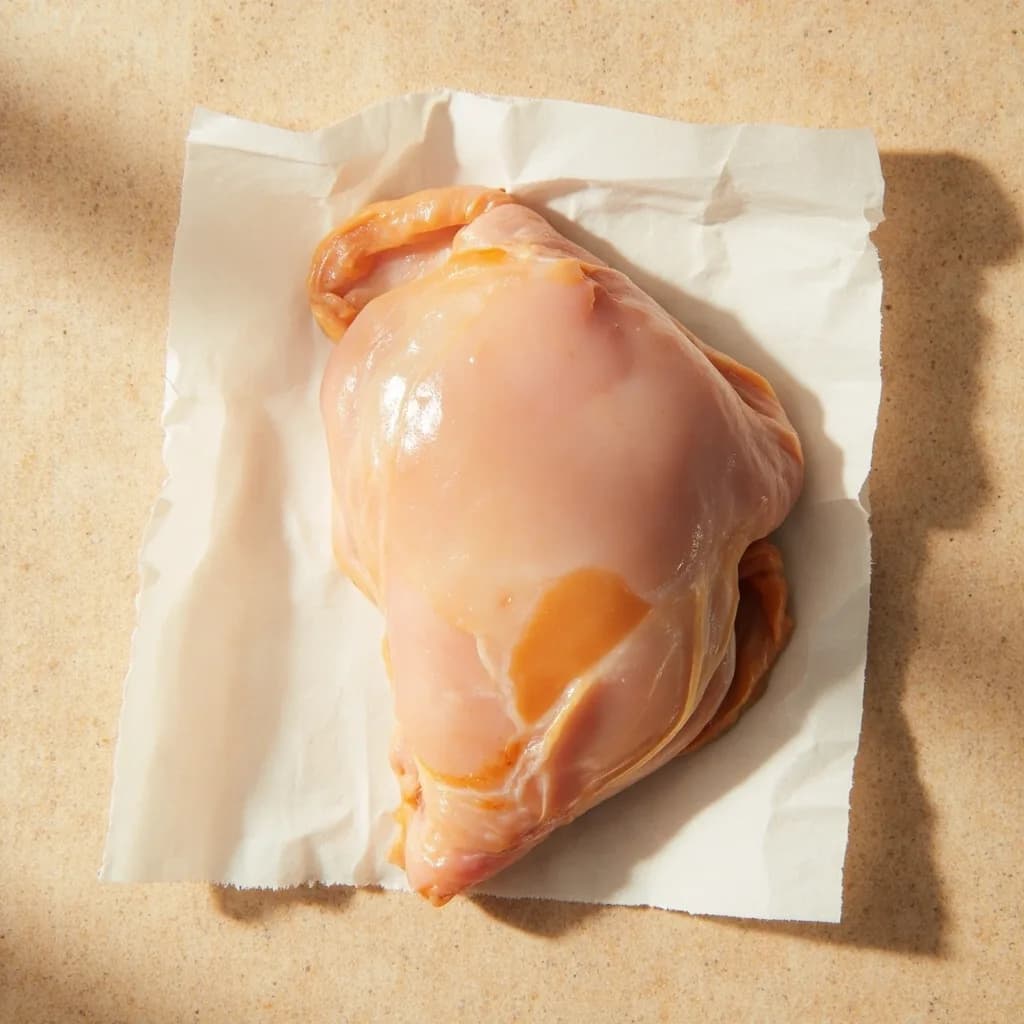
Chicken Breast
Lean, quick-cooking white meat for everyday dinners

Ground Beef
Versatile minced beef for burgers, ragù, tacos, and meatballs
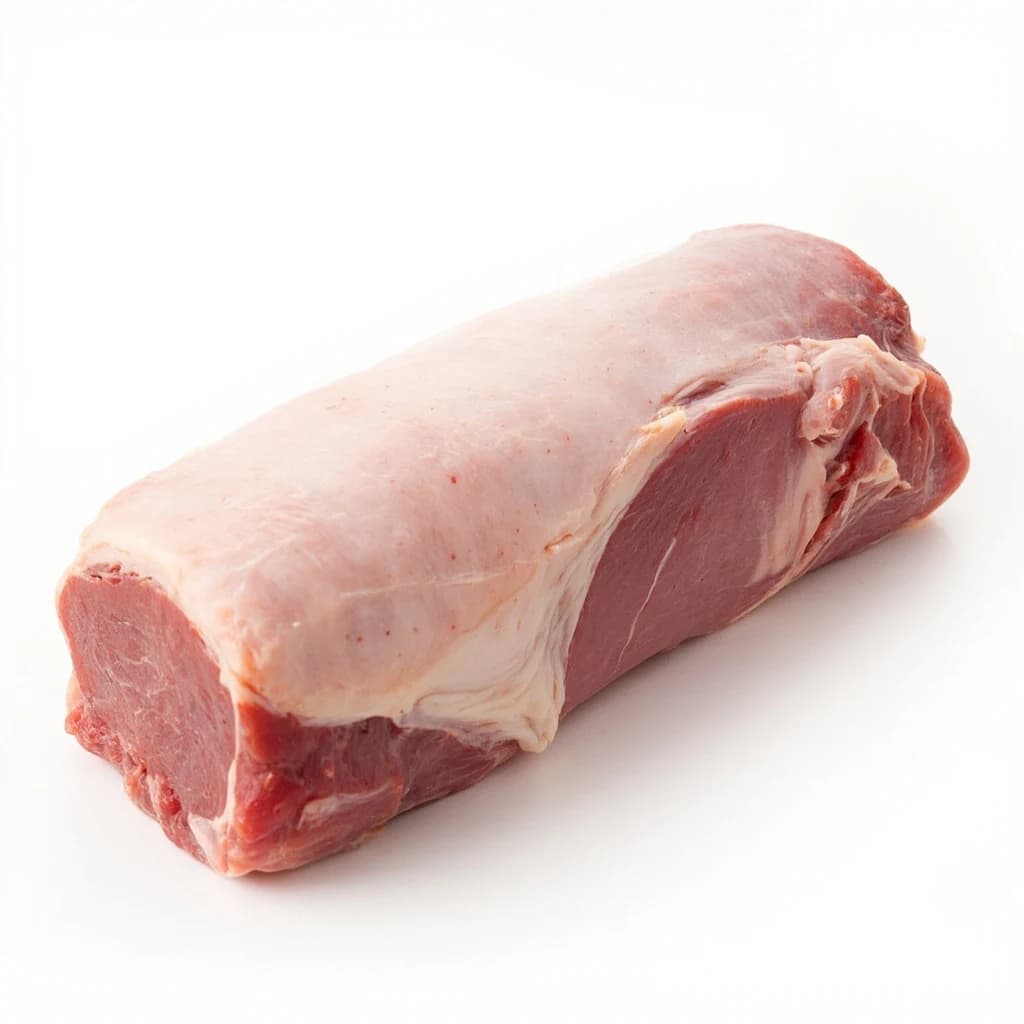
Pork Loin
Lean, tender roasting cut that stays juicy with care
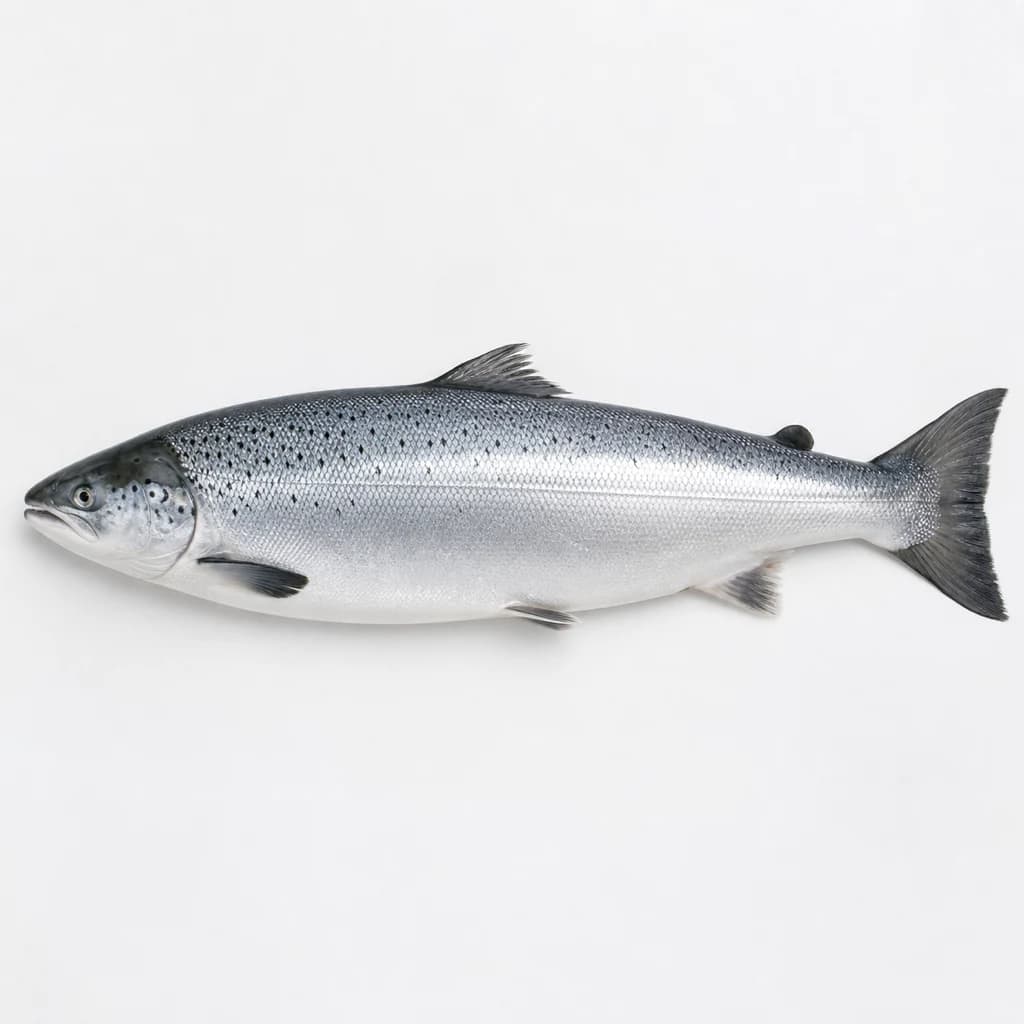
Salmon
Rich, rosy fish that roasts, grills, or cures beautifully

Egg White
Pure protein that whips to airy peaks for meringue and more
Egg Yolk
Rich, golden yolk for custards, mayonnaise, and pasta

Quail Egg
Tiny, speckled eggs for garnishing and elegant bites