Natural form
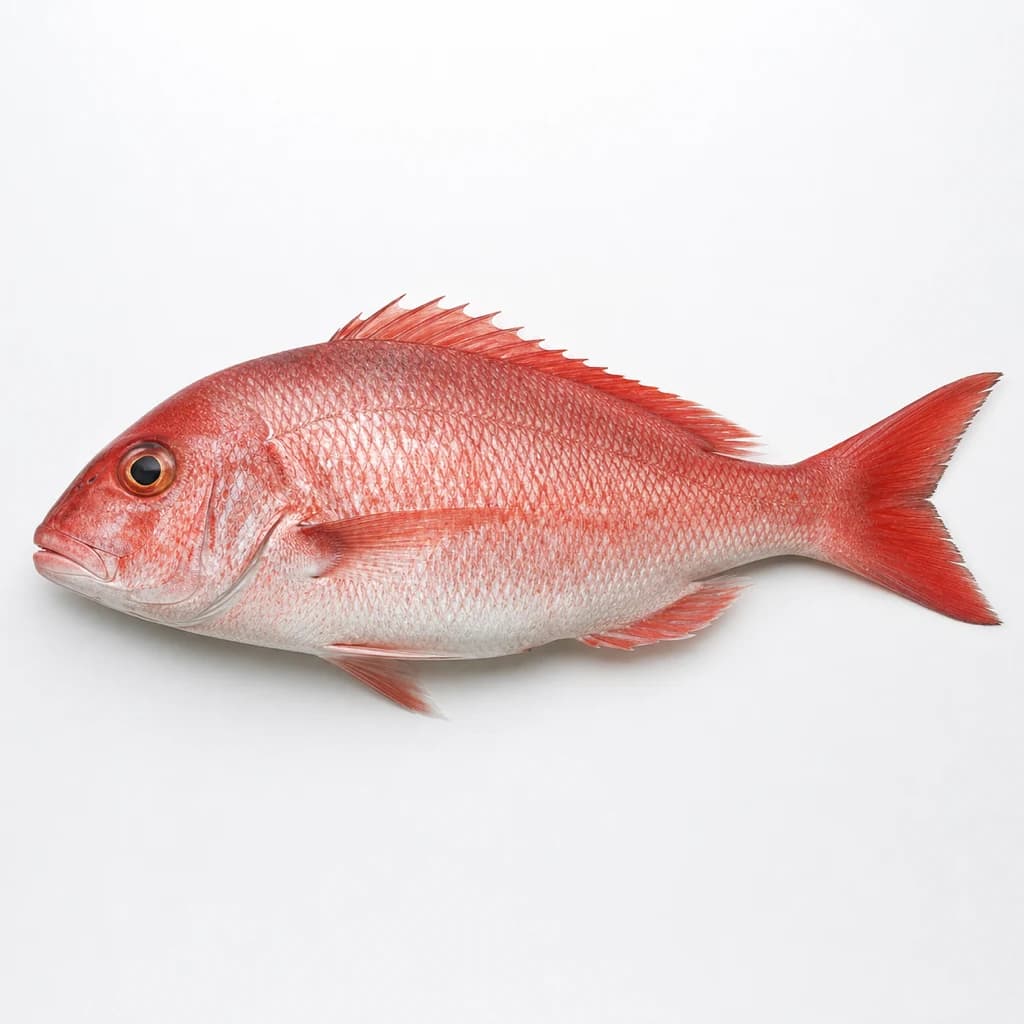
Whole red snapper showing characteristic bright red skin, large scales, and streamlined reef-fish body.
Shows the reader the exact fish they would encounter whole at a fishmonger — color, scale pattern, body shape, and fins identify it unmistakably.
Proteins
Snapper
Firm, sweet-fleshed reef fish — grilled or fried whole, steamed, or simmered in spiced stews.
Snapper is a firm, white-fleshed reef and coastal fish with a mild, slightly sweet flavor. It holds together well, making it ideal for grilling or frying whole, steaming with aromatics, or simmering in tomato and coconut stews. Red snapper is especially prized for its bright color and clean taste.
Snapper refers to a family of fish (Lutjanidae) prized across tropical and subtropical waters for their firm, sweet flesh with a subtle briny edge. In North American markets, red snapper holds the throne as the benchmark variety—the fish that chefs and home cooks reach for when a recipe calls simply for "snapper." The flesh is white, medium-fine in flake, and lean (1–2% fat), which makes it extraordinarily versatile: it holds up to aggressive dry-heat methods like blackening and high-heat grilling while also standing firm in long braises and stews. The trade-off is that this leanness leaves no margin for error—snapper dries out quickly past 140°F and turns chalky and stringy when overcooked. This is a fish that rewards attention and rewards you generously when you give it. Unfortunately, red snapper is one of the most mislabeled fish in commercial commerce; studies consistently show that a significant portion of fish sold as red snapper is tilapia, rockfish, or other snappers. Buy from a fishmonger you trust who can identify the fish by its characteristic bright red skin, blocky profile, and yellow eyes on larger specimens.
The snapper family is large and commercially significant. Beyond red snapper, you'll encounter yellowtail snapper (delicate, slightly oily, exceptional raw), mangrove or gray snapper (firm and common in Florida and the Caribbean), lane snapper (softer flesh, budget-friendly), mutton snapper (thick-bodied, excellent grilled whole), vermilion snapper (small and soft, best in moist cooking), and cubera snapper (large, firm, underutilized). These are not interchangeable—red snapper and mutton snapper have the firmest, sweetest flesh, while lane and vermilion snapper are softer and more forgiving in soups and stews. Adjust your technique accordingly.
What makes snapper remarkable in the kitchen is its structural integrity combined with a mild, approachable sweetness. The flesh stays in large, clean flakes rather than crumbling, which makes it ideal for soups where you want visible pieces, for grilled whole preparations where you need the fish to hold its shape, and for raw applications like ceviche where the texture must be clean and buttery. The skin crisps beautifully when seared or grilled and provides a natural handle for the fillet. The lean flesh takes well to bold seasonings—blackening spice, achiote, adobo—because there's enough structural backbone to carry intense flavors without being overwhelmed. At its best, snapper is the fish you reach for when you want something that can do everything.
- Measured in
- g
- Storage
- Fridge
Allergens
Types & varieties
Benchmark variety; bright red skin, sweet mild flesh; Gulf of Mexico and Atlantic; 1–15 lbs; prized in Gulf Coast, Southern, and Caribbean cooking
Yellow lateral stripe; more delicate, slightly oily flesh; Florida Keys, Bahamas, Caribbean; excellent raw
Dark gray back; firm, slightly sweet flesh; common in Florida, Caribbean, and Gulf; often smaller (1–5 lbs)
Pinkish-red with yellow stripes; softer flesh than red snapper; smaller fish common from Carolinas to Brazil; budget-friendly alternative
Larger, thick-bodied; olive-green with red accents; firm flesh; prized from Florida to Brazil; excellent for grilling whole
Small, pinkish-red; softer flesh; Gulf and South Atlantic; common in commercial supply; best for moist cooking methods
Dark brown to gray; large (up to 100+ lbs); firm flesh; found from Florida to Brazil; underutilized
Buying Snapper with Confidence
The mislabeling problem is real and persistent. Red snapper commands a premium price, which creates economic incentive to substitute less expensive fish. When purchasing fillets or whole fish labeled "red snapper," look for the physical hallmarks: bright brick-red skin that fades to pink near the belly, a relatively blocky head profile, and on larger fish (over 5 lbs), distinctly yellow eyes. If you're buying whole, the gills should be bright red or pink, not brown or gray. Press the flesh—it should spring back immediately, not leave an indentation. Ask your fishmonger where and when the fish was sourced; a confident answer about the fishery (Gulf of Mexico, South Atlantic, Caribbean) is a good sign. At farmers' markets or fish-specific vendors, you may find smaller snappers (lane, mangrove) that are more accurately identified simply because they're less commercially valuable to mislabel.
For whole fish, expect a yield of 45–50% usable fillet from a headed and gutted fish. If you're buying fillets, expect to lose some to skin and edges, though the frame is worth simmering into fish stock.
- A 3-pound whole snapper yields roughly 1.5–1.8 lbs of usable fillet after heading and gutting
- Ask for headed and gutted unless you want the whole fish for presentation
- Request that scales be removed at the shop—snappers have small, tedious scales
Temperature and Doneness
This is the single most important skill for cooking snapper: it is unforgiving past 140°F internal temperature. The lean flesh has no fat to lubricate and protect during cooking, so the proteins seize and tighten rapidly. Professional cooks pull snapper from heat at 130°F and let it rest—the carryover cooking brings it to 135–140°F, which is the sweet spot for moist, translucent, perfectly cooked flesh.
Use an instant-read thermometer for the first dozen times you cook snapper until you develop an intuitive sense of the timing. The flesh will appear slightly translucent at the center when pulled at 130°F; this is correct. If you wait until it looks fully opaque throughout, you've overcooked it.
For grilling whole fish or thick steaks, the internal temperature will be uneven—the thickest part near the spine takes far longer than the thin belly and tail sections. Probe the thickest portion and plan to rest the fish while the thin parts finish cooking through.
- Pull snapper at 130°F internal temperature and rest 3–5 minutes
- Carryover cooking adds 5–10°F during resting
- The flesh transitions from translucent to opaque between 125–140°F—this is your visual cue
Common uses
Tips & pitfalls
- When grilling whole, score the skin deeply on both sides at 1-inch intervals to prevent curling and allow heat to penetrate the thickest part of the fish near the spine.
- For pan-seared fillets, leave the skin on—it provides a crispy handle and protects the flesh; scrape off scales before cooking if desired.
- Cut fillets on the bias (diagonal) for a more elegant presentation and more forgiving texture; perpendicular cuts are more likely to dry out.
- Avoid overcooking: snapper turns dry and stringy past 140°F; pull from heat at 130°F and rest 3–5 minutes to finish cooking.
- Cross-cut steaks (1–1.5 inches thick) are ideal for grilling because the backbone adds structure; season aggressively since there's less surface area relative to mass.
- Pat fillets completely dry before searing—any moisture creates steam and prevents browning, leaving you with a steamed rather than seared exterior.
- For blackening, use cast iron heated until smoking and do not crowd the pan—crowding drops the temperature and causes sticking.
- Snapper flesh is lean; baste with butter or oil during roasting, or cook en papillote to trap steam and retain moisture.
- Common mistake: assuming all snappers are interchangeable—red snapper has firmer, sweeter flesh than vermilion or lane snapper; adjust cooking times and methods accordingly.
- If buying whole, ask your fishmonger to scale, gut, and gill it—snappers have small scales that are tedious to remove by hand.
Nutrition
Energy
418 kJ · per 100 g
Where the calories come from
Protein
20.5g
41% DV
Carbs
0g
0% DV
Fat
1.3g
2% DV
Fiber
0g
0% DV
Sugars
0g
of which
Sodium
64mg
3% DV
Source · USDA FoodData Central · approx. Fish, snapper, mixed species, raw
View on FDC →In the shops
Matched grocery products
No matched grocery products for Snapper yet.
Good to know
- Family
- Lutjanidae (snappers)
- Flesh
- White, firm, medium-fine flakes; mild sweetness with subtle briny edge
- Fat Content
- Lean (1–2% fat)
- Yield
- 45–50% usable fillet from whole fish; 35–40% from headed and gutted
- Peak Season
- May through October in Gulf of Mexico and South Atlantic; year-round in Florida and Caribbean waters
- Shelf Life
- Refrigerate on ice 1–2 days; freeze at 0°F for up to 3 months with quality retention
- Buying Signal
- Clear, bulging eyes; bright red or pink gills; tight scales; flesh springs back when pressed; mild ocean scent, not fishy or ammonia
- Difficulty
- Easy to work with; skin removes cleanly; flesh holds together well in wet cooking methods
Substitutes
- Grouper — Similar firm texture and mild sweetness; slightly denser flesh; best 1:1 swap for grilling, blackening, or steaming
- Sea Bass (Chilean or Black) — Comparable flake and firmness; milder flavor; works in all preparations including raw applications
- Mahi-Mahi — Firm flesh with stronger flavor; good for grilled, blackened, and stewed preparations
- Redfish (Red Drum) — Similar texture and Gulf Coast culinary tradition; slightly more flavorful; excellent for blackening
- Amberjack — Firm, dark-meated; acceptable for moist cooking methods; not ideal for blackening or raw applications
- Ocean Perch — Budget option; milder and softer flesh; best for soups, stews, and pan-frying
Pairs with
Also called
Red Snapper
Appears in these dishes
Related
Egg
The kitchen's everything ingredient — bind, leaven, enrich, or fry
Chicken Breast
Lean, quick-cooking white meat for everyday dinners

Ground Beef
Versatile minced beef for burgers, ragù, tacos, and meatballs
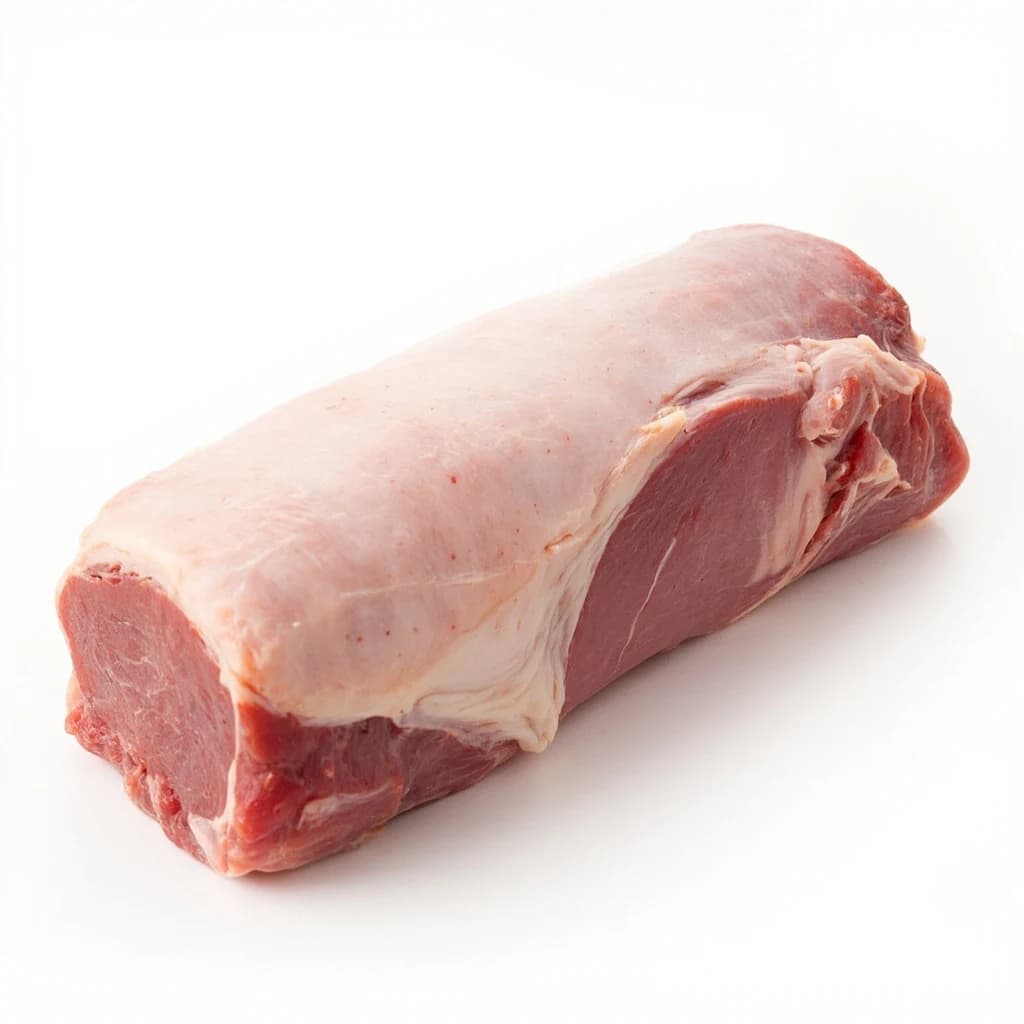
Pork Loin
Lean, tender roasting cut that stays juicy with care
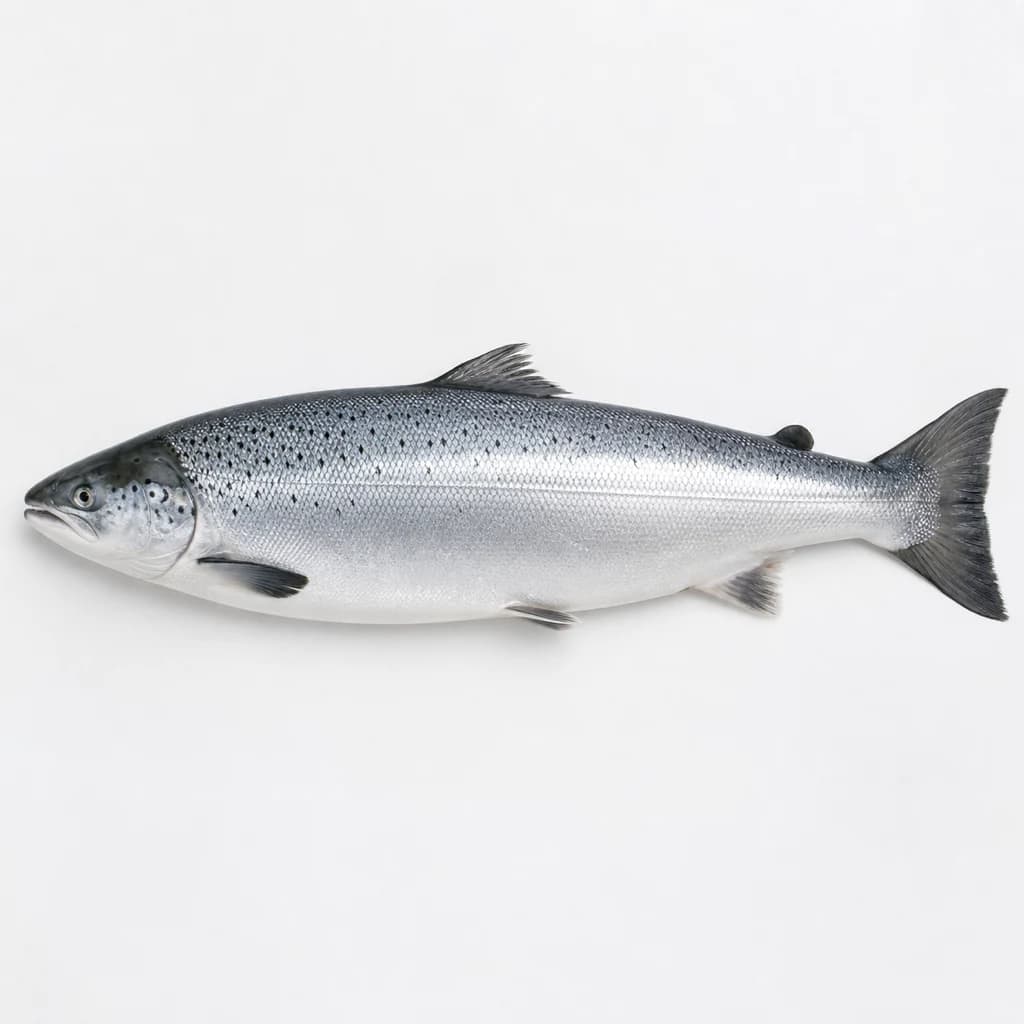
Salmon
Rich, rosy fish that roasts, grills, or cures beautifully

Egg White
Pure protein that whips to airy peaks for meringue and more
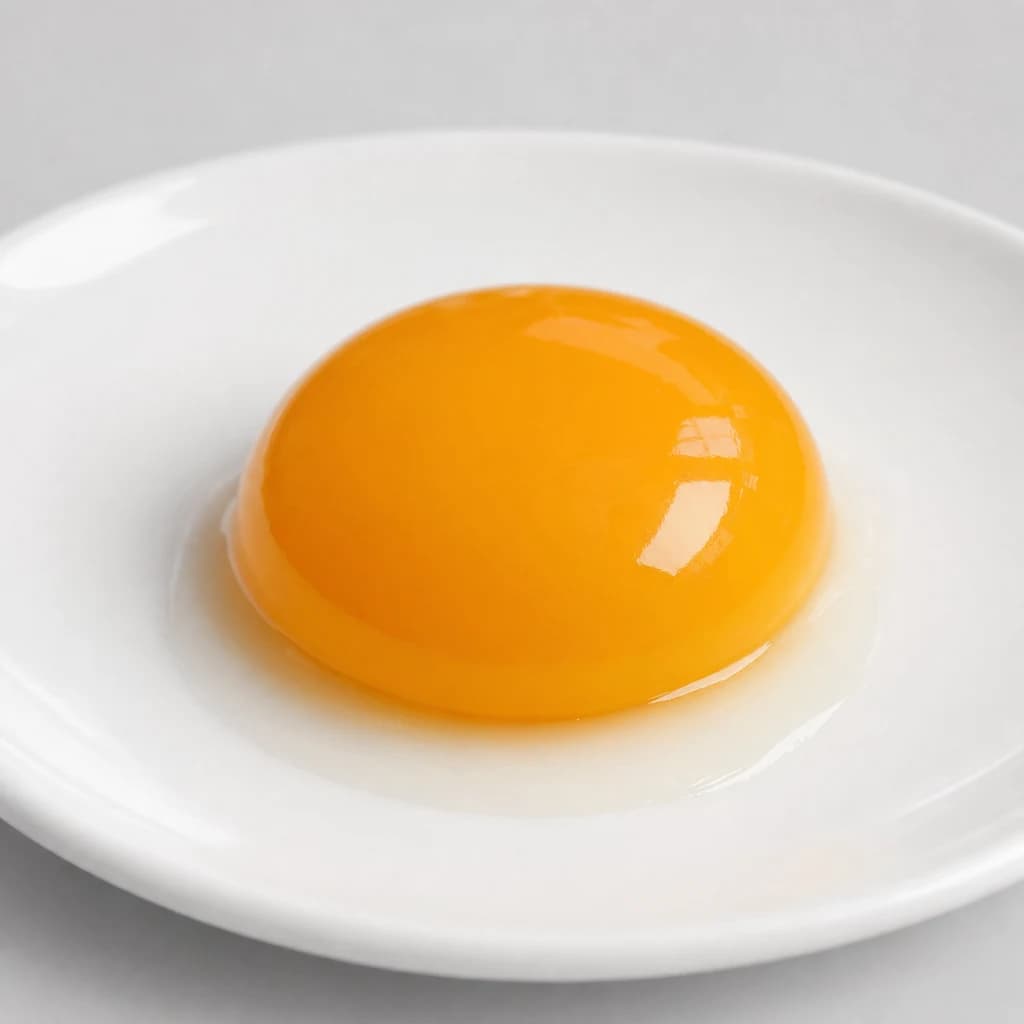
Egg Yolk
Rich, golden yolk for custards, mayonnaise, and pasta

Quail Egg
Tiny, speckled eggs for garnishing and elegant bites