Natural form
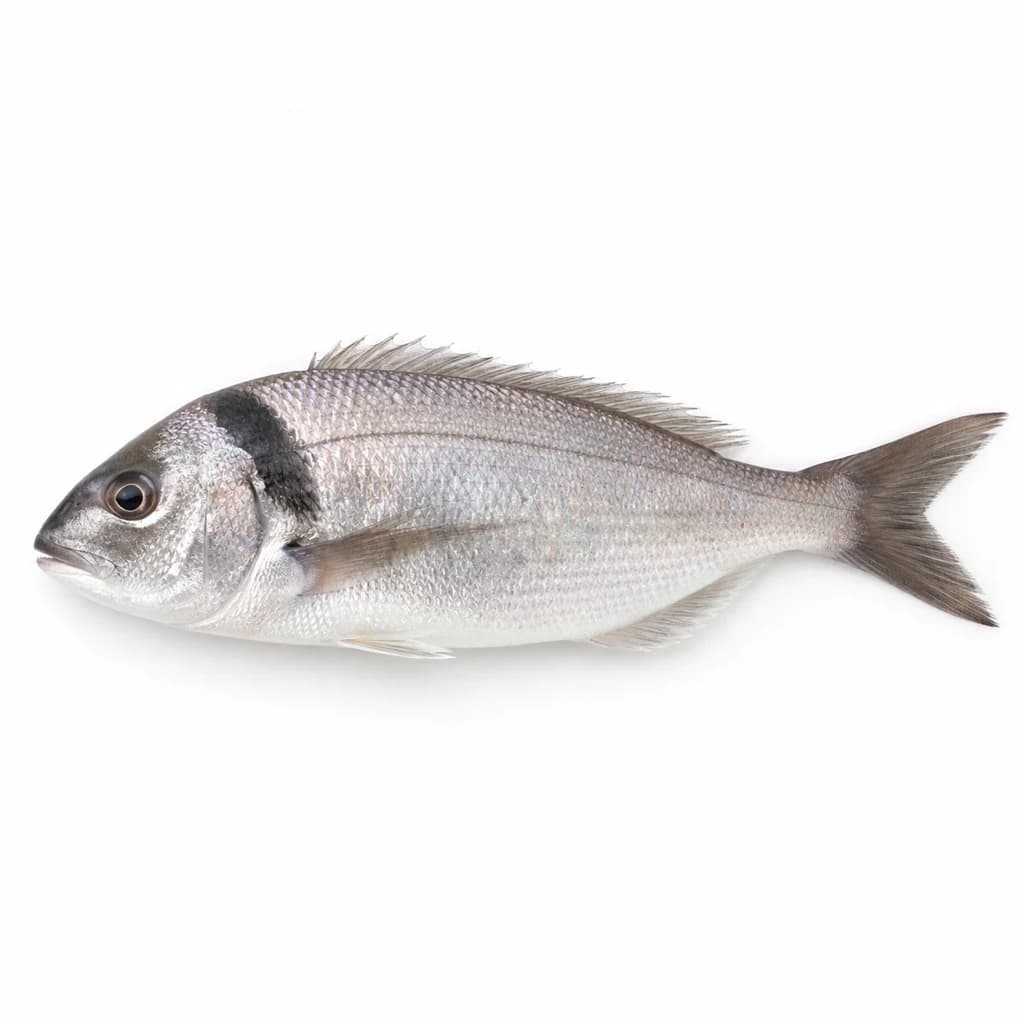
Whole fresh tarakihi showing its silver-grey body, dark shoulder bar, and forked tail.
Shows the fish's unmistakable physical appearance — the distinctive dark shoulder patch and body shape that identify tarakihi at market.
Proteins
Tarakihi
New Zealand reef fish with firm, moist, mild-sweet white flesh; great pan-fried.
Tarakihi is a popular New Zealand sea fish with firm, moist, mildly sweet white flesh. It is commonly pan-fried, battered for fish and chips, grilled, or baked, and is valued for its versatility and reliable texture. A member of the morwong family, it is one of New Zealand's favorite eating fish.
Tarakihi (Nemadactylus macropterus) is one of New Zealand's most prized and commercially significant reef fish, native to the cool waters around both main islands and extending into southern Australia. The fish earns its distinctive Māori name—meaning "striped" or "spotted"—from the bold black saddle marking directly behind the head, a reliable identifying feature. A grunting sound produced by vibrating its swim bladder, amplified by surrounding musculature, led to its alternative name: jackass fish. For cooks, tarakihi represents a workhorse of New Zealand cuisine: its firm, dense, and notably moist flesh cooks to bright white with medium-fine flakes that hold together exceptionally well. The flavor is mild, clean, and subtly sweet with only a faint oceanic character, never veering into strong fishiness. This forgiving quality—resistance to overcooking drying out—makes tarakihi an ideal choice for cooks less experienced with whole fish, rewarding straightforward preparations that let the quality of the flesh speak. While some stocks have faced commercial fishing pressure, well-managed quotas and the availability of MSC-certified line-caught fish mean sustainable options are increasingly accessible.
The yield from whole tarakihi to skin-on fillets runs approximately 45–50%, and the frames and heads make excellent stock for bisques or sauces. Tarakihi sits comfortably in the mid-to-premium price tier, generally below snapper in New Zealand markets. Whether pan-fried with a light flour crust, grilled whole over charcoal, or broken down into cutlets for braising, the fish handles diverse preparations without falling apart or drying out—a versatility that has secured its place as a staple of both restaurant menus and home kitchens across the region.
- Measured in
- g
- Storage
- Fridge
Allergens
Types & varieties
Found north of Cook Strait; tends to be slightly larger in size
Found south of Cook Strait; many fishers consider it to have superior flesh quality
Not a true tarakihi; related species (Kathetostoma giganteum) marketed as giant stargazer or silver tarakihi
Common uses
Tips & pitfalls
- Bring fish to room temperature before cooking—this ensures even heat penetration throughout the flesh
- Season simply and resist overcomplicating: the clean flavor is the asset
- For pan-frying, heat the fat until shimmering before adding fish and don't move it until a golden crust forms—this prevents sticking and tearing
- Use medium-high heat; excessive heat dries out the firm flesh; target 55–58°C internal temperature for medium doneness
- Rest cooked fish 2–3 minutes before serving—this allows carryover cooking to complete and juices to redistribute
- When buying whole, check for bright clear eyes, red or pink gills (not brown), and tight shiny scales
- If purchasing whole, ask your fishmonger to leave the liver in—the fat is prized and adds richness when cooked
- Avoid overcooking: tarakihi goes from perfectly done to dry quickly; pull from heat when flesh just turns opaque throughout
- For grilling whole fish, score the thickest part of the flesh at an angle to allow heat to penetrate evenly
- Line-caught tarakihi is preferable when available—it has less stress-induced texture change and superior flavor compared to trawl-caught fish
- If frozen, thaw slowly in the refrigerator overnight; never thaw at room temperature or in warm water
Nutrition
Nutrition
No USDA FoodData Central match for Tarakihi yet. We surface a per-100 g profile once a generic whole-food entry is matched and verified.
In the shops
Matched grocery products
No matched grocery products for Tarakihi yet.
Good to know
- Scientific Name
- Nemadactylus macropterus
- Other Names
- Jackass fish, Sea bream, Silver fish (Australia)
- Origin
- New Zealand and southern Australia; primarily caught around both main islands of New Zealand
- Habitat
- Demersal (bottom-dwelling); rocky reef areas and sand close to reefs at 10–200 meters depth
- Season
- Year-round; peak catches December–May (summer and autumn)
- Average Market Size
- 30–50 cm length; 1–1.5 kg whole fish
- Flesh Color
- White with slight pinkish tinge near bone; cooks to bright white
- Texture
- Firm, dense, and moist with medium-fine flakes; holds shape well
- Flavor
- Mild, clean, slightly sweet; low oiliness; subtle oceanic taste
- Yield
- 45–50% whole fish to skin-on fillets; frames and heads excellent for stock
- Sustainability
- Subject to quotas; look for MSC-certified or line-caught options
Substitutes
- Snapper — Closest match in texture and mild flavor; slightly sweeter; nearly identical cooking properties
- Bluecod — Similar firm texture and mild flavor; widely available New Zealand alternative
- Gurnard — Firm white flesh with slightly stronger flavor; works well in most tarakihi preparations
- Sea Perch — Comparable delicate sweetness and cooking behavior; widely available in Australian markets
- Terakihi (Australian spelling) — The same species; marketed under alternative spelling in Australia
Pairs with
Also called
Terakihi
Related
Egg
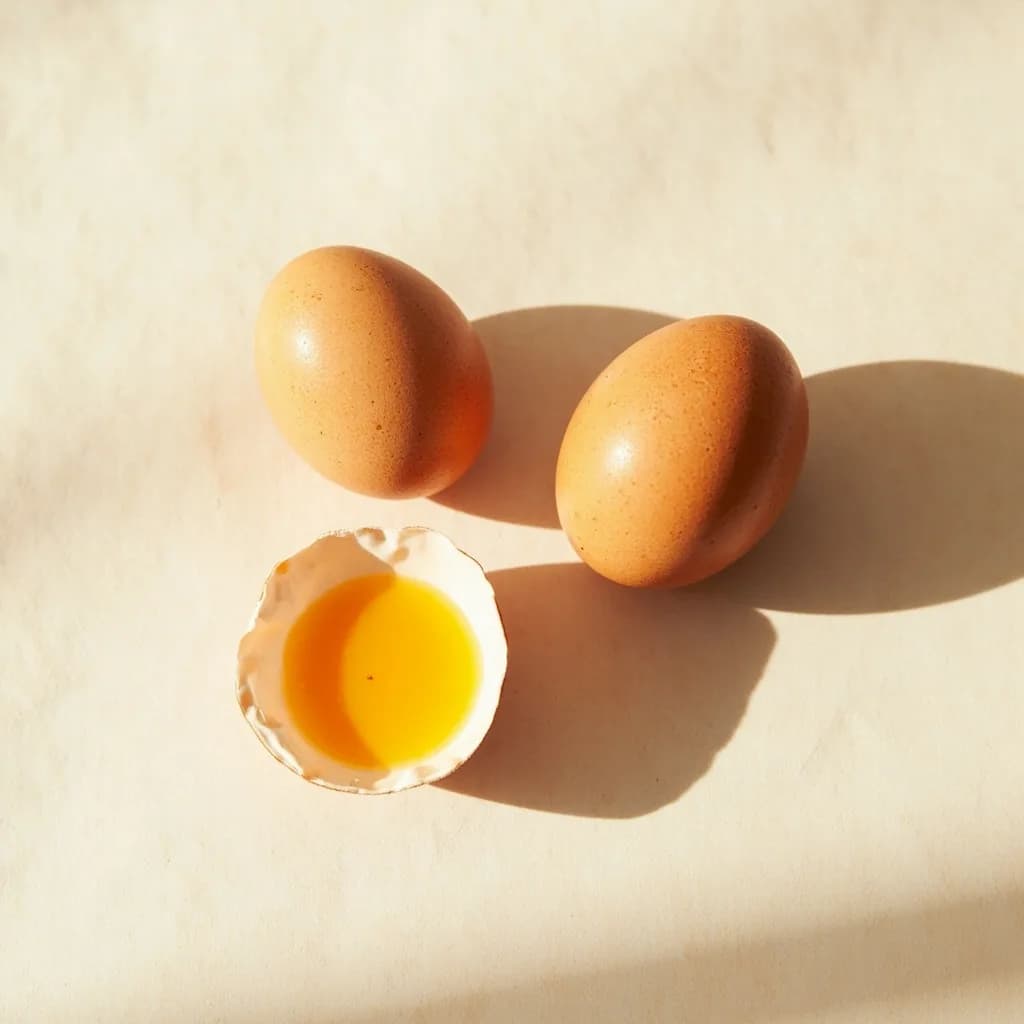
The kitchen's everything ingredient — bind, leaven, enrich, or fry
Chicken Breast
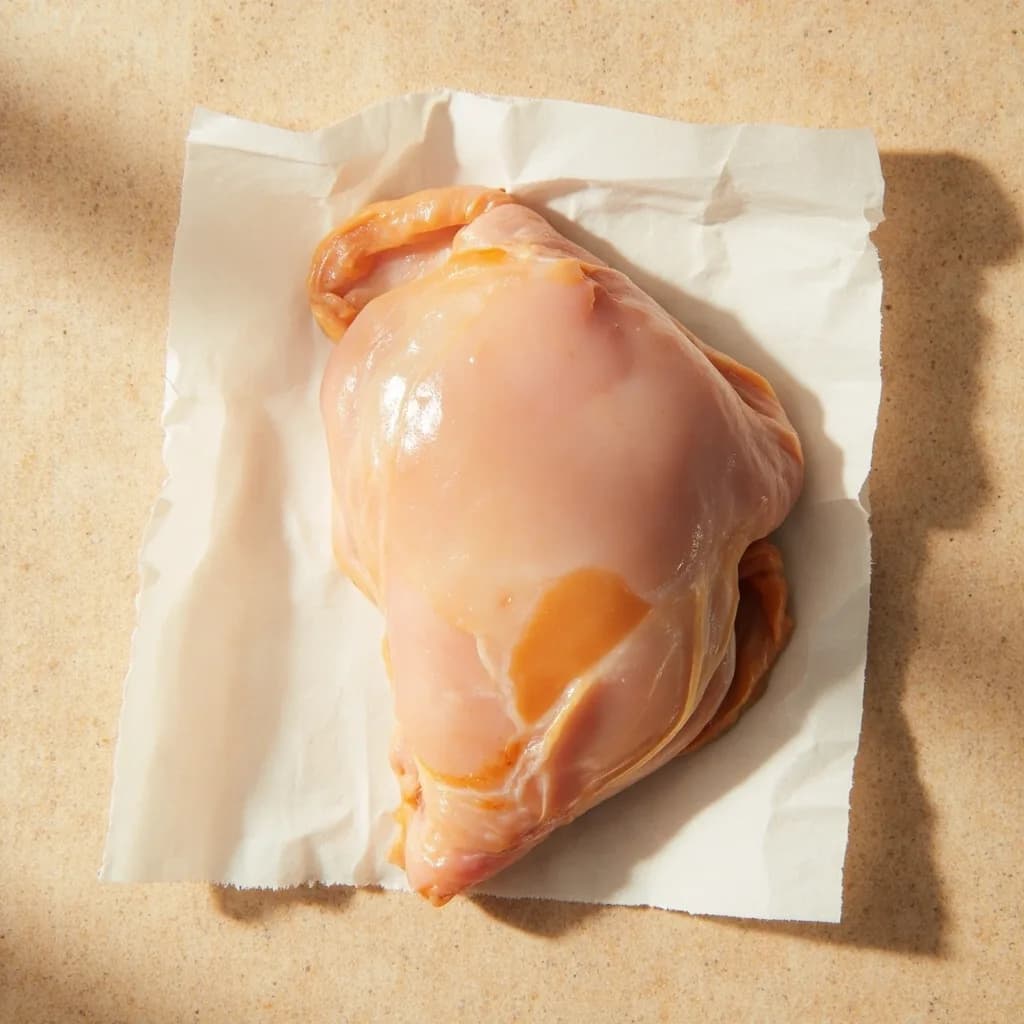
Lean, quick-cooking white meat for everyday dinners

Ground Beef
Versatile minced beef for burgers, ragù, tacos, and meatballs
Pork Loin
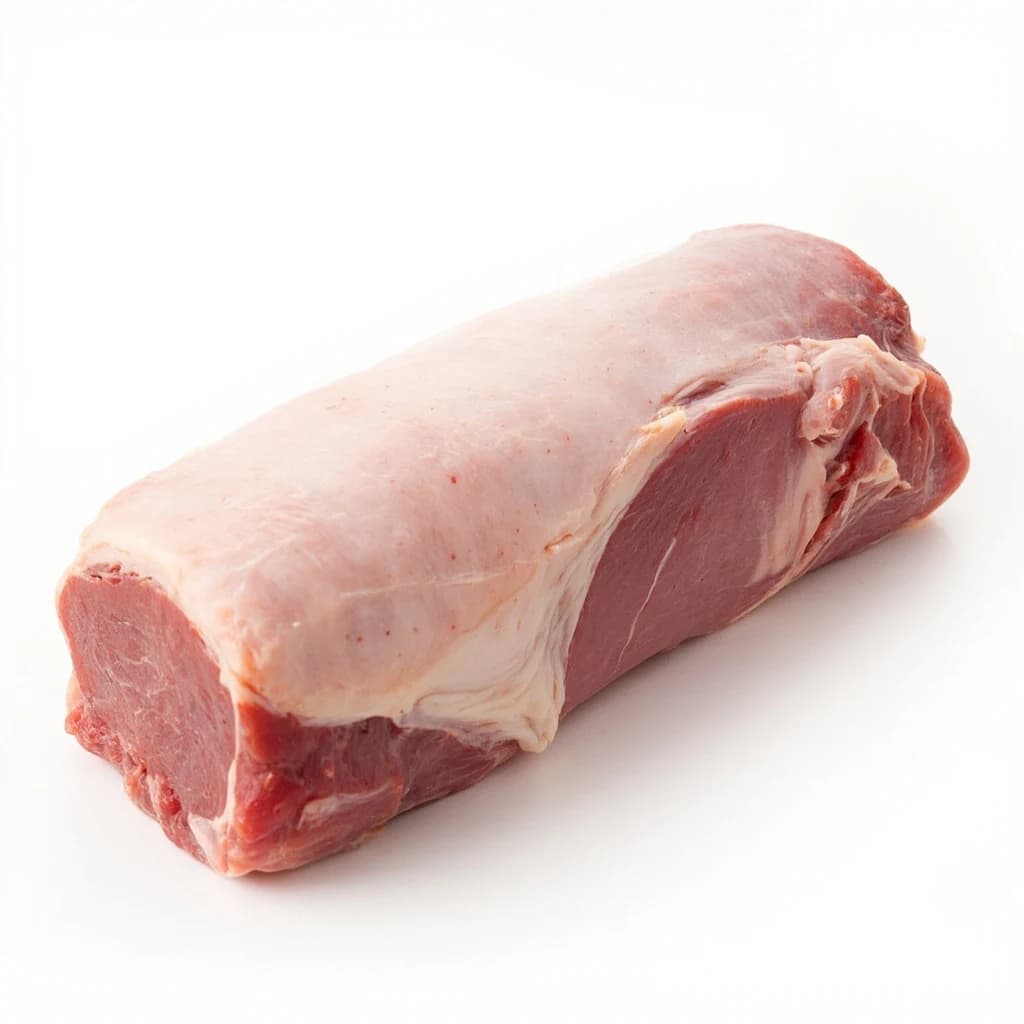
Lean, tender roasting cut that stays juicy with care
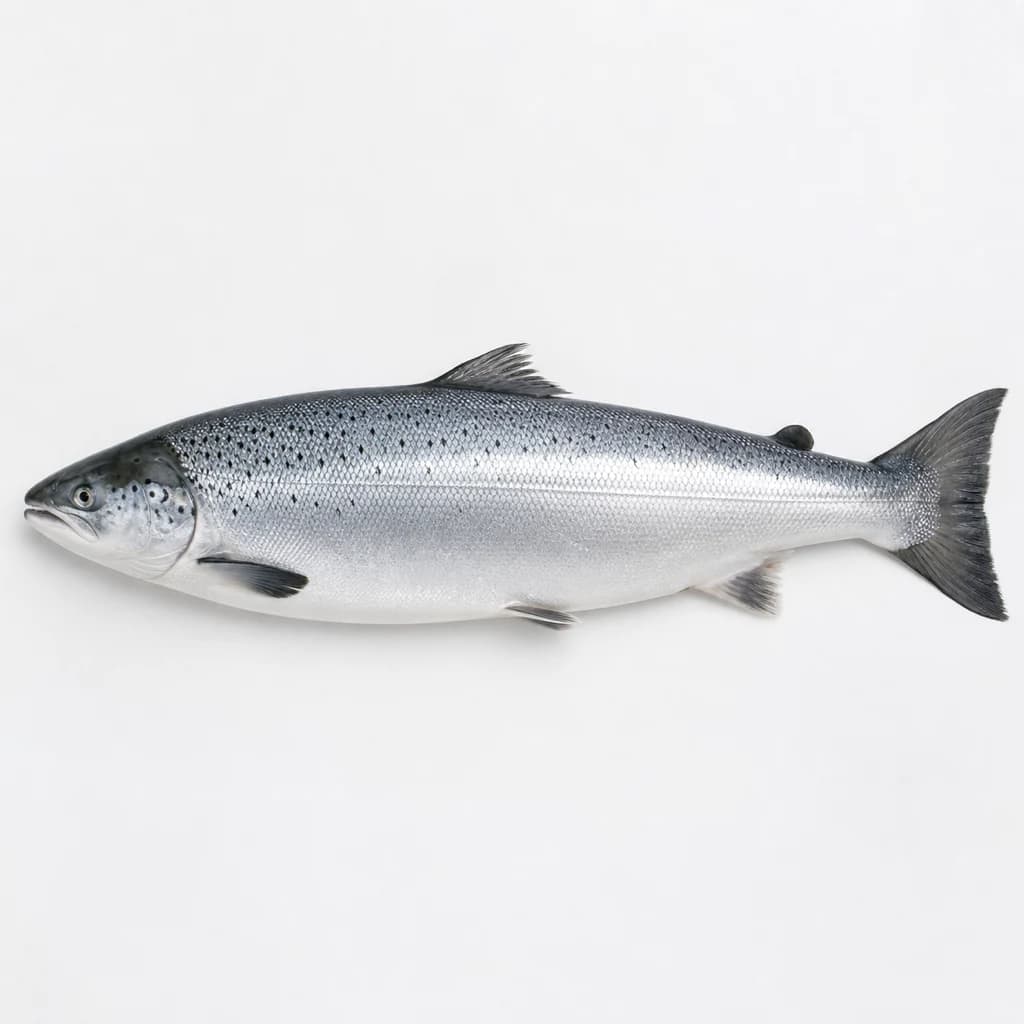
Salmon
Rich, rosy fish that roasts, grills, or cures beautifully

Egg White
Pure protein that whips to airy peaks for meringue and more
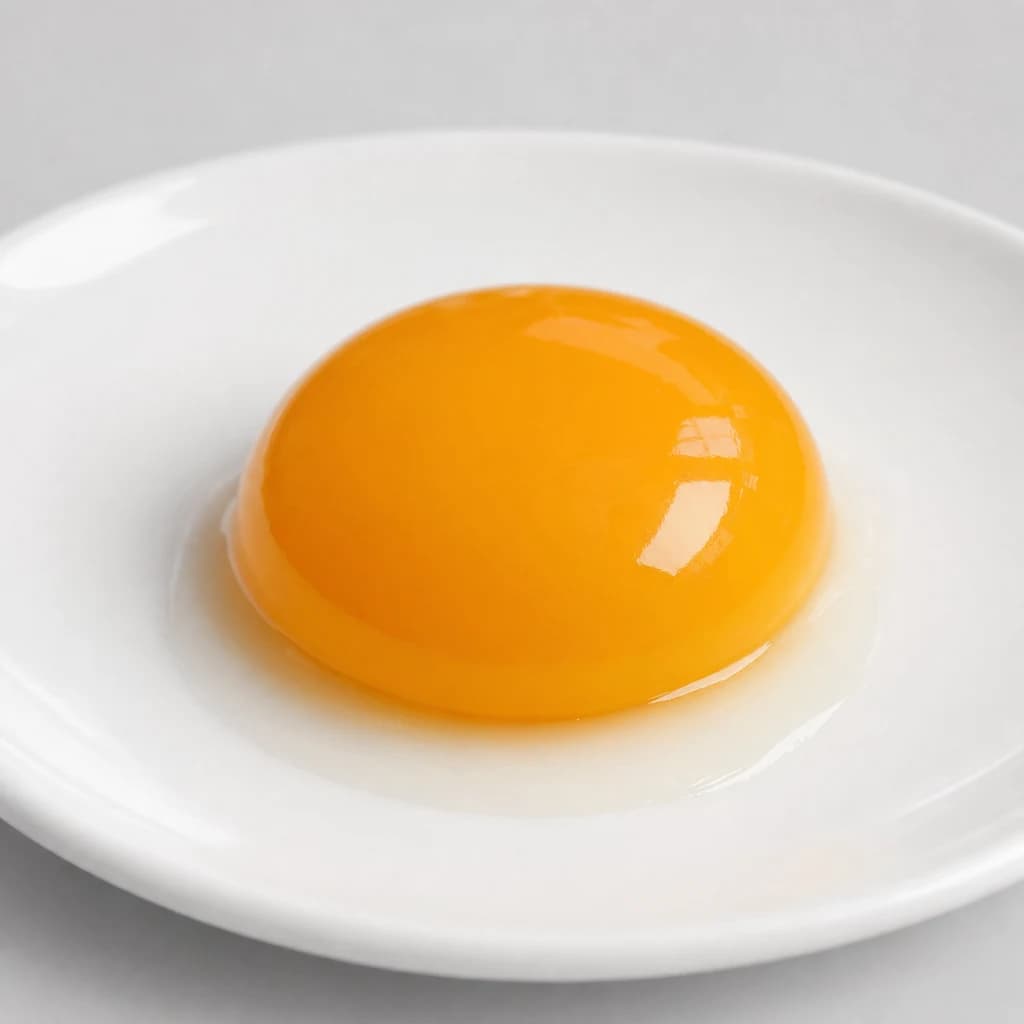
Egg Yolk
Rich, golden yolk for custards, mayonnaise, and pasta

Quail Egg
Tiny, speckled eggs for garnishing and elegant bites