Natural form
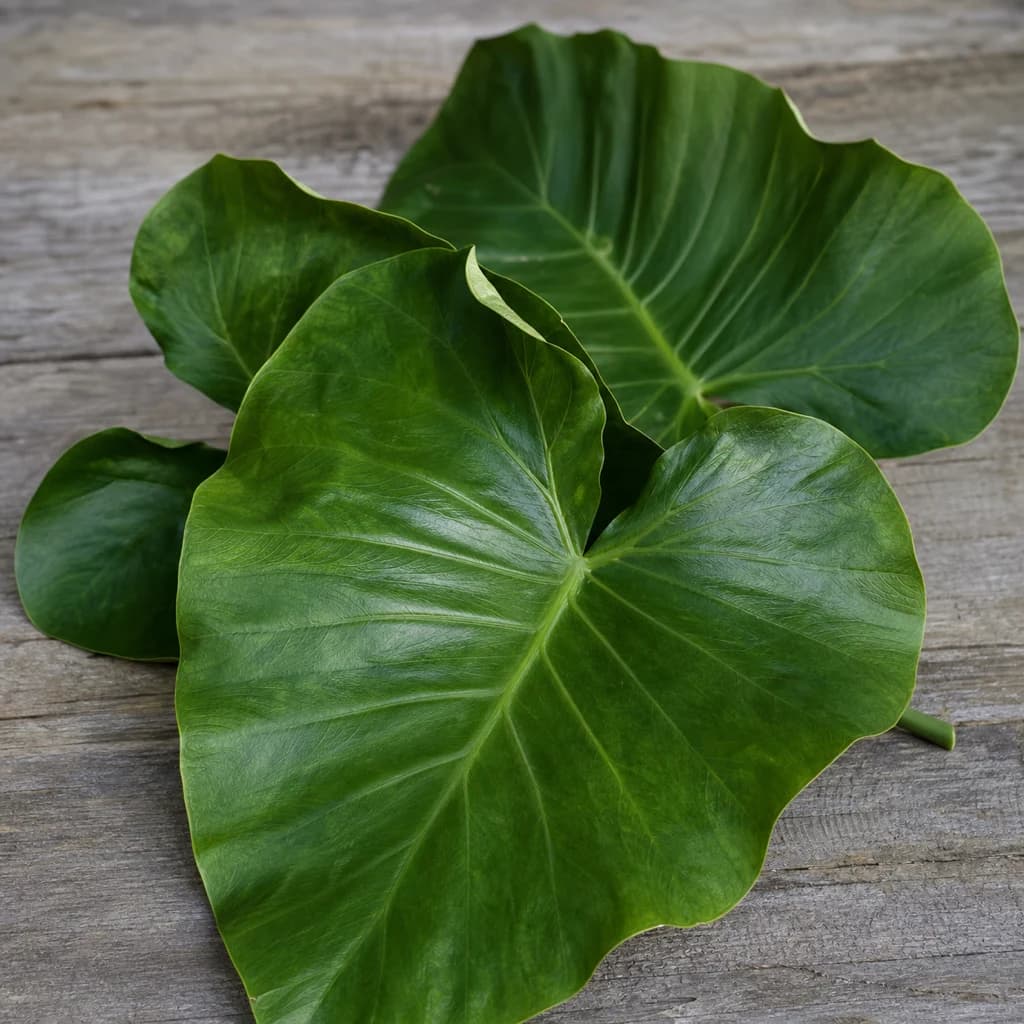
Fresh taro leaves whole and unwashed, showing their broad heart shape and deep green color.
Establishes the distinctive large heart-shaped leaf form and deep green color readers need to identify taro leaves at a market.
Produce
Taro Leaves
Large heart-shaped leaves of the taro plant, cooked into stews and wraps; must be cooked through.
Taro leaves are the broad green leaves of the taro plant, eaten as a vegetable across the Pacific, Caribbean, and South Asia. They are cooked into dishes like Hawaiian laulau, Filipino laing, and callaloo, often simmered in coconut milk. They contain calcium oxalate and must be thoroughly cooked to remove the throat-irritating crystals before eating.
Taro leaves are the large, heart-shaped foliage of Colocasia esculenta, a plant cultivated for at least 10,000 years across Southeast Asia and the Indian subcontinent. Unlike the plant's more famous corm, the leaves have only recently gained attention in Western kitchens, yet they are the backbone of countless traditional dishes from Honolulu to Kerala. When raw, the leaves contain calcium oxalate raphides — microscopic needle-like crystals that cause immediate oral irritation — but these are entirely destroyed by heat, making thorough cooking the only skill required. The cooked leaf is silky, slightly earthy, and remarkably receptive to bold flavors, particularly coconut milk, which is its most constant companion across cultures. In texture, a well-prepared taro leaf falls somewhere between cooked spinach and collard greens, holding its own in long-simmered stews without disintegrating. The stems, while edible, demand separate treatment, requiring noticeably more cooking time than the blade.
Taro leaves appear most prominently in the soups and stews of tropical cuisines where the plant is a staple crop. Caribbean callaloo, Hawaiian lu'au, Samoan palusami, Filipino laing, and South Indian thoran preparations all center on the same principle: slow cooking in coconut milk or a seasoned liquid until the leaves surrender their bitterness and absorb the surrounding flavors. The leaf's mildness makes it a vehicle rather than a destination — it takes on the character of whatever it cooks with, which is precisely why regional variations feel so distinct despite using the same base ingredient. Young, light-green leaves near the growing tip are noticeably more tender and cook faster than the older, darker foliage lower on the plant.
One practical reality defines every taro leaf dish: cooking time is non-negotiable. A minimum of 30–45 minutes of simmering is required to eliminate the irritants completely, and most traditional recipes go well beyond this. The first cooking water should always be discarded — a step confirmed by cooks across every cuisine that uses the leaf. This is not excessive caution; it is simply how the ingredient works. Once this requirement is understood, taro leaves are undemanding, forgiving of imperfect seasoning, and capable of transforming humble ingredients into deeply satisfying food.
- Measured in
- g
- Storage
- Fridge
Types & varieties
Dominant variety in Caribbean cooking; large leaves with a fine, mild flavor
Hawaiian variety prized for both leaves and corm; central to traditional Hawaiian cuisine
Common in Pacific Island cuisines, particularly Samoa and Fiji
Ornamental varieties are sometimes edible but tend to be more fibrous; confirm edibility before use
Kerala landraces grown specifically for leaf production in South India
Why the toxicity warning matters
The calcium oxalate raphides in raw taro leaves are not a minor trace compound — they are concentrated enough to cause genuine harm if consumed undercooked. Symptoms of raw ingestion include intense burning in the mouth, throat irritation, and digestive distress. This is not an allergy; it affects everyone. The compound is water-soluble and heat-labile, meaning it breaks down reliably with extended boiling or simmering. There is no shortcut: 30 minutes minimum in actively boiling water, and the first water should be poured off. In traditional cuisines where taro leaves have been eaten for centuries, this step is automatic and never skipped. The paranoia around taro leaf toxicity in Western contexts tends to exceed the actual risk once the cooking rules are followed — the leaves are no more dangerous than any other ingredient that requires proper preparation.
- Symptoms of raw ingestion: burning mouth, throat irritation, nausea
- 30–45 minutes of boiling or simmering destroys all irritating compounds
- The first cooking water contains the dissolved irritants — discard it without hesitation
- Well-cooked taro leaves have been a dietary staple for thousands of years and are completely safe to eat
Fresh versus frozen
Fresh taro leaves are available at most Asian, Caribbean, and West African markets, often sold in large bunches with stems attached. Choose leaves that are deep green, unblemished, and still slightly stiff — wilted or yellowing leaves have lost moisture and will cook up tough. Frozen chopped taro leaves are a legitimate and widely available shortcut in regions where fresh is hard to find. The freezing process actually breaks down cell walls slightly, so thawed frozen leaves are often more tender than fresh ones that have spent time in transit. Always squeeze out excess water before adding frozen leaves to a dish, or the extra liquid will dilute your stew.
- Fresh: refrigerate unwashed in plastic, use within 2–3 days
- Frozen: blanch 2 minutes, shock, freeze up to 3 months
- Frozen leaves are often more tender than fresh ones after thawing
- Squeeze out water from frozen-thawed leaves before adding to dishes
Common uses
Tips & pitfalls
- Never eat raw taro leaves — calcium oxalate raphides cause immediate oral irritation in everyone who tries it
- Double-boil as a precaution: blanch 10–15 minutes, discard water, then cook again in fresh liquid for a completely clean slate
- Young, light-green leaves near the growing tip are noticeably more tender and cook faster than older dark foliage
- The stems are edible but need 15–20 minutes more cooking than the leaf blades — cook them separately or add them first
- Frozen chopped taro leaves are a reliable shortcut; thaw and squeeze out excess water before using
- Add whole leaves to long-cooking stews from the start; add chopped leaves in the last 20 minutes if you want them to hold their shape better
- Taste a well-cooked leaf before proceeding: it should be silky and mild, not slimy or astringent — if it is still irritating, cook longer
- The viscosity of taro leaves is useful: they naturally thicken coconut-based stews without needing thickener
- A squeeze of lime or tamarind at the end brightens most taro leaf preparations, cutting through the richness of coconut milk
- If a dish tastes metallic or burns the tongue, the leaves were not cooked long enough — discard and start over
Nutrition
Energy
176 kJ · per 100 g
Where the calories come from
Protein
5g
10% DV
Carbs
6.7g
2% DV
Fat
0.7g
1% DV
Fiber
3.7g
13% DV
Sugars
3g
of which
Sodium
3mg
0% DV
Source · USDA FoodData Central · Taro leaves, raw
View on FDC →In the shops
Matched grocery products
No matched grocery products for Taro Leaves yet.
Good to know
- Scientific name
- Colocasia esculenta
- Origin
- Southeast Asia and the Indian subcontinent; among the oldest cultivated plants on record
- Growing regions today
- Hawaii, Caribbean, West Africa, South America, Philippines, Polynesia, Kerala (India)
- Season
- Year-round in tropical climates; late summer through fall in temperate zones when grown as an annual
- Flavor
- Mild and slightly earthy when cooked; reminiscent of well-prepared spinach
- Toxicity
- Contains calcium oxalate raphides; must be simmered at least 30–45 minutes before eating
- First cooking water
- Discard after initial blanch to reduce water-soluble irritants
- Fresh storage
- Refrigerate unwashed in plastic; use within 2–3 days
- Frozen storage
- Blanch 2 minutes, shock in ice water, freeze up to 3 months
- Leaf size
- Up to 60 cm (24 inches) long; young leaves near the tip are most tender
- Cooking difficulty
- Low; the only essential skill is ensuring adequate cooking time
- Stem cooking time
- Stems require 15–20 minutes longer than leaf blades
Substitutes
- Spinach — Cooks much faster; use 1.5× the quantity as spinach reduces significantly more during cooking
- Collard greens — Similar sturdy texture; blanch first, then cook in the same manner as taro leaves
- Swiss chard stems and leaves — Stems approximate the behavior of taro stems; cook leaves as you would spinach after blanching
- Water spinach (kangkong) — Works in Southeast Asian preparations; same caution about thorough cooking applies
Pairs with
Also called
Dasheen Bush · Luau Leaf · Gabi Leaves
Appears in these dishes
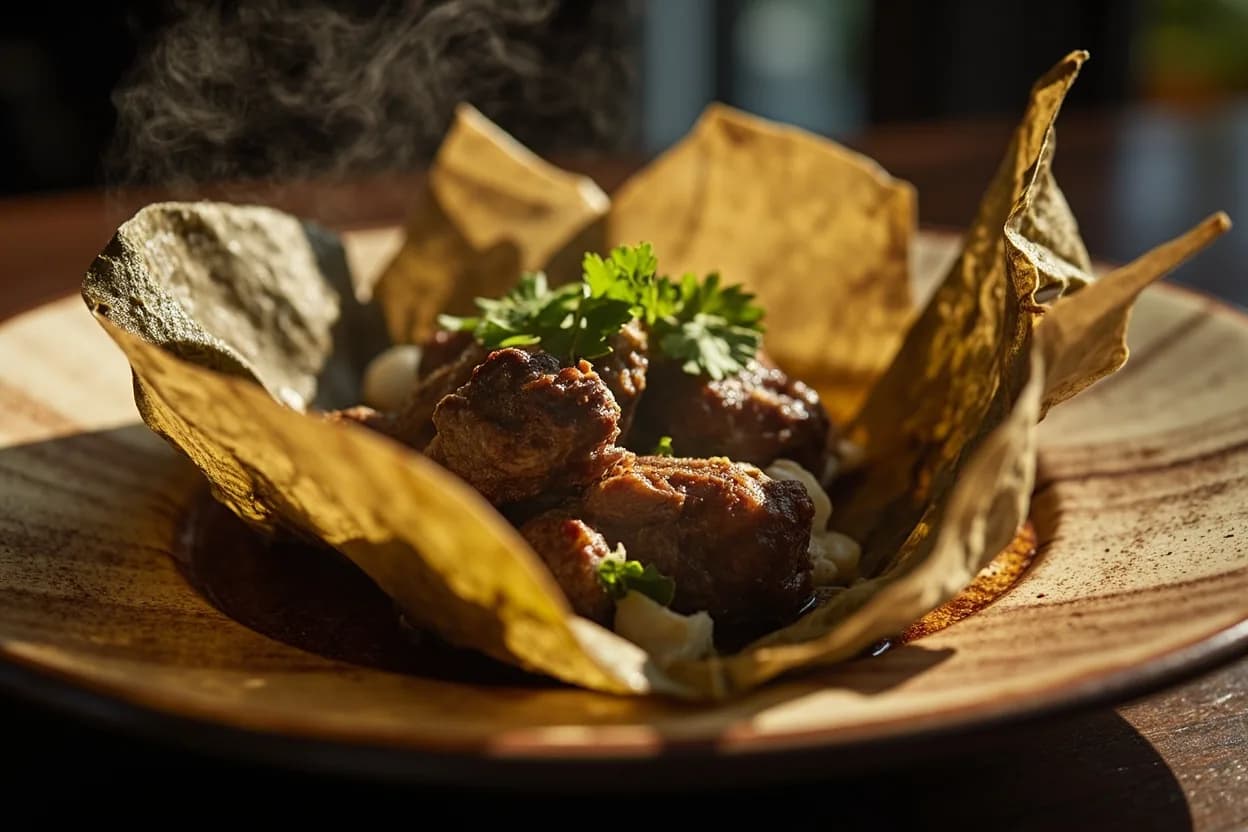
Related
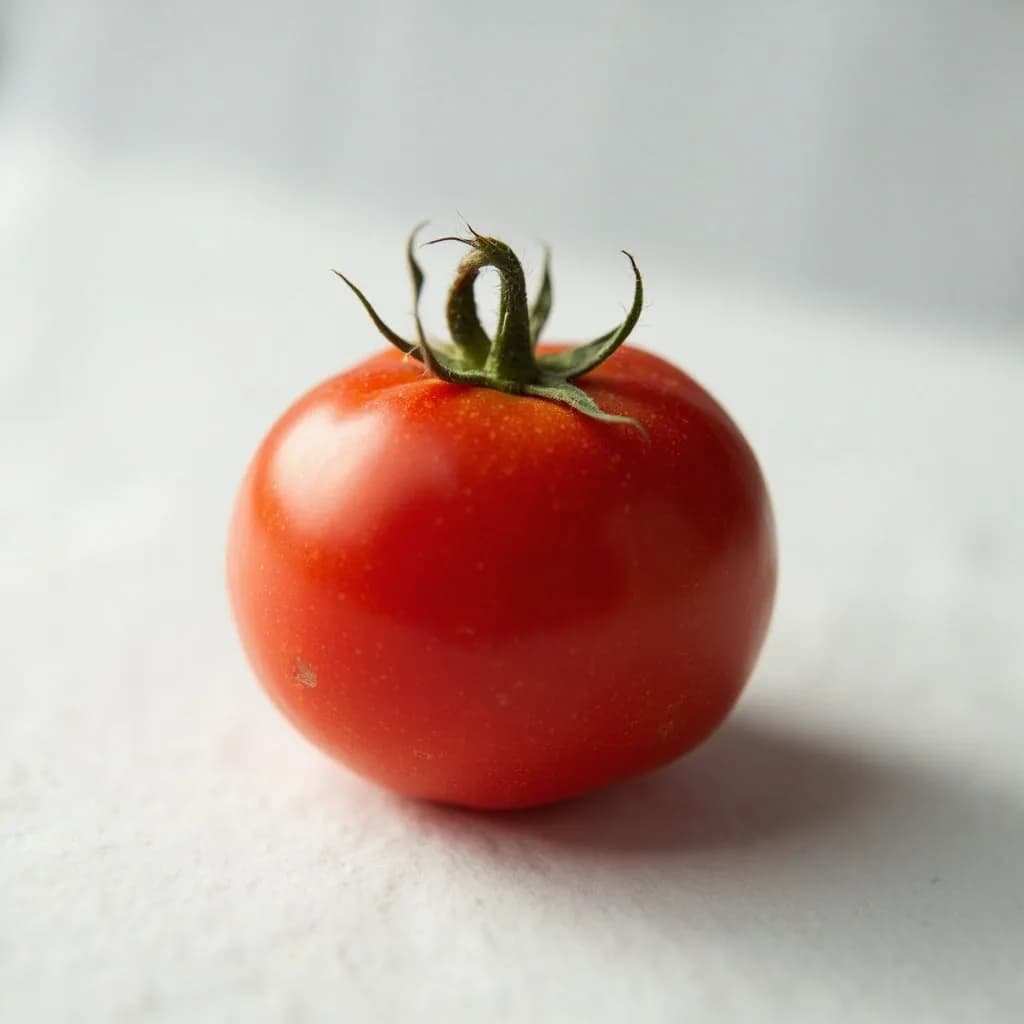
Tomato
Juicy, sun-sweet fruit for sauces, salads, and slow-cooked depth
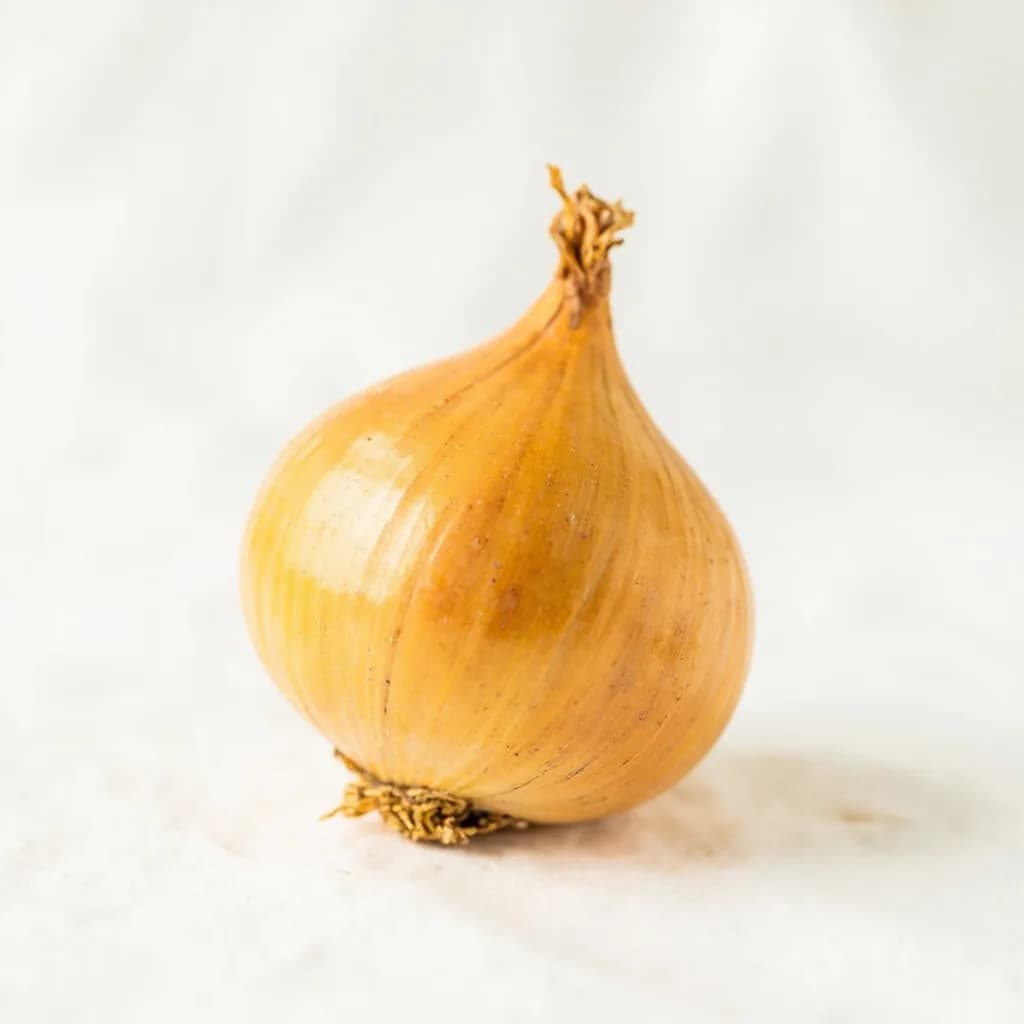
Yellow Onion
The aromatic backbone of soups, sofritos, and braises
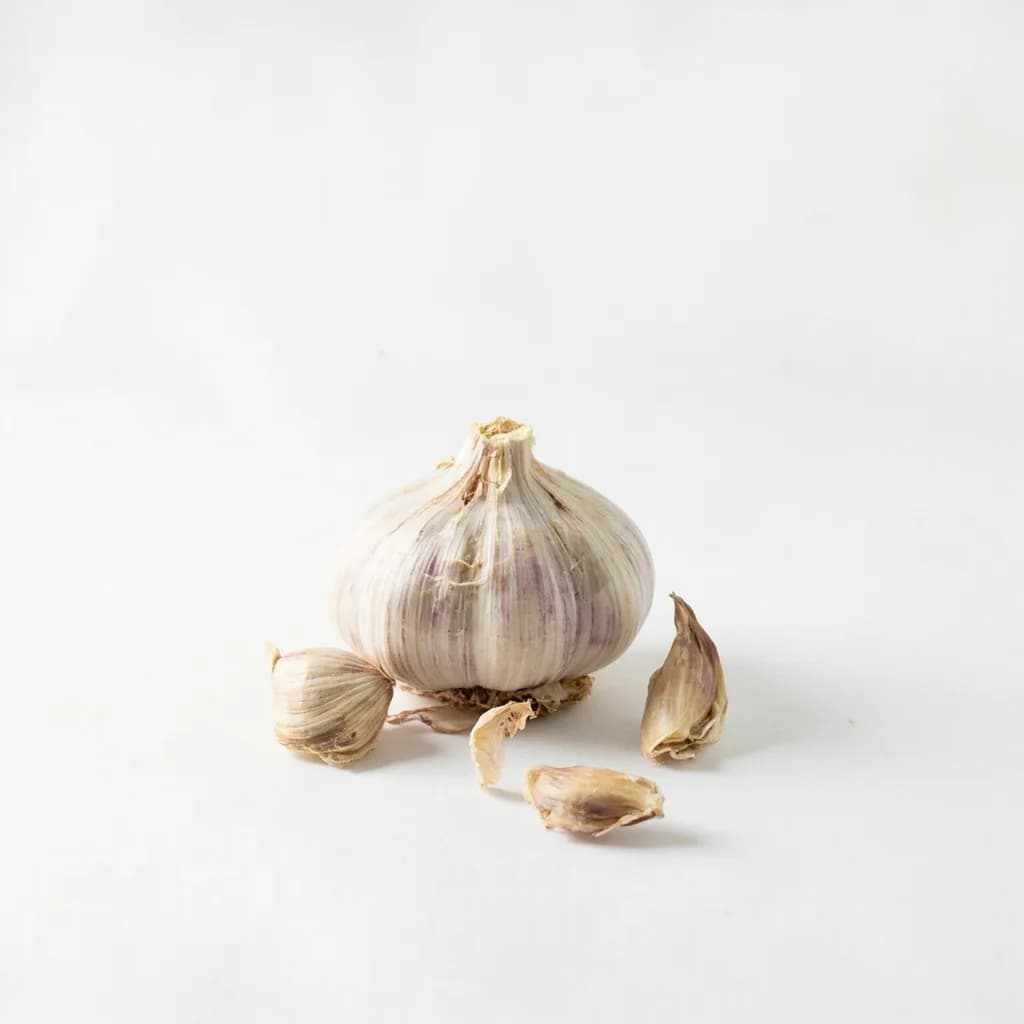
Garlic
Pungent cloves that perfume nearly every savory dish
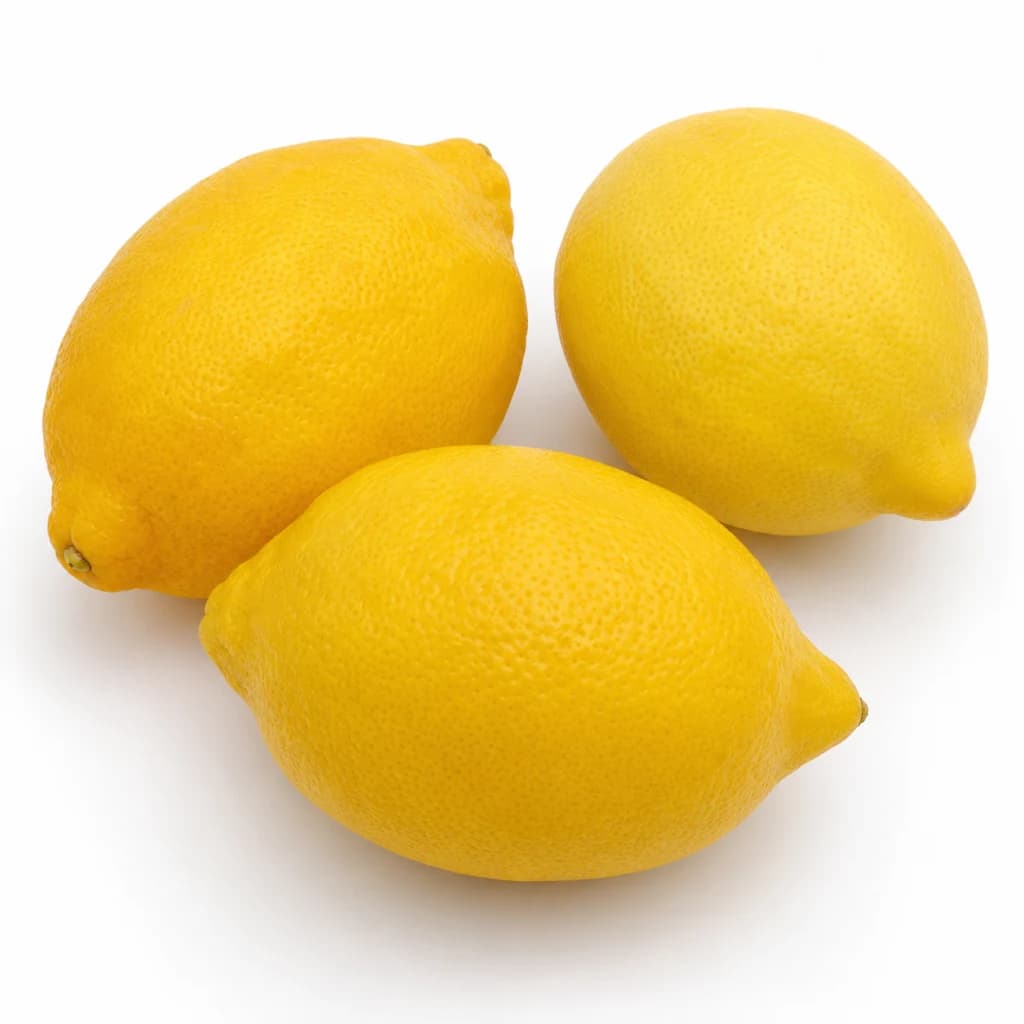
Lemon
Bright, acidic citrus that wakes up almost any dish
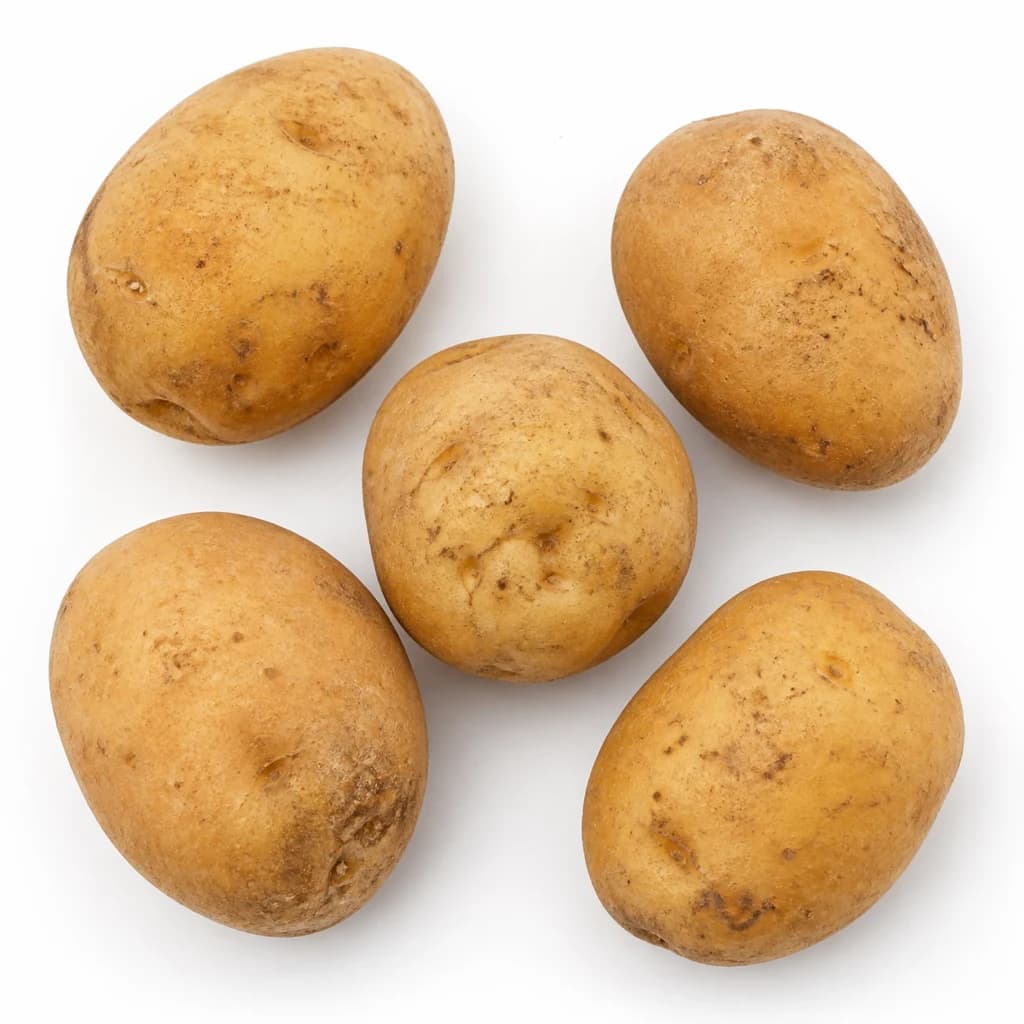
Potato
Humble, hearty staple — roast, mash, fry, or boil
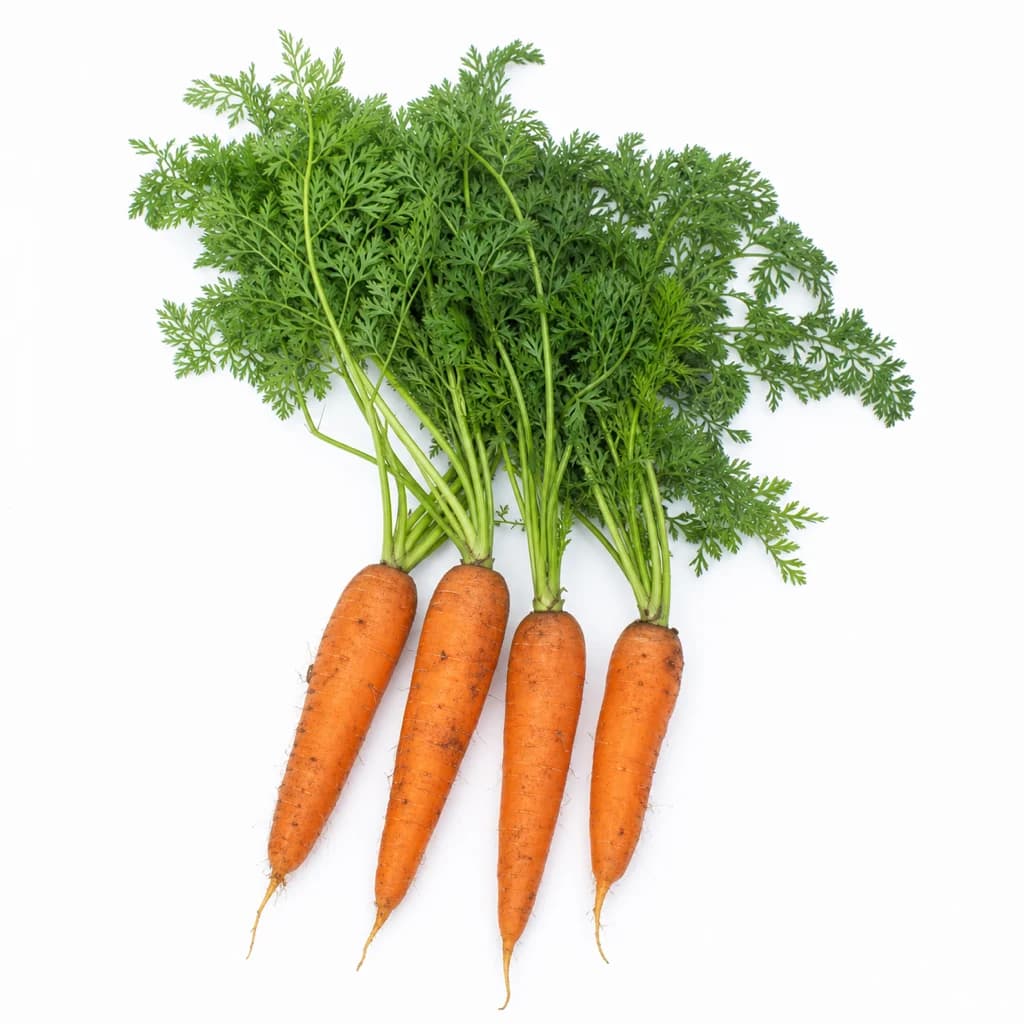
Carrot
Sweet, crunchy root — raw, roasted, or the base of a sofrito
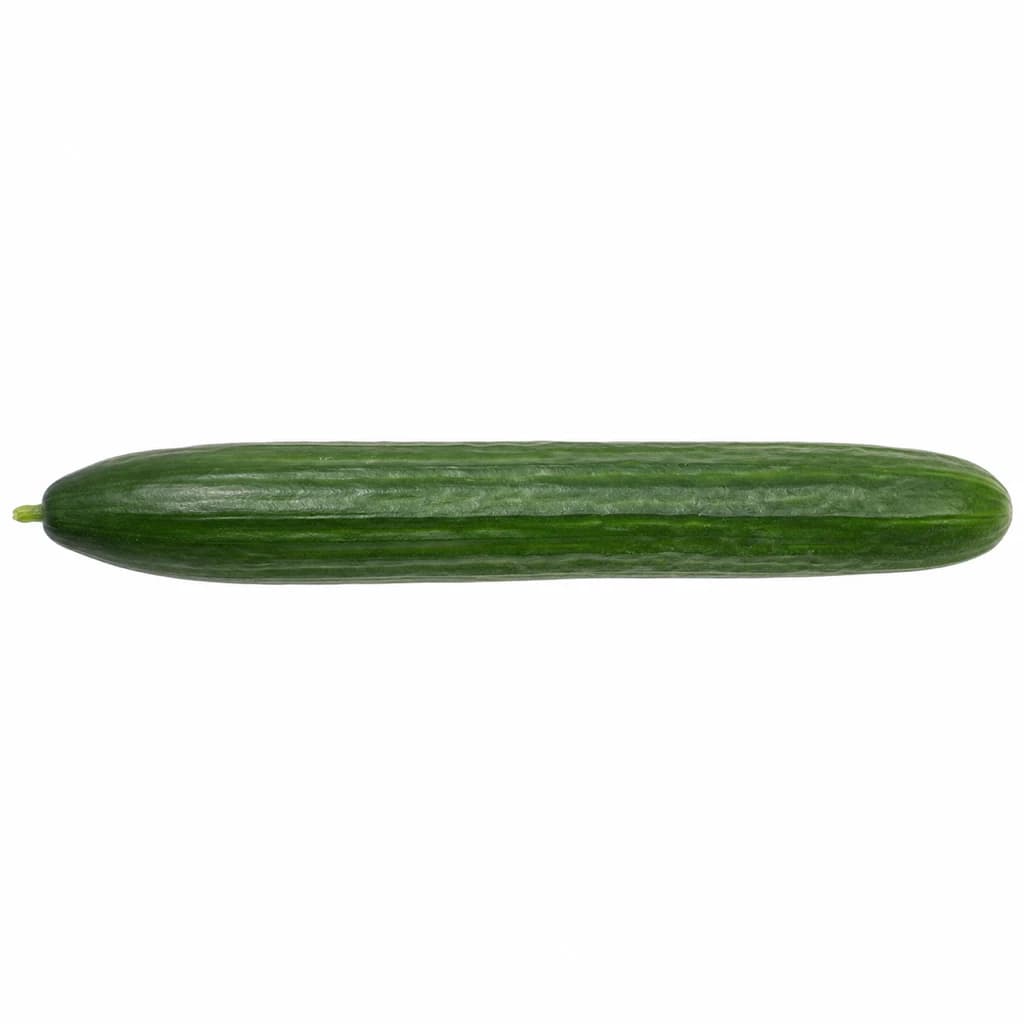
Cucumber
Cool, crisp, and watery — for salads, pickles, and tzatziki

Lettuce
Crisp leaves for salads, wraps, and a fresh crunch