
Natural form
Raw veal cutlet before pounding: pale pink boneless slice, about 1cm thick.
Shows the identifying color, thickness, and boneless form of raw veal before any preparation.
Proteins
Veal Cutlet
Thin, tender slice of veal pounded for quick pan-frying, schnitzel and scaloppine.
A veal cutlet is a thin, boneless slice of young-calf meat, often pounded flat to cook quickly and evenly. It is breaded and fried for Wiener schnitzel or cotoletta, or floured and sautéed for Italian scaloppine in wine or lemon sauces. The pale, mild meat is delicate and cooks in minutes.
A veal cutlet is a thin, tender slice of meat cut from the leg (top or bottom round) or sirloin of a veal calf—typically an animal slaughtered at 3 to 16 weeks of age. The youth of the animal is what gives veal its characteristically pale pink color, fine texture, and mild, slightly sweet flavor that is noticeably more delicate than beef. The meat is naturally lean with very little connective tissue, making it ideal for quick, high-heat cooking methods. Before cooking, cutlets are usually pounded to an even thickness of about one-eighth to one-quarter inch using a meat mallet—this breaks down muscle fibers, tenderizes the meat, and ensures uniform cooking in just minutes per side. The result is a piece of meat that cooks through evenly without drying out, while remaining supple and yielding.
The cutlet's thin profile and tender nature make it extraordinarily versatile in the kitchen. It serves as the foundation for classics across European and American cuisines: the Austrian Wiener schnitzel (the benchmark of the form), Italian scaloppine and piccata, French escalope, Roman saltimbocca, and countless other preparations. Because the meat itself is mild, it functions as a canvas for bold flavors—lemon, capers, butter, prosciutto, mushrooms, and pan sauces all complement rather than overwhelm it. The quality of veal matters significantly: look for firm, moist flesh with a pale pink color and fine texture, avoiding any cut that appears gray, dry, or has an off smell. Pasture-raised veal from humanely treated calves will have superior flavor and texture compared to conventionally raised veal, which can taste overly mild or watery.
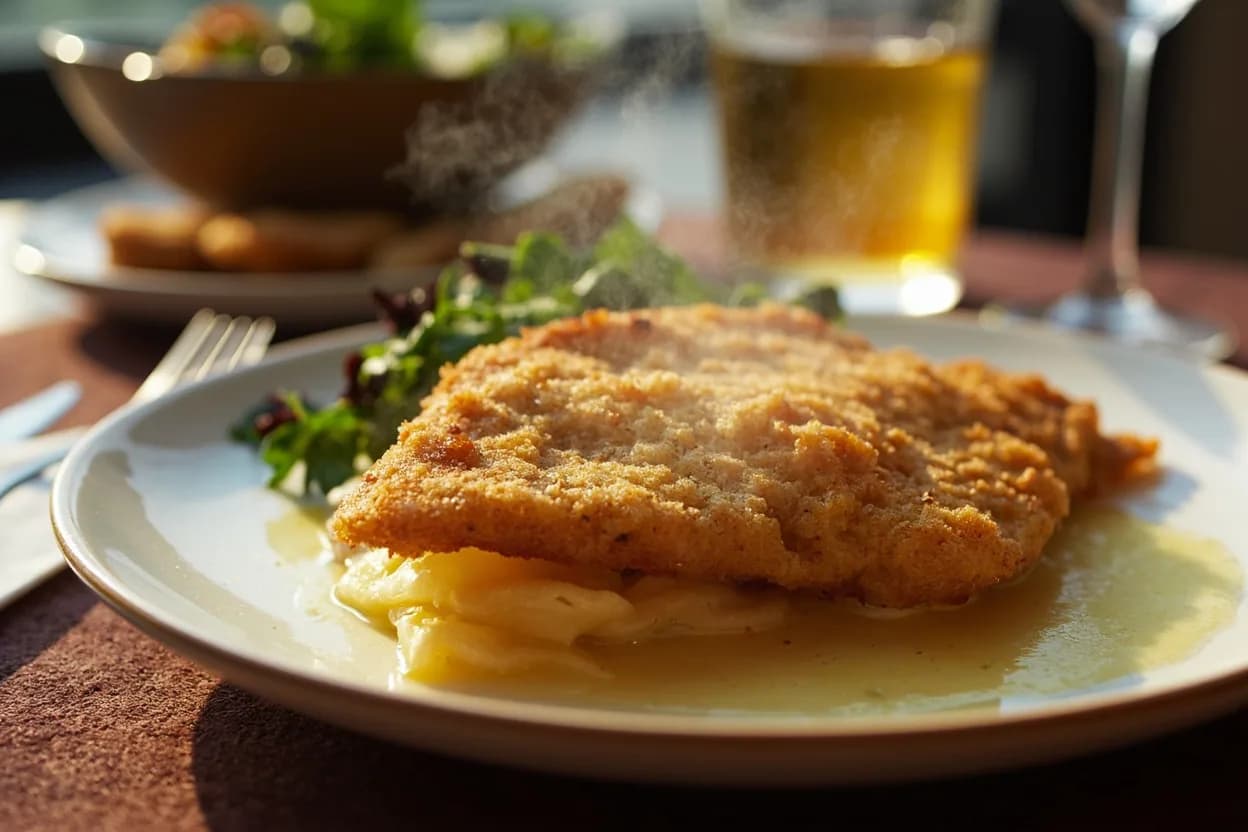
When properly cooked, a veal cutlet should be juicy and just-done, with a slight blush of pink at the center. Overcooking is the primary mistake home cooks make—veal becomes tough and dry quickly once it passes medium (about 145°F/63°C internal). The meat continues cooking off-heat, gaining roughly 5°F during a brief rest, so pull it from the pan just before reaching your target temperature. For breaded preparations like schnitzel, the coating should be golden and crisp, not greasy or soggy, achieved by using hot fat, not crowding the pan, and draining on a wire rack rather than paper towels.
- Measured in
- g
- Storage
- Fridge
Types & varieties
Most common; from the center of the leg; lean and tender when properly pounded. Preferred for schnitzel in the United States.
Slightly firmer texture; good value; benefits from careful pounding and quick cooking over high heat.
From near the hip; slightly more flavorful; often slightly thicker; good for scaloppine preparations.
Extremely thin slices (⅛ inch or less); often pre-sliced from the leg or loin; require little to no pounding; cook in under 2 minutes total.
French term for a very thin, tender cutlet; typically from the top round; often sold already pounded to paper-thin consistency ("escalope de veau" in France).
Broad term for any thin veal slice; may be unbreaded or lightly dusted with flour; used in scaloppine preparations.
Understanding Cutlet Terminology
The line between "cutlet," "scallopini," and "escalope" is imprecise and varies by cuisine. Scallopini typically refers to thinner slices (⅛ inch or less) that may require minimal or no pounding, while a cutlet is usually ¼–½ inch thick and benefits from pounding to ⅛–¼ inch. In classical Italian-American restaurants, "cutlet" often implies a breaded, fried preparation, while "scaloppine" implies a light flour dredge and pan sauce. In Austrian and German contexts, a cutlet is by definition breaded and fried. A Wiener schnitzel is always breaded and fried; a Milanese cutlet (cotoletta alla milanese) is breaded with a bone-in veal chop and fried, sometimes finished with butter and anchovies on top. Clarify terminology when using recipes to avoid confusion about what preparation method is intended.
- Scallopini: ⅛ inch or less, may need no pounding
- Cutlet: ¼–½ inch raw, pounded to ⅛–¼ inch
- Escalope: French term, often pre-pounded to paper-thin
- Italian-American "cutlet" often means breaded and fried
- German/Austrian "cutlet" always means breaded and fried
Buying and Selecting Quality Veal
Quality varies significantly, and it directly affects flavor and texture. Look for firm, moist flesh with a pale pink color and fine, even texture. Avoid any veal that appears gray (sign of age or poor handling), dry, or has an off smell. The fat, where present, should be white and firm, not yellowed or soft. Veal from pasture-raised, humanely treated calves has better flavor and more developed texture than conventionally raised veal, which can taste overly mild and watery. If purchasing pre-portioned cutlets, check that they are roughly uniform in thickness for even cooking. For the best results in breaded schnitzel, ask your butcher to cut and pound cutlets fresh from the whole leg.
- Pale pink color indicates proper age and quality
- Fine, moist texture signals tenderness
- White, firm fat is preferable to yellowed fat
- Pasture-raised veal has superior flavor and texture
- Pre-pounded cutlets should be uniform in thickness
Common uses
Tips & pitfalls
- Pound from the center outward in a consistent pattern to achieve uniform thickness—this ensures even cooking and prevents the thickest part from being underdone while the edges overcook.
- Keep the meat cold and place it between sheets of plastic wrap or wax paper when pounding to prevent tearing and sticking to the mallet. A marble slab or chilled work surface makes the task easier.
- Let cutlets rest at room temperature 15–20 minutes before cooking. Cooking ice-cold meat causes the exterior to seize before the interior warms, leading to uneven doneness.
- Season the meat itself with salt and pepper before dredging or cooking. Seasoning only the coating results in bland meat beneath the crust or sauce.
- For schnitzel: use day-old or toasted breadcrumbs for better browning; let breaded cutlets rest on a wire rack for 5 minutes before frying to help the coating adhere properly.
- Heat the fat (clarified butter, lard, or neutral oil with a butter addition) to 375°F/190°C before adding the cutlet. If the fat is too cool, the breading absorbs it and steams rather than fries, resulting in a soggy crust.
- Do not crowd the pan. Fry one cutlet at a time in a 10–12 inch skillet; crowding drops oil temperature dramatically and creates steam, making the coating soggy.
- Drain breaded schnitzel on a wire rack set over a baking sheet—never on paper towels, which trap steam and cause the breading to lose crispness.
- Rest schnitzel 1–2 minutes before serving; the internal temperature rises about 5°F during rest, so pull from the pan just before reaching your target doneness.
- Common mistake: overcooking. Veal becomes tough and dry quickly. Cook only to medium (about 145°F/63°C internal) and no further; it continues cooking off-heat.
- Another common mistake: insufficient pounding. Uneven thickness leads to a dried-out center by the time the edges are properly cooked.
Nutrition
Energy
448 kJ · per 100 g
Where the calories come from
Protein
22.1g
44% DV
Carbs
0g
0% DV
Fat
2.1g
3% DV
Fiber
0g
0% DV
Sugars
0g
of which
Sodium
86mg
4% DV
Source · USDA FoodData Central · Veal, leg, top round, cap off, cutlet, boneless, raw
View on FDC →In the shops
Matched grocery products
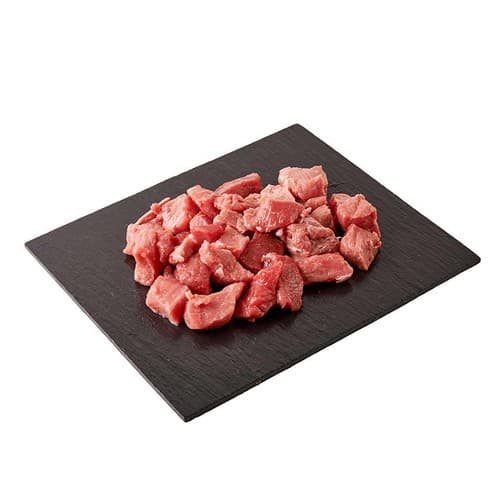 €6.50
€6.50Veal Stew
BONPREU DE L'ERA · ud · Bonpreu
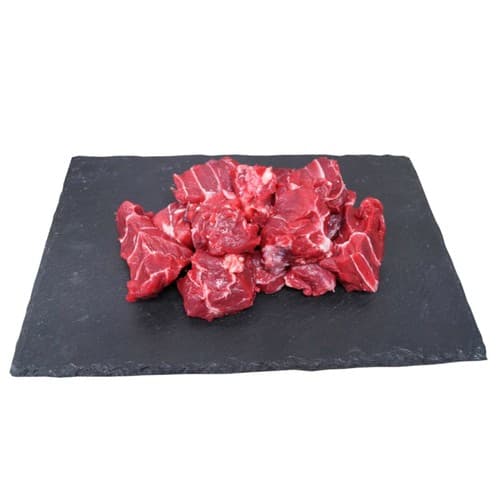 €7.76
€7.76Veal Stew
BONPREU DE L'ERA · ud · Bonpreu
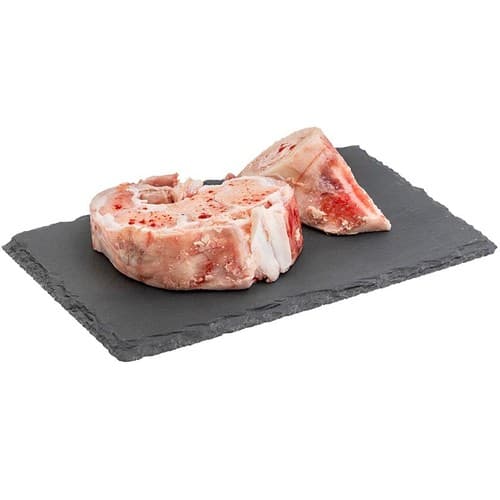 €2.25
€2.25Veal Bones
BONPREU · kg · Bonpreu
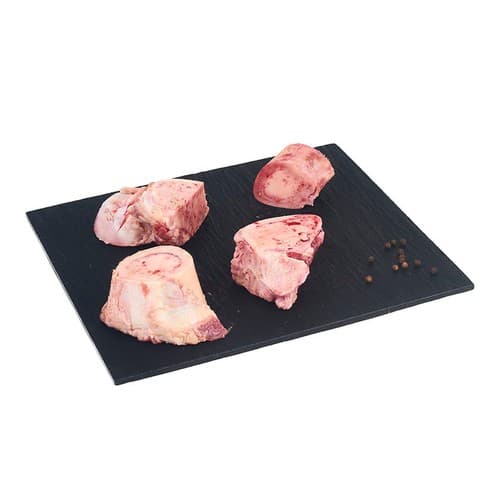 €3.20
€3.20Veal Bones
BONPREU DE L'ERA · kg · Bonpreu
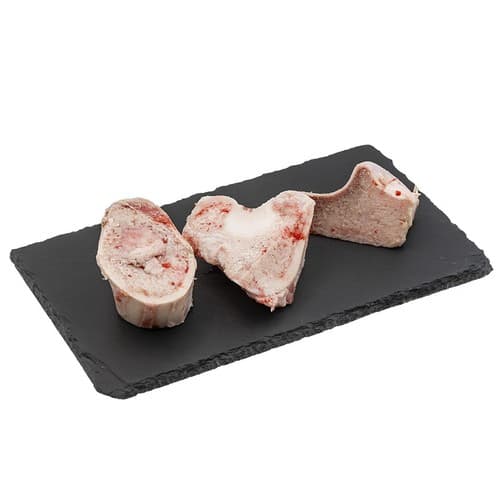 €3.45
€3.45Veal Bones
BONPREU · kg · Bonpreu
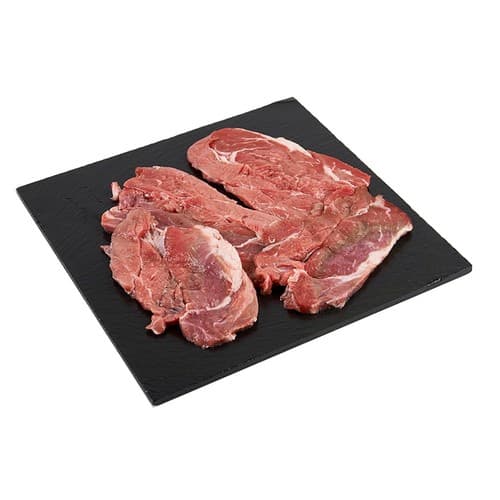 €6.60
€6.60Veal Steak
BONPREU DE L'ERA · ud · Bonpreu
Good to know
- Source
- Leg (top round, bottom round, sirloin) or sirloin of veal calf (typically 3–16 weeks old)
- Typical Weight
- 4–6 oz (115–170 g) per cutlet; thickness ¼–½ inch (6–13 mm) before pounding, reduced to ⅛–¼ inch after pounding
- Flavor
- Mild, delicate, slightly sweet; more buttery than beef; very lean with fine texture
- Internal Temp
- 145°F (63°C) for medium; veal is safely eaten at the same temperatures as beef; carryover cooking adds ~5°F during rest
- Yield
- Cooked weight is roughly 70–75% of raw weight; a 4-oz raw cutlet yields ~3 oz cooked
- Storage (Fresh)
- Refrigerated on a plate, loosely covered, up to 2 days; freeze up to 4 months in airtight wrap
- Nutrition
- High in protein (~22–25 g per 4-oz raw serving), iron, B12, B6, zinc; very lean (~4–5 g fat per serving raw)
Substitutes
- Pork Cutlet — Best direct substitute; similar lean texture and mild flavor; from the loin or leg; adjust cooking time minimally as pork tolerates slightly longer cooking without drying out.
- Chicken Breast Cutlet — Widely available; has more flavor than veal but is very lean; pounding and technique are identical; ideal for schnitzel and scaloppine when veal is unavailable.
- Turkey Cutlet — Good lean substitute; leaner and blander than veal; benefits from brining or a light marinade; adjust cooking time down as turkey cooks faster.
- Thin Beef Scallopini — From top round or sirloin; better flavor but less tender than veal; must be cooked quickly over high heat to avoid toughness; works for scaloppine preparations.
- Lamb Cutlet (Frenched) — From the rack or loin; stronger flavor; not a traditional substitute but can be used in schnitzel-style preparations with adaptation.
Pairs with
Also called
Veal Scaloppine · Veal Escalope
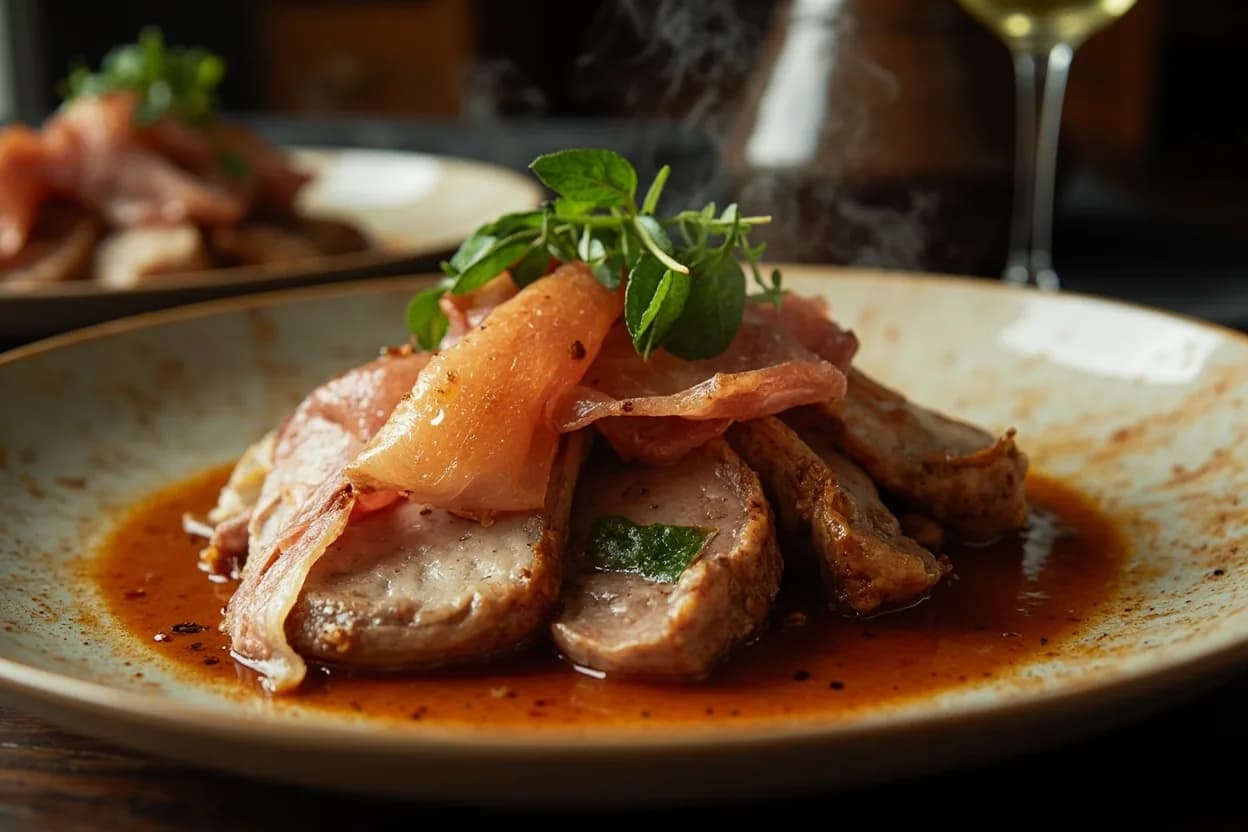
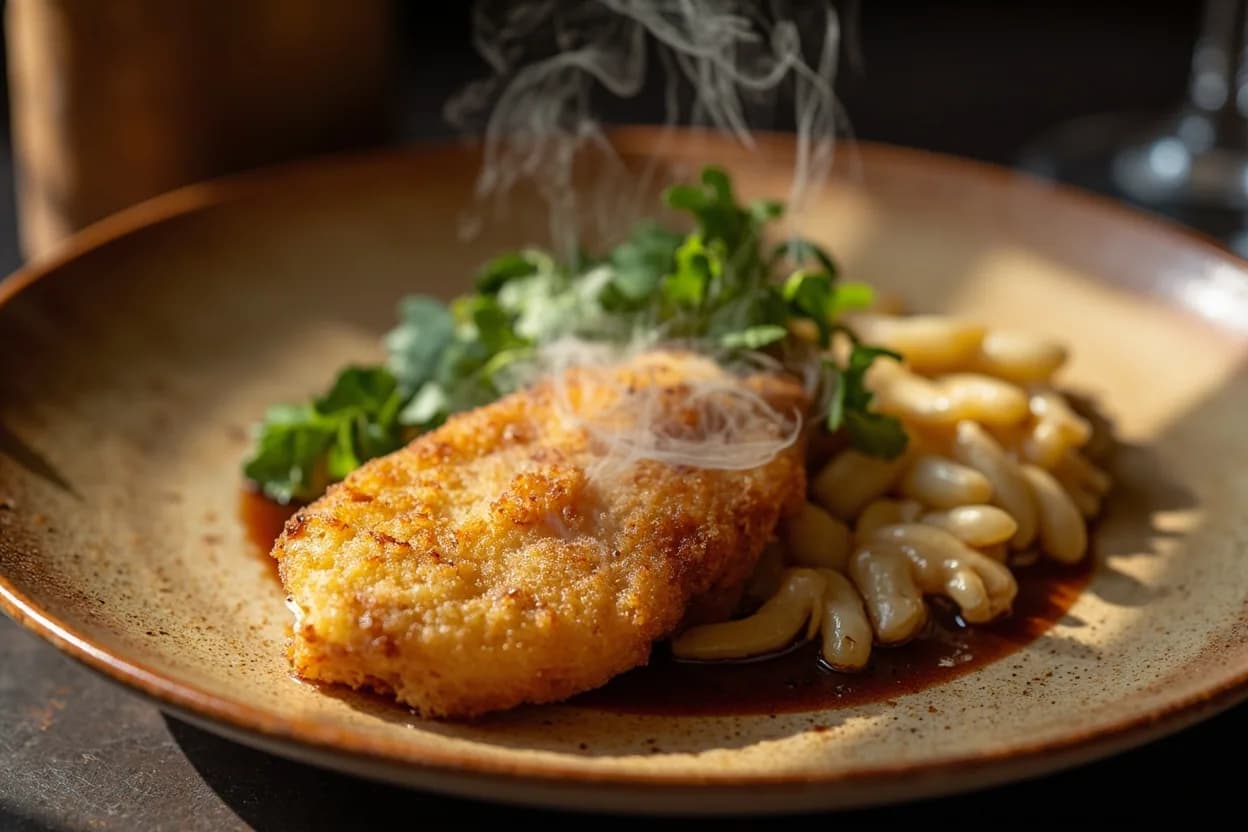
Appears in these dishes
Related
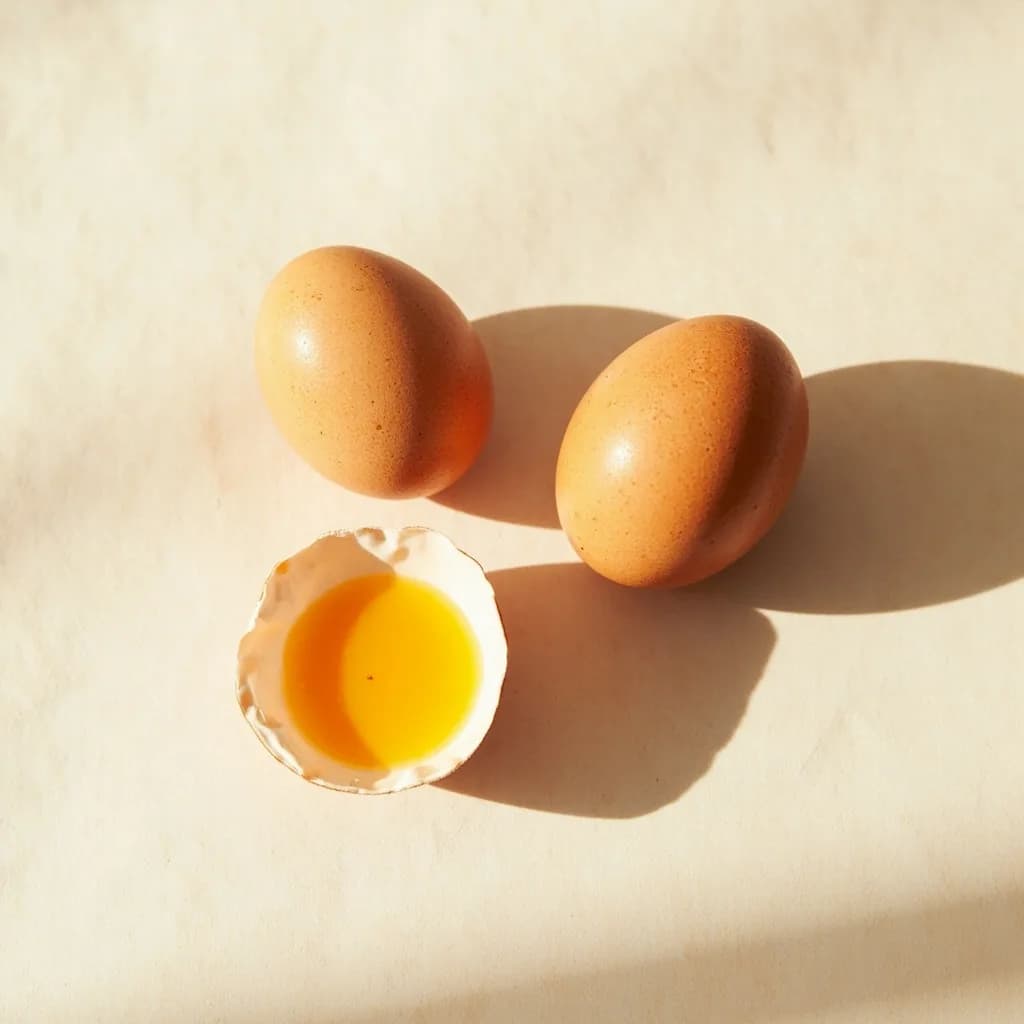
Egg
The kitchen's everything ingredient — bind, leaven, enrich, or fry
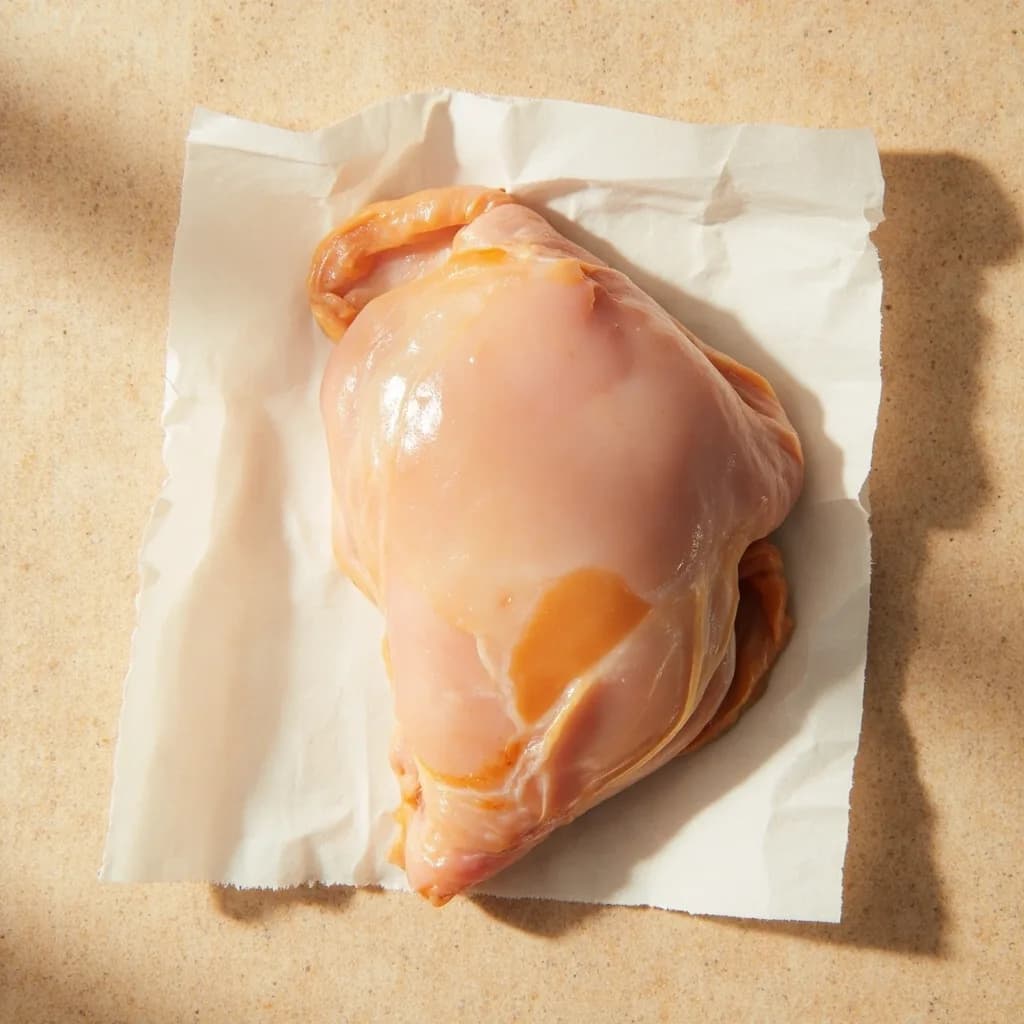
Chicken Breast
Lean, quick-cooking white meat for everyday dinners

Ground Beef
Versatile minced beef for burgers, ragù, tacos, and meatballs
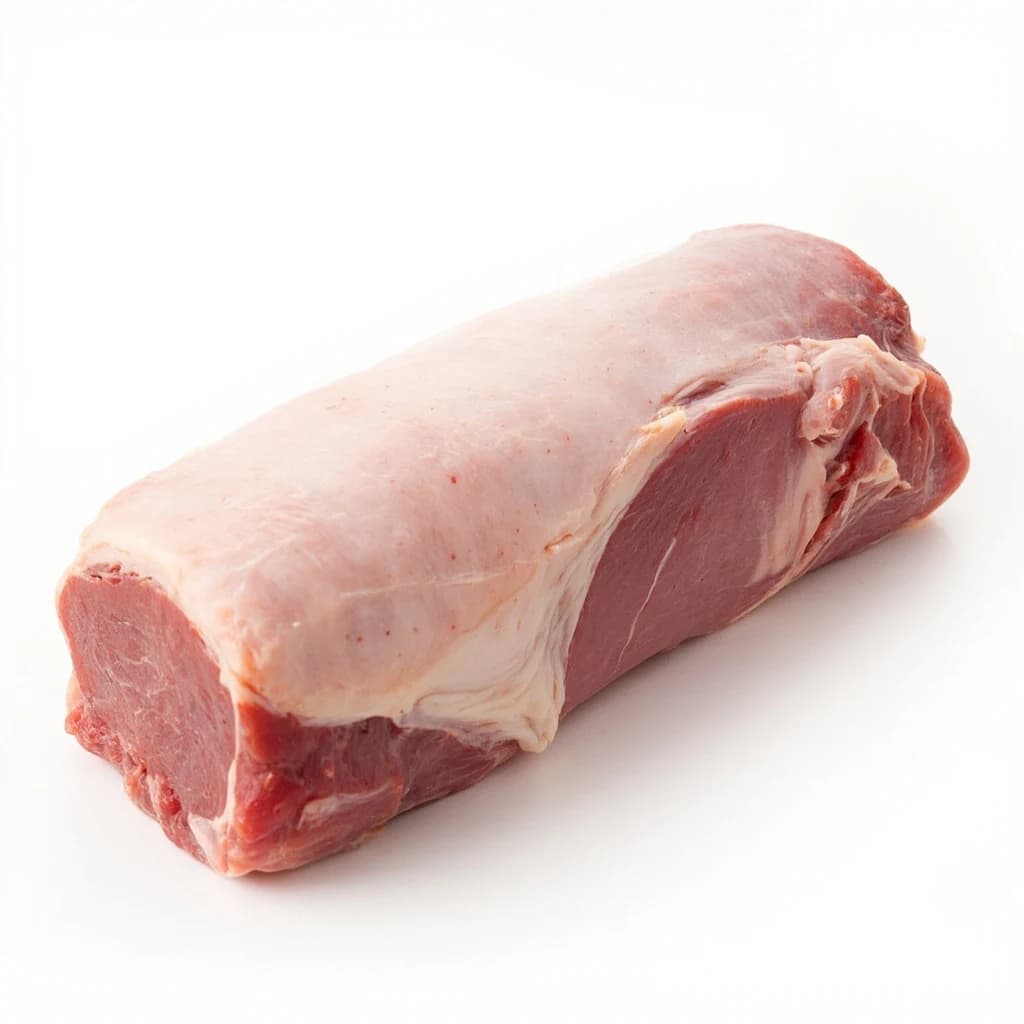
Pork Loin
Lean, tender roasting cut that stays juicy with care
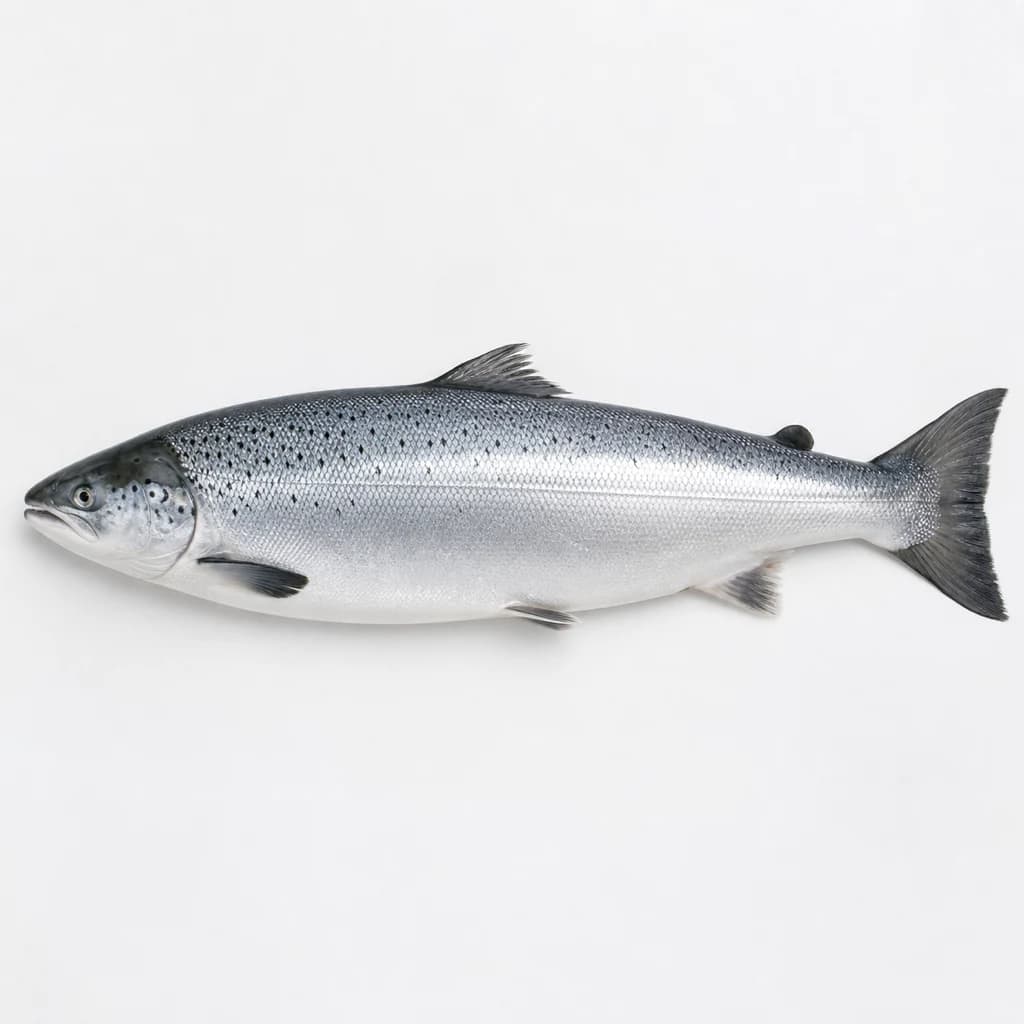
Salmon
Rich, rosy fish that roasts, grills, or cures beautifully

Egg White
Pure protein that whips to airy peaks for meringue and more
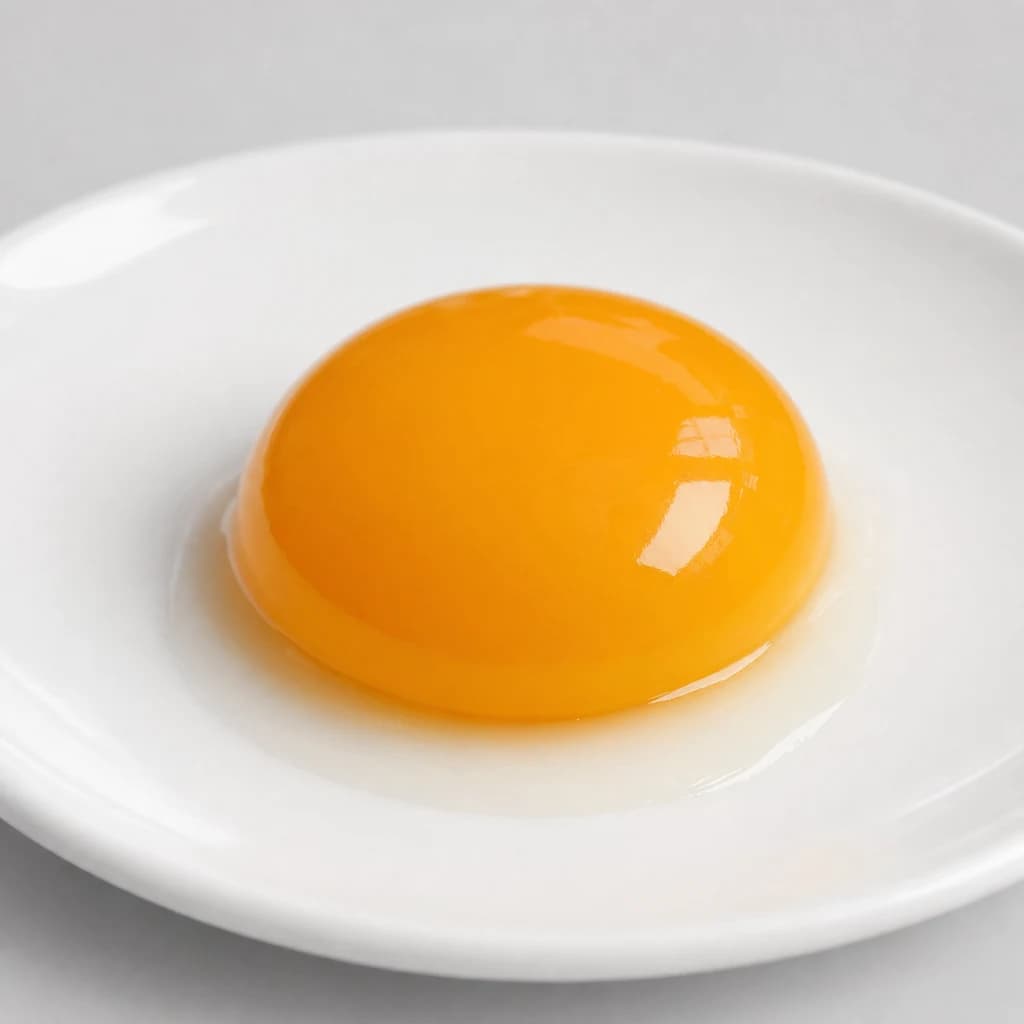
Egg Yolk
Rich, golden yolk for custards, mayonnaise, and pasta

Quail Egg
Tiny, speckled eggs for garnishing and elegant bites