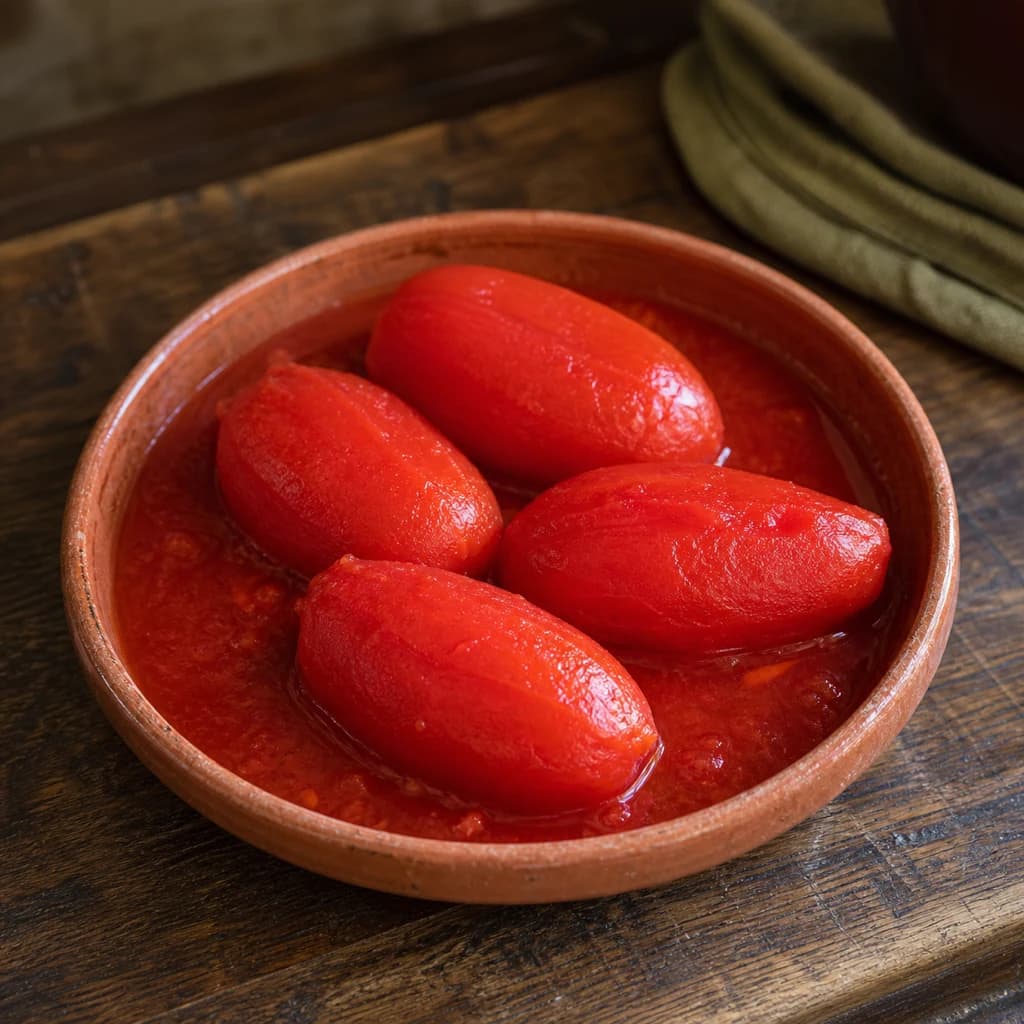
Natural form
Whole peeled plum tomatoes nestled in their rich tomato juice, fresh from the can.
Shows the reader exactly what the product looks like in its raw, as-purchased state — the oblong shape, smooth peeled skin, and surrounding juice.
Produce
Canned Whole Plum Tomato
Whole peeled plum tomatoes in juice, the base of countless Italian sauces.
Canned whole plum tomatoes are peeled, oblong San Marzano-style tomatoes packed in their own juice or puree. They are the foundation of Italian tomato sauces, crushed by hand into marinara, ragù, and braises for a bright, balanced flavor. Their low seed count and meaty flesh make them ideal for slow simmering.
Canned whole plum tomatoes are whole peeled tomatoes packed in their own juice, with no additional processing. Plum tomatoes—specifically the Roma or San Marzano varieties—were bred for sauce-making: their flesh is meaty and dense, their moisture content is lower than slicing tomatoes, and their seed cavities are smaller. This translates to less water to cook off and more tomato flavor per can. The tomatoes are typically blanched, peeled by machine or hand, and sealed with their juice, sometimes with a small amount of salt or calcium chloride as a firming agent.
The distinction between DOP San Marzano and other plum tomatoes is significant. True DOP San Marzano must be grown in the Sarnese-Nocerino area of Campania, Italy, harvested by hand, and processed according to strict regulations. The gold DOP seal on the can—not just the name on the label—is your reliable marker. These tomatoes have an elongated shape, fewer seeds, and a notably sweeter, less acidic flavor than domestic varieties. Non-DOP San Marzano-style tomatoes are the same variety grown elsewhere (California, other regions of Italy) and offer excellent quality without the premium price or regulatory guarantees.
Canned whole plum tomatoes are the most versatile tomato product you can keep in the pantry. Because you control the breaking—crush them coarsely for a rustic sauce, pass them through a food mill for smooth preparations, or roughly chop them for soups and braises—you adapt one can to nearly any recipe need. The juice inside the can is concentrated and flavorful; always reserve it rather than draining it away.
- Measured in
- g
- Storage
- Pantry
Types & varieties
Regulated denomination; Sarnese-Nocerino area of Campania; elongated, few seeds, sweet and low-acid; gold-marked can is the only reliable identifier, not the name on the label
Same variety grown elsewhere (California, other regions of Italy); reliable flavor but not subject to DOP production rules; excellent quality without premium pricing
Domestic plum tomato variety; meaty, low moisture, widely available in US grocery stores; more acidic than San Marzano, more assertive in sauce
Finely chopped whole tomato in puree; not technically whole, but offers a useful smooth-rippled texture for quick sauce preparations
Various quality levels; check for DOP seal if seeking true San Marzano; some excellent non-DOP Italian-grown options available
Why Whole Tomatoes Over Crushed or Diced?
Whole peeled tomatoes give you complete control over texture and are the most adaptable tomato product. Crushed tomatoes are already processed and may include added ingredients like basil, garlic, or excess salt that constrain your recipe. Diced tomatoes have uneven texture and often come packed in more liquid than you need. With whole tomatoes, you break them exactly as the recipe demands—coarsely for a rustic puttanesca, finely for a smooth marinara, or left whole for certain braises. The juice is reserved rather than discarded, capturing every bit of concentrated tomato flavor. This flexibility is why serious Italian cooks reach for whole tomatoes even when a recipe calls for crushed or diced.
- Whole tomatoes adapt to any texture; crushed and diced are fixed formats
- Reserve all the juice—it's concentrated flavor, not waste
- Control added ingredients rather than accepting what the processor chose
- Hand-crushing preserves the meaty flesh; machine processing can turn tomatoes mealy
The San Marzano Question
The name 'San Marzano' has been diluted by overuse and mislabeling. True DOP San Marzano from Campania has a distinctive sweet, low-acid flavor prized in Neapolitan cooking, but many cans labeled 'San Marzano' contain tomatoes grown elsewhere—sometimes excellent California-grown Roma tomatoes, sometimes tomatoes from Italy that don't meet DOP standards. The gold DOP seal (a yellow diamond-shaped logo with 'Denominazione d'Origine Protetta') is your guarantee of true Campania origin and regulated production. For everyday cooking, non-DOP San Marzano-style or domestic Roma tomatoes are perfectly capable of producing excellent sauce—the key is seasoning and technique, not certification. For a traditional Neapolitan preparation where the tomato's character is the star, seek out the gold seal.
- Gold DOP seal = true Campania origin and regulated production
- Without the seal, 'San Marzano' only indicates variety, not origin
- Domestic Roma makes excellent sauce; adjust seasoning for higher acidity
- The tomato's character matters most in minimal preparations with few ingredients
Common uses
Tips & pitfalls
- Squeeze tomatoes through your fingers over a bowl to crush to desired size—the juice stays in the bowl, use it all
- If a recipe needs smooth sauce, pass crushed tomatoes through a food mill or blend briefly; seeds and skin are edible but can add slight bitterness to delicate sauces
- For authentic Neapolitan sauce, crush by hand and simmer 15–25 minutes over medium-low with basil, salt, and a knob of butter (Montieri method); do not cook aggressively
- DOP San Marzano has firmer flesh and less 'jammy' texture than domestic plum tomatoes; it can feel undercooked if not simmered long enough—cook to desired consistency
- Calcium chloride, if listed on the label, is a standard firming agent with no safety concern; it helps tomatoes hold shape in sauce
- The can's juice is concentrated and flavorful; reserve it and add to sauce or cooking liquid rather than draining it away
- Avoid cans with bulging lids before opening—discard if the lid does not flex back when pressed center
- Season twice: once after crushing tomatoes (initial taste), once after simmering (final balance)
Nutrition
Energy
134 kJ · per 100 g
Where the calories come from
Protein
1.6g
3% DV
Carbs
7.3g
3% DV
Fat
0.3g
0% DV
Fiber
1.9g
7% DV
Sugars
4.4g
of which
Sodium
186mg
8% DV
Source · USDA FoodData Central · approx. Tomatoes, crushed, canned
View on FDC →In the shops
Matched grocery products
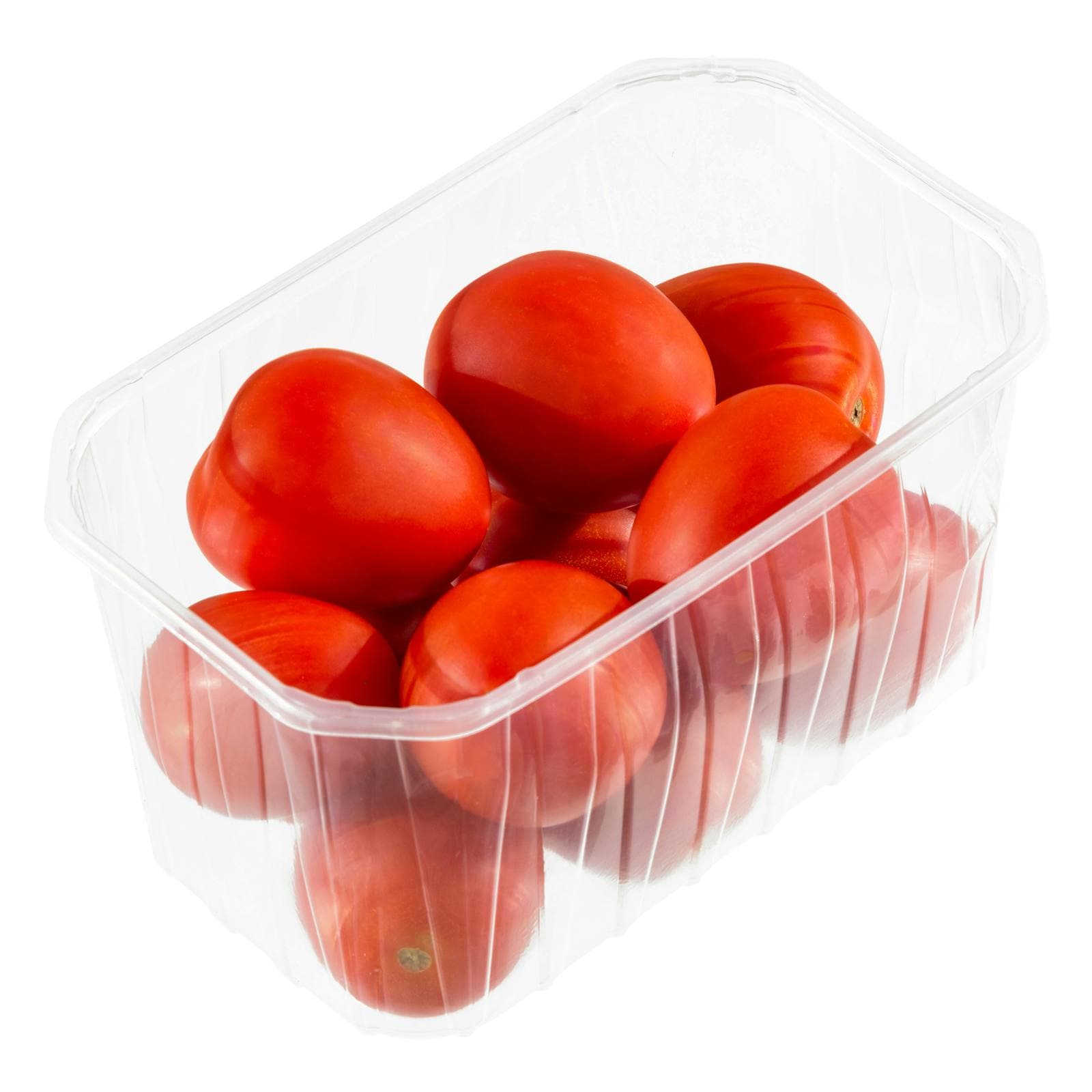 €2.62
€2.62Pear Tomatoes
1.14 kg · Mercadona
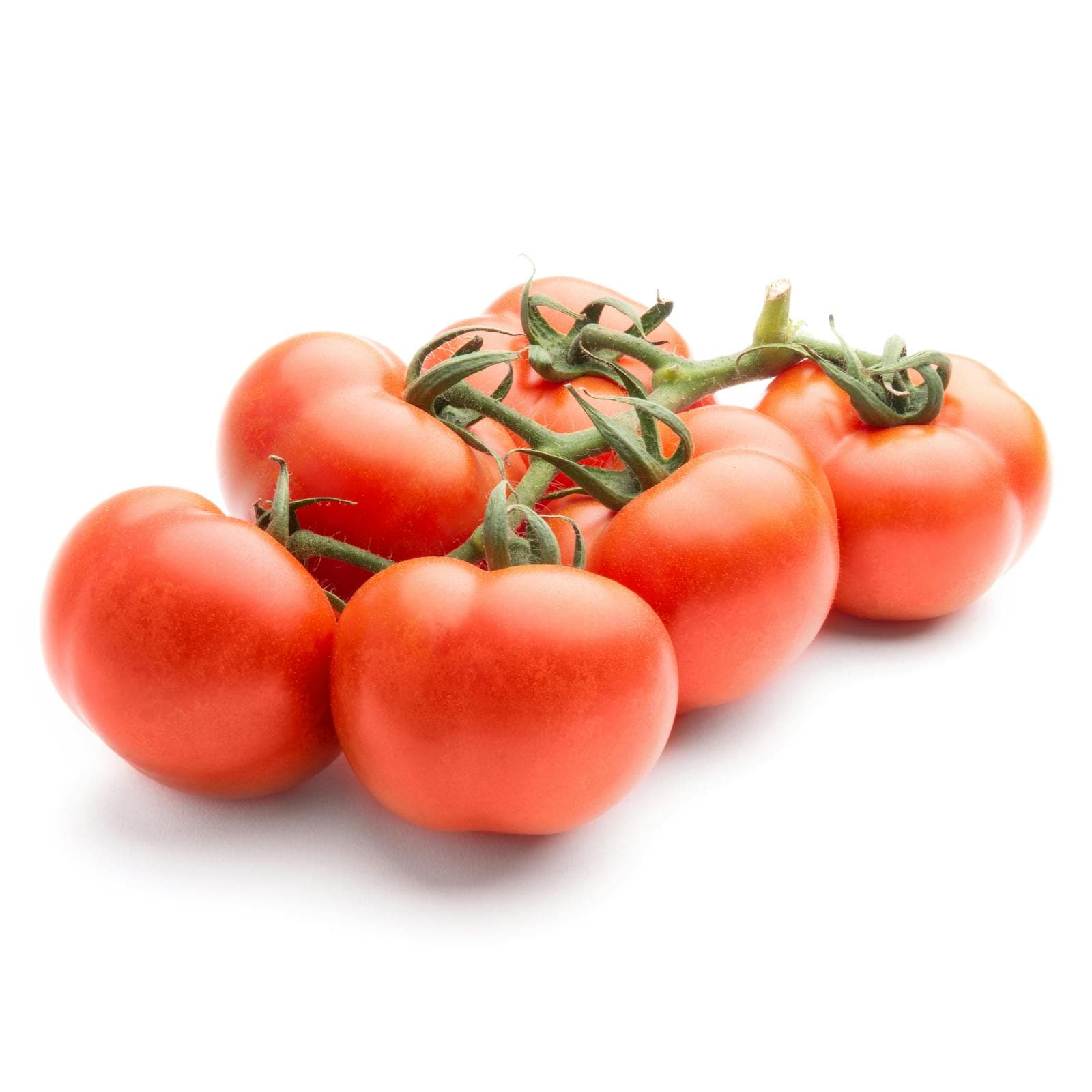 €1.49
€1.49Truss Tomatoes
550 g · Mercadona
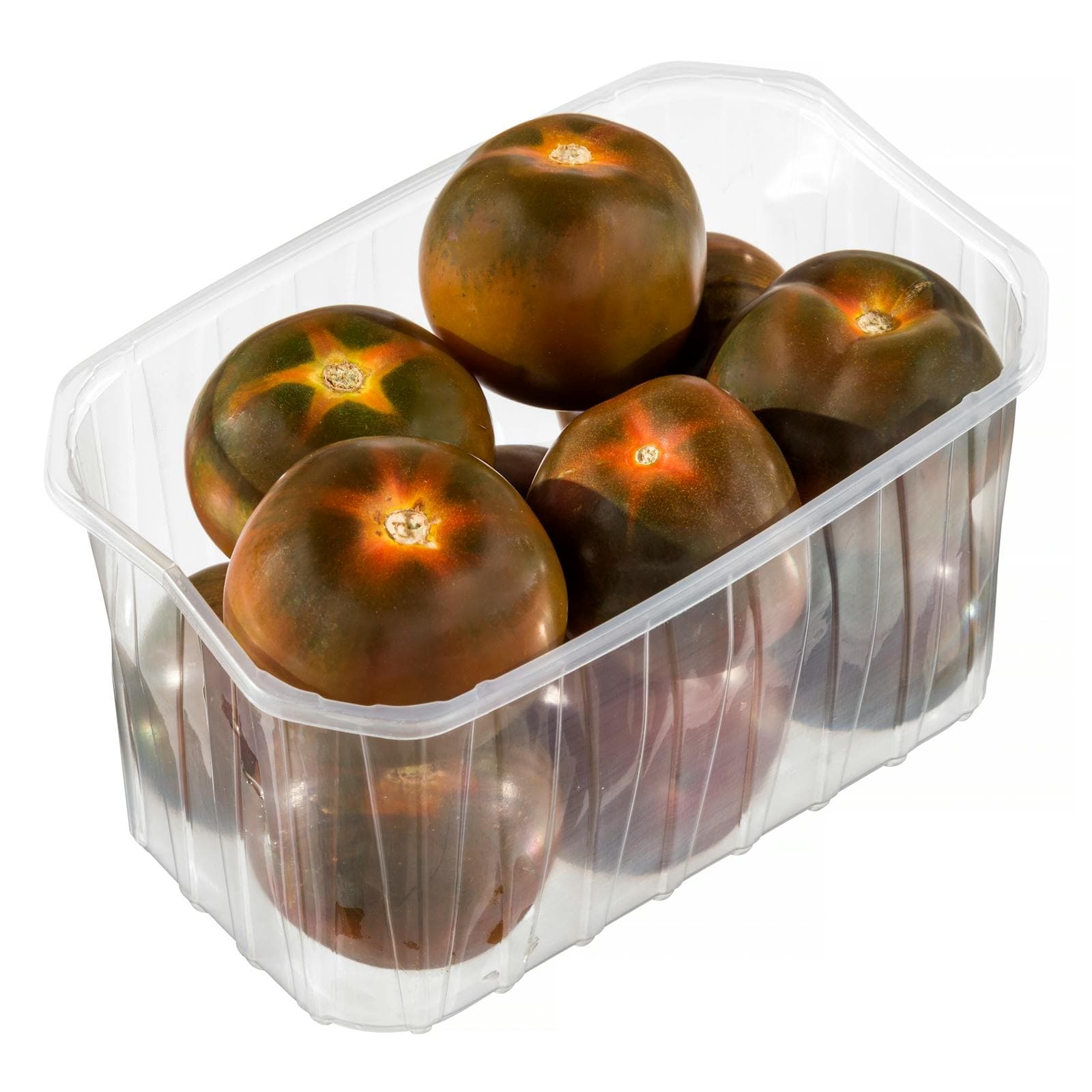 €2.60
€2.60Black Tomatoes
1 kg · Mercadona
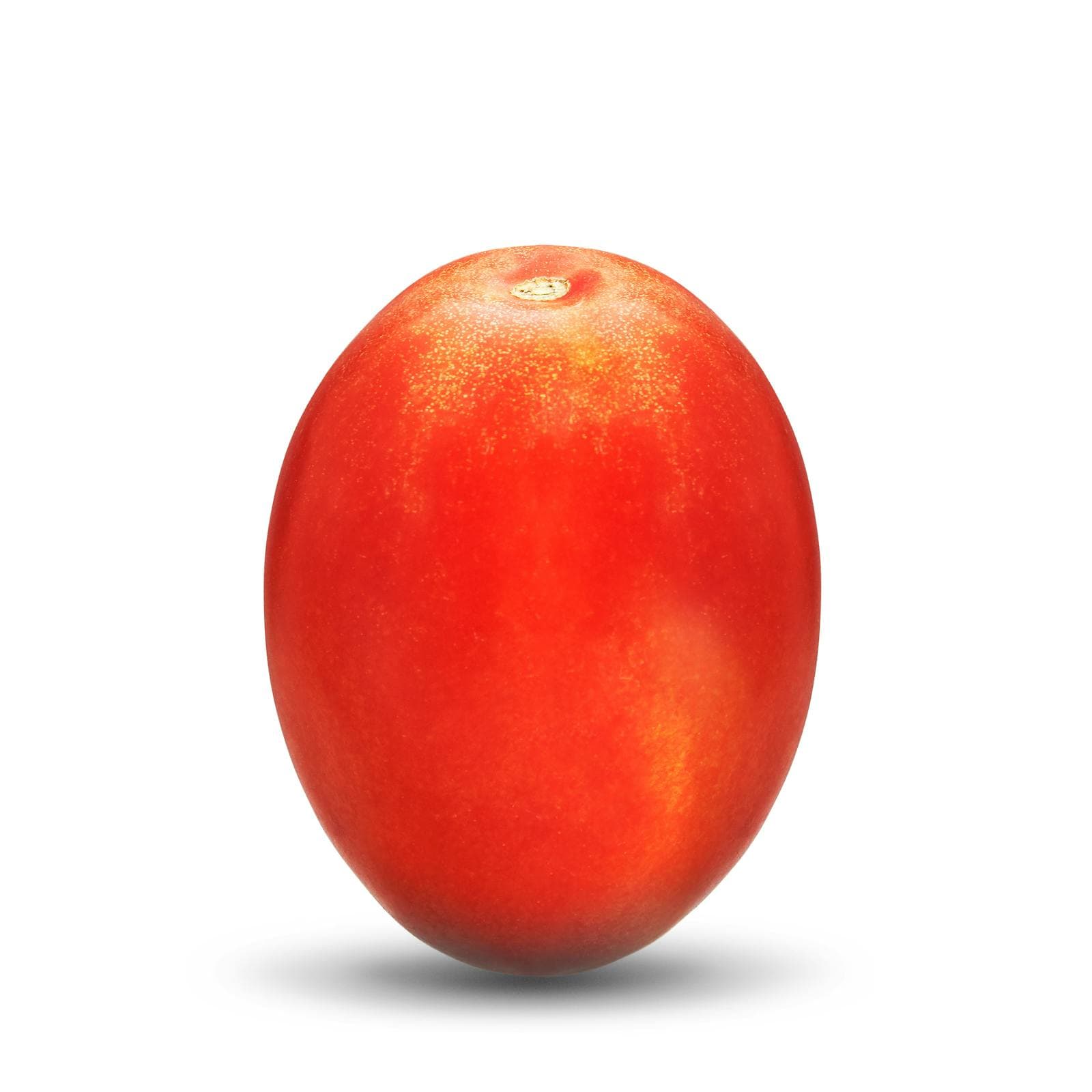 €0.29
€0.29Plum Tomato
130 g · Mercadona
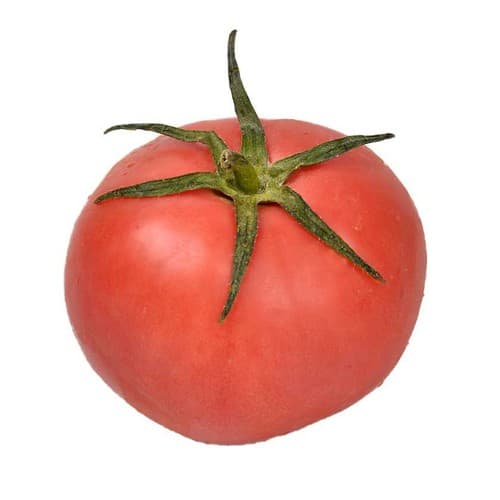 €1.07
€1.07Pink Tomato
ud · Bonpreu
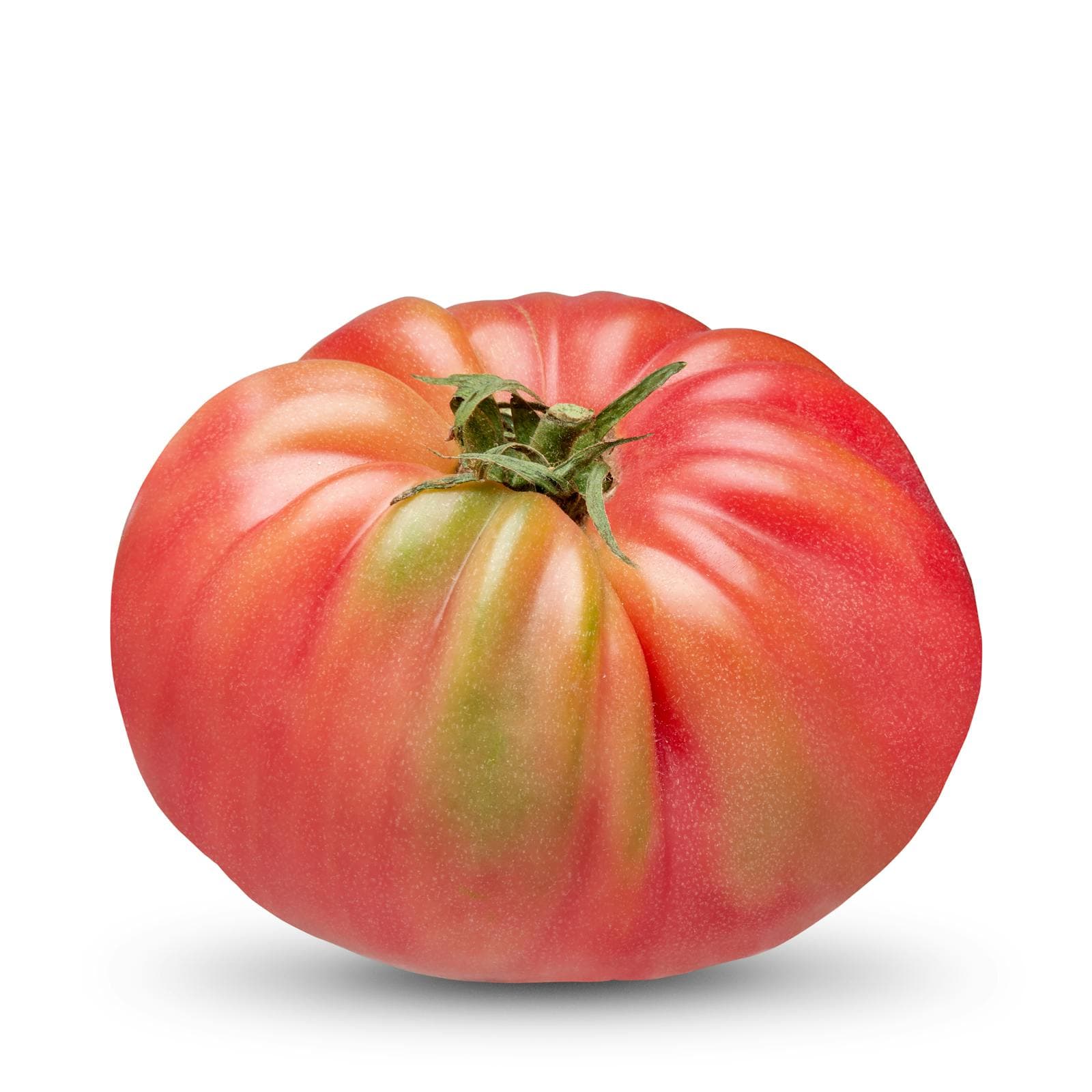 €1.16
€1.16Pink Tomato
340 g · Mercadona
Good to know
- Type
- Canned whole peeled plum (Roma) tomatoes in juice
- Primary Varieties
- San Marzano (Italy); Roma (domestic US/Canada)
- Key Additive
- Often contains calcium chloride (firming agent) and salt; no sulfites needed since tomatoes are peeled
- Typical Can Sizes
- 400g (14 oz) / 28 oz (US); 500g (Europe)
- Yield
- One 400g can ≈ 240g drained flesh (about 1.5 cups crushed)
- Shelf Life (Sealed)
- 18–24 months in cool, dark pantry; 5–7 days refrigerated after opening
- Acidity
- Higher than most fresh tomatoes; San Marzano notably lower in acidity
- DOP Certification
- San Marzano DOP requires Campania origin, specific varieties, and hand-harvesting; gold seal is the identifier
Substitutes
- Crushed tomatoes — Already processed; may include added basil, garlic, or excess salt; use 1:1 but be aware of added seasonings affecting your recipe's balance
- Diced tomatoes — Canned in juice; will need crushing or blending to approximate whole tomato texture; less consistent than hand-crushed
- Fresh peak-season plum tomatoes — Blanch, peel, and crush fresh; higher water content than canned—cook longer to reduce liquid; unavailable October–February for good quality
- San Marzano (if using domestic Roma) — Direct variety swap; domestic Roma is less sweet and slightly more acidic—adjust seasoning accordingly
Pairs with
Also called
Canned Whole Plum Tomato · Whole Peeled Tomatoes · Pomodori Pelati
Appears in these dishes
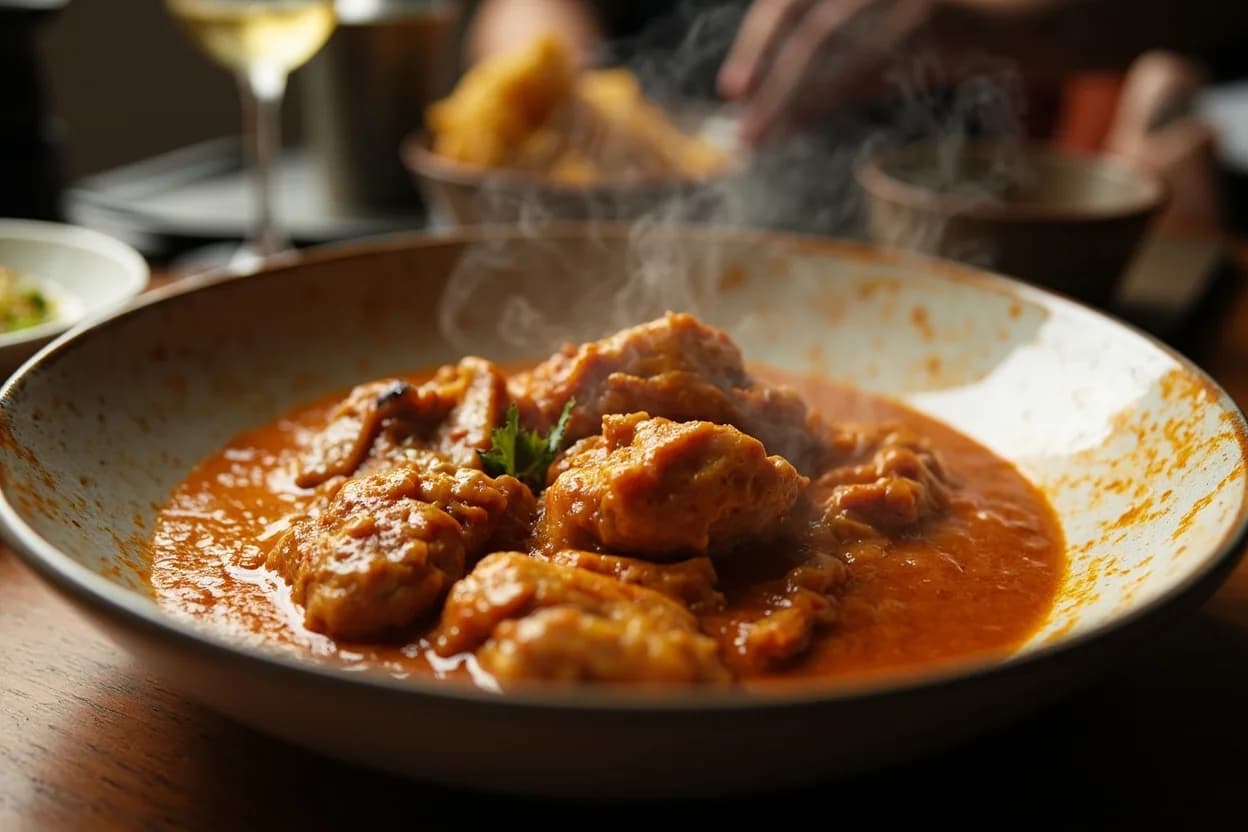

Related
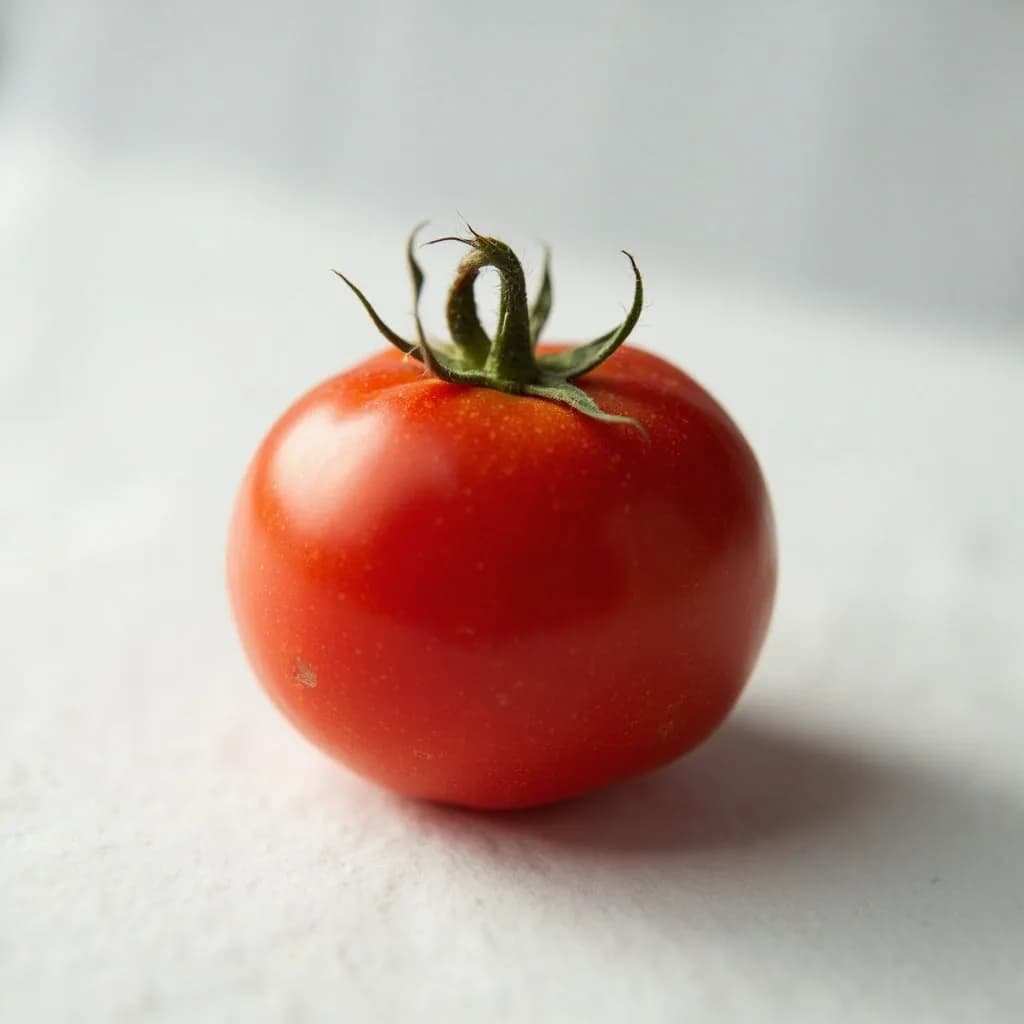
Tomato
Juicy, sun-sweet fruit for sauces, salads, and slow-cooked depth
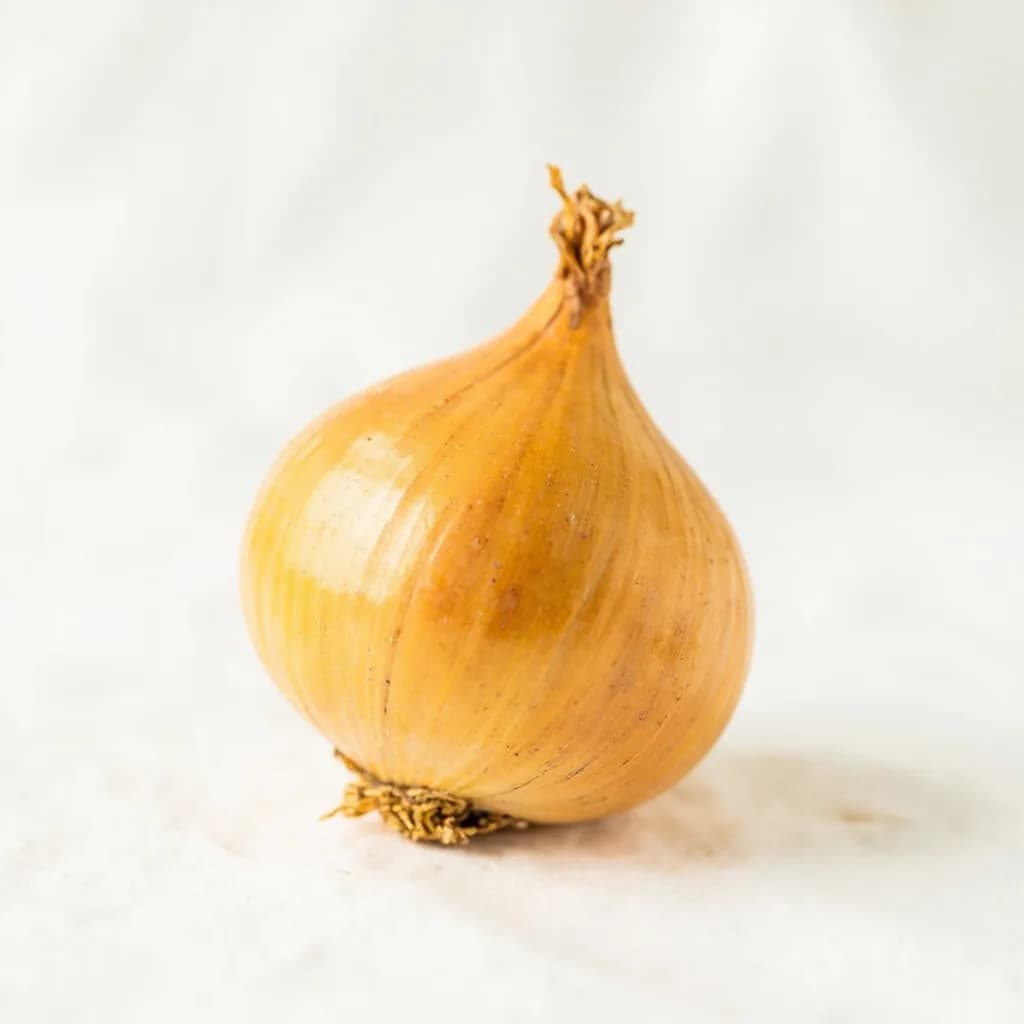
Yellow Onion
The aromatic backbone of soups, sofritos, and braises
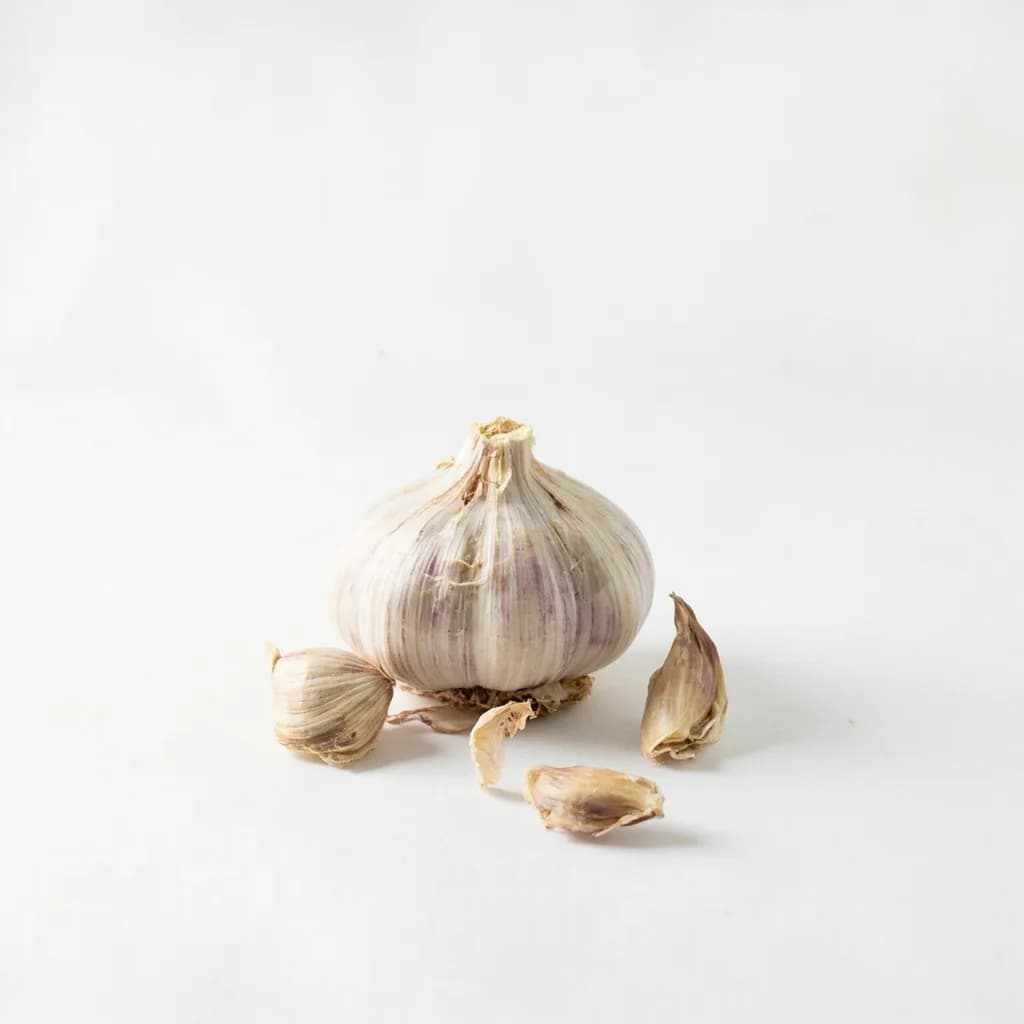
Garlic
Pungent cloves that perfume nearly every savory dish
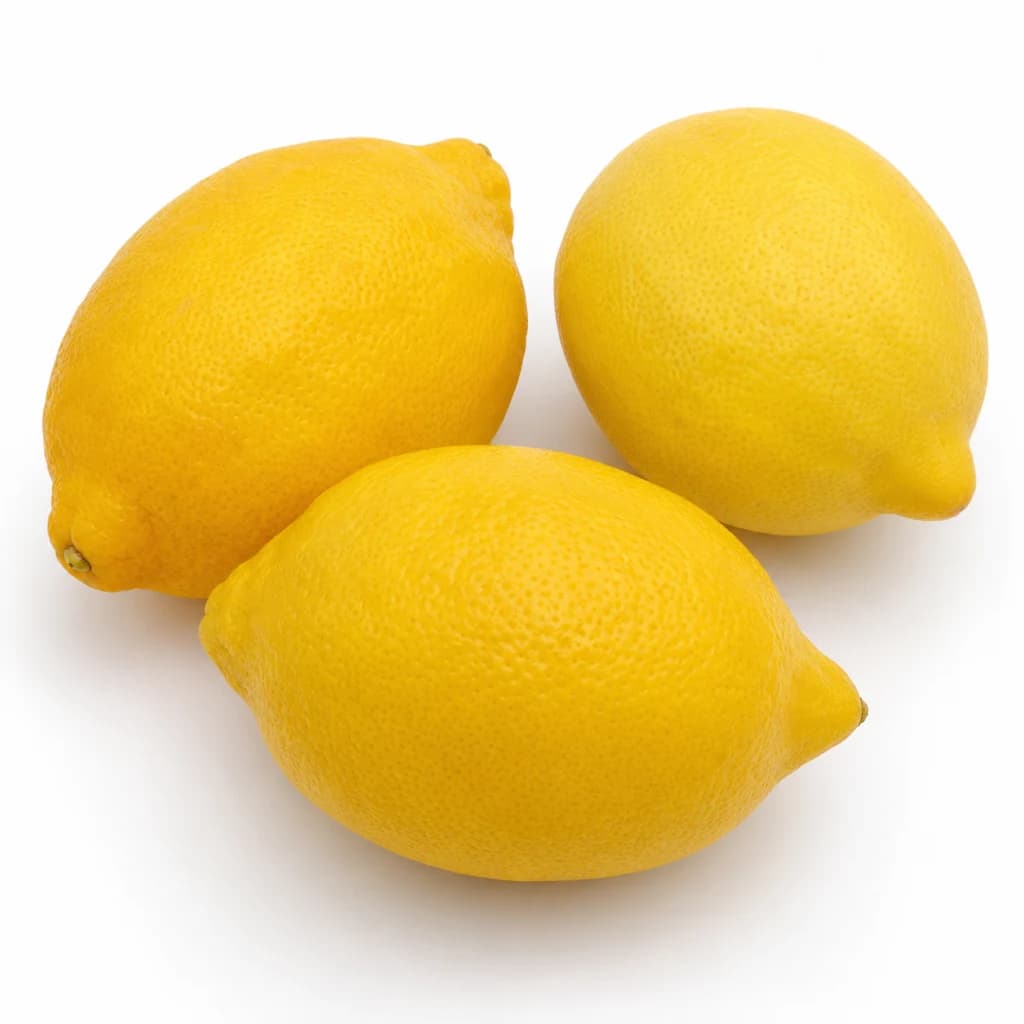
Lemon
Bright, acidic citrus that wakes up almost any dish
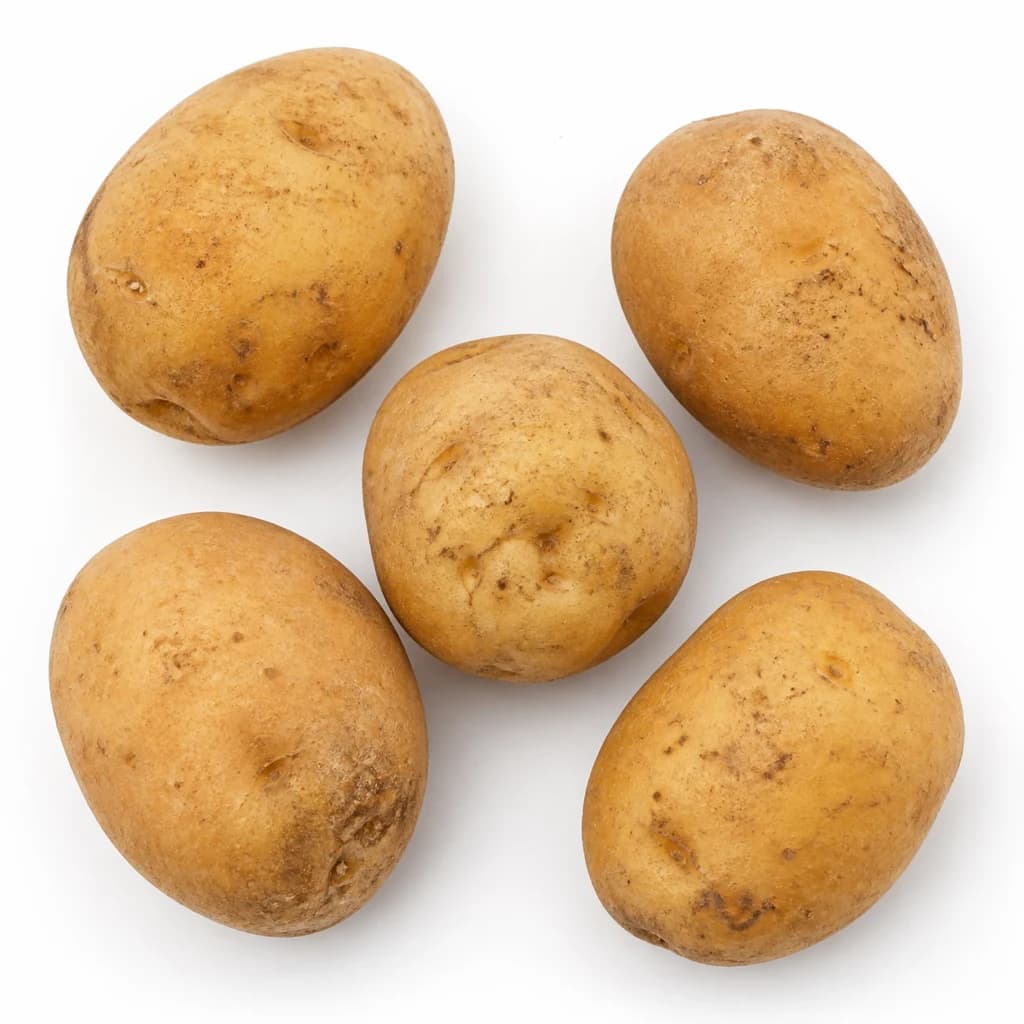
Potato
Humble, hearty staple — roast, mash, fry, or boil
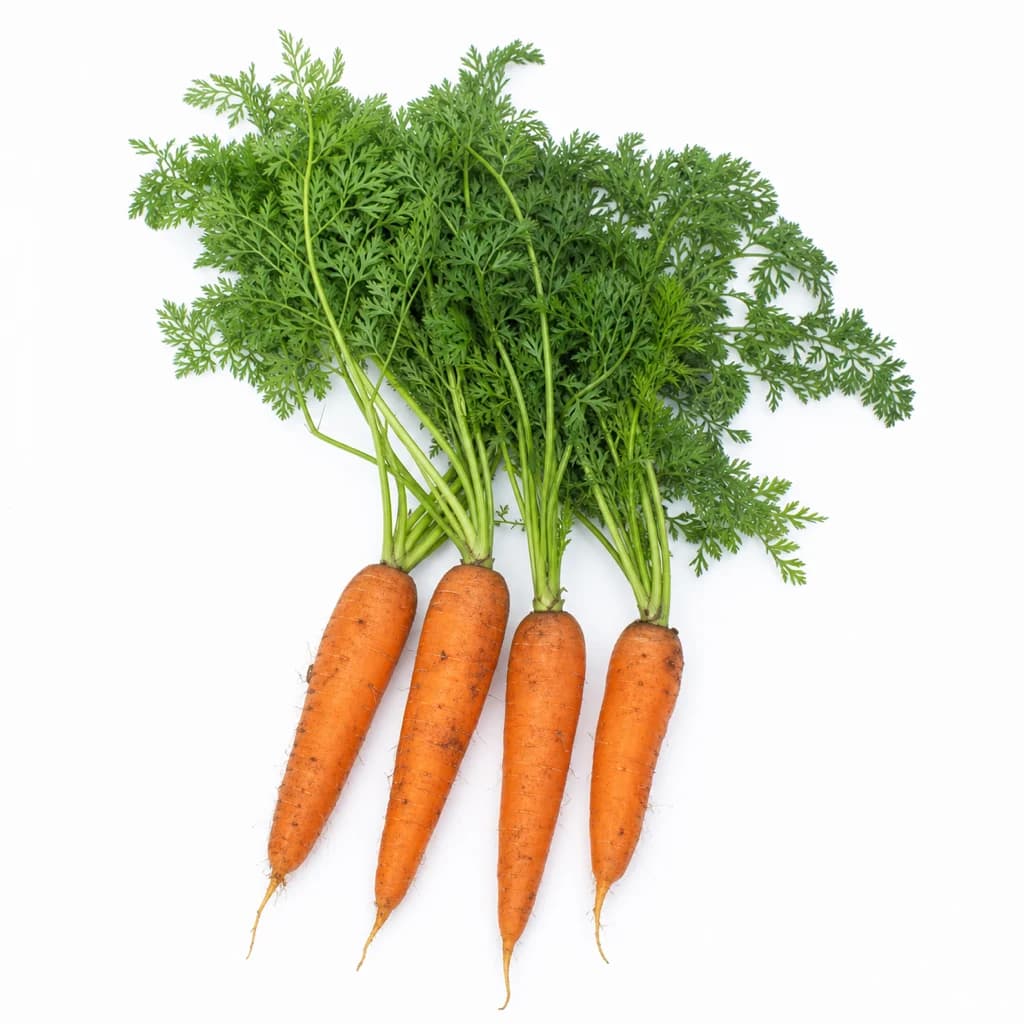
Carrot
Sweet, crunchy root — raw, roasted, or the base of a sofrito
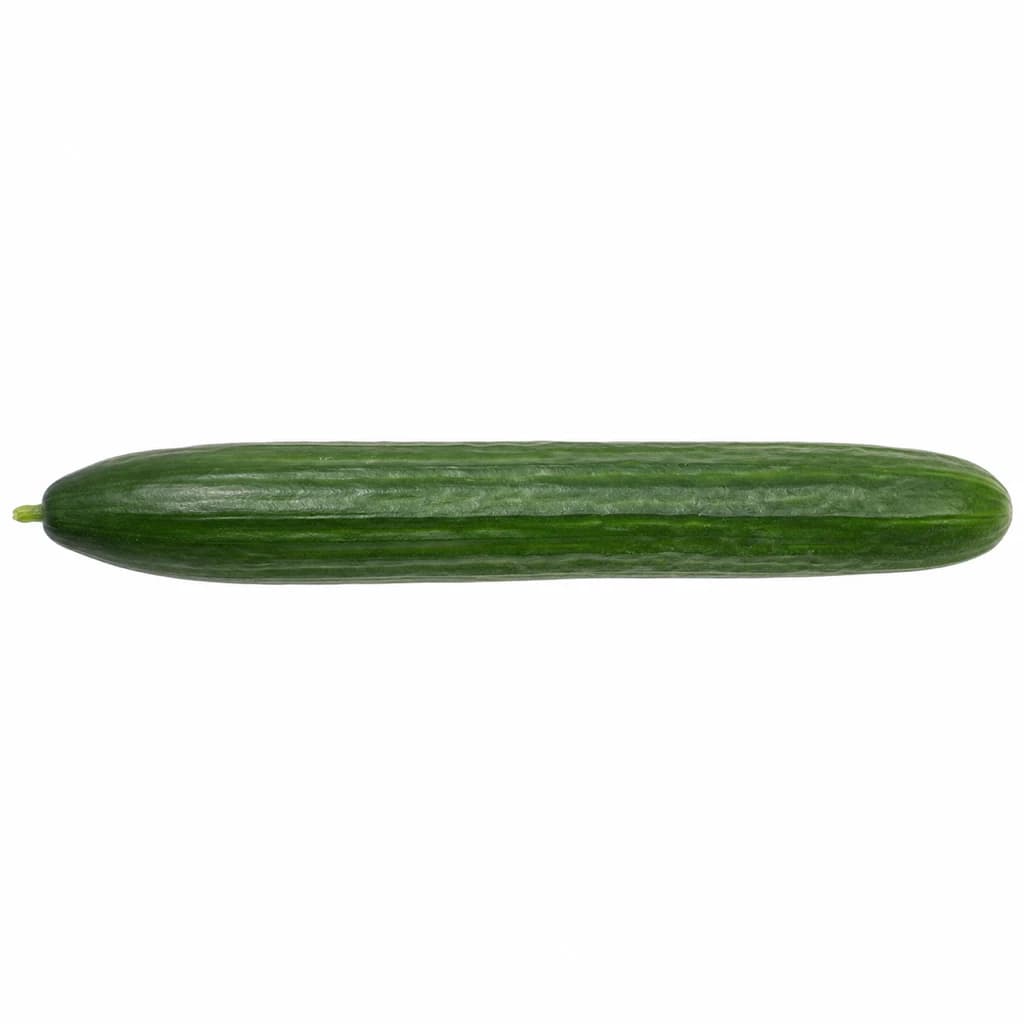
Cucumber
Cool, crisp, and watery — for salads, pickles, and tzatziki

Lettuce
Crisp leaves for salads, wraps, and a fresh crunch