Spices
Cayenne Pepper
Fine, fiery red ground chili used to add clean, sharp heat to dishes and spice blends.
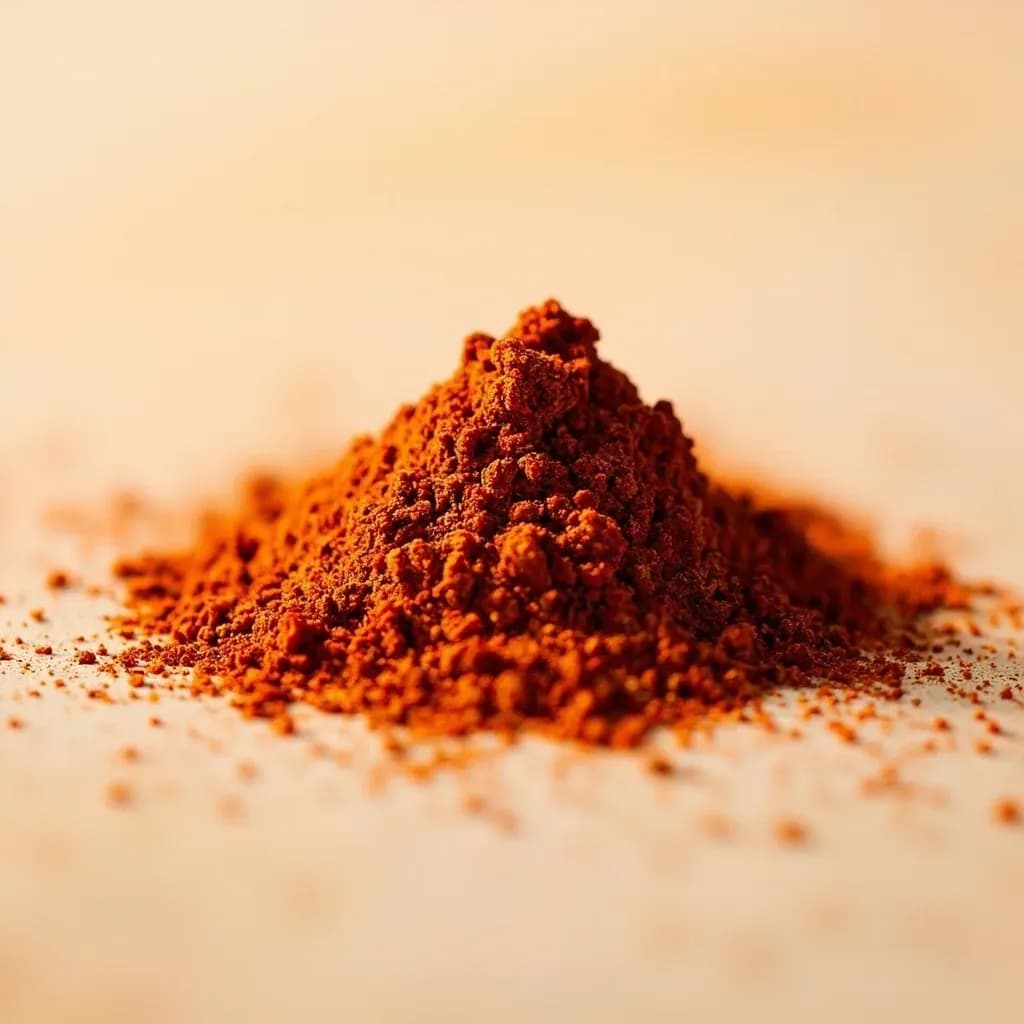
Cayenne pepper is a finely ground powder made from dried hot red chilies, prized for its clean, sharp heat and bright color. It is a go-to for adding spice to soups, sauces, rubs and seasoning blends without altering texture. A little goes a long way, so it is typically added in pinches and adjusted to taste.
Cayenne pepper is the dried, ground fruit of Capsicum annuum, a slender, curved chili pod that ripens to a vivid red. The powder it yields is finely textured and intensely pungent, delivering a clean, sharp heat that registers quickly on the palate without lingering smokiness or earthiness. This distinguishes it from other ground chiles: chipotle offers smoky depth, ancho brings fruity mildness, and paprika (unless specifically hot) adds color alone. The heat comes from capsaicin, concentrated in the seeds and inner membrane, which binds to pain receptors in the mouth, producing that characteristic burning sensation. Commercial ground cayenne varies widely in actual heat even between brands, so for precision cooking seek a product with a stated Scoville rating or grind your own from dried pods. The spice takes its name from Cayenne, the capital of French Guiana, though the pepper almost certainly originated in Central or South America and spread through colonial trade routes to become a cornerstone of Louisiana Cajun cooking, Southeast Asian curries, Indian vindaloo pastes, and beyond.
- Measured in
- g
- Storage
- Pantry
Types & varieties
Traditional commercial variety; bright red, 10–15 cm, very pungent
Slightly wider pods; good for drying and grinding at home
Matures in 60–70 days; suited to cooler climates and short seasons
Shorter, thicker pods; heavy yield
Compact plant suitable for containers; medium heat
Heat Timing and Flavor Development
When you add cayenne to a dish dramatically affects the character of the heat it delivers. Adding it early in the cooking process allows capsaicin to dissolve into fats and liquids, producing a mellowed, integrated warmth that builds gradually. Adding it near the end or off heat preserves its sharpness, delivering a more aggressive, frontal burn. This distinction matters: a long-simmered gumbo and a quick-sprinkled pizza benefit from cayenne at opposite stages.
- Early addition: integrated, mellow heat that amplifies savory dishes
- Late addition: sharp, assertive heat that punctuates finishing dishes
- Toast whole dried pods briefly in a dry skillet before grinding to unlock more complex volatile aromatics
Common uses
Tips & pitfalls
- A little goes a long way—start with ⅛ teaspoon and adjust upward, tasting between additions.
- Wear disposable gloves when handling in quantity; avoid touching eyes or sensitive skin, and wash hands thoroughly afterward.
- Store opened containers in the freezer to preserve color vibrancy and capsaicin potency over months.
- For a more complex, aromatic heat, toast whole dried cayenne pods briefly in a dry skillet before grinding.
- Common mistake: confusing cayenne with paprika. Paprika is typically mild (0–500 SHU) and adds color without meaningful heat; check labels carefully.
- Common mistake: not checking ingredient lists for pre-blended products. 'Chili powder' blends often contain cayenne as a primary ingredient, leading to unintended heat.
- Common mistake: assuming all ground cayenne is equal. Commercial products vary dramatically in actual SHU; when precision matters, grind your own or seek a product with a stated rating.
Nutrition
Energy
121 kJ · per 100 g
Where the calories come from
Protein
0.9g
2% DV
Carbs
6.5g
2% DV
Fat
0.4g
0% DV
Fiber
2.8g
10% DV
Sugars
4.1g
of which
Sodium
3mg
0% DV
Source · USDA FoodData Central · approx. Peppers, jalapeno, raw
View on FDC →In the shops
Matched grocery products
 €1.65
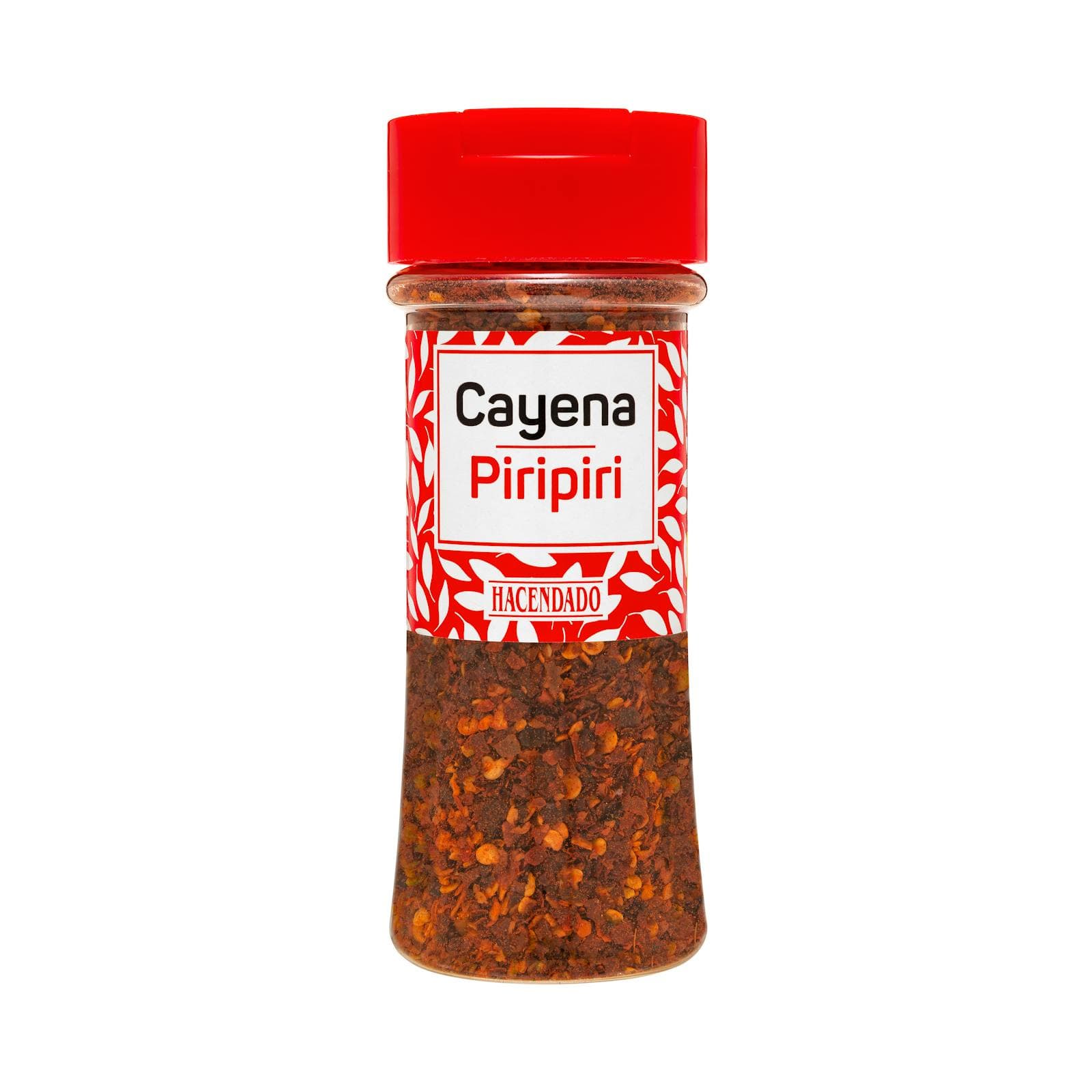
€1.65Ground Cayenne
Hacendado · 55 g · Mercadona
 €1.36
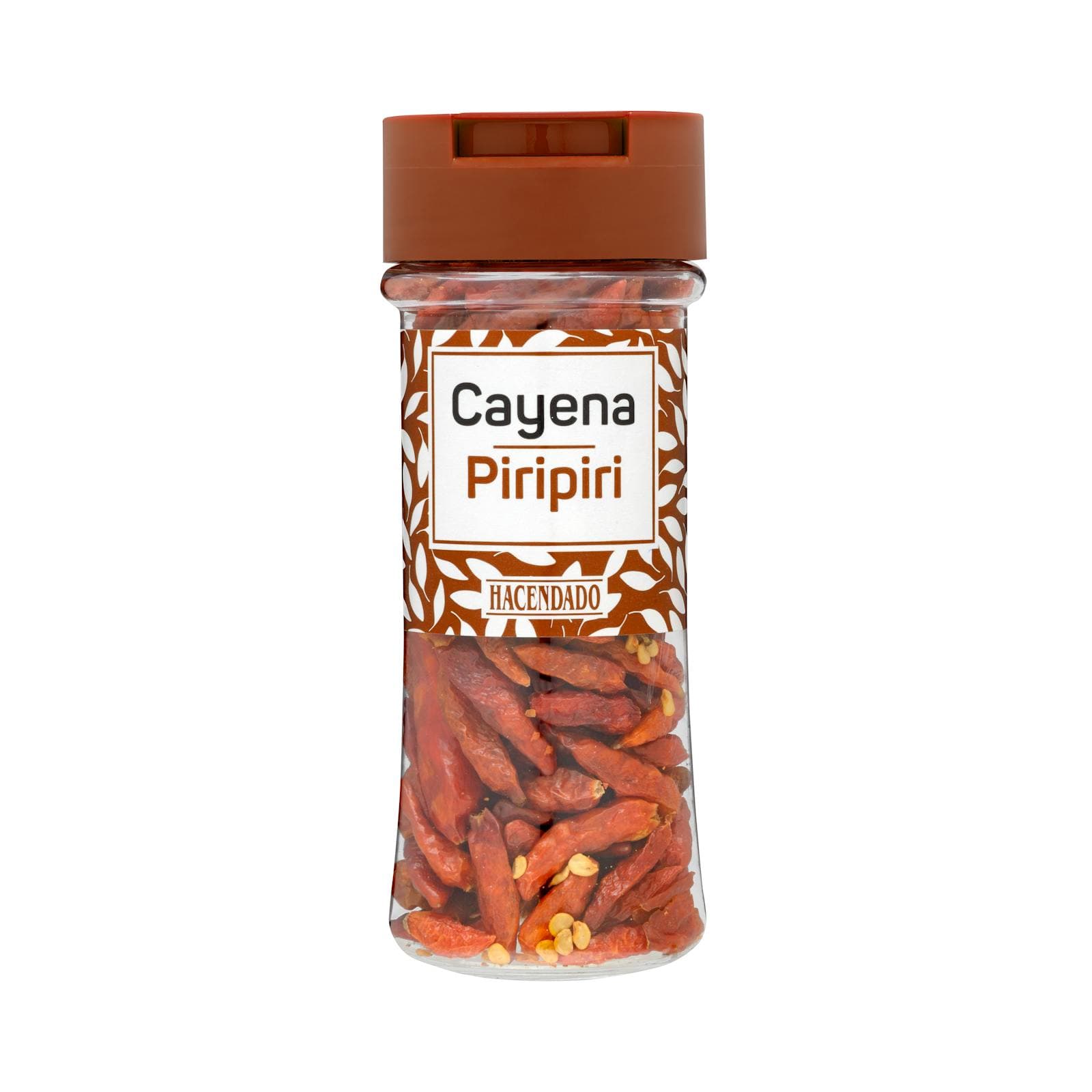
€1.36Cayenne Peppers
Hacendado · 0.027 100 g · Mercadona
 €0.75
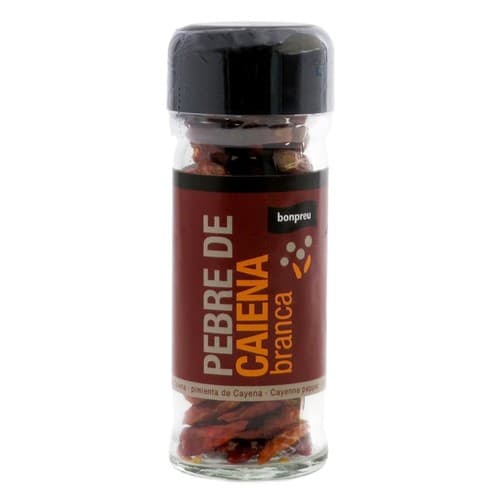
€0.75White Cayenne Pepper
BONPREU · Bonpreu
 €1.49
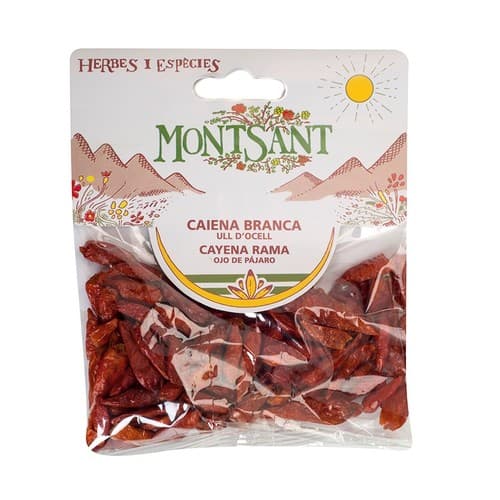
€1.49White Cayenne Pepper
MONTSANT · Bonpreu
 €0.95
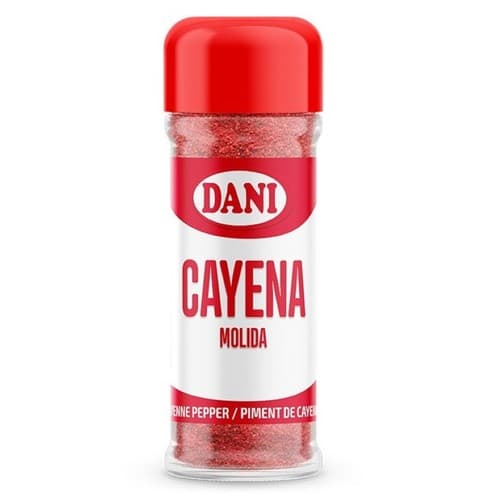
€0.95Ground Cayenne Pepper
DANI · kg · Bonpreu
Good to know
- Scientific name
- Capsicum annuum
- Heat range
- 30,000–50,000 Scoville Heat Units (SHU)
- Origin
- Central and South America; named for Cayenne, French Guiana
- Key compound
- Capsaicin (concentrated in the seeds and inner membrane)
- Form
- Dried and ground to a fine, vibrantly red powder
- Shelf life
- 6–12 months in an airtight container, away from heat and light; potency declines over time
- Active compounds
- Capsaicin, vitamin A (from beta-carotene), vitamin C, vitamin B6
Substitutes
- Red pepper flakes — Comparable heat; slightly coarser texture; good 1:1 substitute in most applications
- Aleppo pepper flakes — Lower heat (~2,500 SHU); fruity, slightly salty; use 2–3× the amount for similar punch
- Chipotle powder — Adds smokiness alongside heat (~8,000 SHU); best in Mexican dishes, chili, and BBQ applications
- Ancho powder — Mild heat (~1,500 SHU) with deep, fruity, slightly chocolatey notes; use 2–3× more; not a direct heat match
- Hot paprika — Milder (~2,500 SHU) but true paprika flavor; acceptable for color; not for dishes requiring strong heat
- Gochugaru (Korean chili flakes) — Smoky, slightly sweet; ~4,000 SHU; excellent in Asian dishes and braises
Pairs with
Also called
cayenne · ground-cayenne · cayenne-powder
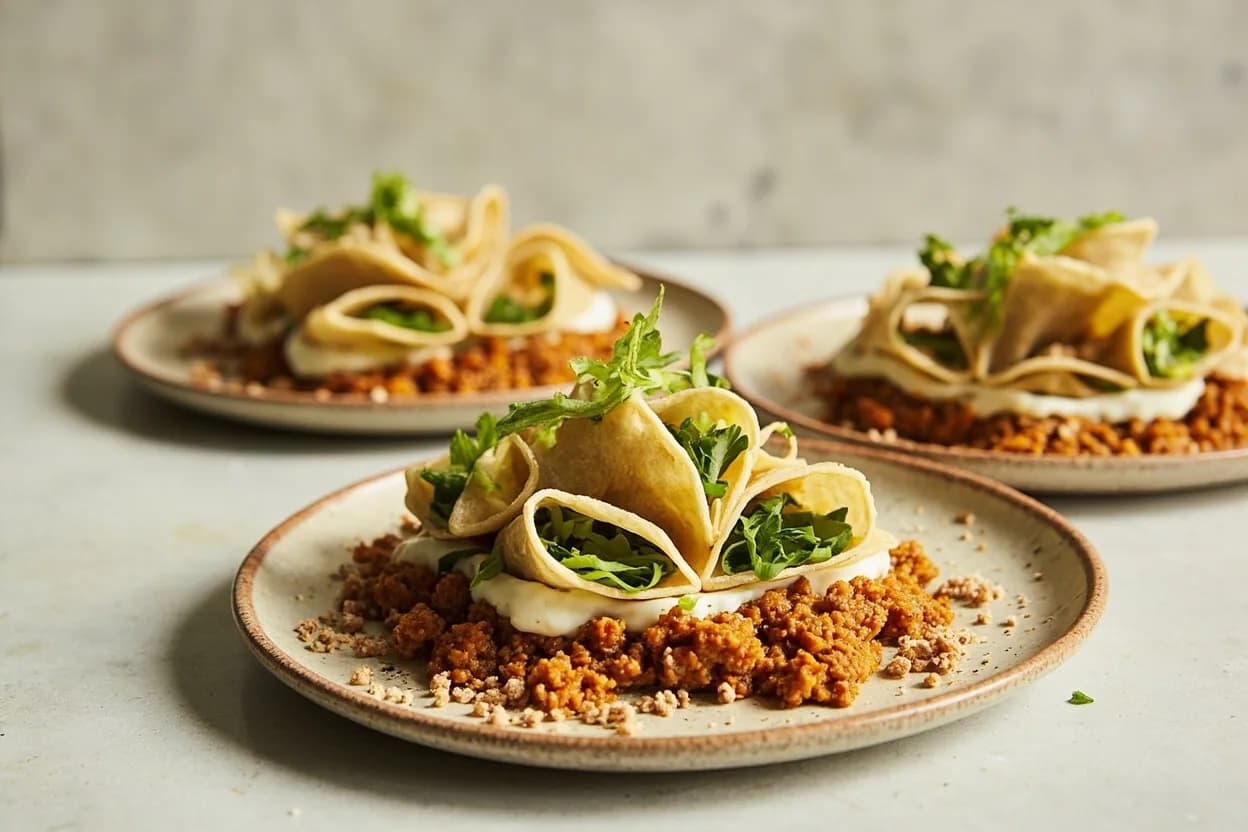
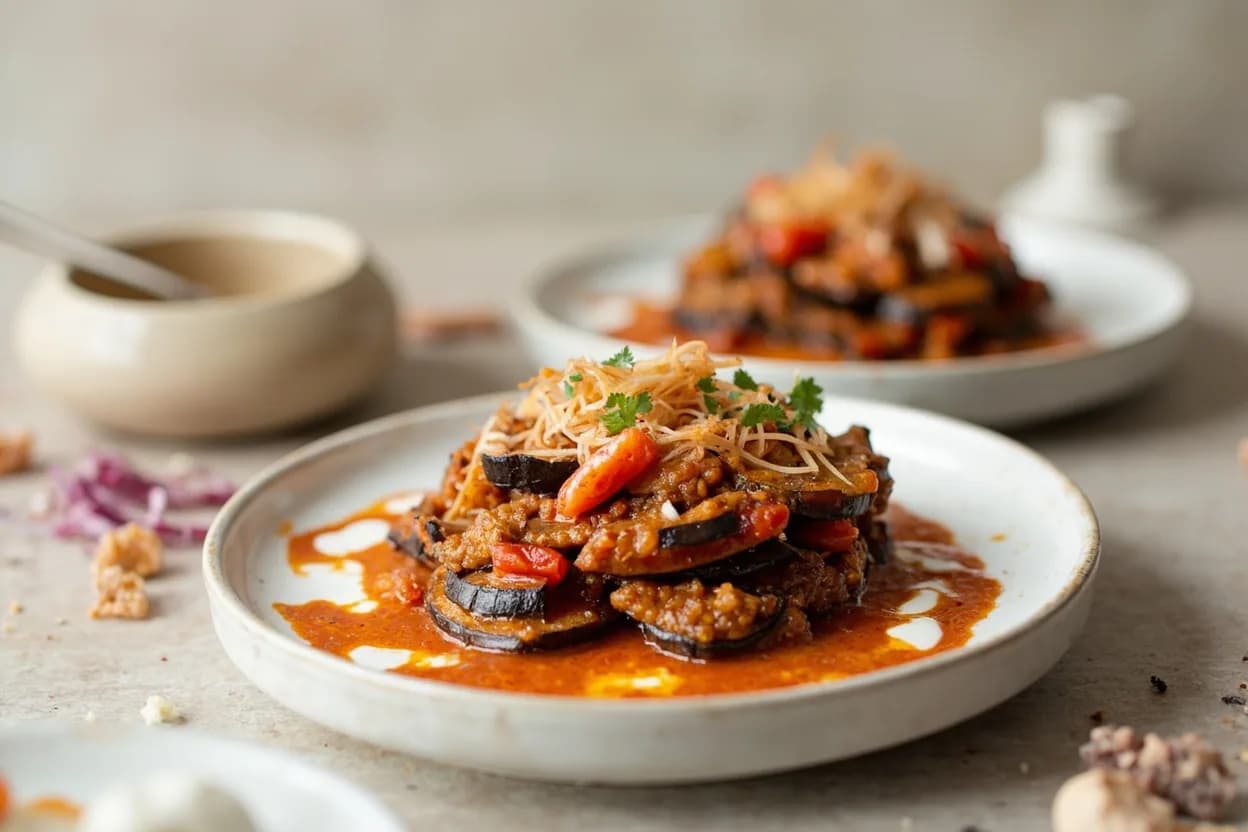
Appears in these dishes


Related
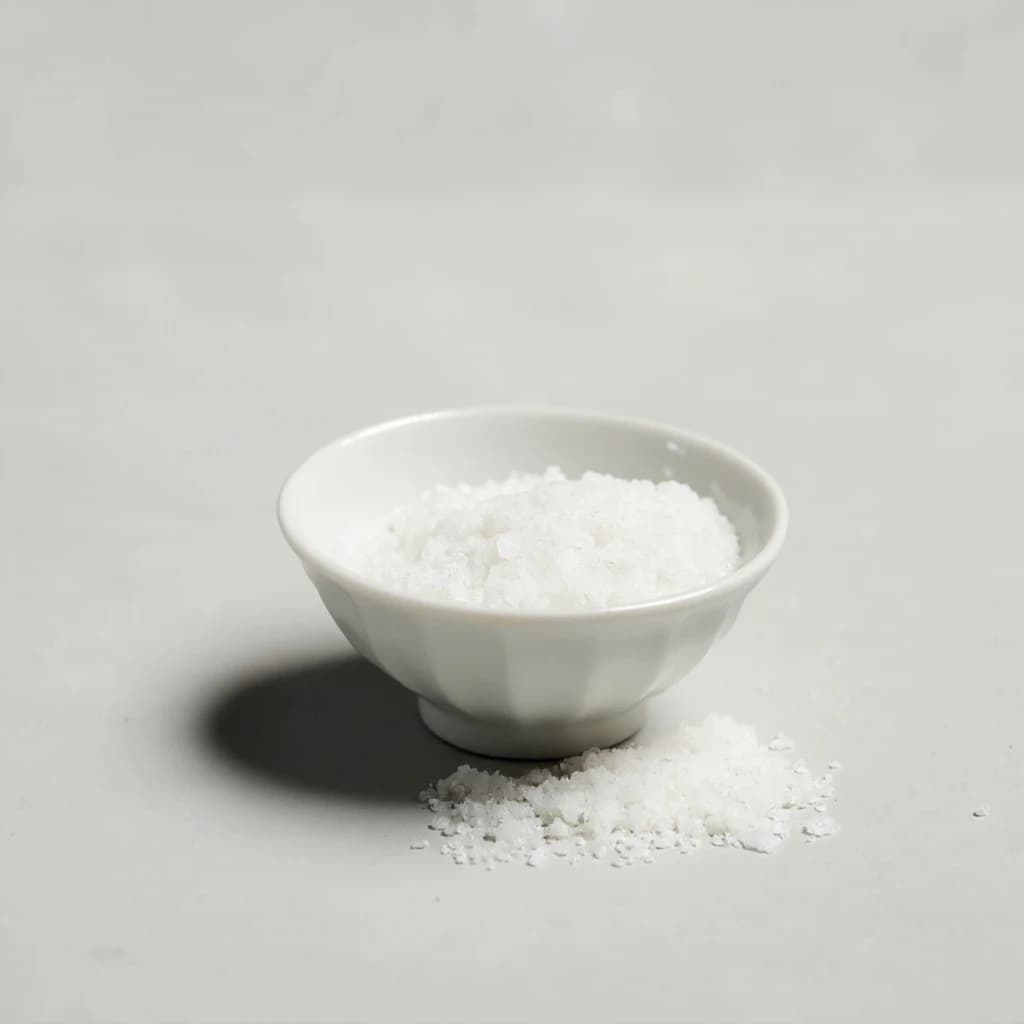
Salt
The one seasoning that makes everything else taste like itself

Black Pepper
Pungent, woody heat — best cracked fresh over anything savory
Amchur
Dried unripe mango ground to a tart, fruity souring powder
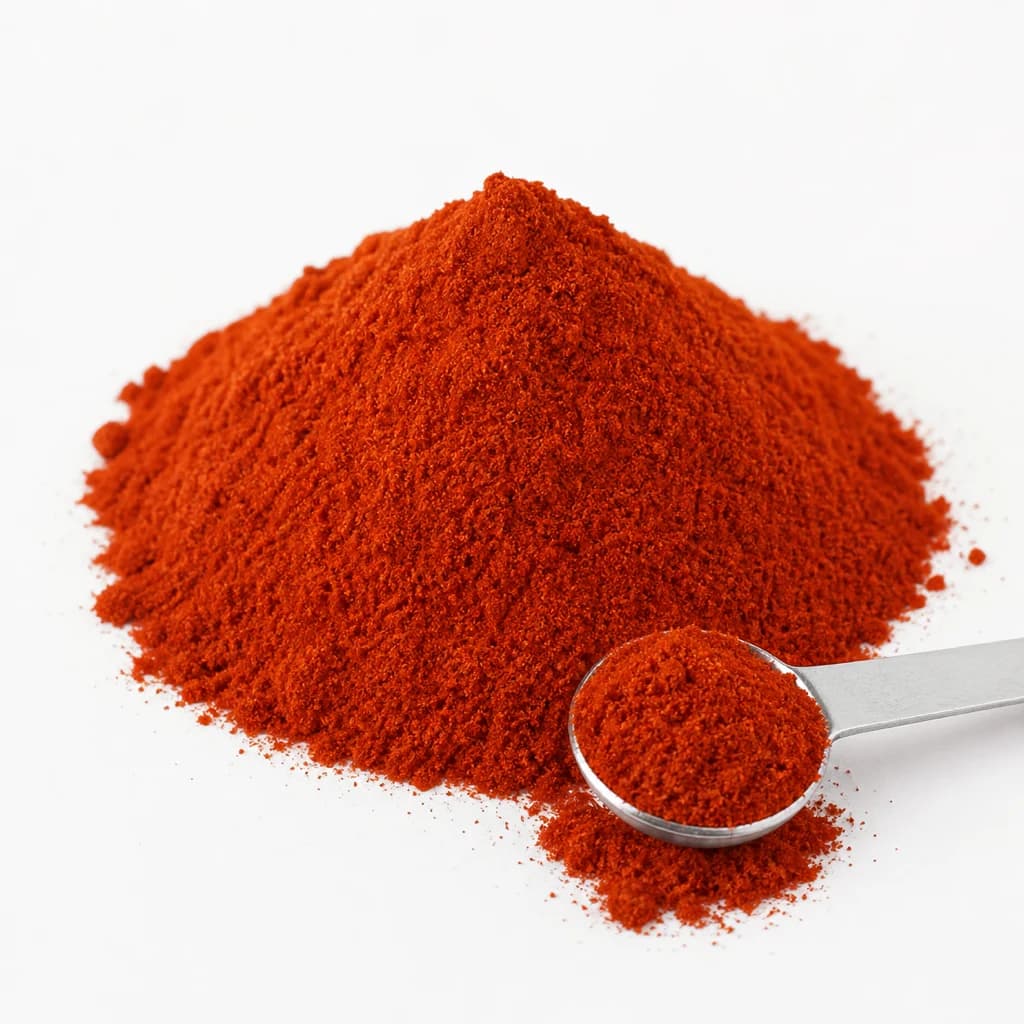
Paprika
Sweet, vivid ground pepper for color and gentle warmth
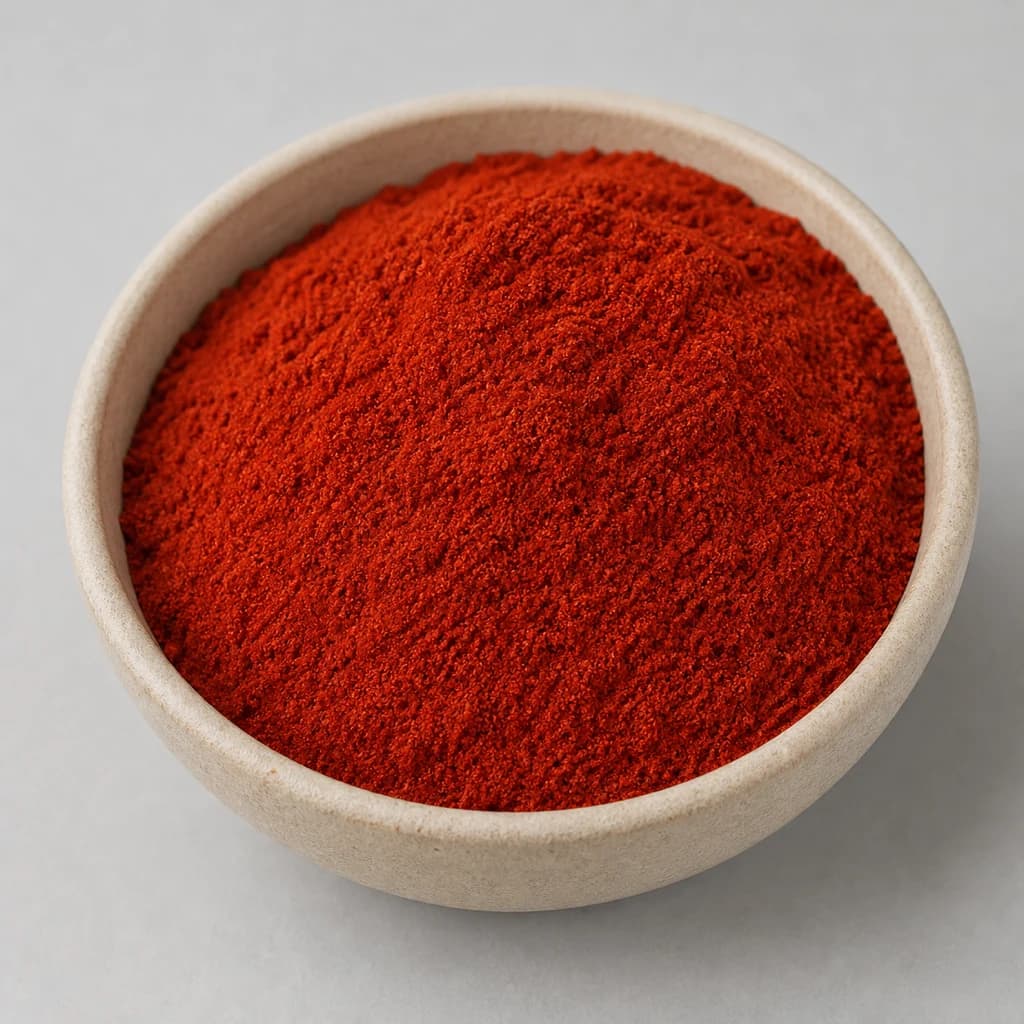
Smoked Paprika
Deep, smoky ground pepper for a campfire warmth
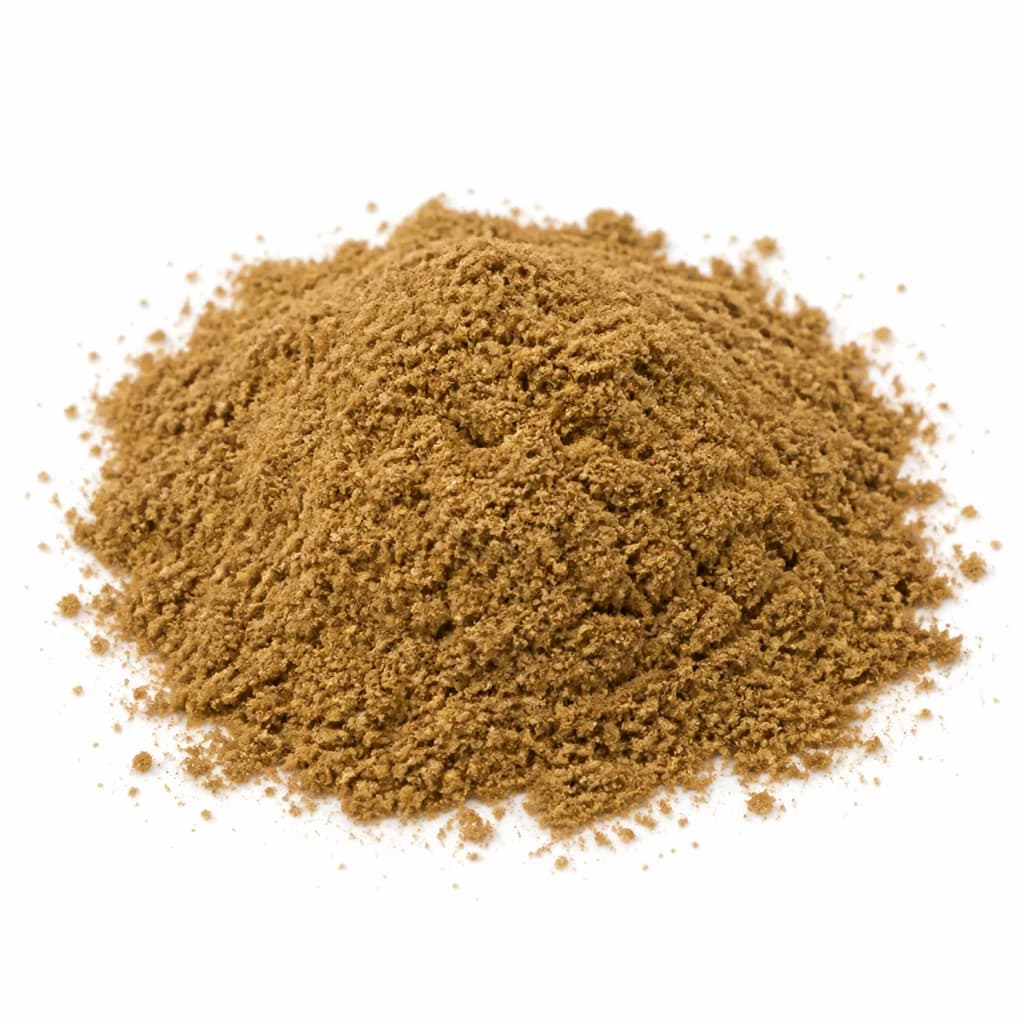
Cumin
Warm, earthy spice central to curries, chili, and tacos
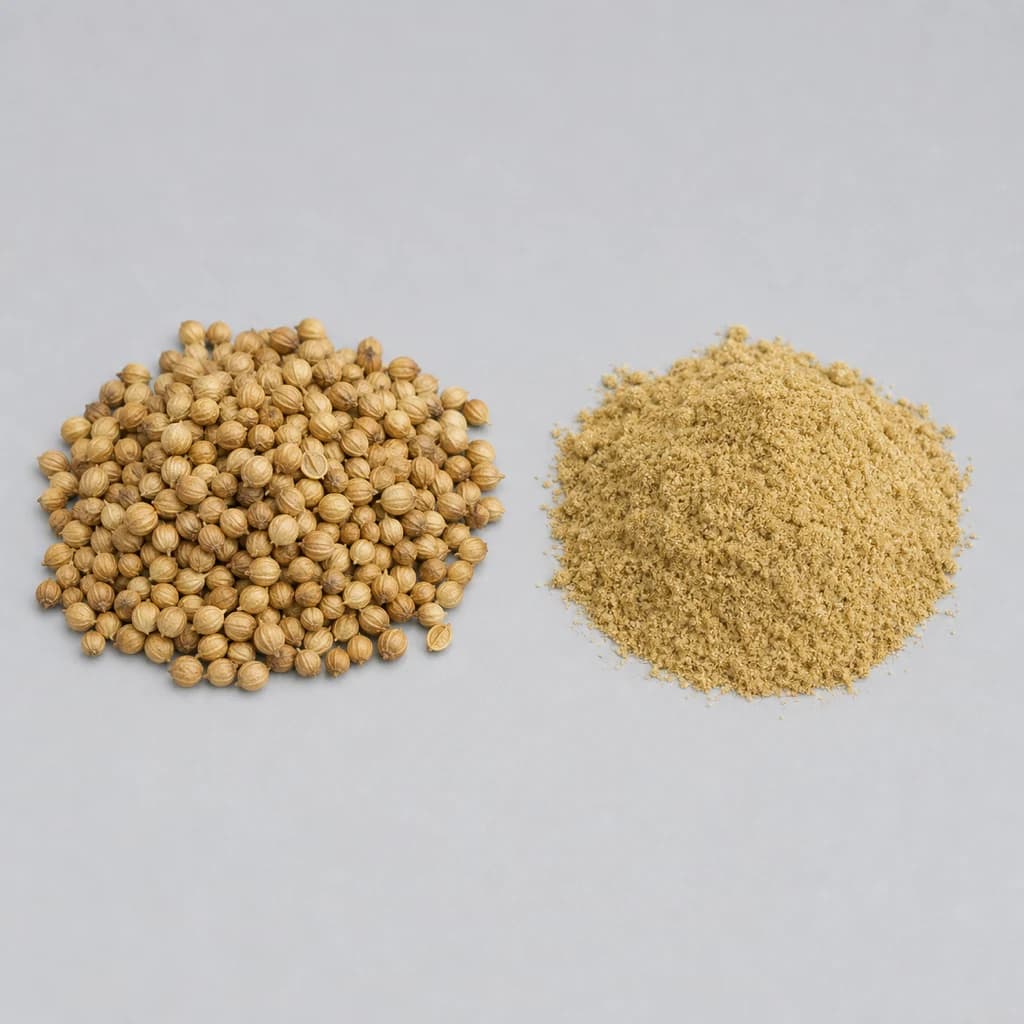
Coriander Seed
Citrusy, warm seed for curries, pickles, and rubs
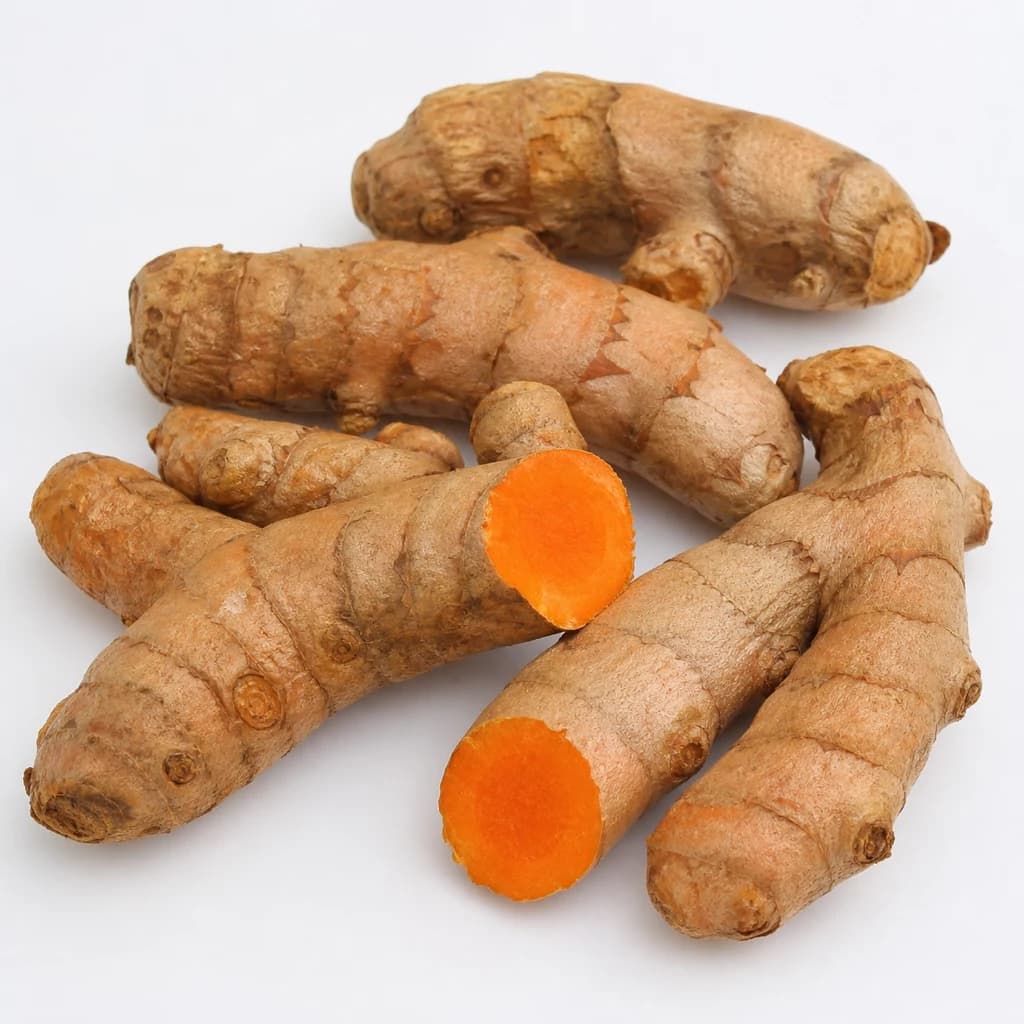
Turmeric
Golden, earthy spice for curries, rice, and color