Natural form
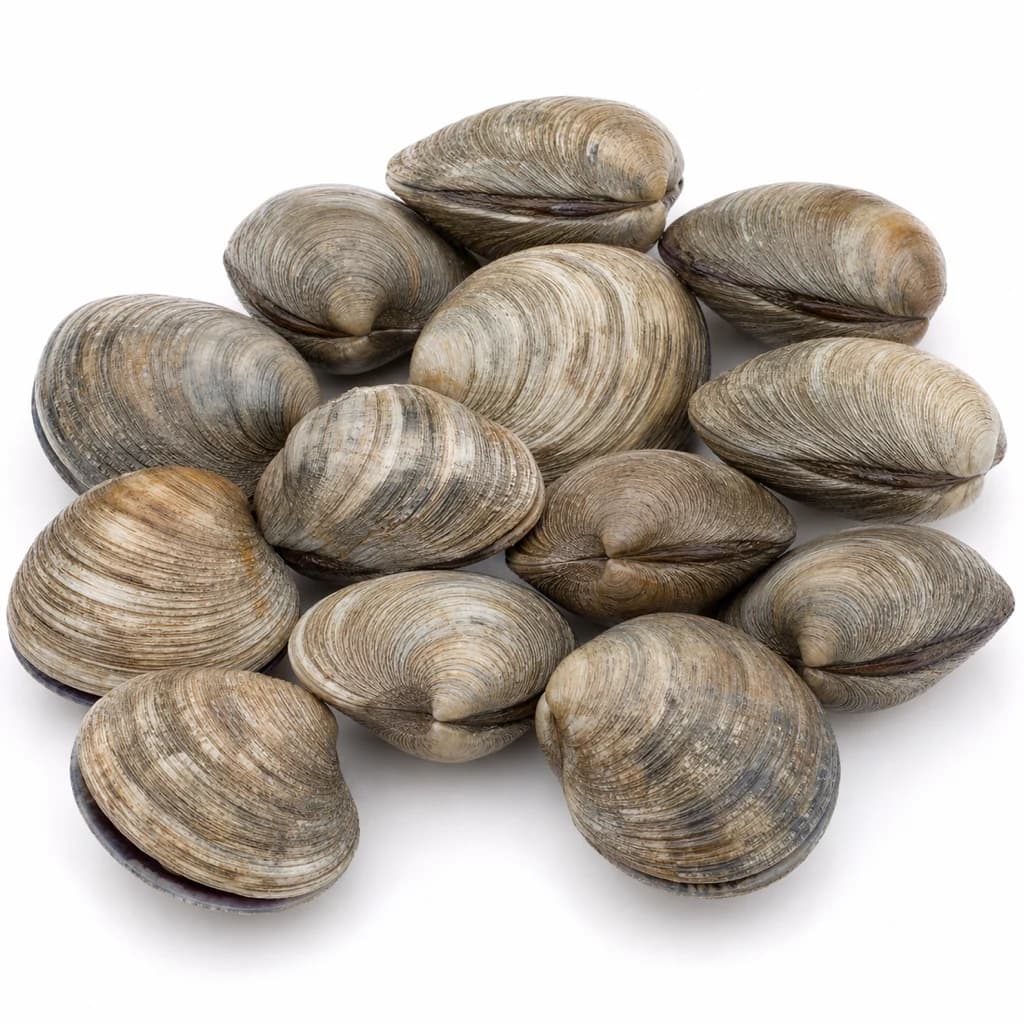
Live littleneck clams in their closed shells, showing the ribbed texture and grey-brown coloring.
Shows the reader exactly what to look for when buying fresh live clams at a market.
Proteins
Clam
Sweet, briny bivalves for chowders, pasta, and steaming
Tender and sweetly briny, clams steam open for linguine alle vongole and enrich a chowder with their liquor. Purge them of grit and cook live, the day you buy.
Clams are burrowing bivalves with sweet, briny meat, ranging from tiny tender littlenecks to big chewy chowder clams — and like mussels they steam open in their own flavorful liquor in minutes. Small hard-shell clams (littlenecks, manila, cockles) are the ones for steaming whole and for the great clam pastas (vongole), where their salty juices make the sauce. Larger clams are chopped into chowders and fritters. The challenges are purging their sand (a soak in salted water) and the same live-shellfish safety rules as mussels. Cheap, quick, and intensely of-the-sea, clams turn a handful of pantry ingredients into something special.
- Measured in
- g
- Storage
- Refrigerate
- Shelf life
- 2 days
Allergens
Find it in
Types & varieties
Small, tender hard-shells — best for steaming and vongole.
Sweet little clams, common and quick to open.
Bigger and chewier; chopped for chowder and stuffing.
Long-shelled; grilled or quickly sautéed.
Tiny sweet clams for pasta and seafood plates.
Small, tender hard-shell clam that opens fast. Steam for linguine alle vongole or chowder; the smallest size, so it stays sweet and tender.
Long narrow clam with sweet, meaty flesh that toughens if overcooked; flash-grilled, sauteed in garlic and wine, or sliced raw, cooking in just a minute or two.
How to choose
Buy live clams with tightly closed shells (or that close when tapped) and a clean sea smell; reject cracked, gaping, or strong-smelling ones. Small hard-shell clams are best for steaming whole; large clams for chowder. They should feel heavy and full.
How to store / food safety
Store live clams cold and breathing under a damp cloth in the fridge — never sealed airtight or submerged in fresh water — and cook the day you buy them. Discard any clam that won't close before cooking or won't open after. Purge sand by soaking them in cold salted water for 20–30 minutes. Cook through until the shells open and the flesh is firm, discarding any that don’t open; clams are a shellfish allergen. Raw and undercooked shellfish can carry Vibrio, norovirus, and hepatitis A — people who are pregnant, elderly, immunocompromised, or who have liver disease or diabetes should not eat them raw, as Vibrio vulnificus infection can be life-threatening for these groups.
How to cook
Soak to purge grit, scrub the shells, then steam in a hot covered pot with wine, garlic, and aromatics for five to ten minutes until they open — discard any that stay shut. For vongole, toss the opened clams and their strained liquor through pasta with garlic, chili, and parsley. Chop large clams into chowder. As with all bivalves, don't overcook them tough.
Common uses
Tips & pitfalls
- Soak clams in cold salted water 20–30 minutes to purge sand.
- Discard any clam that won't close before, or open after, cooking.
- Strain the clam liquor to catch grit, then use it in the sauce.
- Use small littlenecks or manilas for steaming and vongole.
- Don't overcook — clams toughen quickly.
Nutrition
Energy
360 kJ · per 100 g
Where the calories come from
Protein
14.7g
29% DV
Carbs
3.6g
1% DV
Fat
1g
1% DV
Fiber
0g
0% DV
Sugars
0g
of which
Sodium
601mg
26% DV
Source · USDA FoodData Central · approx. Mollusks, clam, mixed species, raw
View on FDC →In the shops
Matched grocery products
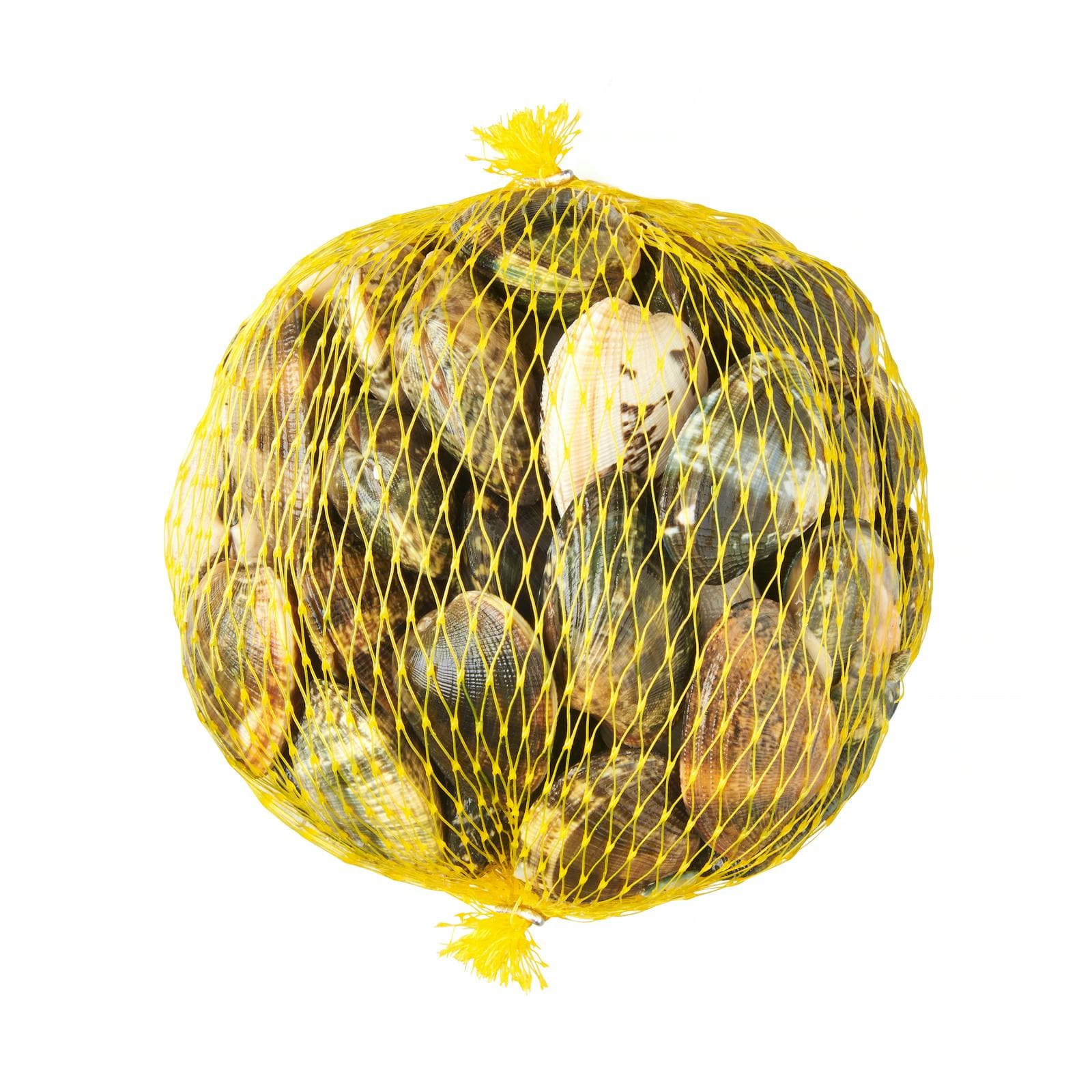 €10.70
Japanese Clam
500 g · Mercadona
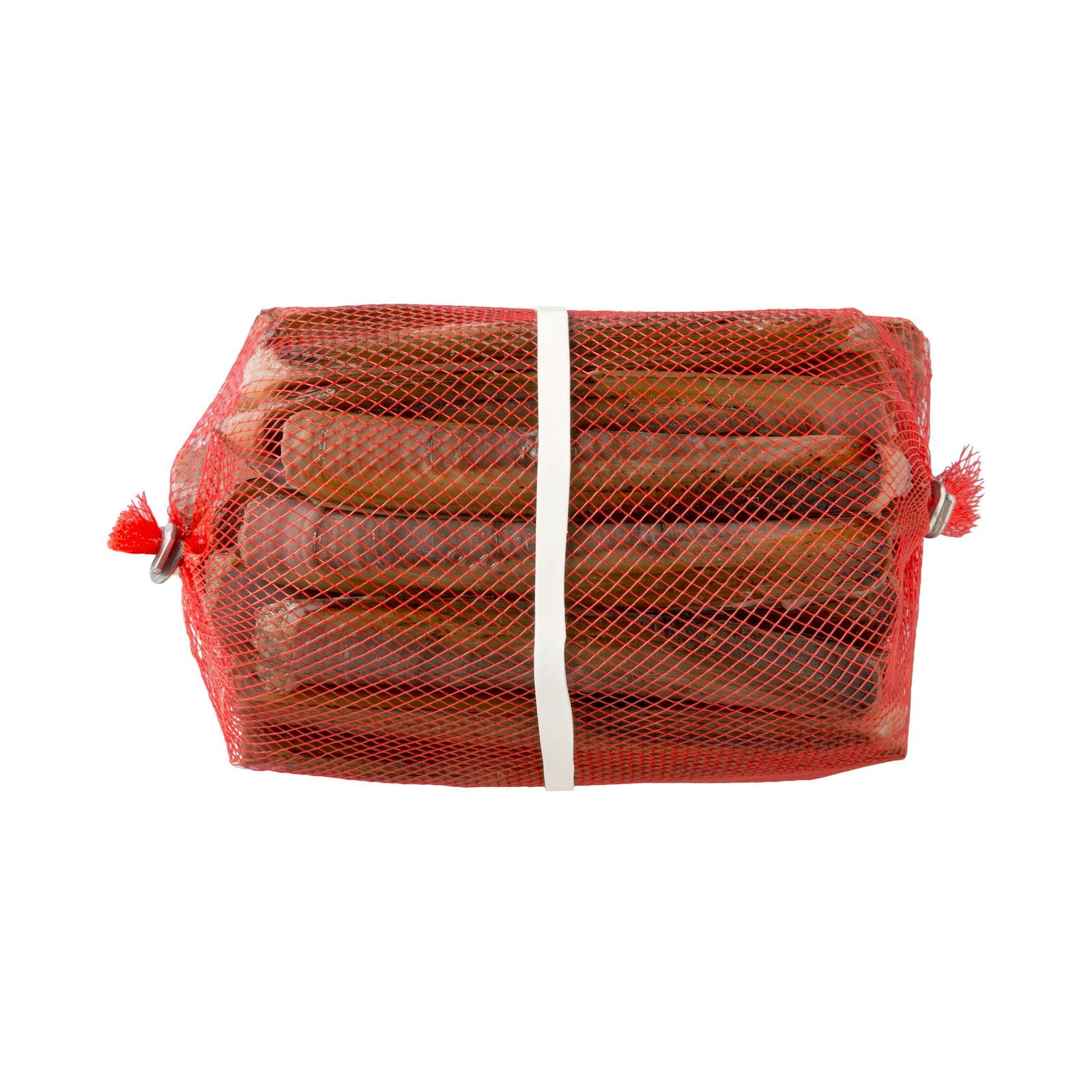 €4.50
€4.50Razor Clams
500 g · Mercadona
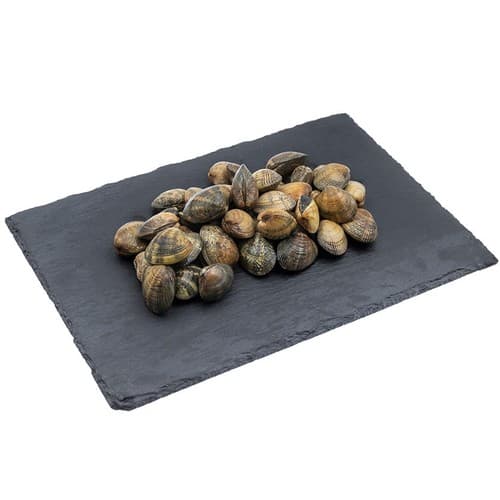 €7.50
€7.50Japanese Clam
ud · Bonpreu
 €8.65
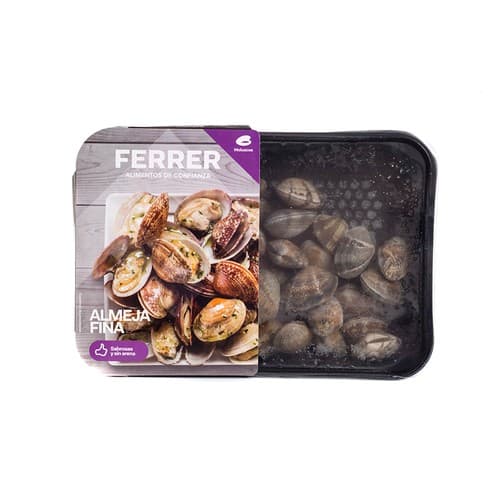
€8.65Fine Clams Ferrer
FERRER · kg · Bonpreu
 €3.35
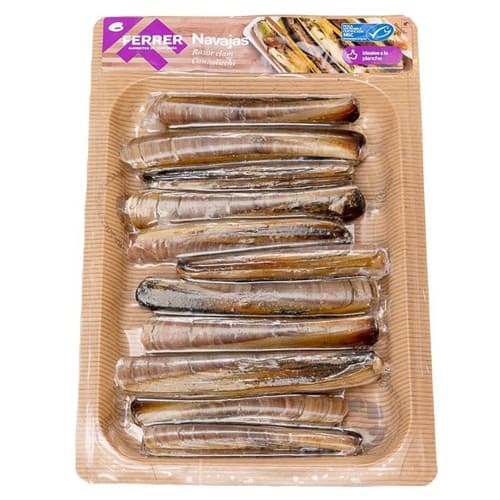
€3.35FERRER Razor Clams
FERRER · kg · Bonpreu
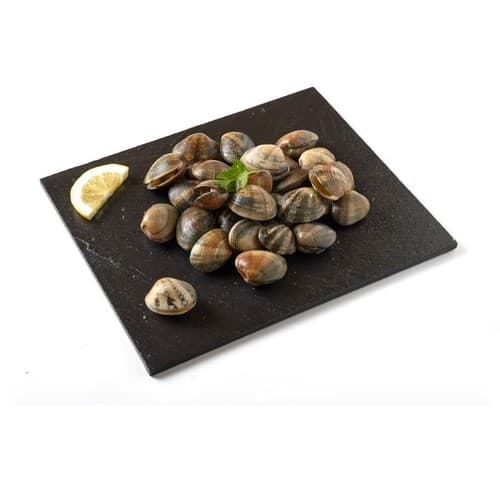 €14.99
Japanese Clam (unit)
Bonpreu
Good to know
- Cut/type
- Hard- or soft-shell bivalve; small to large
- Flavor
- Sweet, briny, mineral; tender to chewy by size
- Cook to
- Steam 5–10 min until shells open
- Nutrition
- ~148 kcal/100g cooked, ~26g protein, ~2g fat
- Buy
- Tightly closed shells, fresh sea smell, alive
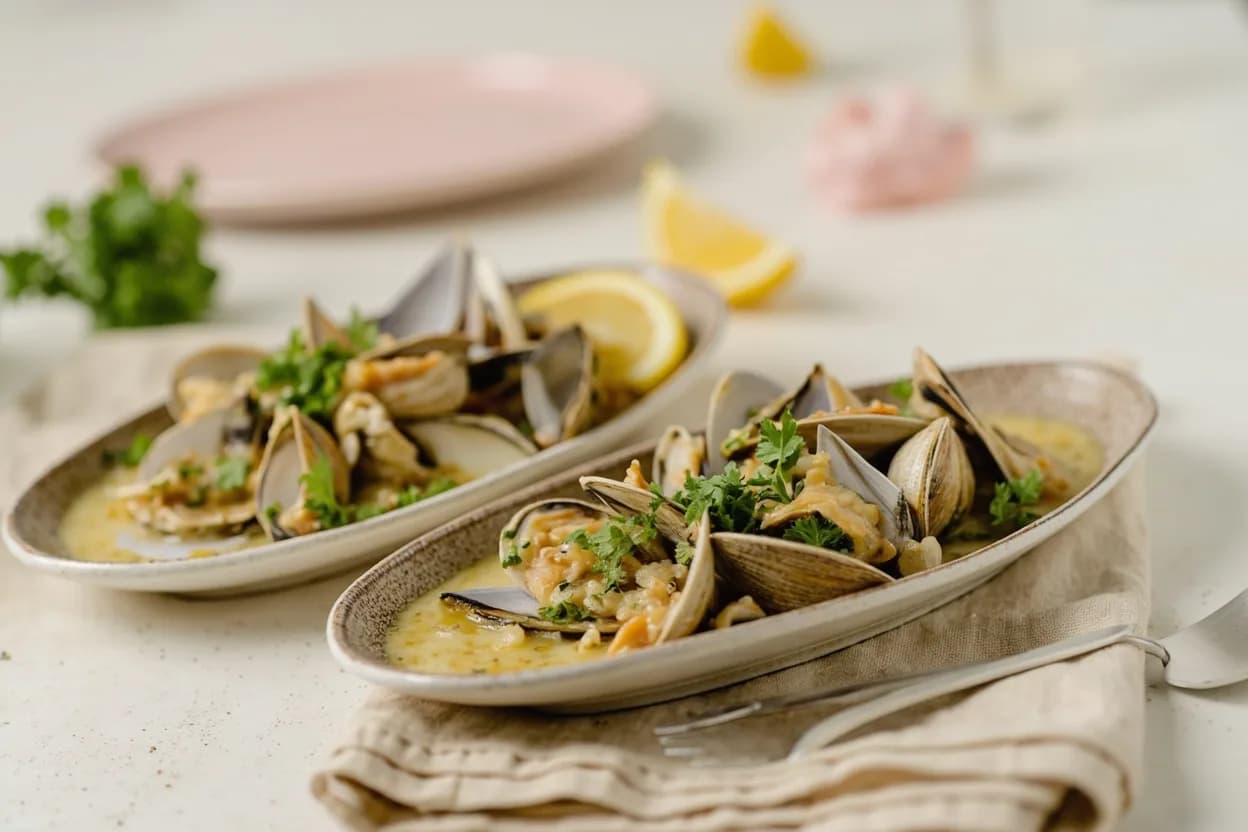
Appears in these dishes
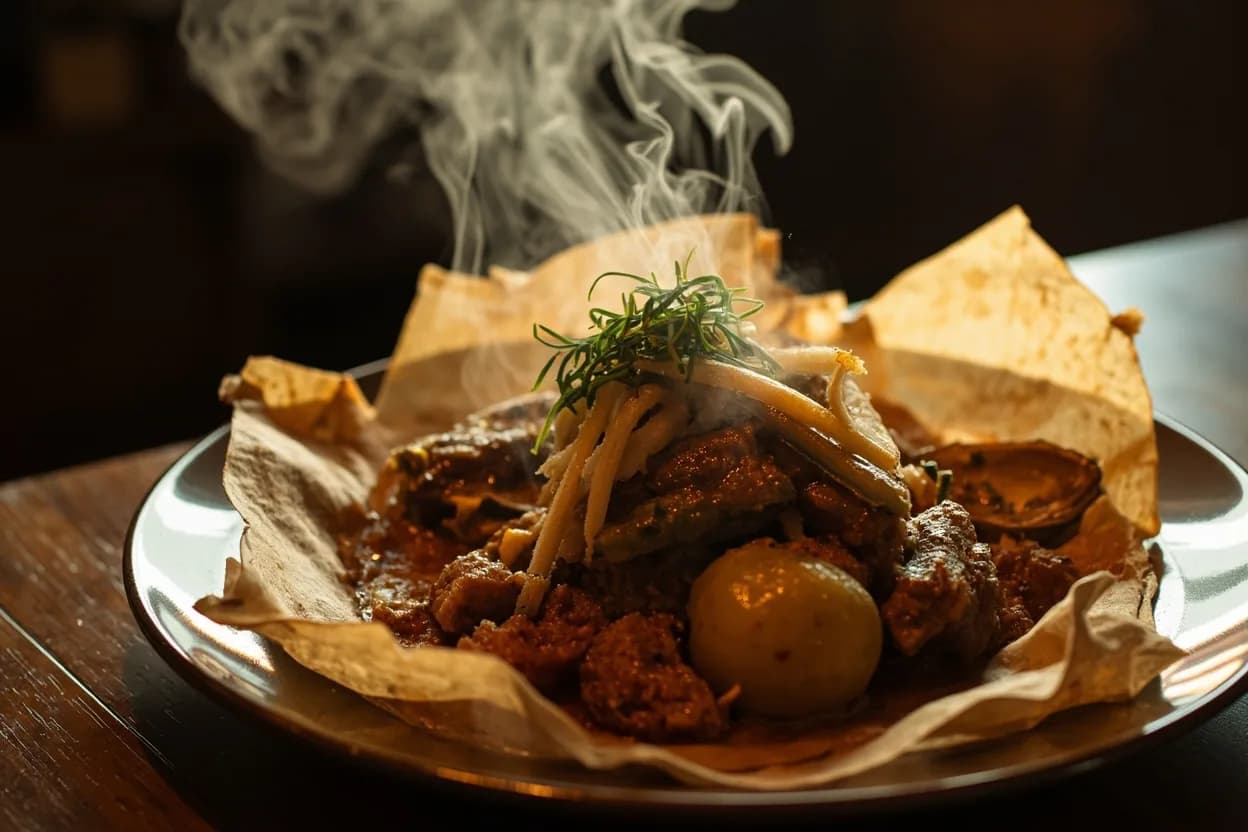
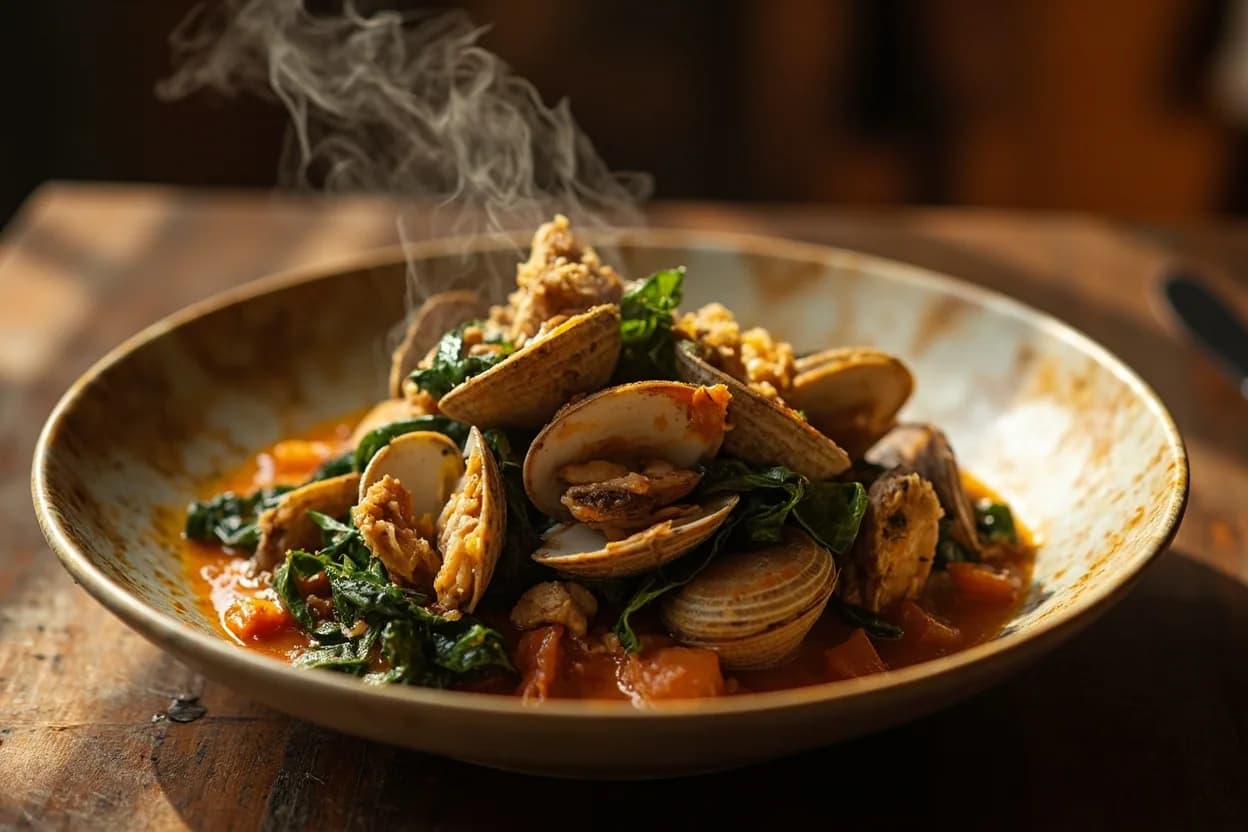
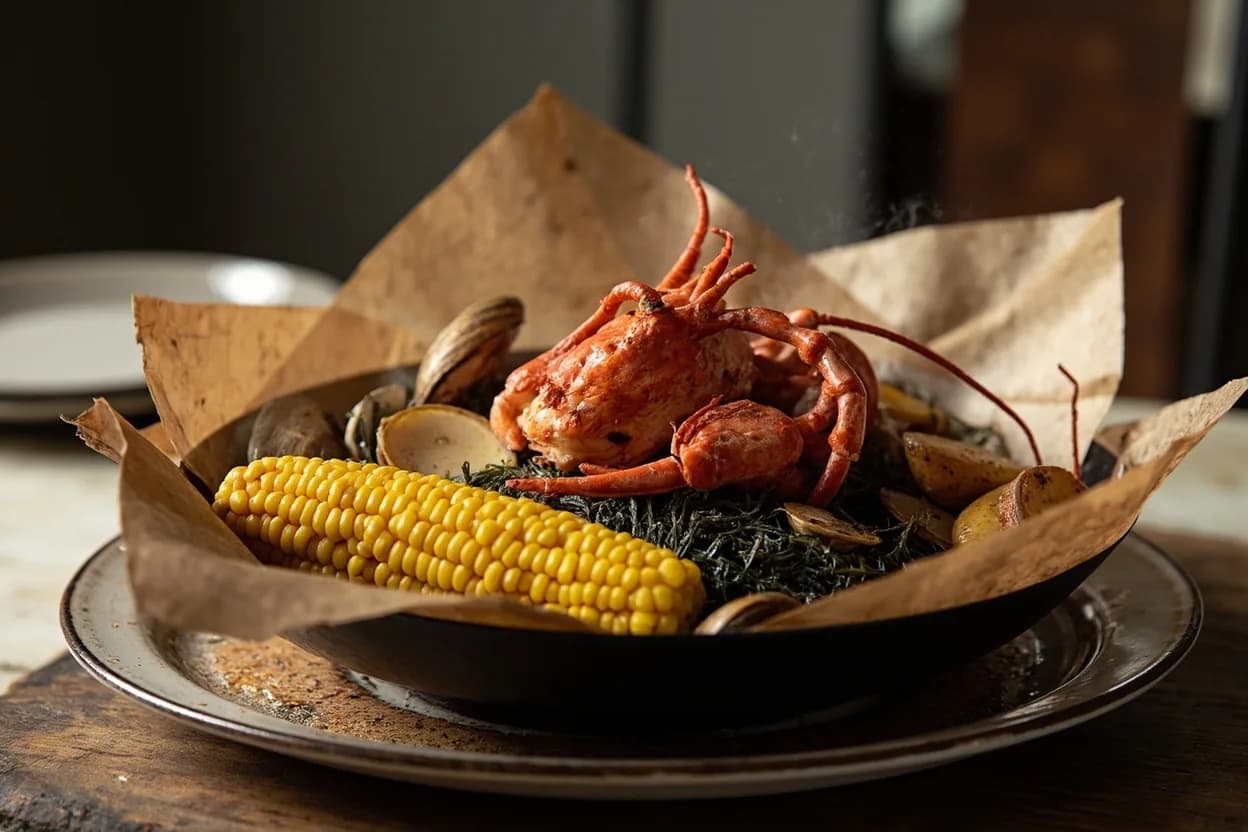
Related
Egg
The kitchen's everything ingredient — bind, leaven, enrich, or fry
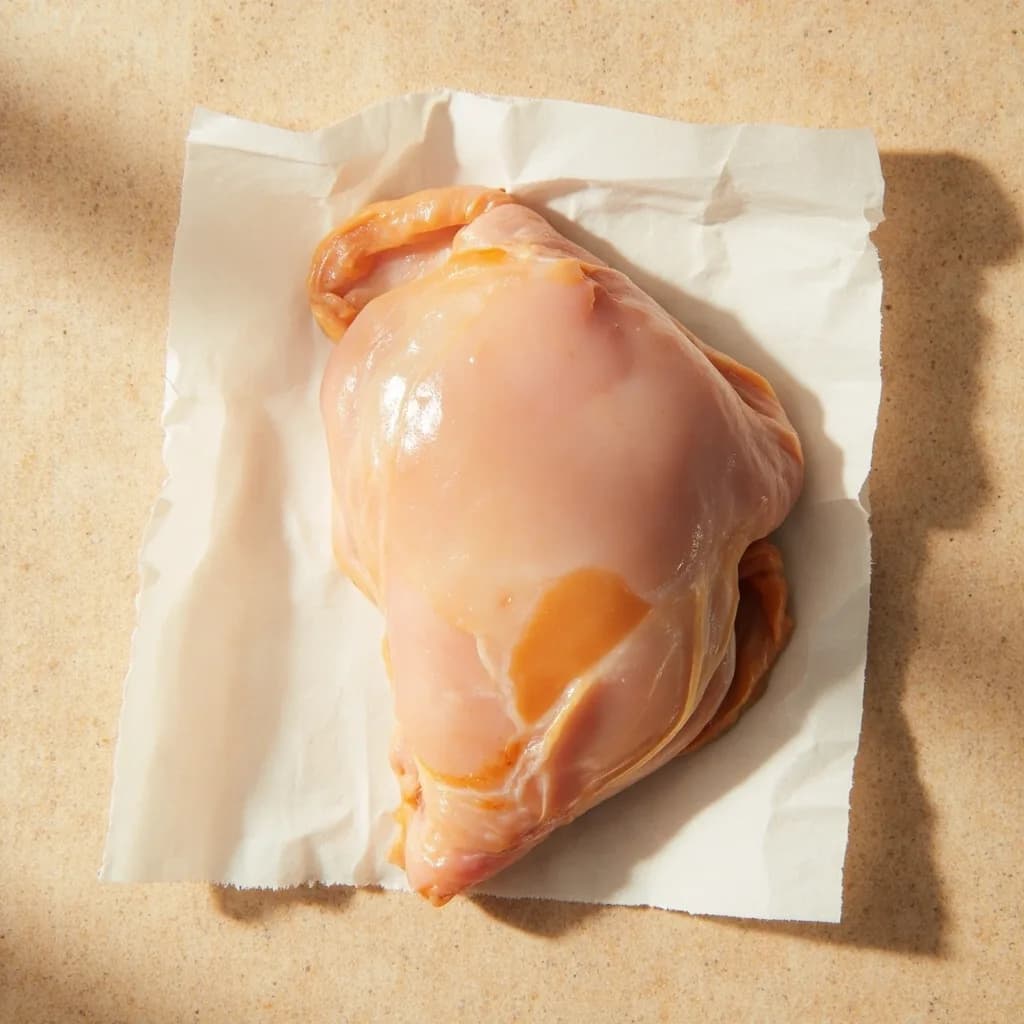
Chicken Breast
Lean, quick-cooking white meat for everyday dinners

Ground Beef
Versatile minced beef for burgers, ragù, tacos, and meatballs
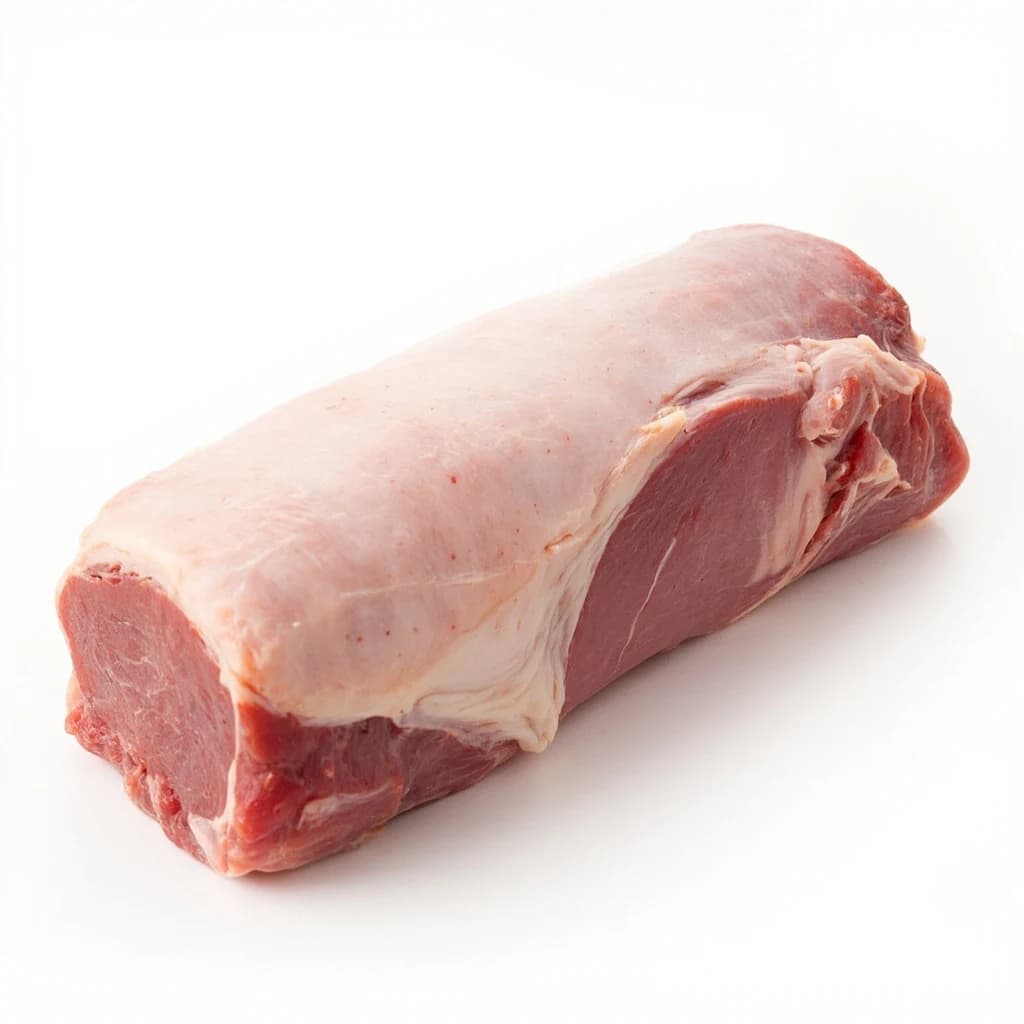
Pork Loin
Lean, tender roasting cut that stays juicy with care
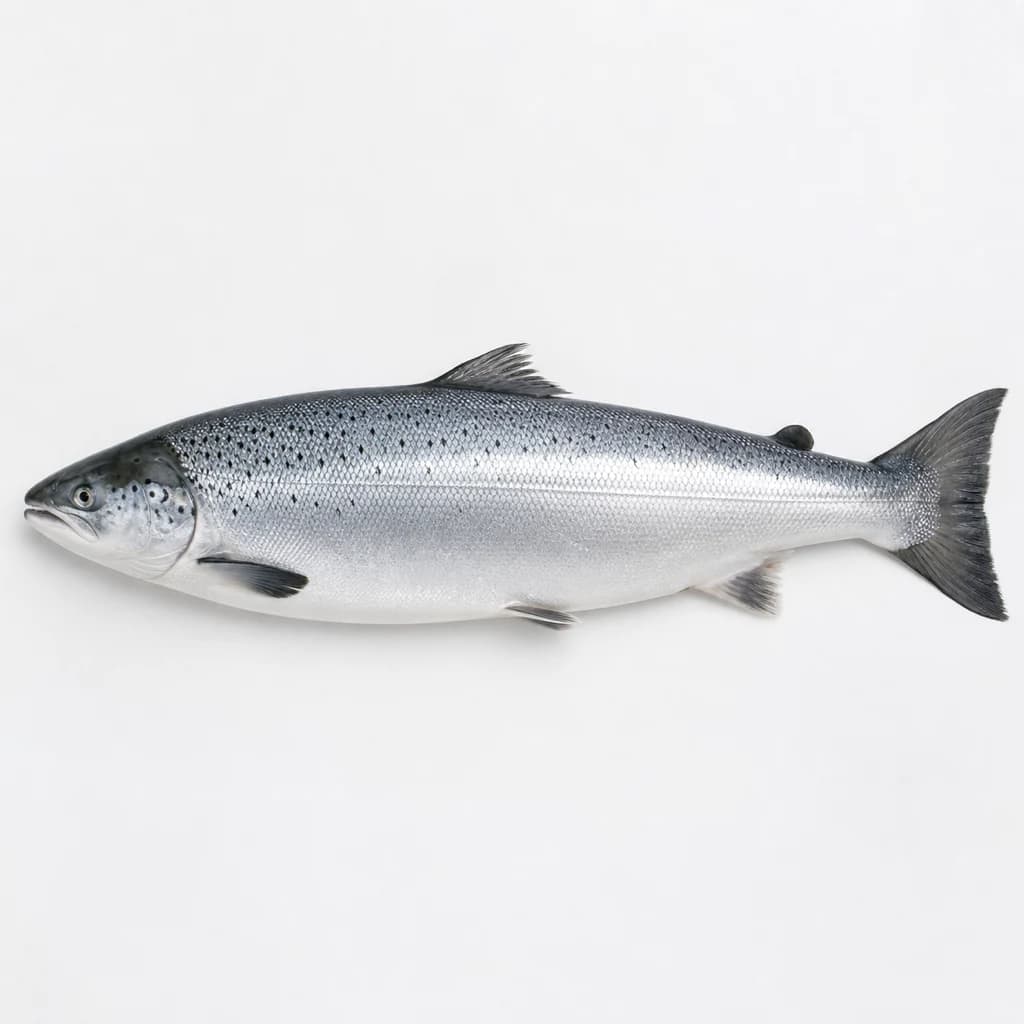
Salmon
Rich, rosy fish that roasts, grills, or cures beautifully

Egg White
Pure protein that whips to airy peaks for meringue and more
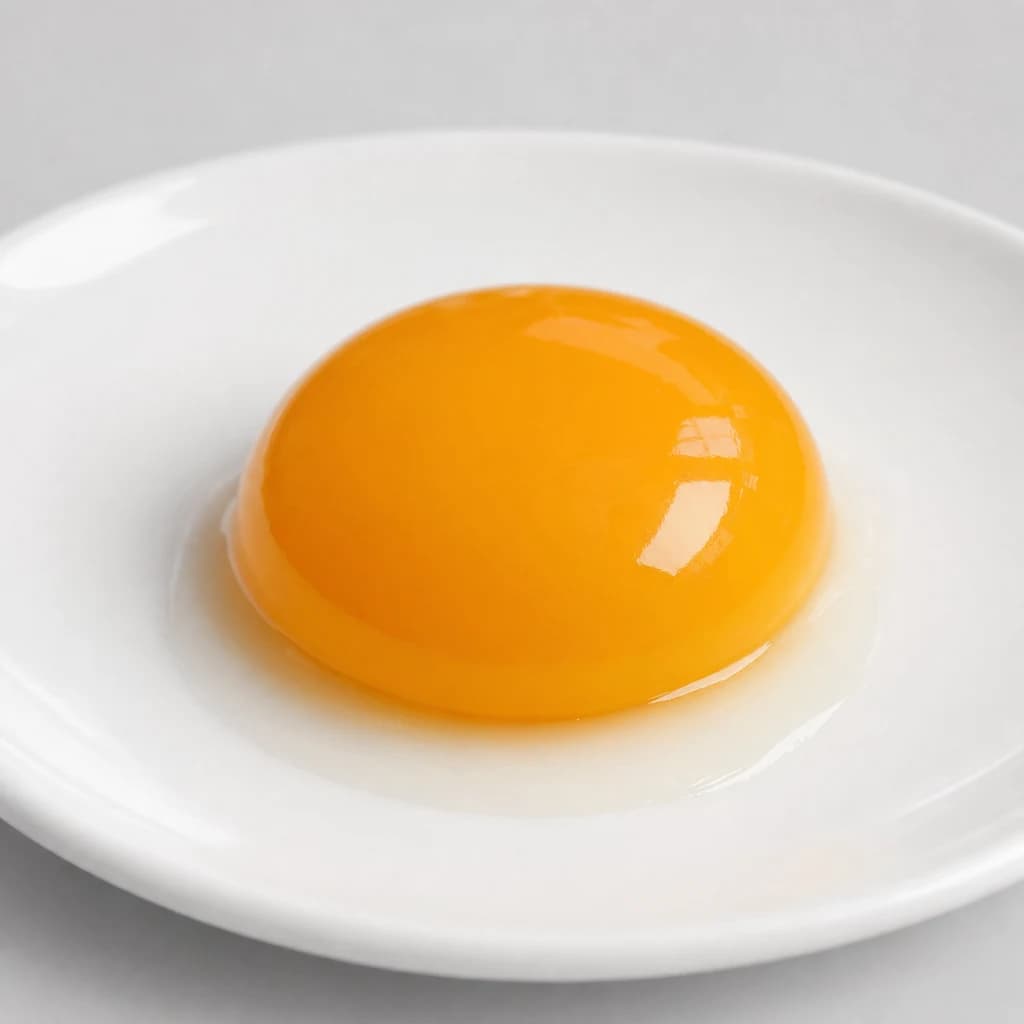
Egg Yolk
Rich, golden yolk for custards, mayonnaise, and pasta

Quail Egg
Tiny, speckled eggs for garnishing and elegant bites