Proteins
Cow Foot
Collagen-heavy bovine foot used in Caribbean and African slow-cooked stews.
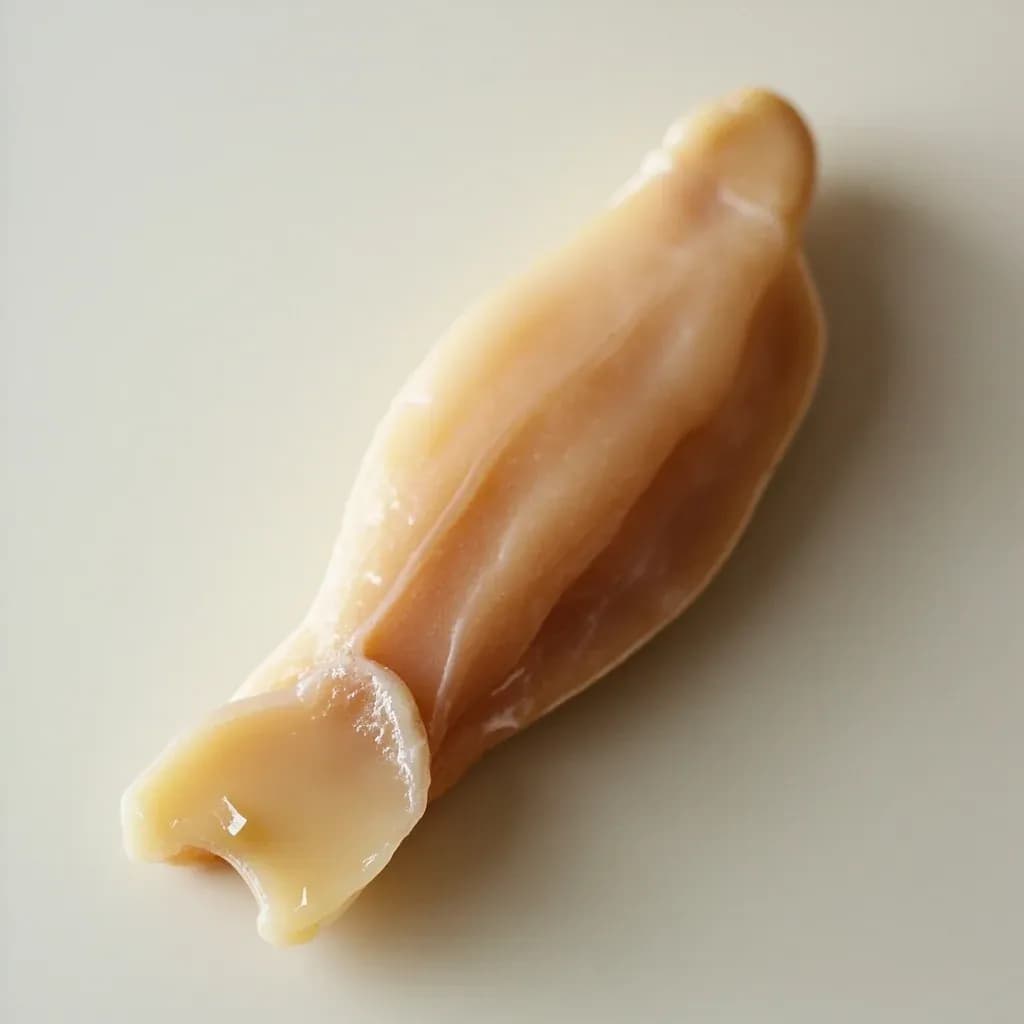
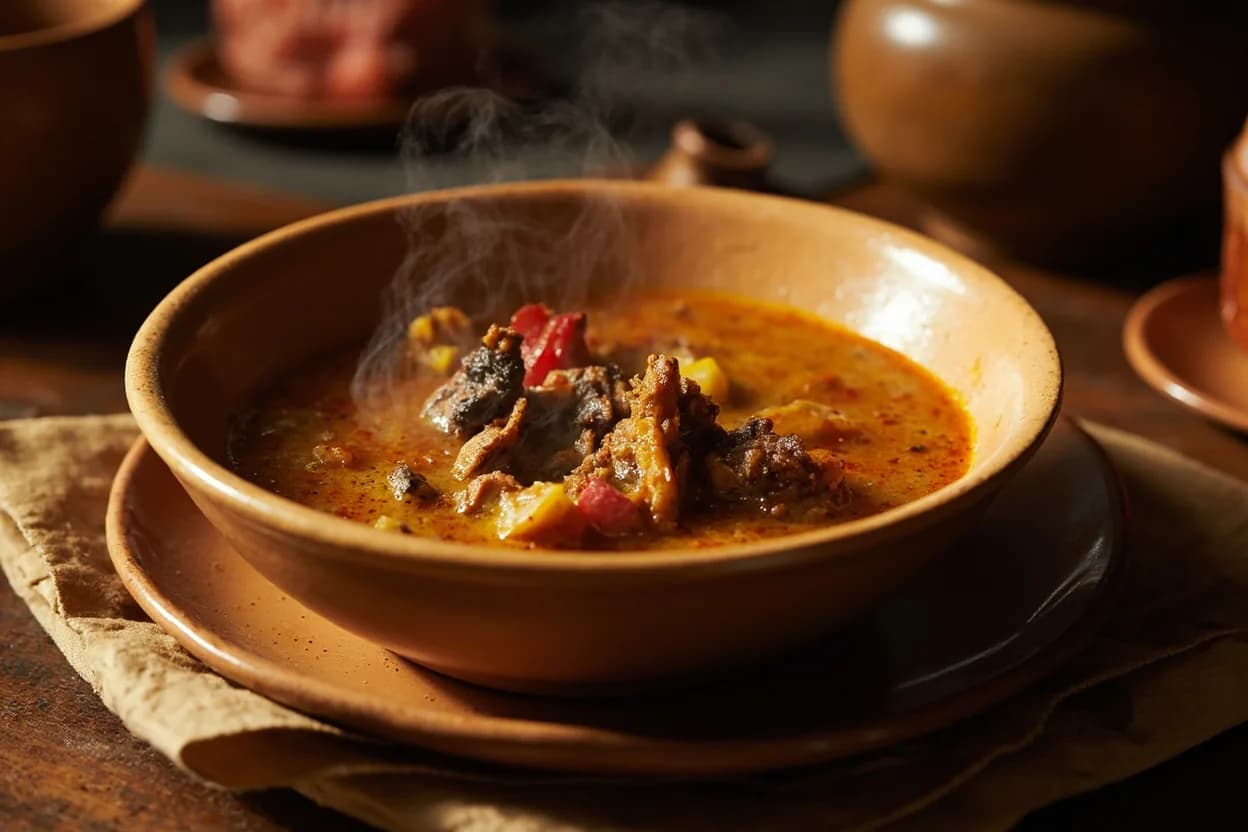
Cow foot is the singular cut of cattle's lower leg, cooked for hours so its abundant connective tissue melts into a thick, gelatinous broth. It anchors Jamaican cow foot stew and many soul-warming braises. The meat clinging to the bone becomes spoon-tender after long simmering.
Cow foot is the lower leg of a bovine animal, including the hoof, sold as an offal cut prized almost entirely for its extraordinary collagen content. Unlike muscle meats, which are valued for their protein and flavor, cow foot earns its place in the pot for what happens to it during long, slow cooking: the collagen-dense connective tissues gradually dissolve into gelatin, transforming a tough, rubbery cut into yielding, silken meat while simultaneously enriching any broth or stew with body. This collagen conversion is the engine behind the glossy, unctuous sauces and deeply satisfying soups of Caribbean and West African cooking. The meat itself is mild and neutral; the true reward is the gelatinous richness it imparts and the velvety mouthfeel it creates. Before cooking, the foot is typically split lengthwise to expose the marrow and inner surfaces, and the keratinous hoof is removed—either before purchase or after cooking, as it does not soften appreciably. When properly cooked, the foot yields meat that pulls apart with minimal resistance, and the cooking liquid, when cooled, will set to a trembling jelly, confirming complete collagen conversion.
- Measured in
- g
- Storage
- Fridge
Types & varieties
Intact lower leg including hoof; typically split before sale at market
Halved lengthwise; most common retail form; exposes marrow and inner surfaces for better cooking
Upper portion above the pastern joint; more muscular, cooks slightly faster
From older or larger cattle; tougher texture; requires longer cooking time
Understanding Collagen Conversion
The transformation of cow foot from tough to tender is a function of temperature and time. Collagen begins to dissolve into gelatin at around 160°F (71°C), but the process is slow—most of it occurs between 180°F and 200°F (82–93°C) over several hours. This is why rapid boiling is counterproductive: it agitates the muscle fibers before the surrounding collagen has time to liquefy, resulting in meat that is simultaneously dry and rubbery. A bare simmer, with only occasional bubbles breaking the surface, is the target. The reward for patience is measurable: a properly cooked cow foot will reduce the cooking liquid's viscosity dramatically, and that liquid will form a stable gel when chilled, indicating substantial gelatin content. This gelatin enriches any dish it touches, adding a silky body that no amount of muscle meat can replicate.
- Patience is the primary technique; there are no shortcuts that preserve quality
- Pressure cooking at 15 PSI can achieve equivalent results in 45–60 minutes
- The gel test: refrigerate a spoonful of broth; if it sets firmly, collagen conversion is complete
Preparation Essentials
Raw cow foot requires careful preparation before it enters the actual cooking vessel. Parboiling—blanching in boiling water for 10 minutes, then draining and rinsing—removes blood, proteins, and accumulated impurities that would otherwise cloud the broth and impart off-flavors. During this parboiling, a grayish foam will rise to the surface; this is the impurities being drawn out and should be discarded along with the water. The outer skin, which may carry hair, should be scrubbed with a stiff brush or singed over an open flame before cooking. The keratinous hoof itself is not edible and is either removed before cooking or picked away from the meat after—the latter is easier, as cooking loosens its attachment to the foot.
- Never skip the parboil-and-rinse step; it is not optional for clean results
- Reserve the parboiling water only if making a rustic, highly flavored dish; discard for clear broths
- The yellow fetlock (cartilage and tendons at the joint) is prized in Caribbean cooking and should be preserved
Common uses
Tips & pitfalls
- Always parboil for 10 minutes, drain, and rinse before slow-cooking to remove impurities and achieve a cleaner broth—skipping this is the most common mistake
- Cook in a covered vessel with liquid at a bare simmer; never boil vigorously or the meat will toughen before collagen converts to gelatin
- Use a pressure cooker to reduce cooking time to 45–60 minutes while achieving the same collagen breakdown without monitoring liquid levels
- Skim fat and impurities from the surface during the first 30 minutes of cooking for a clearer result
- Reserve the cooking liquid—it is intensely flavored and gelatin-rich; use as a base for sauces, rice, or as a concentrated stock
- Season toward the end of cooking; salt added too early can tighten the collagen and prevent it from fully releasing gelatin
- Do not discard the yellow fetlock (tendons and cartilage at the joint); these are prized for texture in many Caribbean preparations
- The outer skin with hair should be scrubbed thoroughly or singed before cooking; the skin will become tender during the long cook but any remaining hair should be removed
Nutrition
Nutrition
No USDA FoodData Central match for Cow Foot yet. We surface a per-100 g profile once a generic whole-food entry is matched and verified.
In the shops
Matched grocery products
No matched grocery products for Cow Foot yet.
Good to know
- Type
- Bovine offal (lower leg, including hoof)
- Primary Asset
- Collagen (converts to gelatin when cooked)
- Typical Form
- Split lengthwise for easier cooking; outer skin and hair present
- Cooking Time
- 2–4 hours minimum; 4–6 hours for fully tender meat at bare simmer
- Texture Result
- Tender, yielding meat; broth sets gelatinous when cooled
- Availability
- Ethnic markets, Latin grocery stores, specialty butchers; often frozen
- Shelf Life
- 1–2 days refrigerated; up to 6 months frozen
- Cut Variants
- Whole foot, split foot, cow heel (upper portion only)
Substitutes
- Pork Trotters — Similar collagen content and cooking behavior; slightly milder flavor; appropriate substitute in most applications
- Chicken Feet — Smaller scale; higher skin-to-meat ratio; excellent for adding body to stocks; insufficient for dishes where foot is the centerpiece
- Oxtail — Contains collagen and marrow; faster cooking; not equivalent but acceptable in stews and soups calling for body
- Beef Tendon — Pure collagen; requires similar long cooking; good for gelatin extraction but lacks meat component
Pairs with
Also called
Cow Feet · Beef Foot
Appears in these dishes
Related

Egg
The kitchen's everything ingredient — bind, leaven, enrich, or fry

Chicken Breast
Lean, quick-cooking white meat for everyday dinners

Ground Beef
Versatile minced beef for burgers, ragù, tacos, and meatballs

Pork Loin
Lean, tender roasting cut that stays juicy with care

Salmon
Rich, rosy fish that roasts, grills, or cures beautifully

Egg White
Pure protein that whips to airy peaks for meringue and more

Egg Yolk
Rich, golden yolk for custards, mayonnaise, and pasta

Quail Egg
Tiny, speckled eggs for garnishing and elegant bites