Natural form
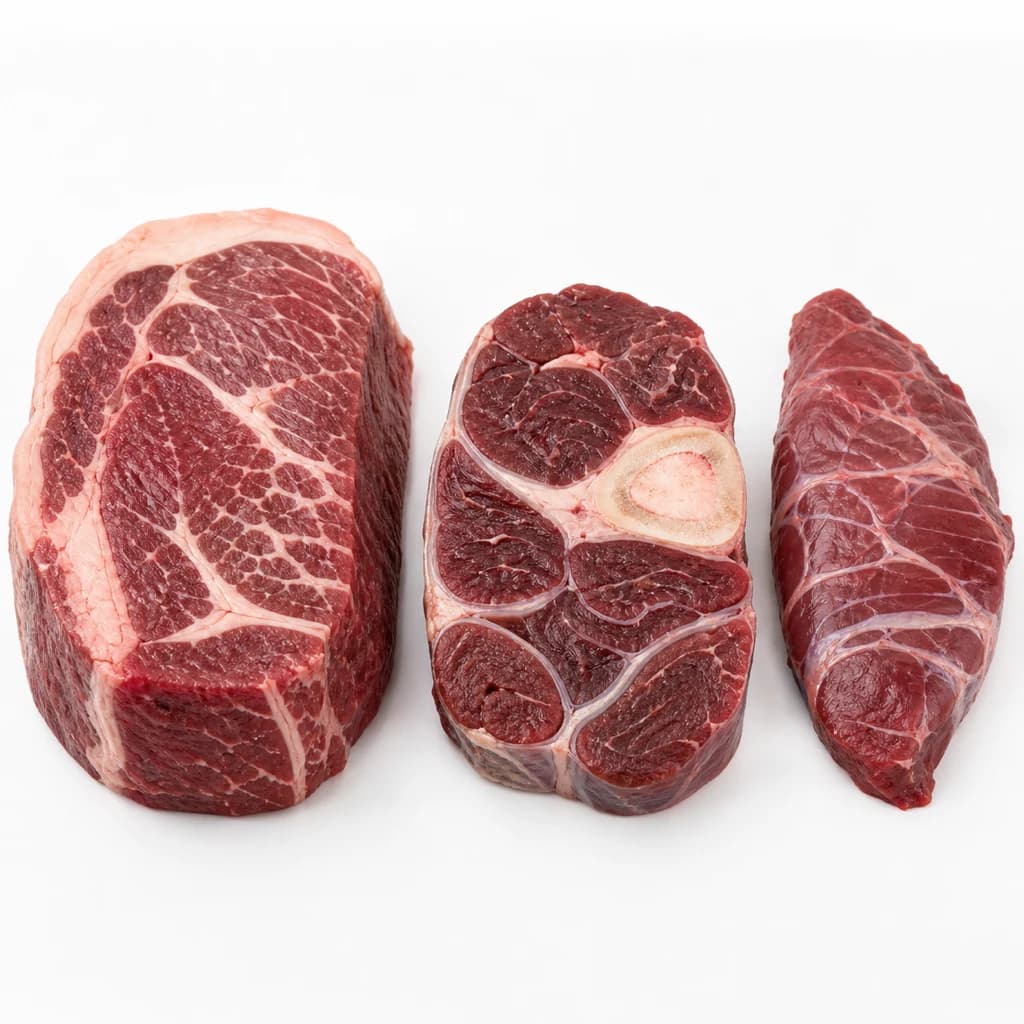
Raw chuck and shin cuts showing the marbled, collagen-rich beef used for slow braising.
Shows the reader what raw stewing beef looks like before any preparation — the thick sinew, fat marbling, and deep red muscle that signal collagen-rich braising cuts.
Proteins
Stewing Beef (Boeuf à Daube)
Tough, flavorful beef cut braised low and slow into tender Provençal daube.
Stewing beef refers to tougher, collagen-rich cuts like chuck or shin that turn meltingly tender with long, slow braising. In Provençal cooking it is the heart of boeuf à la daube, marinated and stewed in red wine with herbs, orange peel, and vegetables. The slow cook breaks down connective tissue into rich, silky sauce.
Stewing beef for daube is not a single cut but a category of tough, collagen-rich beef ideal for long, moist braising in red wine—a technique that transforms economical, flavor-dense meat into the hallmark Provençal one-pot. The defining characteristic of properly selected daube beef is its ability to yield fork-tender texture while enriching the braising liquid with natural gelatin, producing the dish's signature glossy, jellied sauce that sets when cold. Choose cuts with generous marbling and visible connective tissue: chuck, blade, brisket, shin, or neck; these muscles from the working parts of the animal develop deep flavor that rewards patience. The dish is deeply regional to Provence, particularly around Avignon, the Luberon, and Nice (where it is called daube niçoise). The best daubes are made a day ahead, refrigerated overnight to solidify the fat for skimming, then reheated gently—the fat cap removed cleanly before re-serving for a cleaner, more intensely flavored result.
- Measured in
- g
- Storage
- Fridge
Types & varieties
The most traditional choice for daube in Provence; excellent marbling, rich beefy flavor, becomes very tender when braised.
Near the shoulder; good connective tissue, shreds silkily after long braising.
Dense and well-marbled, especially the point cut; excellent for daube; the leaner flat cut still benefits from long, moist heat.
Cross-cut femur with marrow bone; adds body and richness to the sauce; popular in Nice-style daubes.
Collagen-rich; very traditional for authentic daube; requires the longest braising time but yields exceptional tenderness.
The Collagen Factor
The secret to daube's velvety texture lies in collagen, the connective tissue surrounding muscle fibers in working cuts. When heated slowly in liquid above 160°F/71°C, collagen hydrolyzes into gelatin—a process called collagen melting that can take 2–4 hours depending on cut and size. This gelatin enriches and thickens the sauce without any thickener, creating the dish's characteristic silky mouthfeel and jelled consistency when cold. Rushing this process by using higher heat produces dry, stringy meat rather than tender, yielding flesh. The collagen-rich cuts also benefit from the wine's acidity, which helps break down tough fibers and penetrate the meat.
- Silverskin (white connective tissue) must be trimmed; it does not melt and makes meat tough.
- Add a splash of wine vinegar or lemon juice at the end to brighten sauce; it won't tenderize during cooking but brightens finished flavor.
- A wobbling pot (slight liquid movement) indicates correct low-and-slow braise temperature.
Make-Ahead Advantage
Daube is a dish that rewards planning. The traditional method calls for overnight marinating of the beef in wine and aromatics, followed by a day of cooking, then resting overnight in the refrigerator. This resting period serves two purposes: solidified fat rises to the surface and can be skimmed off completely before reheating, and the sauce itself deepens and harmonizes as flavors meld. Reheat gently over low heat, never boiling, to preserve the tender texture of the meat. Many Provençal cooks insist daube tastes better on the third day than the first.
- Refrigerate overnight after cooking; the next day, remove the solid fat cap with a slotted spoon or by lifting it off with paper towels.
- Reheat in a covered pot at 300°F/150°C for 30–40 minutes, or over very low stovetop heat.
- Do not freeze the finished daube with the fat cap on; remove it first or the texture will suffer upon thawing.
Common uses
Tips & pitfalls
- Cut against the grain into 5–7 cm chunks; pieces cut against the grain hold their shape better during long braising and yield more tender results.
- Season aggressively with salt only after browning; seasoning raw meat draws moisture and prevents a proper sear—the foundation of daube flavor.
- Brown meat in batches in a hot, dry pot—overcrowding drops the temperature and causes steaming instead of searing, leaving meat gray and bland.
- Deglaze the pot with wine, scraping up all the fond (caramelized protein); this is the flavor foundation of the entire dish—every bit matters.
- Add tomatoes or tomato paste only after deglazing; adding acid before the fond develops dulls the Maillard reaction and sacrifices depth.
- Tie bay leaf, sprig of thyme, and strip of orange peel in a bundle for easy removal before serving—the peel is traditional in daube niçoise.
- Oven-braising at a steady low temperature produces more even results than stovetop, which can hot-spot and scorch.
- Cover tightly during the final 2 hours to retain steam and melt collagen into natural gelatin—do not stir, which tears tender braised meat apart.
- Finish with a splash of aged red wine vinegar or lemon juice just before serving to brighten the sauce; use only a few drops.
- Serve with pasta (penne, rigatoni), soft polenta, mashed potato, or torn baguette—rice is not traditional for this dish.
Nutrition
Energy
828 kJ · per 100 g
Where the calories come from
Protein
19.4g
39% DV
Carbs
0g
0% DV
Fat
12.7g
16% DV
Fiber
0g
0% DV
Sugars
0g
of which
Sodium
68mg
3% DV
Source · USDA FoodData Central · approx. Beef, grass-fed, ground, raw
View on FDC →In the shops
Matched grocery products
No matched grocery products for Stewing Beef (Boeuf à Daube) yet.
Good to know
- Best Cuts
- Chuck (poitrine), blade, brisket, shin/osso buco, and neck—look for marbling and silver skin
- Origin
- Classic Provençal braise documented since at least the 18th century; daube comes from Provençal dauba meaning to stew.
- Braising Temperature
- 300–325°F / 150–160°C for 2.5–4 hours covered until collagen dissolves and meat yields to gentle pressure.
- Wine Choice
- Full-bodied dry red: Côtes du Rhône, Côtes de Provence, or Châteauneuf-du-Pape—never cook with a wine you wouldn't drink.
- Yield
- Raw stewing beef loses 20–30% volume during braising; plan 175–200 g raw per generous serving.
- Marinating
- Traditional daube marinates in wine and aromatics overnight—optional but adds significant depth.
- Raw Storage
- Refrigerate up to 2 days; freeze up to 4 months in airtight packaging.
- Cooked Storage
- Refrigerate up to 4 days; daube flavor improves significantly made 1–2 days ahead.
Substitutes
- Lamb (Épaule or Collier) — Traditional in some daube variations; richer, slightly livelier flavor; adjust cooking time slightly as lamb can dry faster than beef.
- Venison or Wild Boar — Leaner and more assertively flavored; add pork fatback or bacon lardons to compensate for leanness and add moisture.
- Pork Shoulder — Works for a non-beef daube; fattier than beef and benefits from the same long, moist braise; use a dry white or rosé wine instead of red.
- Oxtail — Excellent substitute; rich marrow and gelatin yield an exceptionally silky sauce; cut between joints into individual vertebrae.
- Chicken Thighs (for lighter daube) — Not traditional, but work for a weeknight version; reduce braising time to 60–90 minutes.
Pairs with
Also called
Beef à Daube · Braising Beef · Stew Meat
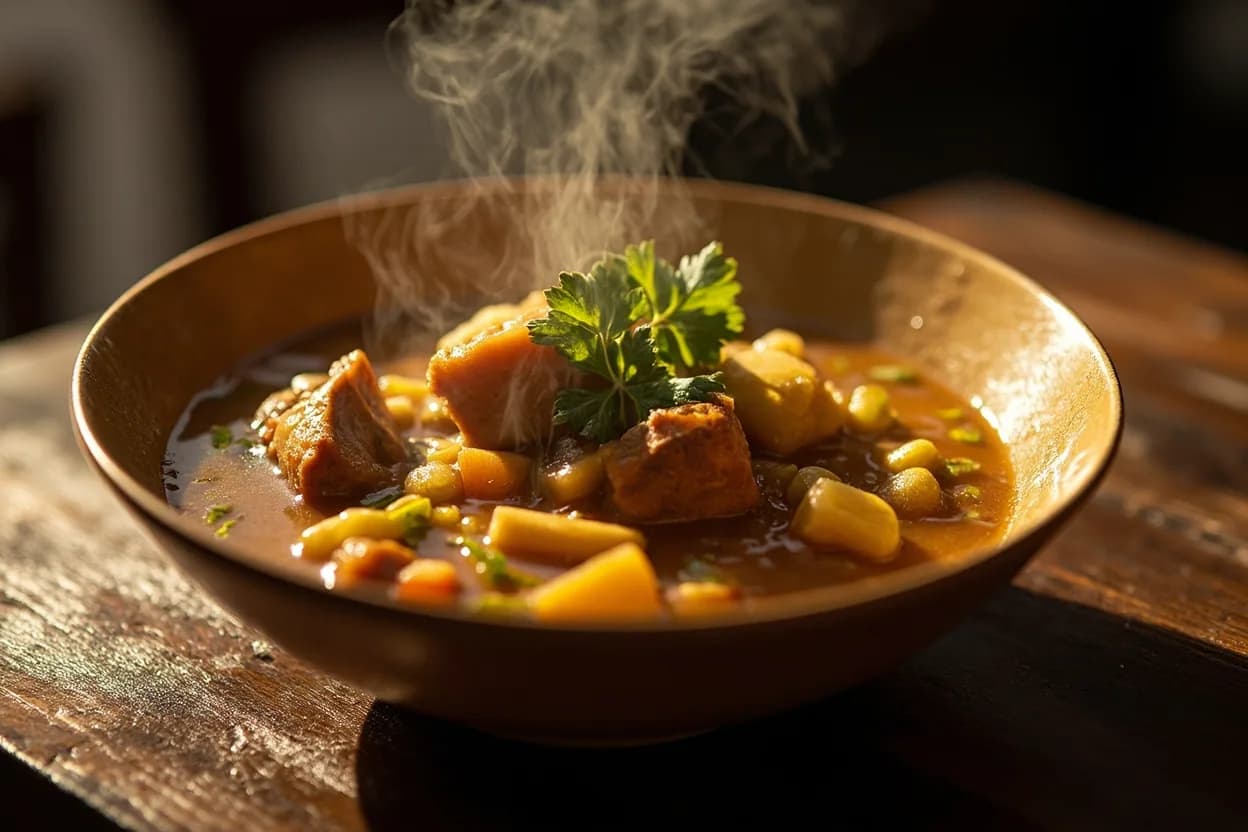
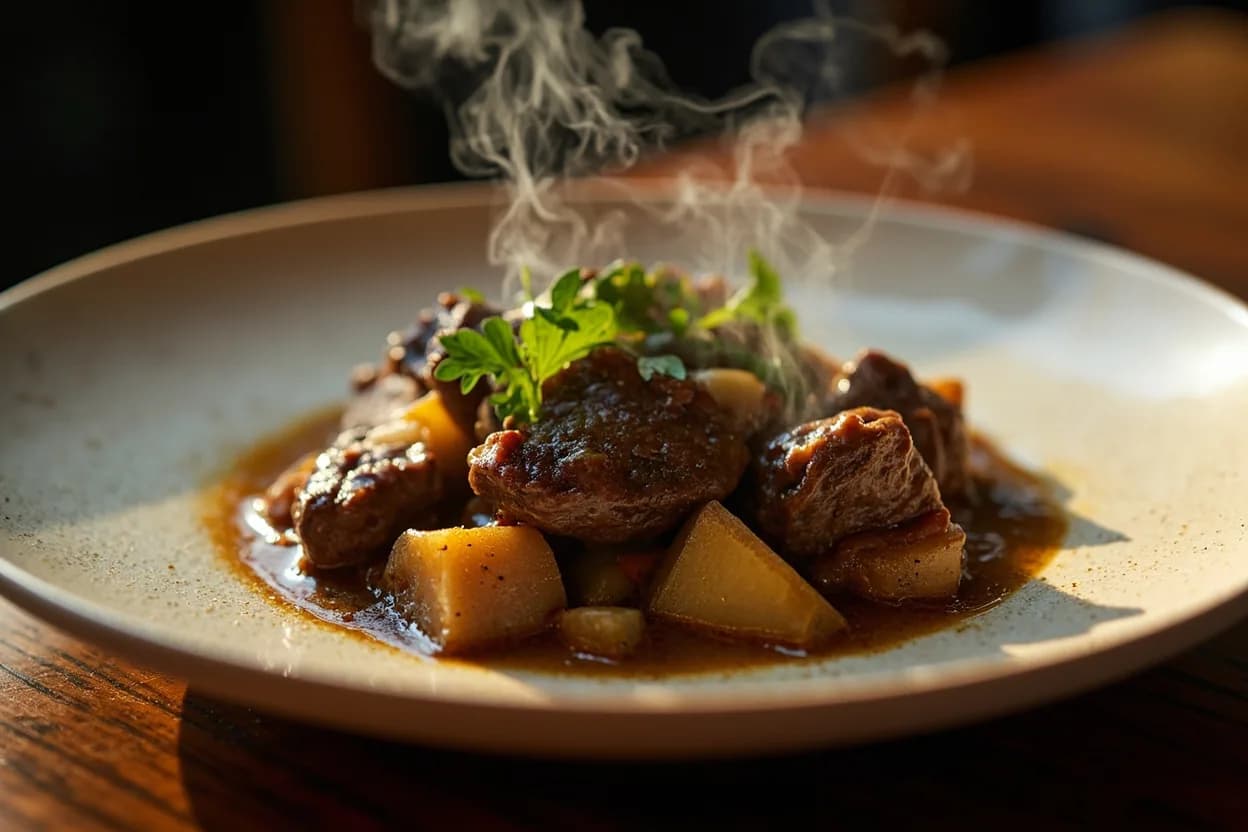
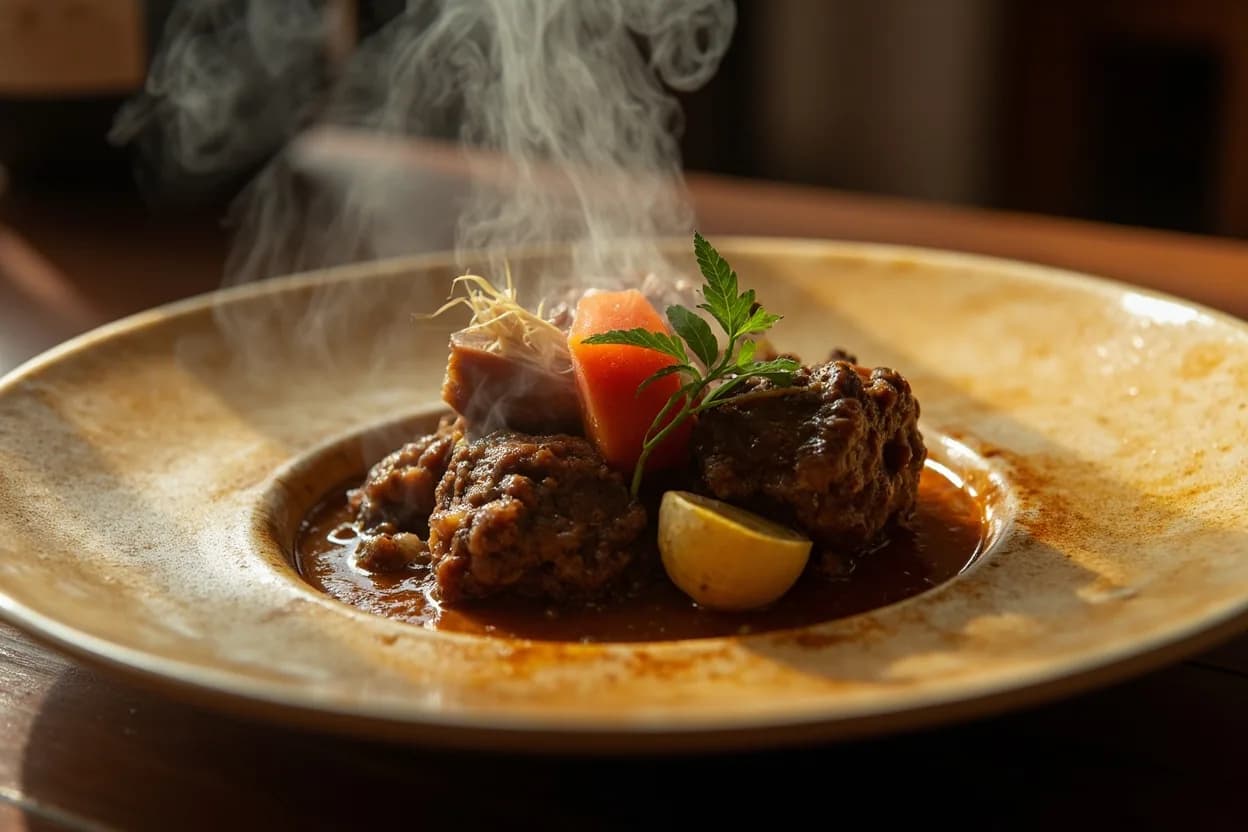
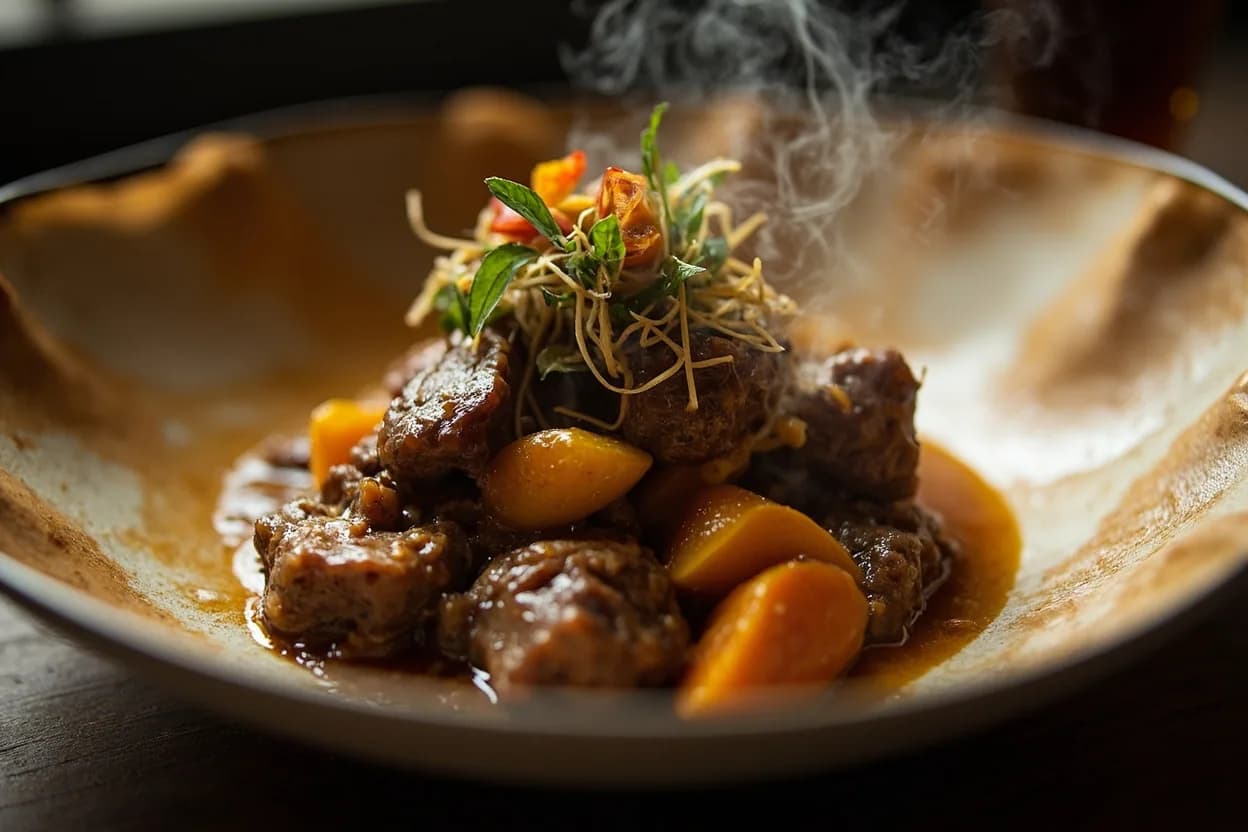
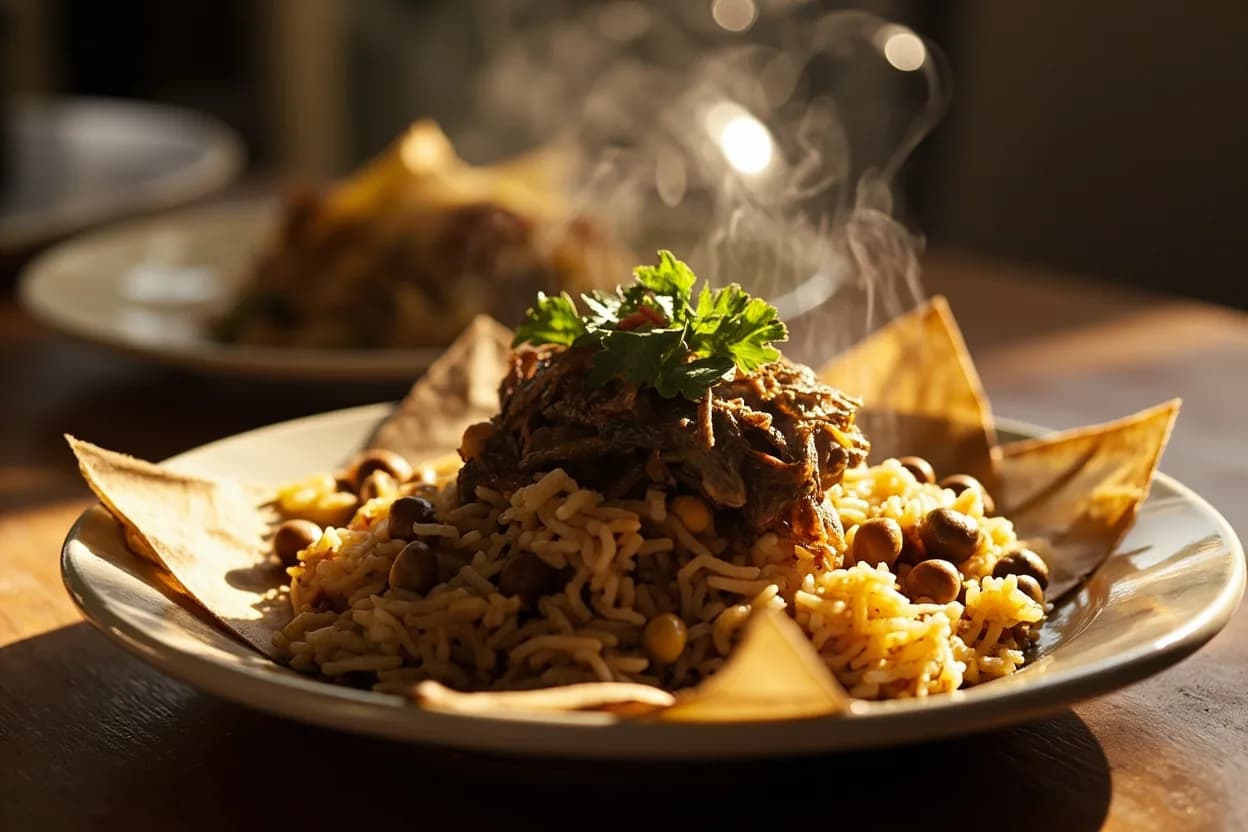
Appears in these dishes
Related
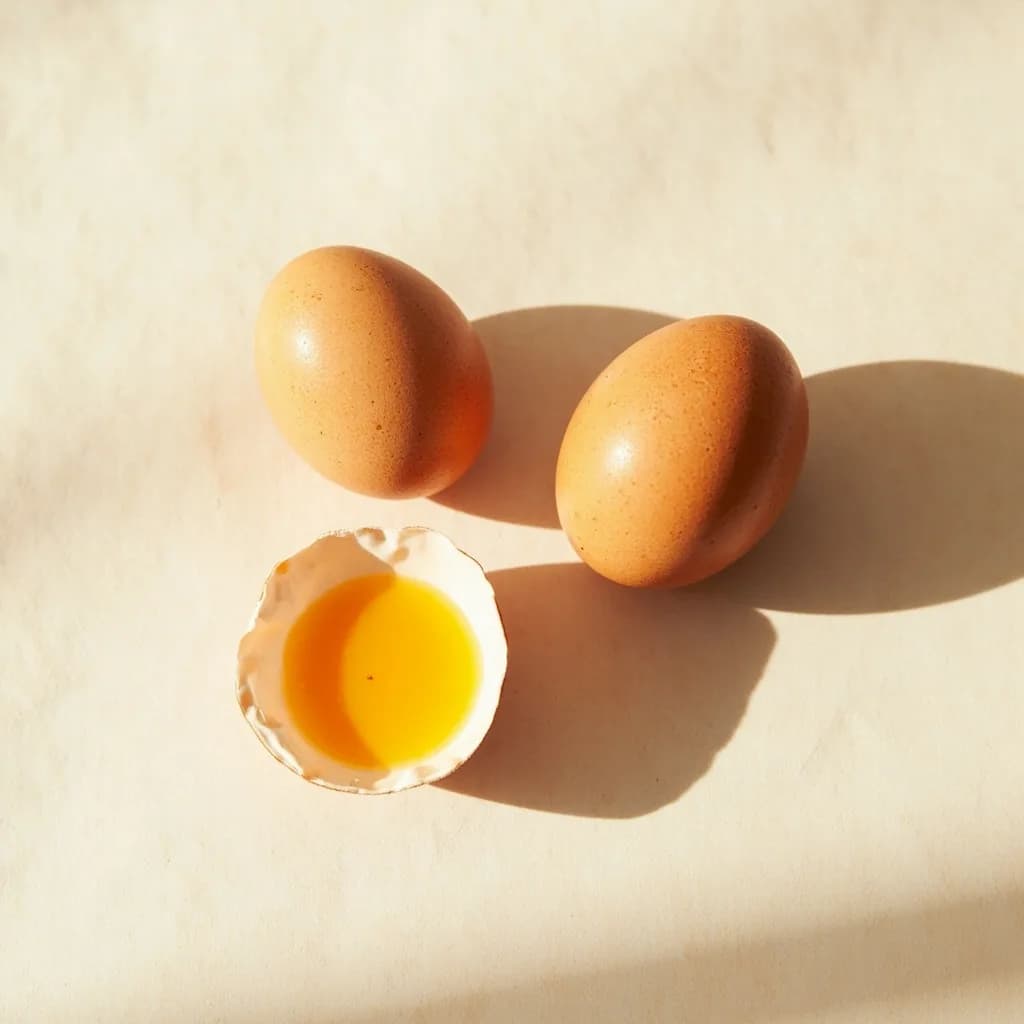
Egg
The kitchen's everything ingredient — bind, leaven, enrich, or fry
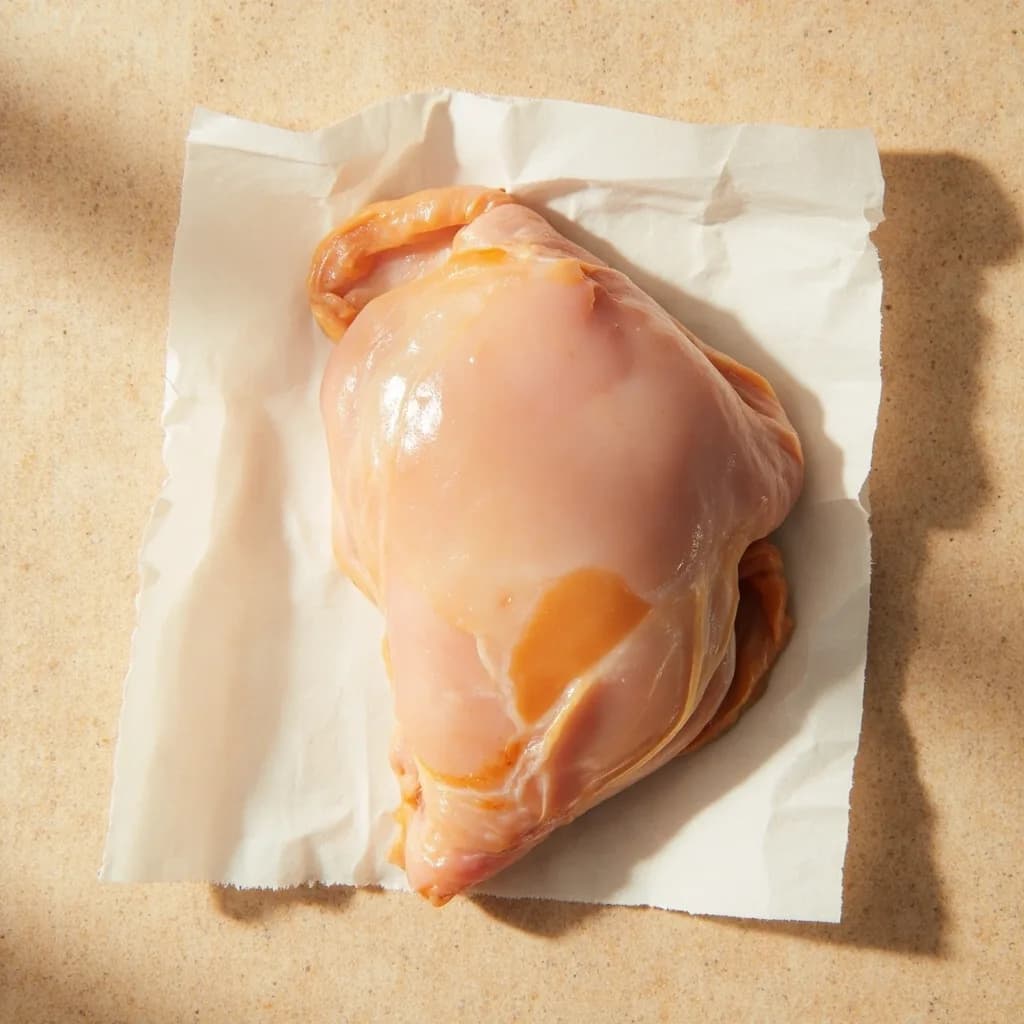
Chicken Breast
Lean, quick-cooking white meat for everyday dinners

Ground Beef
Versatile minced beef for burgers, ragù, tacos, and meatballs
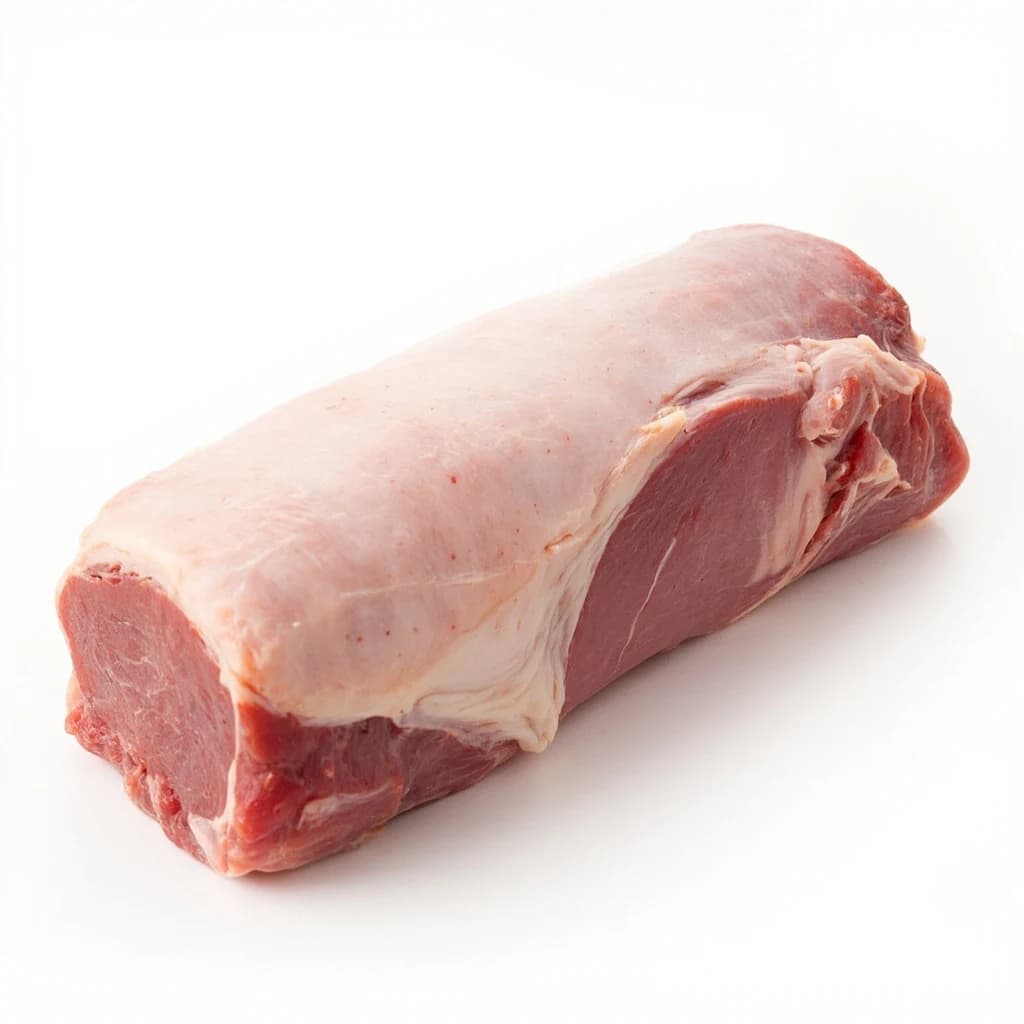
Pork Loin
Lean, tender roasting cut that stays juicy with care
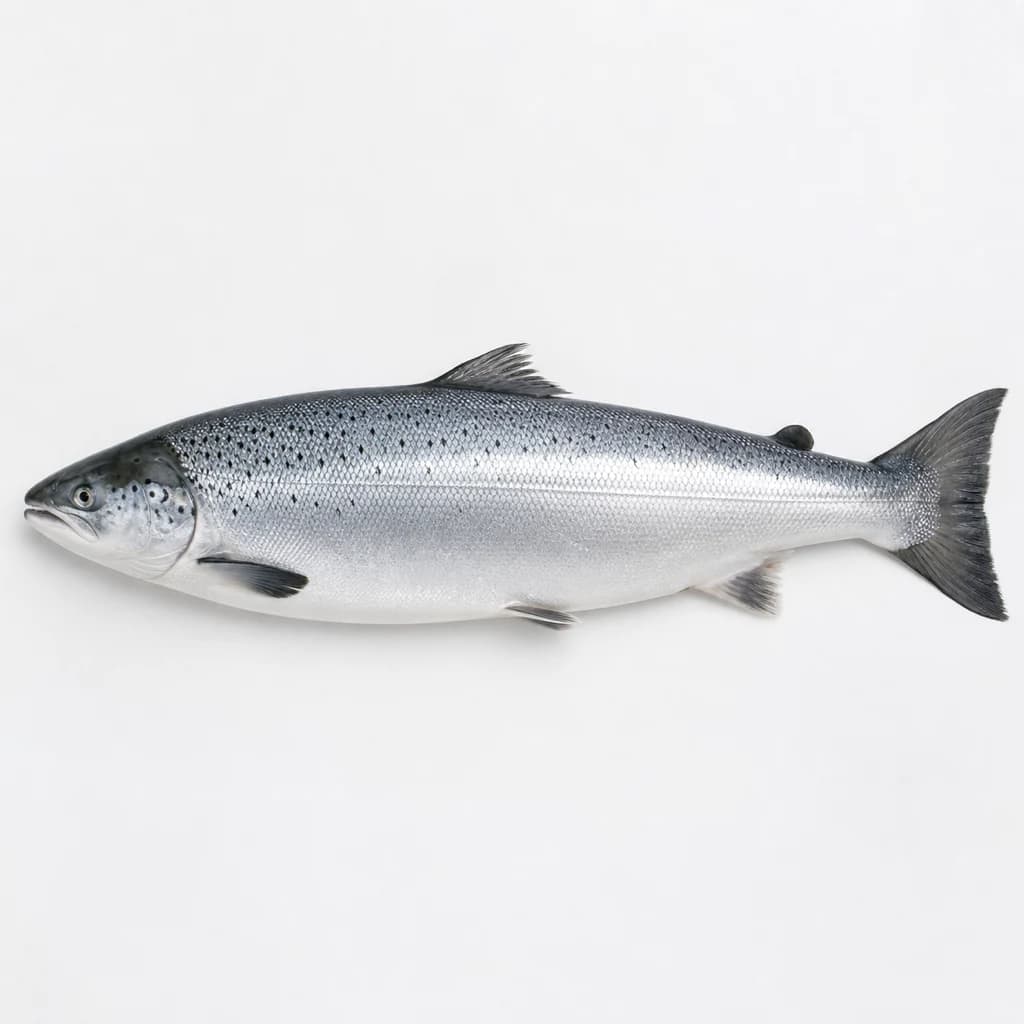
Salmon
Rich, rosy fish that roasts, grills, or cures beautifully

Egg White
Pure protein that whips to airy peaks for meringue and more
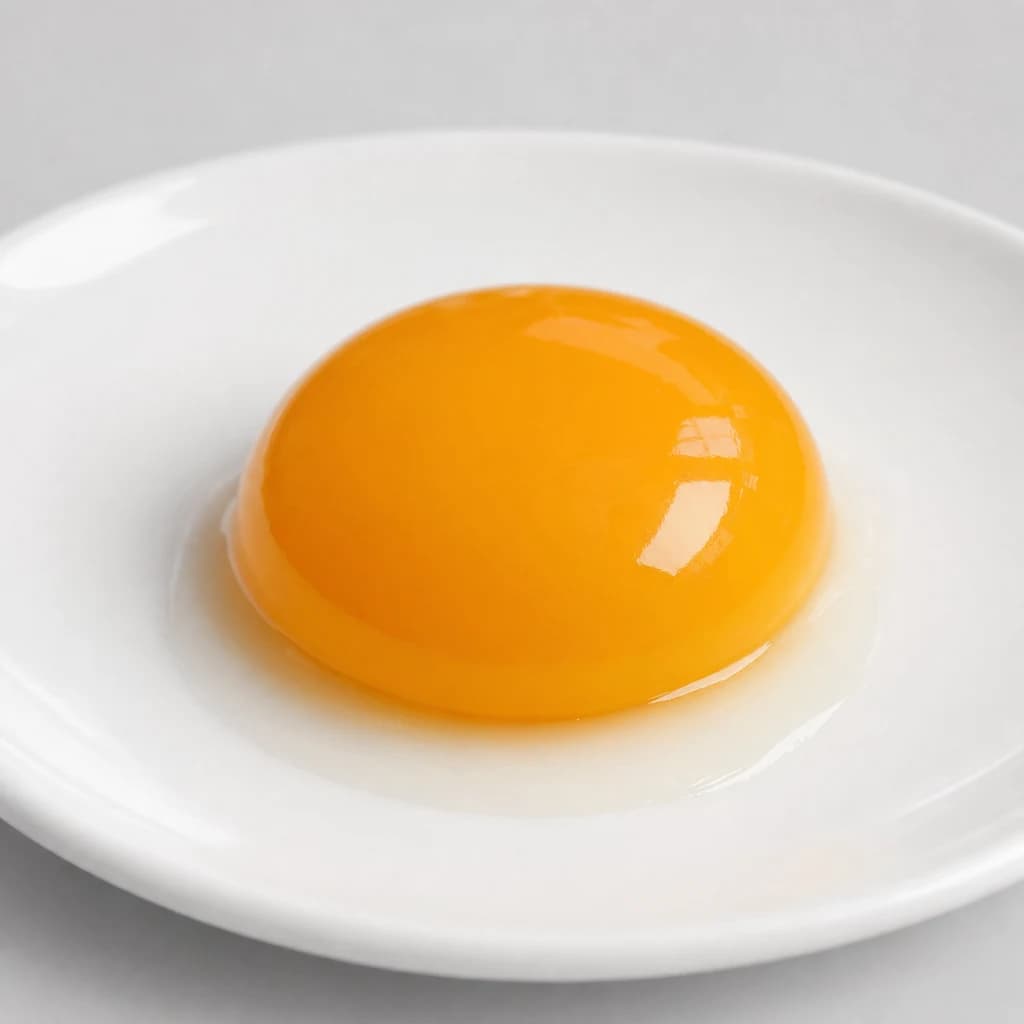
Egg Yolk
Rich, golden yolk for custards, mayonnaise, and pasta

Quail Egg
Tiny, speckled eggs for garnishing and elegant bites