Proteins
Eel
Snake-like fish with rich, fatty flesh, famous grilled as Japanese unagi.
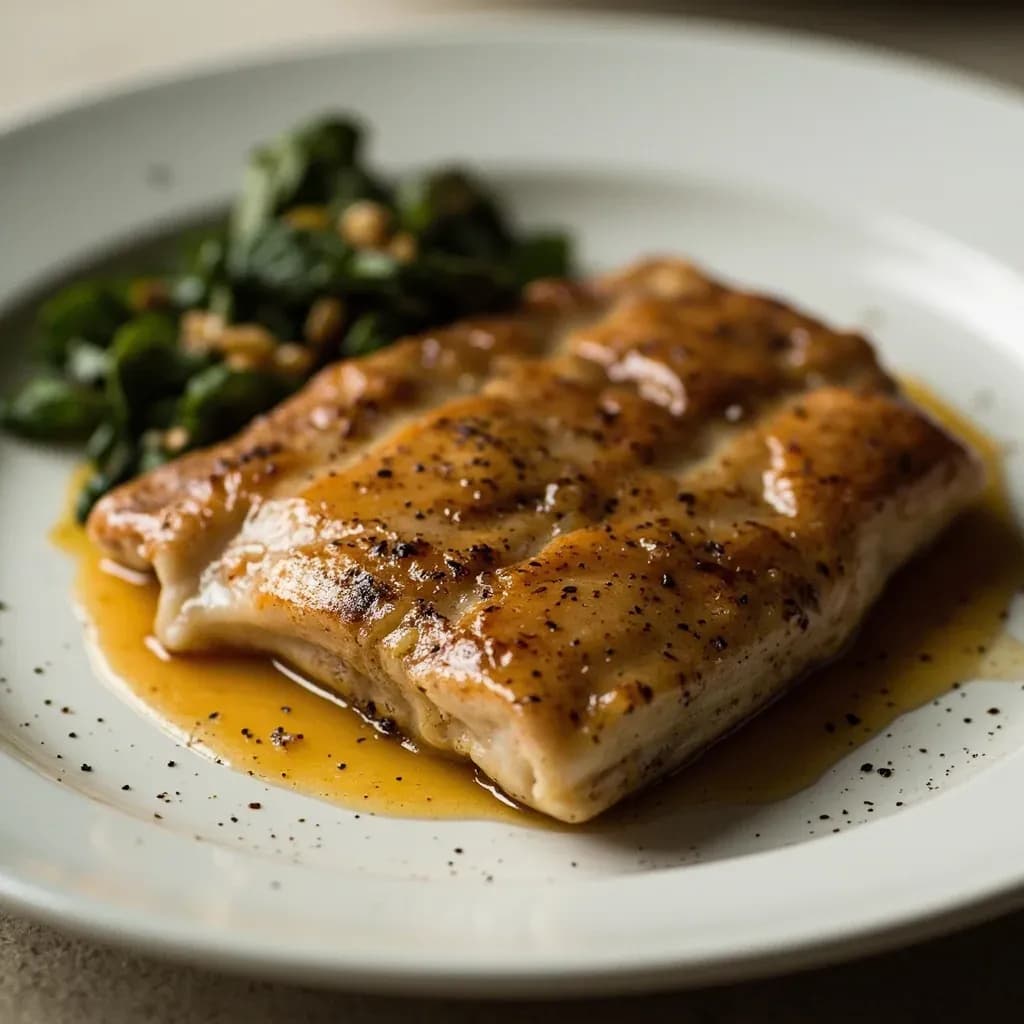
Eel is an elongated fish with rich, oily flesh that becomes silky and tender when cooked. It is most famous grilled and glazed as Japanese unagi or kabayaki, and also stewed across Europe in dishes like jellied eel. Its high fat content gives it a buttery texture and a slightly sweet flavor.
Eel is a snake-like, scaleless fish from the Anguilla genus, distinguished by an exceptionally high fat content—15–30% depending on season—which makes its flesh unusually rich, sweet, and succulent. Its raw flesh ranges from pale pinkish-white to opaque white when cooked, and the firm, moist texture separates into clean flakes. Eel has small, fine bones that become negligible in most preparations. The fish lives in fresh water but migrates to the ocean to spawn, giving its flesh a mild marine character with a clean finish rather than a strong fishiness. Because eel fat renders beautifully with heat, it remains juicy even when the interior appears underdone, making it forgiving in ways that leaner fish are not. The fish has been a staple in Japanese, British, Dutch, German, and Spanish cuisines for centuries, prized both for its distinctive flavor and its remarkable ability to absorb glazes, smoke, and sauces.
Two broad categories define the culinary world: freshwater Anguilla eels (Japanese unagi, European, and American) and marine eels (conger, moray). Japanese unagi dominates high-end cuisine, almost entirely farm-raised in controlled ponds where the diet is managed to produce clean, mild flesh with consistent fat. European and American eels carry a more pronounced muddy flavor from their wild freshwater habitats, requiring soaking in salted water or milk to draw out impurities. Both freshwater and marine species have strong cultural importance—jellied eel in London's East End, smoked eel across Northern Europe, unagi kabayaki in Japan—each preparation suited to the particular fat content and texture of its species.
Fresh eel is highly perishable and notoriously difficult to handle raw: the slime coat makes it extremely slippery, and live eels are vigorous and resilient. Most commercial eel is sold cleaned, filleted, or smoked, which sidesteps the most challenging prep work. Frozen eel, particularly flash-frozen unagi from Japan, has become excellent enough that most Japanese restaurants outside Japan rely on it exclusively. The fish's blood is toxic raw but completely harmless when cooked thoroughly. Sustainability is a pressing concern—European eel is critically endangered and strictly regulated—and farmed Japanese unagi now supplies the vast majority of the global market.
- Measured in
- g
- Storage
- Fridge
Allergens
Types & varieties
Anguilla japonica; the gold standard for kabayaki; farmed extensively in Japan, Taiwan, and China; clean, mild flavor with consistent fat
Anguilla anguilla; classic for smoked eel, jellied eel (England), and Continental preparations; critically endangered with strict quotas; slightly stronger, muddier flavor than unagi
Anguilla rostrata; similar to European eel; important in East Coast U.S. and Canadian cuisine; also heavily regulated
Conger conger; marine eel from a different family; firm white flesh popular in Spain (merluza de cuello), Italy (congro), and France; stronger flavor than Anguilla species
Muraena species; marine; dense, chewy flesh used in Mediterranean and Caribbean cuisines; requires thorough high-heat cooking to eliminate parasites
Baby eels (glass eels/young stage); a luxury ingredient in Spain/Portugal (angulas), Korea (jumul), and France; tiny, tender, and extremely high-priced
Japanese Unagi vs. European Eel: A Culinary Comparison
While both belong to the Anguilla genus, Japanese unagi and European eels produce distinctly different dining experiences. Farmed unagi is raised in controlled aquaculture environments with managed diets, resulting in consistently clean, mild flesh without muddy or gamey notes. Its fat is evenly distributed and renders predictably, making it ideal for the precise caramelization that kabayaki demands. European eels, by contrast, are primarily wild-caught or from limited aquaculture, feeding on a natural diet that imparts more complex, earthy flavors. These stronger characteristics suit long smoking, slow braising, and cold preparations where the eel's own intensity can develop. When substituting one for the other, consider the dish: European eel works well in rustic preparations, while unagi requires Japanese-style handling to shine.
- Farmed unagi has a cleaner, milder flavor; wild European eel is earthier and more pronounced
- Unagi's fat is more consistent, ideal for caramelizing glazes; European eel's fat varies more with season and diet
- Unagi is sustainably farmed; European eel populations are severely depleted and strictly regulated
- Moray and conger eels belong to different families entirely and behave differently in the kitchen—treat them as separate ingredients
Handling Live Eel: Step-by-Step
Dealing with live eel is daunting but straightforward with the right technique. The goal is a quick, humane kill that prevents violent thrashing and preserves the flesh quality. Eel blood is toxic raw but safe once cooked thoroughly, so handle with care and cook completely.
- Secure the eel firmly with a rough towel or commercial eel board—slippery skin defeats bare hands
- Kill with a firm blow to the head or a sharp spike driven at the base of the skull; a quick, decisive strike is essential
- Alternatively, sever the spine cleanly behind the head with a heavy cleaver or sharp knife
- Hang the eel briefly to drain blood if desired, then proceed immediately to cleaning
- Eel flesh is tender and bruises easily—handle cleanly and work quickly after killing
- Blood should be rinsed away and the cavity thoroughly cleaned before cooking
Common uses
Tips & pitfalls
- Kill eels quickly with a firm blow to the head or a sharp spike at the base of the skull before cleaning — they are very resilient and will writhe violently otherwise.
- Eel's slime coat makes it extremely slippery; grip firmly with a rough towel or commercial eel board when filleting or skinning to prevent accidents.
- To skin: make a collar cut behind the head, then grip the skin with a cloth and pull firmly toward the tail — a pair of pliers helps grip the skin if it tears.
- European and American eels have a more pronounced muddy flavor than farmed Japanese unagi; soaking cleaned eel in salted water or milk for 1–2 hours draws out impurities and improves the flavor.
- Do not overcook unagi — its high fat content means it remains moist even when the interior is still pink; it is fully cooked when the flesh flakes gently and the exterior has caramelized.
- For smoking: brine eel fillets for 4–6 hours, then cold-smoke for 8–12 hours until flesh turns deep amber and firms slightly.
- When buying fresh eel, smell the gills and cavity — fresh eel has a clean, briny, cucumber-like scent, never fishy or ammonia-like.
- Frozen eel quality has improved dramatically; properly flash-frozen unagi is nearly indistinguishable from fresh and is standard in most Japanese restaurants outside Japan.
Nutrition
Energy
770 kJ · per 100 g
Where the calories come from
Protein
18.4g
37% DV
Carbs
0g
0% DV
Fat
11.7g
15% DV
Fiber
0g
0% DV
Sugars
0g
of which
Sodium
51mg
2% DV
Source · USDA FoodData Central · approx. Fish, eel, mixed species, raw
View on FDC →In the shops
Matched grocery products
No matched grocery products for Eel yet.
Good to know
- Scientific Name
- Anguilla anguilla (European), Anguilla japonica (Japanese/Unagi), Anguilla rostrata (American)
- Flavor
- Rich, sweet, distinctly fatty; mild marine taste with a clean finish
- Texture
- Firm, moist, small fine bones; flesh separates in flakes when cooked; high fat keeps it succulent
- Color
- Skin: dark gray-green; raw flesh: pale pinkish-white; cooked: opaque white
- Fat Content
- Very high — 15–30% depending on season and species, one of the fattiest fish
- Peak Season
- Japanese unagi: June–October; European eel: autumn migration (silver eel); American: spring and fall
- Yield
- Whole eel yields approximately 55–60% edible flesh after heading, skinning, and cleaning
- Shelf Life
- Fresh: 1–2 days on ice; cleaned fillets: 2–3 days; smoked: 2–3 weeks refrigerated; frozen: up to 6 months
- Key Equipment
- Sharp filleting knife, eel board (grooved to hold fish), strong grip cloth (eels are extremely slippery)
- Difficulty
- High for live/whole eel — requires confidence due to slime coat, vigorous movement, and slippery surface; skinning is challenging on fresh-killed eels
- Nutrition
- Excellent source of omega-3 fatty acids, vitamins A, E, and D; high in protein
- Sustainability Note
- European eel critically endangered; farmed Japanese unagi now dominates the market and is the most accessible sustainable option
Substitutes
- Smoked Mackerel — Closest flavor match for smoked eel preparations; similar fat content and smoky depth; serve cold or lightly warm
- Smoked Trout — Good substitute in European preparations; milder and leaner than eel but works for terrines and cold smoked dishes
- Gurnard or Sea Robin — For European fish stews calling for eel; firm texture and mild flavor hold up to long cooking
- Glazed Salmon or Arctic Char — Drizzled with unagi-style tare (soy, mirin, sake, sugar) for a flavor approximation when true unagi is unavailable
- Cusk (Brosme) — Dense, moist, mild white fish; reasonable texture substitute in savory preparations where eel fat is less central
Pairs with
Also called
Anguille · Unagi
Appears in these dishes
Related
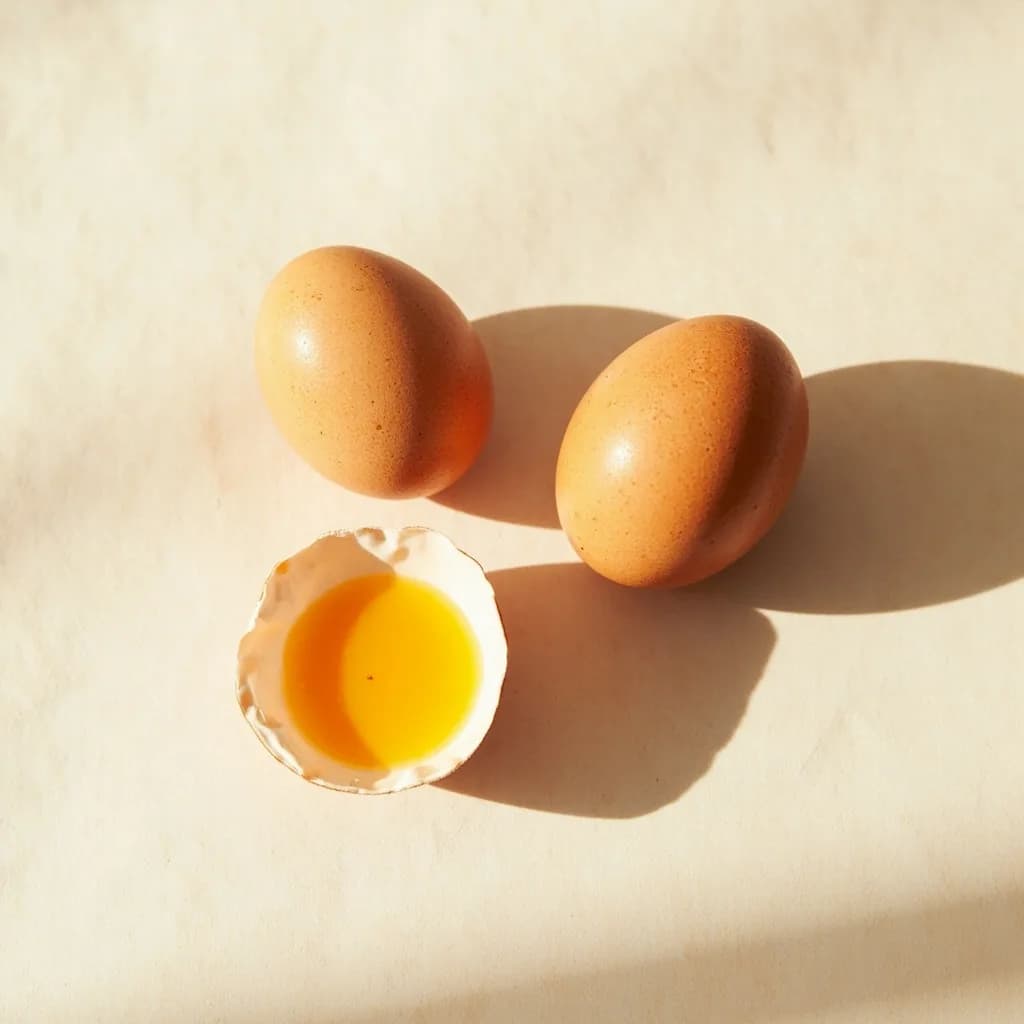
Egg
The kitchen's everything ingredient — bind, leaven, enrich, or fry
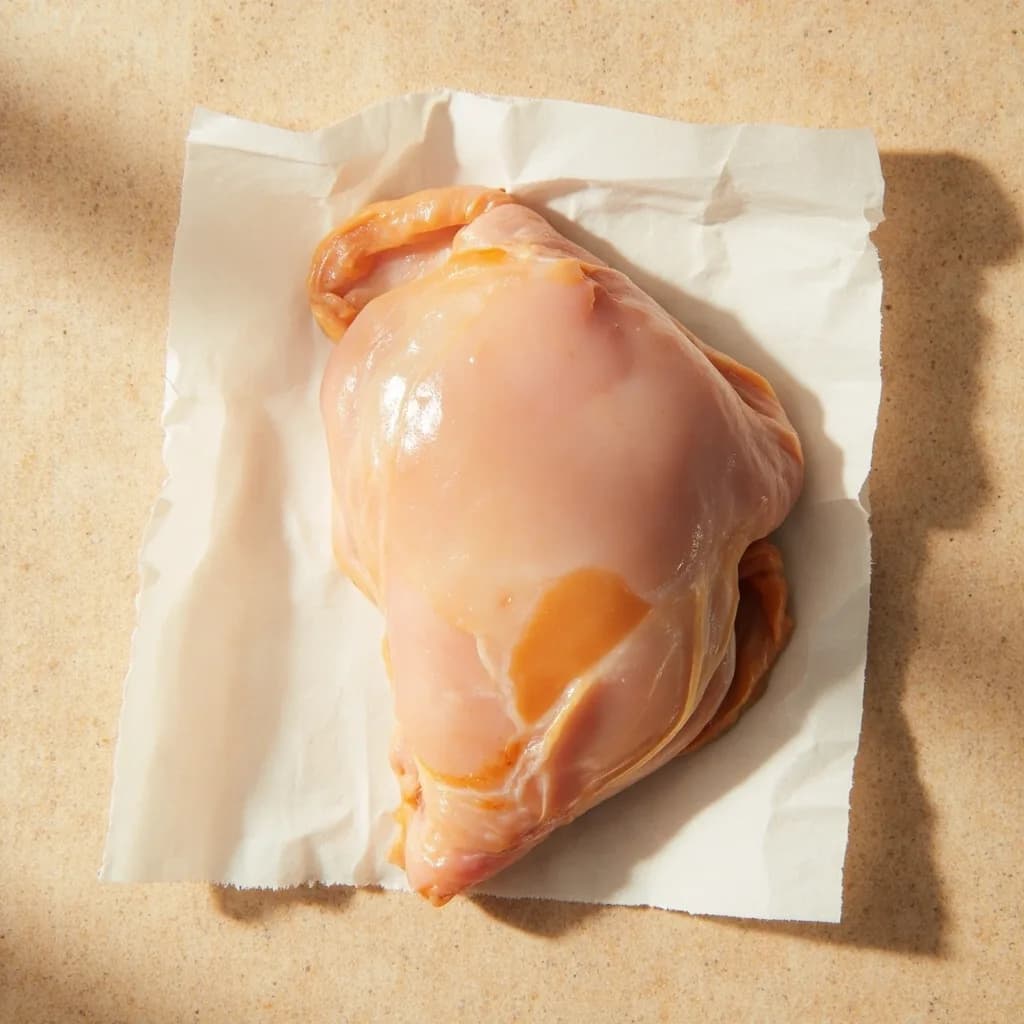
Chicken Breast
Lean, quick-cooking white meat for everyday dinners

Ground Beef
Versatile minced beef for burgers, ragù, tacos, and meatballs
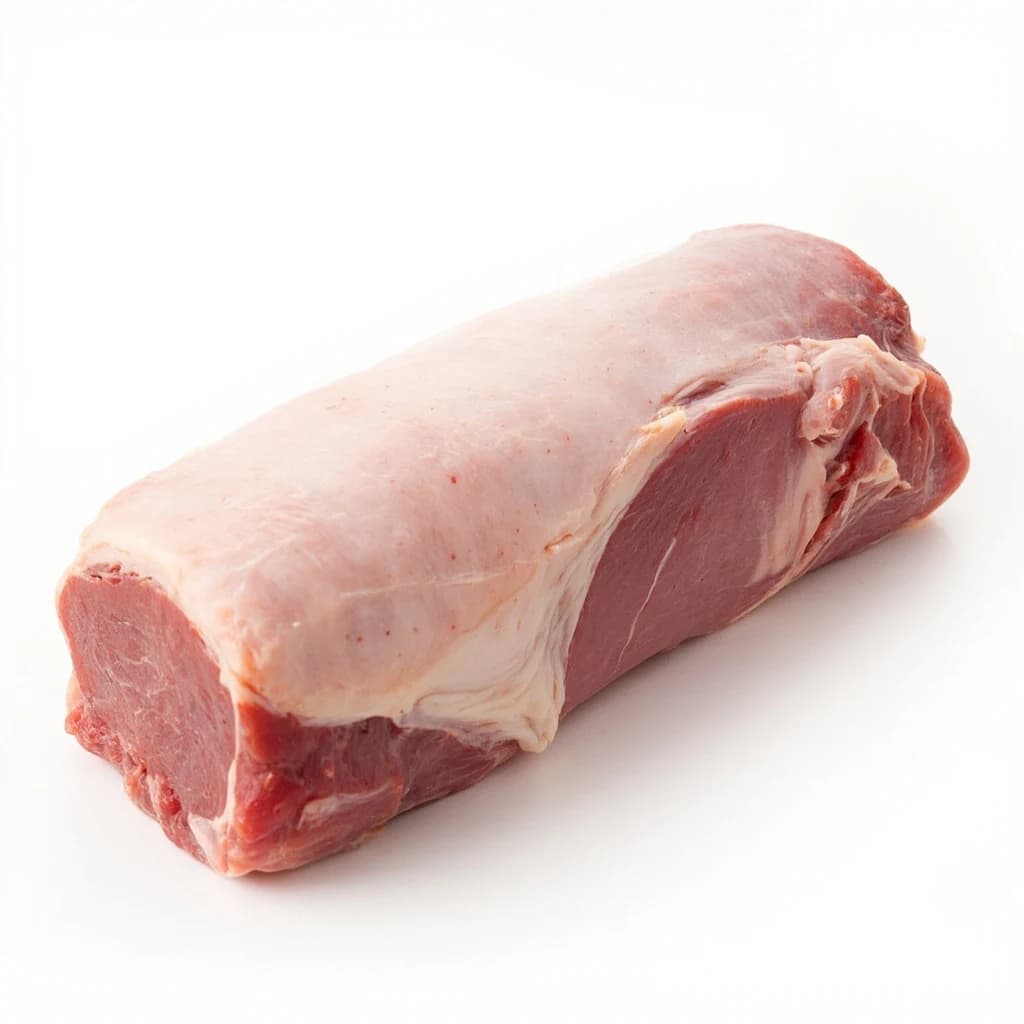
Pork Loin
Lean, tender roasting cut that stays juicy with care
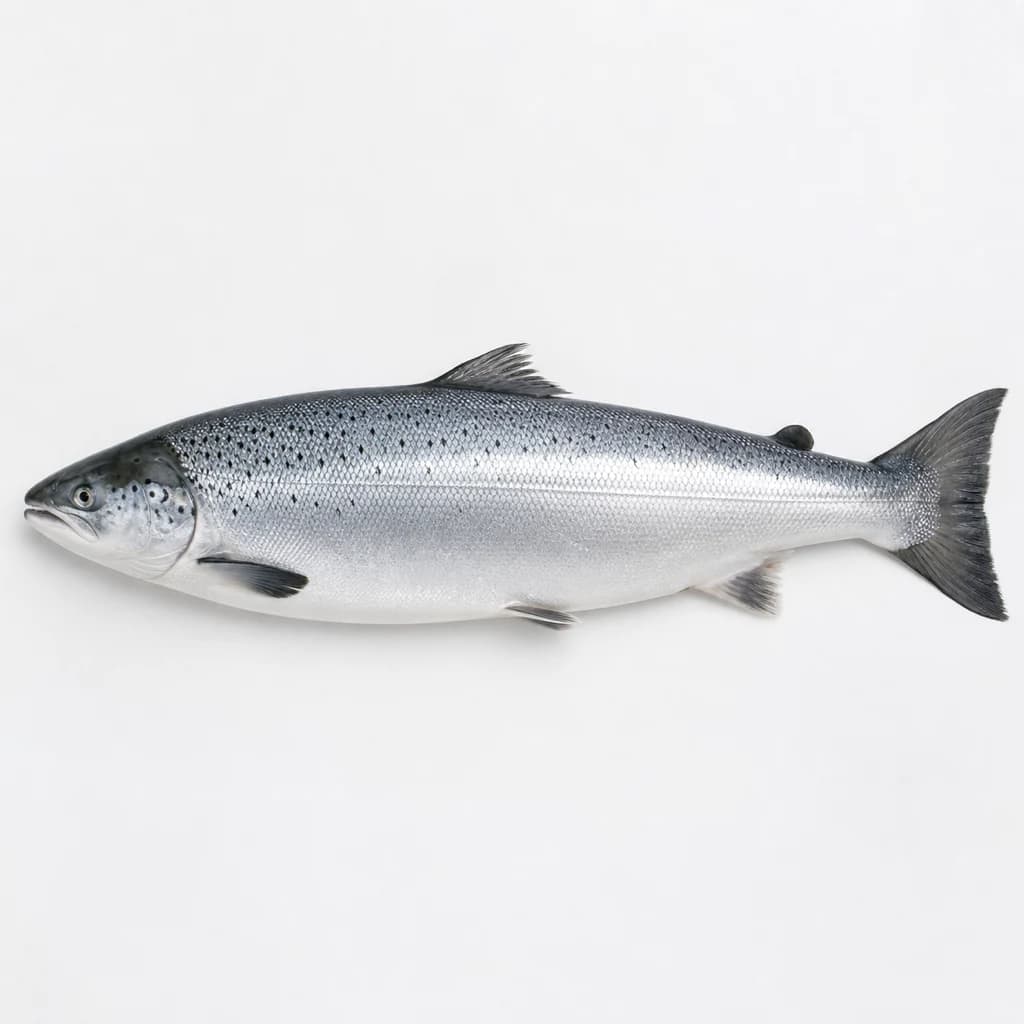
Salmon
Rich, rosy fish that roasts, grills, or cures beautifully

Egg White
Pure protein that whips to airy peaks for meringue and more
Egg Yolk
Rich, golden yolk for custards, mayonnaise, and pasta

Quail Egg
Tiny, speckled eggs for garnishing and elegant bites