Proteins
Fresh Shrimp
Raw shrimp or prawns, sweet and tender, for stir-fries, grills, and curries.
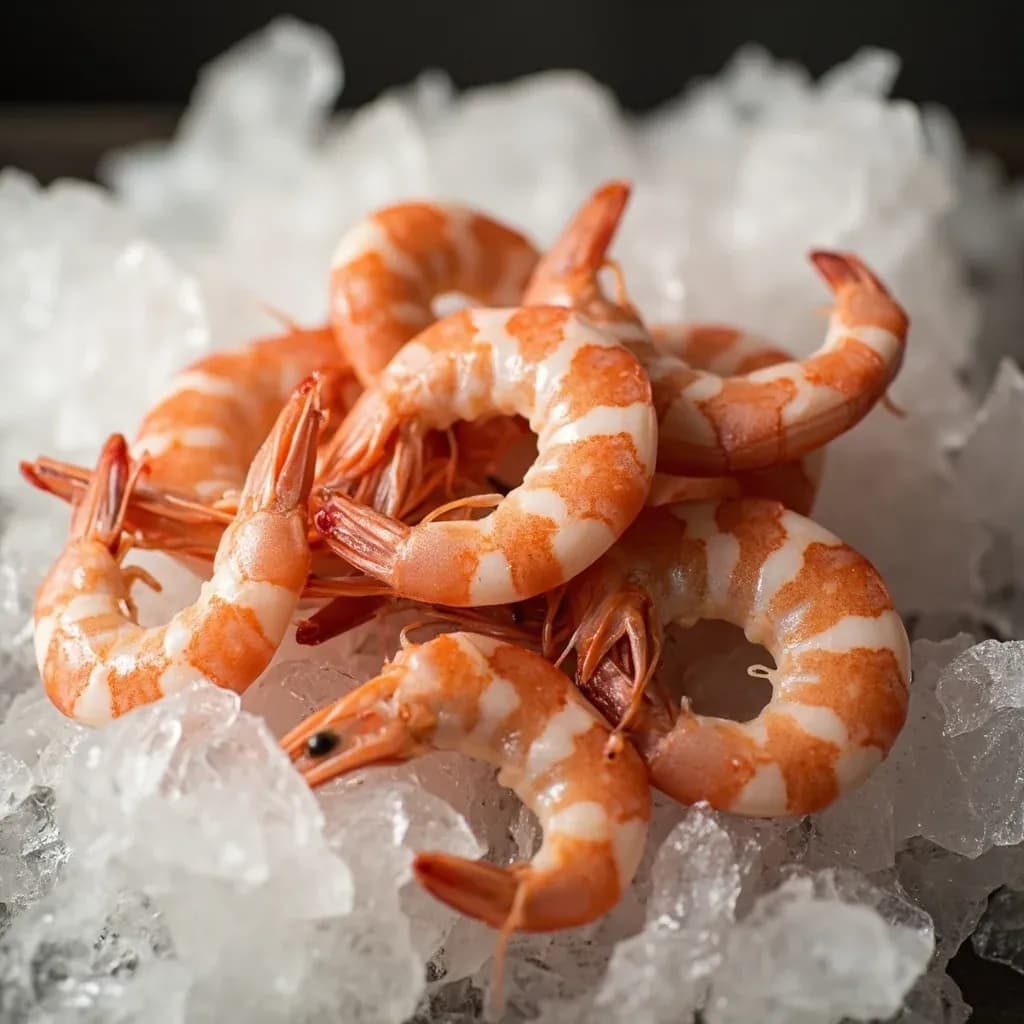
Fresh shrimp are raw, uncooked shrimp or prawns, sweet and tender with a firm bite when cooked. They are stir-fried, grilled, poached, or simmered into curries and soups, and live prawns are prized for their clean flavor in Chinese cuisine. They cook in just a few minutes and turn from gray to pink when done.
Fresh shrimp is one of the most valuable and versatile proteins in any kitchen. Belonging to the order Decapoda—crustaceans with ten legs, including crabs and lobsters—shrimp are celebrated for their delicate, sweet flavor and tender texture that adapts to virtually every cooking method. Unlike fin fish, shrimp have a mild, briny character that absorbs marinades and sauces without overpowering them, making them a bridge ingredient across global cuisines. Their firm flesh firms further when heated, which gives cooks a reliable visual cue for doneness—a property that makes them forgiving in skilled hands and treacherous for the distracted.
Shrimp are sold by count per pound, ranging from tiny (more than 30 per pound) to colossal (fewer than 6 per pound). This size designation matters: jumbo shrimp (under 10 per pound) stand up to direct high heat like grilling, while medium shrimp (16–20 per pound) cook quickly and evenly in stir-fries, pastas, and salads. The shell serves as both protection and flavor carrier—it insulates the flesh from direct heat, prevents the meat from drying out, and contributes savory richness to pan sauces when removed during cooking. Head-on shrimp, when available, indicate a recent catch and impart exceptional flavor to stocks and sauces.
Freshness is paramount. Raw shrimp should smell clean and briny, like the ocean—not sulfurous or ammonia-like, which signals decomposition. The shell should be firm and glistening, clinging tightly to the meat. Once purchased, use fresh shrimp within one to two days, or freeze them immediately at 0°F for up to three months. Properly handled shrimp are one of the fastest proteins to cook, typically requiring just two to three minutes per side—attention is essential, as overcooked shrimp turn rubbery and bland within seconds.
- Measured in
- g
- Storage
- Fridge
Allergens
Types & varieties
Gulf of Mexico and South Atlantic; mild, sweet, clean flavor; the most common commercial species in the United States
Gulf and Atlantic; slightly earthier, mineral flavor; turns pink-orange when cooked
Gulf and Atlantic; delicate, sweet, mildest flavor; prized for shrimp cocktails
Farm-raised globally; distinctive dark stripes on shell; larger size, mild flavor
Pacific coast; large, sweet, delicate; sold head-on; seasonal availability
Hard shell, sweet lobster-like flesh; Gulf and Atlantic; excellent for grilling
Small (1–2 inches); intensely sweet; Atlantic coast; winter seasonal only
Patagonian waters; bright pink raw; sweet, slightly briny; popular in retail and foodservice
Common uses
Tips & pitfalls
- Smell is the single most reliable freshness test—fresh shrimp smell clean and briny; any sulfurous or ammonia-like odor means discard them.
- To devein efficiently, use a small paring knife or bamboo skewer to slit the back curve and lift out the dark intestinal tract in one motion.
- Do not overcook: shrimp are done the moment they turn fully opaque and curl into a loose C shape; an O shape means they are overcooked and will be rubbery.
- Shell-on shrimp cook more evenly and stay juicier; the shells also protect the flesh from direct heat when grilling over high flame.
- Bring refrigerated shrimp to room temperature for 15–20 minutes before cooking to ensure even heat penetration throughout.
- Buy head-on shrimp when possible: heads indicate recent catch and add extraordinary flavor to pan sauces and seafood stocks.
- Save shells and heads in a freezer bag until you have enough for shrimp stock—a rich base for soups, risottos, and paella.
- Frozen shrimp should thaw overnight in the refrigerator or under cold running water; never thaw at room temperature, which invites bacterial growth.
- Jumbo shrimp (under 10 per pound) are best for grilling or roasting where they can develop char; medium shrimp (16–20 per pound) are ideal for stir-fries, pastas, and salads.
Nutrition
Energy
356 kJ · per 100 g
Where the calories come from
Protein
20.1g
40% DV
Carbs
0g
0% DV
Fat
0.5g
1% DV
Sodium
119mg
5% DV
Source · USDA FoodData Central · approx. Crustaceans, shrimp, raw
View on FDC →In the shops
Matched grocery products
 €3.95
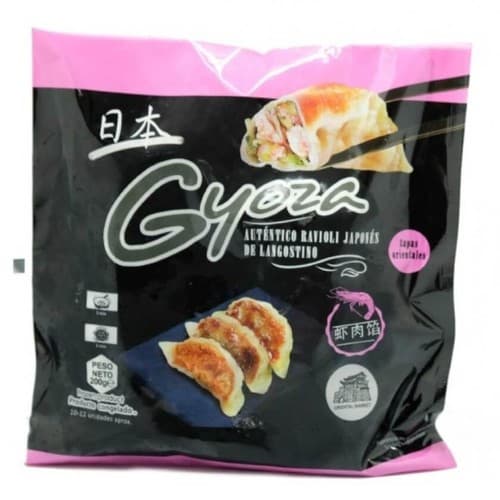
€3.95Shrimp Gyoza
ORIENTAL MARKET · kg · Bonpreu
 €6.95
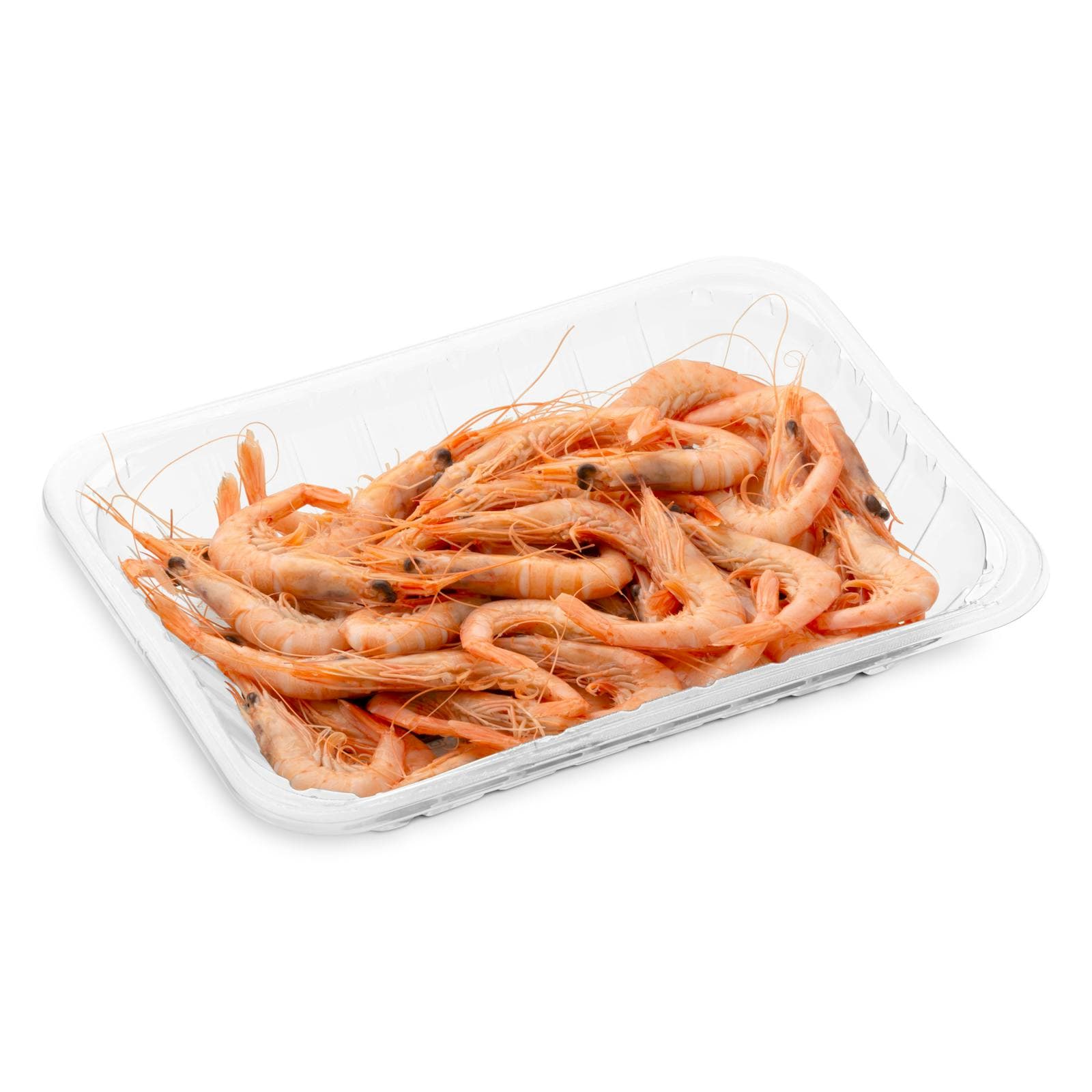
€6.95Cooked Shrimp
300 g · Mercadona
 €1084.05
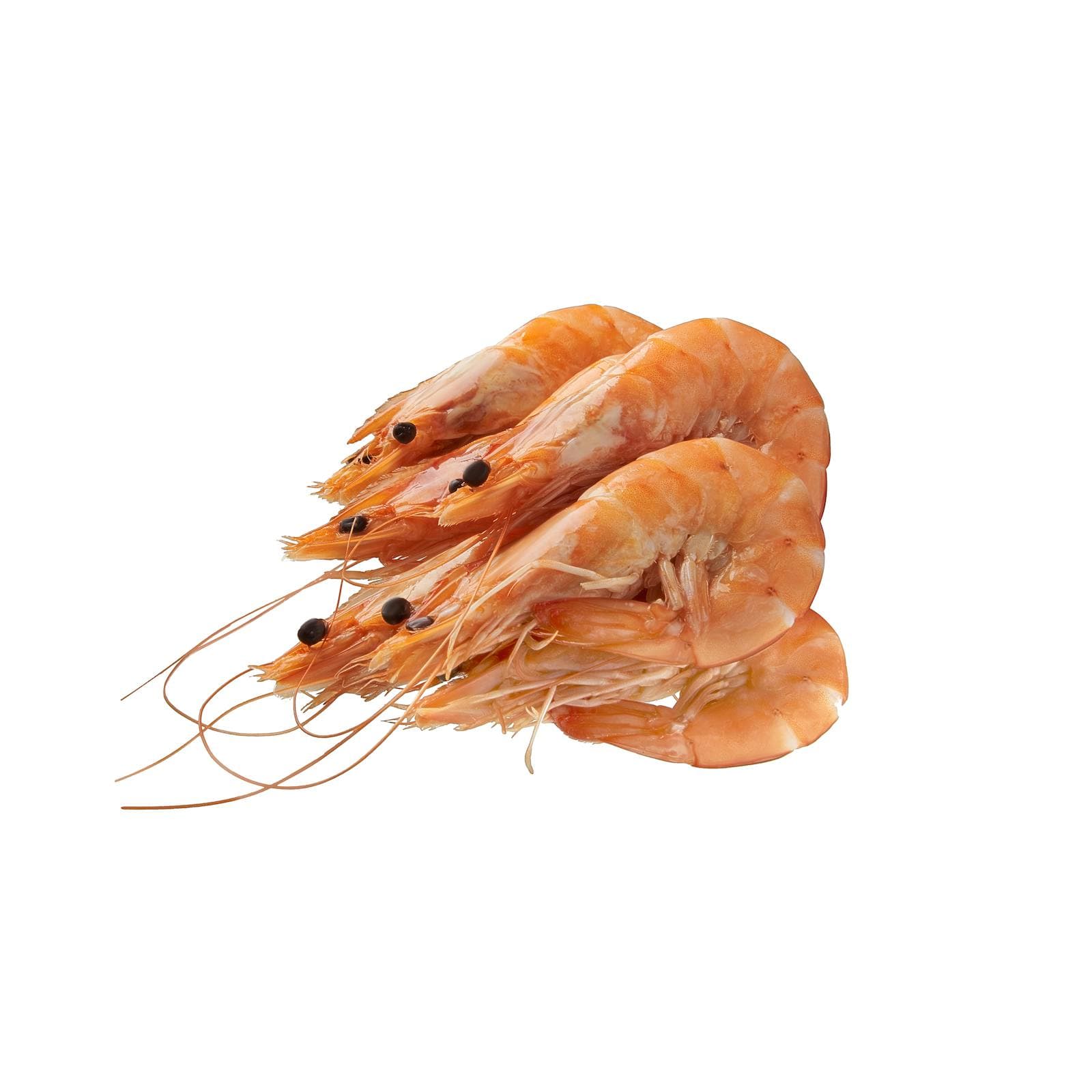
Cooked Shrimp
kg · Mercadona
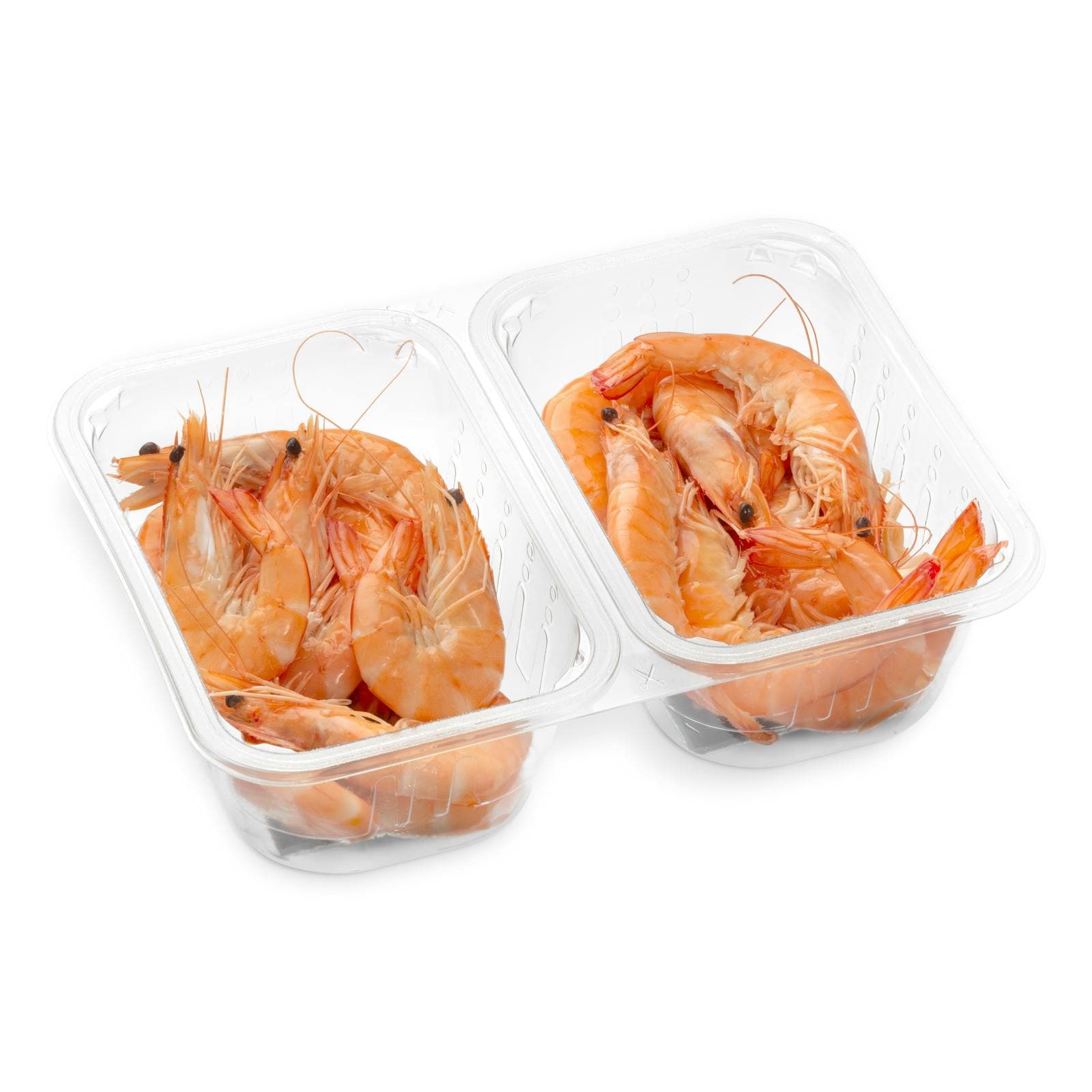 €6.30
€6.30Cooked Prawn
600 g · Mercadona
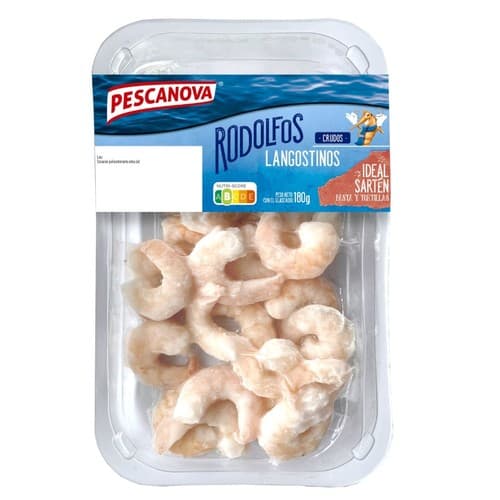 €4.89
€4.89Peeled Raw Shrimp
PESCANOVA · kg · Bonpreu
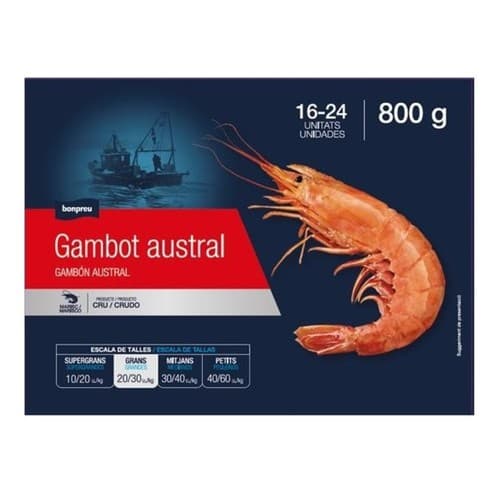 €10.95
Australian Prawn
BONPREU · kg · Bonpreu
Good to know
- Type
- Crustacean (order Decapoda)
- Flavor
- Sweet, mild, briny; varies by species
- Texture
- Tender, succulent; firms noticeably when cooked
- Color (raw)
- Translucent gray, pinkish, or bluish-gray depending on species
- Color (cooked)
- Pink to coral-red; shell turns bright orange-red
- Typical yield
- 60–70% edible after peeling and cooking
- Refrigerated shelf life
- 1–2 days; freeze at 0°F for up to 3 months
Substitutes
- Large Prawns — Closest substitute in texture and flavor; may be slightly sweeter; use 1:1 by weight
- Bay Scallops — Similar sweetness and quick cooking time; cut larger ones into bite-sized pieces
- Langoustines — Smaller, sweeter cousin of lobster; excellent but expensive alternative
- Sea Scallops (quartered) — Sweet, mild flavor; similar quick cooking time; watch carefully to avoid overcooking
- Frozen Shrimp (properly thawed) — Acceptable when fresh is unavailable; use within 1 day of thawing for best quality
- Firm White Fish (cod, halibut) — Less sweet and briny; cut into cubes to approximate shrimp size and cooking applications
- Dungeness Crab — Complementary sweetness; works well in dips, salads, and pasta dishes
Pairs with
Also called
鮮蝦 · Live Prawn · 活蝦 · Fresh Prawns
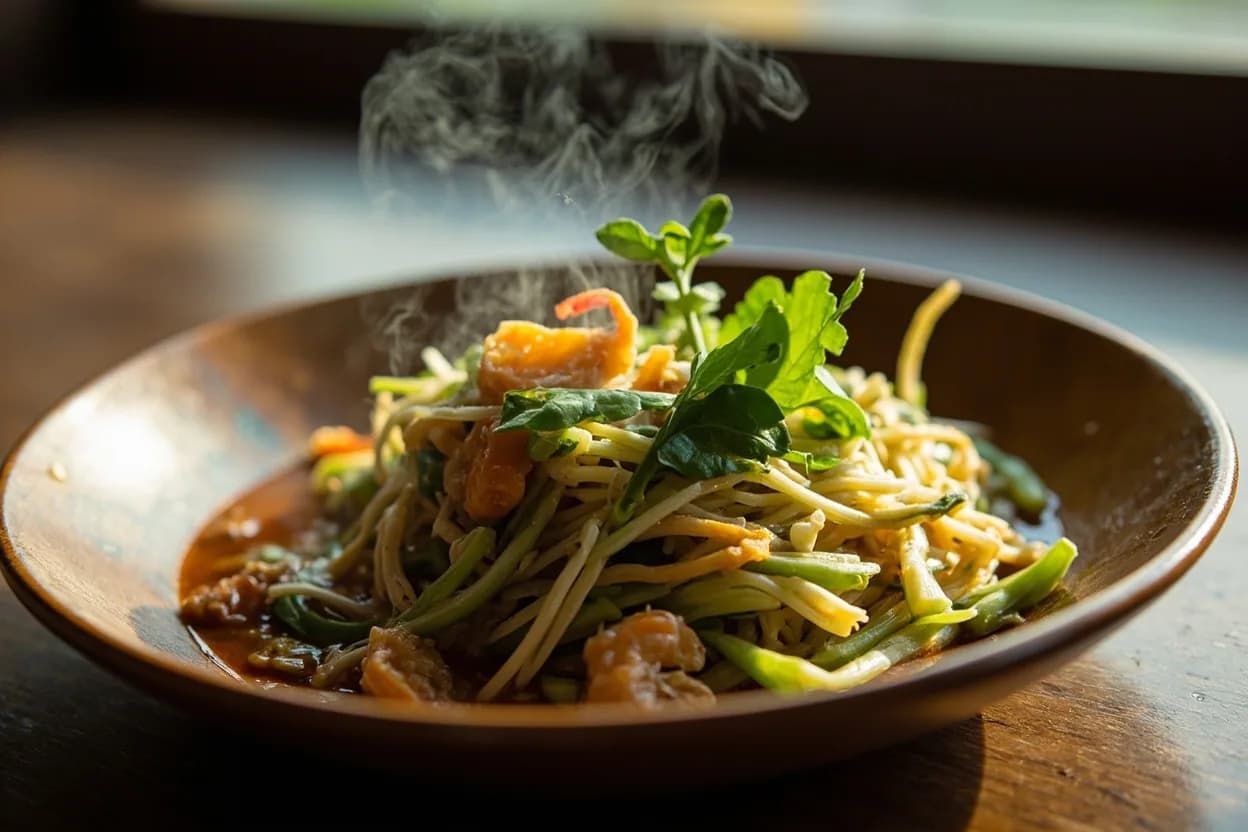
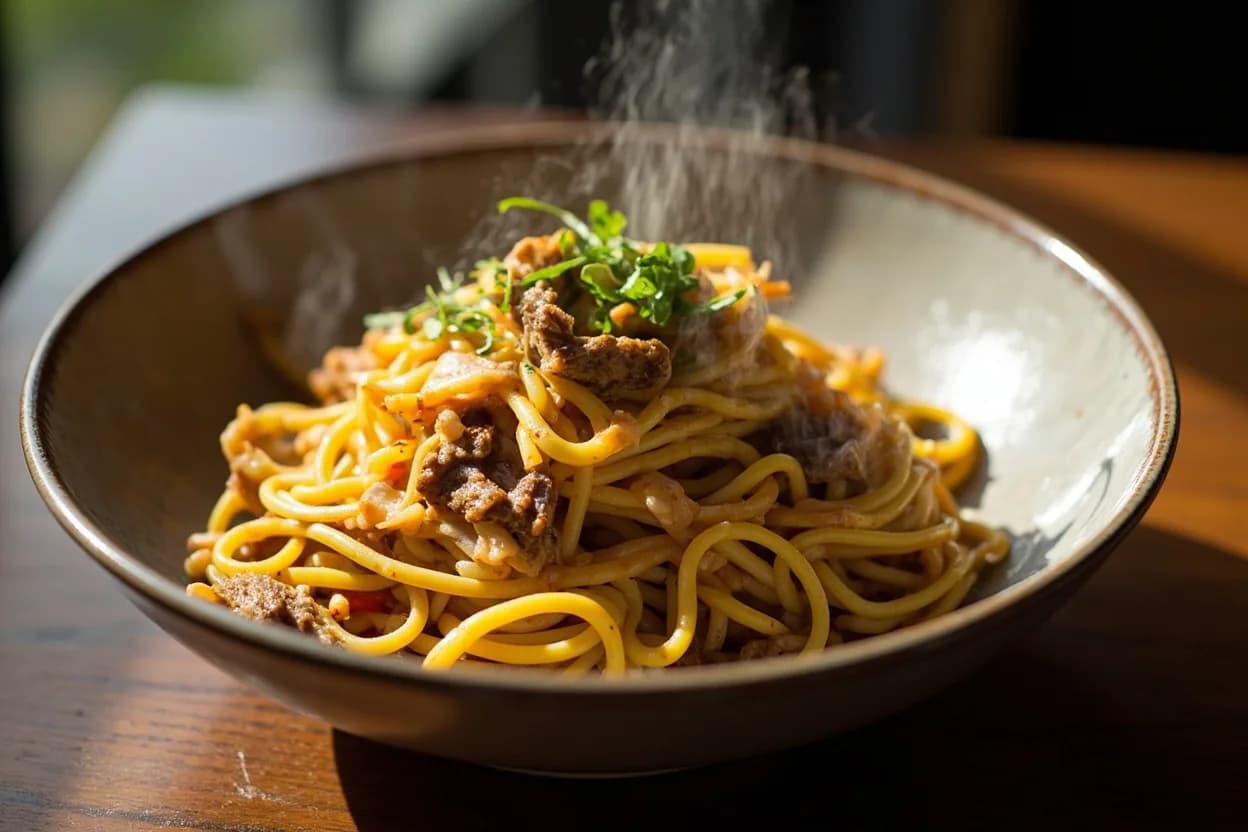
Appears in these dishes
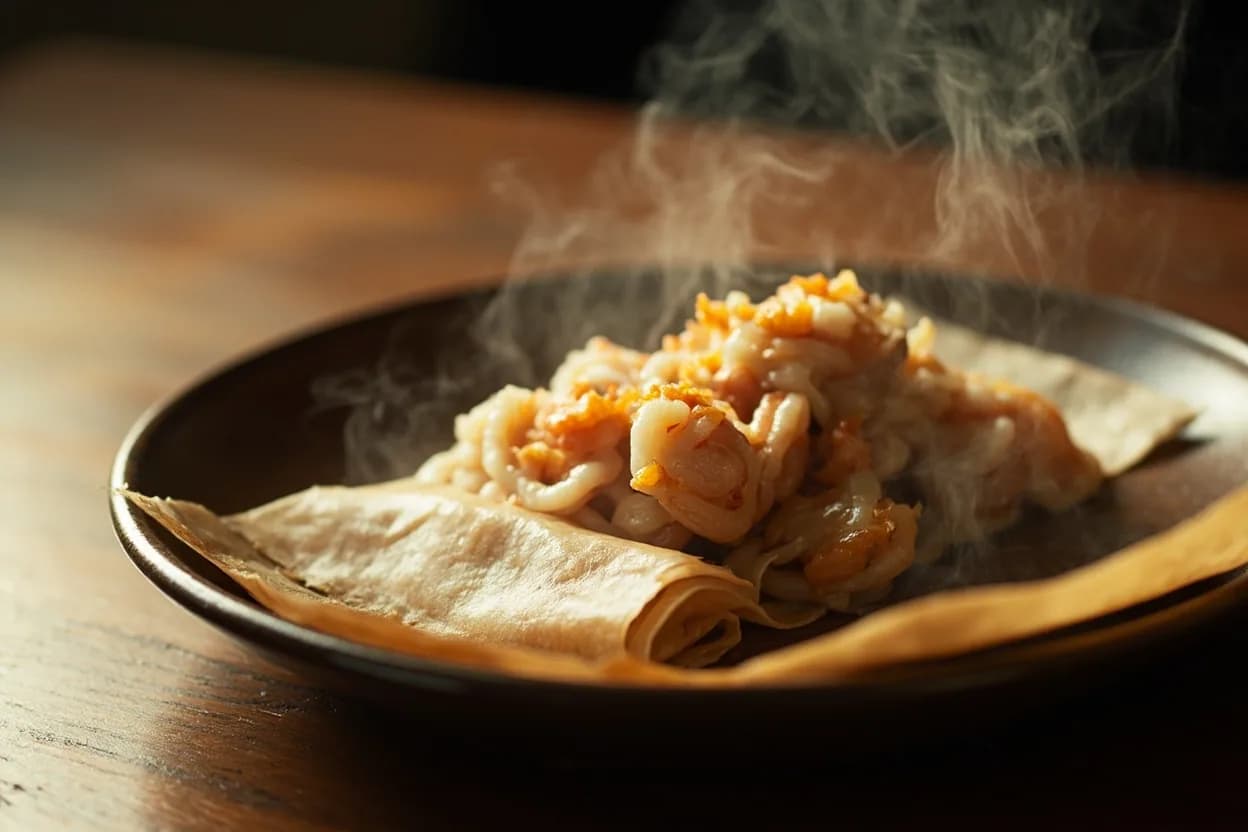
Related

Egg
The kitchen's everything ingredient — bind, leaven, enrich, or fry

Chicken Breast
Lean, quick-cooking white meat for everyday dinners

Ground Beef
Versatile minced beef for burgers, ragù, tacos, and meatballs

Pork Loin
Lean, tender roasting cut that stays juicy with care

Salmon
Rich, rosy fish that roasts, grills, or cures beautifully

Egg White
Pure protein that whips to airy peaks for meringue and more

Egg Yolk
Rich, golden yolk for custards, mayonnaise, and pasta

Quail Egg
Tiny, speckled eggs for garnishing and elegant bites