
Natural form
Fresh garlic scapes just harvested, showing their signature curling green stems.
The defining feature of garlic scapes is their curling, looping form — showing a loose bundle of freshly cut scapes teaches readers to recognize them at a glance.
Produce
Garlic Scape
Curly green flower stalks of garlic, mildly garlicky, sauteed, grilled, or blended into pesto.
Garlic scapes are the slender, curling flower stems that shoot up from hardneck garlic in early summer, snapped off to redirect energy to the bulb. They have a fresh, mild garlic flavor and tender-crisp texture, used sauteed, grilled, pickled, or blended into a vibrant green pesto. They are a fleeting seasonal treat in late spring and early summer.
Garlic scapes are the flowering stalks of hardneck garlic varieties, harvested in late spring before the flower bud fully opens. These curly green stalks emerge from the center of the plant and are cut at the base to redirect the plant's energy into developing larger underground bulbs. Scapes have a delicate, vegetal garlic flavor that is substantially milder than mature garlic cloves, with subtle grassy notes and a faint peppery finish when raw. The entire stalk is edible, though the texture shifts from crisp and tender when young to noticeably fibrous as the stalk matures and straightens. They are exclusively a product of hardneck garlic; softneck varieties—the kind braided for storage and common in most commercial production—do not produce scapes at all. The practice of deliberately harvesting scapes is largely North American and European, though East Asian cuisines cultivate long, straight leek-type scapes specifically as a vegetable.
- Measured in
- g
- Storage
- Fridge
Types & varieties
Tightly curled double loop; most common in North America; very tender when harvested at the curl stage
Longer, straighter stalks with a single gentle curve; slightly thicker; equally mild flavor
May retain faint purple streaks on the stalk; similar curly habit to rocambole; slightly more assertive flavor
Characteristic purple mottling; tend to be more fibrous; best harvested very young
Long, straight to slightly curved; sold extensively in East Asian markets
Harvesting and Timing
The window for harvesting scapes at peak tenderness is brief—typically 1 to 2 weeks. Cut scapes when they have formed one or two complete curls but before the stalk straightens and the flower bud begins to open. Once upright and elongated, the stalk becomes fibrous, rubbery, and develops a slightly bitter note. Cut at the base where the scape emerges from the leaves using a sharp knife or clean scissors; pulling can damage the bulb. Professional growers remove scapes deliberately to redirect the plant's energy into larger underground cloves, making scape harvest a secondary but welcome crop.
- Cut at the base, not by pulling, to avoid damaging the garlic bulb
- Watch for one or two complete curls as the harvest indicator
- Straight, upright stalks signal overmaturity and tougher texture
- Allow a few scapes per plant to mature into seed pods for a second edible harvest of bulbils
Understanding the Scape
In botanical terms, a scape is a leafless flower stalk rising from the ground-level rosette of leaves. Hardneck garlic (Ophioscore type) produces a central scape capped by a false seedpod called an umbel containing small aerial structures called bulbils. These bulbils are also edible and have a concentrated garlic flavor; they can be planted but take two years to produce full bulbs. The flavor of scapes mellows dramatically with cooking—what registers as a pleasant, mild garlic presence when raw becomes barely perceptible when cooked past the point of tenderness. For bold garlic impact, add scapes raw, barely blanched, or as a finishing garnish rather than cooking them long.
- Scapes are exclusive to hardneck varieties—softneck garlic produces no flowering stalks
- The unopened flower bud (umbel) is edible but slightly more fibrous; remove if desired
- Scape flavor fades significantly with prolonged cooking
- Plant bulbils from mature scapes for a two-year harvest of new garlic plants
Common uses
Tips & pitfalls
- Harvest when the stalk has formed one or two complete curls but before it straightens; straight, upright stalks indicate maturity and toughness
- Cut scapes at the base where they emerge from the leaves, not by pulling, to avoid damaging the bulb
- The entire scape is technically edible, but the very tip (the closed flower bud) is slightly more fibrous and can be removed if desired
- For the most tender texture, peel away any tough outer layers near the base of the stalk with your fingers
- Do not overcook; scapes turn mushy and lose their pleasant bite within 2–3 minutes of cooking
- If scapes are slightly fibrous when bent, they are overmature; still usable for stocks, soups, or slow braises where texture matters less
- When purchasing, choose bright green, firm, unblemished stalks; yellowing or wilting indicates age
- Scapes can replace green onions or ramps in most recipes at a 1:1 ratio for a gentler garlic presence
- Blanching scapes before freezing preserves color and texture better than freezing raw
- The flavor mellows significantly with cooking; for bold garlic presence, add raw or barely blanched scapes at the end of cooking
Nutrition
Energy
117 kJ · per 100 g
Where the calories come from
Protein
3g
6% DV
Carbs
5.2g
2% DV
Fat
0.4g
0% DV
Sodium
27mg
1% DV
Source · USDA FoodData Central · approx. Broccoli, stalks, raw
View on FDC →In the shops
Matched grocery products
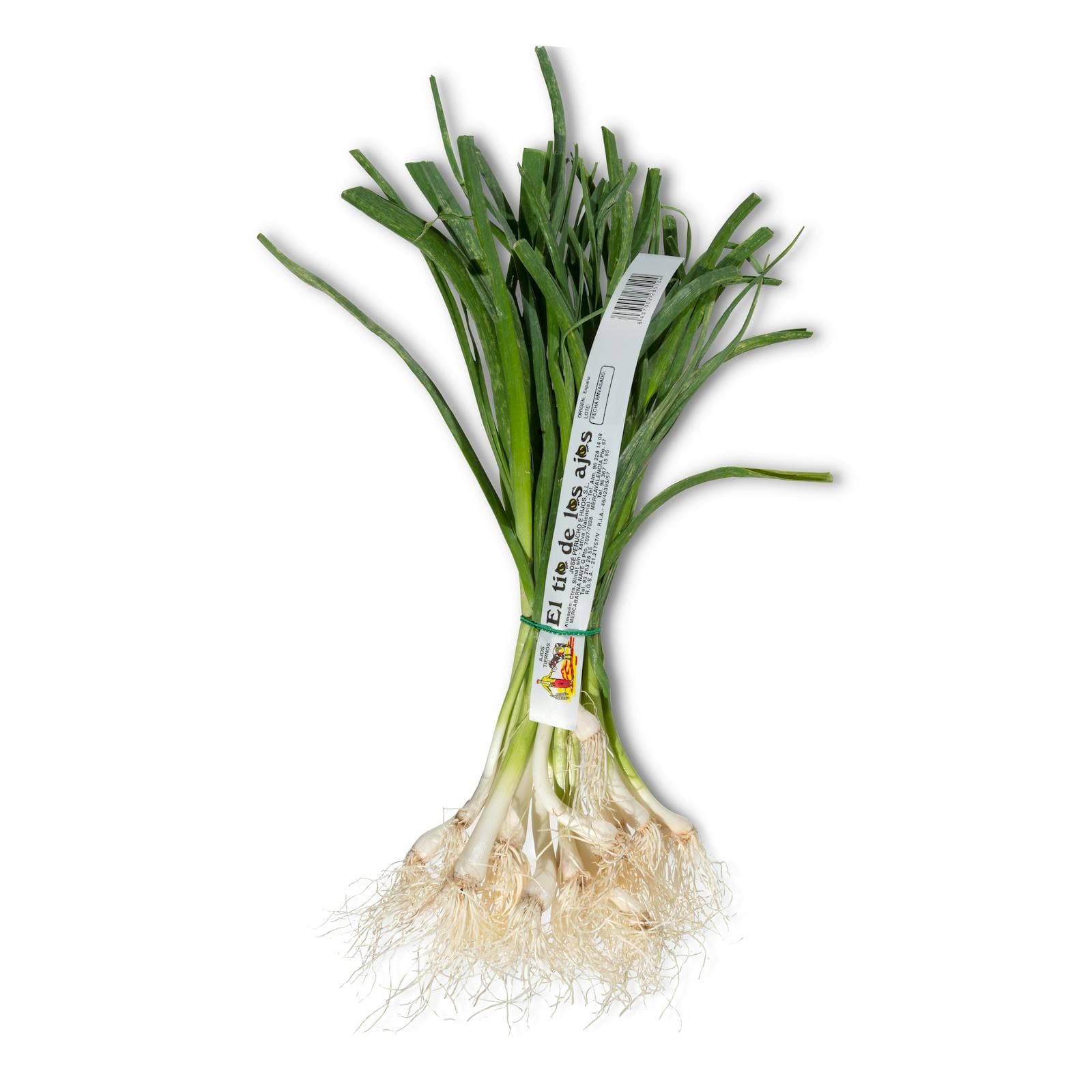 €2.60
€2.60Young Garlic
200 g · Mercadona
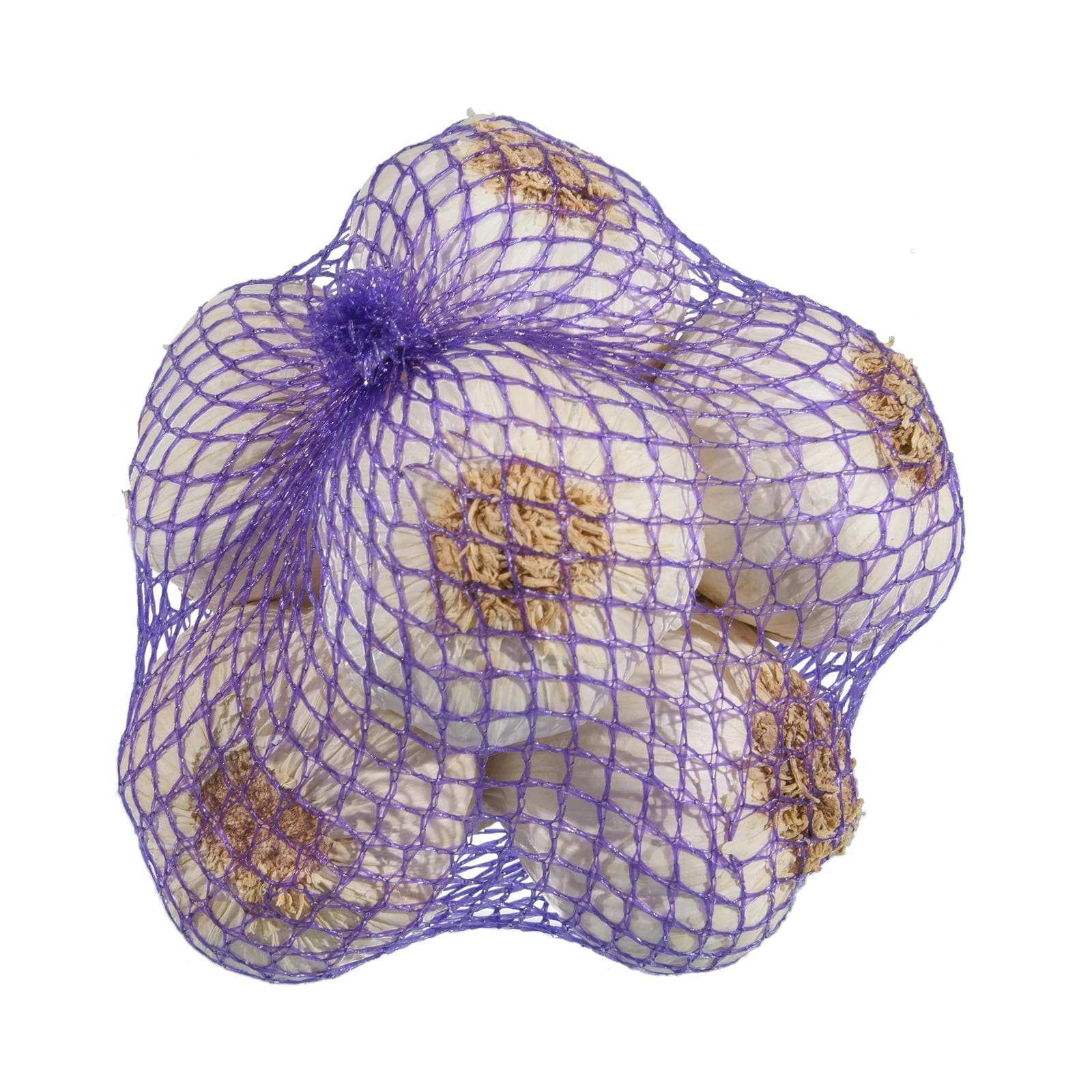 €1.85
€1.85Purple Garlic
250 g · Mercadona
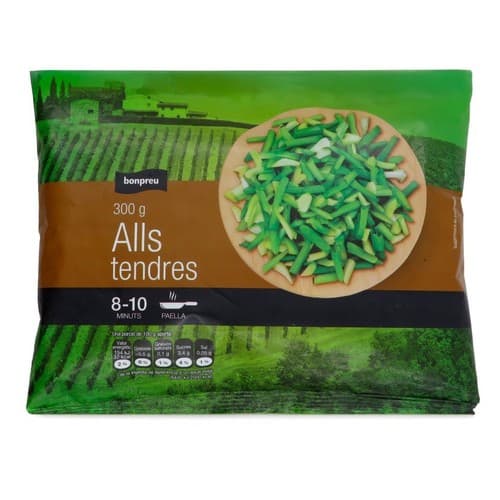 €1.99
€1.99Tender Garlic
BONPREU · kg · Bonpreu
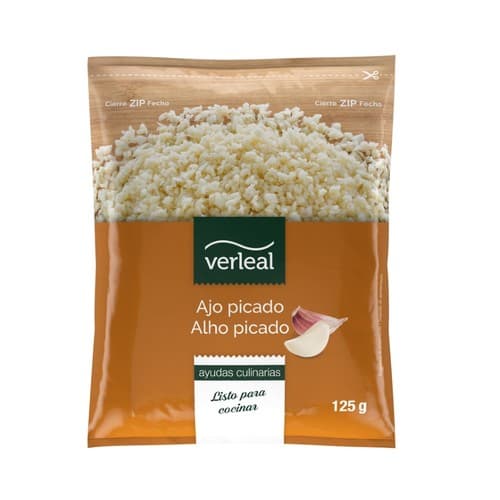 €1.68
€1.68Chopped Garlic
VERLEAL · kg · Bonpreu
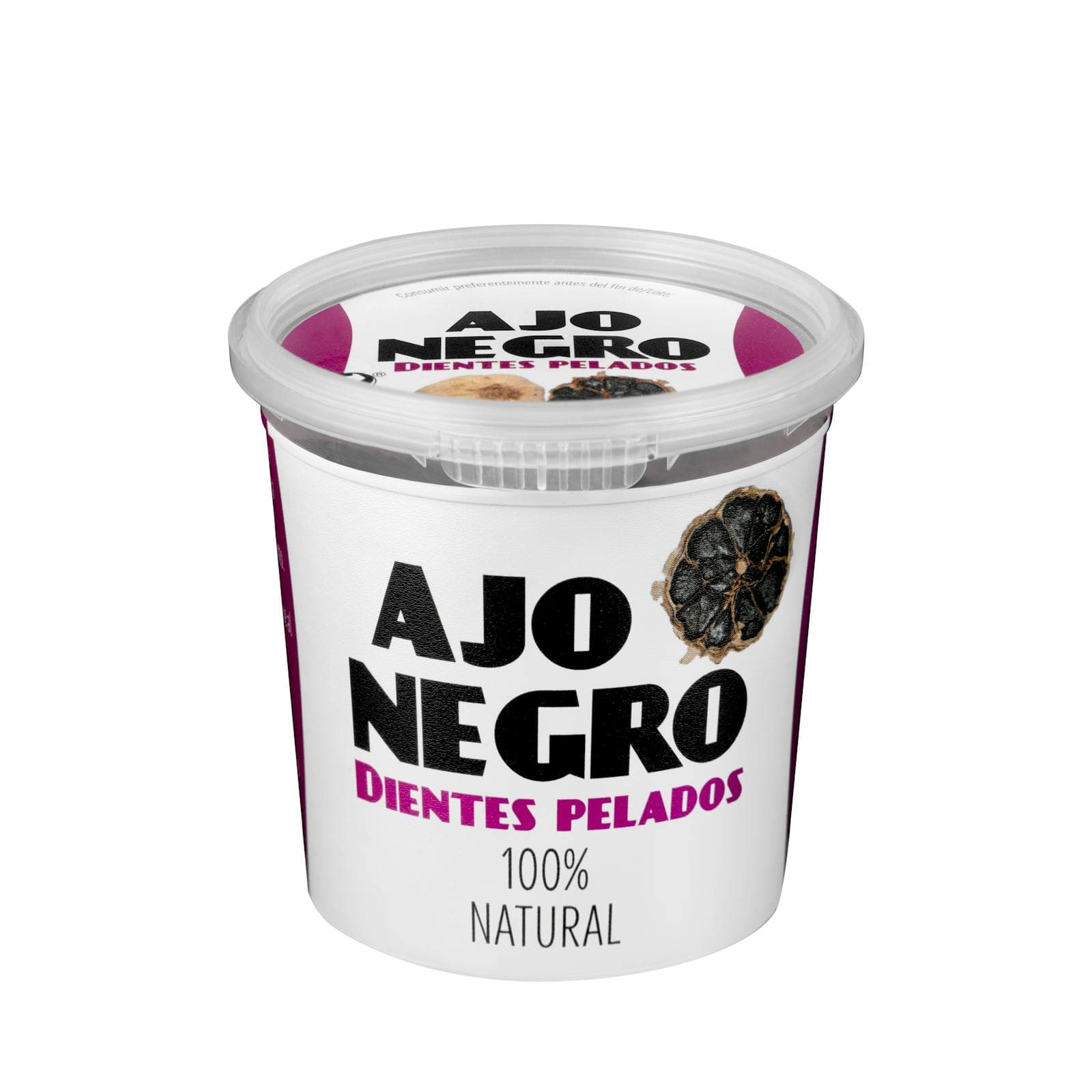 €5.00
€5.00Black Garlic Peeled Cloves
85 g · Mercadona
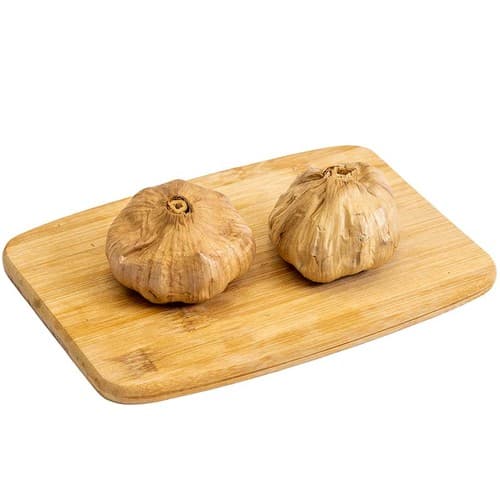 €4.69
€4.69Black Garlic in Bag of 2 Units
LA COLLITA · ud · Bonpreu
Good to know
- Type
- Flower stalk of hardneck garlic (Allium sativum)
- Season
- Late spring to early summer; peak June–July in Northern Hemisphere, October–November in Southern Hemisphere
- Origin
- Native to Central Asia; hardneck varieties now grown worldwide; scapes are a byproduct of garlic farming
- Flavor
- Mild, sweet garlic with grassy, vegetal notes; less pungent than garlic cloves; subtle peppery finish when raw
- Texture
- Crisp and tender when young; becomes fibrous and rubbery as the stalk matures and straightens
- Typical Size
- 12–24 inches long at harvest; sold in bunches of 6–10 stalks
- Storage
- Refrigerate unwashed in a loose plastic bag for up to 2–3 weeks; freeze blanched for several months
- Yield
- Approximately 1–2 pounds per plant if left to mature; commercial harvests are entire stalks
- Availability
- Farmers markets, specialty grocers, Asian markets; increasingly common at grocery chains in season
- Difficulty
- Very easy to prepare; requires minimal technique
Substitutes
- Green Garlic — The young, mild garlic harvested before bulbs mature; closest flavor match; use entire white and light green portions; available early spring
- Ramps (Wild Leeks) — Similar mild allium flavor with earthy, oniony notes; slightly more pungent; excellent raw or cooked; seasonal spring ingredient
- Garlic Chives (Chinese Chives, Jiu Cai) — Similar grassy, garlicky flavor; flatter leaf structure; excellent for stir-fries and dumplings; sold at Asian markets
- Green Onions (Scallions) — Milder, sweeter; less garlic character; usable in cooked applications where garlic notes are not essential; readily available year-round
- Broccolini or Asparagus — For sautéed preparations; provide similar texture and visual appeal but lack garlic flavor entirely
- Chives — For raw applications only; very mild and insufficient garlic presence for cooked dishes
Pairs with
Also called
蒜苗 · Garlic Stalk · Green Garlic Stem
Related
Tomato
Juicy, sun-sweet fruit for sauces, salads, and slow-cooked depth
Yellow Onion
The aromatic backbone of soups, sofritos, and braises
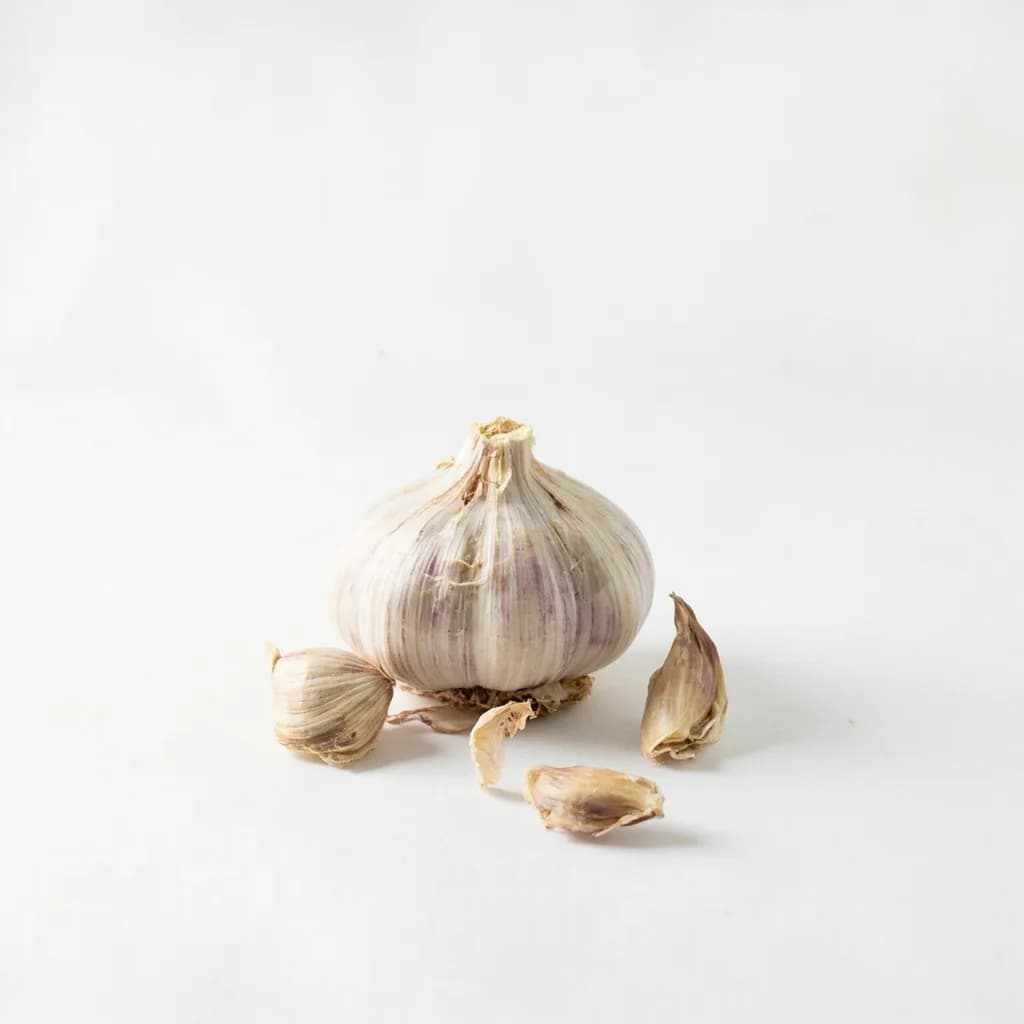
Garlic
Pungent cloves that perfume nearly every savory dish
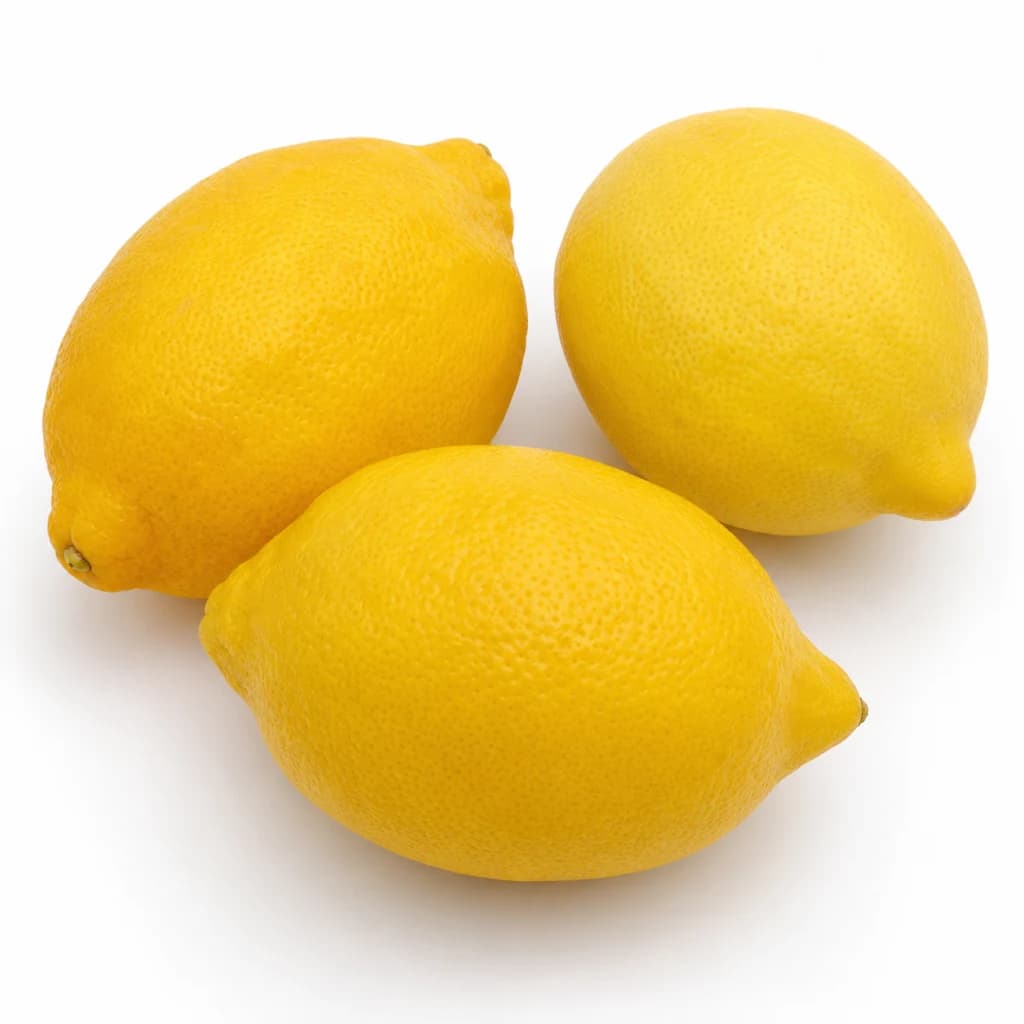
Lemon
Bright, acidic citrus that wakes up almost any dish
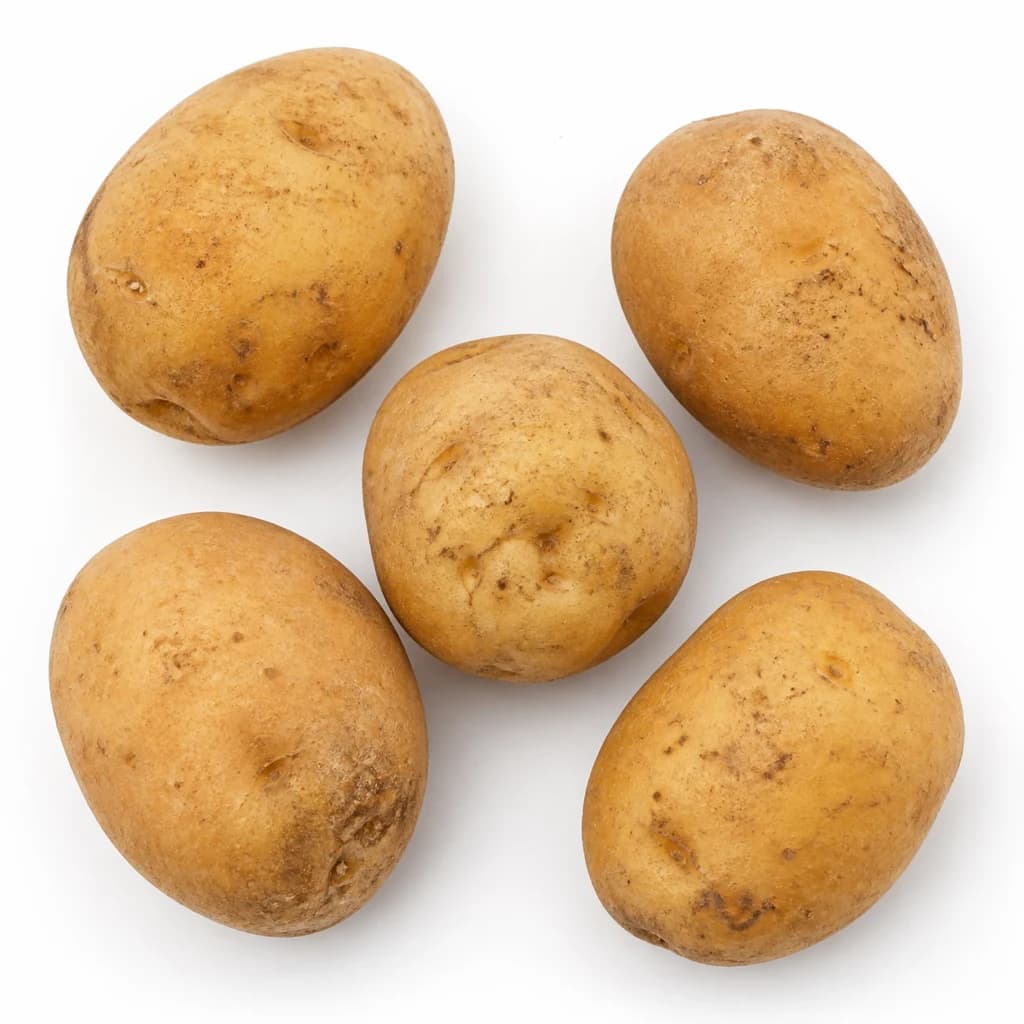
Potato
Humble, hearty staple — roast, mash, fry, or boil
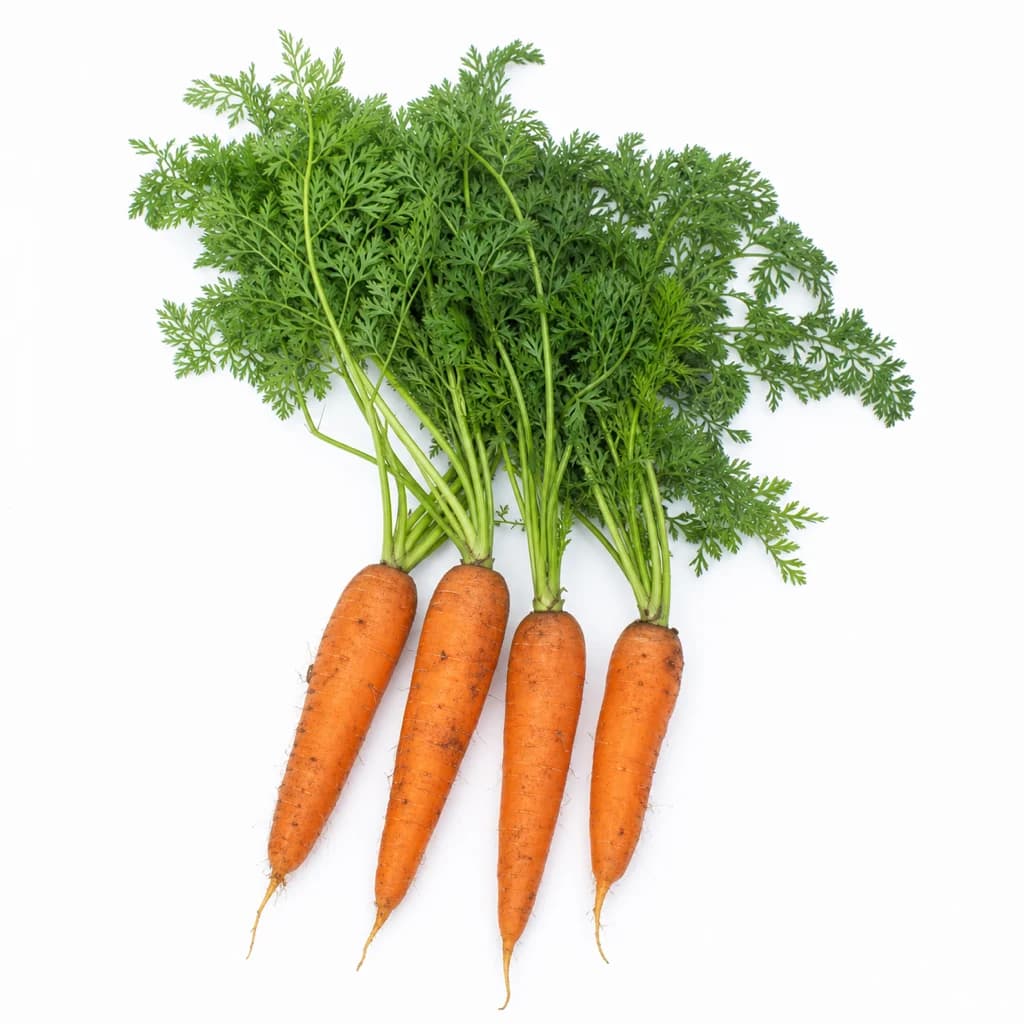
Carrot
Sweet, crunchy root — raw, roasted, or the base of a sofrito
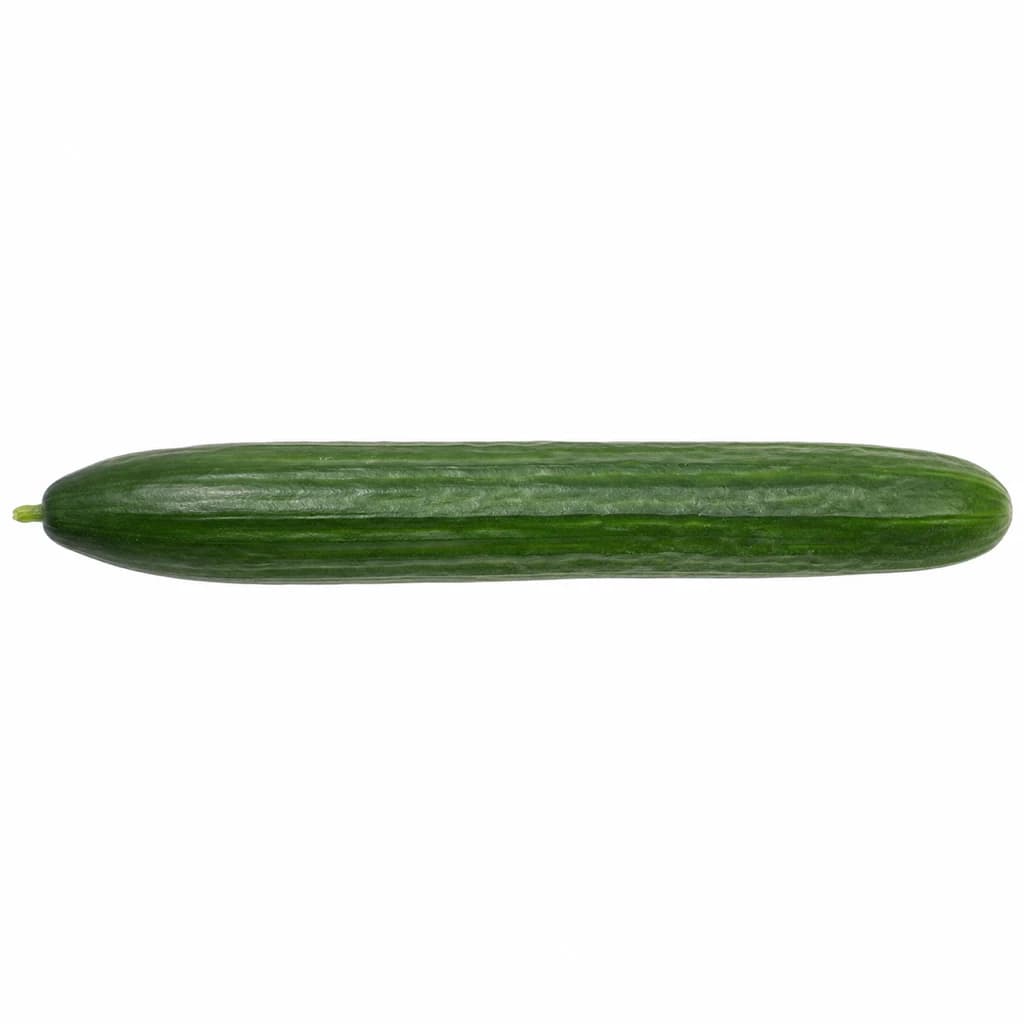
Cucumber
Cool, crisp, and watery — for salads, pickles, and tzatziki

Lettuce
Crisp leaves for salads, wraps, and a fresh crunch