Proteins
Green-Lipped Mussel
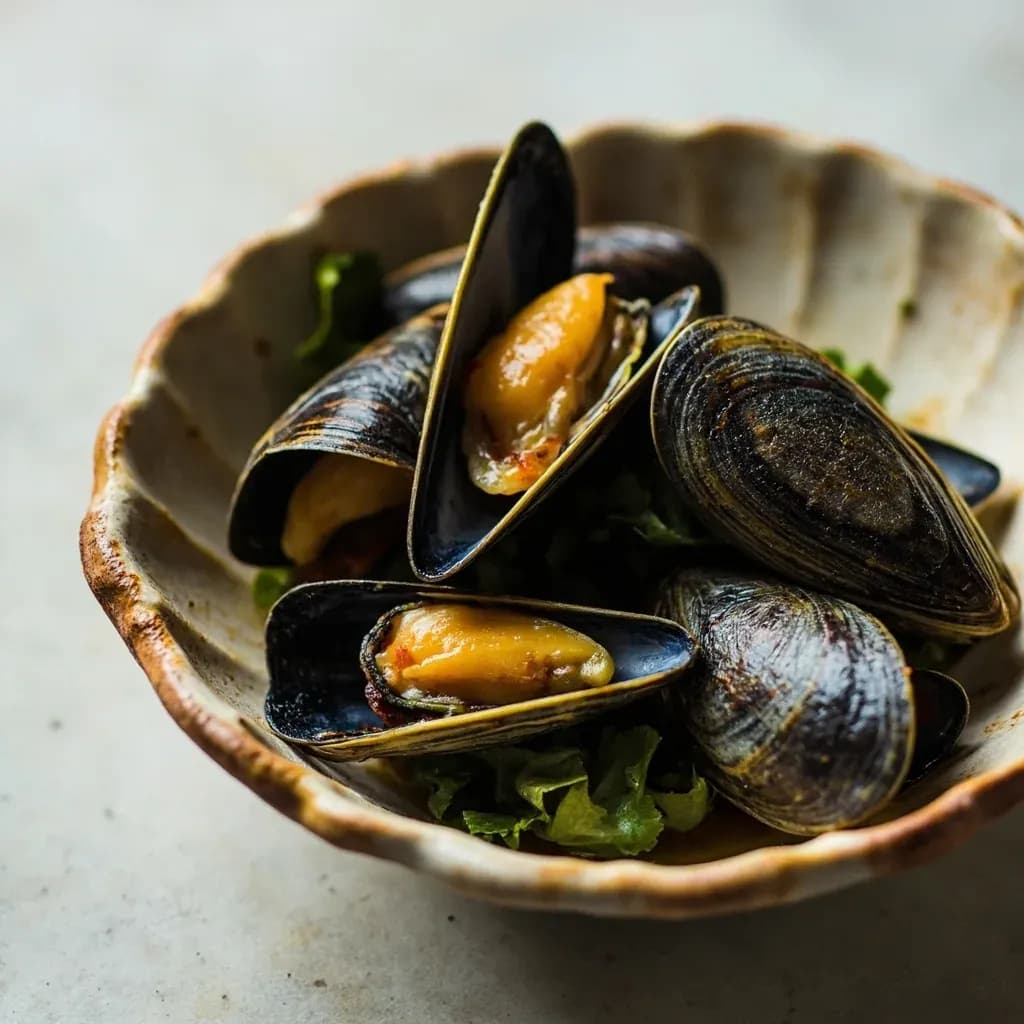
Large New Zealand mussel with a distinctive green shell, sweet and meaty, steamed or grilled.
The green-lipped mussel is a large bivalve native to New Zealand, recognizable by the green edge of its shell. Its plump, sweet flesh is steamed, grilled on the half-shell, or simmered in chowders and broths. It is also farmed extensively and prized for both eating and nutritional extracts.
Green-lipped mussels (Perna canaliculus) are the largest mussel species commonly available commercially, native to the clean, cold waters of New Zealand where they have been farmed using long-line aquaculture since the 1970s. The distinctive emerald-green stripe along the shell margin makes them immediately identifiable and is a reliable marker of authenticity. Their meat—orange-red from females or cream-white from males—is notably higher in glycogen than other mussel species, which translates directly into a sweeter, more complex flavor that holds up well to cooking. While the majority of the New Zealand harvest is frozen for export (particularly to Japan, where they command premium prices for sushi and supplements), the fresh and frozen products available in most markets perform superbly in any preparation that calls for mussels. The frozen IQF format is often superior to fresh in non-coastal regions because flash-freezing preserves texture and flavor at peak condition—a point many chefs have come to appreciate. In New Zealand itself, these mussels appear in traditional boil-ups, grilled on the half-shell at seafood bars, and fried in batter as affordable street food, demonstrating remarkable versatility across both refined and rustic preparations.
- Measured in
- g
- Storage
- Fridge
Allergens
Types & varieties
Sold live; cook same day or within 1–2 days of delivery; shells should be tightly closed
Individually quick-frozen whole mussels; excellent quality retention, often superior to fresh in inland markets
Shucked with one valve attached; ideal for grilling, gratinéing, or serving as an appetizer
Removed from shell; sold fresh or frozen; requires thorough rinsing and inspection before use
Pre-cooked; softer texture; useful for quick sauces, spreads, and pâtés
Buying and Storing
Live mussels should feel heavy for their size, indicating they are still holding water and are healthy. Reject any with cracked, chipped, or broken shells. When tapped, live mussels will close their valves tightly—if a mussel remains open, it is dead and should be discarded. Store live mussels in an open container in the refrigerator at 4°C (39°F) and use within 2–3 days; never seal them in plastic, which suffocates them. Frozen shucked meat keeps for 3–4 months at best quality. For the best results in non-coastal markets, seek out IQF frozen mussels in the shell; they are flash-frozen within hours of harvest and consistently outperform fresh shipped mussels in both flavor and texture.
- Live mussels: refrigerate uncovered, use within 2–3 days
- Frozen IQF: keeps 3–4 months; thaw overnight in refrigerator
- Shucked fresh: use within 1–2 days; rinse before cooking
- Never refreeze thawed mussels
The Green Stripe
The characteristic green edge along the shell is not a dye or marking—it is the natural periostracum, the protective outer layer of the shell. This stripe is the most reliable identifier of Perna canaliculus and distinguishes it from Mediterranean blue mussels, green-lipped Asian mussels (Perna viridis), and other species that may superficially resemble it. When purchasing, verify this green margin is present and vibrant; faded or absent coloring may indicate the product has been mishandled or is mislabeled.
- The green stripe is the natural periostracum—always present on authentic green-lipped mussels
- Faded coloring suggests improper handling or misidentification
- Check for the green edge when buying frozen IQF product as well as fresh
Common uses
Tips & pitfalls
- Discard any mussels with cracked, chipped, or broken shells before cooking—these are unsafe
- Live mussels should close tightly when tapped; if they stay open, they are dead—throw them out
- Debeard mussels just before cooking, not hours ahead: the byssus dries out and becomes difficult to remove
- Do not overcook: mussels are done the moment their shells open, typically 4–6 minutes of steaming; residual heat continues cooking them
- Save the liquid that steams out—it is a flavorful mussel stock for soups, risottos, and sauces
- Do not stack mussels more than two layers deep in the pot; use high heat and a tight lid for proper steam circulation
- Season the cooking liquid sparingly: mussels are naturally salty, and the cooking liquid concentrates as it steams
- In non-coastal markets, frozen IQF green-lipped mussels are often superior to fresh shipped mussels because flash-freezing preserves peak quality
- For grilling, use half-shells to hold mussels upright; brush lightly with oil to prevent sticking and charring
- Never cook mussels in freshwater; use seawater, shellfish stock, or salted water at about 2% salinity to prevent the shells from bursting
Nutrition
Nutrition
No USDA FoodData Central match for Green-Lipped Mussel yet. We surface a per-100 g profile once a generic whole-food entry is matched and verified.
In the shops
Matched grocery products
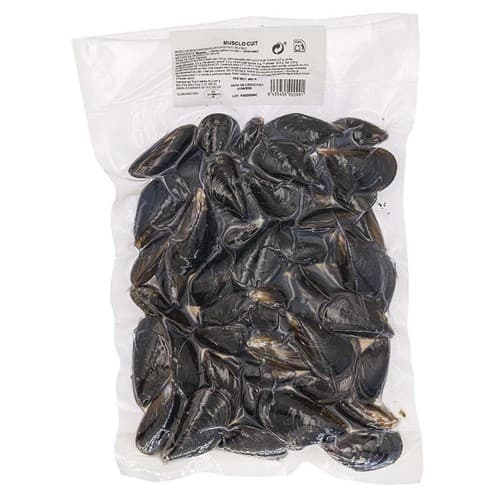 €4.99
€4.99Cooked Mussel
kg · Bonpreu
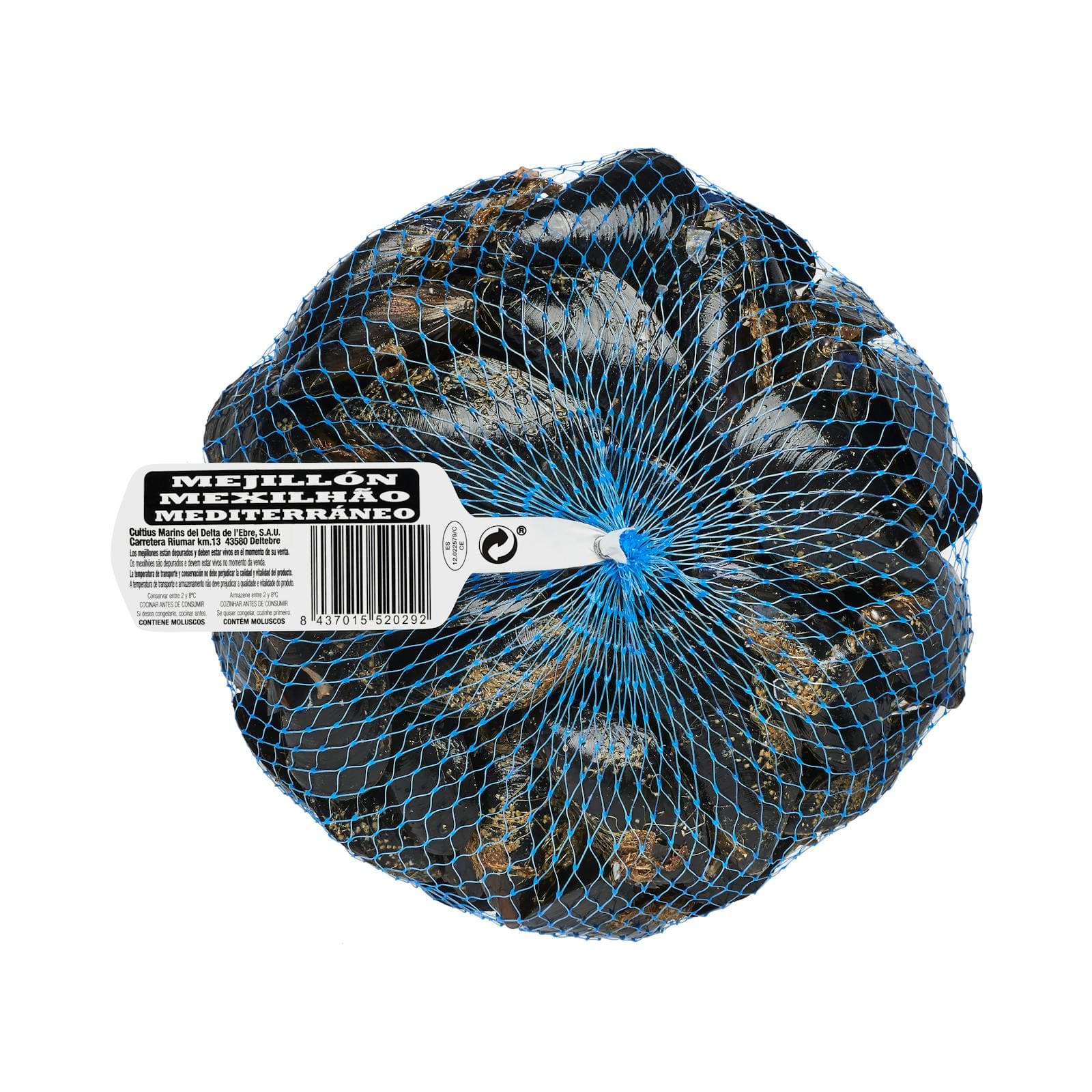 €6.50
€6.50Mediterranean Mussel
1 kg · Mercadona
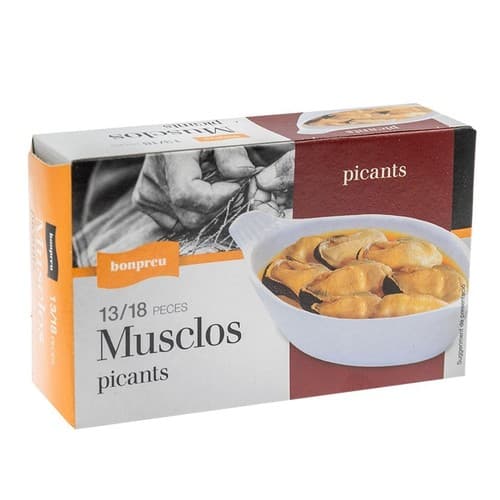 €1.99
€1.99Spicy Mussels 13/18
BONPREU · kg · Bonpreu
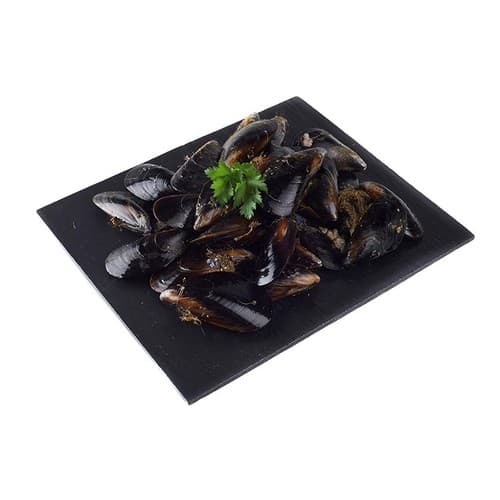 €3.99
€3.99Mussel in 1kg Mesh Bag
kg · Bonpreu
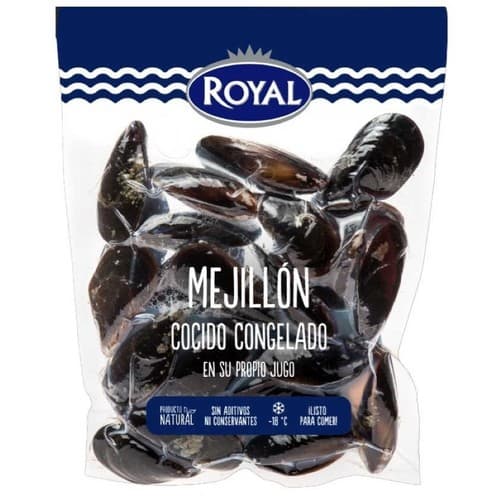 €6.95
€6.95Cooked Mussels with Shell
ROYAL · kg · Bonpreu
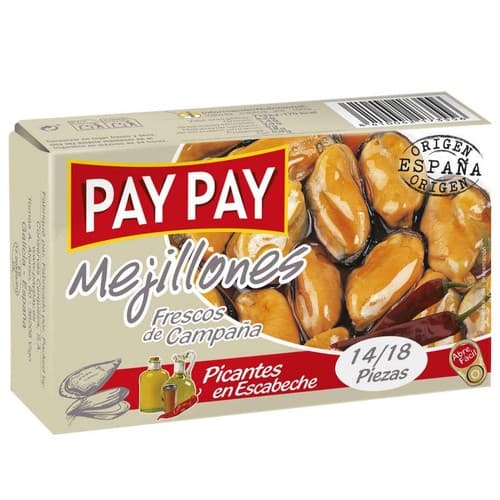 €2.95
€2.95Spicy Pickled Mussels 14/18
PAY PAY · kg · Bonpreu
Good to know
- Scientific Name
- Perna canaliculus
- Origin
- Native to New Zealand; farmed exclusively via long-line aquaculture in clean, cold coastal waters
- Typical Size
- 3–6 inches (7.5–15 cm) shell length; can reach 10 inches at maturity
- Meat Color
- Orange-red (female) or cream-white (male); both are equally desirable
- Flavor
- Sweet and briny with a clean mineral finish; higher glycogen content than other mussels
- Texture
- Firm and meaty with a satisfying bite; becomes tough if overcooked
- Peak Season
- Year-round, with fuller meat in cooler months (autumn–winter)
- Meat Yield
- Approximately 25–30% meat by weight from live mussels
Substitutes
- Blue Mussels (Mytilus edulis) — Smaller and slightly more briny, but widely available and well-suited to the same preparations; reduce cooking time by 1–2 minutes
- Mediterranean Mussels — Similar size and sweet flavor profile; good direct substitute for steaming, grilling, and most cooked applications
- Green Mussels (Perna viridis) — Southeast Asian species; comparable texture and cooking behavior; look for the green shell margin to distinguish
- Manila Clams — Different species but similar cooking time and utility in soups, paella, and cioppino-style stews
- Scallops — Only acceptable for quick-cook methods like searing; lacks the shell presentation and intensity of mussel flavor
Pairs with
Also called
New Zealand Mussel · Greenshell Mussel · Kuku
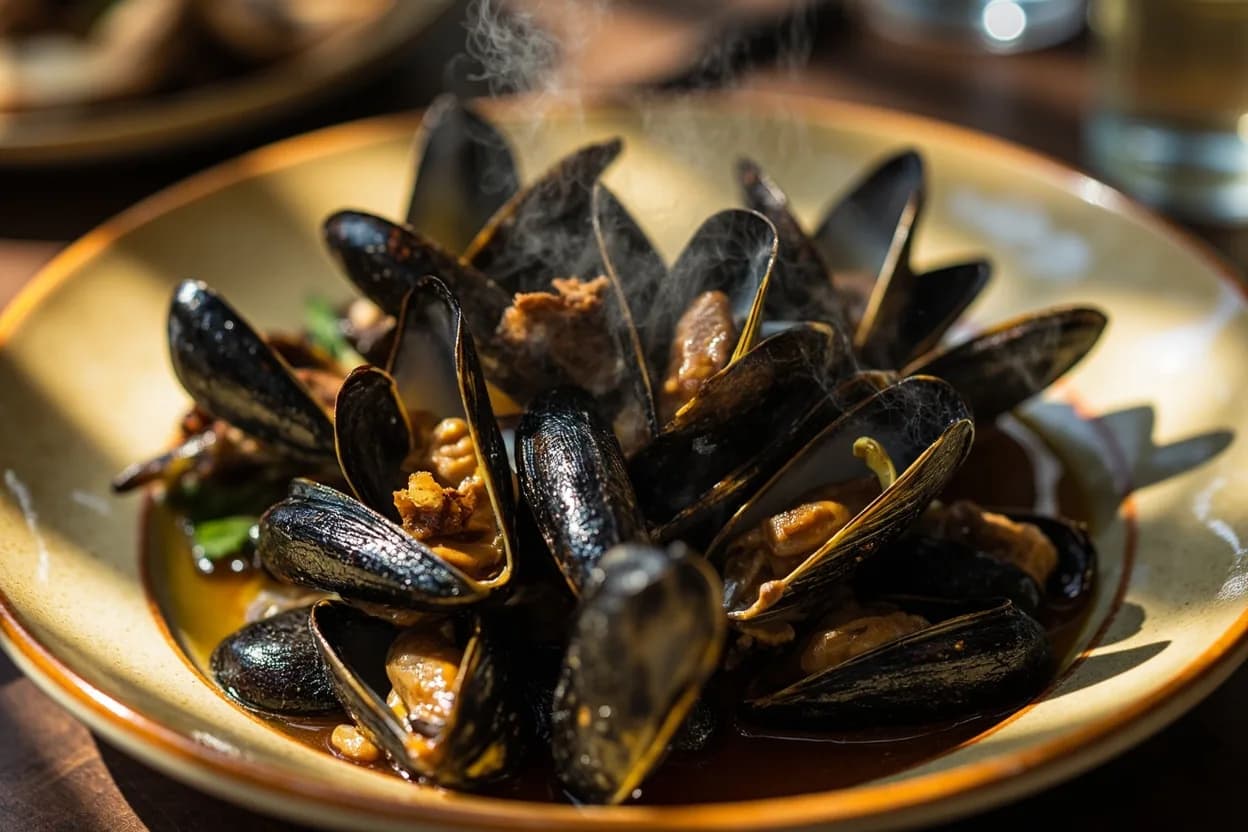
Appears in these dishes
Related
Egg
The kitchen's everything ingredient — bind, leaven, enrich, or fry
Chicken Breast
Lean, quick-cooking white meat for everyday dinners

Ground Beef
Versatile minced beef for burgers, ragù, tacos, and meatballs
Pork Loin
Lean, tender roasting cut that stays juicy with care
Salmon
Rich, rosy fish that roasts, grills, or cures beautifully

Egg White
Pure protein that whips to airy peaks for meringue and more
Egg Yolk
Rich, golden yolk for custards, mayonnaise, and pasta

Quail Egg
Tiny, speckled eggs for garnishing and elegant bites