
Natural form
Whole green onions showing the full plant: white base, slender stem, and hollow green tops.
Establishes the complete visual anatomy of the ingredient so readers can identify it at market or in a recipe photo.
Produce
Green Onion
Mild slender allium with white base and green tops, used raw or cooked as a fresh aromatic.
Green onions are young, slender alliums harvested before the bulb swells, with a crisp white base and hollow green tops. The white parts add mild onion flavor to stir-fries and braises, while the greens are sliced raw as a fresh garnish. They are essential across East Asian, Latin and Western cooking.
Green onions—also called scallions and spring onions—are young, immature bulb onions harvested before the bulb swells, making them a distinct harvest stage rather than a separate species. Their white base and light green transition retain the characteristic allium bite, while the dark green tops offer a milder, fresher, almost grassy flavor. This duality is their defining kitchen virtue: you can treat the white base as you would a young leek or mild onion, and use the greens like a fresh herb, raw or barely cooked.
The entire plant is edible, with nearly 100% yield. What distinguishes green onions from mature bulb onions is their low sulfur compound content—the undeveloped bulb means less of the compounds that make your eyes water and give digestives trouble. This makes them forgiving enough for raw applications where a yellow onion would be too aggressive, yet substantial enough to hold their own when grilled, pickled, or folded into a hot dish at the last moment. Their crisp texture and visual contrast between white and green make them one of the most utilitarian garnishes in global cooking.
Worth knowing: the cutting technique matters. In Chinese cooking, scallion garnish (wei cong) is cut on the bias into thin diagonal slivers—a matter of both presentation and texture. In Korean cuisine, mixing thin slices into hot rice and letting it steam briefly (midae) is considered essential for proper bibimbap. These are not decorative choices; they affect how the onion releases its moisture and aroma into the dish.
- Measured in
- g
- Storage
- Fridge
Types & varieties
Most common commercial variety; bright white base, medium-green tops, mild flavor, reliable grower
Cold-hardy variety; stays green longer into winter; slightly thicker stalks
Purple-red tinge at the base and along leaf edges; same mild flavor, more visual impact
Japanese variety; thicker, more substantial white base; sweeter, milder taste; popular in Asian cooking
Widely grown commercial variety; upright habit, clean white base, good flavor retention
Common uses
Tips & pitfalls
- Wash thoroughly — soil lodges between layers at the base; separate each stalk and rinse under running water.
- Separate the white base from the green tops before cooking — the whites need slightly more heat to soften, while greens only need 15–30 seconds.
- Chop greens just before serving to preserve their fresh color and vitamins; use a sharp knife for clean cuts without crushing cell walls.
- Never overcook the greens — they turn olive-brown and lose their delicate flavor; add to stir-fries, soups, and dressings off the heat or at the last moment.
- Store upright in a jar of water in the fridge to keep them crisp for up to 2 weeks; loosely cover greens with a plastic bag.
- Use the dark green tops as you would fresh herbs — they have more flavor and visual impact than the whites in raw applications.
- Do not discard slightly wilted green onions — refresh them in ice water for 15 minutes to restore crispness.
- For grill charring, peel off the outer layer, brush with oil, and char over high heat 2–3 minutes per side; serve whole with soy-vinegar dip.
Nutrition
Energy
134 kJ · per 100 g
Where the calories come from
Protein
1.8g
4% DV
Carbs
7.3g
3% DV
Fat
0.2g
0% DV
Fiber
2.6g
9% DV
Sugars
2.3g
of which
Sodium
16mg
1% DV
Source · USDA FoodData Central · Onions, spring or scallions (includes tops and bulb), raw
View on FDC →In the shops
Matched grocery products
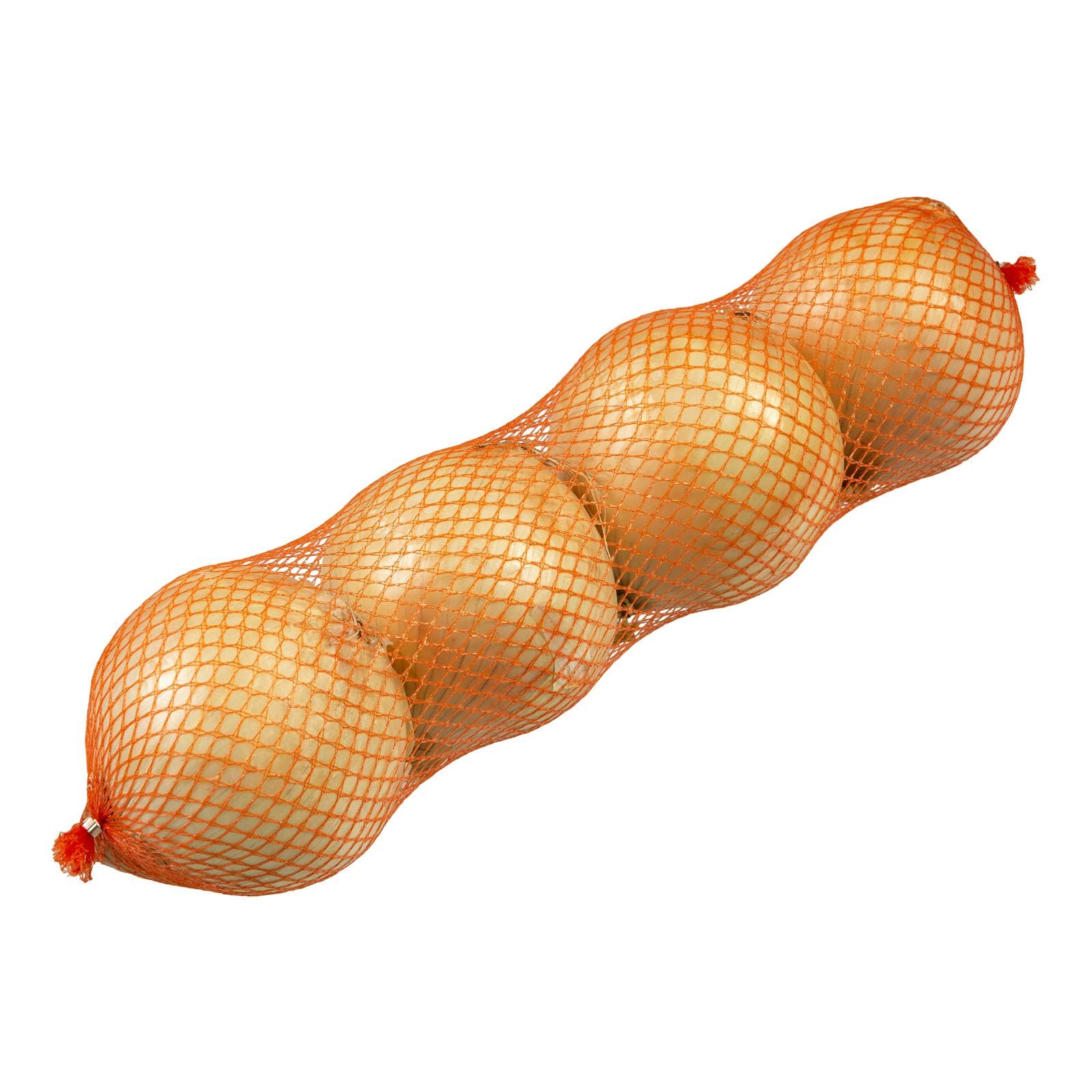 €2.40
€2.40Onions
1 kg · Mercadona
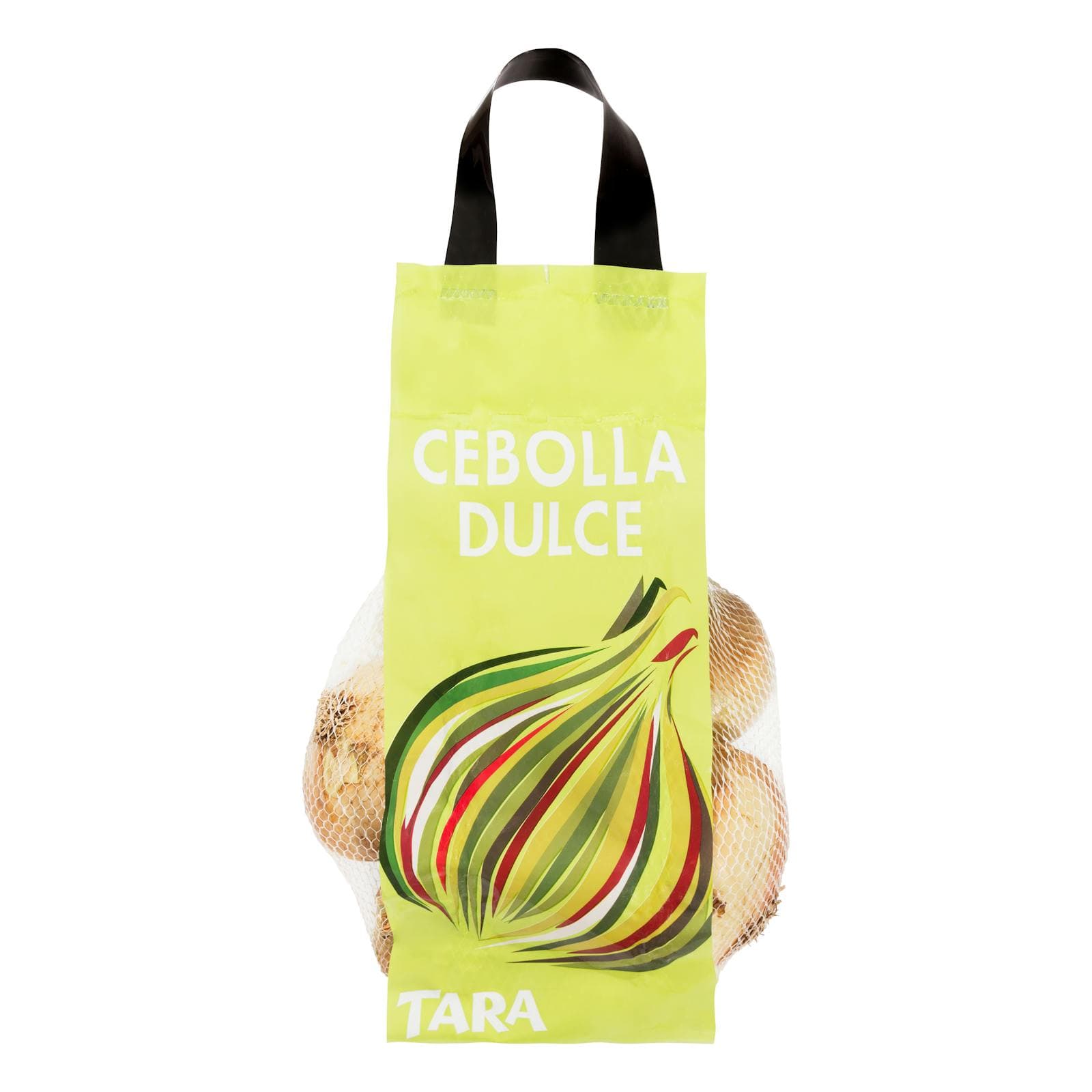 €2.50
€2.50Sweet Onions
1 kg · Mercadona
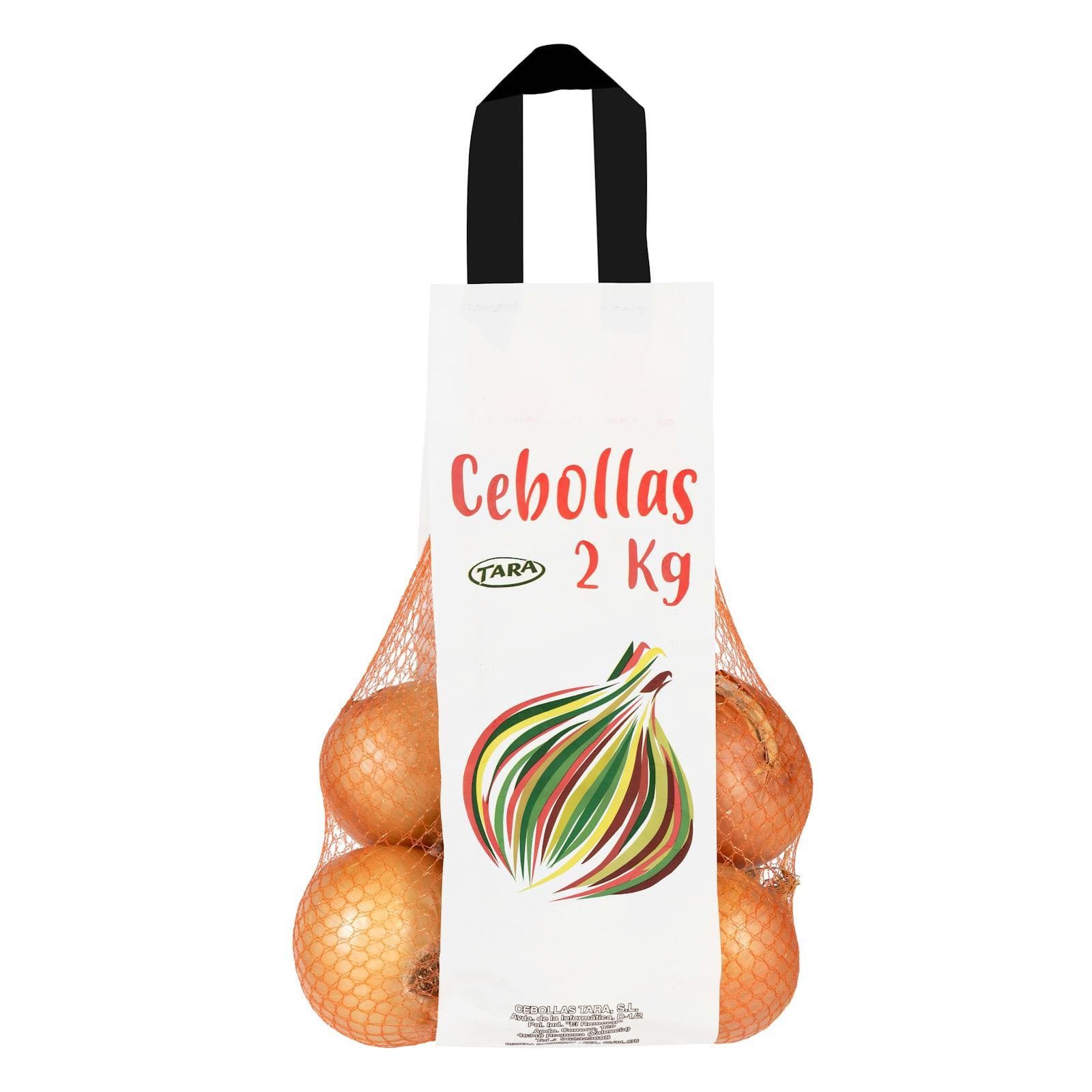 €3.90
€3.90Onions
2 kg · Mercadona
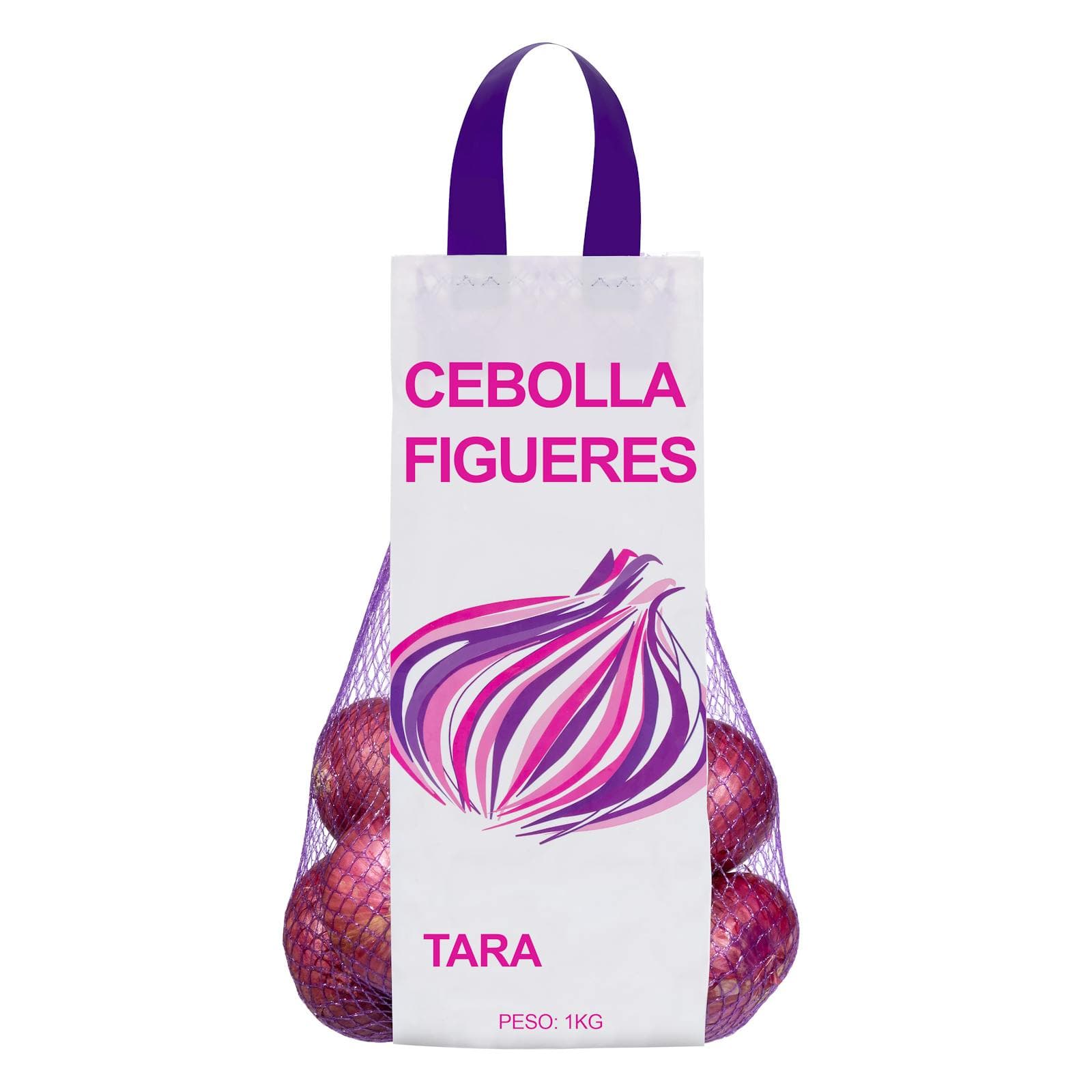 €2.00
€2.00Red Onions
1 kg · Mercadona
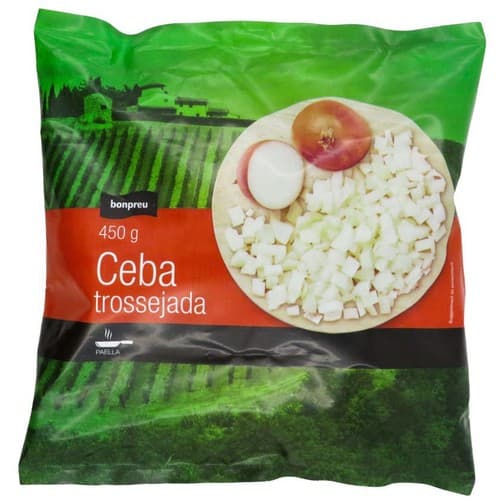 €1.00
€1.00Diced Onion
BONPREU · kg · Bonpreu
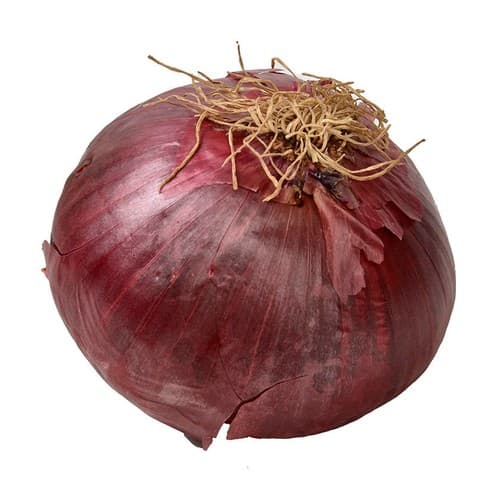 €0.68
€0.68Red Onion 1 unit
ud · Bonpreu
Good to know
- Also Known As
- Scallion, spring onion (UK/Australia); cebolleta (Spanish); negi (Japanese)
- Scientific Name
- Allium fistulosum
- Origin
- Central Asia, with primary cultivation in China and Japan dating back over 2,000 years; now grown worldwide
- Peak Season
- Spring through early summer; available year-round from commercial growing operations
- Flavor Profile
- Mild, sweet onion taste with a fresh, grassy note; white base is more pungent than the green tops
- Edible Parts
- Entire plant — white base, light green transition, and dark green tops; only roots are discarded
- Typical Size
- 12–18 inches tall; white base 2–4 inches; diameter ½–¾ inch
- Yield
- Nearly 100% usable; discard only roots and any badly wilted outer layers
- Storage
- Refrigerate unwashed in a loosely sealed plastic bag for up to 2 weeks; or store upright in 1 inch of water like a bouquet
- Freezing
- Blanch whites for 30 seconds before freezing; chop and freeze raw greens for cooking use only
- Quick Fact
- A green onion is a young, immature bulb onion harvested before the bulb swells; not a separate species
Substitutes
- Chives — Closest fresh mild allium; use half the quantity since flavor is more concentrated; best for raw applications only.
- Leek (white and light green parts only) — Milder and sweeter; requires thorough washing and longer cooking; not suitable as a raw garnish.
- Shallot (raw, minced) — Stronger, more pungent; use sparingly; acceptable as a raw garnish but better cooked.
- Yellow Onion (small, diced fine) — More assertive; excellent in cooked preparations but too harsh as a raw garnish; use half the amount.
- Ramp Greens — Seasonal (spring); similar mild-fresh quality but harder to find; ramp bulbs are not a substitute.
Also called
Cebolla de Verdeo · Negi · Long Green Onion · Scallion · Spring Onion
Appears in these dishes
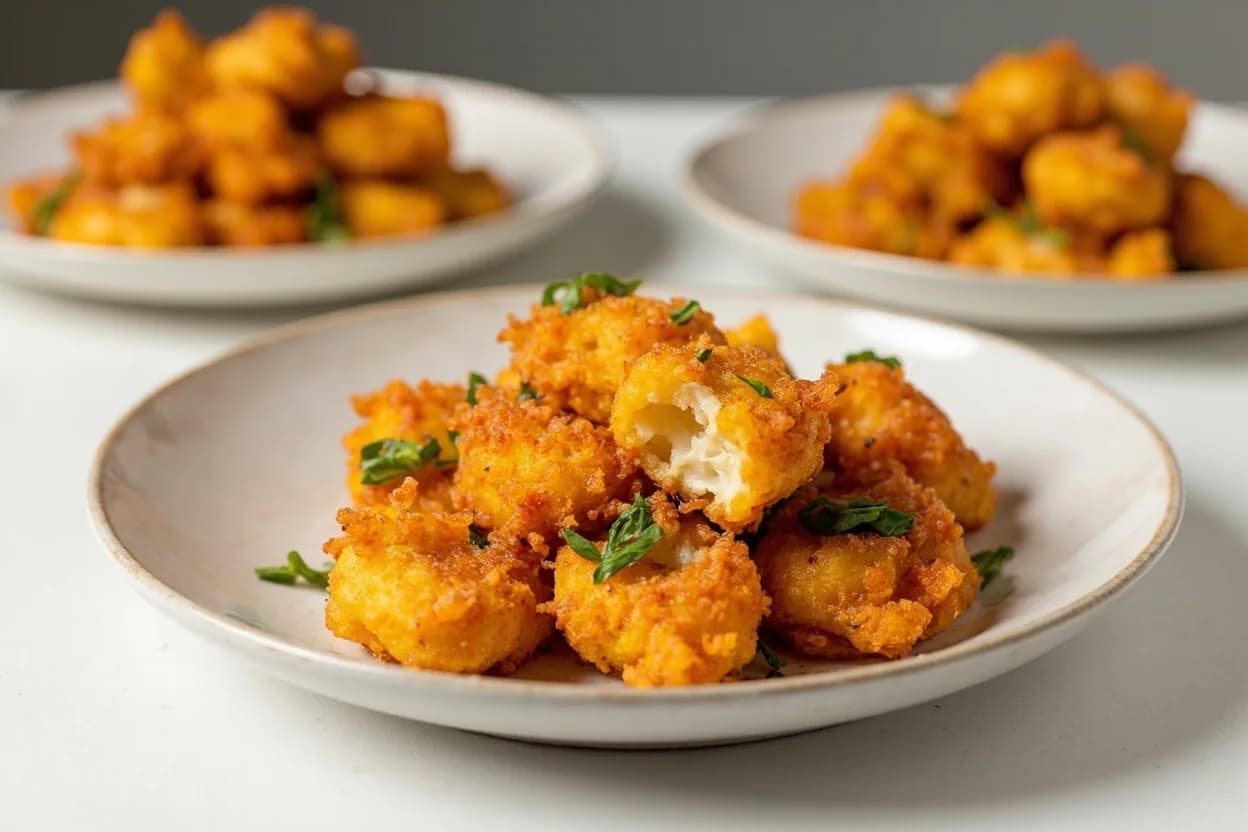
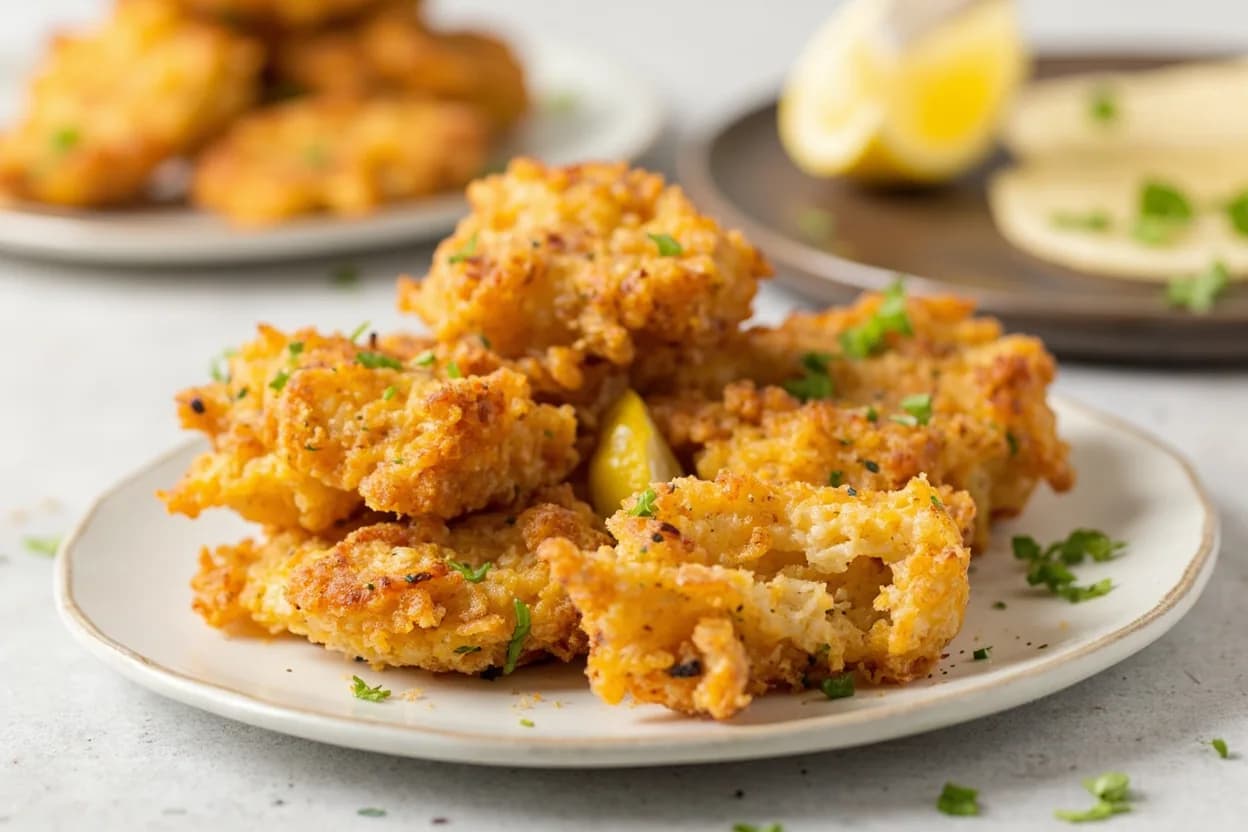
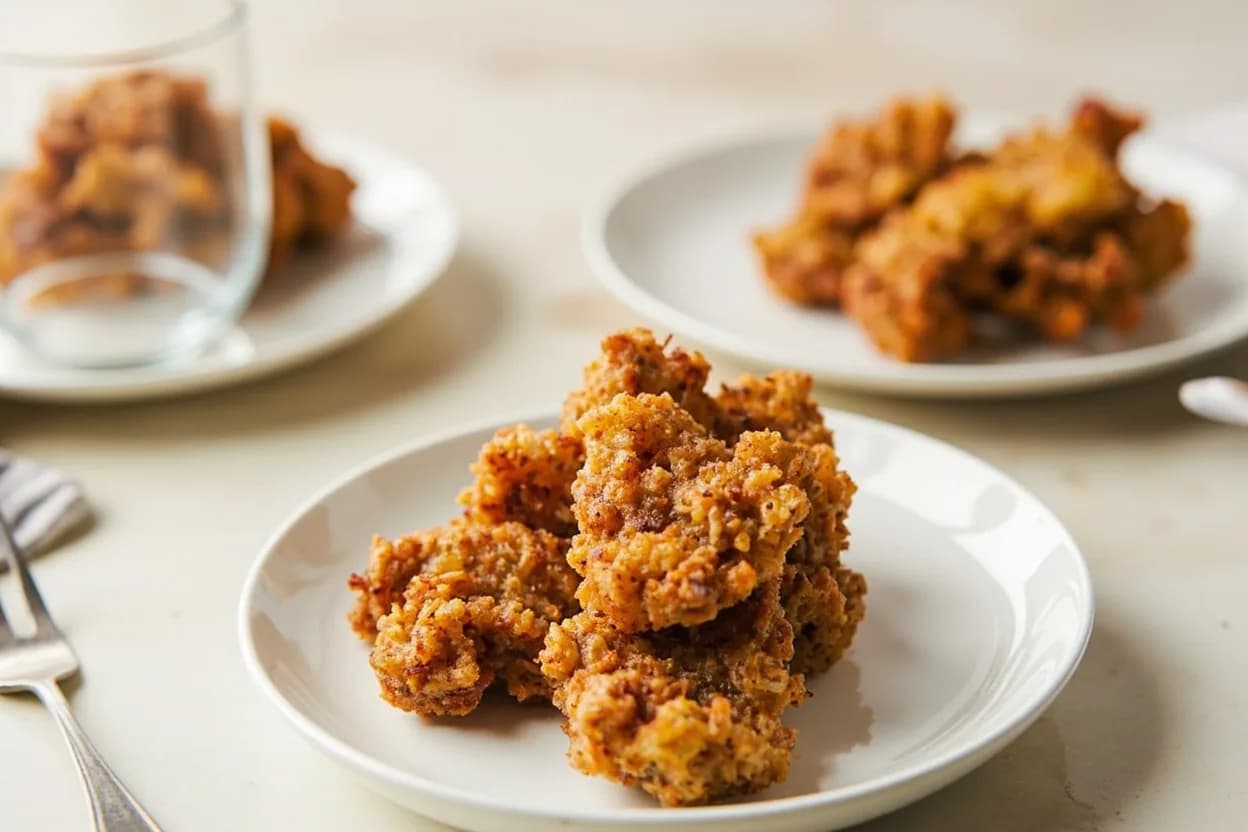
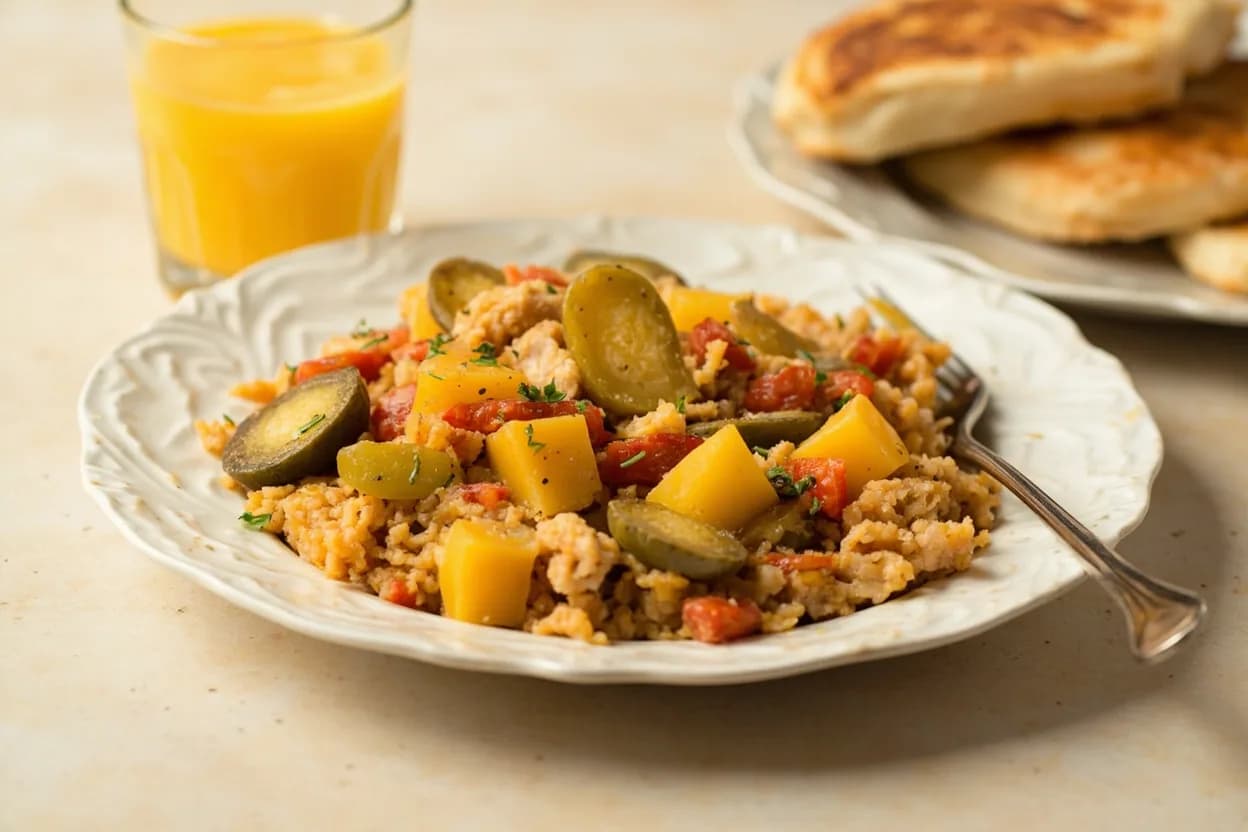
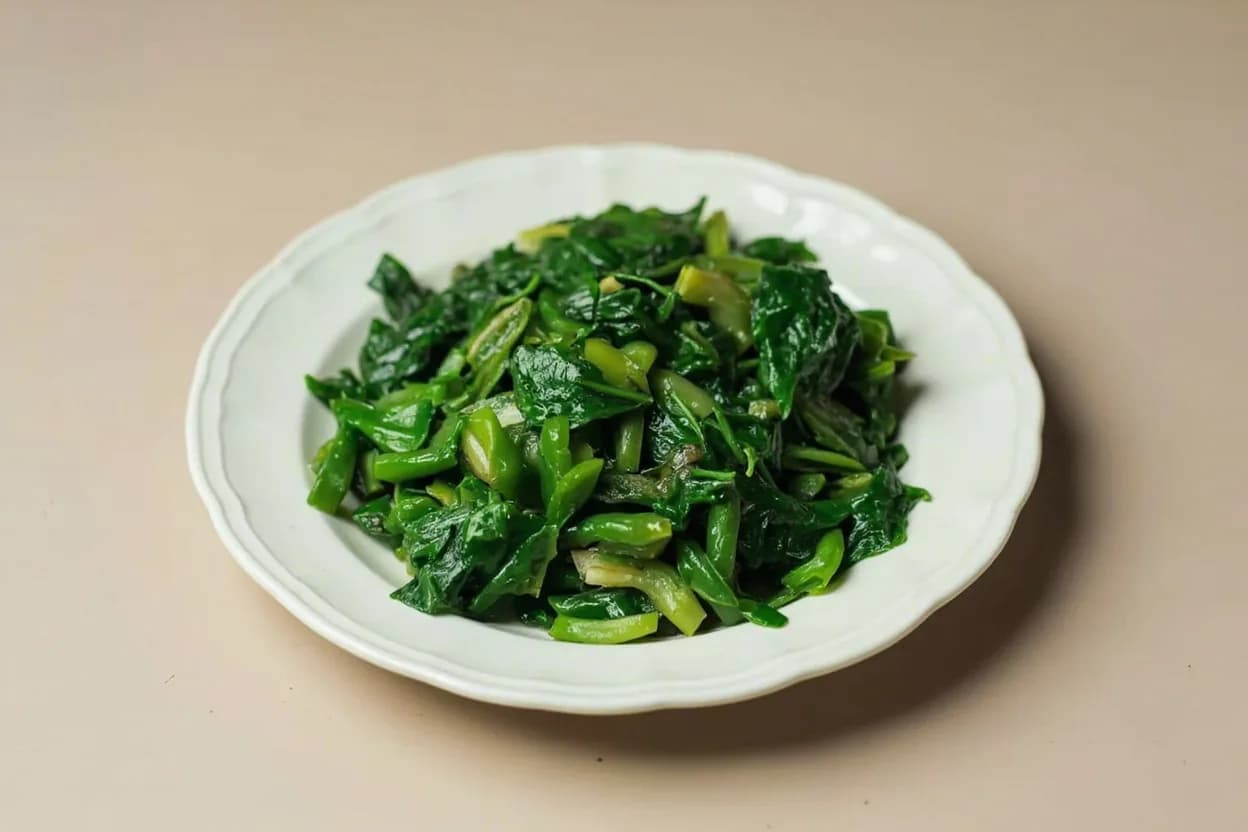
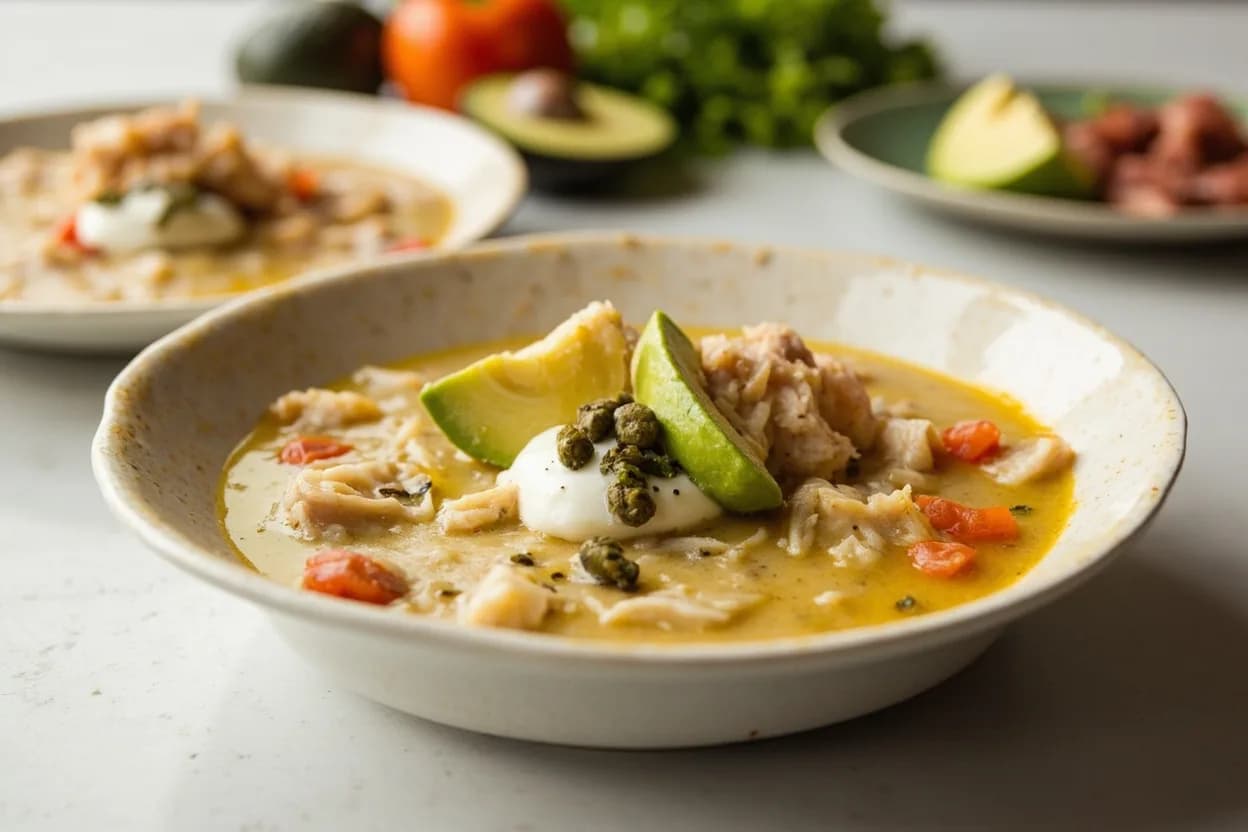
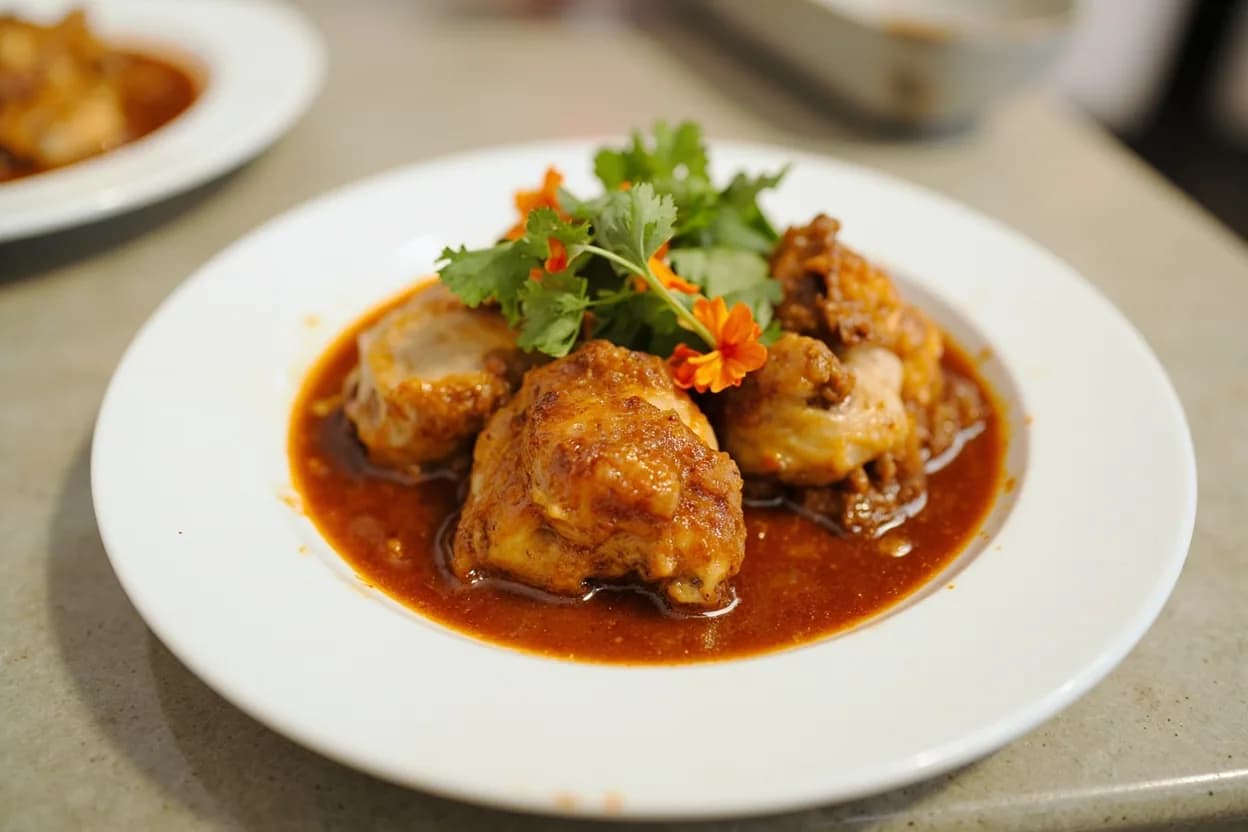
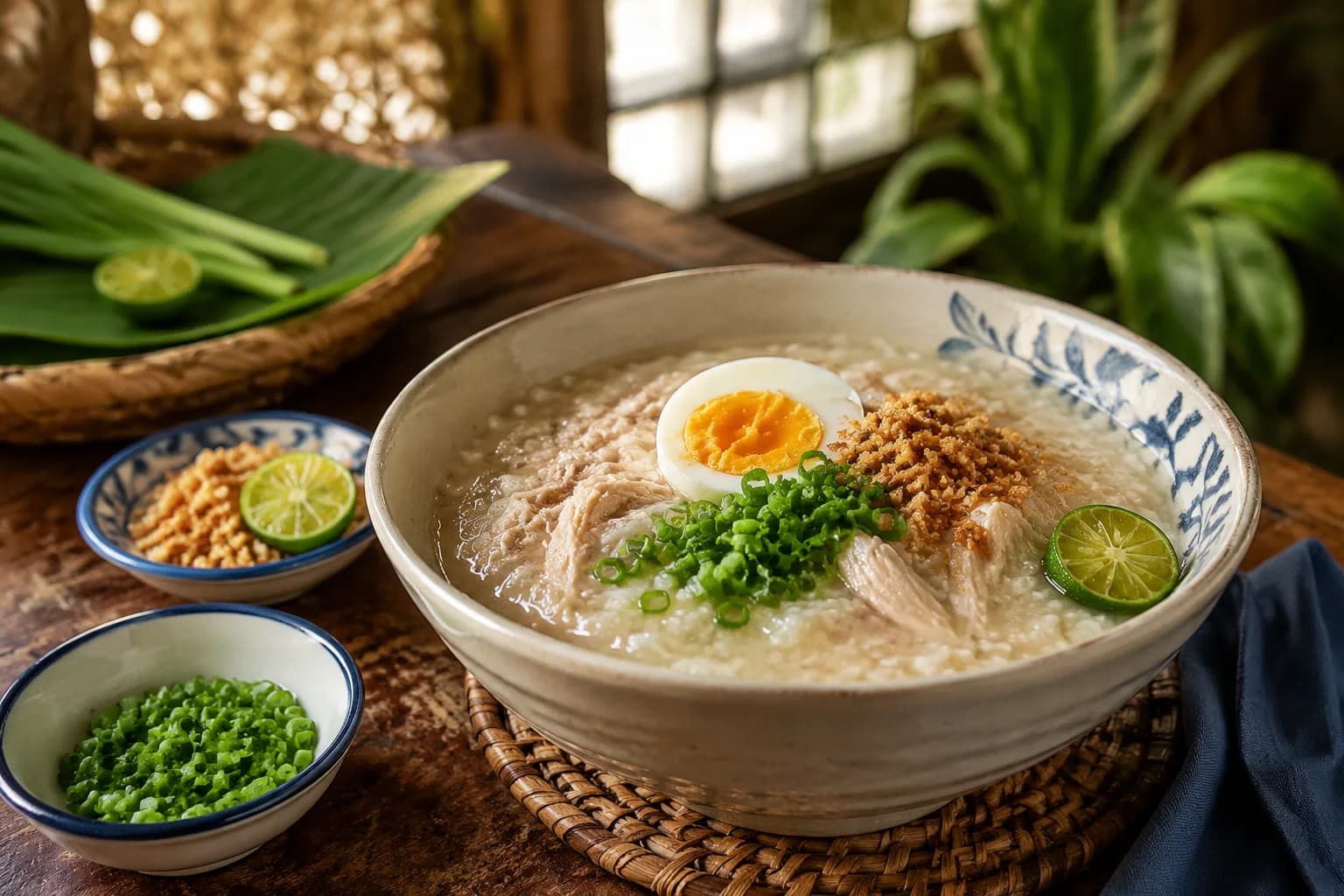
Related
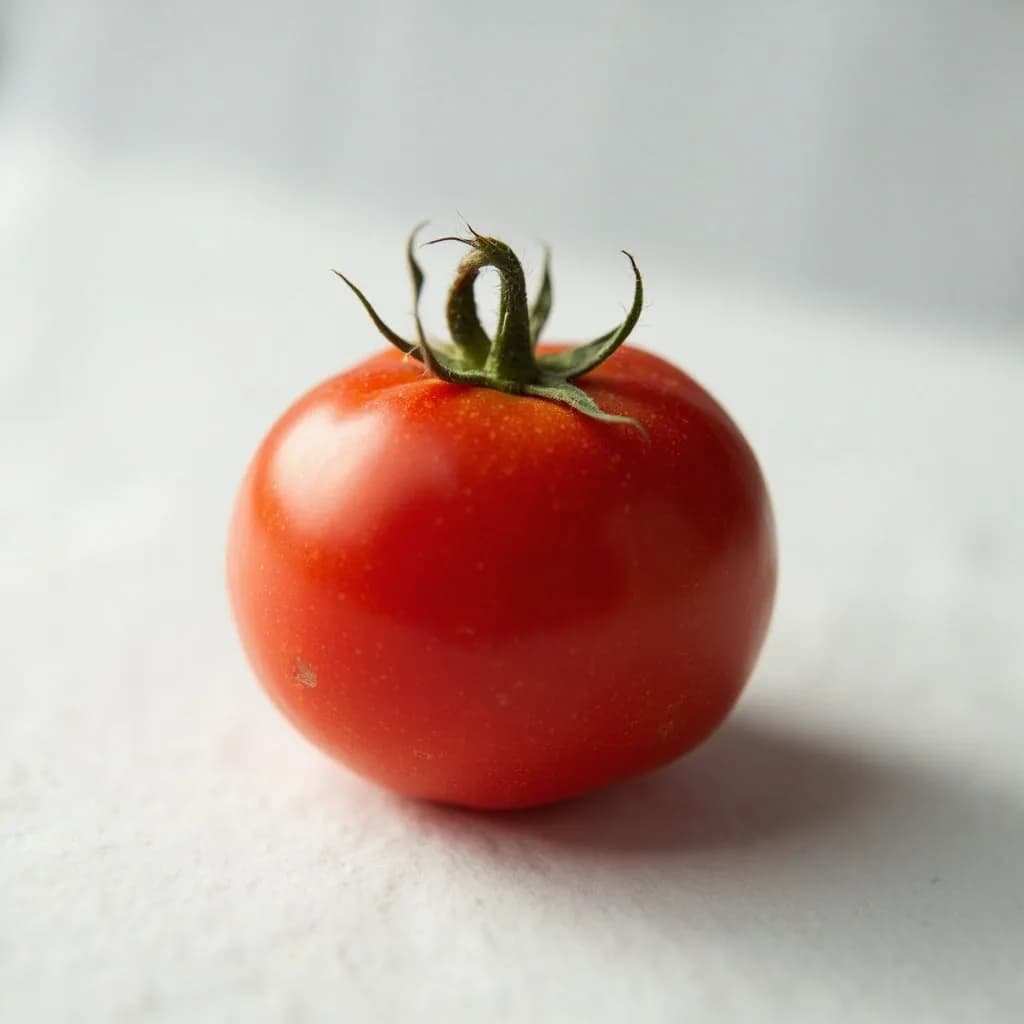
Tomato
Juicy, sun-sweet fruit for sauces, salads, and slow-cooked depth
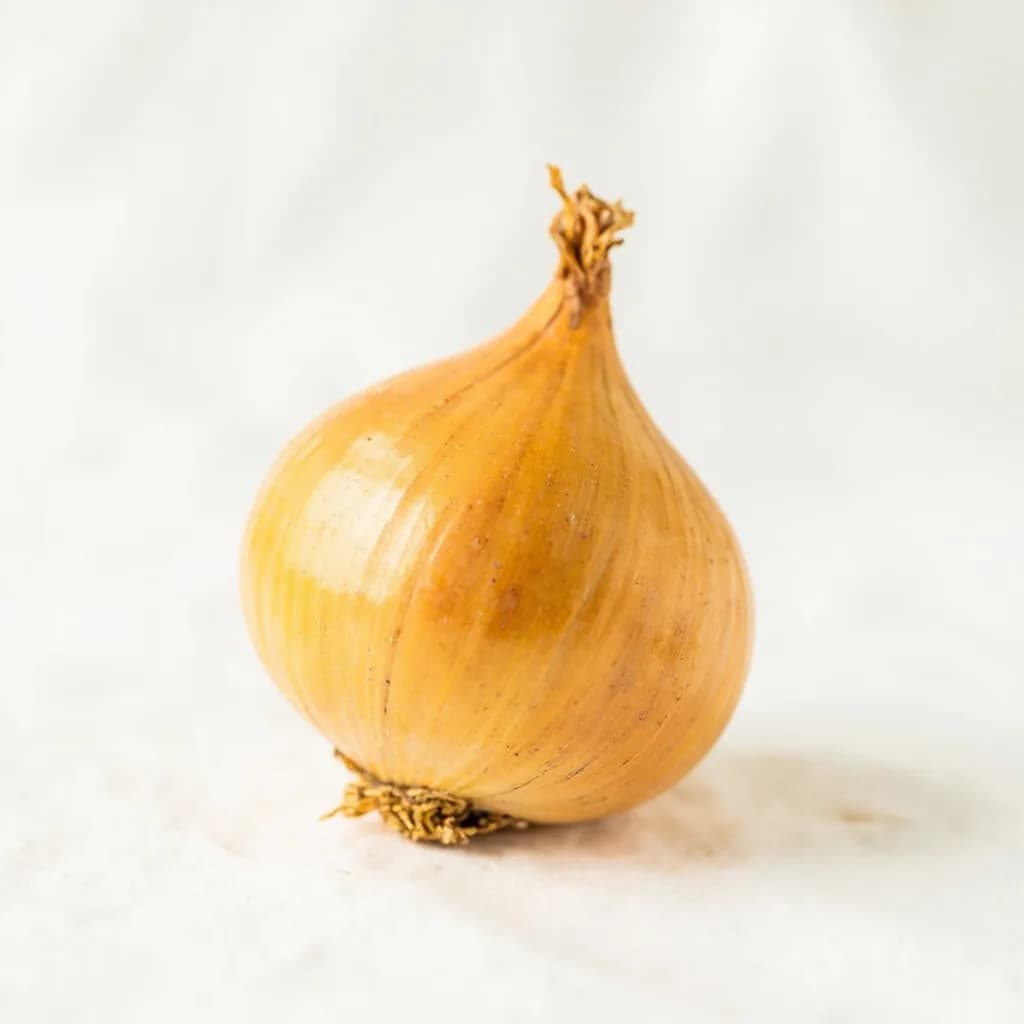
Yellow Onion
The aromatic backbone of soups, sofritos, and braises
Garlic
Pungent cloves that perfume nearly every savory dish
Lemon
Bright, acidic citrus that wakes up almost any dish
Potato
Humble, hearty staple — roast, mash, fry, or boil
Carrot
Sweet, crunchy root — raw, roasted, or the base of a sofrito
Cucumber
Cool, crisp, and watery — for salads, pickles, and tzatziki

Lettuce
Crisp leaves for salads, wraps, and a fresh crunch