Natural form
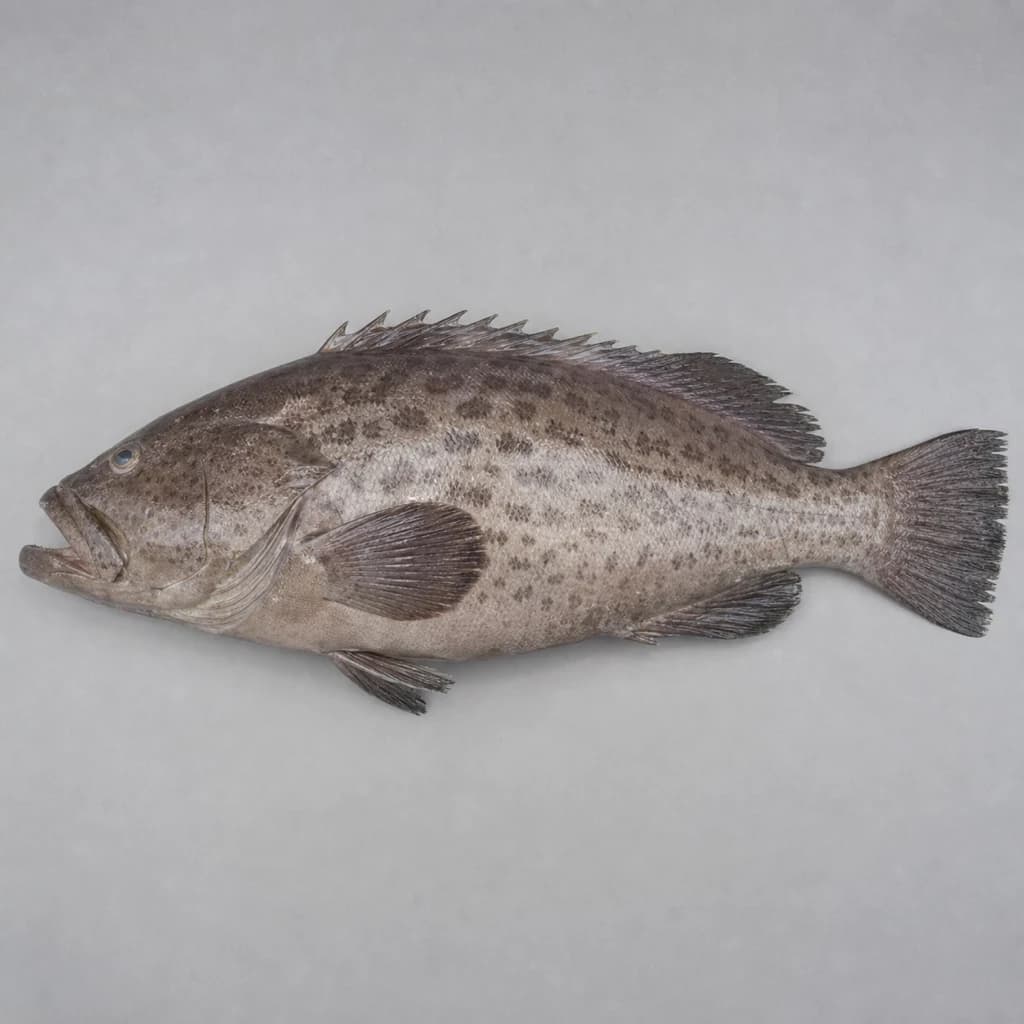
A whole raw grouper fish showing its thick body, mottled brown-grey skin, and large head.
Shows the fish's identifying physical characteristics — stocky reef-fish body, distinctive coloration, and large mouth — so readers can recognize it whole at market.
Proteins
Grouper
Large, firm reef fish with mild flesh — grilled, fried, or stewed; the prized Gulf 'hammour'.
Grouper is a large reef fish with firm, mild, meaty white flesh that holds together well during cooking. It is grilled, pan-fried, or simmered in spiced stews, and is highly prized across the Arabian Gulf where it is known as hammour. Its thick fillets and clean flavor make it a versatile centerpiece fish.
Grouper is a lean, firm-fleshed sea bass prized across tropical and subtropical waters for its clean, slightly sweet flavor and excellent ability to hold together during cooking. The name derives from the fish's defensive habit of gaping its wide mouth when threatened, and from Old French 'gouper,' meaning to hook. Commercially, gag and red grouper dominate U.S. Gulf waters, while in the Arabian Gulf the highly valued hammour anchors traditional Emirati and Saudi cuisine. The flesh—white when cooked with large, distinct flakes—behaves like a firm, meaty steak, making it versatile across high-heat grilling, deep-frying, and long simmers alike. Its mildness invites assertive seasoning and bold accompaniments, yet the fish's natural sweetness deserves respect. Sustainability varies sharply by species and region; many populations have faced severe overfishing, and buyers should consult regional advisories before purchasing.
- Measured in
- g
- Storage
- Fridge
Allergens
Types & varieties
Most commercially important U.S. Gulf species; gray-brown with worm-like markings; 15-40 lbs typical; firm, robust texture
Gulf and Atlantic; reddish-brown coloring; sweeter, more delicate flavor preferred by many chefs; 5-25 lbs
Larger species with olive-green coloring; firm, excellent for grilling; 20-50+ lbs
Distinctive second dorsal spine; deep-water Gulf species; large, firm flesh
Massive specimens up to 800 lbs; federally protected in U.S. waters; avoid purchasing
Caribbean specialty with light-colored flesh; critically overfished in some areas
Arabian Gulf species; central to Gulf cuisine; mild, buttery flesh; 5-30 lbs
Smallest Gulf grouper; delicate flavor; sometimes called 'myrtle' in markets
Sourcing Responsibly
Grouper faces significant overfishing pressure across many regions. The Gulf hammour fishery has been particularly hard-hit, and Nassau grouper is critically overfished throughout the Caribbean. In U.S. waters, gag and red grouper operate under managed quotas, making them relatively safer choices. Always ask your fishmonger about sourcing and check local seafood advisories. Avoid Goliath grouper entirely—it's protected and purchasing it supports illegal harvest.
- Ask for species identification if buying whole fish
- Look for regional certification or sustainable seafood labels
- Gag and red grouper have managed quotas in U.S. Gulf waters
- Avoid Goliath and Nassau grouper from unprotected fisheries
Common uses
Tips & pitfalls
- Select fish with bright, clear eyes and bright red or pink gills—dull eyes indicate stale fish
- Fresh grouper should smell clean and briny, not fishy or ammonia-like
- For fillets: look for moist, translucent flesh without brownish discoloration or drying at edges
- Bring fish to room temperature 20-30 minutes before cooking for even doneness
- Grouper cooks quickly—thick fillets need only 4-5 minutes per side at high heat; use a thermometer (145°F internal)
- Avoid overcooking—lean flesh dries out quickly; pull from heat when just opaque throughout
- Season generously—the mild flavor needs assertive seasoning to stand out
- For grilling whole: score the skin deeply to prevent curling and ensure even cooking
Nutrition
Energy
385 kJ · per 100 g
Where the calories come from
Protein
19.4g
39% DV
Carbs
0g
0% DV
Fat
1g
1% DV
Fiber
0g
0% DV
Sodium
53mg
2% DV
Source · USDA FoodData Central · approx. Fish, grouper, mixed species, raw
View on FDC →In the shops
Matched grocery products
No matched grocery products for Grouper yet.
Good to know
- Family
- Serranidae (sea basses)
- Habitat
- Rocky reefs, wrecks, coral formations; Gulf of Mexico, Atlantic, Caribbean, Indo-Pacific
- Flavor
- Mild, slightly sweet; clean oceanic taste with subtle sweetness
- Texture
- Firm, dense; large flakes that hold together well in cooking
- Fat Content
- Lean (1-2%); flesh turns white when cooked
- Market Weight
- Typically 2-15 lbs; fillet yield approximately 50%
- Peak Season
- Fall through early spring (Gulf waters); varies by region
- Availability
- Fresh whole, fillets, or steaks; frozen fillets year-round
Substitutes
- Sea Bass (Chilean or striped) — Similar firm texture and mild flavor; closest substitute overall
- Mahi-Mahi — Comparable density; slightly stronger flavor but works in similar applications
- Snapper (red or mutton) — Similar flake and mildness; more readily available in some markets
- Halibut — Comparable firmness and lean quality; slightly sweeter
- Striped Bass — Good all-purpose substitute with similar texture
Pairs with
Also called
Hammour (Grouper) · Hamour (Grouper) · Hammour
Appears in these dishes
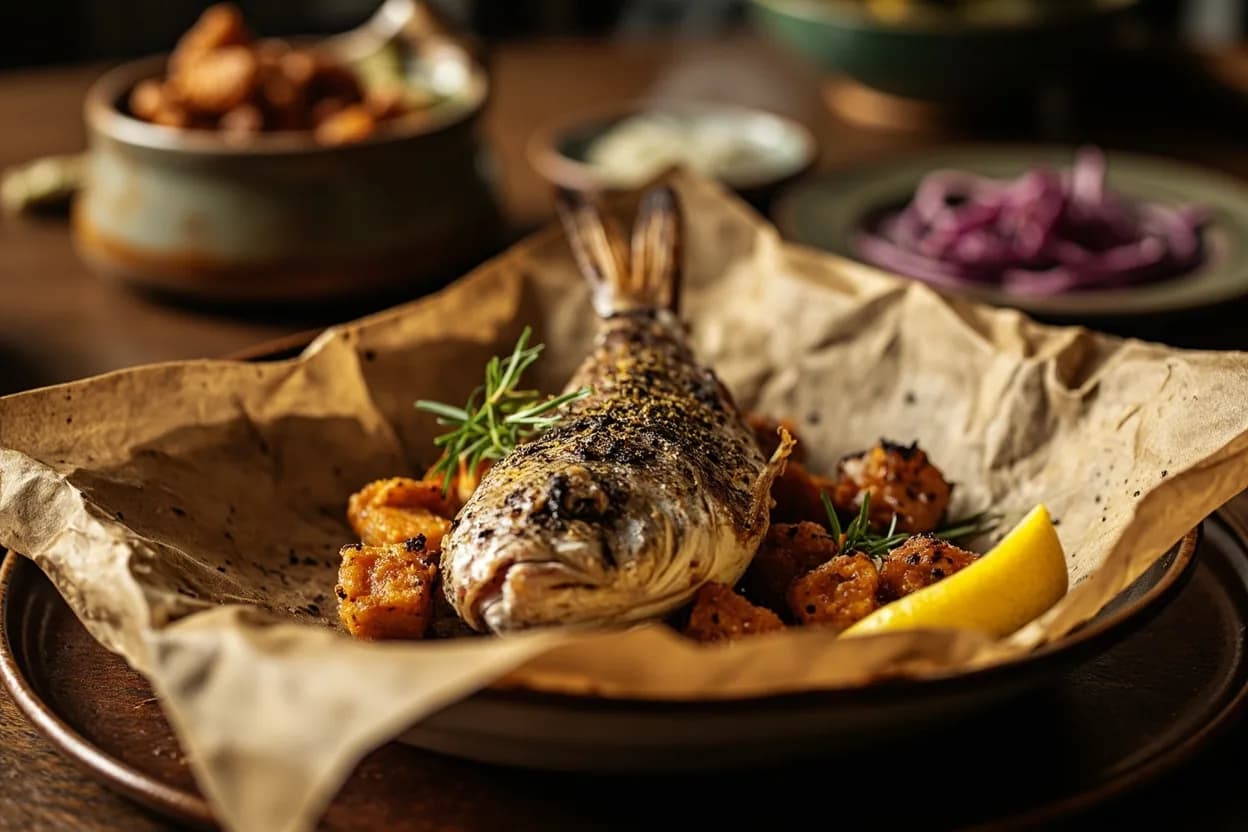
Related
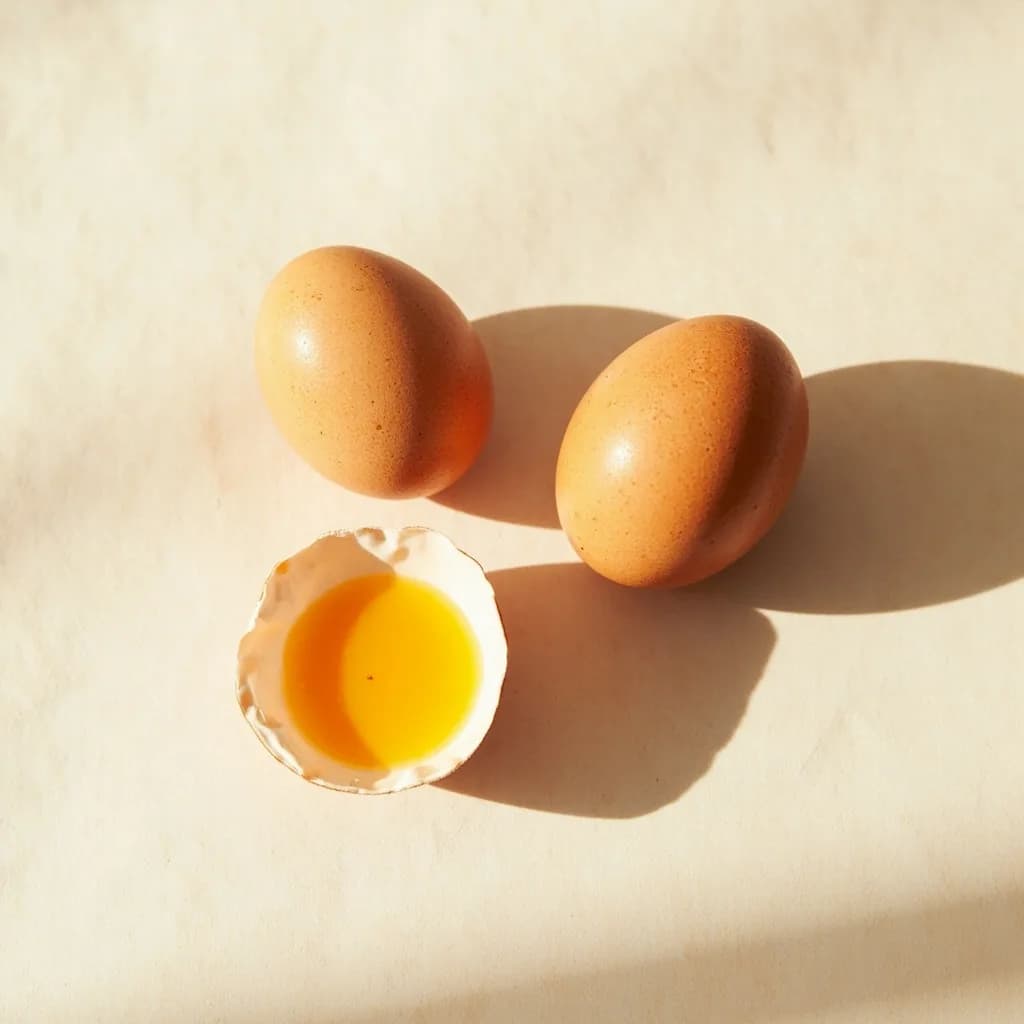
Egg
The kitchen's everything ingredient — bind, leaven, enrich, or fry
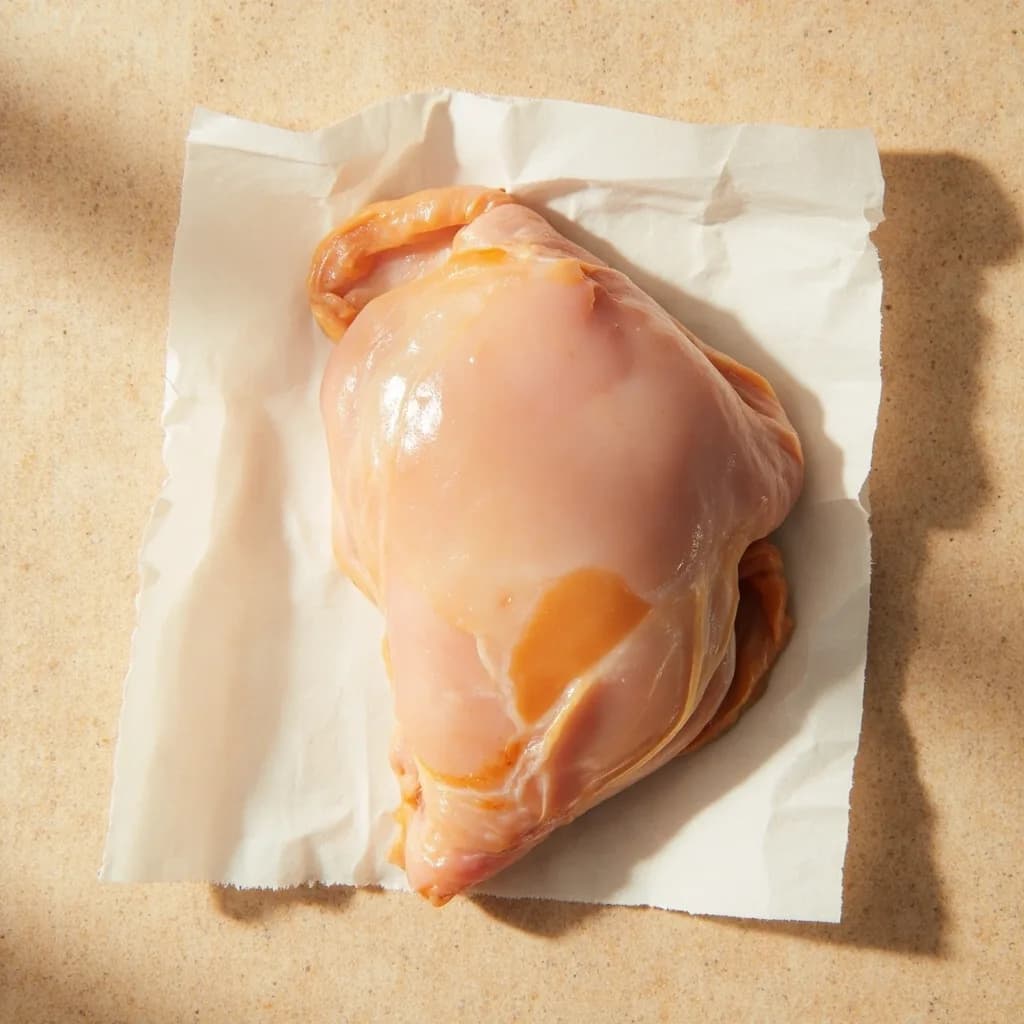
Chicken Breast
Lean, quick-cooking white meat for everyday dinners

Ground Beef
Versatile minced beef for burgers, ragù, tacos, and meatballs
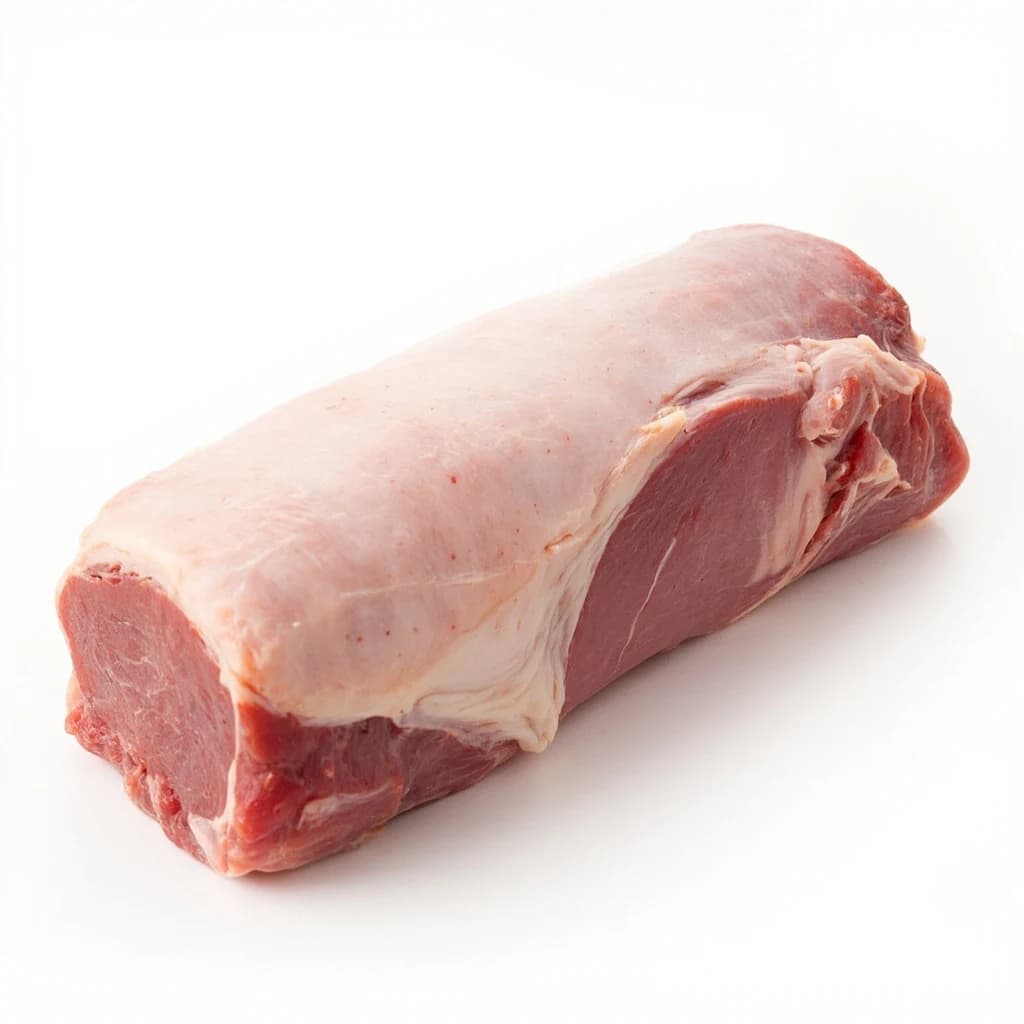
Pork Loin
Lean, tender roasting cut that stays juicy with care
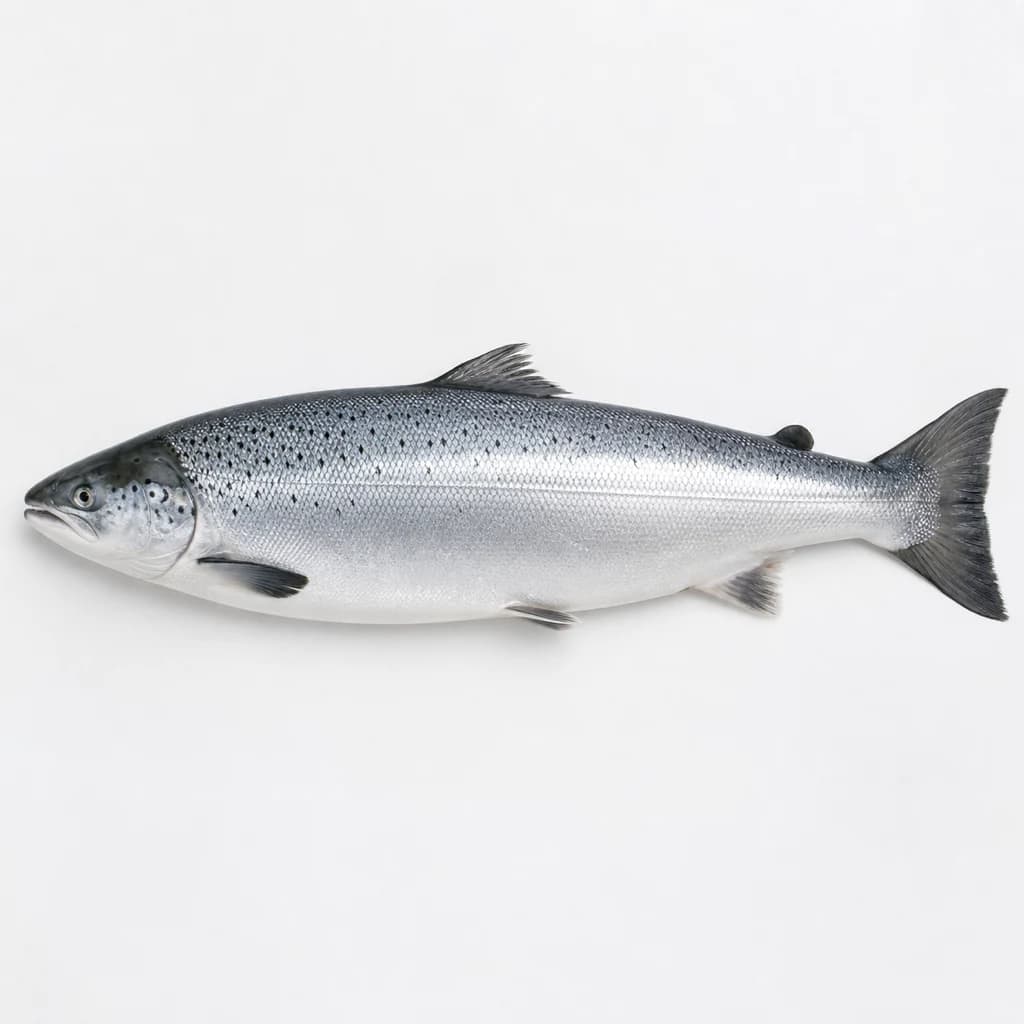
Salmon
Rich, rosy fish that roasts, grills, or cures beautifully

Egg White
Pure protein that whips to airy peaks for meringue and more
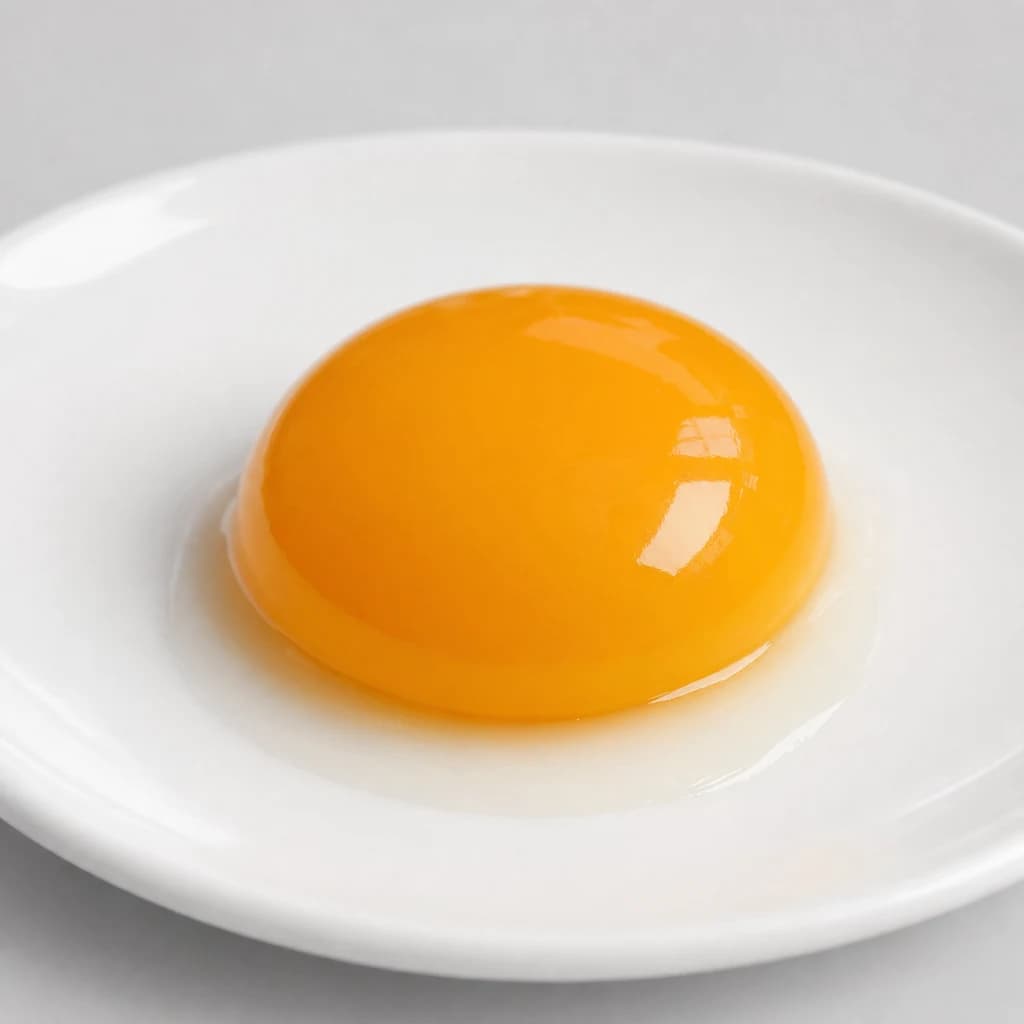
Egg Yolk
Rich, golden yolk for custards, mayonnaise, and pasta

Quail Egg
Tiny, speckled eggs for garnishing and elegant bites