Proteins
Kapenta (Dried Small Fish)
Tiny sun-dried freshwater sardines from African lakes, fried crisp or stewed with tomato and onion.
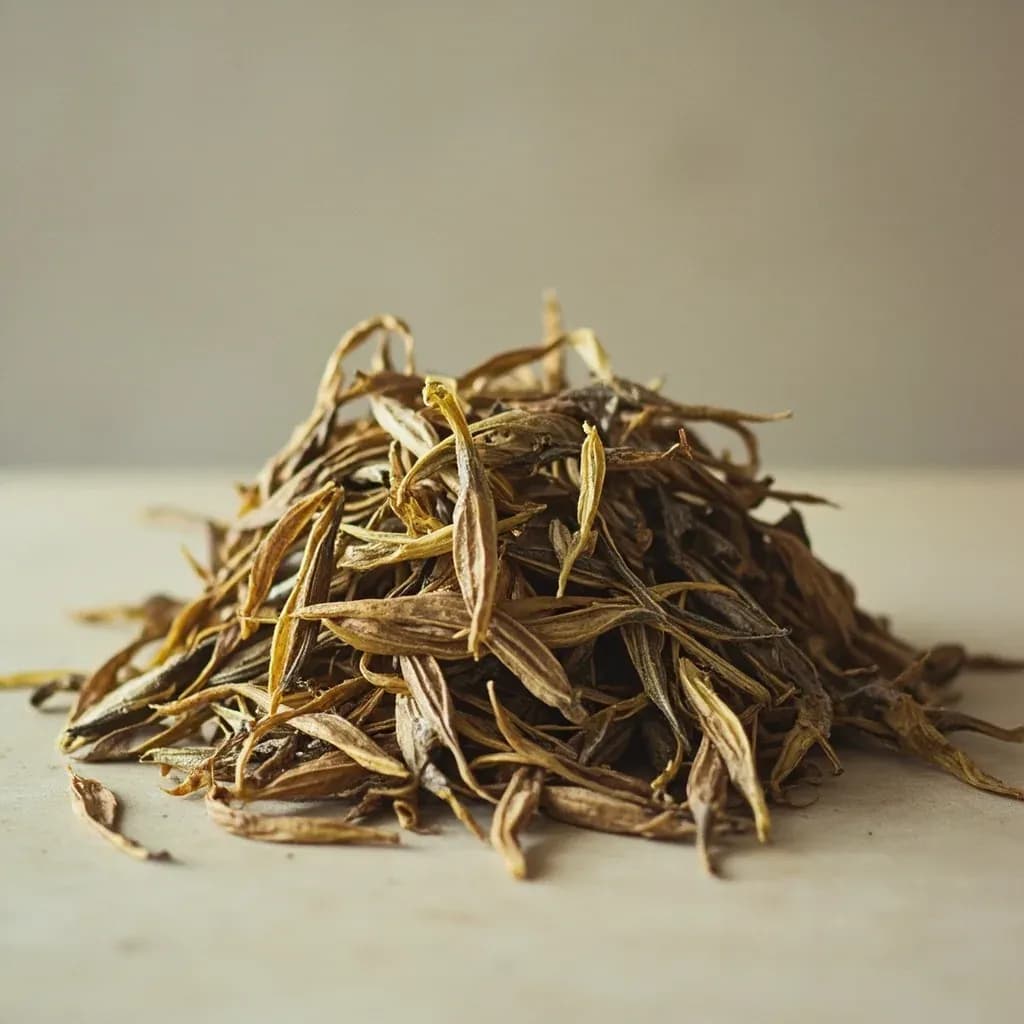
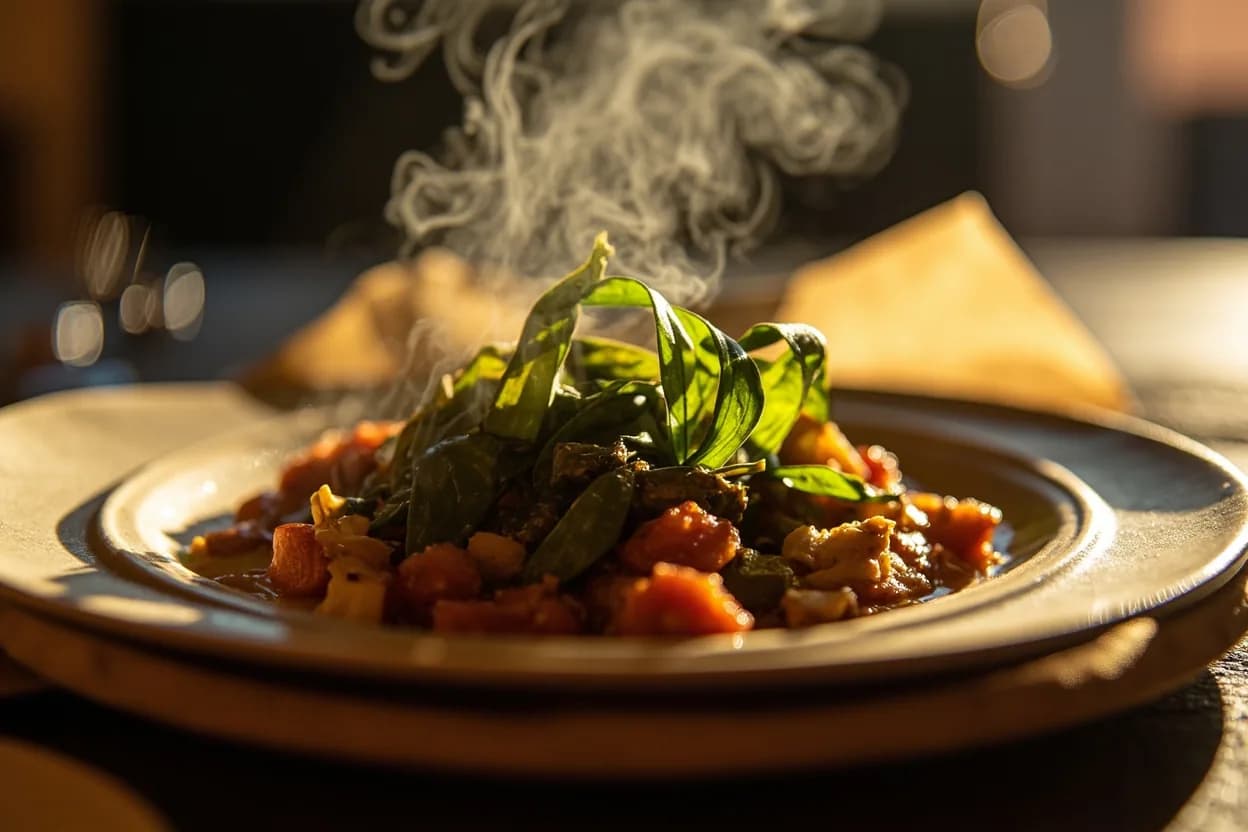
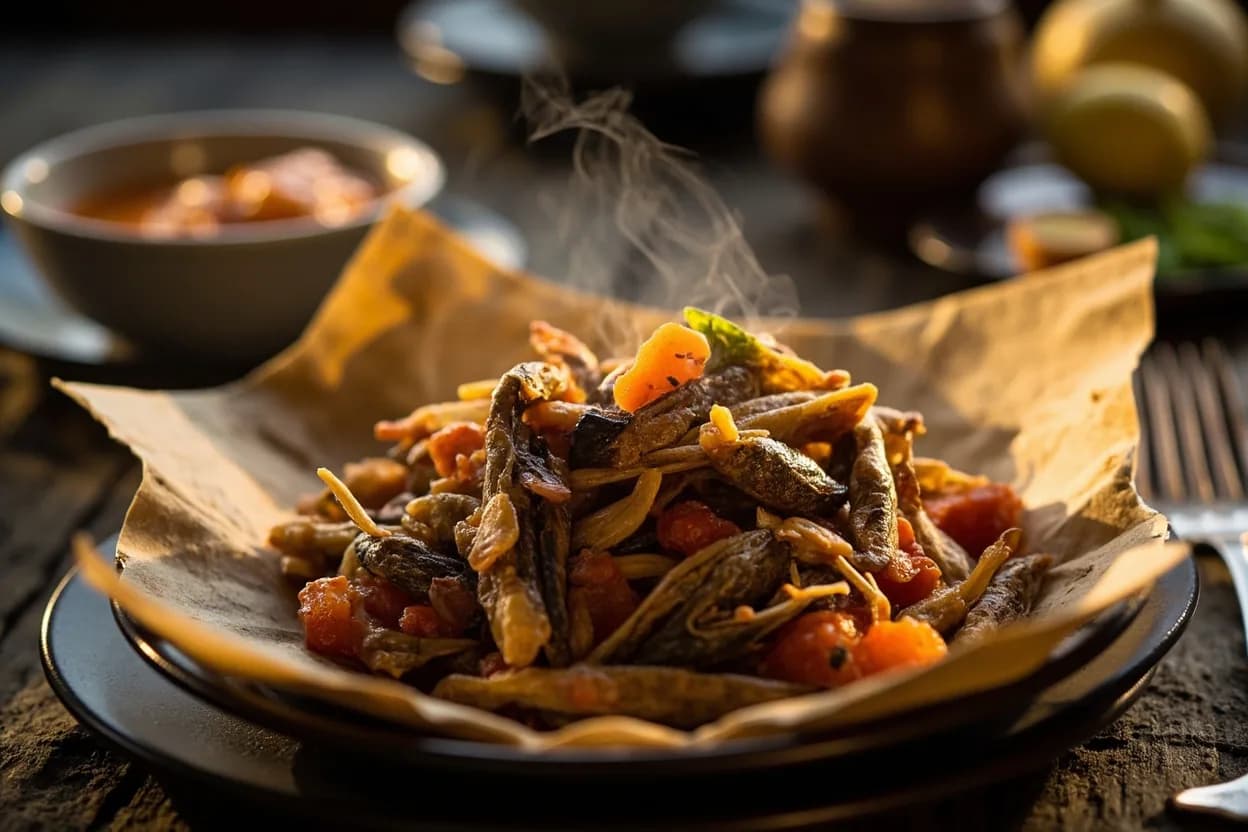
Kapenta are small freshwater sardines harvested from African lakes such as Kariba and Tanganyika, then sun-dried for preservation. Closely related to usipa, ndagala, and omena/dagaa, they are a vital, affordable protein eaten across Southern and East Africa, typically fried until crisp or simmered with tomatoes and onions. They carry a strong, salty, fishy flavor and are eaten whole.
Kapenta are tiny freshwater sardines—primarily Limnothrissa miodon and Stolothrissa tanganicae—caught in Lake Tanganyika, Lake Kariba, and other African lakes, then sun-dried whole with head, tail, bones, and scales intact. The sun-drying concentrates the fish into an intensely flavored, protein-dense ingredient that has become a dietary cornerstone across landlocked regions of sub-Saharan Africa, where affordable protein sources are scarce. The edible soft bones make calcium bioavailable, a critical nutritional benefit in communities where dairy is limited. Kapenta behave differently depending on preparation: fried in hot oil, they become shatteringly crisp and savory; stewed with tomato and aromatics, they soften and meld into the sauce, infusing it with deep umami. A little goes a long way—the flavor is concentrated, salty, and mineral-rich from the freshwater source. Quality varies; good kapenta should smell only of clean, dried fish with no sour or musty notes. Some imported products carry grit or sand, so thorough rinsing is essential before cooking.
- Measured in
- g
- Storage
- Pantry
Allergens
Types & varieties
The classic benchmark variety; sun-dried on the shores of Lake Tanganyika; considered the finest quality; often slightly saltier than other types
From the Zambezi River system; slightly larger than Tanganyika variety; dominant type in Zambia and Zimbabwe markets
East African term, especially common in Tanzania; may include multiple small freshwater species; sometimes dried with added salt
Malawian variety; smaller and darker than other types; traditionally sun-dried on elevated racks to ensure airflow
Lightly smoked over wood fires before or instead of sun-drying; adds subtle smoky dimension; more common in rural areas
Why Kapenta Matters
In many parts of sub-Saharan Africa, kapenta is not merely an ingredient but a nutritional lifeline. Landlocked communities often lack regular access to fresh meat, poultry, or even ocean fish. Kapenta provides an affordable, shelf-stable source of complete protein, calcium, and omega-3 fatty acids—the kind of nutrition that prevents deficiency diseases in children and sustains adults doing physical labor. The fish are harvested in enormous numbers from the African Great Lakes, where sardine populations boom in the deep, cold waters. Processing requires no refrigeration, no sophisticated equipment, just sun and air. This makes kapenta one of the most accessible forms of animal protein for millions of people. Its concentrated flavor also means it functions as a seasoning as much as a protein—transforming humble starches like nsima, ugali, and sadza into satisfying meals.
- Provides bioavailable calcium from edible soft bones—a rare nutrient source in landlocked regions
- Shelf-stable without refrigeration, requiring only sun-drying and dry storage
- Concentrated flavor means small amounts deliver big umami impact
Buying and Storing
Find kapenta at African specialty grocery stores, often sold loose in bins or in vacuum-sealed bags. Loose bulk bins are cheaper but may contain more debris and grit; sealed bags offer better protection. Inspect before purchasing: the fish should be uniformly dried, not damp or clumped. Smell is the most reliable quality indicator—good kapenta smells clean, marine, and mildly fishy. Any sour, musty, or ammonia-like odor indicates spoilage or improper drying. Once home, transfer to airtight containers. For short-term storage (up to 6 months), keep in a cool, dry cupboard. For longer storage, freeze in sealed bags—the cold also kills any insect eggs that may be present, which is a common issue with dried products.
- Choose vacuum-sealed packages when available for cleanliness and shelf life
- Avoid any product with visible moisture, mold, or off-odors
- Freeze for 48 hours before long-term cupboard storage to eliminate insects
Common uses
Tips & pitfalls
- Rinse kapenta under cold running water for 30 seconds before cooking to remove dust, sand, or debris—never skip this step
- For a milder, less salty result, soak in warm water for 5–10 minutes, then drain and pat dry before cooking
- For frying: heat oil to 160–170°C (320–340°F); fry in small batches to prevent steaming; cook 3–5 minutes until deeply golden and crisp, stirring occasionally
- For stewing: add kapenta during the last 10–15 minutes of cooking to prevent them from disintegrating into mush
- Toast dry kapenta in a hot, unoiled pan for 2–3 minutes before adding to stews—this intensifies flavor and improves texture
- Adjust salt additions in your recipe; kapenta already contains natural salts from the drying process and may make the dish too salty
- Store in the freezer if your pantry is warm or humid; moisture is the enemy of dried fish
- The tiny bones soften considerably during stewing and are fully edible—do not remove them unless cooking for an infant or someone with swallowing difficulties
- If frying and the fish turns soft instead of crisp, the oil temperature is too low—heat must be maintained at 160–170°C
Nutrition
Energy
519 kJ · per 100 g
Where the calories come from
Protein
20g
40% DV
Carbs
0g
0% DV
Fat
4.2g
5% DV
Fiber
0g
0% DV
Sodium
60mg
3% DV
Source · USDA FoodData Central · approx. Fish, bluefish, raw
View on FDC →In the shops
Matched grocery products
No matched grocery products for Kapenta (Dried Small Fish) yet.
Good to know
- Common Names
- Kapenta (Southern Africa), Daga (East Africa), Usipa (Malawi), Somena (Tanzania)
- Primary Species
- Lake Tanganyika sardine (Limnothrissa miodon) and Lake Tanganyika sprat (Stolothrissa tanganicae)
- Processing
- Sun-dried whole; some varieties lightly smoked over wood fires before drying
- Flavor Profile
- Intense umami, strongly fishy, salty, with a mineral edge from freshwater source
- Texture
- Crisp and crunchy when fried; soft and yielding when stewed; small bones become edible and tender
- Typical Size
- 3–6 cm (1.5–2.5 inches) length, sold whole with head and tail intact
- Shelf Life
- 6–12 months in airtight container in cool, dry place; freeze to extend and prevent insect activity
- Nutritional Note
- High protein; excellent calcium source from edible soft bones; rich in omega-3 fatty acids
Substitutes
- Dried anchovies — Similar size and intensity; more widely available in Asian markets; use in equal proportions as a 1:1 substitute
- Dried shrimp — Different flavor profile but comparable umami punch; smaller in size; grind to a powder if substituting for stews
- Ikan bilis (dried anchovies) — Malaysian/Indonesian equivalent; similar cooking applications and behavior; may require slightly less soaking time
- Ngari (fermented dried fish) — Northeast Indian dried fish; different species but similar culinary function in stews and accompaniments; saltier
- Chinese dried small fish — Comparable texture when fried; use as a 1:1 substitute; slightly less intensely flavored than African kapenta
Pairs with
Also called
Usipa (Dried Lake Sardines) · Ndagala (Lake Tanganyika Sardine) · Silver Cyprinid (Omena/Dagaa) · Dried Small Fish · Matemba
Appears in these dishes
Related

Egg
The kitchen's everything ingredient — bind, leaven, enrich, or fry

Chicken Breast
Lean, quick-cooking white meat for everyday dinners

Ground Beef
Versatile minced beef for burgers, ragù, tacos, and meatballs

Pork Loin
Lean, tender roasting cut that stays juicy with care

Salmon
Rich, rosy fish that roasts, grills, or cures beautifully

Egg White
Pure protein that whips to airy peaks for meringue and more

Egg Yolk
Rich, golden yolk for custards, mayonnaise, and pasta

Quail Egg
Tiny, speckled eggs for garnishing and elegant bites