Proteins
Lamb Flap
Fatty cut from the lamb belly, popular grilled or boiled across the Pacific Islands.
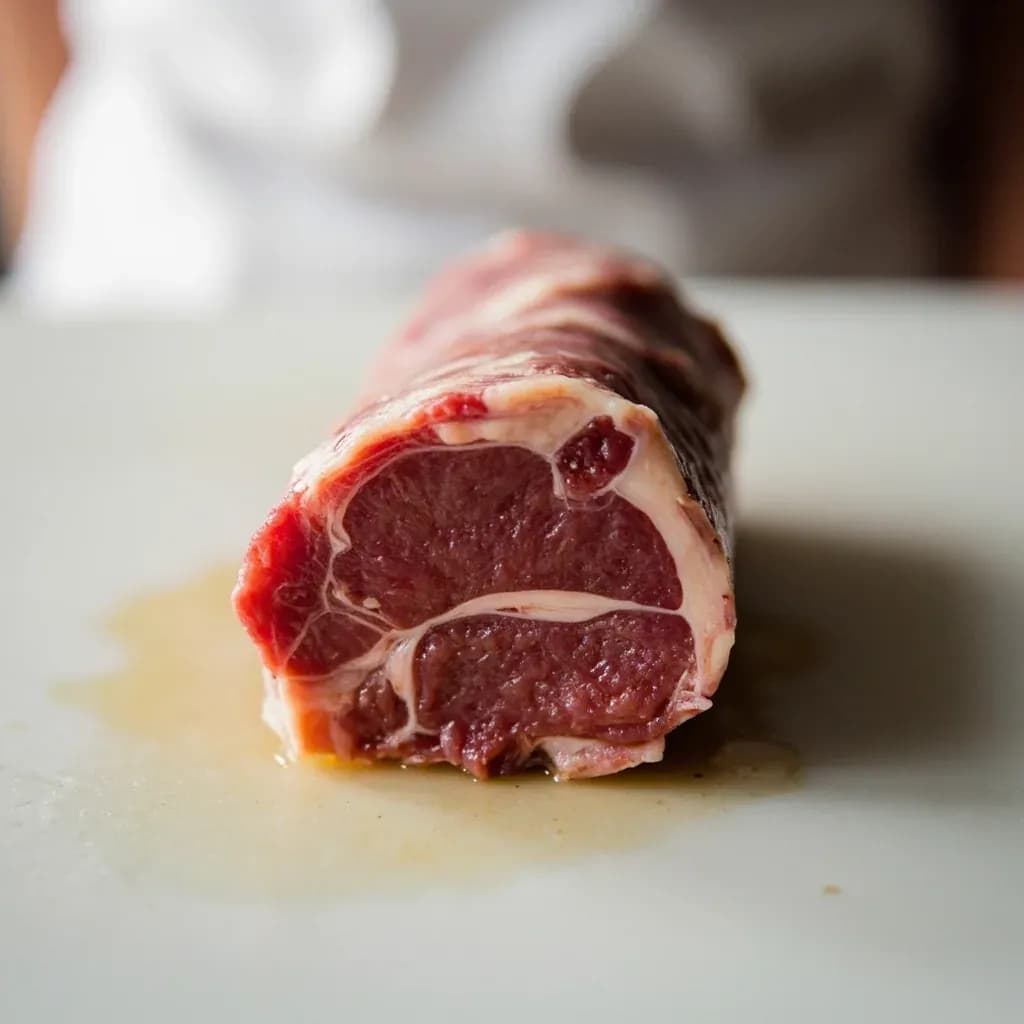
Lamb flap, also called sip sip or mutton flap, is the fatty, layered cut from the belly of the lamb. It is a staple across the Pacific Islands and parts of the Caribbean, typically grilled over charcoal, braised, or boiled until tender, with its high fat content basting the meat as it cooks. Inexpensive and rich, it delivers a deeply savory, fatty flavor.
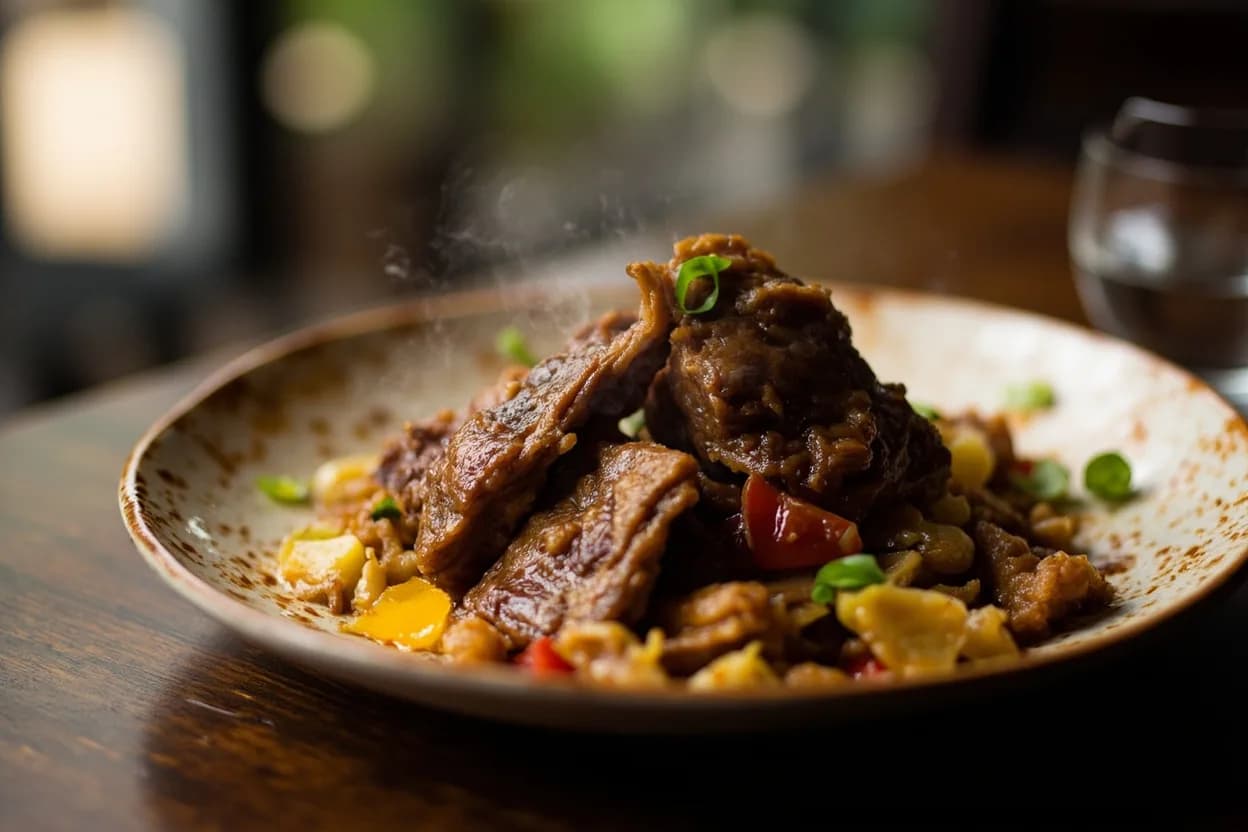
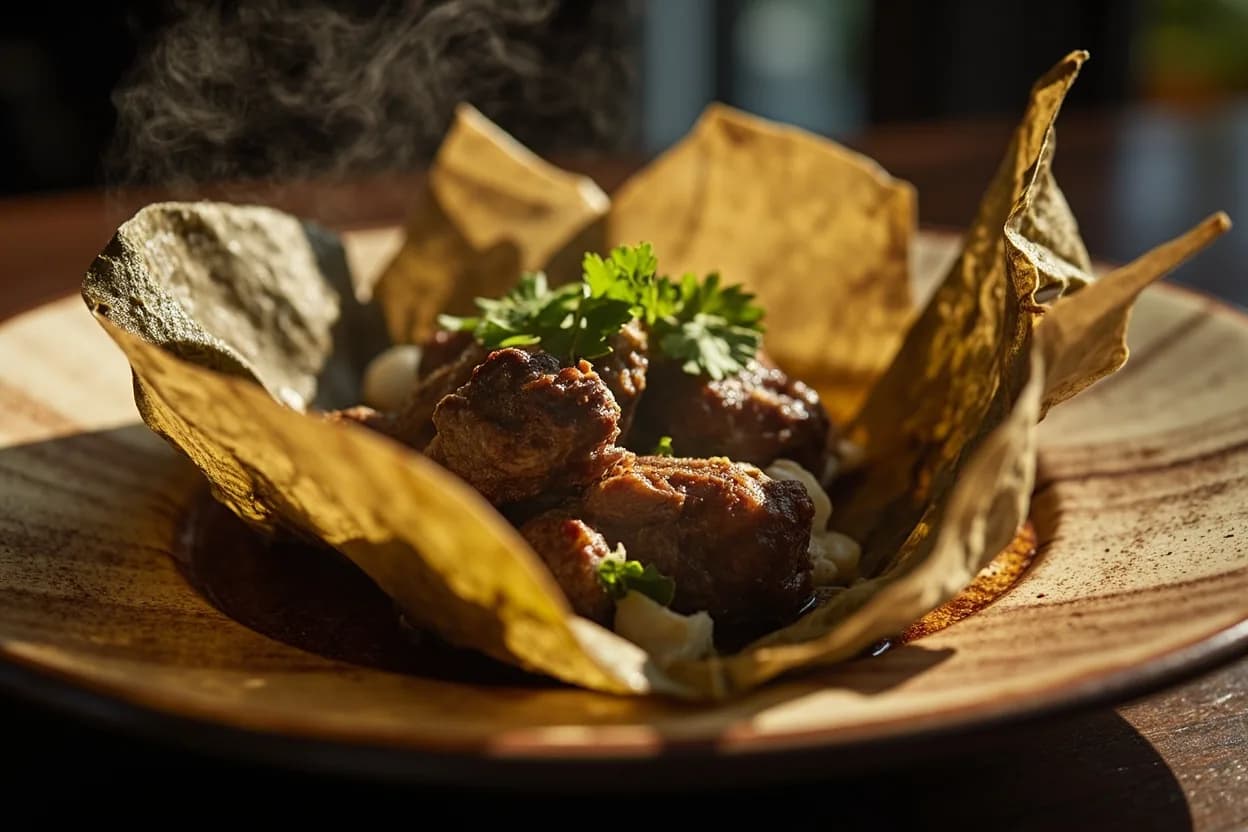
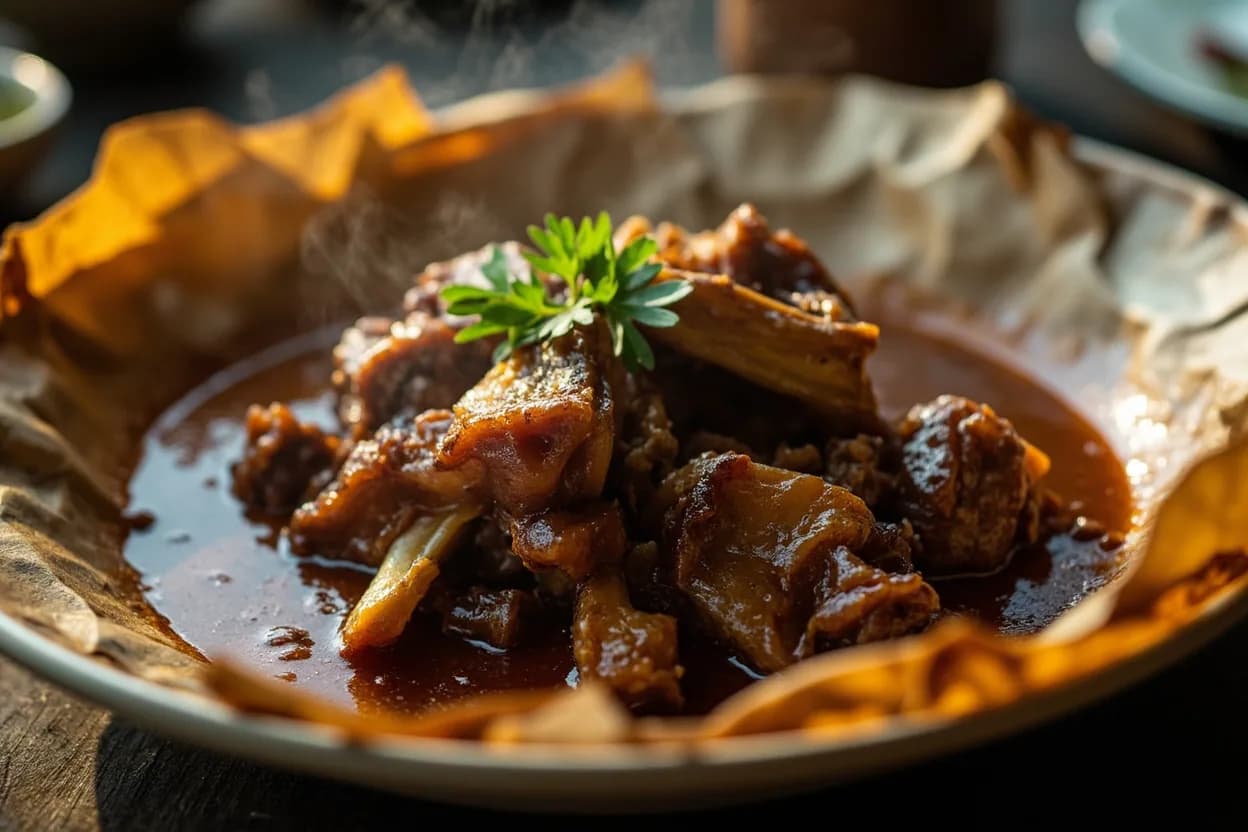
Lamb flap is the fatty, flavor-intensive cut from the lower rib and flank area of the lamb, distinct from boneless lamb belly in that it retains the rib bones and a thick fat cap in a single connected piece. This cut is a workhorse of Pacific Rim cooking, particularly cherished in Hawaii, New Zealand, and throughout Polynesian cuisine where it is often simply seasoned with garlic and black pepper, then grilled or boiled until the fat renders into the meat. The high fat content—35 to 45 percent by weight—makes lamb flap extraordinarily forgiving: it stays moist well past medium and the rendered fat can be saved for frying or enriching braising liquids. The collagen in the fat cap breaks down to soft, unctuous gelatin when cooked low-and-slow, giving the meat a silky texture, though quick high-heat methods will leave it chewy rather than tender. In Hawaiian kitchens, lamb flap appears in lau lau bundles wrapped in taro leaves, while New Zealand butchers have begun marketing it to American chefs under the traditional Hawaiian term. Ask your butcher by weight—this cut is frequently an add-on sale item and significantly underpriced for its eating quality and versatility.
- Measured in
- g
- Storage
- Fridge
Types & varieties
Traditional cut; bone adds depth during braising and roasting; harder to slice evenly for service
Easier to portion and slice; preferred for grilling, stir-frying, and precise service pieces
Lamb Flap vs. Lamb Belly
These are not the same cut, though they come from the same general belly area. Lamb belly is the boneless, skinless abdominal meat stripped of bone and fat cap. Lamb flap retains the rib bones and the thick layer of fat that runs along one edge, which makes it far more forgiving in cooking and richer in flavor. When a recipe calls for one, substituting the other requires adjusting cooking method and time—belly needs more fat added or longer braising to match flap's richness.
Sourcing and Buying
Lamb flap is underutilized in most American markets and is often sold as an add-on item at discount pricing. Ask your butcher specifically for lamb flap by weight rather than waiting for it to appear on the regular counter. New Zealand and Australian lamb tends to have a milder flavor with cleaner fat; local lamb varies by region. Look for pieces with a uniform fat cap at least half an inch thick and avoid any that shows discoloration or dried edges, which indicate oxidation of the fat.
- Ask for it by weight — it is frequently an add-on sale item
- Request bone-in for braising, deboned for grilling or slicing
- Look for a thick, even fat cap — at least 1/2 inch
- Avoid pieces with dried or browned edges on the fat
Common uses
Tips & pitfalls
- Render fat slowly over medium heat — high heat will seize the fat and toughen the surrounding meat
- Marinate no longer than 2–4 hours; acid breaks down surface texture and causes mushiness
- Always rest the meat 5–10 minutes after cooking to redistribute juices throughout the fat-marbled flesh
- Score the fat cap in a crosshatch pattern before grilling to prevent curling and ensure even rendering
- For maximum crispness, start the meat in a cold pan and bring it to heat gradually — the fat will render out evenly
- Save the drippings — they are liquid gold for flavoring beans, grains, braising liquids, or pan sauces
- Cook to 145°F (63°C) internal for medium doneness; carryover heat will add 5–10 degrees
- When braising, add aromatics to the liquid — the fat-soluble flavors penetrate deeply
- Do not discard the bones from bone-in flap; simmer them for stock or add to the braising liquid for extra depth
- If the fat cap is thicker than 3/4 inch, trim some off and render it separately for cooking fat
Nutrition
Energy
753 kJ · per 100 g
Where the calories come from
Protein
21.7g
43% DV
Carbs
0g
0% DV
Fat
10.3g
13% DV
Fiber
0g
0% DV
Sugars
0g
of which
Sodium
87mg
4% DV
Source · USDA FoodData Central · Lamb, New Zealand, imported, flap, boneless, separable lean only, raw
View on FDC →In the shops
Matched grocery products
No matched grocery products for Lamb Flap yet.
Good to know
- Cut type
- Lamb belly, lower rib and flank area; includes rib bones and fat cap in one piece
- Fat content
- 35–45% fat by weight, layered throughout with thick fat cap
- Primary regions
- New Zealand, Australia, Hawaii, Pacific Islands
- Typical weight
- 2–4 lbs per piece, sold bone-in or deboned
- Flavor profile
- Rich, lamby, slightly gamey; collagen renders to soft, unctuous gelatin
- Texture cooked
- Fork-tender when braised; can turn chewy if subjected to high heat only
- Fresh storage
- Refrigerate 1–2 days, wrapped tightly to prevent fat oxidation
- Frozen storage
- Up to 3 months, airtight wrapping essential
- Yield
- Near 100% — minimal trim if portioned correctly
- Skill level
- Easy to cook; success depends on patience for proper fat rendering
Substitutes
- Pork belly — Closest texture and fat ratio; different flavor but works well for braising, grilling, and crisp-frying
- Pork spare ribs — Similar fat-to-meat ratio and bone-in configuration; works for braising and slow roasting
- Lamb shoulder — Significantly leaner; add pork fatback or bacon fat when grinding to approximate flap's richness
- Beef short ribs — Different cut and species, but similar suitability for low-and-slow cooking and comparable fat content
Pairs with
Also called
Lamb Flaps (Sip Sip) · Mutton Flap · Sip Sip
Appears in these dishes
Related
Egg
The kitchen's everything ingredient — bind, leaven, enrich, or fry
Chicken Breast
Lean, quick-cooking white meat for everyday dinners

Ground Beef
Versatile minced beef for burgers, ragù, tacos, and meatballs
Pork Loin
Lean, tender roasting cut that stays juicy with care
Salmon
Rich, rosy fish that roasts, grills, or cures beautifully

Egg White
Pure protein that whips to airy peaks for meringue and more
Egg Yolk
Rich, golden yolk for custards, mayonnaise, and pasta

Quail Egg
Tiny, speckled eggs for garnishing and elegant bites