Produce
Maitake (Hen-of-Woods)
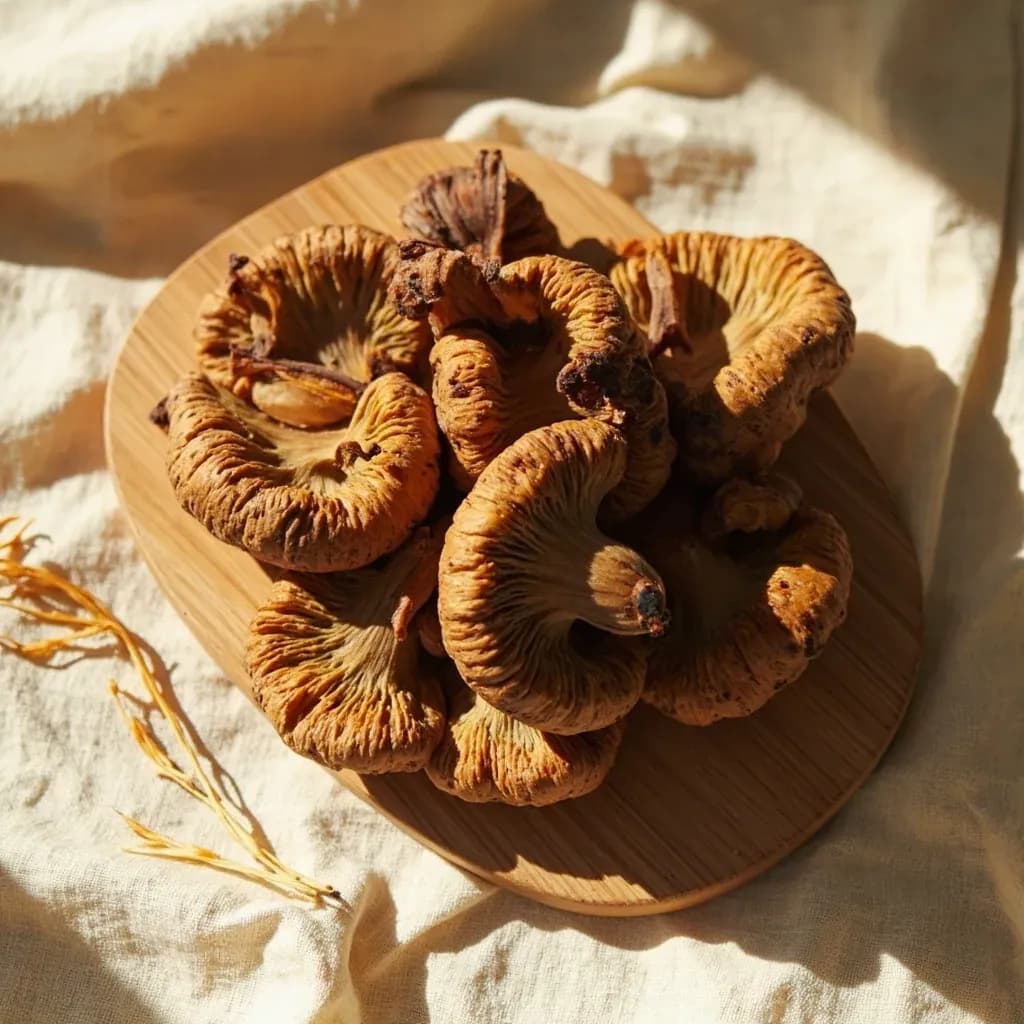
A frilly cluster of feathery fronds that crisps into lacy, savory edges when seared dry; earthy and meaty, it tears into clusters rather than slices.
Maitake (Grifola frondosa) is the cluster polypore that grows in ruffled, overlapping fronds from a single stout base, typically at the foot of mature hardwoods, especially oak. Unlike gilled mushrooms, its underside is covered in tiny pores rather than radiating blades, which is part of why it holds its structure through sautéing, braising, and long cooking without falling apart. The flavor runs deep and savory — closer to a meaty broth than to a typical button mushroom — with a faintly nutty or peppery finish that intensifies with dry heat.
What sets maitake apart in a working kitchen is texture. The fronds are tender when young but firm enough to crisp at the edges in a hot pan, producing the lacy, golden-brown ribbons that have made it a fixture on tasting menus and in Japanese home cooking. That crispness depends on technique: tear rather than slice, sear dry before adding fat, and pull the cluster from the heat while the centers still have a little snap. Done right, it eats like a small piece of meat; overcooked, it turns rubbery and loses everything that makes it special.
Wild specimens commonly weigh 2–10 lb, with exceptional clusters over 50 lb, and they often arrive with their share of insects and grit — which is why most cooks now rely on cultivated product from indoor sawdust farms. Either form follows the same rules in the kitchen: keep it dry, cook it hot, and reserve every scrap of stem for stock.
- Measured in
- g
- Storage
- Fridge
Find it in
Suits
Types & varieties
Larger, more frilly, and more deeply flavored than cultivated; season is short, and finding a clean specimen takes experience
Grown on sawdust blocks indoors; smaller, more uniform, cleaner, and available year-round — the dominant supermarket form
Proprietary cultivated strains bred for cluster shape, frond density, and shelf life; sold under farm brands
Pre-cooked IQF product from Asian suppliers; convenient, though it loses the lacy crispness of fresh
Buying and storing
At the market, look for clusters that feel heavy for their size and smell earthy and faintly sweet. Avoid anything with a sour or fishy odor — that means the cluster has been sitting around or is starting to break down. Cultivated maitake should be uniform gray-brown with creamy white pore surfaces; wilting, dark spots, or a damp, sticky base are all signs it is past its prime. Wild clusters are larger and more dramatic but require careful inspection because insects often colonize the lower fronds; if you cannot see inside the cluster, break a piece off and check before committing to buy.
- Store in a paper bag or wrapped in paper towels in the coldest part of the refrigerator; never seal in plastic, which traps moisture and accelerates decay.
- Use within 5–7 days of purchase for best texture and flavor.
- Long-term: sauté first then freeze, dry on a low oven or dehydrator, or pickle in a vinegar brine.
The dry-sear technique
The signature maitake preparation — and the one most worth learning — is a dry sear in a hot pan before any fat is added. The cluster has a high water content, and that water needs to leave the pan as steam before the surface can brown. If you add oil first, the mushrooms slide around in a wet film, the temperature drops, and you steam instead of sear. Start with a clean, dry pan over medium-high to high heat, lay the torn fronds in without crowding, and let them sit undisturbed for a minute or two until you hear a steady sizzle and see golden edges forming. Then add fat — butter, olive oil, or a neutral oil — along with aromatics like garlic or thyme, tilt the pan, and baste. Pull the pan off the heat while the thicker parts still feel a little springy; they will finish cooking on the plate.
Common uses
Tips & pitfalls
- Do not rinse under running water — wipe with a dry brush or barely damp cloth. Mushrooms soak up water and steam instead of searing.
- Tear the cluster by hand along the natural seams between fronds rather than slicing through the caps; cutting compresses the fronds and traps their moisture.
- Dry-sear first: place clean clusters in a hot, dry pan to drive off surface moisture and develop color, then add fat. This is what creates the signature lacy, crisp edges.
- Trim and reserve the dense white base — it can be tough on its own, but it is packed with umami and excellent for stock and dashi.
- Cook on high heat and pull the pan off the moment the fronds are just done. Maitake slips from crisp-tender to chewy-rubbery quickly once overcooked.
- Smaller, younger fronds cook faster and crisp better than the largest outer caps; tear those big ones into smaller pieces before they hit the pan.
- Smell before buying — fresh maitake smells earthy and slightly sweet; a sour or fishy odor means it is past its prime.
- Wild specimens often harbor insects in the lower fronds; break the cluster apart and inspect, or slice through the base to check for tunneling.
Nutrition
Energy
130 kJ · per 100 g
Where the calories come from
Protein
1.9g
4% DV
Carbs
7g
3% DV
Fat
0.2g
0% DV
Fiber
2.7g
10% DV
Sugars
2.1g
of which
Sodium
1mg
0% DV
Source · USDA FoodData Central · Mushrooms, maitake, raw
View on FDC →In the shops
Matched grocery products
 €2.05
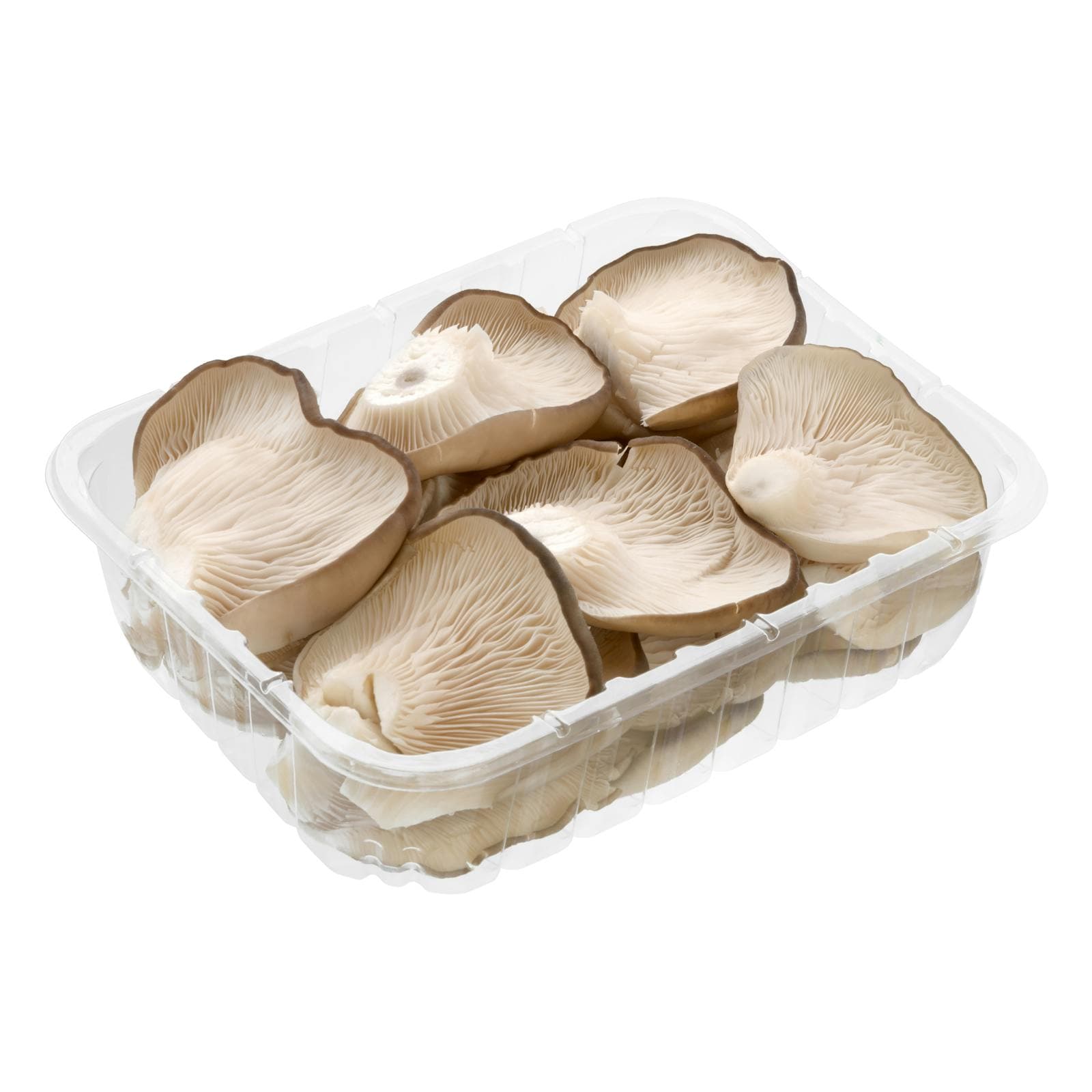
€2.05Mushrooms
250 g · Mercadona
 €1.45
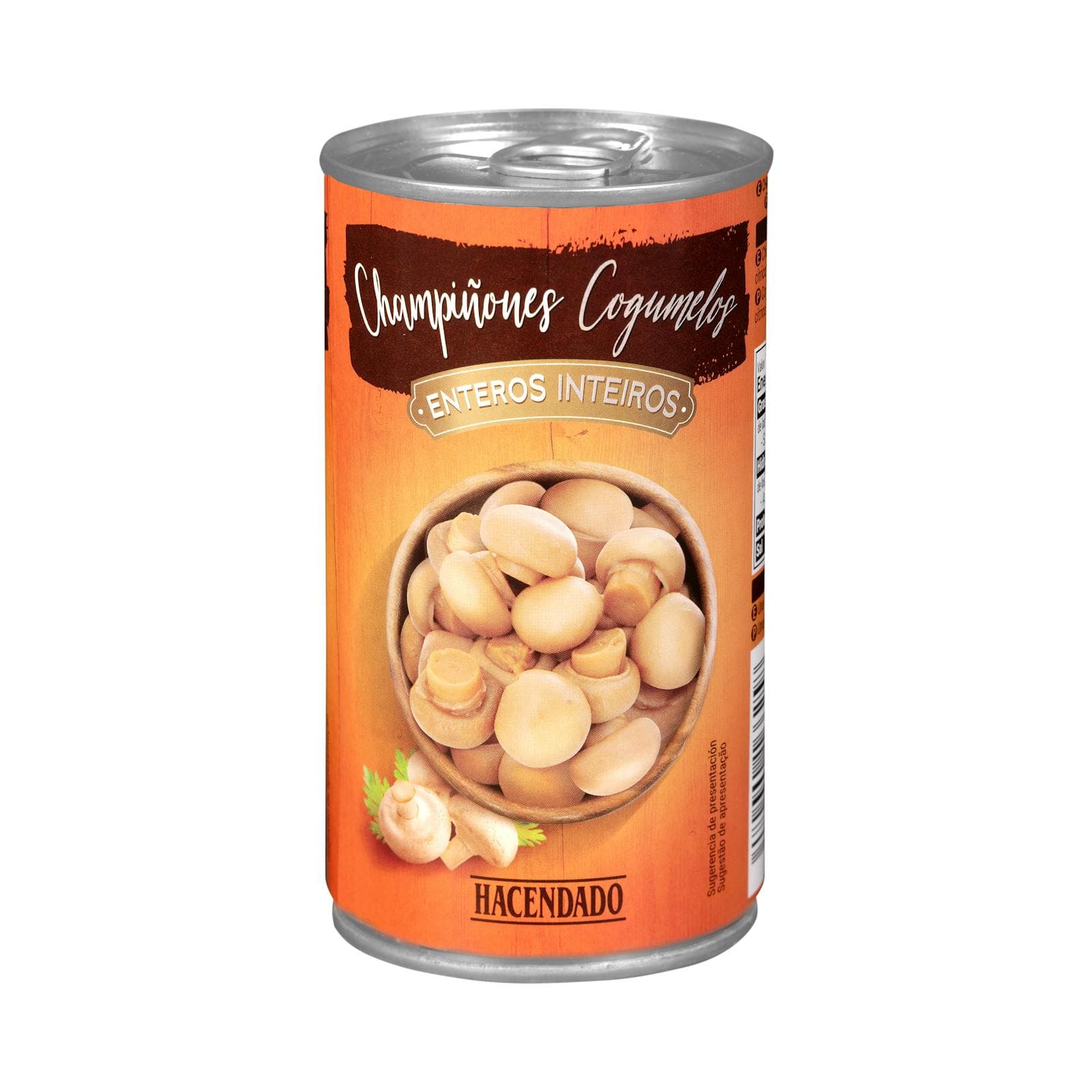
€1.45Whole Mushroom
Hacendado · 355 g · Mercadona
 €1.50
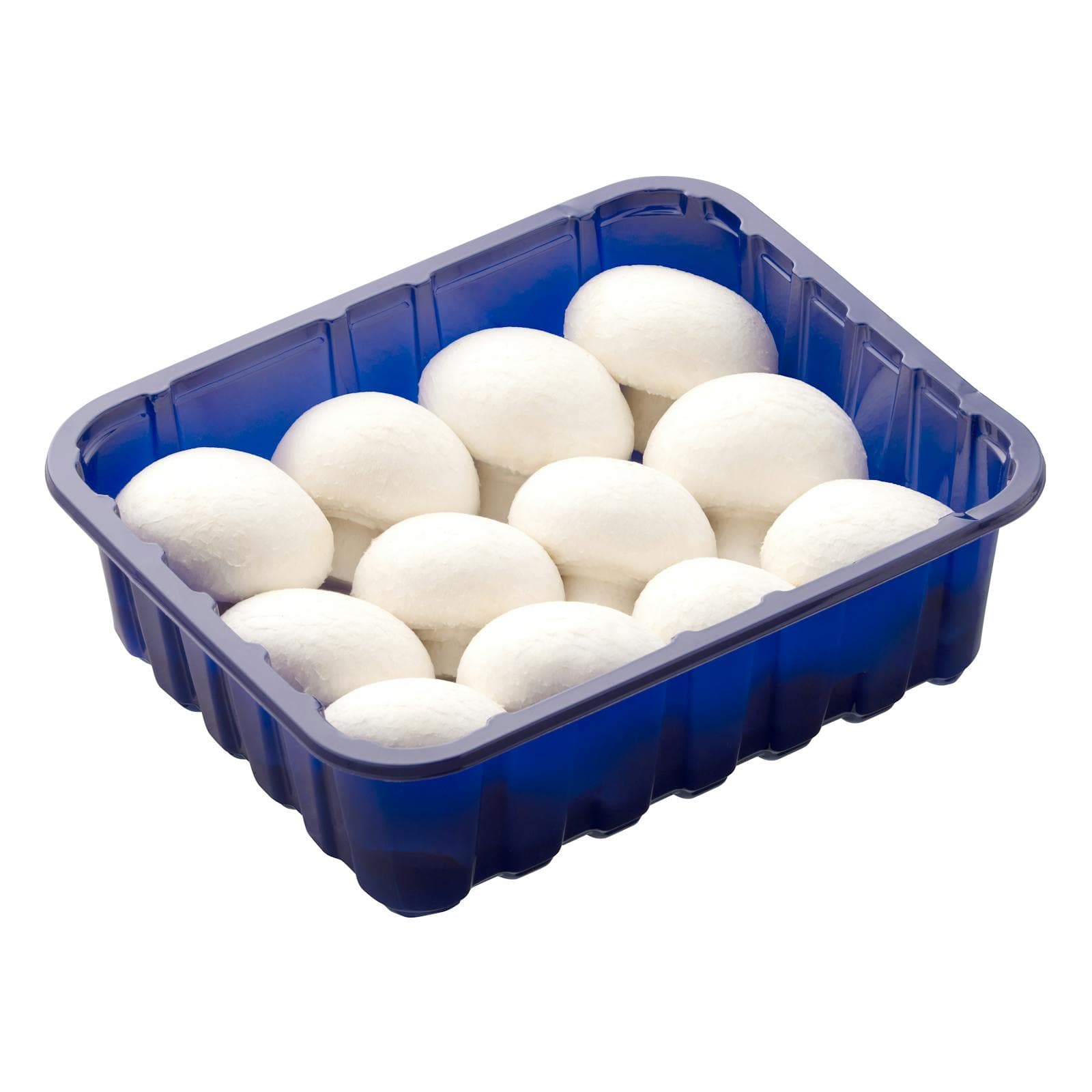
€1.50White Mushrooms
300 g · Mercadona
 €1.99
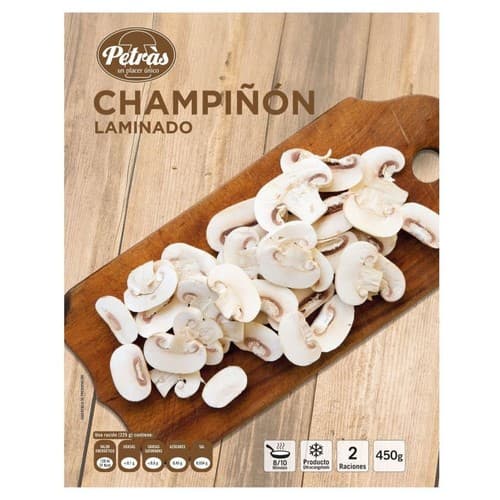
€1.99Sliced Mushrooms
PETRAS · kg · Bonpreu
 €3.96
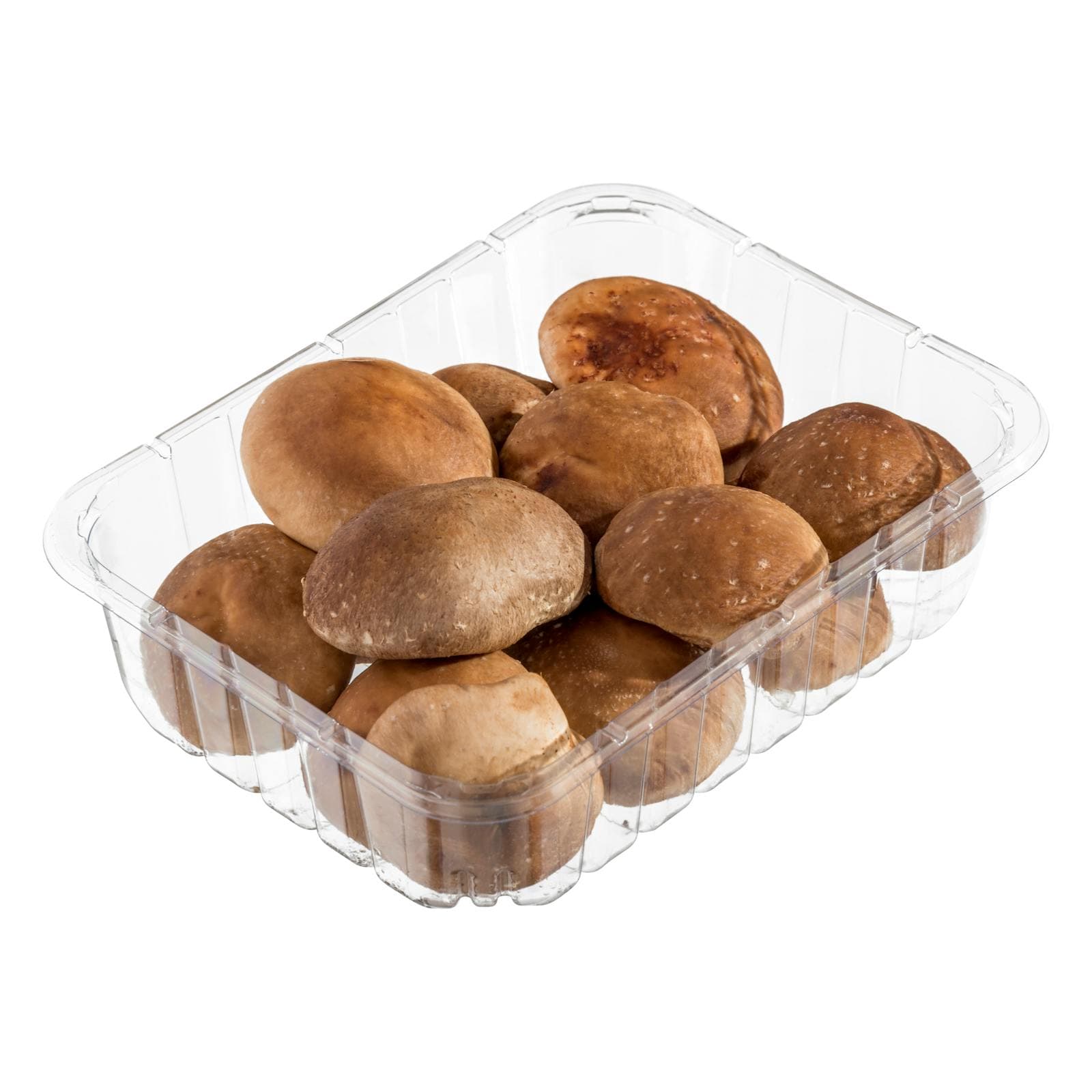
€3.96Shiitake Mushrooms
300 g · Mercadona
 €2.16
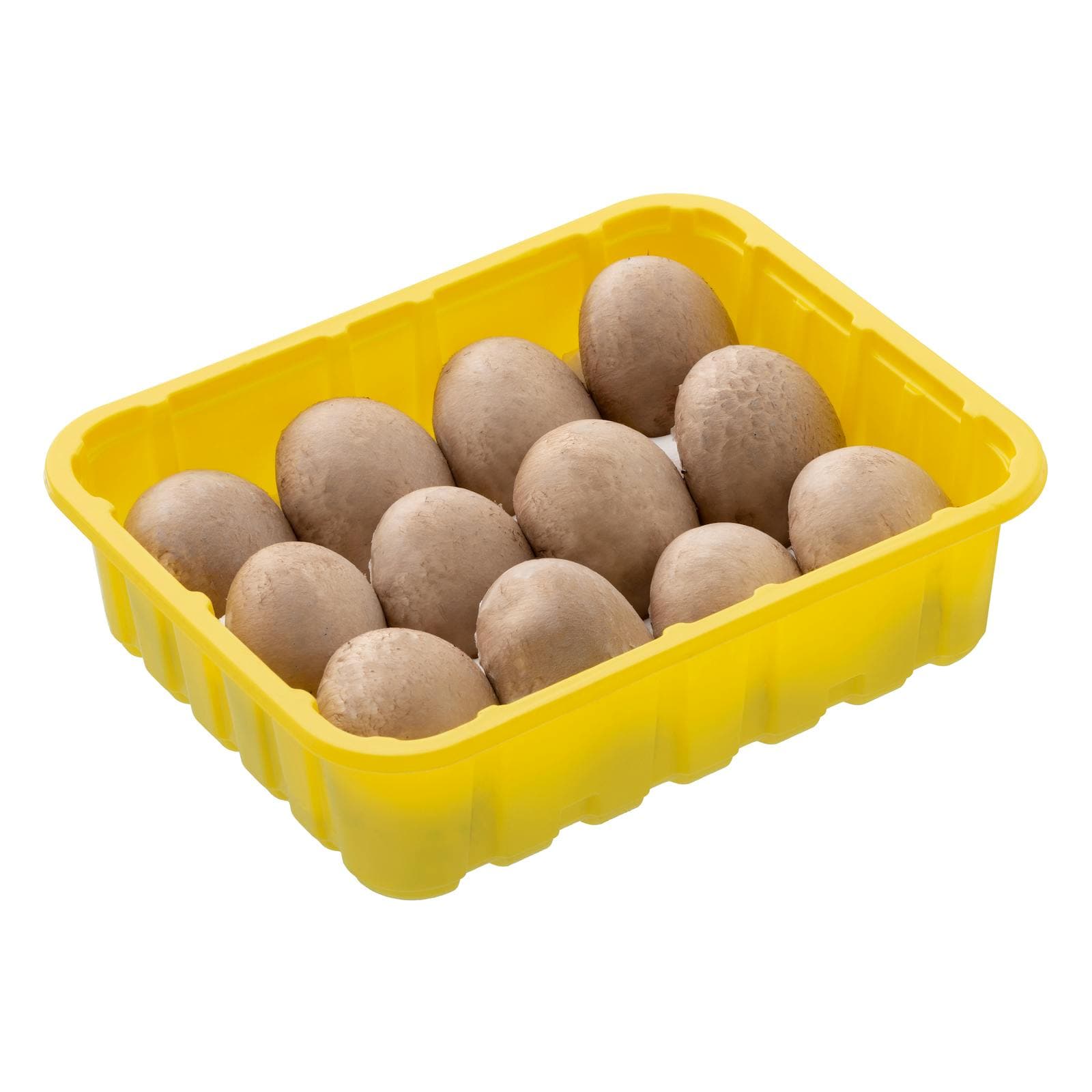
€2.16Portobello Mushrooms
300 g · Mercadona
Good to know
- Scientific name
- Grifola frondosa
- Type
- Polypore — bears pores, not gills, on the underside of each frond
- Native range
- Northeastern Japan, eastern North America, China, parts of Europe
- Season (wild)
- Late summer through autumn; a single tree can fruit in the same spot for many years
- Typical cluster weight
- 2–10 lb (1–4.5 kg) common; exceptional wild specimens exceed 50 lb (23 kg)
- Cultivation
- First commercially grown in Japan in the 1980s on sterilized sawdust or hardwood logs; most supermarket product is now cultivated
- Storage
- 5–7 days refrigerated in a paper bag or wrapped in paper towels; never sealed in plastic
- Yield
- Roughly 70–80% of purchased weight is usable; the dense white base is typically trimmed and reserved for stock
Substitutes
- King Trumpet (King Oyster) mushroom — Closest match for meaty, substantial texture; slice thickly and sear; flavor is milder and less woodsy than maitake
- Shiitake — Best substitute for the deep umami character in soups, stir-fries, and braises; does not crisp in quite the same way
- Oyster mushroom — Replicates the frilly, quick-cooking form but is more delicate and cooks in a fraction of the time
- Chicken-of-the-Woods — Another wild polypore with a meaty texture that genuinely shreds like chicken; rarer, season-specific, and should be cooked thoroughly
- Hedgehog mushroom — A good stand-in for cooked applications where you want a firm, toothsome texture and nutty flavor
- Black Trumpet — Funnel-shaped with deep, smoky flavor; works in sauces and pasta where maitake's woodsy notes are wanted, though it has no crisp-edge potential
Pairs with
Also called
hen of the woods · hen-of-woods · maitake · seta maitake
Related
Tomato
Juicy, sun-sweet fruit for sauces, salads, and slow-cooked depth
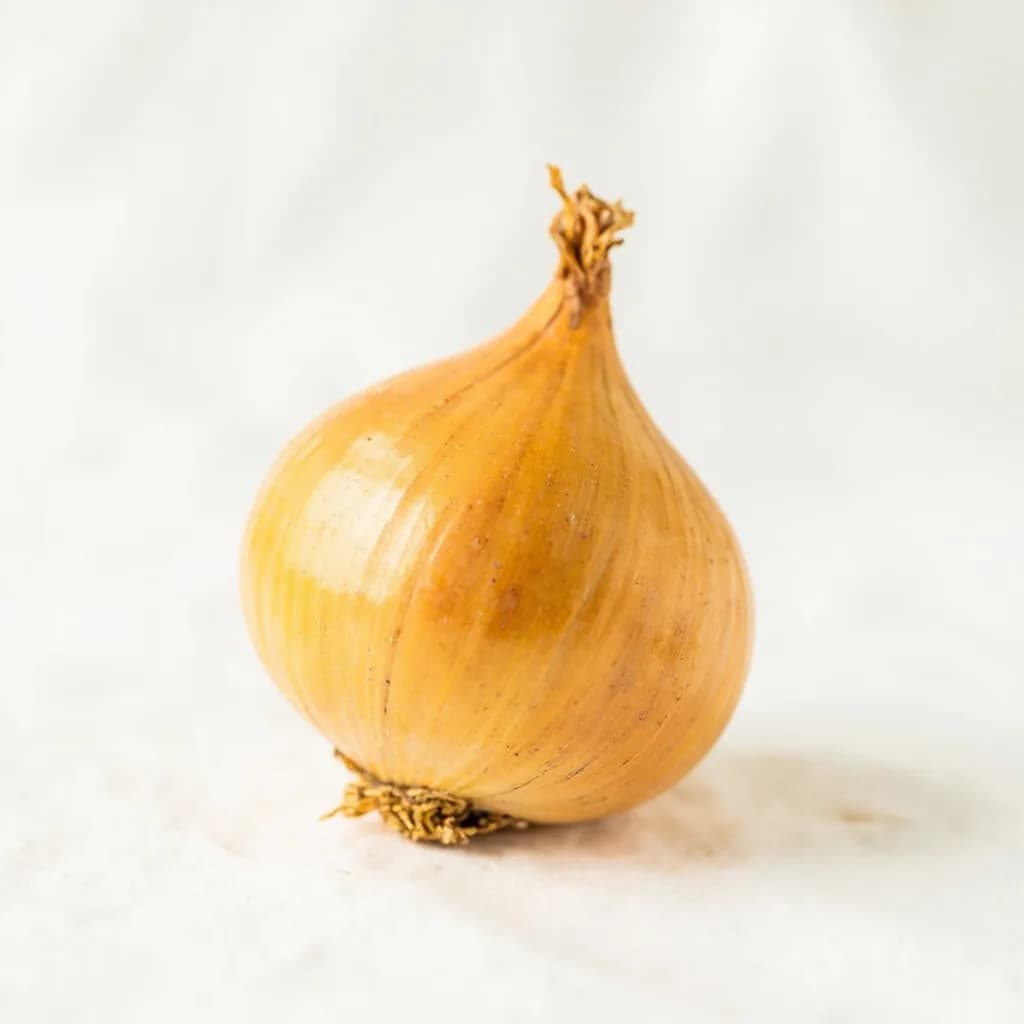
Yellow Onion
The aromatic backbone of soups, sofritos, and braises
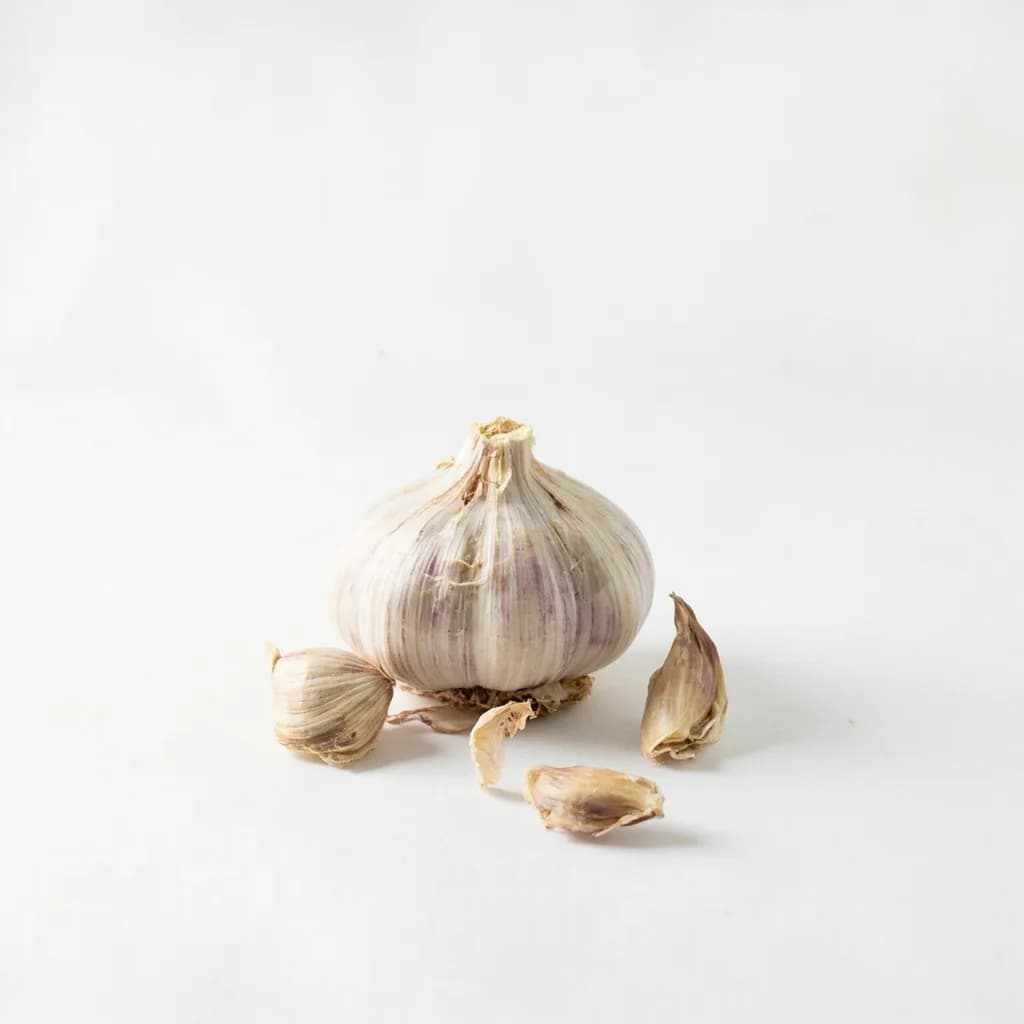
Garlic
Pungent cloves that perfume nearly every savory dish
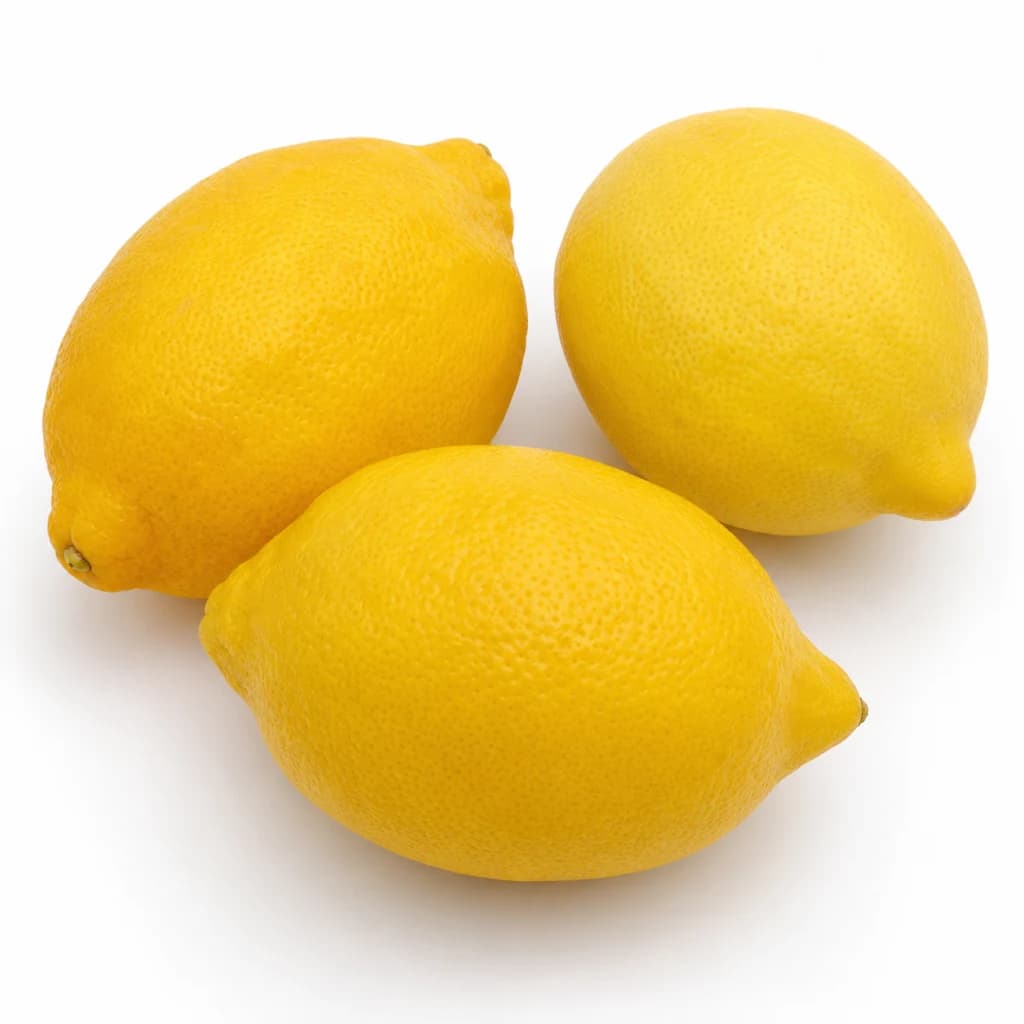
Lemon
Bright, acidic citrus that wakes up almost any dish
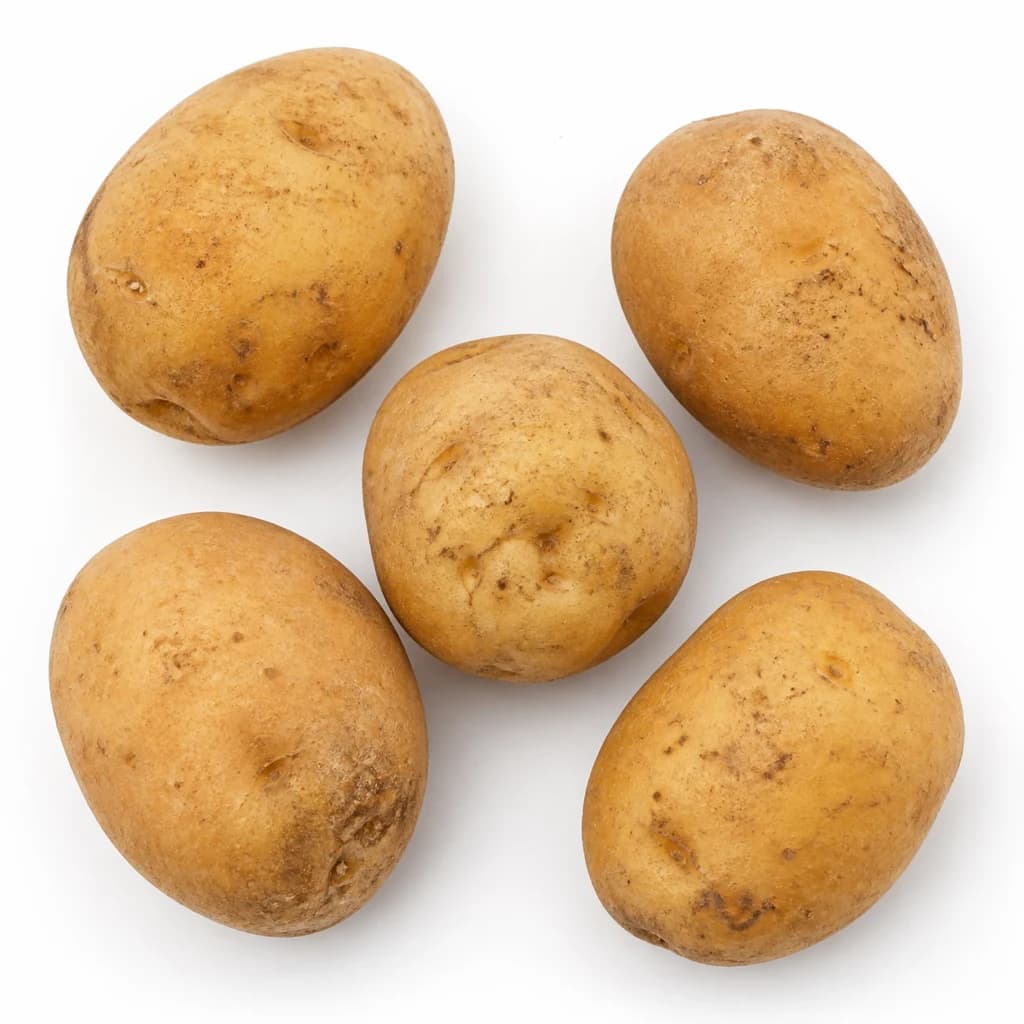
Potato
Humble, hearty staple — roast, mash, fry, or boil
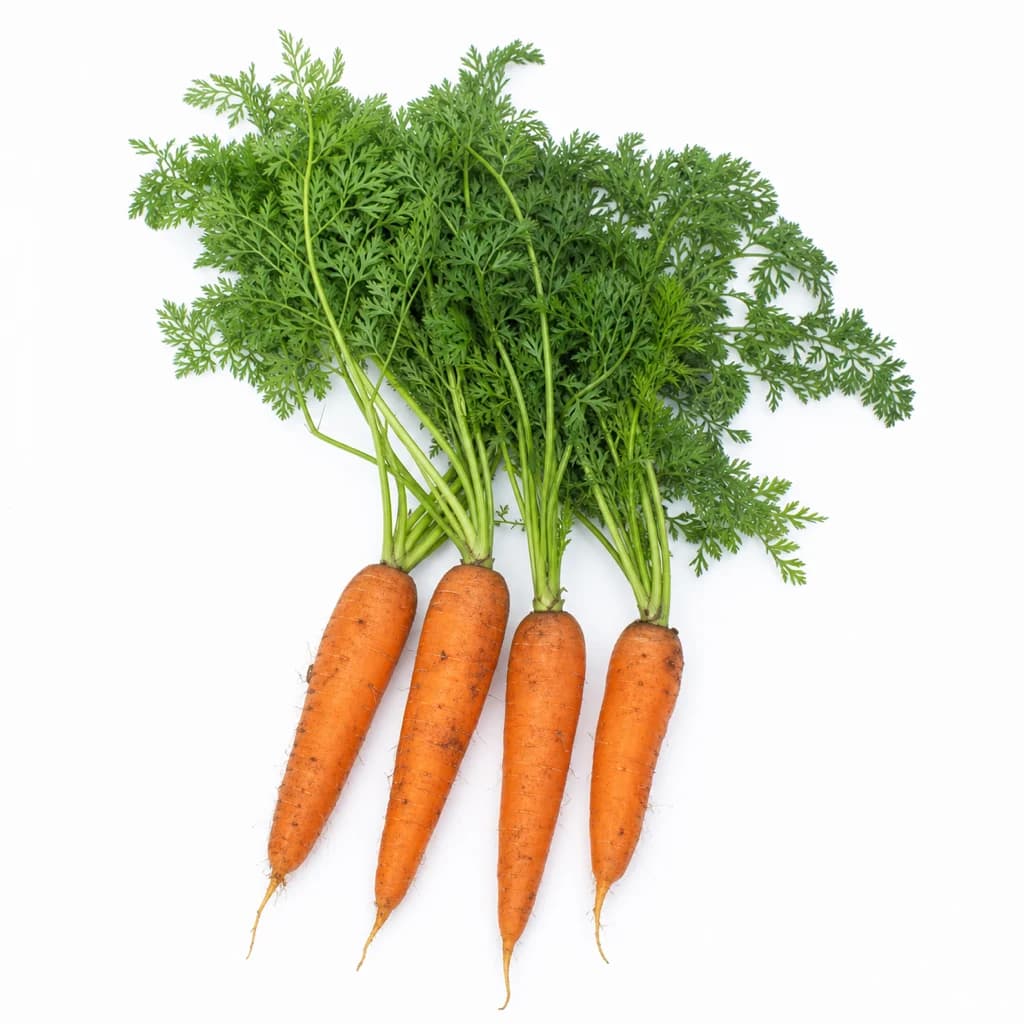
Carrot
Sweet, crunchy root — raw, roasted, or the base of a sofrito
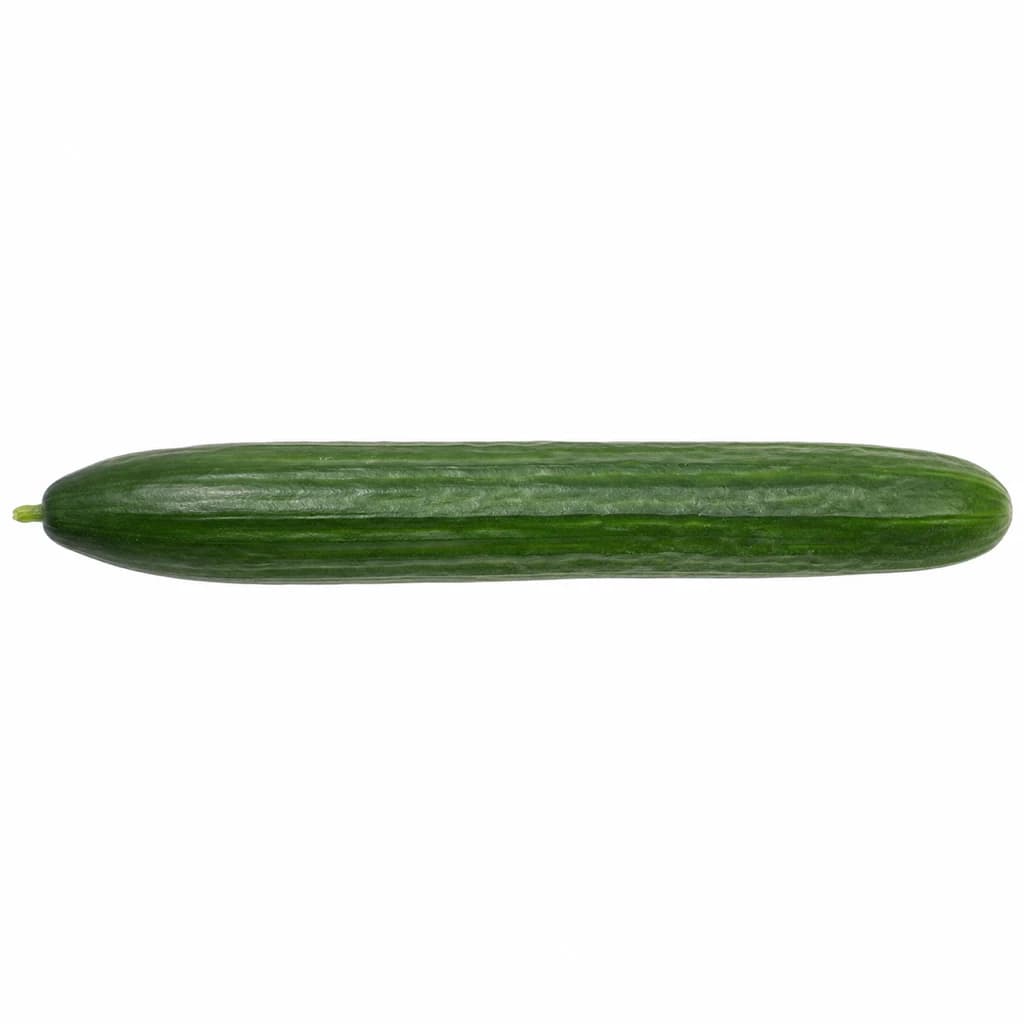
Cucumber
Cool, crisp, and watery — for salads, pickles, and tzatziki

Lettuce
Crisp leaves for salads, wraps, and a fresh crunch